Top 7 Castles around Obdach
Best castles around Obdach are situated in the valley of the Granitzenbach, offering access to historical sites that provide insight into the region's past. The surrounding area features several notable castles and ruins known for their historical significance and scenic views. This region is characterized by its mountainous landscape and historical trade routes.
Best castles around Obdach
- The most popular castles is Eppenstein Castle Ruins, a castle and historical site that served as the ancestral seat of the Eppenstein…
Last updated: June 26, 2026
Eppenstein
Highlight • Castle
Translated by Google •
Tip by

Schlosshotel Gabelhofen
Highlight • Castle
Translated by Google •
Tip by
Sign up now to discover places like this
Get recommendations on the best single tracks, peaks, & plenty of other exciting outdoor places.
Sign up for free
Ruins of Painburg Castle
Highlight • Castle
Translated by Google •
Tip by

Gomarn Castle Ruins
Highlight • Castle
Translated by Google •
Tip by

Schloss Farrach
Highlight • Castle
Translated by Google •
Tip by
Sign up for free to discover even more castles around Obdach.
Sign up for free
Already have an account?
Start today with a free account
Your next adventure awaits.
Login or Signup
Popular around Obdach
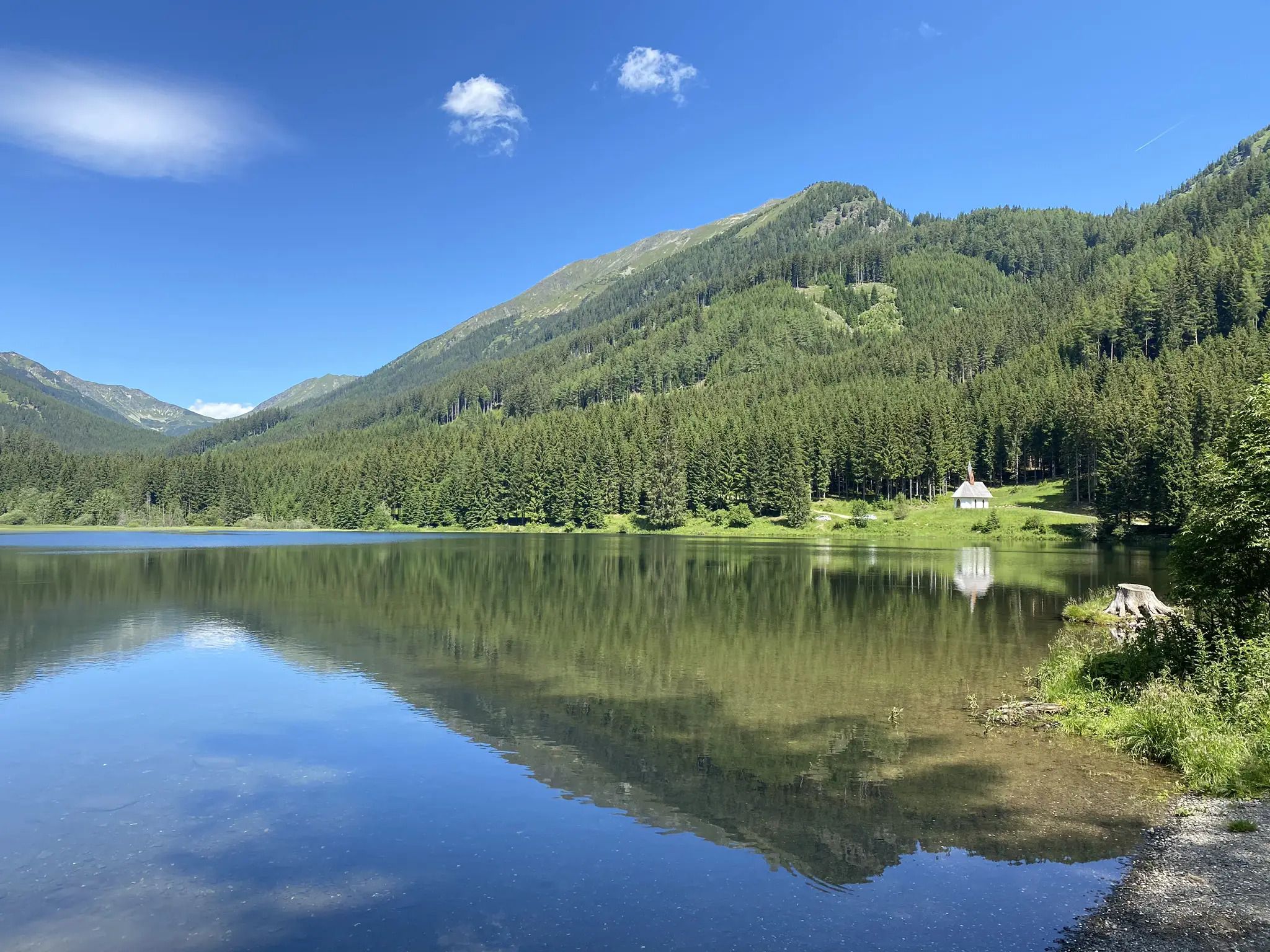
Eisenwurzen Trail – Hiking through Austria from north to south
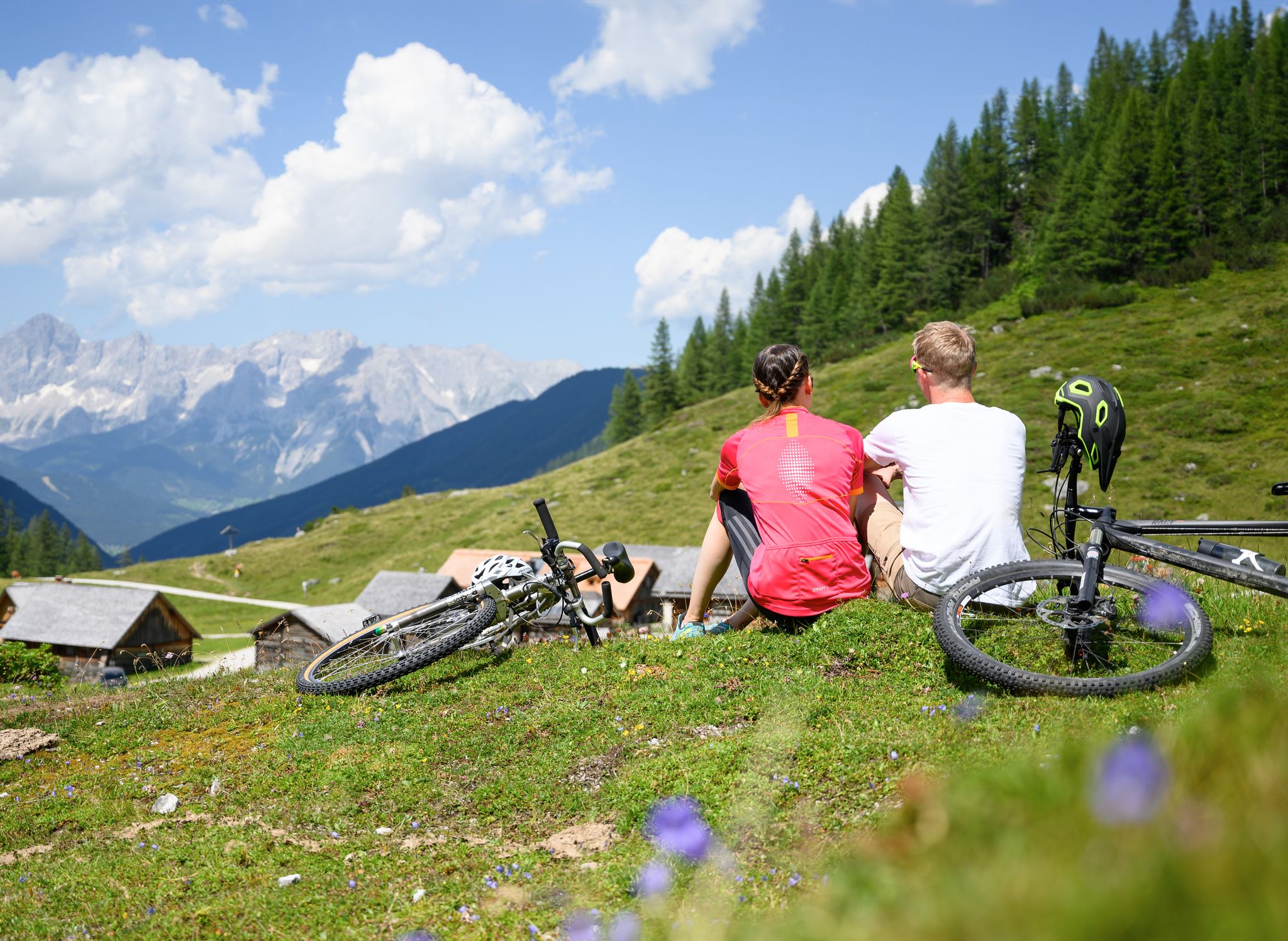
Magnificent mountain biking on Austria's alpine pastures
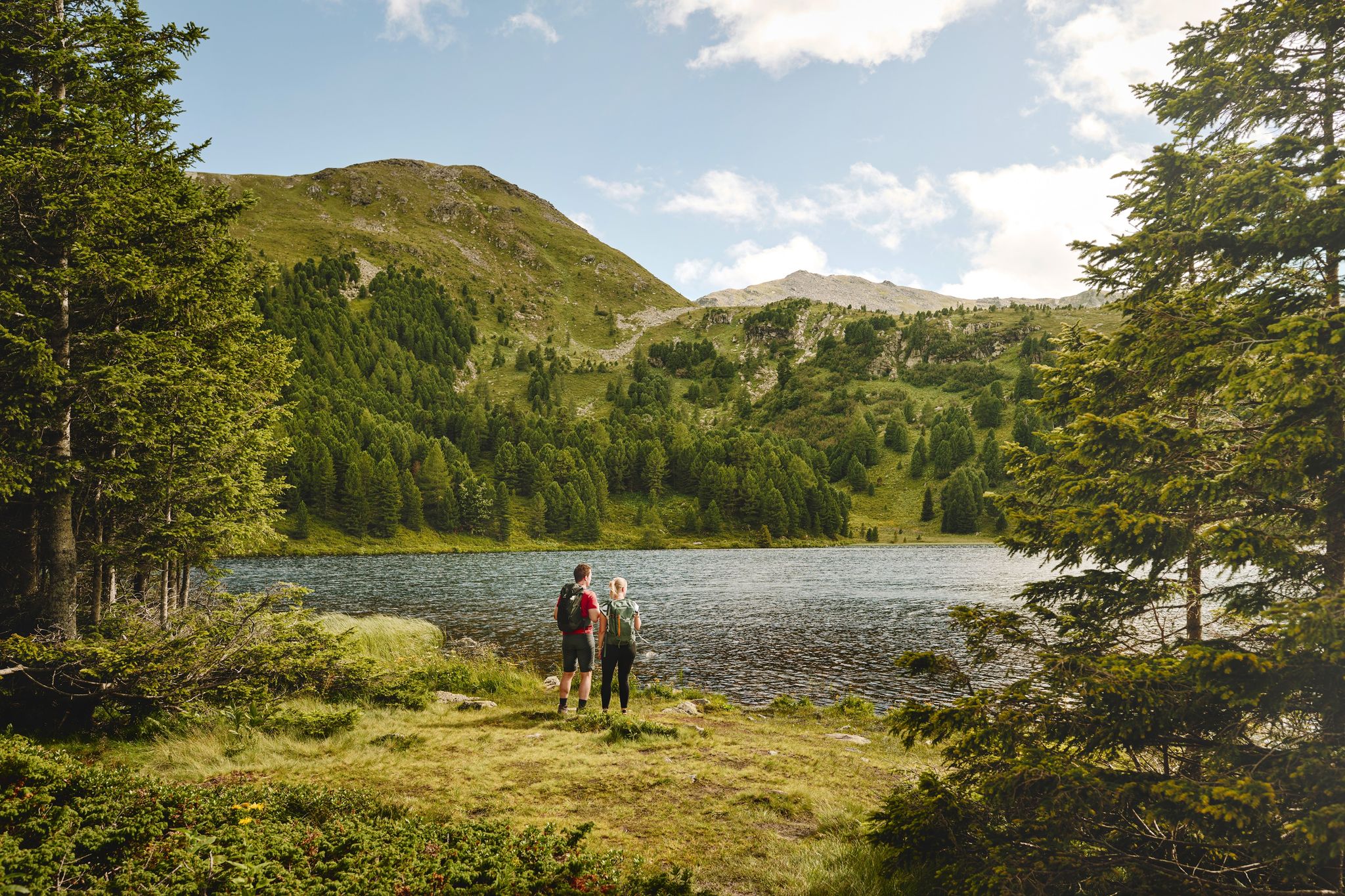
The sound of Swiss pines in the Murtal region
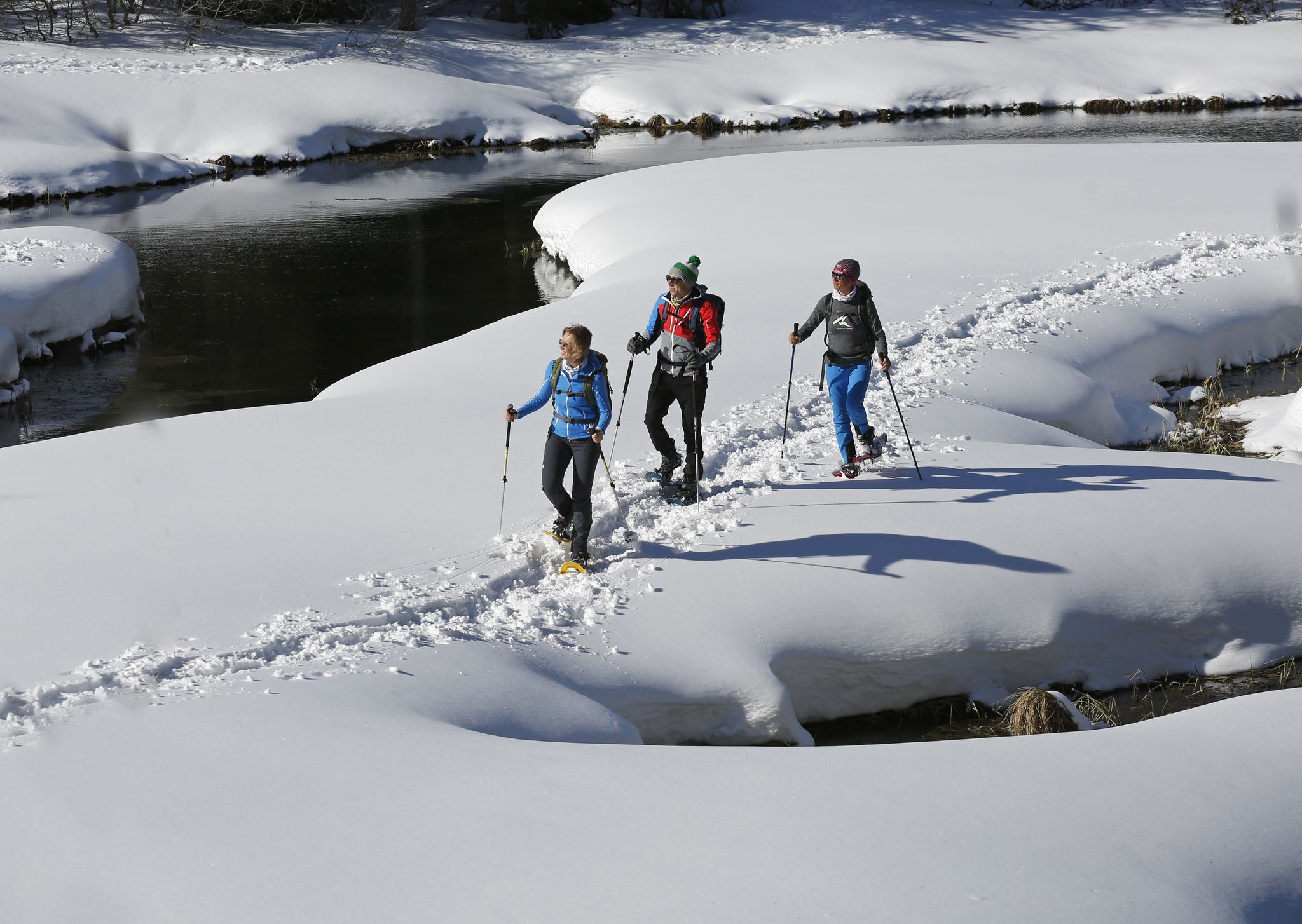
Boundless Austrian winterlust — snowshoeing in the Mur Valley
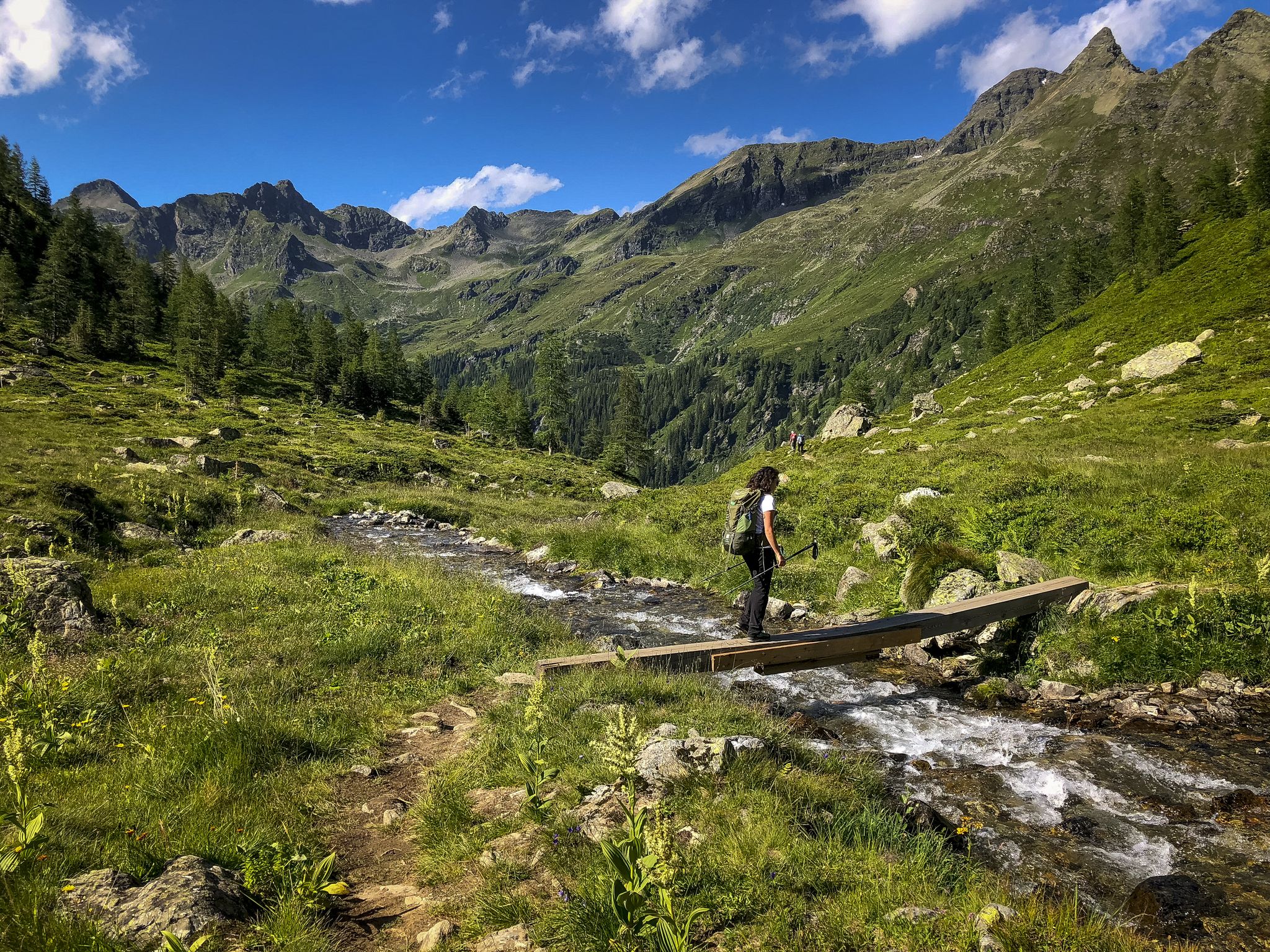
Discover Styria in Austria – Hiking the 'From Glacier to Wine' southern route
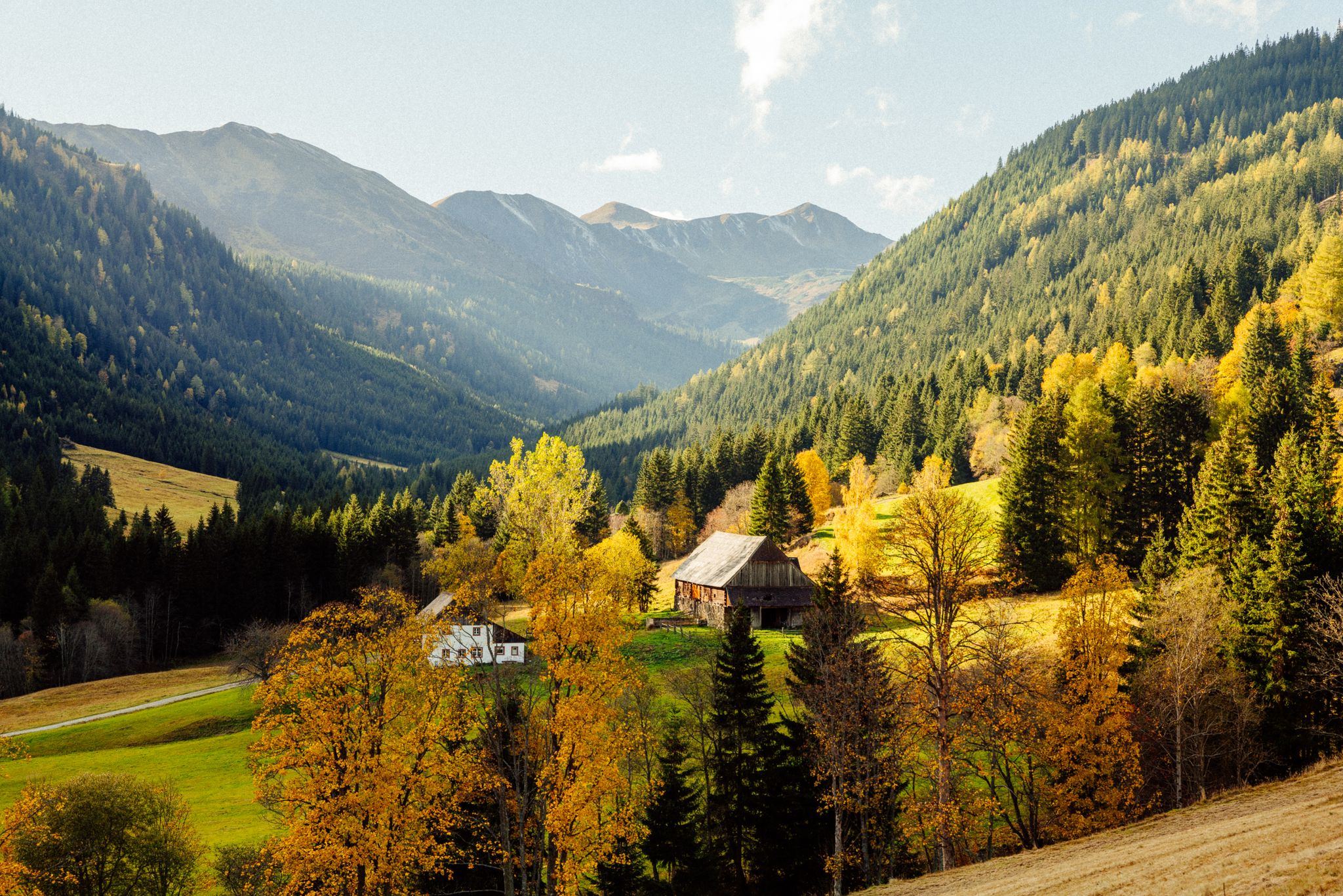
Z'HERBST in der Erlebnisregion Murtal
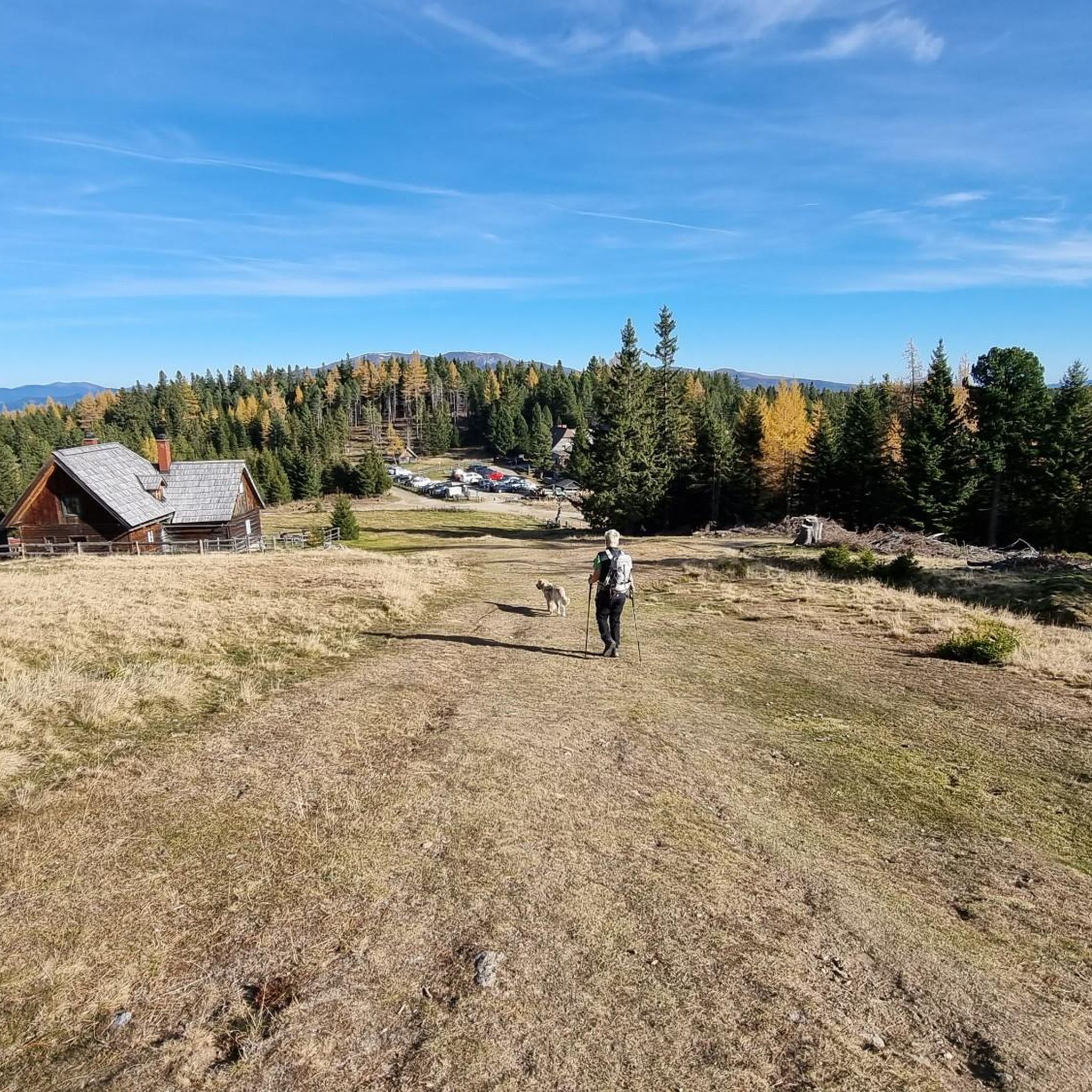
Hiking around Obdach
Cycling around Obdach
MTB Trails around Obdach
Mountain Hikes around Obdach
Other adventures around Obdach


Tips from the Community

A detour to the Eppenstein Castle ruins is worthwhile, as it offers a medieval feel with panoramic views of the Mur Valley! 🏰✨ Perfect for a little trip back in time, a few epic photos, and the realization: ruins can be damn cool, too.
0
0

The Schlosshotel Gabelhofen is used for weddings and seminars with high-priced gastronomy
3
0

The castle ruins are constantly being restored by a great club, if you have forced them you will be rewarded with a great view the knights would be happy😁
0
0

The Painhof, which is usually also referred to as Painburg, was built around 1420 by the Lords of Pain as a moated castle. The actual Painburg was a predecessor building, of which today there are only barely recognizable traces. The Lords of Pain were in the service of the bishops of Bamberg. They lived in the Painhof until 1544. Towards the end of the 15th and beginning of the 16th century, they undertook significant extensions and expansions of the fortifications. These fortifications proved to be extremely effective, because when Turkish raiders devastated the villages of the upper Lavant valley at the end of the 15th century, they left the Painhof, to which parts of the civilian population had fled, unscathed. In 1544, Siegmund von Pain had the spacious Lichtengraben Castle built not far from the castle. The Painburg was abandoned and its masonry used as building material for the expansion of the new residence. In terms of ownership, the ruins have remained connected to Lichtengraben Castle to this day. Seyfried von Pain had to file for bankruptcy in 1615. Although his main creditors were his two sisters and his mother, the rule had to be ceded to Melchior Putz von Kirchheimegg. The family died out in 1652 with Hans Christoph von Pain. The estate now had a number of owners, most of whom inherited the dominion from one another. Eventually Franz Josef Freiherr von Teuffenbach bought the property in 1711. Lichtengraben remained with the Teuffenbach family until 1839. After that it passed to Eugen Ritter von Dickmann. After 1870, Lichtengraben fell to the Hüttenberger Eisenwerksgesellschaft, which was eventually replaced by the Alpine Montangesellschaft. In 1886 the Royal Norwegian Consul Dr. Karl Neufeld the estate. The estate has been family-owned since that time. Namely the families Baumann, von Bitzy and finally the family Rittler, which still owns the property and runs it as an agricultural and forestry business.
2
0
Beautiful mural of the Eppenstein ruins, here at the foot of the castle.
12
0
Farrach Castle, known for the annual Christmas market. The riding stables where tournaments are held is also here.
5
0

The moated castle Gabelhofen is today a four-star castle hotel with seminar facilities. It is located 200 meters from the Aqualux thermal baths. The building was first mentioned in 1443 as Hof Riegersdorf, which belonged to the Liechtenstein lordship near Judenburg. In 1490 the court went to the Pfanngauer, and the expansion into a Renaissance moated castle began. From 2000 to 2014 the castle was owned by H.M.Z., founded by Helmut M. Zoidl. Private foundation and was used as a hotel, seminar center and art gallery. In April 2014 Dietrich Mateschitz bought the property.
0
0

Nice bike path away from the noise of the streets
8
0
Frequently Asked Questions
What are some of the most historically significant castles in the Obdach region?
The region around Obdach is rich in history. The Eppenstein Castle Ruins are particularly significant as the ancestral seat of the powerful Eppenstein dynasty, who were margraves of Styria and dukes of Carinthia. Ruins of Painburg Castle, though only traces remain, was an important moated castle that successfully deterred Turkish raiders in the 15th century. Nearby, Lichtengraben Castle, built by the Lords of Pain, also offers a glimpse into the opulent lifestyle of the nobility.
Which castles offer the best panoramic views?
For breathtaking views, the Eppenstein Castle Ruins are highly recommended. Situated at 736 meters, they provide incomparable views over the Murtal valley and the surrounding mountain panorama. A special highlight is the newly constructed Skywalk, which juts out over the abyss for an even more magnificent perspective.
Are there family-friendly castles to visit near Obdach?
Yes, several castles in the area are suitable for families. The Eppenstein Castle Ruins are listed as family-friendly and can be reached via walking trails. Gomarn Castle Ruins and Schloss Farrach are also noted as family-friendly, offering historical exploration in an accessible setting.
What kind of activities can I find at or near these castles?
Beyond historical exploration, some castles offer additional activities. Lichtengraben Castle, for example, provides opportunities for cycling, hiking, fishing, and skiing in the surrounding natural beauty. It also features a sauna, kitchenette, and barbecue area. The Eppenstein Castle Ruins are accessible via hiking trails, and the Komoot community mentions a yearly 'castle in flames' event, suggesting cultural activities.
Can I find accommodation or dining options at any of the castles?
Yes, Schlosshotel Gabelhofen is a Renaissance castle that operates as an upscale hotel and restaurant. It offers dining daily and is a great spot for events. Lichtengraben Castle also serves as an event venue and can be rented for celebrations, including weddings, and offers amenities like a kitchenette.
Are there hiking opportunities near the castles around Obdach?
Absolutely. The Eppenstein Castle Ruins are freely accessible via several walking and hiking trails. For more extensive hiking, you can explore the Mountain Hikes around Obdach guide, which features routes like the 'Lindersee – Zirbitzkogel loop' and 'Hohe Ranach loop' in the broader region.
What are the best times to visit the castles in the Obdach area?
The Eppenstein Castle Ruins are freely accessible all year round. Generally, spring, summer, and early autumn offer pleasant weather for exploring the outdoor ruins and enjoying the scenic views. Some castles, like Lichtengraben, offer activities like skiing in winter, making them suitable for year-round visits depending on your interests.
Are there any cultural events associated with the castles?
The Eppenstein Castle Ruins are known for a yearly 'castle in flames' event, indicating cultural activities take place there. Schloss Farrach is known for its annual Christmas market, and Lichtengraben Castle serves as a venue for celebrations and events.
How accessible are the castles by public transport or car, and is there parking?
While specific public transport details for each castle are not readily available, the region is generally accessible. For car visitors, parking is typically available near popular sites. For instance, the Eppenstein Castle Ruins are well-maintained by a dedicated castle association, implying good visitor infrastructure. Lichtengraben Castle is also reachable, often with guided tours available.
What other outdoor activities can I combine with a castle visit in the Obdach region?
The Obdach region is excellent for outdoor enthusiasts. Besides hiking near the castles, you can explore gravel biking routes or MTB trails around Obdach. Many routes, like the 'Eppenstein Castle Ruins – Admontbichlweg loop', directly incorporate castle sites into their paths, offering a blend of history and adventure.
Are there any lesser-known or 'hidden gem' castles worth exploring?
While not a hidden gem in the traditional sense, the Ruins of Painburg Castle are historically significant but have only 'barely recognizable traces' today. However, the area around it, specifically at Gut Schloss Lichtengraben, features nature ponds around what is referred to as the 'Pain ruin,' which visitors can explore as part of guided tours, offering a unique historical context.
Most popular routes around Obdach
Most popular attractions around Obdach

Get inspired with the komoot mobile app


Explore more
Looking for the best castles somewhere else? Discover other guides around Obdach:
