Top 10 Castles around Deutschfeistritz
Castles near Deutschfeistritz offer a journey through centuries of history in Styria, Austria. This municipality is situated in the Mur Valley, providing a landscape where historical sites blend with natural surroundings. The region features a variety of fortifications, from well-preserved castles to ancient ruins. These structures reflect diverse architectural styles and the strategic importance of the area throughout history.
Best castles around Deutschfeistritz
- The most popular castles is Rabenstein Castle, a castle that is well-preserved and offers great views.…
Last updated: June 26, 2026
Rabenstein Castle
Highlight • Castle
Translated by Google •
Tip by

Maiden's Leap, Gösting
Highlight • Viewpoint
Translated by Google •
Tip by

Sign up now to discover places like this
Get recommendations on the best single tracks, peaks, & plenty of other exciting outdoor places.
Sign up for free
Gösting Castle
Highlight • Castle
After the construction was completed in 1728, the interior was not completed until 1735. In 1844/45 the French gardens …
Translated by Google •
Tip by

Plankenwarth Castle
Highlight • Castle
Due to the location, there are several options.
The castle can be reached from Judendorf, St. Oswald or Steinberg.
For mountain …
Translated by Google •
Tip by
St. Veit Castle
Highlight • Castle
Translated by Google •
Tip by
Sign up for free to discover even more castles around Deutschfeistritz.
Sign up for free
Already have an account?
Start today with a free account
Your next adventure awaits.
Login or Signup
Popular around Deutschfeistritz
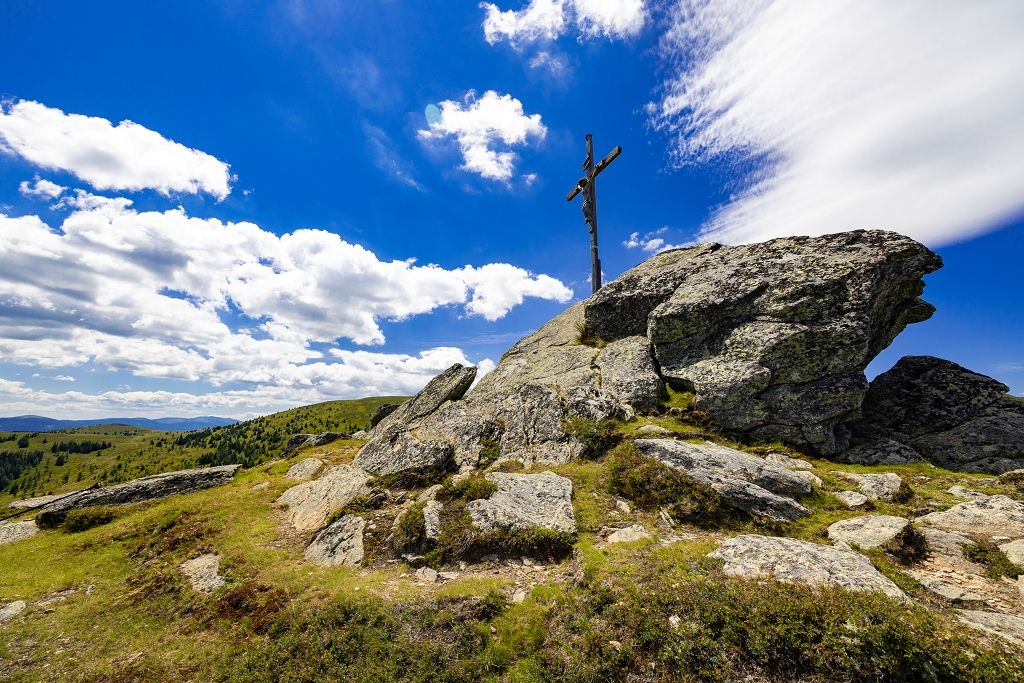
From the city to the countryside in ten minutes – hiking around Graz
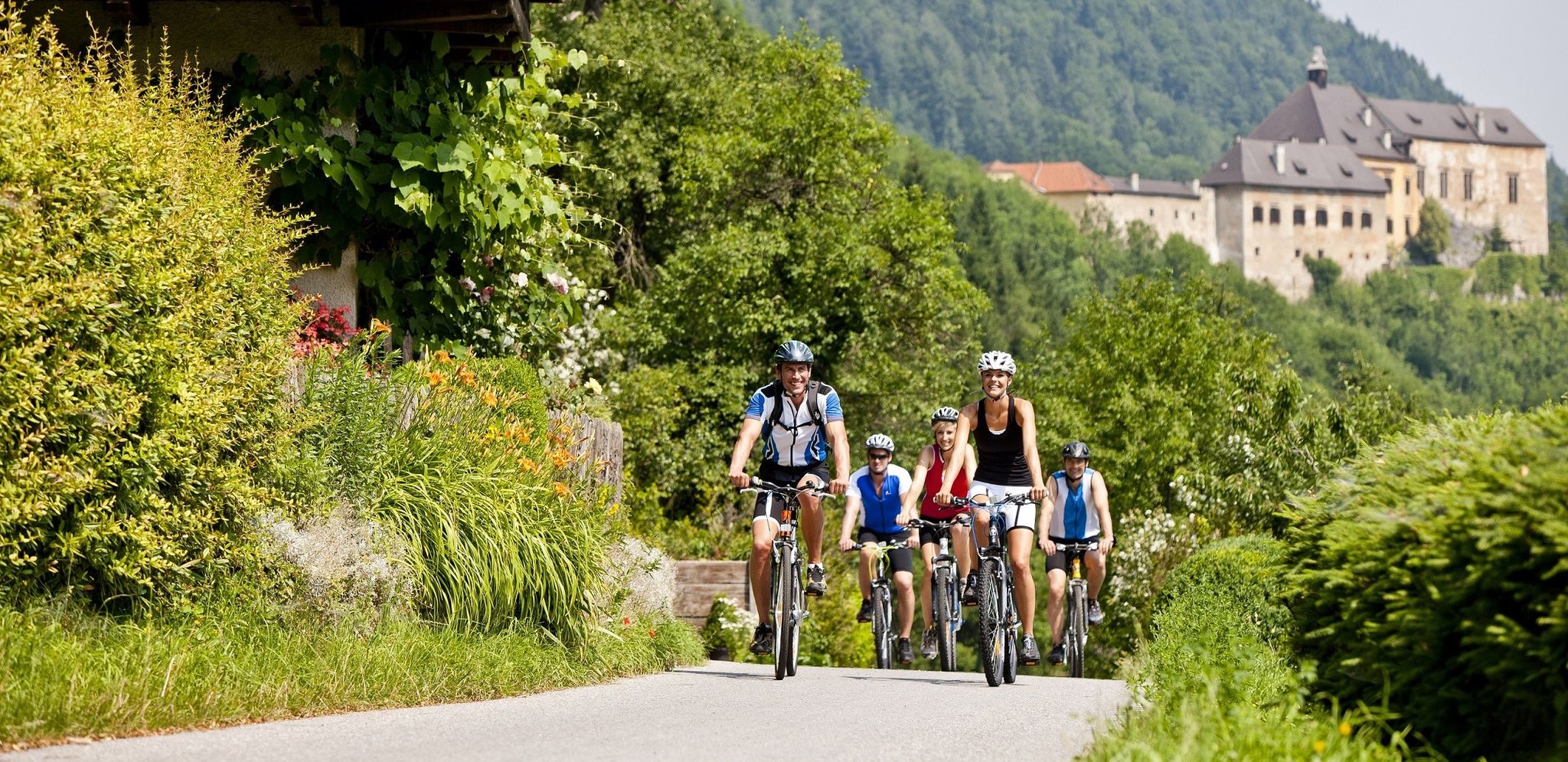
Have fun on two wheels – cycling in Austria’s Graz Adventure Region
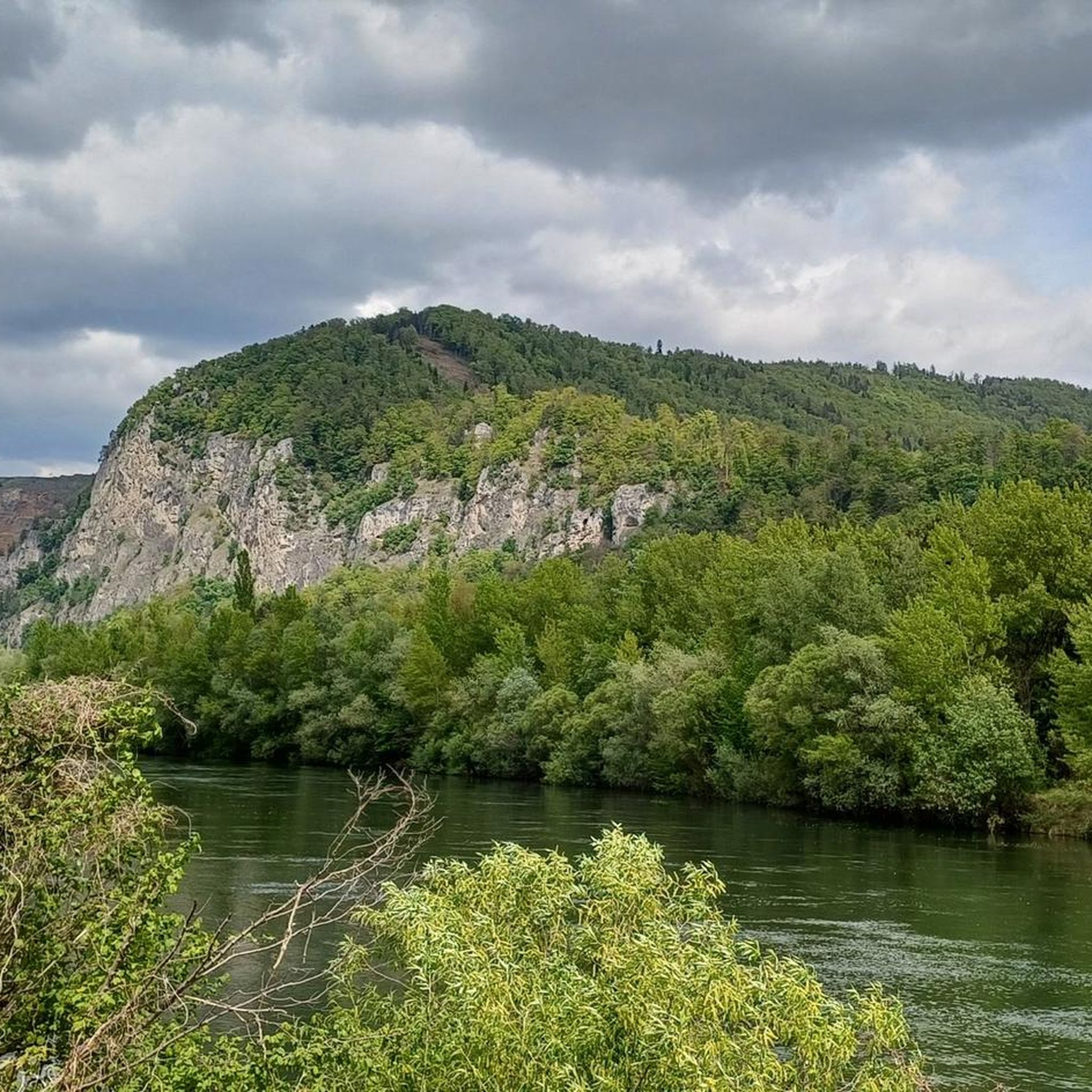
Hiking around Deutschfeistritz
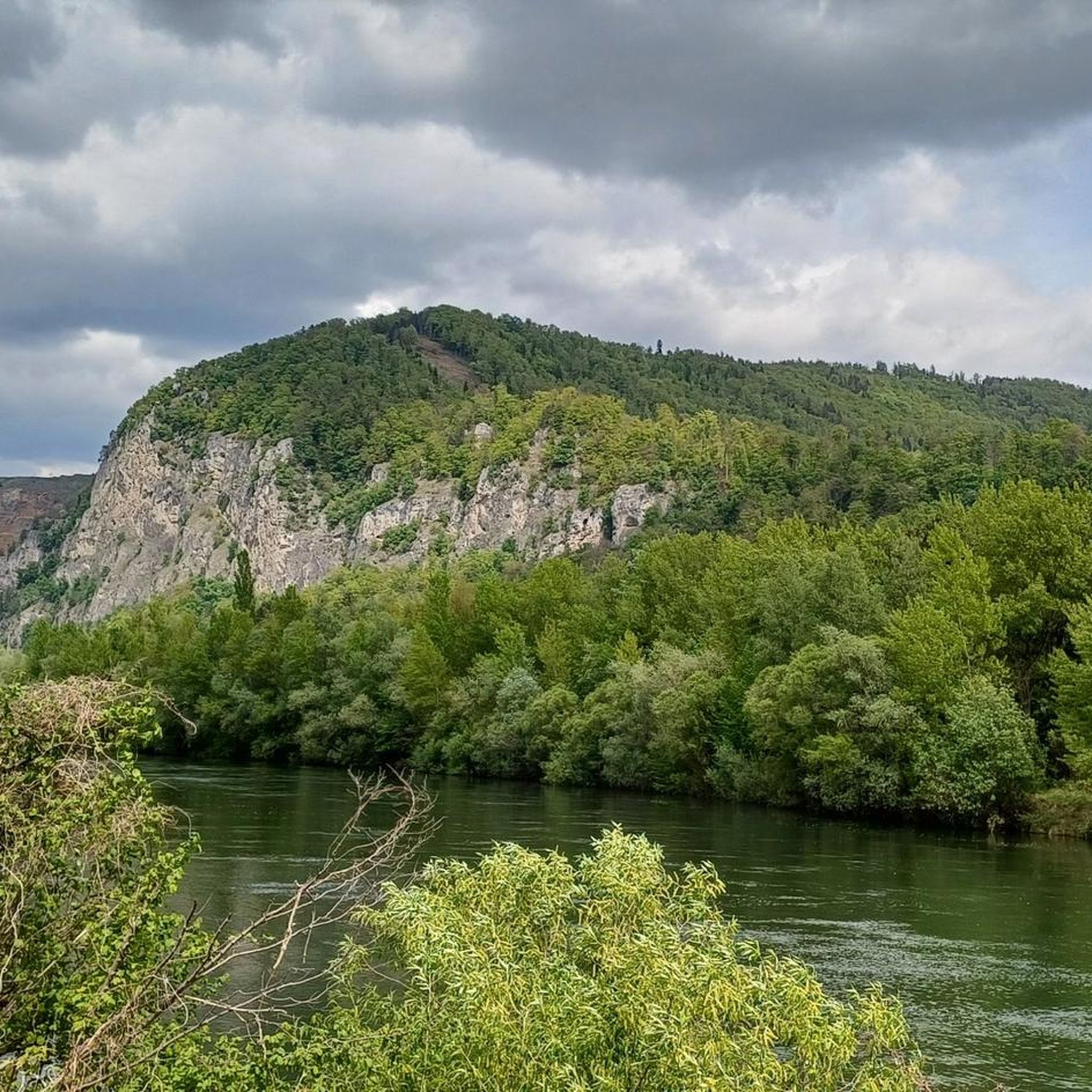
Cycling around Deutschfeistritz
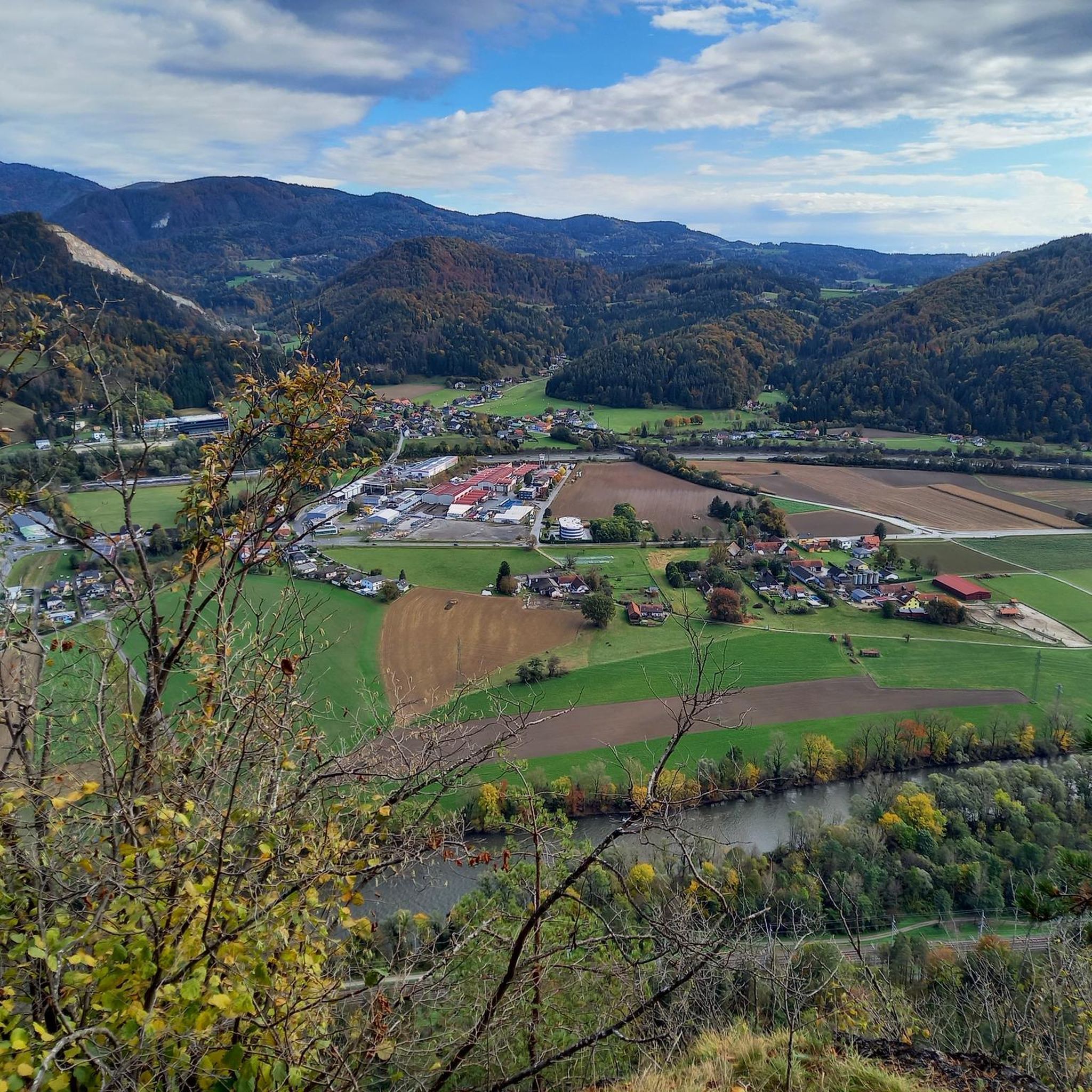
Road Cycling Routes around Deutschfeistritz
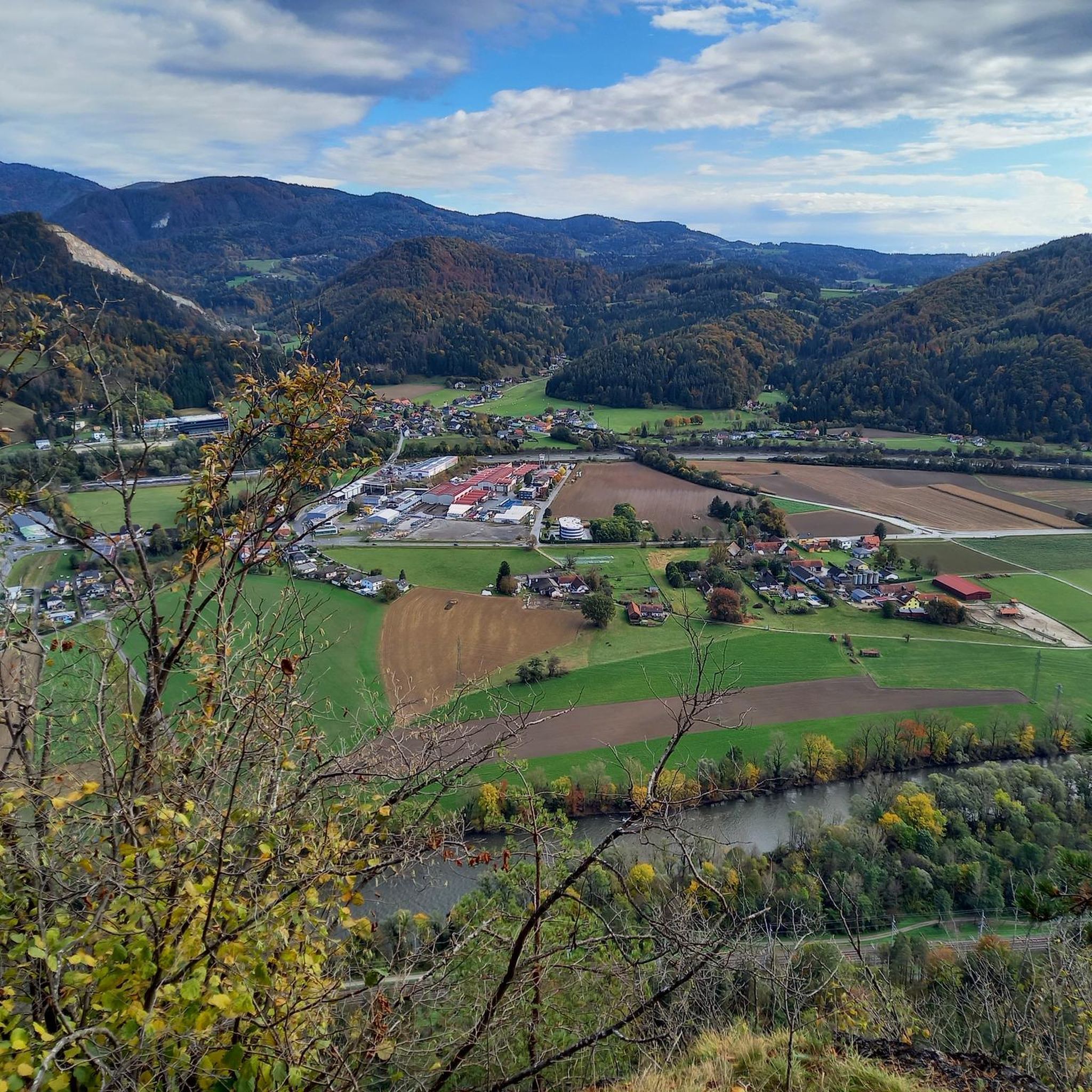
Running Trails around Deutschfeistritz
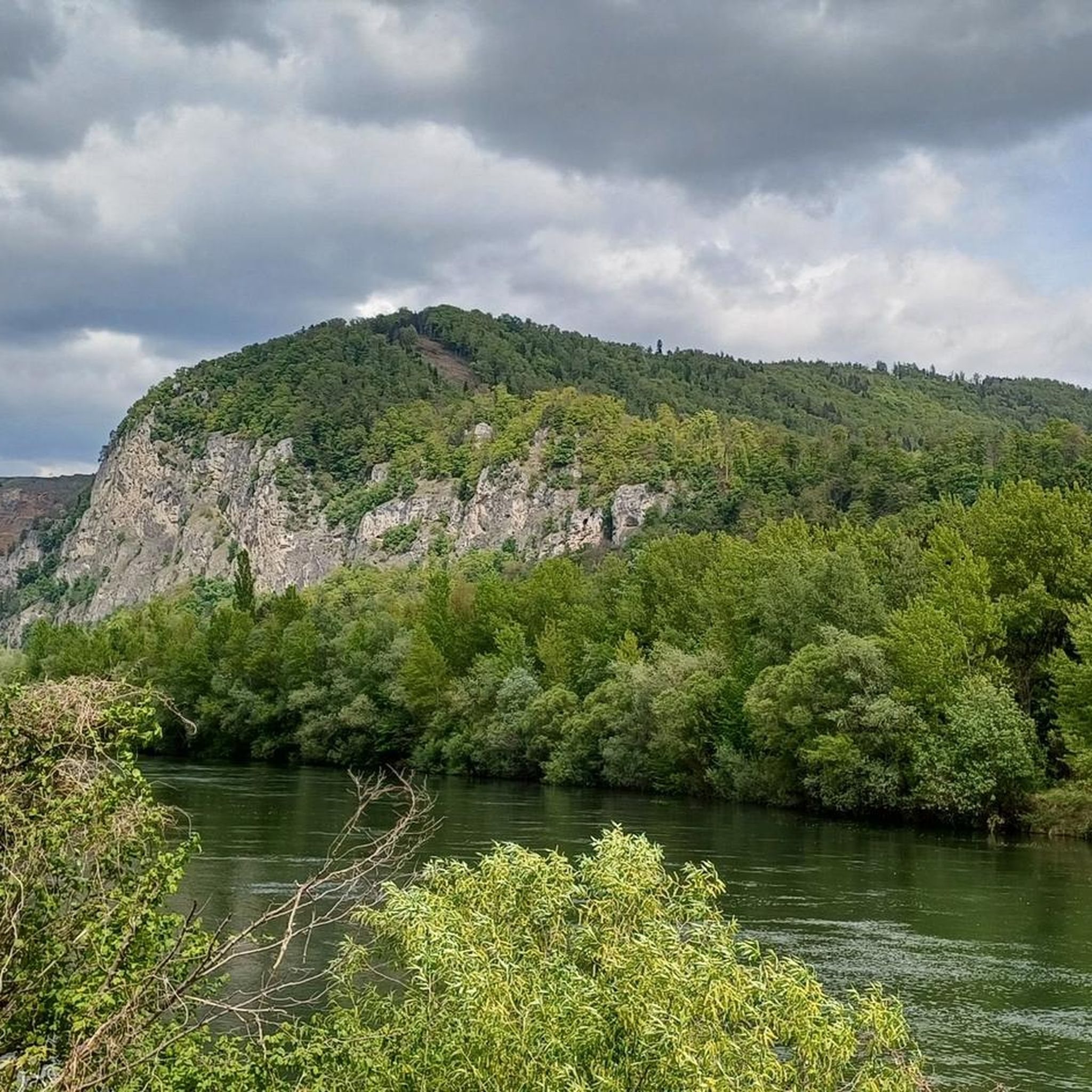
MTB Trails around Deutschfeistritz
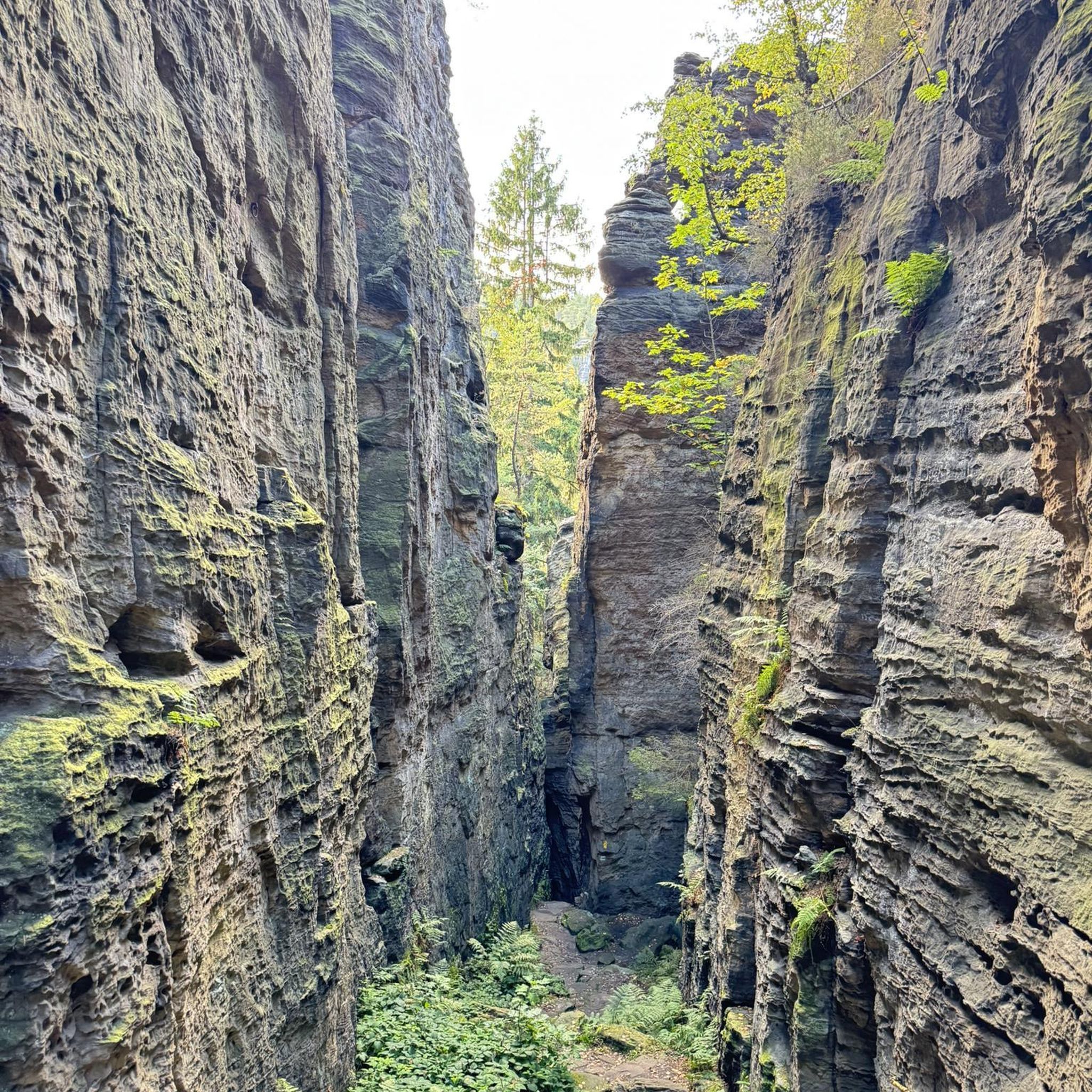
Mountain Hikes around Deutschfeistritz

Gravel biking around Deutschfeistritz

Tips from the Community


The Jungfernsprung is a rocky outcrop in the western Graz Mountains in the Austrian state of Styria. The dolomite rock, which owes its name to a legend, lies 130 meters northeast of the Gösting castle ruins in the state capital Graz.
0
0

At the Plankenwarth pond you can get very good food and drinks. Very nice facility where everyone is welcome and seen. Apparently the fish is excellent!!!:) The hill through the forest towards Plankenwarth has a gradient of around 10% in some places. At the top you have lots of options towards Schirning, Graz or St. Oswald.
1
0

Gösting Castle is a baroque castle and is still privately owned. After the construction was completed in 1728, the interior was not completed until 1735. In 1844/45 the French gardens were transformed into an English park. In 1891 Karl Lacher provided the plans for a partial redesign of the interior. The Attems family owned Gösting Castle until 1955, before it was sold to Hans and Grete Totz, who took on the task of repairing the war damage. The interior suffered because numerous rooms were rented out as living quarters for guest workers. The exterior was renovated in 1960 and the roof was replaced in 1967. The building can be reached via bus route 40, which has its terminus in front of the castle.
1
0

Beautiful vantage point near the Gösting castle ruins. Probably not suitable for people afraid of heights.
1
0

The distinctive rocky spur in the western Grazer Bergland adorned the region's postcards early on. From the rock you have a wonderful view over the Murtal. It goes without saying that there are several legends surrounding such a place. One of them tells that Katharina, one of the daughters of the lord of the castle Wulfing, threw herself from the rock near the castle into the Mur. She could not cope with the death of her lover in a sword fight.
0
0

There are always great exhibitions there.
1
0

The castle was built in the 12th century and stands out beautifully on its rock.
1
0
Frequently Asked Questions
What historical castles and ruins can I explore in the Deutschfeistritz area?
The Deutschfeistritz region offers a rich array of historical sites. You can visit well-preserved castles like Rabenstein Castle, known for its exhibitions and views, and Plankenwarth Castle, which features a restaurant. Other notable sites include Schloss Waldstein, Schloss Stübing, the ancient Burgruine Peggau, and the Gothic Hungerturm ruin.
Are there any family-friendly castles to visit near Deutschfeistritz?
Yes, several castles in the area are suitable for families. Gösting Castle and St. Veit Castle are both categorized as family-friendly. St. Veit Castle also hosts events and has a restaurant, making it a good option for a day out with children.
Which castles offer dining options or refreshments?
You can enjoy good food and drinks at Plankenwarth Castle, which has a restaurant by the pond. St. Veit Castle also features the 'Aiola im Schloss' restaurant. Additionally, near Rabenstein Castle, there's a Buschenschank (traditional wine tavern) that invites visitors to linger.
What kind of outdoor activities can I do near the castles in Deutschfeistritz?
The region around Deutschfeistritz offers various outdoor activities. You can find numerous hiking trails, such as the 'Pfaffenkogelsteig' or routes to the 'Summit of Schartnerkogel'. For cyclists, there are options like the 'View of Rabenstein Castle – Badlwandgalerie loop'. Gravel biking is also popular, with routes like 'Rein Abbey – Pleschwirt Restaurant loop'. You can explore more routes in the hiking, cycling, and gravel biking guides for Deutschfeistritz.
Are there any castles with scenic viewpoints in the area?
Yes, several locations offer great views. Rabenstein Castle provides excellent vistas. Near the Gösting castle ruins, you'll find the Maiden's Leap, a distinctive rocky spur with a wonderful view over the Murtal. Plankenwarth Castle also offers scenic surroundings.
Which castles are best for history enthusiasts?
History buffs will appreciate Schloss Waldstein, known for its connection to the Princely Family of Liechtenstein and as the last residence of Austria's last Empress, Zita. Schloss Stübing, established in 1130, showcases significant renovations and a long religious history. The Burgruine Peggau is one of Styria's oldest fortifications, offering a glimpse into medieval defense strategies.
What should I know about visiting the Burgruine Peggau?
The Burgruine Peggau is freely accessible and is one of Styria's oldest fortifications. It's situated on a steep rock face, so good footwear is essential due to the uneven terrain. The ruins include a six-sided keep and parts of the residential wing, with some restoration work undertaken.
Can I visit Schloss Waldstein, and what makes it unique?
Schloss Waldstein is a prominent castle owned by the Princely Family of Liechtenstein. It's unique for its Baroque chapel with Rococo stucco, its history as the last residence of Austria's last Empress, Zita, and as the birthplace of Nobel laureate Viktor Franz Hess. For more detailed information on visiting, you might check resources like Wikipedia.
Are there any dog-friendly options for visiting castles or nearby trails?
While specific castle interiors may have restrictions, many outdoor areas and nearby hiking trails are dog-friendly. For instance, the various hiking routes around Deutschfeistritz, which often pass near castles or ruins, are generally suitable for walks with dogs. Always check local signage for specific rules at each site.
What is the Hungerturm ruin, and where is it located?
The Hungerturm (Hunger Tower) is a Gothic tower castle ruin located in Waldstein, a district of Deutschfeistritz. It's considered a fore-castle to Burg Waldstein and dates back to the late 13th or early 14th century, offering remnants of defensive walls and the tower itself.
What do visitors particularly enjoy about the castles around Deutschfeistritz?
Visitors frequently praise the well-preserved nature of castles like Rabenstein Castle, noting its great views and pleasant ambiance for a coffee or refreshment. The opportunity to combine historical exploration with outdoor activities, such as cycling to Plankenwarth Castle, is also highly appreciated. The region's blend of history and natural beauty, as seen from viewpoints like the Maiden's Leap, is a major draw.
Most popular routes around Deutschfeistritz
Most popular attractions around Deutschfeistritz

Get inspired with the komoot mobile app


Explore more
Looking for the best castles somewhere else? Discover other guides around Deutschfeistritz:
