Top 13 Lakes around Thaya
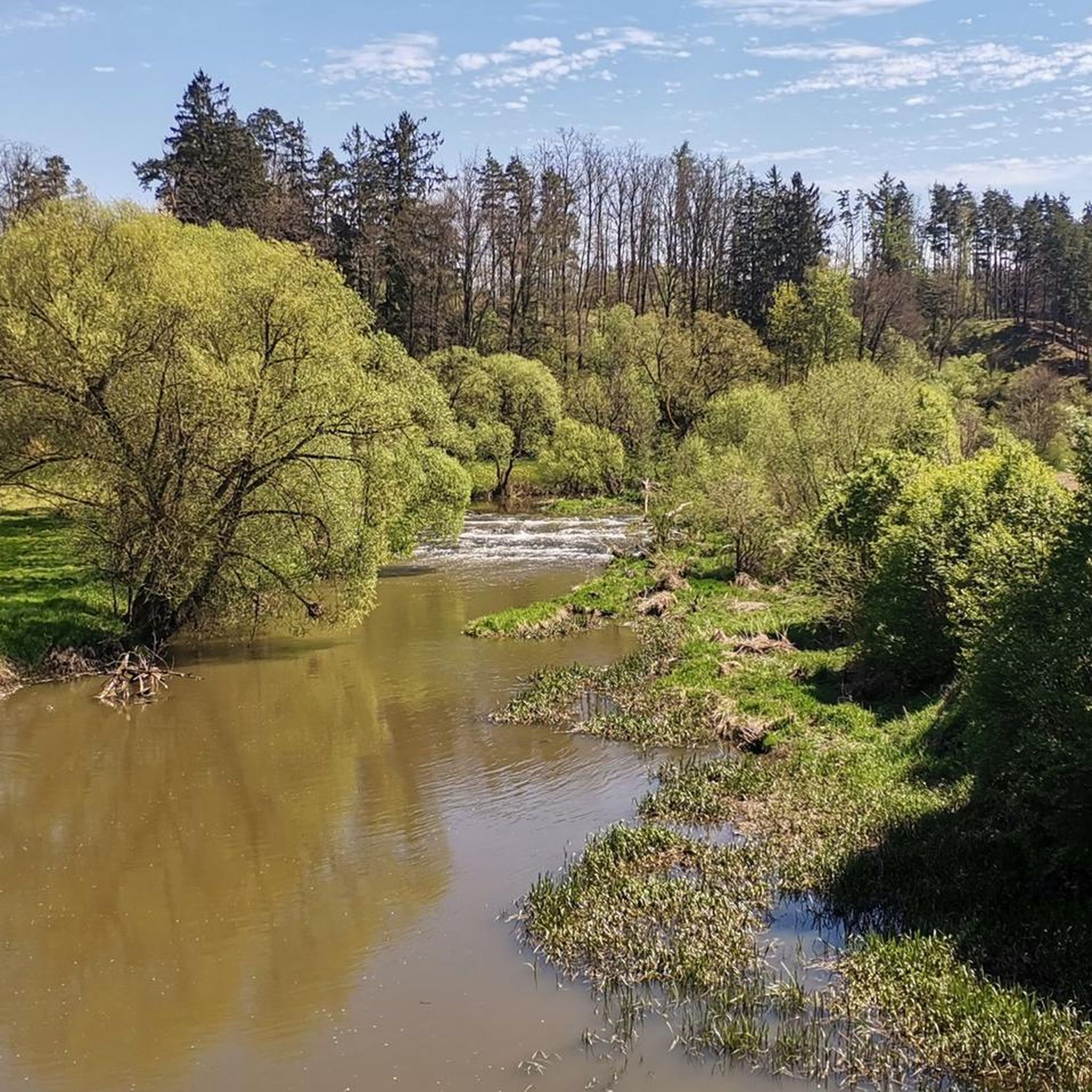
Lakes around Thaya encompass a diverse range of aquatic environments, from significant reservoirs on the Thaya River to recreational ponds in the district of Waidhofen an der Thaya. The Thaya River, also known as Dyje, flows through national parks like Podyjí and Thayatal, forming a key natural feature of the region. The area offers various opportunities for waterside relaxation and nature observation. These bodies of water contribute to the region's natural landscape and provide habitats for local wildlife.
Best lakes…
Last updated: June 26, 2026
Heidenreichstein Moor Shelter
Highlight • Mountain Hut
Translated by Google •
Tip by

Geissbach Pond
Highlight • Lake
Translated by Google •
Tip by

Sign up now to discover places like this
Get recommendations on the best single tracks, peaks, & plenty of other exciting outdoor places.
Sign up for free
Gemeindeteich with Teichheuriger and Fisherman's Hut
Highlight • Lake
Translated by Google •
Tip by

Winkelauer Teich
Highlight • Lake
Translated by Google •
Tip by
Brühlteich, Natural Bath
Highlight • Lake
Note the opening hours of the snack bar!
Translated by Google •
Tip by

Sign up for free to discover even more lakes around Thaya.
Sign up for free
Already have an account?
Start today with a free account
Your next adventure awaits.
Login or Signup

Tips from the Community

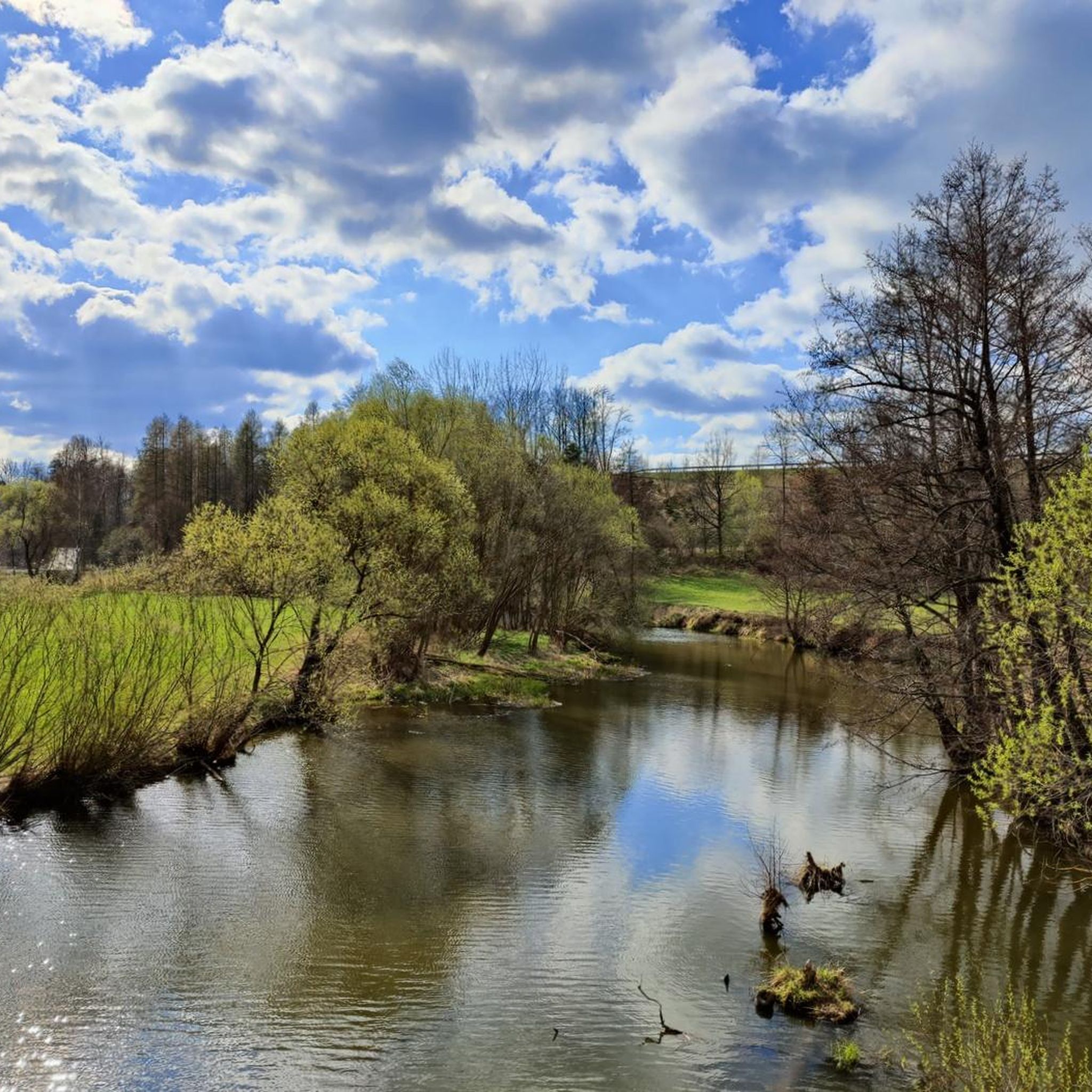
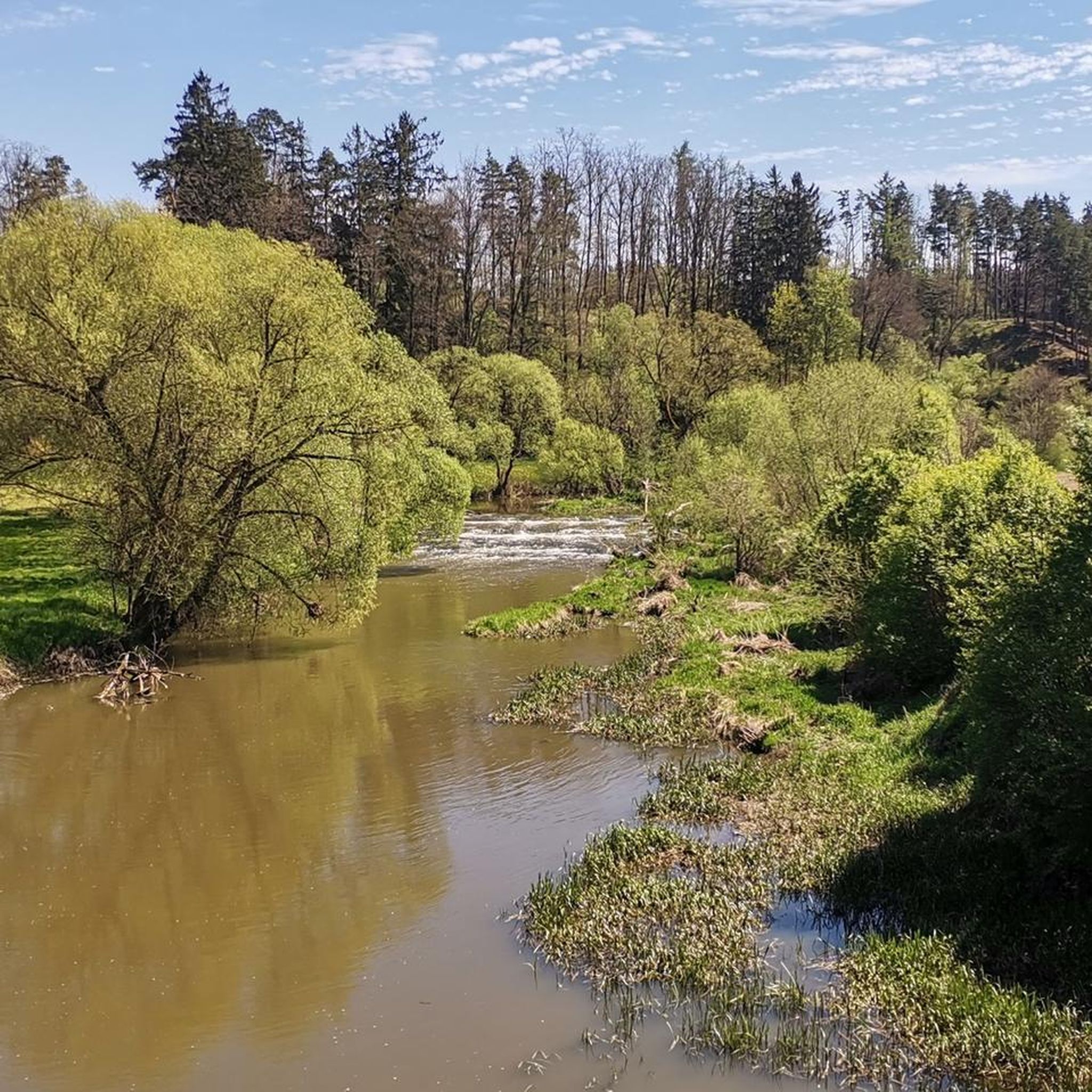
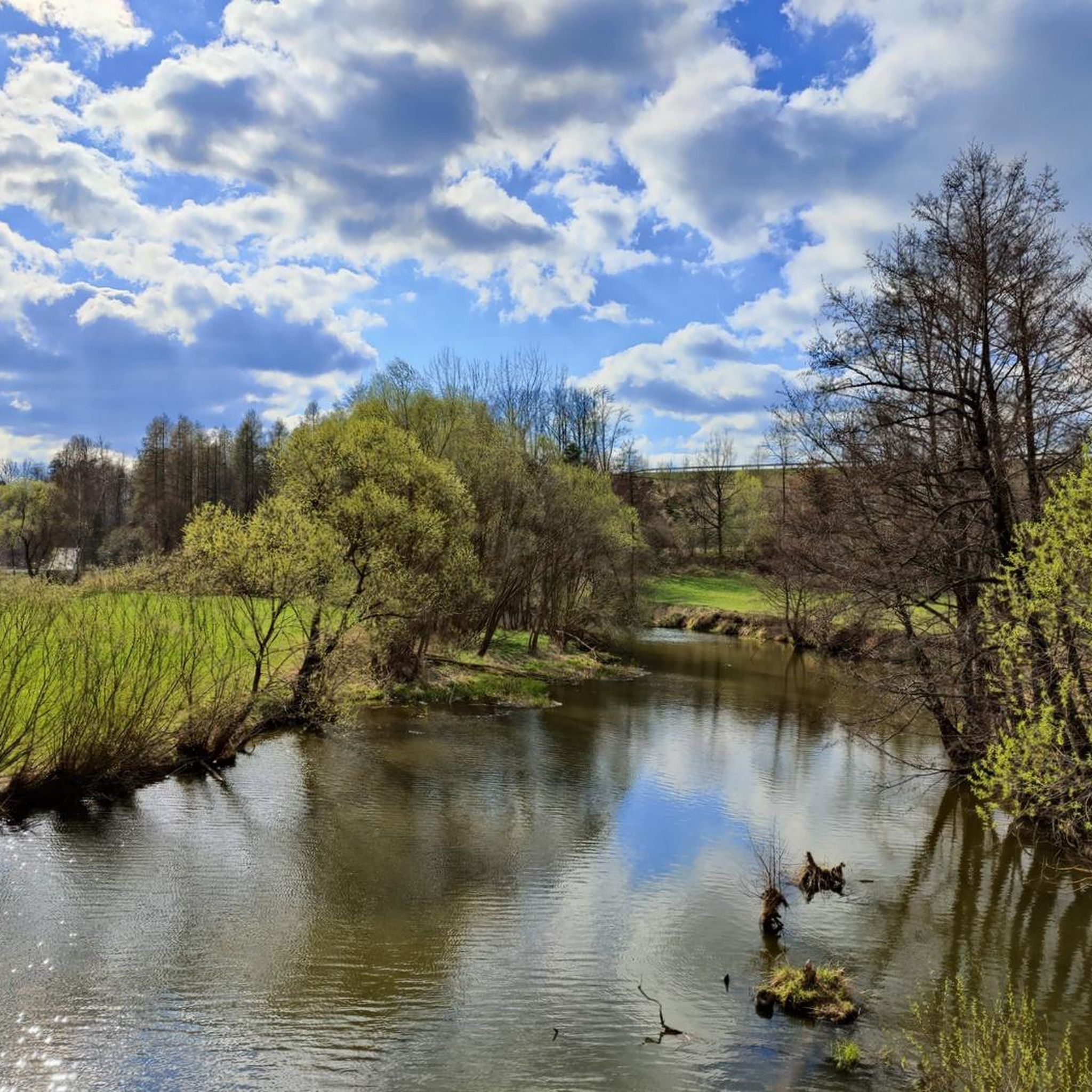
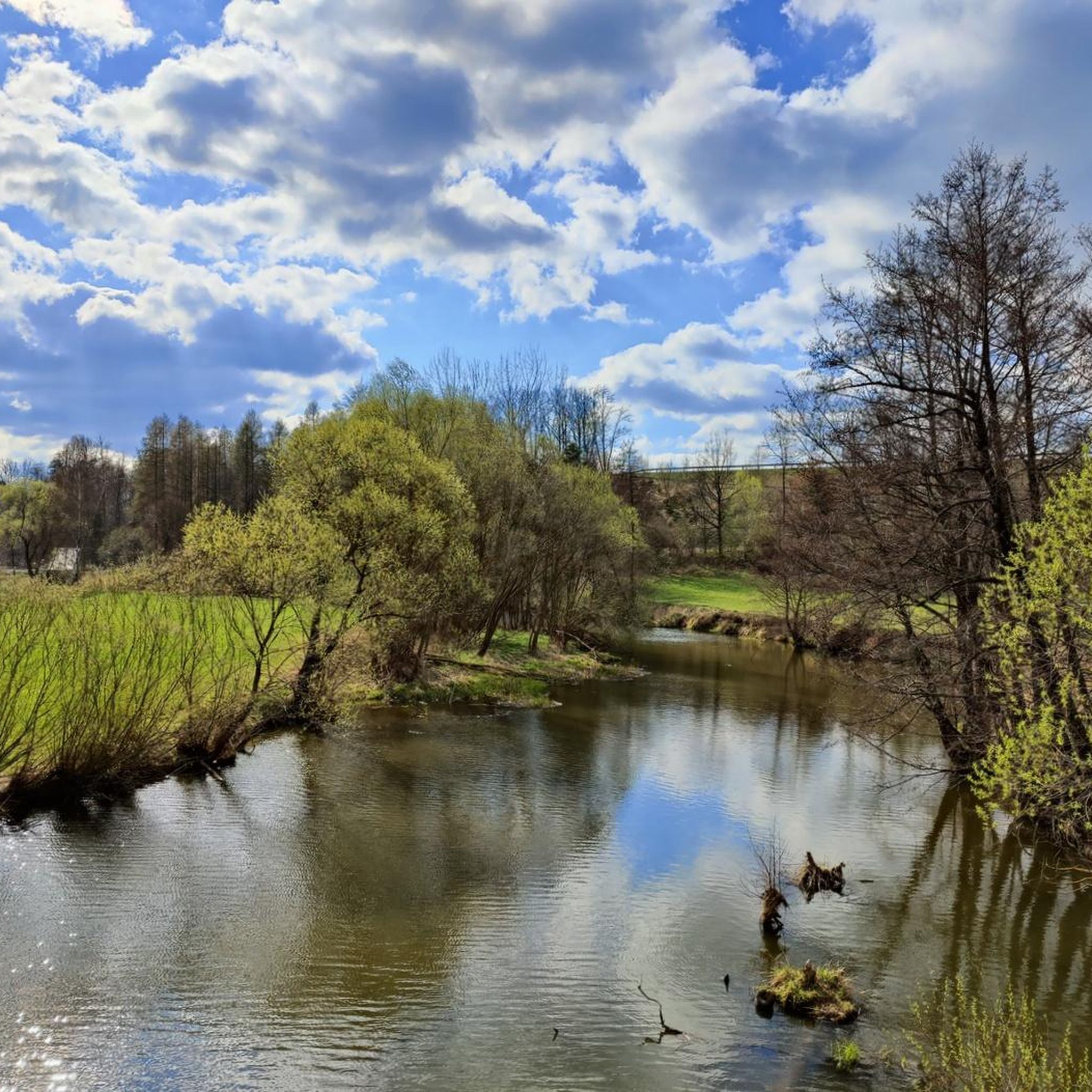
Lots of waterfowl but unfortunately nothing to sit on.
0
0

Swimming possible in summer, benches for a rest by the water and in the shade, and a hot spot for anglers and sport fishermen.
0
0

Fisherman's hut
0
0

Small swimming pond with the Teichheuriger snack station. Open from May to September.
2
0
The heart of the nature park is the raised moor near the town of Heidenreichstein in the northwestern Waldviertel. The open moor areas and the forest on the edge of the Winkelauer Pond bear witness to a vegetation history that goes back more than 10,000 years. Areas of peat moss, sundew and cotton grass give an idea of the original moorland landscape.
2
0
In the nature park, the preservation of the “moor” habitat has the highest priority alongside climate protection. Moors are not characterized by a very large variety of plants and animals, but by relatively few but extremely specialists, such as the northern moss damsel (a type of dragonfly) and the moor frog.
2
0

Picturesque large pond on the heathland moorland. Unfortunately, swimming is forbidden, but the nature here is simply wonderful.
1
0
The Heidenreichsteiner Moor Nature Park is 30 hectares in size and enchants all along the line. The so-called "Prügelsteg" allows visitors to dive deep into the high moor. In addition, this area is a nature reserve, Natura 2000 habitat and bird sanctuary at the same time. So Mother Earth is also taken care of!
3
0
Frequently Asked Questions
What natural features can I expect to see around the lakes in Thaya?
The lakes around Thaya offer diverse natural features. You can find picturesque large ponds situated on heathland moorland, like Winkelauer Teich, which provides scenic views even though swimming is prohibited. The Thaya River itself, which flows through the region, is known for its meanders and passes through national parks such as Podyjí and Thayatal, creating rich habitats for various species. The confluence of the Thaya and Morava rivers is particularly notable for its numerous pools and oxbow lakes, recognized as a valuable ichthyological site.
Are there family-friendly lakes or activities around Thaya?
Yes, several lakes are well-suited for families. Geissbach Pond offers a small bathing area and benches for relaxation. The Gemeindeteich with Teichheuriger and Fisherman's Hut is another great option, providing a place to relax and swim, with a snack bar open from May to September. Additionally, the Waldbad Groß-Siegharts (mentioned in region research) is an idyllic natural bathing facility with lawns, a sundeck, an island, an 18-meter water slide, and a sandy non-swimmer area, making it ideal for families.
Can I swim in the lakes around Thaya?
Yes, swimming is possible in several lakes. Geissbach Pond has a small designated bathing area. The Gemeindeteich also invites visitors to relax and swim. For a more developed experience, Waldbad Groß-Siegharts and Waldbad Naturbad Zwettl are natural bathing facilities designed for swimming and recreation. However, note that swimming is prohibited at some natural ponds like Winkelauer Teich due to its natural surroundings.
What outdoor activities can I do near the lakes in Thaya?
Beyond enjoying the lakes themselves, the Thaya region offers various outdoor activities. You can explore numerous hiking trails, ranging from easy to difficult. For instance, there are easy hikes like the 'Haidl-Keller loop from Waidhofen an der Thaya' or more challenging routes such as the 'Große Basilika Stone Circle – Pioniersteg loop from Niederedlitz'. Cycling is also popular, with routes like the 'Thaya Bridge on the Thaya Cycle Path – Main Square, Slavonice loop from Schloss Vestenötting'. You can find more details on these activities and routes in the Hiking around Thaya and Cycling around Thaya guides.
Are there hiking trails near the lakes in Thaya?
Absolutely. The Thaya region is excellent for hiking, with many trails accessible near the lakes. You can find easy walks suitable for beginners, such as the 'Haidl-Keller loop from Waidhofen an der Thaya' (6.9 km) or the 'Northern bald ibis aviary loop from Waidhofen an der Thaya' (4.5 km). For more options, consult the Hiking around Thaya and Easy hikes around Thaya guides.
Are the lakes and trails around Thaya dog-friendly?
Many natural areas and trails around Thaya are generally dog-friendly, allowing you to enjoy walks with your canine companion. For example, Winkelauer Teich is noted as dog-friendly, offering a picturesque setting for a stroll. When visiting, always ensure your dog is on a leash where required and respect local regulations regarding pets in natural reserves or bathing areas.
What are the most popular lakes around Thaya according to visitors?
Visitors particularly appreciate Geissbach Pond for its idyllic shore and small bathing area, making it a popular spot for anglers and those seeking a break. The Gemeindeteich with Teichheuriger and Fisherman's Hut is also highly rated for its relaxation and swimming opportunities, complemented by a seasonal snack bar. Winkelauer Teich is loved for its picturesque natural beauty, even though swimming is not permitted.
Are there any hidden or lesser-known lakes worth visiting in the Thaya region?
While the guide highlights popular spots, the Thaya region, particularly where the Thaya meets the Morava River, is rich in numerous pools and oxbow lakes. These areas, now protected as the 'Soutok' landscape area, offer a chance to discover more secluded natural beauty and observe diverse wildlife, especially fish species. For a tranquil experience away from the main crowds, exploring these protected natural riverine landscapes can be very rewarding.
What is the best time to visit the lakes around Thaya?
The best time to visit largely depends on your preferred activities. For swimming and water-based recreation, the warmer months from May to September are ideal, as facilities like the Teichheuriger at Gemeindeteich are open. Spring and autumn offer pleasant temperatures for hiking and cycling around the lakes, with vibrant foliage in autumn. The natural beauty of the region can be appreciated year-round, but specific amenities might be seasonal.
What kind of facilities are available at the lakes?
Facilities vary by lake. At Gemeindeteich, you'll find a small snack bar (Teichheuriger) open seasonally, along with a fisherman's hut. Waldbad Naturbad Zwettl features a diving board, a beautiful sunbathing area, and a snack bar. Waldbad Groß-Siegharts (from region research) is particularly well-equipped with lawns, a sundeck, an island, a water slide, a sandy beach, a diving board, a beach volleyball court, and the Waldbad-Cafe open year-round.
Are there opportunities for fishing at the lakes in Thaya?
Yes, fishing is a popular activity at several lakes. Geissbach Pond is known as a hot spot for anglers and sport fishermen. The Gemeindeteich also has a fisherman's hut, indicating its suitability for fishing. Additionally, the Thaya River basin, especially the confluence with the Morava, is recognized as a highly valuable ichthyological site, hosting a significant percentage of native Czech fish species.
What is the Heidenreichstein Moor Shelter and what can I do there?
The Heidenreichstein Moor Shelter is located within the Heidenreichsteiner Moor Nature Park, a 30-hectare nature reserve, Natura 2000 habitat, and bird sanctuary. Visitors can explore the high moor via the 'Prügelsteg' (boardwalk). Guided hikes are available, offering insights into the raised bog's unique flora and fauna, including rare species like the northern moss damsel and moor frog. It's a place focused on nature preservation and observation.
Most popular routes around Thaya
Most popular attractions around Thaya

Get inspired with the komoot mobile app


Explore more
Still not found your perfect lake around Thaya? Check out the guides of these regions to see even more beautiful places.
