Top 12 Castles around Texingtal
Best castles around Texingtal are found in Lower Austria, a region characterized by historical landmarks and varied landscapes. The area features a mix of preserved castles and ancient ruins, offering insights into centuries of history. These sites are often nestled amidst natural surroundings, providing opportunities for exploration within its terrain of hills and valleys.
Best castles around Texingtal
- The most popular castles is Plankenstein Castle, a castle that offers an immersive historical experience. This over 800-year-old castle features an…
Last updated: June 26, 2026
Rabenstein Castle Ruins
Highlight • Castle
Translated by Google •
Tip by

Plankenstein Castle
Highlight • Castle
Translated by Google •
Tip by

Sign up now to discover places like this
Get recommendations on the best single tracks, peaks, & plenty of other exciting outdoor places.
Sign up for free
Kirchberg an der Pielach
Highlight • Settlement
Translated by Google •
Tip by

Grünbühel Castle
Highlight • Castle
Story:
The place was first mentioned around 1074 by the Hochfrei Adalbert von Kilb. In the 12th century, …
Translated by Google •
Tip by

Kälberhart Castle
Highlight • Castle
Translated by Google •
Tip by
Sign up for free to discover even more castles around Texingtal.
Sign up for free
Already have an account?
Start today with a free account
Your next adventure awaits.
Login or Signup
Popular around Texingtal
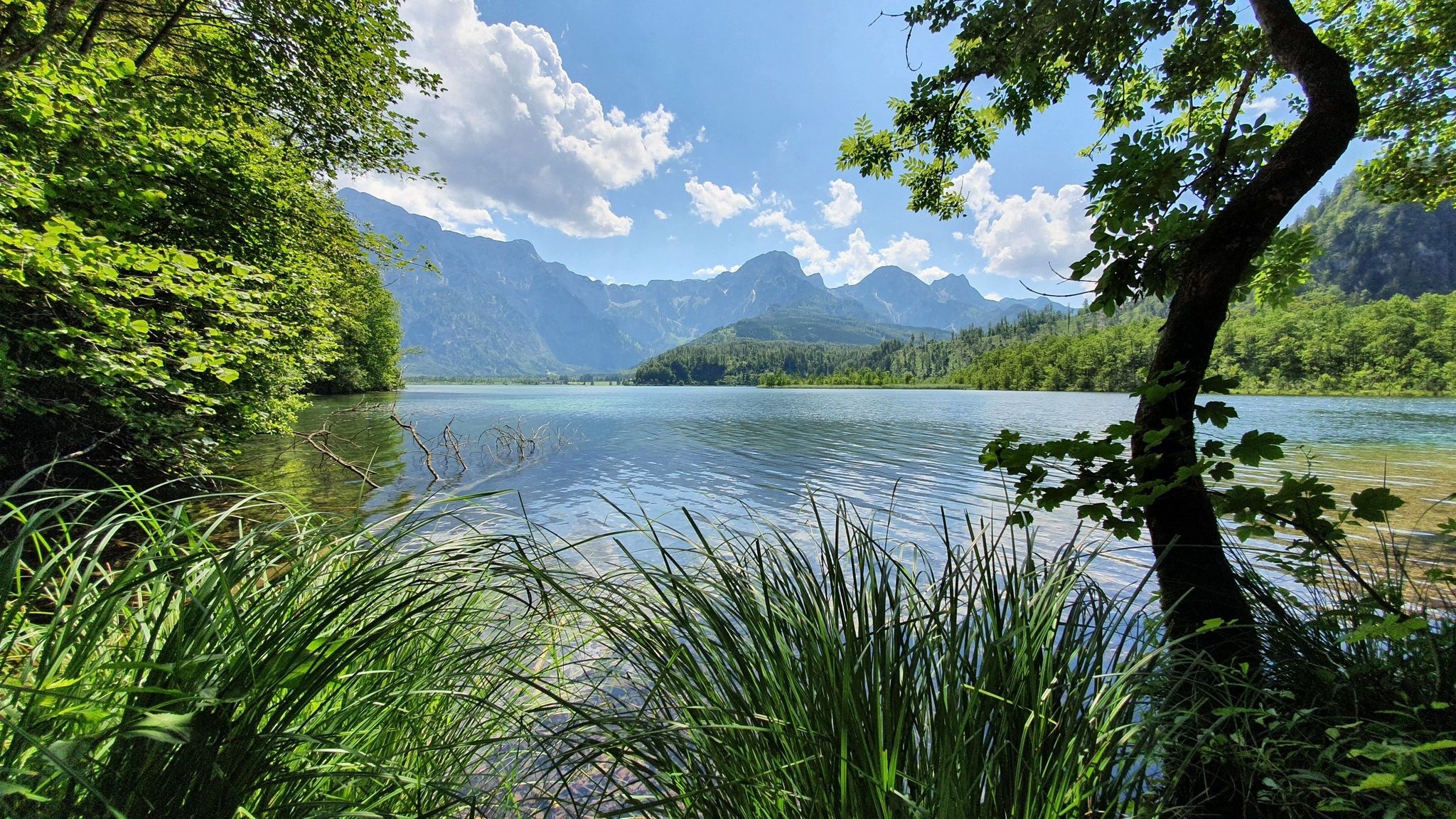
Voralpenweg 04 – From Vienna to Bad Reichenhall
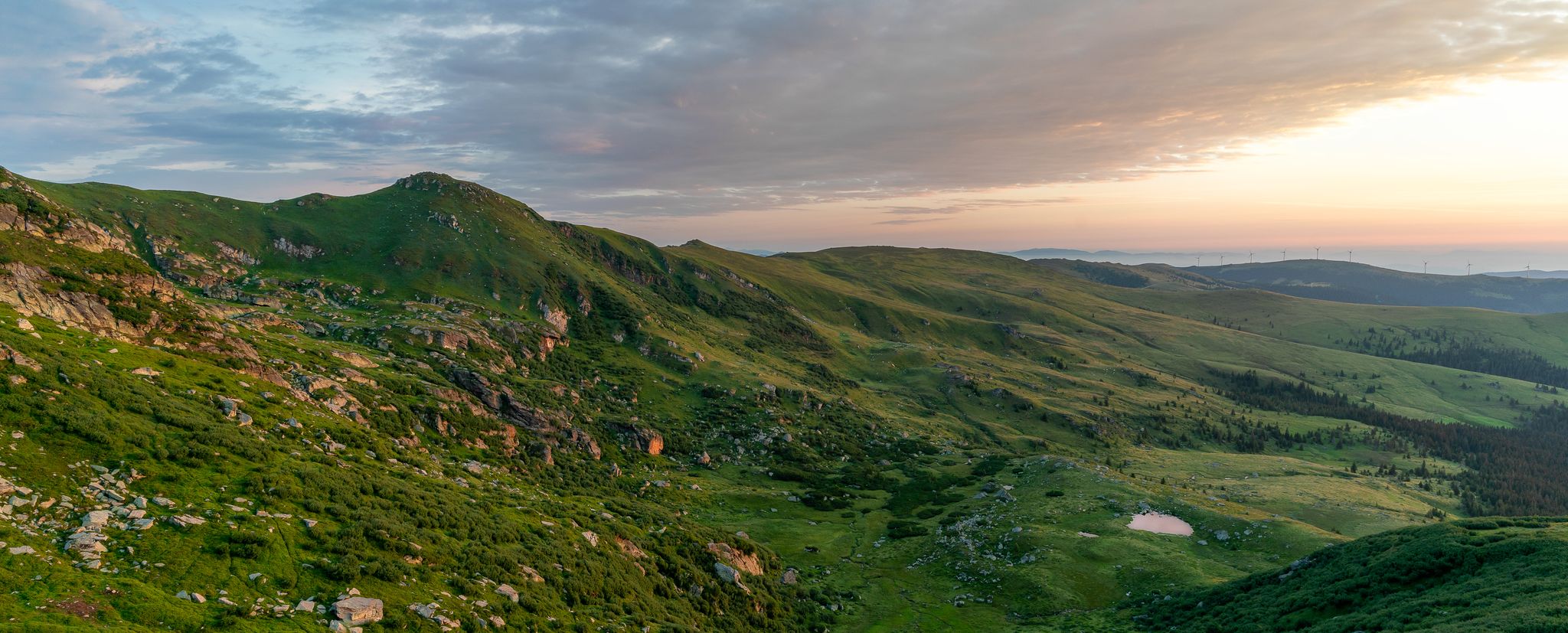
North-South Trail through Austria – Small country, big paths!
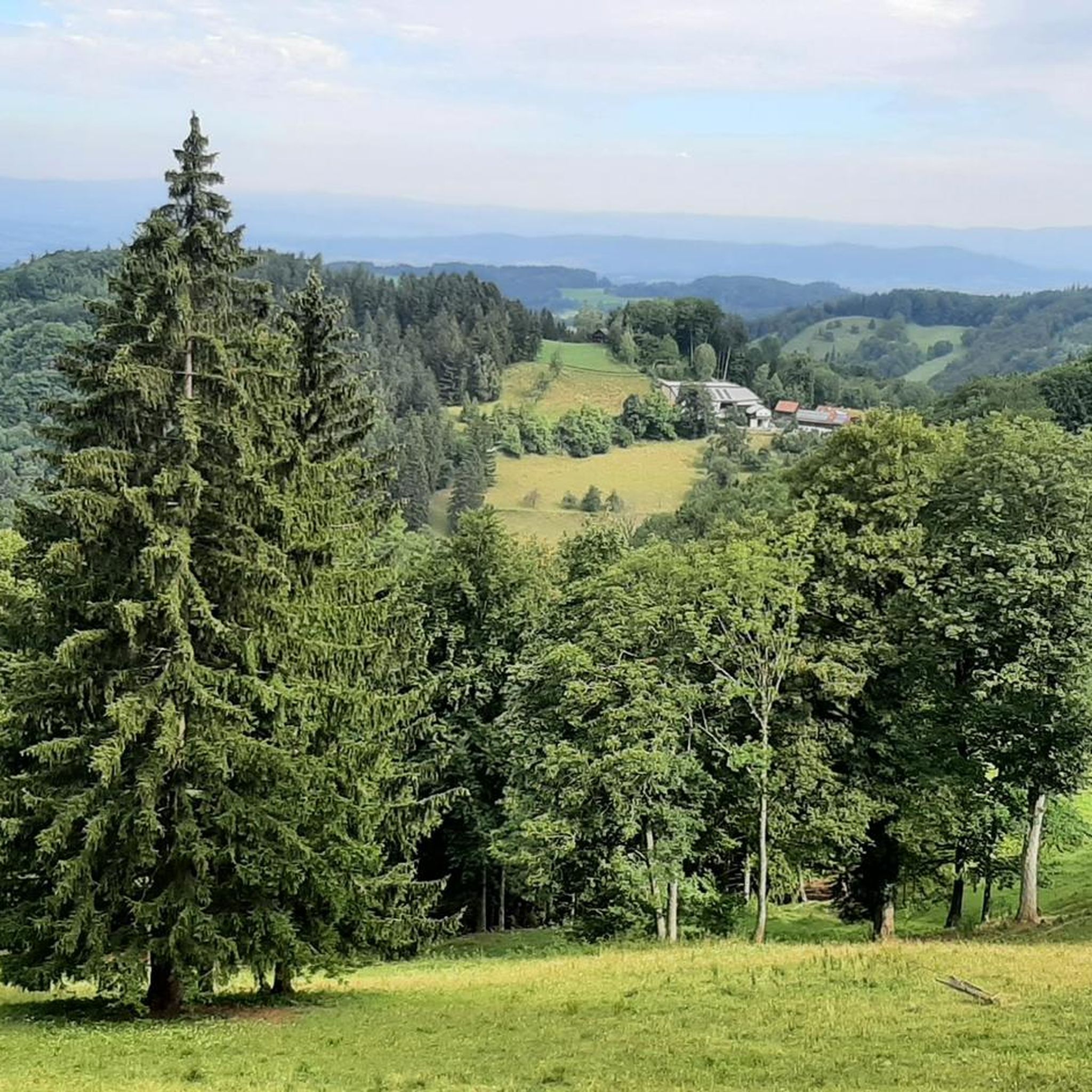
Hiking around Texingtal
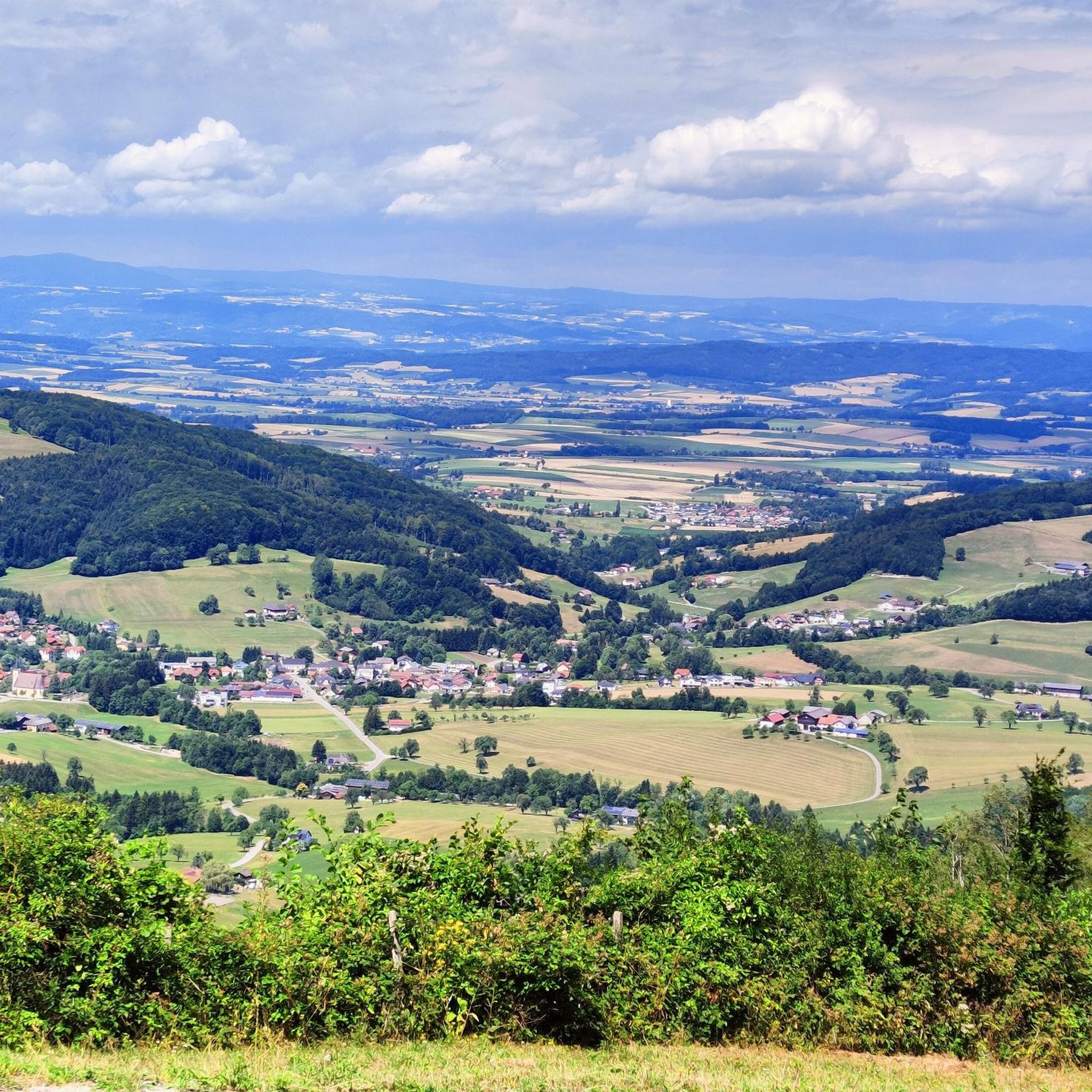
Road Cycling Routes around Texingtal
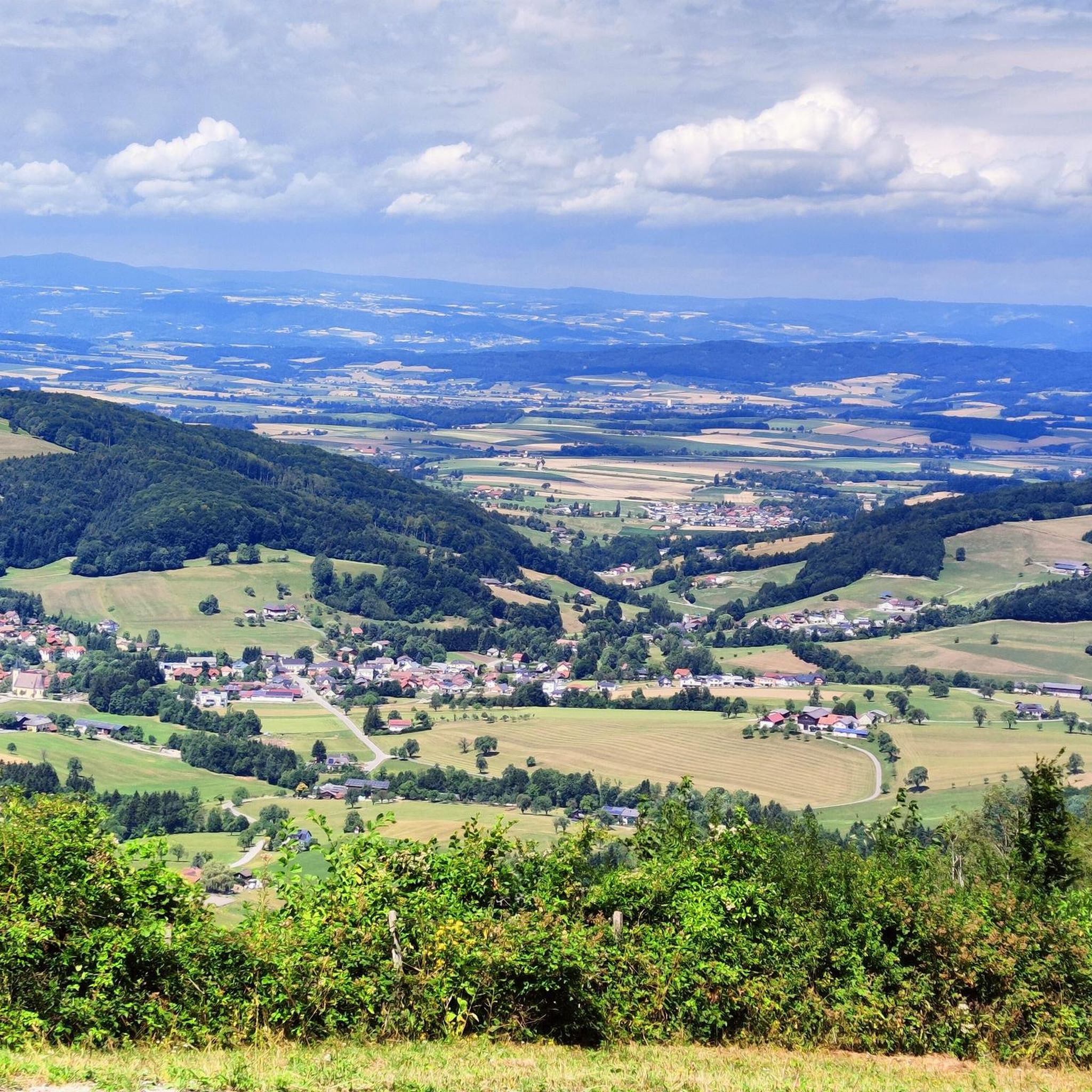
Cycling around Texingtal
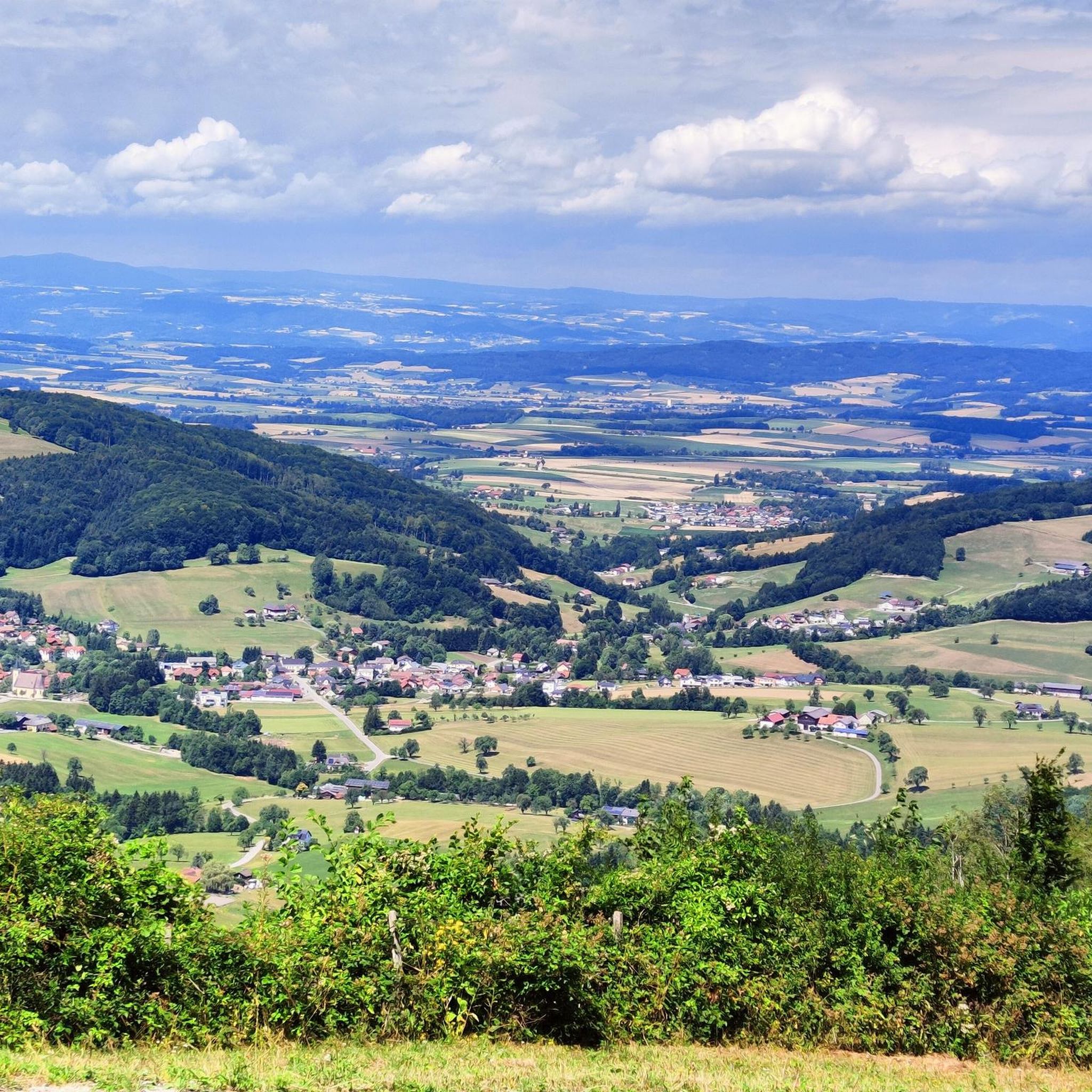
MTB Trails around Texingtal
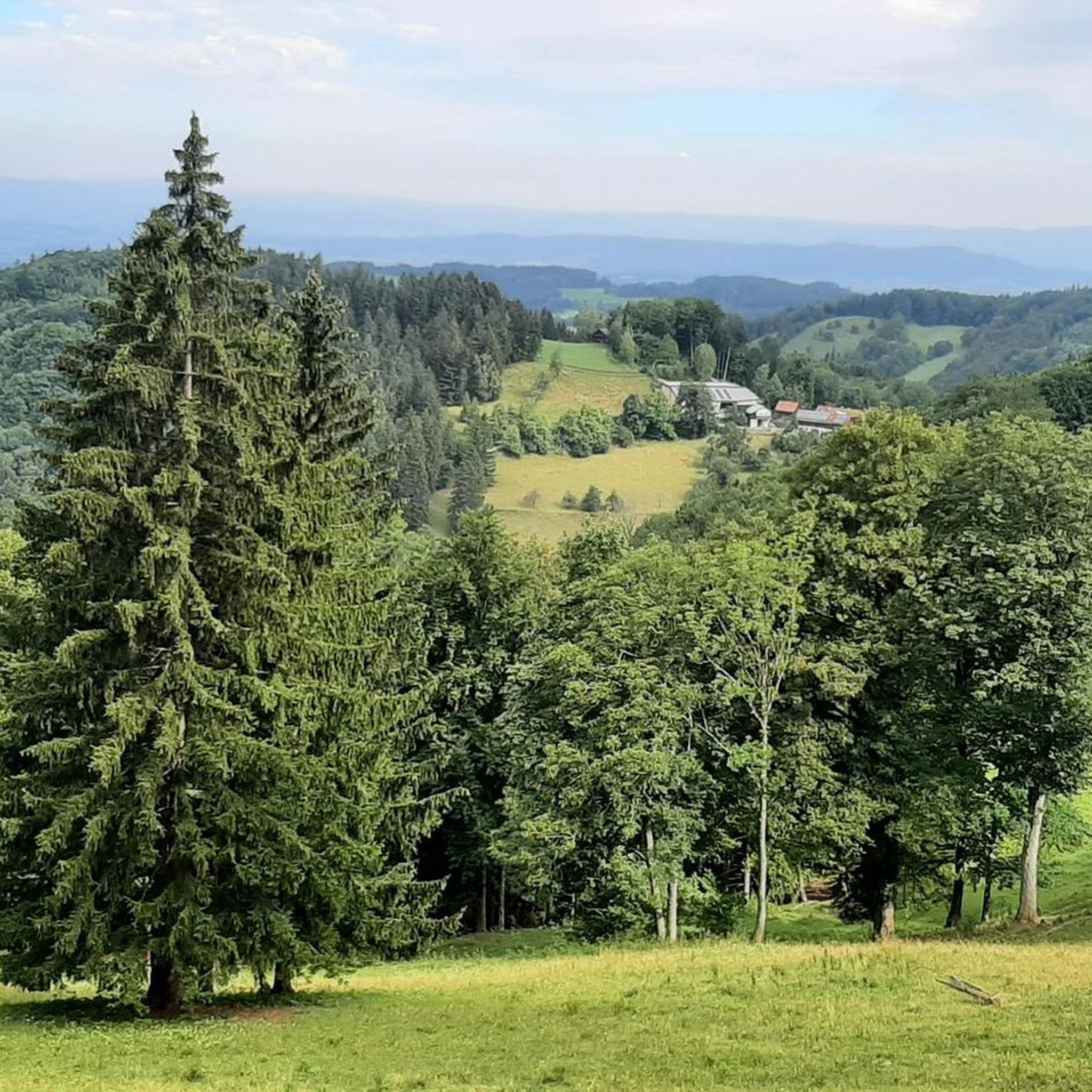
Running Trails around Texingtal
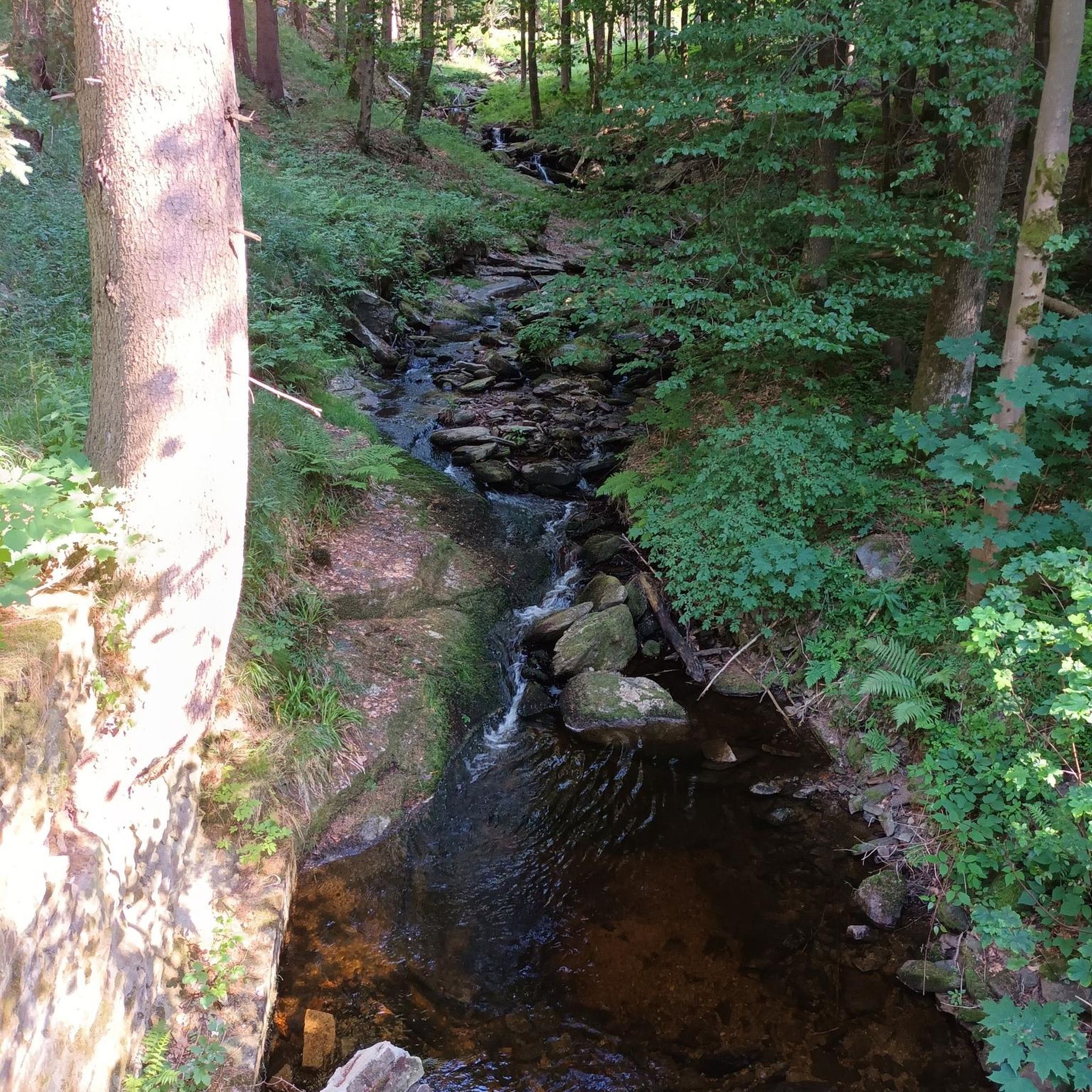
Mountain Hikes around Texingtal
Gravel biking around Texingtal


Tips from the Community

Through the commitment of the ruins committee of the village renewal association and generous donations, the ruin was saved from decay. In 1989, a committee was formed to save the Rabenstein ruin, which has since been working on the preservation and securing of this cultural heritage.
0
0

Central town in the Pielachtal, scenically extremely attractive
0
0

Kälberhart Castle was first documented in 1389 and belonged to Hertel Kälberharter at the time. According to legend, he was ennobled by Friedrich von Walser for his charitable care of the poor and sick and was allowed to use a calf's head in his coat of arms. This is said to have contributed to the name of the nearby village of Fleischessen. The present castle dates from the second half of the 16th century. It is a two-story, rectangular building with a hipped roof and cylindrical corner turrets. Originally, it was surrounded by a moat, of which only a small pond remains. Over the centuries, the castle changed hands several times and fell into disrepair at times. Today, it is picturesquely situated in the Mostviertel region and is a popular destination for cyclists.
1
0

A beautiful little town with a church and a castle. The north-south long-distance hiking trail 05 and the Roman road 651 pass through here.
3
0


The castle ruins date back to the Middle Ages and originally served as a protective and residential castle. Rabenstein an der Pielach is easily accessible via the B39. Parking is available at the fire station and the train station. It is also possible to get there by public transport, as Rabenstein an der Pielach train station serves as the starting point for several hiking trails.
3
1

is located in the middle of MTB paradise
1
0

Privately owned and therefore unfortunately can only be viewed from the outside. Story: The place was first mentioned around 1074 by the Hochfrei Adalbert von Kilb. In the 12th century, the rule came to Rudolf von Perg. Friedrich von Perg was inherited by the Babenberg Duke Leopold V in 1191. In the 13th century, a knightly family again named itself after Kilb. In 1410 a knight from “Sebeck” was named as the owner. In 1460, Jörg von Pottendorf sold his castle in Kilb to Bernhard von Tiernstein, who built an extensive new building and, ten years later, bequeathed it to the brothers Rüdiger and Jörg von Starhemberg, but also promised the defense construction to his grandson Georg von Velderndorf. The latter probably received it, because in 1521 Hans Velderndorfer sold the fortress to Göttweig Abbey. The castle was now called Grünbühel. He bought it back in 1534, but finally sold it to Jakob Gienger in 1549. Jacob's son Nikolaus had the old fortified building converted into a more comfortable Renaissance castle. As a result, the owners usually changed quite quickly. Around the middle of the 17th century, the Barons Ruess von Ruessenstein came into possession of the castle. Only the barons and later Counts of Wickenburg owned Grünbühel for a longer period from 1720 onwards. In 1830, Karl Theodor Graf Wickenburg had major construction work carried out, which gave the building its current appearance. In 1845 the castle came into rapidly changing bourgeois ownership. From 1969 to 2004 it belonged to the Friedel-Klarenberg family. Since then, Dr. Georg Graf Pachta-Reyhofen, lord of the castle at Grünbühel.
0
0
Frequently Asked Questions
Which castles around Texingtal offer an immersive historical experience?
For an immersive historical experience, Plankenstein Castle is highly recommended. This over 800-year-old castle features an idyllic arcaded courtyard, a chapel, and various museums, including a textile museum. You can even stay overnight in its romantic rooms to truly experience living in a castle.
Are there any family-friendly castles to visit in the Texingtal area?
Yes, both Plankenstein Castle and Kirchberg an der Pielach are considered family-friendly. Plankenstein Castle offers a playground and a large tournament area behind the castle that is freely accessible. Kirchberg an der Pielach has a park with a rest area next to its castle, perfect for a break.
What kind of historical sites can I explore besides castles?
Beyond well-preserved castles, you can visit historical ruins like Rabenstein Ruins and Parish Church, Rabenstein an der Pielach. This site offers views into the Piellachtal and features remnants of defensive walls and a gate tower, providing a glimpse into medieval fortifications.
Can I view castles that are privately owned?
Some castles in the region, such as Grünbühel Castle and Strannersdorf Castle, are privately owned and used for residential purposes. While you cannot enter them, you can view their historical exteriors from a distance.
Are there opportunities for outdoor activities near the castles?
Yes, the area around Texingtal offers various outdoor activities. You can find numerous cycling paths near Strannersdorf Castle. For more options, explore the Gravel biking around Texingtal or MTB Trails around Texingtal guides, which include routes passing by castles like Plankenstein.
What kind of views can I expect from the castles in Texingtal?
Many castles offer scenic viewpoints. Plankenstein Castle, situated on a hill surrounded by trees, provides fantastic views of the remote, picturesque setting. Similarly, the Rabenstein Ruins offer excellent lookouts into the Piellachtal.
Are there any castles accessible by bike path?
Yes, the bike path goes right past or even through the grounds of Kirchberg an der Pielach, making it easily accessible for cyclists. There's also a park nearby for a convenient rest stop.
What are some unique features of Plankenstein Castle?
Plankenstein Castle is unique for its over 800-year history, its idyllic winding arcaded courtyard, and its castle chapel. It also houses a castle museum with diverse collections, including a smokehouse, a textile museum, and an Africa museum. You can even find ceramic works of art by Melanie Hell throughout the castle.
What do visitors enjoy most about the castles around Texingtal?
Visitors frequently praise the immersive historical experience offered by castles like Plankenstein Castle, noting the stylish accommodation and good dining options. The scenic views from various castle sites and the opportunities for hiking and cycling in the surrounding nature are also highly appreciated.
Are there any castles that offer accommodation?
Yes, Plankenstein Castle provides a unique opportunity to stay overnight in its romantic rooms, allowing guests to experience living in a real castle. It also features a bar, coffee shop, and picnic area with diverse breakfast options.
What is the best time to visit the castles in Texingtal?
The Texingtal region offers beautiful scenery year-round. While specific opening hours for each castle may vary by season, visiting during spring or autumn often provides pleasant weather for exploring the castle grounds and enjoying the surrounding hiking and cycling trails. Summer is also popular, though it can be warmer.
Can I find food and drink options near the castles?
Yes, some castles offer facilities. Plankenstein Castle has a castle tavern and a coffee shop. In the settlement of Kirchberg an der Pielach, you can find an ice cream parlor and a butcher on the main street.
Most popular routes around Texingtal
Most popular attractions around Texingtal

Get inspired with the komoot mobile app


Explore more
Looking for the best castles somewhere else? Discover other guides around Texingtal:
