Top 5 Caves around Pierbach
Caves around Pierbach primarily feature natural rock formations and historical hideouts rather than extensive cave systems. The region, part of the Mühlviertel, is characterized by its granite geology, leading to unique geological features. While natural caves are not a prominent attraction, the area offers several interesting underground experiences. These include impressive rock formations and historical sites that provide insight into the local landscape and past.
Best caves around Pierbach
- The most popular caves is Gypsy Wall Rock Formation, a…
Last updated: October 13, 2026
Lourdes Grotto Mühlviertel
Highlight • Religious Site
Translated by Google •
Tip by

Gypsy Wall Rock Formation
Highlight • Natural Monument
Translated by Google •
Tip by
Sign up now to discover places like this
Get recommendations on the best single tracks, peaks, & plenty of other exciting outdoor places.
Russian Hideout on the Mystical Trail Gutau
Highlight • Cave
Translated by Google •
Tip by

Kohlerlucka Cave
Highlight • Cave
Translated by Google •
Tip by
Hermit's Cave
Highlight • Cave
Translated by Google •
Tip by

Start today with a free account
Your next adventure awaits.

Other adventures around Pierbach

Tips from the Community

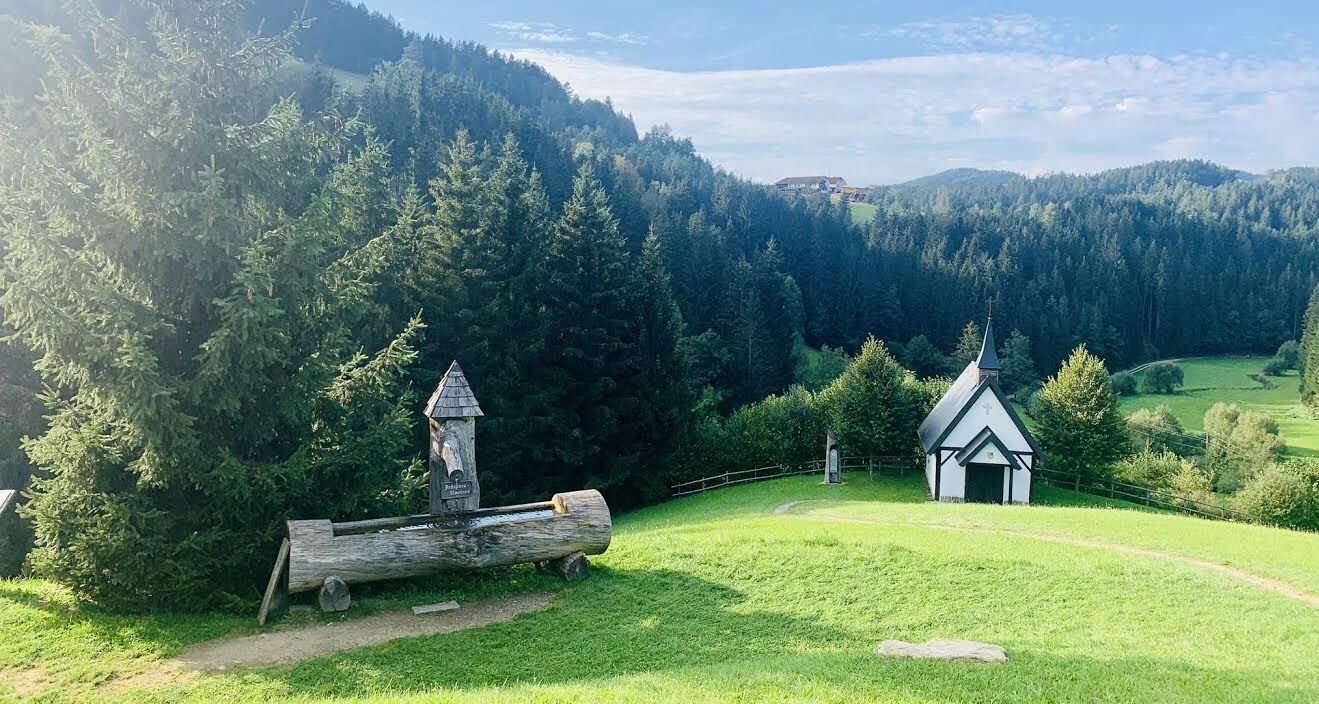
The grotto was erected in 1975 by Father Hanus. It features a replica of Mary with the message "I am the Immaculate Conception" and is located on the St. John's Pilgrimage Trail and the Cultural Trail, not far from the Bründl Chapel.
0
0

If you come quickly from above along the panoramic path, the turn-off is hardly visible, but from the opposite side it is well signposted
0
0

After World War II, three women and two soldiers sought protection from Russian soldiers in a hiding place under the magnificent rocks. They were provided with food by a local.
1
0

Gigantic stacking of granite rocks with a walkable crack.
1
0
The Lourdes Grotto is located near the Bründl Chapel with beautiful rock formations.
1
0
A granite formation worth seeing on the slope above the Naglbach towards Mönchdorf. It is actually a hiking area, but most of the paths in the area can still be managed with an eMTB.
0
0

impressive rock formation with a small cave
0
0
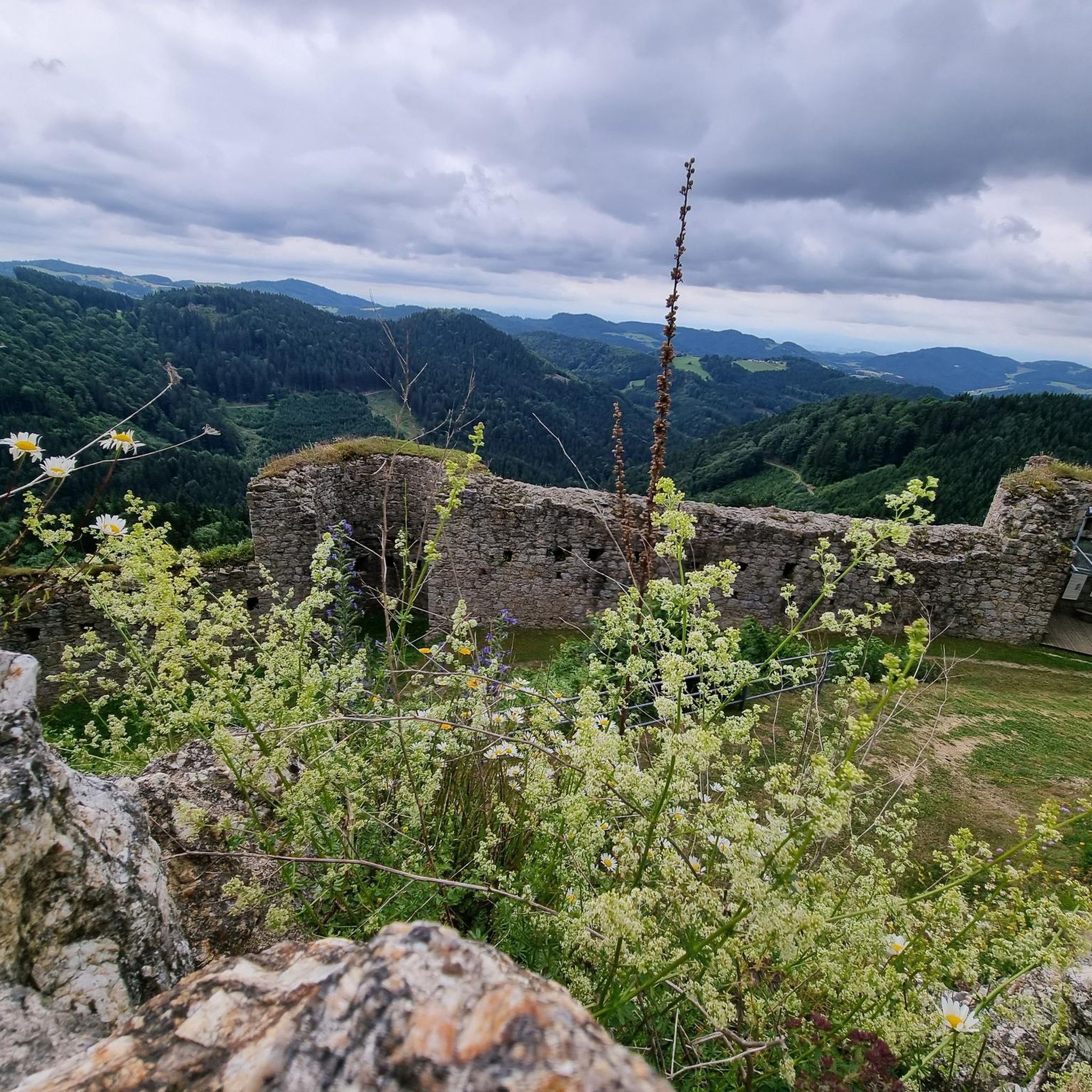
There are many magnificent mossy granite rock formations here.
1
0
Frequently Asked Questions
What kind of "caves" can I expect to find around Pierbach?
The Pierbach area is primarily known for natural rock formations, historical hideouts, and granite rock caves, rather than extensive underground cave systems. You'll discover unique geological features and historical sites. Additionally, while not natural caves, the region is recognized for its traditional wine cellars, offering a different kind of underground experience related to local viticulture.
Are there any historical sites among the caves near Pierbach?
Yes, the Russian Hideout on the Mystical Trail Gutau is a notable historical site. It's a hiding place under magnificent mossy granite rocks, historically used for protection after World War II.
Which caves or rock formations are suitable for families with children?
The Gypsy Wall Rock Formation is considered family-friendly. It features impressive rock formations and a small cave, with seating available to relax and observe the geological features.
What are the geological characteristics of the caves in the Pierbach area?
The region around Pierbach is characterized by its granite geology. This results in impressive natural rock formations, granite stackings, and rock shelters, rather than typical limestone caves with stalactites and stalagmites.
Can I explore any walkable cracks or unique rock formations?
Yes, the Kohlerlucka Cave features a gigantic stacking of granite rocks with a walkable crack. There's also an information board detailing its history.
What outdoor activities can I combine with a visit to the caves?
The area around Pierbach offers various outdoor activities. You can find numerous routes for gravel biking, road cycling, and running. Many of these trails pass by or near the rock formations and historical sites.
Are there hiking trails that lead to these caves or rock formations?
Yes, many of the rock formations, such as the Hermit's Cave, are located within hiking areas. The Russian Hideout is specifically found on the Mystical Trail Gutau, which is a hiking route.
What do visitors enjoy most about the caves and rock formations around Pierbach?
Visitors frequently appreciate the impressive and unique granite rock formations, the historical context of sites like the Russian Hideout, and the opportunity to pause and marvel at nature. The area's distinct geology and the stories behind some of the sites are often highlighted.
Is there an entrance fee to visit the rock formations or historical hideouts?
Based on available information, the natural rock formations and historical hideouts mentioned, such as the Gypsy Wall and Russian Hideout, are generally accessible without an entrance fee, as they are natural monuments or part of public trails.
What should I wear when visiting the rock formations around Pierbach?
Comfortable hiking shoes with good grip are recommended, as you'll often be on trails that can be uneven or rocky. Dress in layers suitable for the weather, as some areas might be shaded by trees or rock formations.
Are there any guided tours available for the caves or rock formations?
While specific guided tours for individual rock formations are not prominently advertised, local tourism offices in the Mühlviertel region may offer guided hikes that include these natural and historical sites. It's best to check with local information centers for current offerings.
Can I find information boards at the sites?
Yes, at some locations like the Kohlerlucka Cave, you will find information boards that provide details about the history and significance of the site.
Most popular routes around Pierbach
Most popular attractions around Pierbach

Get inspired with the komoot mobile app


Explore more
Extend your search for the best caves by checking out these guides of the top ones around Pierbach:
