Top 6 Caves around Sallingberg
Best caves around Sallingberg are found in the surrounding region, an area known for outdoor activities like hiking and cycling. While Sallingberg itself is primarily recognized for its natural landscapes, the nearby Kremstal Canyon features several notable cave systems. These natural formations offer insights into geological history and prehistoric human activity. The region provides opportunities to explore various natural monuments and historical sites.
Best caves around Sallingberg
- The most popular caves is Steinerner Saal Rock Shelter and Cairns, a…
Last updated: June 26, 2026
Gudenus Cave
Highlight • Cave
Translated by Google •
Tip by

Steinerner Saal Rock Shelter and Cairns
Highlight • Cave
Translated by Google •
Tip by

Sign up now to discover places like this
Get recommendations on the best single tracks, peaks, & plenty of other exciting outdoor places.
Sign up for free
Schusterlucke
Highlight • Cave
Translated by Google •
Tip by

Eichmayer Cave
Highlight • Cave
Translated by Google •
Tip by

Teufelsrast Cave and Viewpoint
Highlight • Cave
Translated by Google •
Tip by
Sign up for free to discover even more caves around Sallingberg.
Sign up for free
Already have an account?
Start today with a free account
Your next adventure awaits.
Login or Signup
Popular around Sallingberg
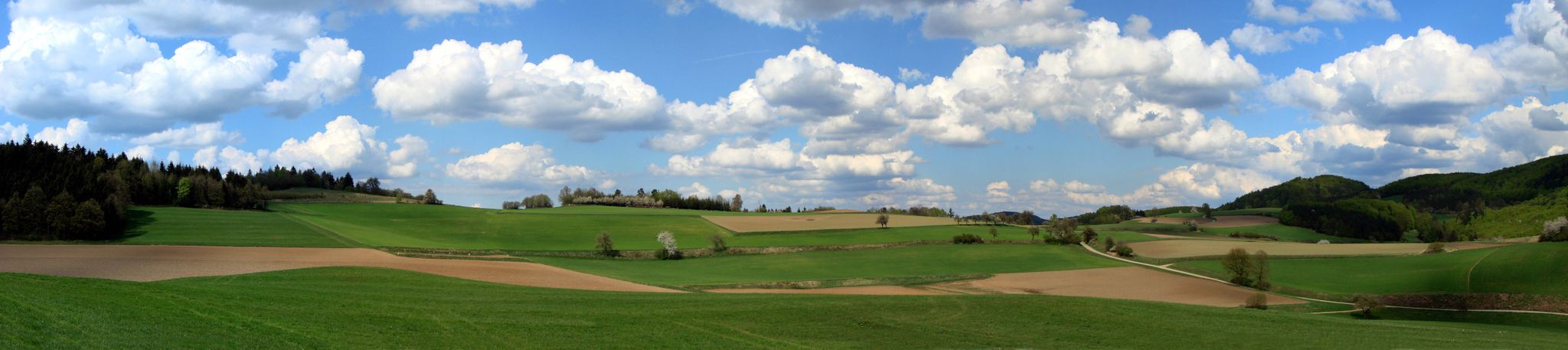
The Path of Life — A (spiritual) hike through northeastern Austria
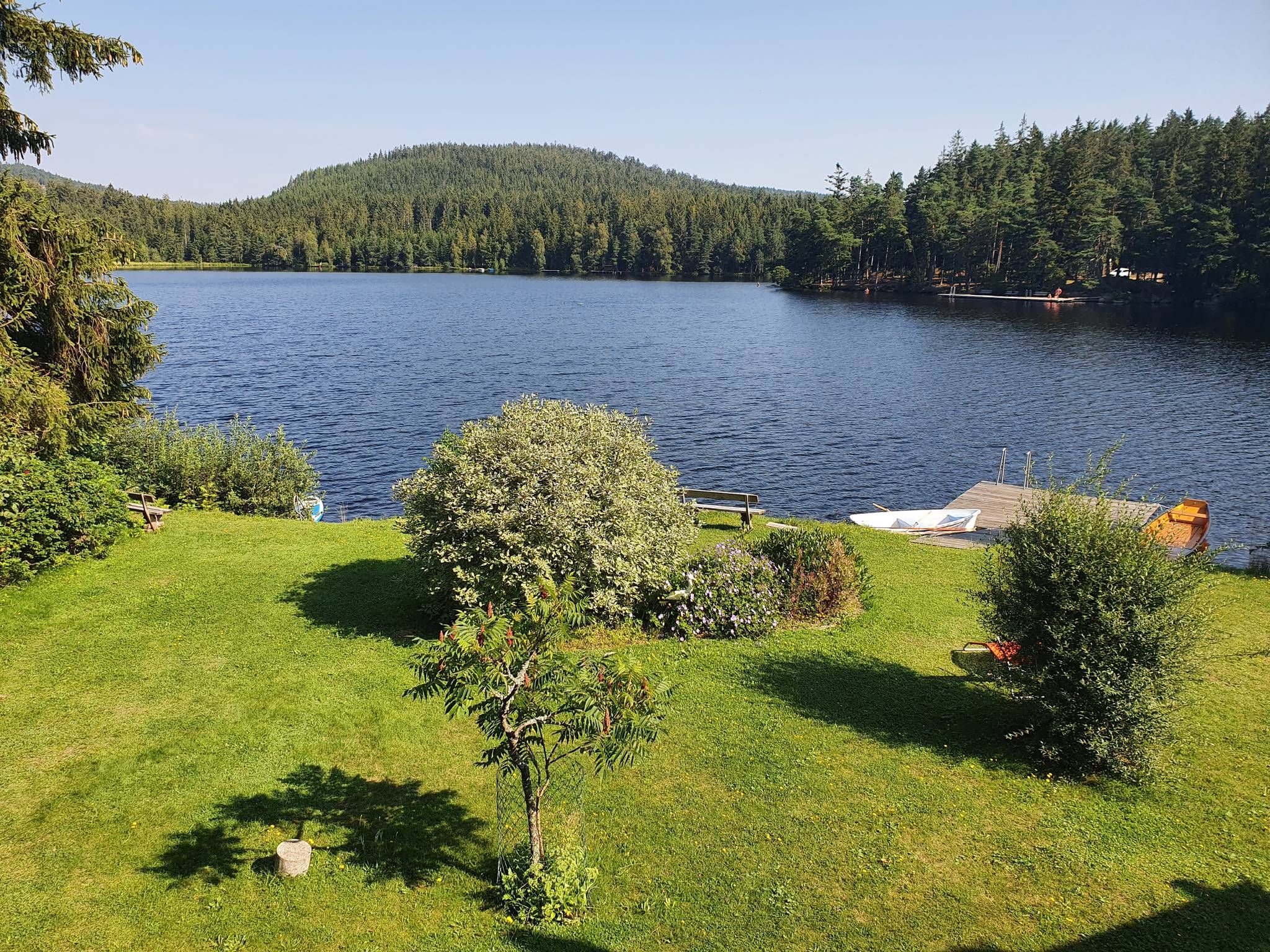
Kremstal Trail — Hiking along rivers through Lower Austria
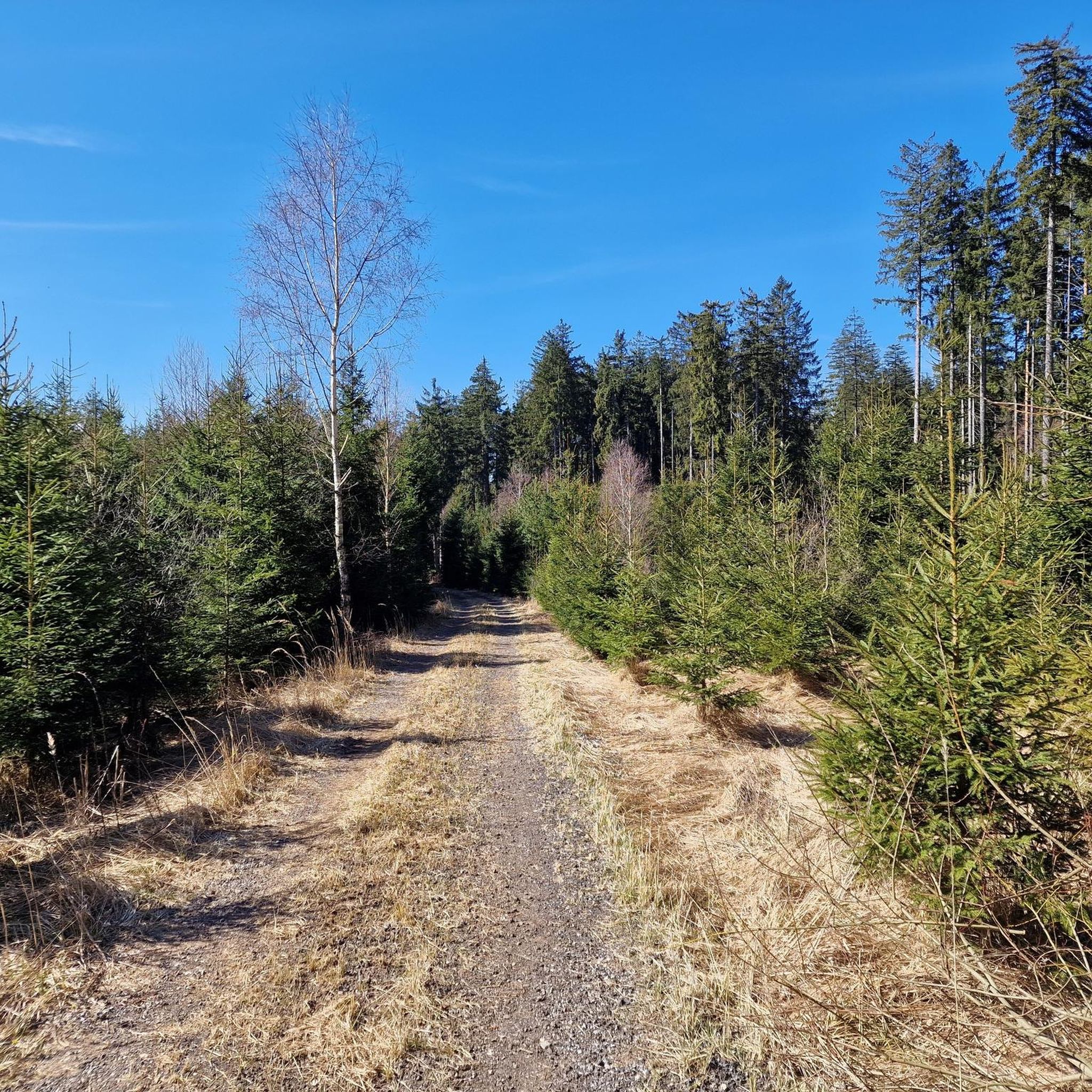
MTB Trails around Sallingberg
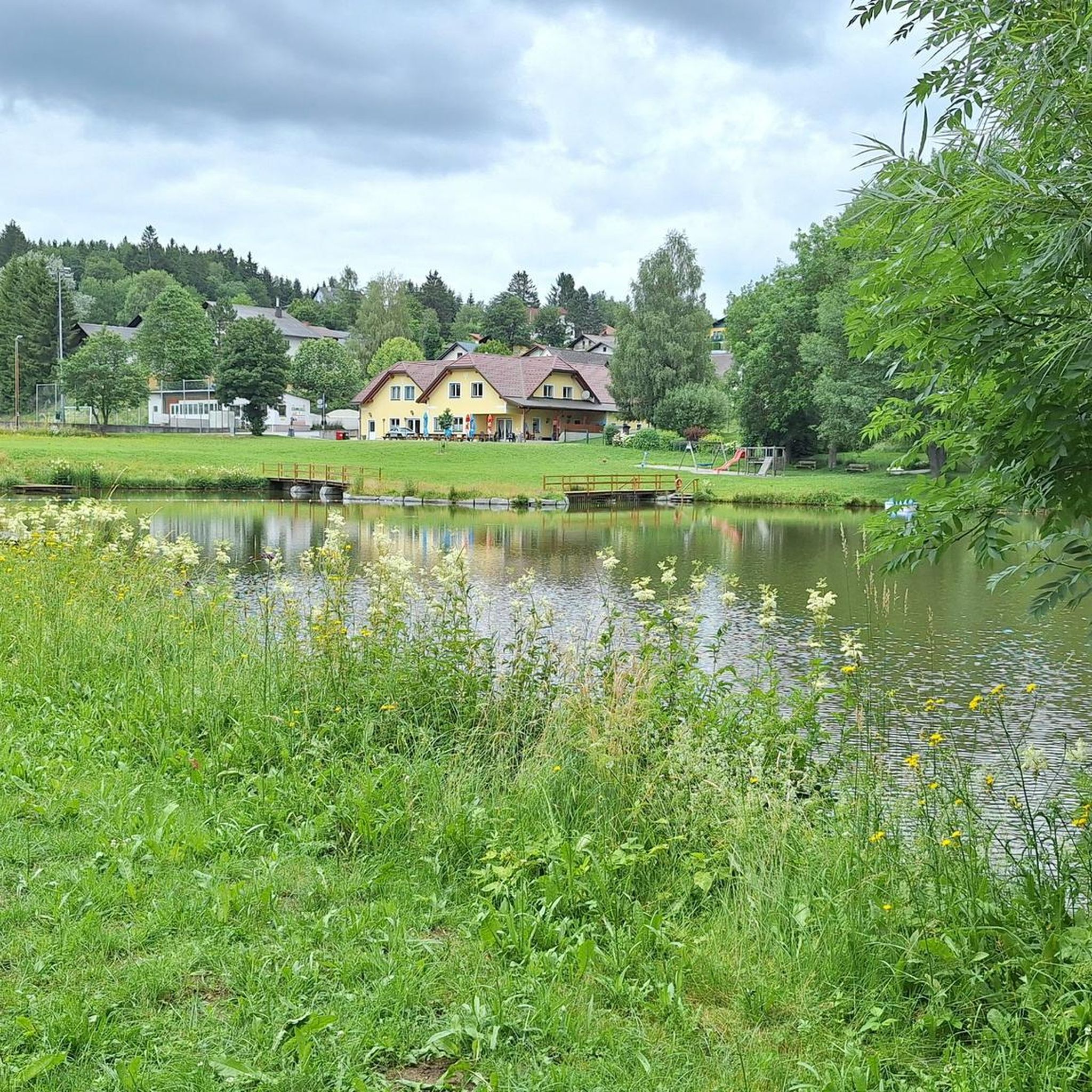
Hiking around Sallingberg
Cycling around Sallingberg
Road Cycling Routes around Sallingberg
Running Trails around Sallingberg
Gravel biking around Sallingberg

Tips from the Community

The Schusterlucke, another cave in the small Krems Valley. It is accessible via the Vettersteig trail and is said to have served as a cobbler's hideout during the Thirty Years' War.
0
0
During excavations in the Eichmayer Cave, remains of 27 mammal and 8 bird species were found, including Magdalenian artifacts.
0
0
Please do not deface it!!! Below Hartenstein Castle lies the Gudenus Cave, which was carved out of the riverbank and inhabited by Neanderthals during the Stone Age. Traces of settlement dating back almost 100,000 years were discovered there, including hand axes and other tools. Due to historical preservation, the bridge could no longer be rebuilt unless the cave was sealed.
0
0
An impressive natural monument. The climb, approximately 15 minutes and 85 meters in elevation, is well worth it. The Stone Hall is part of the Kremstal Canyon, a region with other interesting caves such as the Gudenus Cave and the Eichmayer Cave. A 30-meter-wide and eight-meter-high rock roof. This sheltered site was frequented by Ice Age hunters. Neanderthal stone tools from the Middle Paleolithic and the end of the last Ice Age were found here.
0
0

The entrance to the cave is overgrown, which is a pity.
0
0

The bridge at the Gudenus Cave has been gone for 2 years. Accessible via stones at low water
1
0

Beautiful view about 170m into the depth
0
0

A great natural monument in a great environment.
0
0
Frequently Asked Questions
Are there caves directly in Sallingberg, Austria?
There are no prominent or widely known caves located directly within Sallingberg itself. The notable cave systems, such as those in the Kremstal Canyon, are found in the surrounding region near Sallingberg.
What kind of historical significance do the caves around Sallingberg have?
Many caves in the region hold significant historical value. For instance, Gudenus Cave is a historical site where significant Stone Age artifacts were discovered, indicating it was inhabited by Neanderthals approximately 70,000 years ago. The Steinerner Saal Rock Shelter and Cairns also served as a sheltered site for Ice Age hunters.
Which caves offer impressive natural views or geological formations?
The Teufelsrast Cave and Viewpoint offers magnificent views high above the valley, providing a wide panorama of the Waldviertel. The Steinerner Saal Rock Shelter and Cairns is an impressive natural monument, featuring a 30-meter-wide and eight-meter-high rock roof.
Are the caves around Sallingberg suitable for families?
While some caves involve climbs or steep access, many can be explored by families. For example, the historical significance of Gudenus Cave can be an educational experience. Always check the specific access requirements for each cave, as some, like the Steinerner Saal Rock Shelter and Cairns, involve a 15-minute climb with 85 meters of elevation.
What are some challenging cave experiences near Sallingberg?
For those seeking a challenge, the Steinerner Saal Rock Shelter and Cairns requires an arduous 15-minute climb with 85 meters of elevation. The Schusterlucke is accessible via a steep, high ladder, making it a more demanding visit.
What outdoor activities can I do near the caves around Sallingberg?
The region around Sallingberg is excellent for various outdoor activities. You can find numerous hiking trails, including easy hikes around Sallingberg. There are also dedicated routes for road cycling and mountain biking, allowing you to combine cave exploration with other adventures.
Are there any hidden or less-known caves to explore?
The Eichmayer Cave is noted for being very hidden with no signpost, offering a more secluded natural monument experience for those who enjoy discovering less-trafficked spots.
What should I wear when visiting the caves?
Given that many caves involve climbs, ladders, or uneven terrain, it's advisable to wear sturdy hiking shoes with good grip. Layers of clothing are also recommended as temperatures inside caves can be cooler than outside, even in summer.
What do visitors enjoy most about the caves around Sallingberg?
Visitors frequently highlight the impressive natural monuments and the historical significance of the sites. The arduous climb to places like the Steinerner Saal Rock Shelter and Cairns is often described as well worth the effort for the experience and views.
Is public transport available to reach the caves near Sallingberg?
While Sallingberg itself has some public transport options, direct public transport to the specific cave entrances is generally limited. It's often best to combine public transport to a nearby town with a hike or a short drive to reach the cave sites.
Can I bring my dog to the caves around Sallingberg?
Policies regarding dogs can vary by specific site. While many outdoor areas in Austria are dog-friendly, access to cave interiors or steep, ladder-accessed sites like Schusterlucke might be restricted or impractical for dogs. It's best to check local signage or specific site information before visiting with your pet.
Most popular routes around Sallingberg
Most popular attractions around Sallingberg

Get inspired with the komoot mobile app


Explore more
Extend your search for the best caves by checking out these guides of the top ones around Sallingberg:
