Top 8 Castles around Arbesbach
Best castles around Arbesbach are situated in a region characterized by granite rock formations and dense pine forests. The area features historical fortifications, many of which are now ruins, offering insights into medieval border defense. These sites are often found amidst fields and meadows, providing picturesque settings for exploration. The region's castles provide a tangible link to its past and the influence of historical families.
Best castles around Arbesbach
- The most popular castles is Burg Rappottenstein, a castle that…
Last updated: June 26, 2026
Burg Rappottenstein
Highlight • Castle
Rapottenstein Castle tells of …
Translated by Google •
Tip by

Arbesbach Castle Ruins (Stockzahn of the Waldviertel)
Highlight • Castle
Translated by Google •
Tip by

Sign up now to discover places like this
Get recommendations on the best single tracks, peaks, & plenty of other exciting outdoor places.
Sign up for free
Arbesbach Castle Ruins
Highlight • Castle
Translated by Google •
Tip by

Austrian Freemasons' Museum at Rosenau Castle
Highlight • Castle
Translated by Google •
Tip by

Rosenau Castle
Highlight • Castle
Translated by Google •
Tip by

Sign up for free to discover even more castles around Arbesbach.
Sign up for free
Already have an account?
Start today with a free account
Your next adventure awaits.
Login or Signup
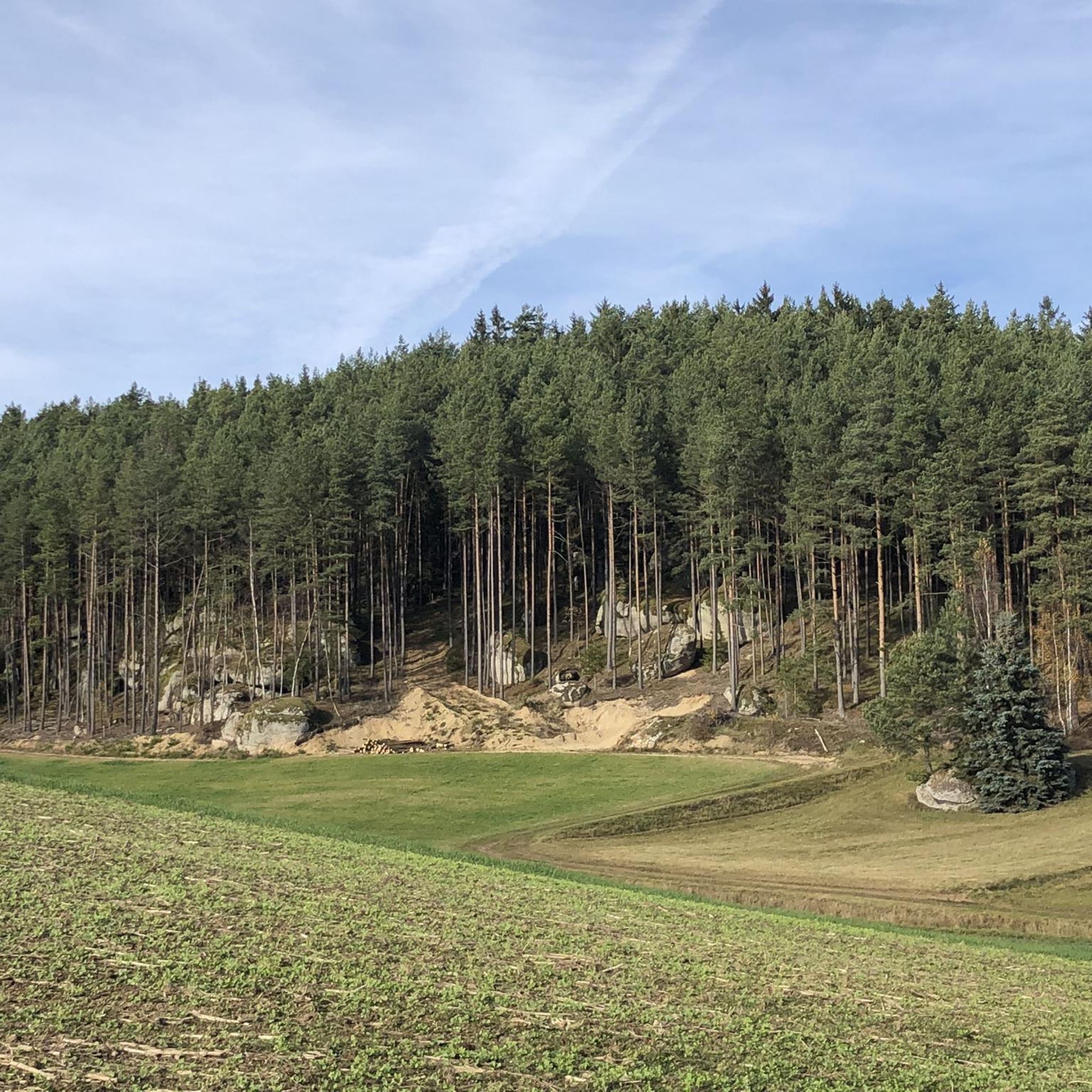
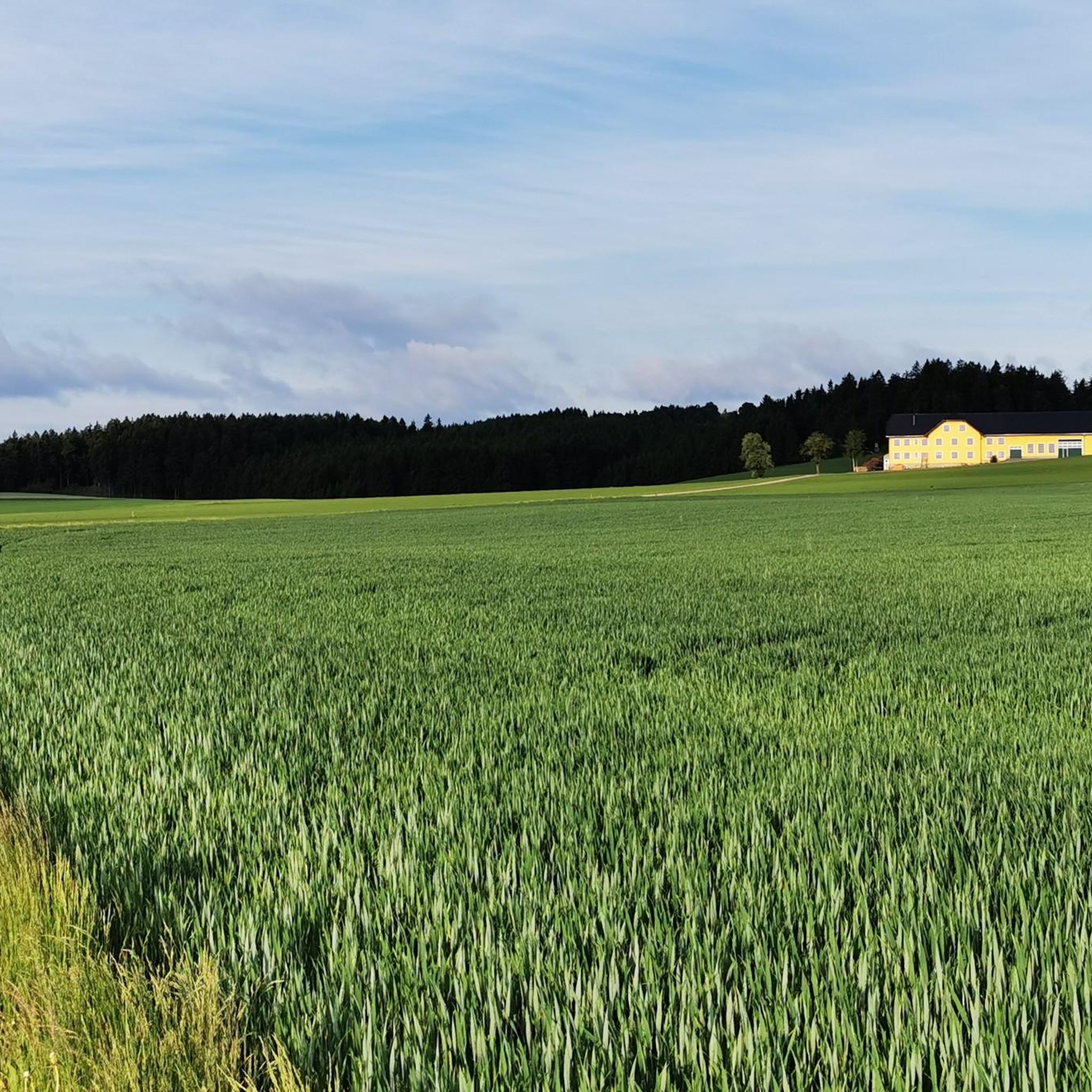
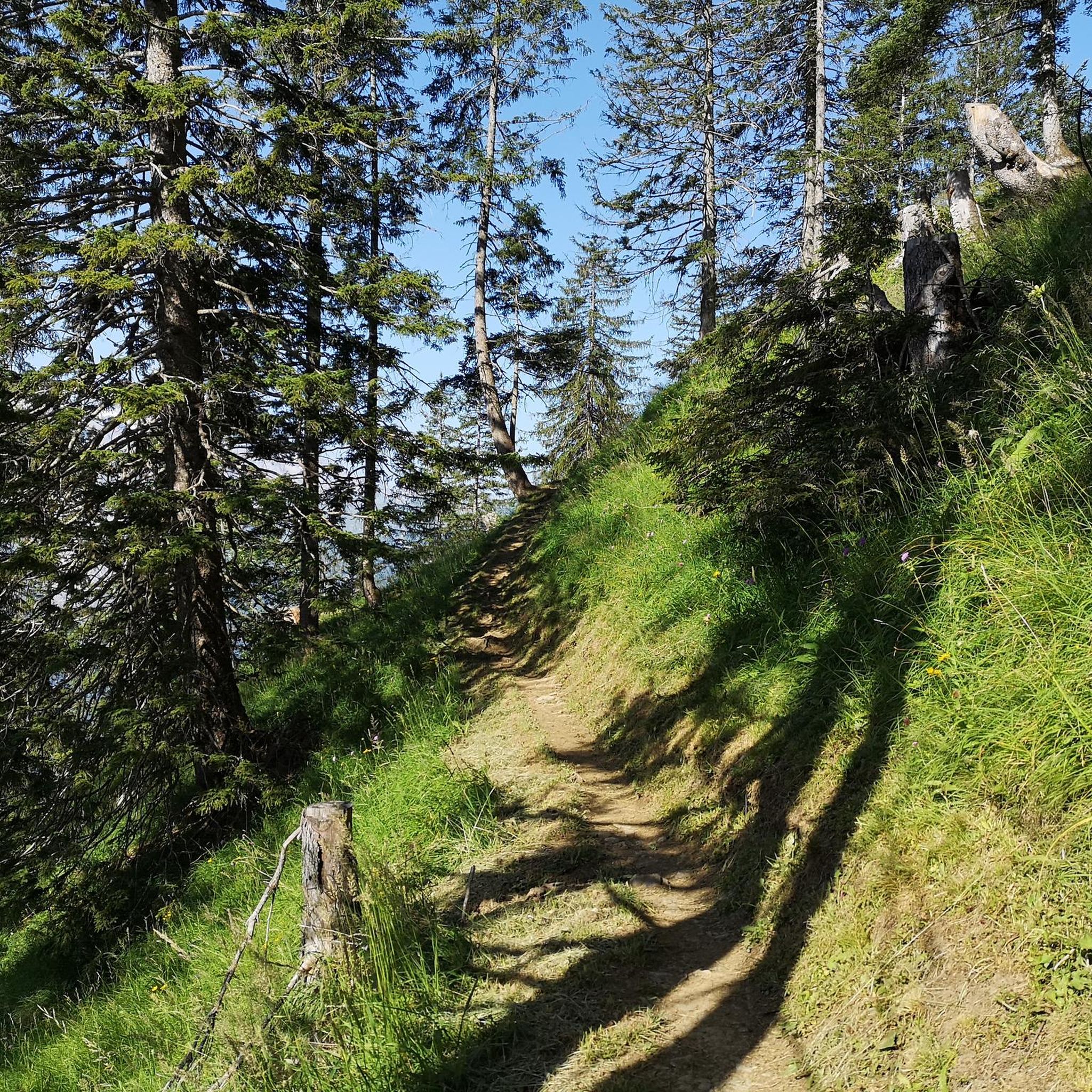
Other adventures around Arbesbach

Tips from the Community

Arbesbach Castle is a top highlight that you should definitely plan a visit to. Even from a distance, you can recognize the so-called "Waldviertel's fang" (Stockzahn des Waldviertels). Once you arrive at the site, 126 steps lead up to the entrance where admission (currently €2.50) is payable in coins or by card. Then it continues inside upwards to the platform, which offers a fantastic view. There is also a circular path around the tower, which however requires some surefootedness and suitable shoes.
0
0

If you have time, you should definitely see the castle's interior. But be sure to check the opening hours. You can also stop for refreshments in the castle tavern. Good food!
0
0

The village was first mentioned in 1246 and was originally owned by the Kuenring line of Weitra-Rappottenstein. In 1282, the estate passed to the Lords of Falkenberg, and in 1291 to Ulrich von Kapelln. In the 14th century, Arbesbach is mentioned as a freehold property. From 1326 to 1348, it was owned by the Lords of Klingenberg, who in 1347 mortgaged "the castle and the house at Arbesbach" to Weikart and Katharina von Winkl. From 1348, Arbesbach was owned by the Lords of Dachsberg, and from 1423 by the Lords of Starhemberg. In 1480, the castle was destroyed by a Bohemian raiding party and was not rebuilt. In 1600, the estate passed to the Lords of Tschernembl, and in 1604 to Georg Fenzl von... Grueb and as early as 1605 to Georg Kaspar von Neuhaus. From 1614 owned by the Lords von Hackelberg, from 1675 to 1862 by the Countess Dietrichstein. Afterwards, it passed to the Herberstein, Geusau, and Baron Holtz families, and from 1877 onwards to the Altzinger family, who still own the estate today and reside in part of the castle complex. Text by G.R., K.Ki.
2
0


The Arbesbach Castle ruins, also known as the "Molar Tooth of the Waldviertel," are located in the market town of Arbesbach. It was built at the end of the 12th century, presumably around 1180, by Hadmar II von Kuenring and served as a border fortress to secure the Kuenring family's holdings in the Waldviertel region. The most striking remaining structure is the pentagonal keep, which sits atop a granite rock and was originally about 25 meters high. In 1480, the castle was destroyed by Bohemian troops and was not rebuilt. Instead, the Arbesbach Manor House was later built in 1593 as the new administrative center. On the ruins of the keep, the so-called Alexanderwarte, an 18-meter-high observation tower offering panoramic views across the Waldviertel, was built in 1884.
1
0

You can climb the Ferdinandwarte/Alexanderwarte via 127 steps and from there you have a magnificent view all the way to the Alps. Admission costs 2.50 euros and can be conveniently paid with an EC card or coins at a turnstile. It is open all year round from 7 a.m. to 10 p.m.
2
1

Rosenau Castle is known for its Masonic Museum; a visit is highly recommended.
5
0

Particularly beautiful to look at, in September it wasn't too crowded here.
1
0
Frequently Asked Questions
What types of castles can I explore around Arbesbach?
The region around Arbesbach features a variety of castles, from well-preserved fortresses to significant historical ruins. You'll find medieval hilltop castles, some of which are now ruins like the Arbesbach Castle Ruins, and renovated castles housing museums, such as the Austrian Freemasons' Museum at Rosenau Castle.
Which castles offer the best panoramic views?
For breathtaking panoramic views, climb the 127 steps to the Alexanderwarte observation tower at the Arbesbach Castle Ruins. From there, you can see views extending all the way to the Alps. The castle itself is dramatically situated on a 22-meter-high granite rock.
Are there any castles with unique historical or cultural significance?
Yes, the Austrian Freemasons' Museum at Rosenau Castle is particularly unique. This baroque castle, rebuilt in the 17th and 18th centuries, houses the world's only Masonic museum and features significant frescoes and paintings. Another historically rich site is Burg Rappottenstein, showcasing Romanesque, Gothic, and Renaissance architecture and telling tales of the Kuenringer family.
What outdoor activities can I do near the castles?
The area offers various outdoor activities, especially hiking and cycling. You can find numerous routes, including easy hikes like the 'Arbesbach Castle Ruins – Stockzahn of the Waldviertel loop' or more challenging cycling tours like the 'Arbesbach Castle Ruins – Klaus Chapel loop'. Explore more options on the hiking guide or cycling guide for Arbesbach.
Are there family-friendly castles to visit in the Arbesbach area?
Many castles in the region are suitable for families. For instance, Rosenau Castle is listed as family-friendly. The Arbesbach Castle Ruins also offer an engaging experience for older children with its observation tower and historical context.
What kind of hiking trails are available near the castles?
You'll find a range of hiking trails, from easy to difficult. For an easy walk, consider the 'Arbesbach Castle Ruins – Stockzahn of the Waldviertel loop' which is just under 3 km. More challenging routes like the 'Lohnbach Waterfall – Lohnbachfall – Steinerne Stube loop' (over 18 km) are also available. Check the easy hikes guide or the main hiking guide for more details.
What is the best time to visit the castles around Arbesbach?
The Arbesbach Castle Ruins are open year-round from 7 a.m. to 10 p.m., making them accessible in any season. The region's natural beauty, with dense pine forests and granite rock formations, can be enjoyed throughout the year, though spring and autumn offer pleasant weather for exploration.
Can I visit the Arbesbach Castle Ruins in winter?
Yes, the Arbesbach Castle Ruins are open year-round from 7 a.m. to 10 p.m. Winter visits can offer a unique, picturesque experience, especially with snow-covered landscapes. Be sure to dress warmly and wear appropriate footwear for potentially icy conditions.
What are the entry requirements for Arbesbach Castle Ruins?
Admission to the Alexanderwarte observation tower at Arbesbach Castle Ruins costs a small fee (e.g., 2.50 euros), which can be paid conveniently with an EC card or coins at a turnstile. The key to access the ruins can be obtained from a local bakery, Clemens Huber Bakery/Cafe, Arbesbach 27.
What natural features can I expect to see near the castles?
The castles are set amidst a landscape characterized by granite rock formations and dense pine forests, interspersed with fields and meadows. You can also find natural attractions like the Lohnbach Waterfall and the Großer Kamp River, which are part of nearby hiking routes. The dramatic setting of castles like Burg Rappottenstein on granite rock mountains highlights the interaction of natural forces and human construction.
Where can I find refreshments or amenities near the castles?
Near the Arbesbach Castle Ruins, you can obtain the key to the ruins from the Clemens Huber Bakery/Cafe in Arbesbach, which also provides an opportunity for refreshments. On weekends, members of the Arbesbach Beautification Association are often present at the ruins to assist visitors.
Most popular routes around Arbesbach
Most popular attractions around Arbesbach

Get inspired with the komoot mobile app


Explore more
Looking for the best castles somewhere else? Discover other guides around Arbesbach:
