Top 11 Castles around Rußbach
Best castles around Rußbach offers a glimpse into Austria's rich history and architectural heritage. Rußbach am Pass Gschütt, located in the Tennengau Region of SalzburgerLand, is known as an Austrian Hiking village, providing active experiences and unspoiled nature. While the village itself is a starting point for excursions, the surrounding region features several notable historical fortifications. These structures range from medieval strongholds to renovated Renaissance buildings, showcasing diverse architectural styles.
Best castles around Rußbach
- The most popular castles is Juliusburg…
Last updated: August 19, 2026
Schloss Neuaigen
Highlight • Castle
Translated by Google •
Tip by

Juliusburg Castle
Highlight • Castle
Translated by Google •
Tip by

Sign up now to discover places like this
Get recommendations on the best single tracks, peaks, & plenty of other exciting outdoor places.
Sign up for free
Steinabrunn Castle
Highlight • Castle
More about the story:
burgen-austria.com/archive.php?id=19
Translated by Google •
Tip by

Groß Castle
Highlight • Castle
Translated by Google •
Tip by
Mollersdorf Village Route
Highlight (Segment) • Cycleway
Translated by Google •
Tip by

Sign up for free to discover even more castles around Rußbach.
Sign up for free
Already have an account?
Start today with a free account
Your next adventure awaits.
Login or Signup
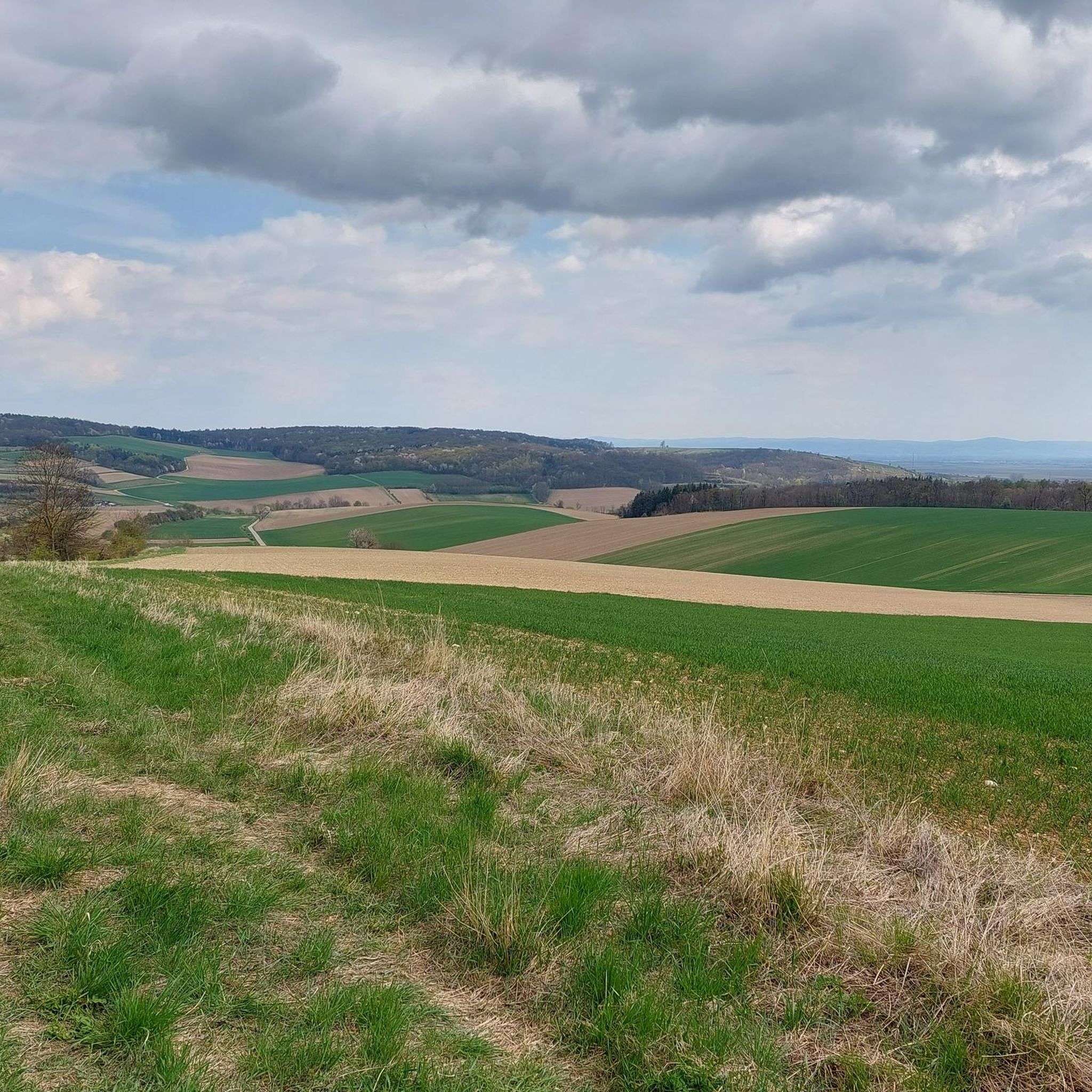
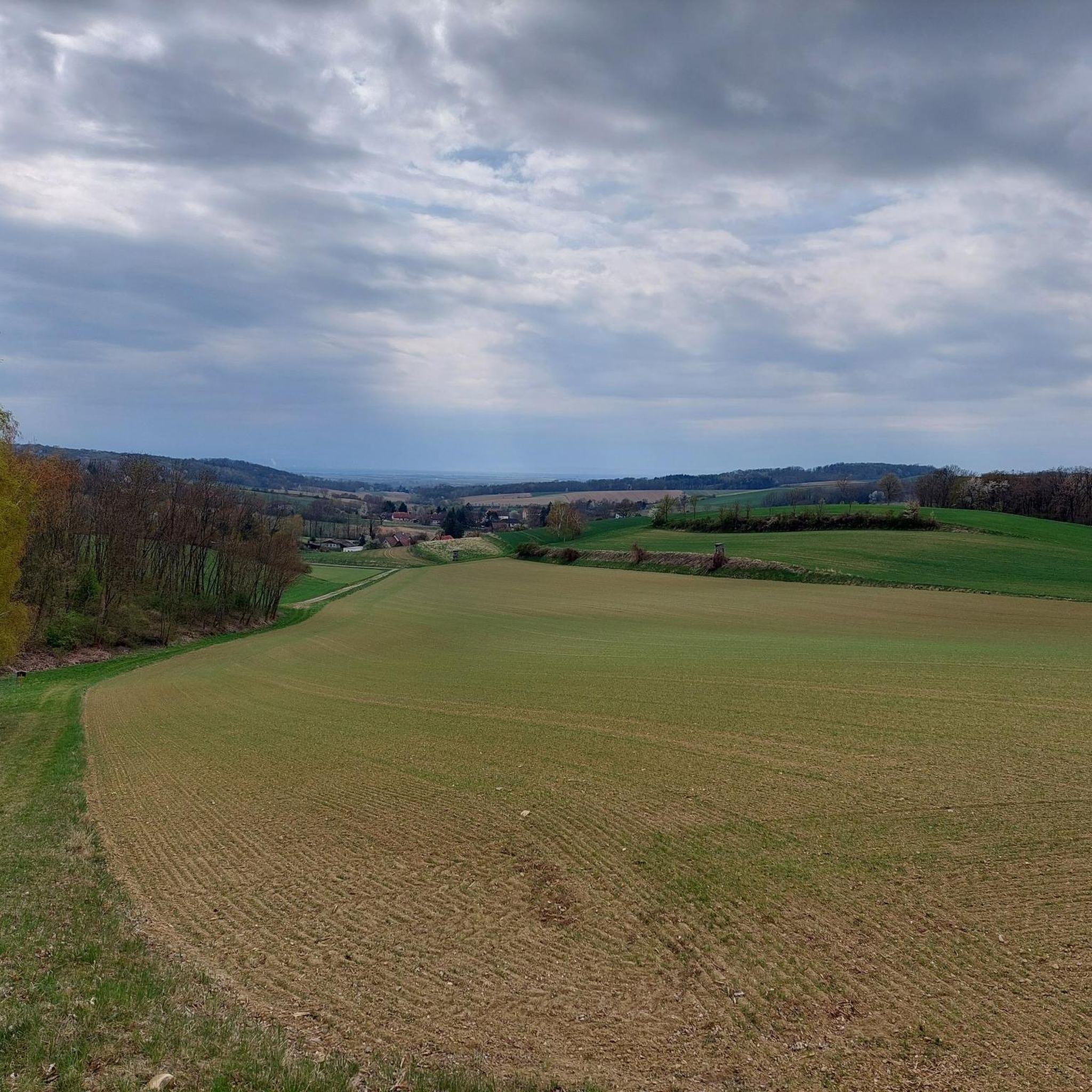
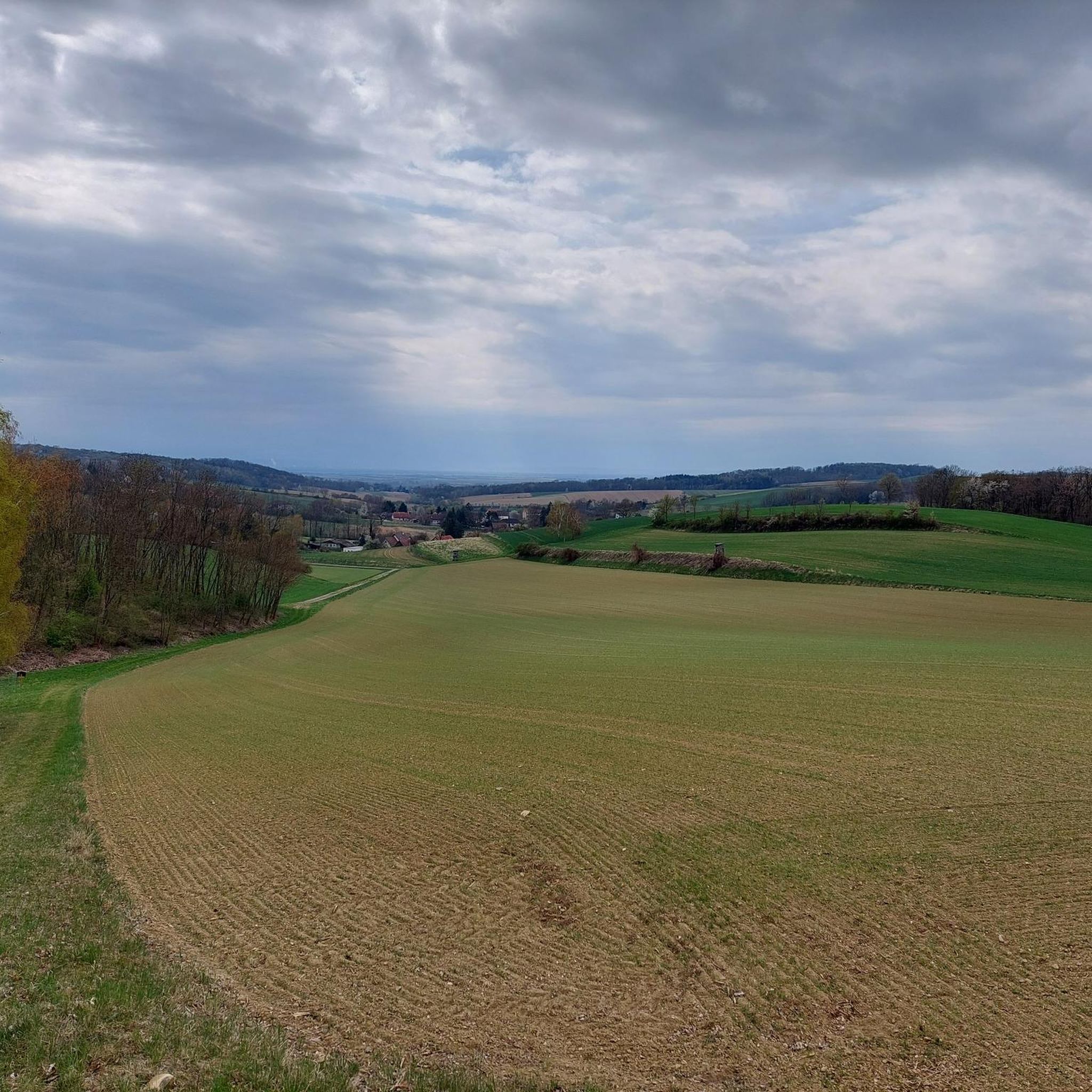
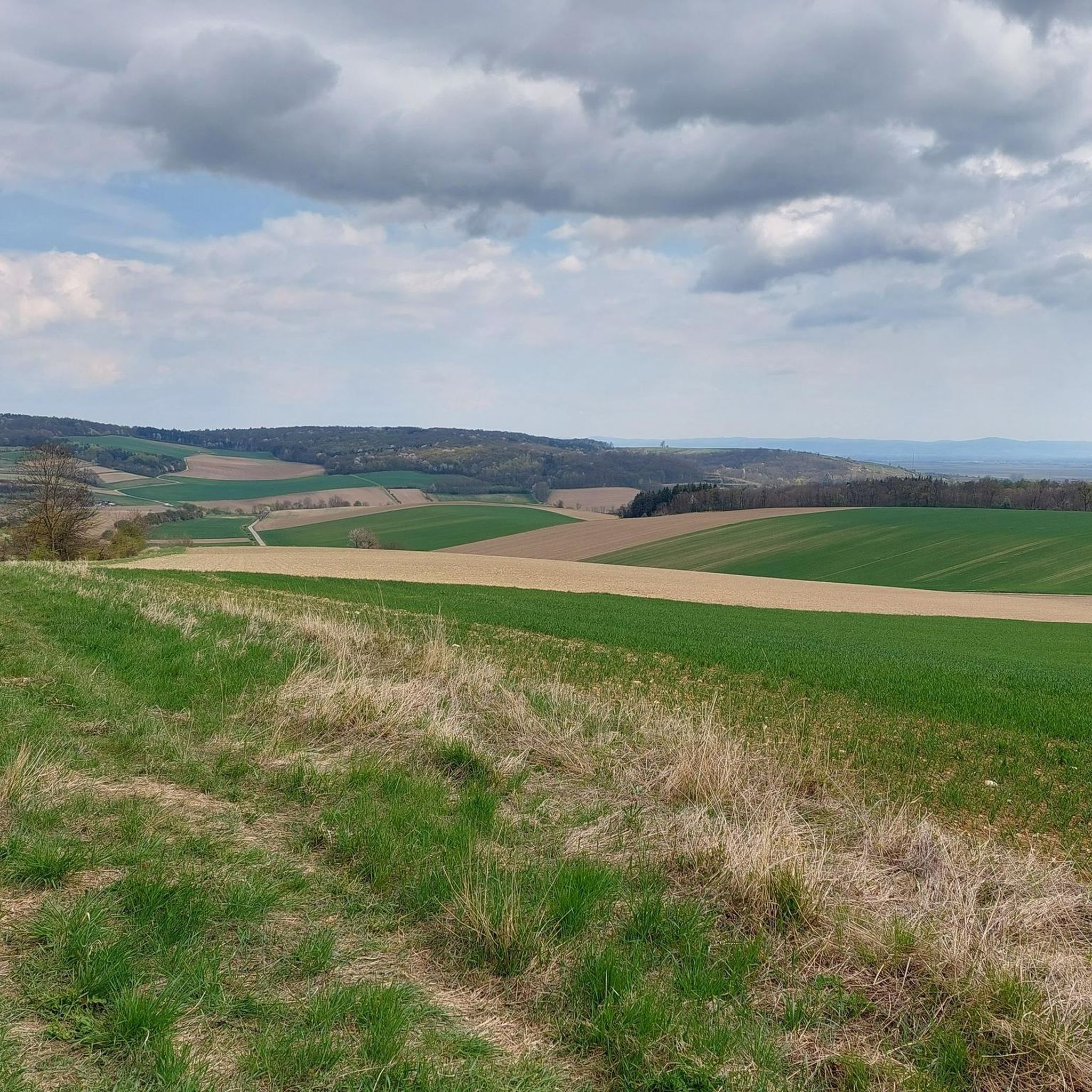

Tips from the Community

beautiful edullic cycle path
1
0

Best seen from a distance. The closer you get, the more the lower parts of the building disappear
2
1


It's properly called "Juliusburg Castle". Building from the 16th century, at the beginning of the 18th century. Expanded in Baroque style by Lukas von Hildebrandt. In 1683, the Polish King Sobieski, Duke Charles of Lorraine and German princes met here to plan the liberation of Vienna (2nd Turkish siege).
3
0

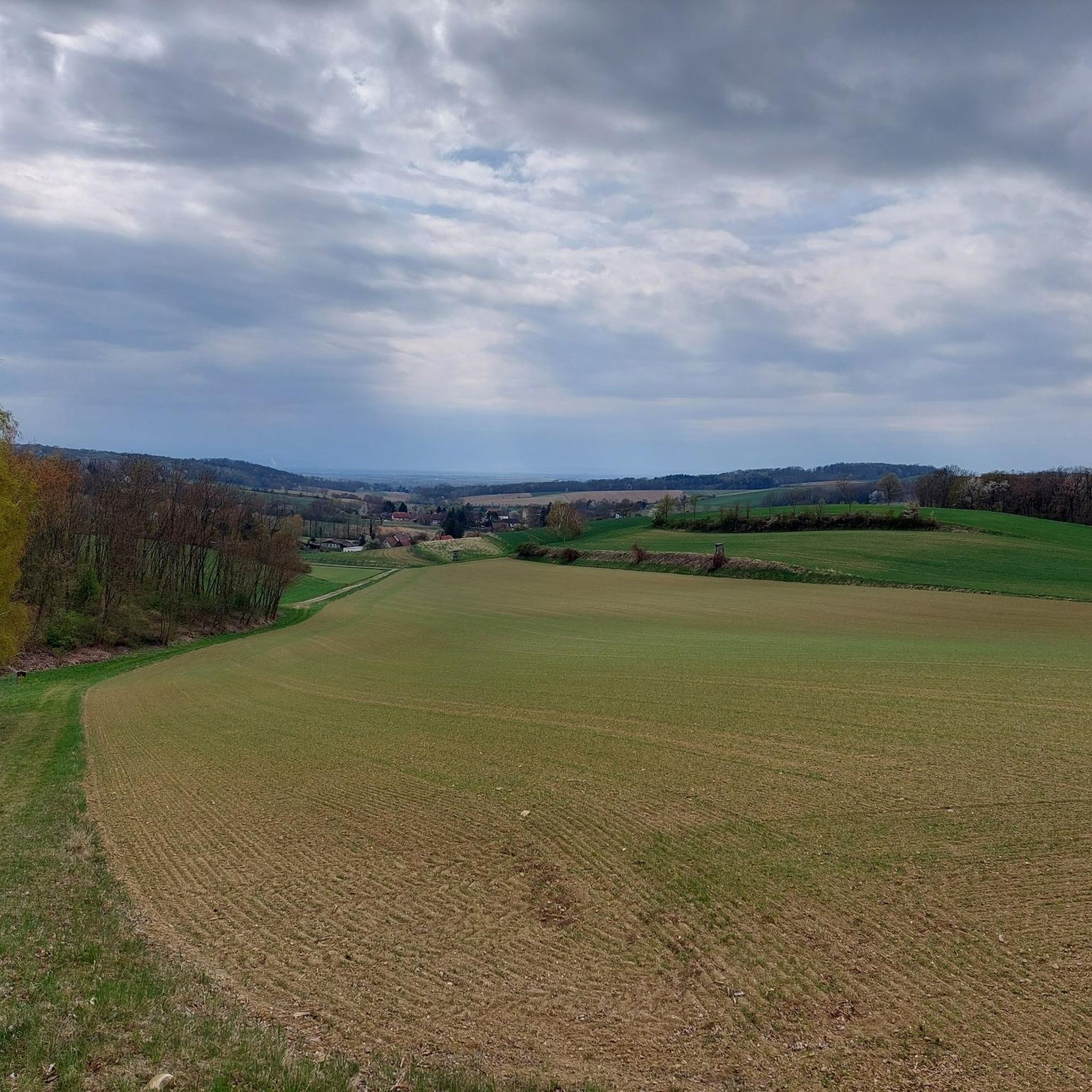
One of the landmarks that towers high above the Wagram. Visible from afar when riding the Wagram Cycle Path W1 or one of the numerous other cycle paths in this area.
2
0

Very nice castle, but unfortunately, as far as I know, you cannot go inside
0
0
Where Neuaigen Castle is today, there was already a fortified complex that was probably built by Laurenz Freiherr von Hofkirchen. Hofkirchen was enfeoffed in 1494 by the Roman-German King Maximilian I. After the destruction in the Thirty Years' War, Georg Andre Freiherr von Hofkirchen (1562-1623) erected a new building.
4
1
A Renaissance building from the 16th century, parts of which were already mentioned in documents in 1231. At that time it was a fortified manor surrounded by a moat.
0
0
Frequently Asked Questions
Which castles are most popular around Rußbach?
Among the castles in the region, Juliusburg Castle is highly regarded, known for its Baroque expansion and prominent visibility. Schloss Neuaigen, a restored late-Renaissance chateau, is another must-see historical site. Visitors also appreciate Steinabrunn Castle, with its well-preserved historical parts dating back to 1298.
Are there family-friendly castles to visit near Rußbach?
Yes, Steinabrunn Castle is noted as a family-friendly historical site. While many castles are privately owned and can only be viewed from the outside, their historical significance and impressive architecture offer an engaging experience for all ages.
What kind of historical architecture can I expect to see?
The castles around Rußbach showcase a range of architectural styles, from medieval fortifications to Renaissance chateaus and Baroque expansions. For example, Juliusburg Castle was expanded in Baroque style in the early 18th century, while Schloss Neuaigen is a late-Renaissance chateau. Groß Castle is a Renaissance building with parts dating back to the 13th century.
Can I visit the interiors of these castles?
Many of the castles in the region, such as Schloss Neuaigen and Groß Castle, are privately owned and unfortunately not open to the public for interior visits. However, their exteriors and surrounding grounds still offer a rich historical experience. Steinabrunn Castle can also only be visited from the outside.
What outdoor activities can I do near these castles?
The region around Rußbach offers various outdoor activities. You can find numerous cycling routes, such as the 'Göllersdorf town centre – Weyerburg Castle loop' or the 'Cycle Path Along the Schmida – Parish Church of Rohrbach loop'. For gravel biking, explore routes like 'Pankraz Hill (Pankratzberg) – Cycling material loop'. Mountain biking enthusiasts can enjoy trails like 'Bründl Chapel – Hollenstein Chapel loop'. You can find more details on these routes in the Cycling around Rußbach, Gravel biking around Rußbach, and MTB Trails around Rußbach guides.
Are there any castles with scenic viewpoints?
Yes, Juliusburg Castle is a landmark that towers high above the Wagram, offering excellent views. There are specific spots from which you can get a very good view of the castle, making it a great place for photos.
What is the best time of year to visit the castles?
While specific opening hours for castle interiors are limited, the exteriors and surrounding landscapes are beautiful year-round. Spring and autumn offer pleasant weather for exploring the grounds and nearby cycling or hiking routes. Summer is also popular, though it can be warmer. Winter visits can be picturesque, especially if there's snow, but some paths might be less accessible.
How accessible are the castles by public transport or car?
Information on specific public transport routes to each castle is not readily available in the guide data. However, the region is generally accessible by car. For example, Schloss Neuaigen is located on the through road on the western outskirts of Neuaigen. Parking facilities vary by location, with some castles being privately owned and less signposted, like Groß Castle.
What do visitors enjoy most about the castles around Rußbach?
Visitors appreciate the rich history and architectural beauty of the castles. Many enjoy the opportunity to see well-preserved historical sites, even if only from the outside. The tranquil settings and the chance to combine castle viewing with outdoor activities like cycling are also highly valued. The komoot community has shared over 10 photos and given more than 40 upvotes for these highlights, indicating strong positive engagement.
Are there any castles that offer unique experiences, like accommodation?
While not directly listed in the highlights for this guide, the broader region of Lower Austria features unique castle experiences. For instance, Schloss Großrußbach, a historic castle originating from the 15th/16th century, now serves as an educational center and uniquely offers accommodation for pilgrims walking the Way of St. James. This provides a distinctive opportunity to stay in a historic castle setting. More information can be found on lower-austria.info.
Can I find any medieval fortifications in the area?
Yes, the region boasts structures with histories dating back to the 13th century, showcasing different architectural periods. While specific details on purely medieval fortifications are limited in the highlights, Steinabrunn Castle was first mentioned in 1298, and Groß Castle has parts mentioned in documents from 1231, indicating their medieval origins before later renovations.
Most popular routes around Rußbach
Most popular attractions around Rußbach

Get inspired with the komoot mobile app


Explore more
Looking for the best castles somewhere else? Discover other guides around Rußbach:
