Top 13 Castles around Tulbing
Castles around Tulbing, a municipality in Lower Austria, offer insights into the region's historical architecture. Situated in the Vienna Woods area, the landscape features hills and valleys, providing diverse settings for these historical structures. Visitors can explore 13 castles, ranging from well-preserved manor houses to ancient ruins and fortified churches, reflecting centuries of local history.
Best castles around Tulbing
- The most popular castles is Ried Castle Ruins, a castle and historical site. It is the ruin of a spur…
Last updated: June 26, 2026
Rappoltenkirchen Castle
Highlight • Castle
Translated by Google •
Tip by

Ried Castle Ruins
Highlight • Castle
Translated by Google •
Tip by

Sign up now to discover places like this
Get recommendations on the best single tracks, peaks, & plenty of other exciting outdoor places.
Sign up for free
Schloss Neuaigen
Highlight • Castle
Translated by Google •
Tip by
Judenau Moated Castle
Highlight • Castle
Translated by Google •
Tip by

Greifenstein Castle and the Danube Oxbow
Highlight • Castle
Translated by Google •
Tip by

Sign up for free to discover even more castles around Tulbing.
Sign up for free
Already have an account?
Start today with a free account
Your next adventure awaits.
Login or Signup
Tips from the Community

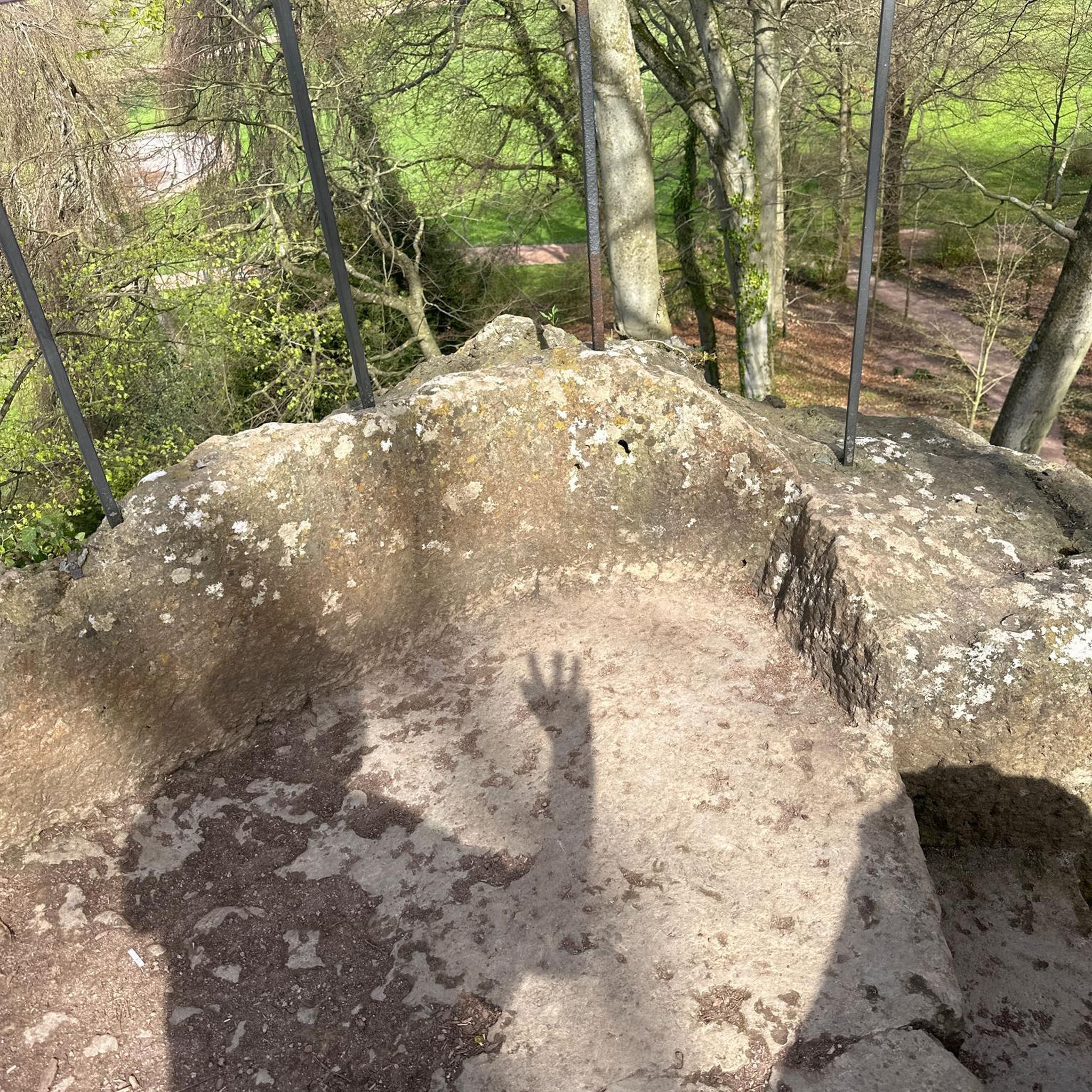
As a possible founder, the Babenberg ministerialis Konrad around 1170/80 comes into question. In the first half of the 13th century, the Kuenringer came into possession of the castle under unclear circumstances; Hadmar II. achieved the separation of the chapel in Ried from the parish association of Sieghartskirchen in 1211. His grandson Albero V. no longer shared the original interests in the seat and exchanged the lordship in 1256/59 with King Ottokar II. for the enfeoffment with Rossatz and the pledge for Zwettl. In 1280, his sons Leudolt I. and Heinrich IV. von Kuenring had the exchange confirmed by King Rudolf I. von Habsburg in writing.
2
0

The ruins are surrounded by a moat.
1
0

Addendum: In 1884, Prince Ypsilanti (a descendant of a Greek freedom fighter) inherited the palace. Ypsilanti was married to the daughter of the banker Baron von Sina (see Sina-Warte on the Lindkogl and Sinagasse in Vienna's 22nd district). The Ypsilanti family remained the owners until the end of the 20th century.
1
0

The castle complex, which dates back to the 13th century, was destroyed by the Turks in 1525. The current castle building (moated castle) was built in its basic design around 1589. Since 1961, the castle has housed the "Save the Children" organization with a boarding school for students and apprentices. Source: www.judenau-baumgarten.at/Schloss_Judenau
1
1

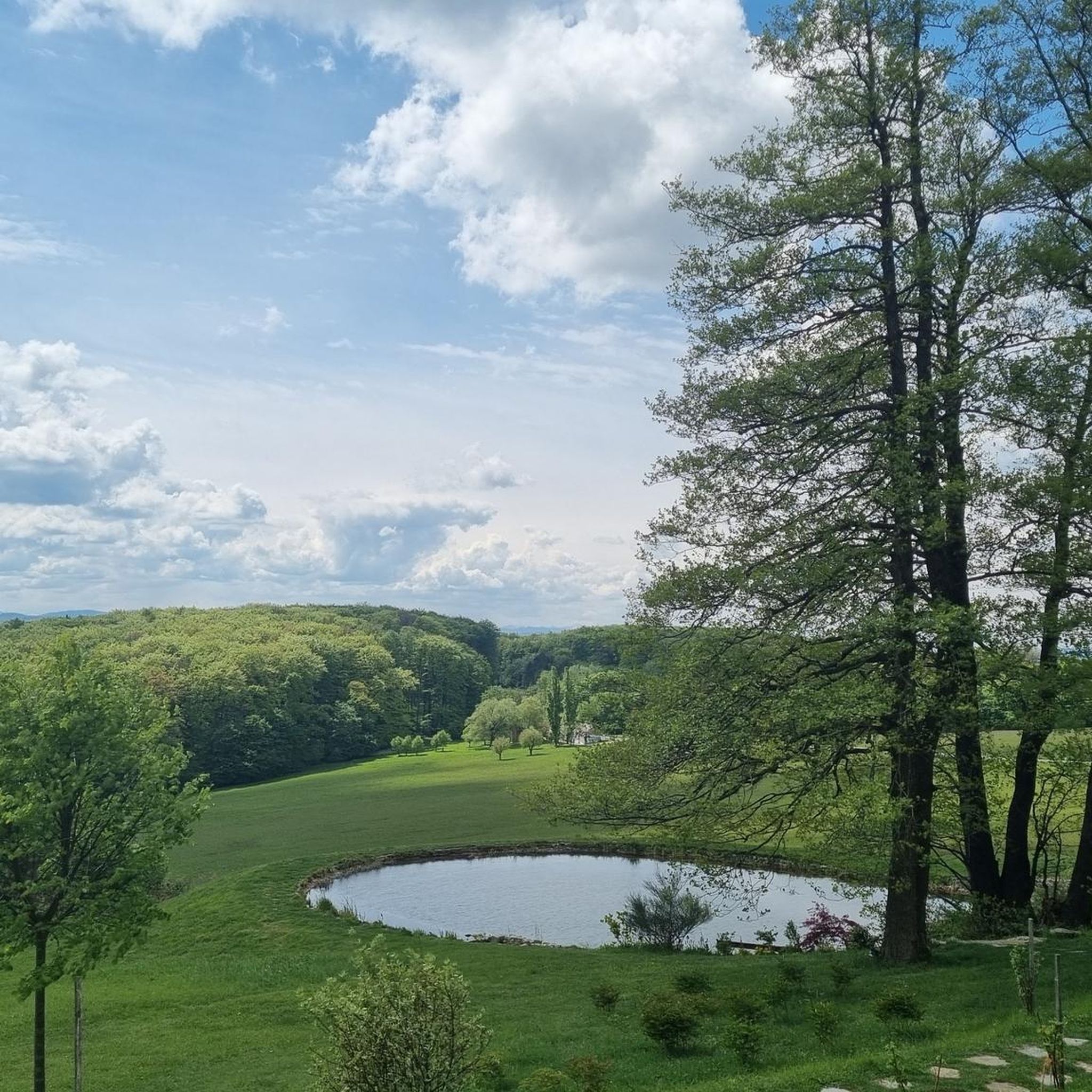
A piece of contemporary history, surrounded by atmospheric nature.
1
0

Here you leave the Tullnerfeld into the Vienna Woods when you hike the Great Tullnerfeld Circular Trail 475.
2
1

Greifenstein Castle is now largely cordoned off
3
1
Frequently Asked Questions
What types of historical structures can I explore around Tulbing?
The area around Tulbing offers a variety of historical structures, including well-preserved manor houses, ancient castle ruins, and fortified churches. These reflect centuries of local history in the Vienna Woods region.
Are there any specific castles in Tulbing itself?
Within the municipality of Tulbing, you can find Schloss Tulbing and the Wehrkirche Tulbing. Schloss Tulbing is a privately owned, well-maintained castle with elegant architecture, originally serving as a monastic court. The Wehrkirche Tulbing is a fortified church dating back to 1489, offering a glimpse into defensive ecclesiastical architecture.
What makes the <a href="https://www.komoot.com/highlight/1181877" target="_blank" rel="noopener">Ried Castle Ruins</a> interesting?
The Ried Castle Ruins are the remains of a spur castle, likely built around 1200, located on a hilltop in the Vienna Woods. Today, you can see sparse remains of a Romanesque round tower and outer bailey. It's a popular spot for a short hike, even suitable for small children, and offers historical insights into medieval fortifications.
Can I visit <a href="https://www.komoot.com/highlight/5091309" target="_blank" rel="noopener">Rappoltenkirchen Castle</a>?
Rappoltenkirchen Castle is privately owned and not accessible to the public. While you cannot enter, its exterior, originally a Renaissance chateau redesigned in a neoclassical style, can be appreciated from a distance.
What is the history behind <a href="https://www.komoot.com/highlight/3079629" target="_blank" rel="noopener">Judenau Moated Castle</a>?
The Judenau Moated Castle, first mentioned in 1270, was largely rebuilt around 1589 after being destroyed. Since 1961, it has housed the 'Save the Children' organization, serving as a boarding school and kindergarten. The castle is located on the Große Tulln and is a beautiful sight along several cycle paths.
What is the significance of <a href="https://www.komoot.com/highlight/5529435" target="_blank" rel="noopener">Schloss Freundorf</a>?
Schloss Freundorf is a hook-shaped complex from the 17th century, remodeled in the 19th century. It stands on the site of an 11th-century Freihof. Today, it is privately inhabited, showcasing a blend of historical architectural styles.
What is the best time of year to visit the castles around Tulbing?
The castles around Tulbing can be visited year-round. Spring and autumn offer pleasant temperatures for exploring the exteriors and nearby trails. Summer is also popular, though it can be warmer. Winter visits can provide a unique, serene atmosphere, especially for exterior views of the castles and fortified churches.
Are there family-friendly options among the castles?
Yes, several castles are suitable for families. For instance, the Ried Castle Ruins offer a short, enjoyable hike that is suitable even for small children. Judenau Moated Castle is also listed as family-friendly, offering a picturesque setting.
Are there hiking trails near the castles around Tulbing?
Yes, the region around Tulbing, being part of the Vienna Woods, offers various hiking opportunities. You can find challenging running trails like the 'Leopold-Figl-Warte – Herrenberg Trail I loop from Tulbing' or the 'Pitzelsdorfer Trail – Millennium Oak (Sessile Oak) loop from Tulbing'. For more options, explore the Running Trails around Tulbing guide.
What cycling routes are available near the castles?
The area around Tulbing is excellent for cycling. You can find road cycling routes such as the 'Wien River Cycle Path – View of the Tullnerfeld loop from Mauerbach' or touring bicycle routes like the 'Tulln Danube Bridge – Donaubühne Tulln loop from Tulbing'. For a comprehensive list, check out the Road Cycling Routes around Tulbing and Cycling around Tulbing guides.
Is parking available at the castles?
For many of the castles, especially those in more rural settings or those with public access, parking is generally available nearby. For example, at the Wehrkirche Tulbing, parking can be found above the church, near the cemetery entrance. For privately owned castles, parking might be limited to roadside viewing spots.
How accessible are the castles by public transport?
While some castles might be reachable by regional bus services, many are situated in more secluded areas, making a car the most convenient way to access them. It's advisable to check local public transport schedules for specific locations if you plan to rely on buses or trains.
What do visitors enjoy most about the castles around Tulbing?
Visitors appreciate the diverse range of historical structures, from well-preserved castles to atmospheric ruins and fortified churches. The blend of history with the natural beauty of the Vienna Woods, offering opportunities for hiking and cycling, is also highly valued. The komoot community has shared 19 photos and given 90 upvotes, highlighting the scenic and historical appeal of the area.
Most popular routes around Tulbing
Most popular attractions around Tulbing

Get inspired with the komoot mobile app


Explore more
Looking for the best castles somewhere else? Discover other guides around Tulbing:
