Top 5 Castles around Hohenau an der March
Castles around Hohenau an der March are found in a region defined by the March River and its proximity to the Austrian-Czech border. This area features historical structures that reflect its strategic location and past ownership by noble families. The landscape includes riverine environments and agricultural lands, providing a setting for historical exploration. The region offers insights into medieval fortifications and later architectural developments.
Best castles around Hohenau an der March
- The most popular castles is Jedenspeigen Castle, a…
Last updated: July 9, 2026
Jedenspeigen Castle
Highlight • Castle
Translated by Google •
Tip by

Hauskirchen Castle
Highlight • Castle
Translated by Google •
Tip by

Sign up now to discover places like this
Get recommendations on the best single tracks, peaks, & plenty of other exciting outdoor places.
Sign up for free
Pohansko Chateau
Highlight • Historical Site
Translated by Google •
Tip by

Pohansko Hunting Lodge
Highlight • Castle
More information: de.wikipedia.org/wiki/Kulturlandschaft_Lednice-Valtice
Translated by Google •
Tip by

Zistersdorf Castle
Highlight • Castle
More about the story:
welt-der-wappen.de/Heraldik/aktuell/galerien4/galerie3092.htm
Translated by Google •
Tip by
Sign up for free to discover even more castles around Hohenau an der March.
Sign up for free
Already have an account?
Start today with a free account
Your next adventure awaits.
Login or Signup
Popular around Hohenau an der March
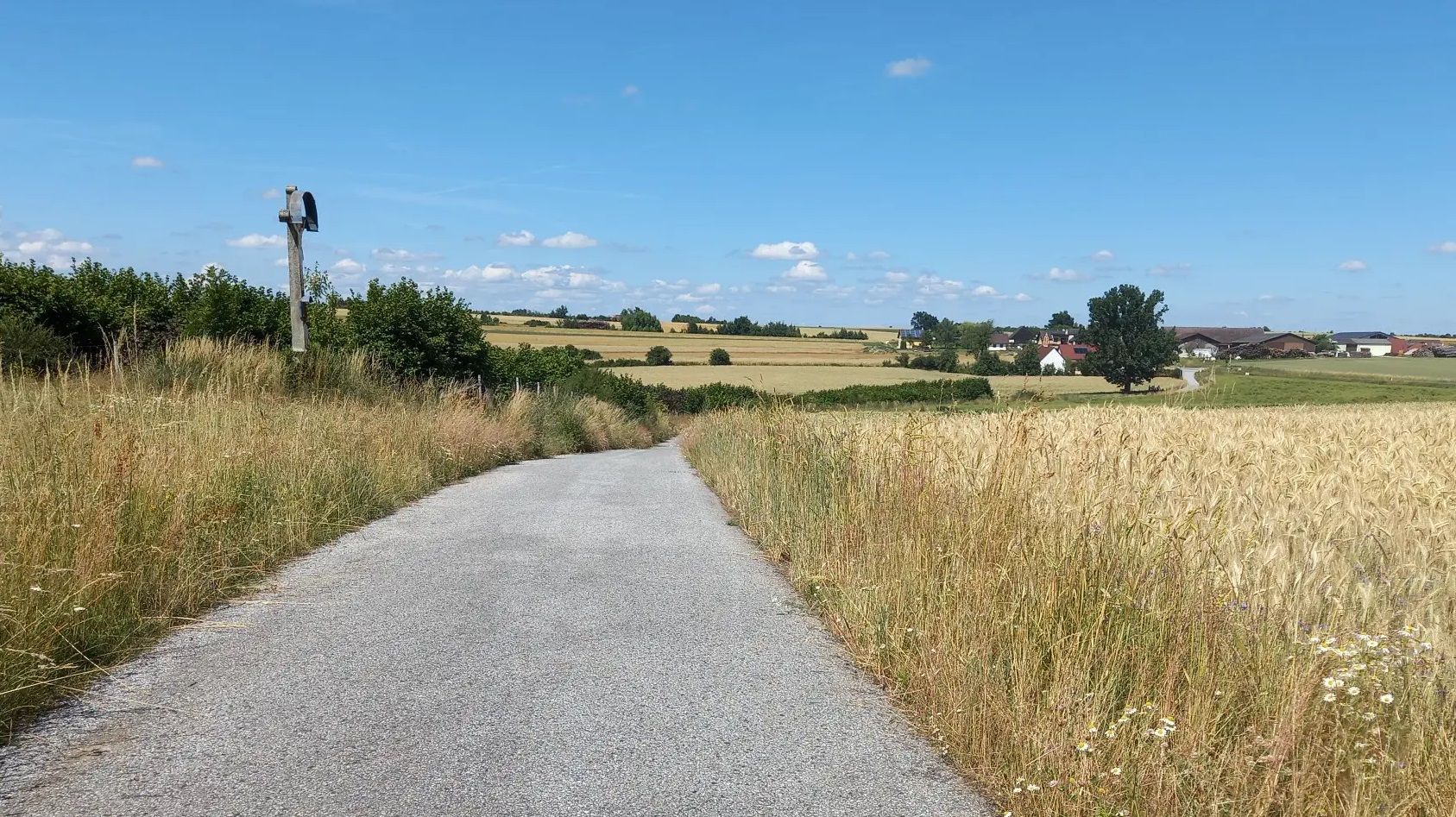
Cycling away from the crowds – Austria’s Kamp-Thaya-March Cycle Route
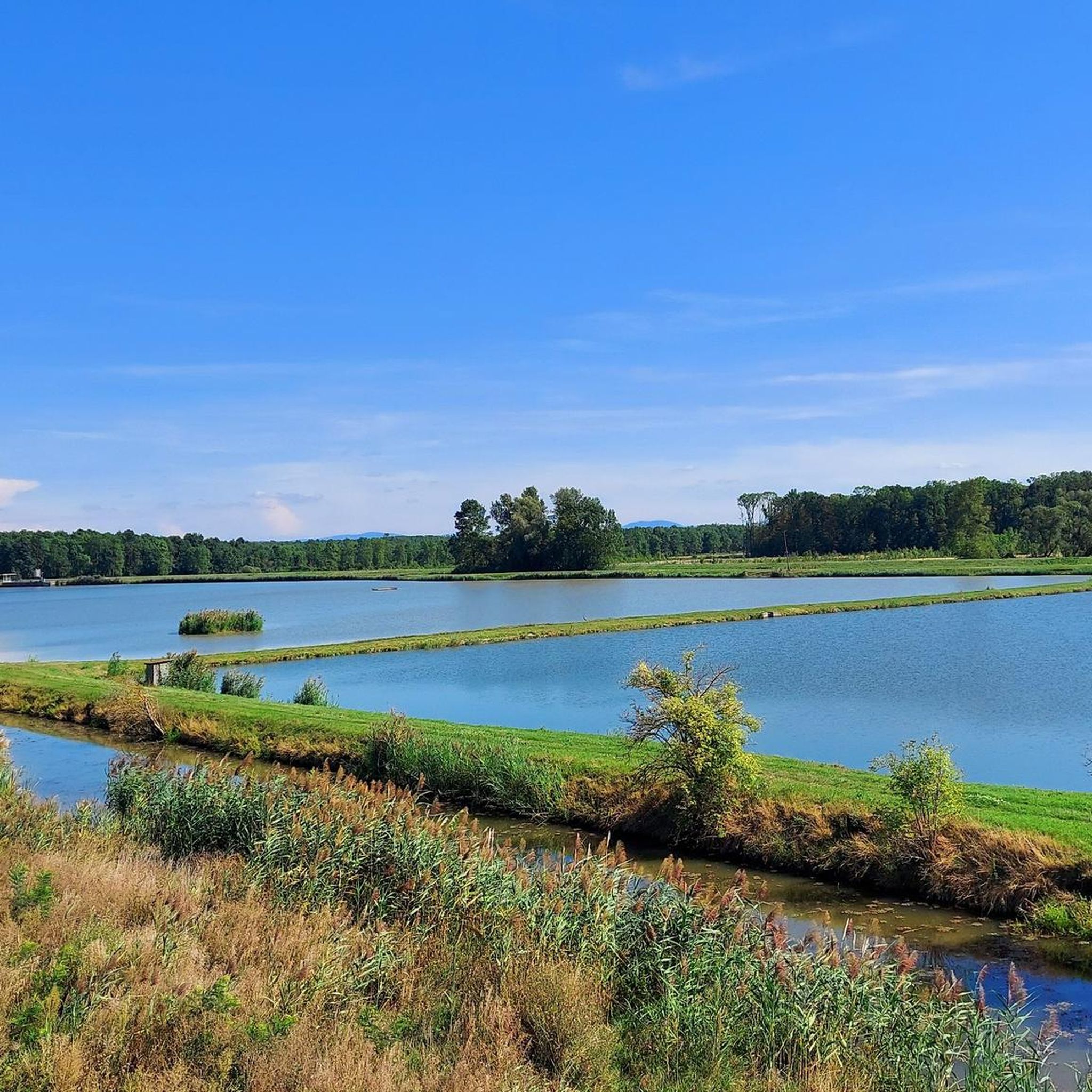
Cycling around Hohenau an der March
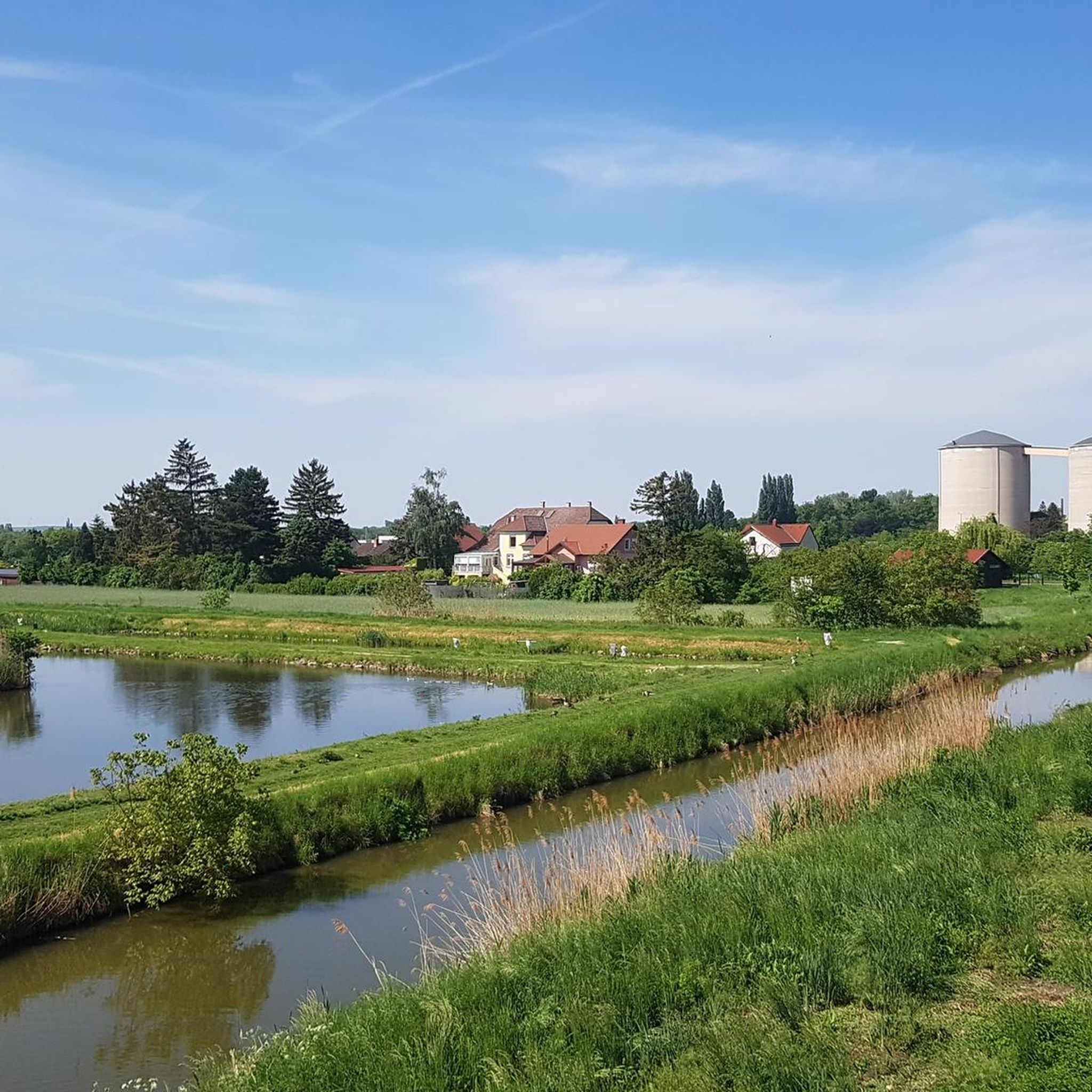
Hiking around Hohenau an der March
Road Cycling Routes around Hohenau an der March
MTB Trails around Hohenau an der March
Running Trails around Hohenau an der March

Gravel biking around Hohenau an der March
Other adventures around Hohenau an der March

Tips from the Community

Hauskirchen Castle: This early Baroque castle, significantly altered over the centuries, originally formed a fortified complex together with the Hauskirchen parish church. Franz Anton Pilgram was involved in the planning of the elongated Baroque building of Prinzendorf Castle.
0
0

A particularly great area. It rolled well on this section.
0
0

The castle, a mighty two-story square building with a defensive moat, was mentioned in writing as early as 1296. Today, including the area in front of and around the castle, the cultural center of the community, where numerous interesting musical events take place every year. More about the story: https://de.wikipedia.org/wiki/Schloss_Jendenspeigen
0
0
The castle has been owned by the Chamber of Commerce for Lower Austria since 1960 and today serves as a state vocational school for installation and building technology, as well as a boarding school. More about the story: http://www.welt-der-wappen.de/Heraldik/aktuell/galerien4/galerie3092.htm
0
0
The community bought the castle in 1960 and sold it in 1967. The castle is now owned by several families. Story: House churches were probably founded around 1100 by Hugo of Liechtenstein under the name "Hugeschirichen". It originally only consisted of a fortified building and a small church. In 1110 he also founded the associated parish. After 1142, Wichard von Stronsdorf from the Chadolde clan handed over the “Hugeschirchen” estate to Klosterneuburg Abbey. According to Dopsch, the name "Hugo" contained in the place name could be identical to Hugo I of Liechtenstein, who was wealthy in the area and appears in documents several times between 1120 and 1243. Around 1200, Gerbirgis von Eibesthal gave the monastery new ownership of house churches in the form of three and a half peasant fiefs. In 1312 Hermann von Eibesthal sold local property to the duke. In 1319 a “Frewe von Hauskirchen” appeared. In 1590, splinter ownership of various noble families can already be identified, including: Liechtenstein, Fünfkirchen and Joseph Gröbl. Hans Nußkircher named himself after the place in 1590. In 1599 the property passed to Hans Reinhard Ehrenreiter, who probably built the castle around 1602/03. The castle can probably only be seen as an indirect successor to the older seat. In 1838 Hauskirchen belonged to the Knights of Gyra, and in 1846 it belonged to Liechtenstein again.
0
0

In the early Middle Ages there was an extensive Great Moravian fortification just a few kilometers south of today's Břeclav. Their centuries-old remains probably gave the place the name “Pohansko”. It was precisely here that Field Marshal Johann I Joseph of Liechtenstein had the hunting lodge of the same name built between 1810 and 1812 according to plans by the architect and princely building director Josef Hardtmuth. In addition, the short-term new building replaced the former garden pavilion. The main part of the castle consists of a building with a rectangular floor plan, which is adjoined on both sides on the ground floor by arcade galleries with five arcades, which are closed by a square pavilion. To achieve a certain monumentality of the building, a nearby pond was dug and the site of the forgotten fortification became the venue for popular autumn hunts. These could be observed by guests of higher society from the central loggia with the Ionic columns on the first floor. There was also the decoratively painted main hall, where hunting festivals were held. In contrast, a large part of the ground floor with the adjoining arcade gallery was open and accessible, and the hunter's apartment was also located here. Under Prince Johann II of Liechtenstein, part of the arcades was bricked up in order to enlarge the property manager's living space on the ground floor. After the construction of the so-called Iron Curtain, a border guard observation post was located on the roof of the castle and the building was inaccessible to the public. Today the building is used by the Břeclav City Museum and Gallery. The stone relief decoration from the workshop of the Viennese sculptor Josef Klieber also deserves attention. The circular reliefs beneath the first floor ledge contain motifs relating to mythological stories about the Roman virgin hunting goddess Diana and her family. The rectangular reliefs again show putti that tell a story about hunting.
2
0

At that time it was built parallel to the Temple of Diana and the Colonnade of the Travelers.
1
1

The castle, a two-storey square building with a defensive moat, was mentioned in writing as early as 1296 when it was mentioned in a document in connection with Otto von Ydungspiugen. It is reported that the keystone of the formerly Gothic stone gate bore the year 1192. The building is the result of several modifications and extensions. The castle got its current appearance when, after being destroyed in the 15th century, it was rebuilt by the Kollonitsch family on the remains of the old building just before 1600.
0
0
Frequently Asked Questions
What types of castles can I explore around Hohenau an der March?
The region offers a diverse range of historical structures, including medieval defense towers, Baroque castles, and Empire-style hunting lodges. This variety allows you to explore different architectural periods and historical functions.
Are there any family-friendly castles in the area?
Yes, several castles are suitable for families. Jedenspeigen Castle, for example, hosts an exhibition about the Battle of Dürnkrut and Jedenspeigen, which can be engaging for older children. The surroundings of Pohansko Hunting Lodge also offer accessible natural areas for families to enjoy.
Which castles offer insights into the region's history?
Jedenspeigen Castle, first mentioned in 1113, houses an exhibition on the Battle of Dürnkrut and Jedenspeigen. The Hauskirchen Castle, an early Baroque structure, was originally a fortified complex with the local parish church. The Palterndorf Watchtower, a mighty medieval defense tower, offers a tangible connection to the Middle Ages in the immediate vicinity of Hohenau an der March.
What outdoor activities can I do near these castles?
The area around Hohenau an der March is excellent for outdoor activities. You can find numerous options for easy hikes, cycling tours, and running trails. Many of these routes pass by or are close to historical sites and natural landscapes.
Are there castles accessible from Hohenau an der March that are not within Austria?
Yes, the Pohansko Hunting Lodge (also known as Lány Hunting Lodge) is located just across the border in the Czech Republic, near Břeclav. It's an Empire-style building set within the beautiful Lednice-Valtice park area, easily accessible from Hohenau an der March.
Can I visit the interior of all castles?
Access varies by castle. For instance, the interior of Lány Hunting Lodge (Pohansko) is generally inaccessible to the public, but its natural surroundings are fully accessible. Jedenspeigen Castle houses a permanent exhibition from May to October. Niederabsdorf Castle is privately owned and used as a riding property, with only the farmyard remaining of the original castle.
What is special about the Palterndorf Watchtower?
The Palterndorf Watchtower is a mighty medieval defense tower located in Palterndorf, directly adjacent to Hohenau an der March. First documented in 1414, it was part of a fortified courtyard and offers a direct encounter with local medieval history. Access is often possible through a local inn on specific days.
Are there natural areas to explore around the castles?
Absolutely. The area around the Pohansko Hunting Lodge, for example, is known for its beautifully tended natural surroundings, including forests, tourist trails, nature paths, canals, and ponds. It's an excellent destination for nature lovers, hikers, and birdwatchers due to its picturesque meadows and diverse birdlife.
Which castle is known for its historical battles?
Jedenspeigen Castle is particularly notable for its connection to the Battle of Dürnkrut and Jedenspeigen (Battle of the Marchfeld), one of the greatest knight battles in Europe between Rudolf of Habsburg and Ottokar of Bohemia. The castle houses an exhibition dedicated to this significant event.
What is the history of <a href="https://www.komoot.com/highlight/6310105" target="_blank" rel="noopener">Niederabsdorf Castle</a>?
Niederabsdorf Castle was first mentioned in a document in 1045. While it was converted into a sugar factory in the 19th century, today it is privately owned and used as a riding property. Only the farmyard remains of the original castle structure.
Are there cycling paths connecting castles in the Marchfeld region?
Yes, the Marchfeld region, which includes Hohenau an der March, is known for its cycling paths. You can find various cycling routes that allow you to explore the castles and the surrounding landscape, such as the route passing the Palterndorf Watchtower.
What makes <a href="https://www.komoot.com/highlight/6298651" target="_blank" rel="noopener">Hauskirchen Castle</a> unique?
Hauskirchen Castle is an early Baroque castle that originally formed a fortified complex together with the local parish church. Its ownership changed hands multiple times throughout history, reflecting the region's dynamic past.
Most popular routes around Hohenau an der March
Most popular attractions around Hohenau an der March

Get inspired with the komoot mobile app


Explore more
Looking for the best castles somewhere else? Discover other guides around Hohenau an der March:
