Top 8 Caves around Hart im Zillertal
Best caves around Hart im Zillertal are found within the broader Zillertal region, known for its alpine landscapes and geological diversity. This area features a range of underground formations, from natural ice caves to historical mining tunnels. The Zillertal Alps provide a backdrop for these subterranean explorations, offering insights into both natural processes and human history. Visitors can explore various cave types, each presenting distinct geological features and historical significance.
Best caves around Hart im Zillertal
- The most popular caves…
Last updated: July 9, 2026
Parish Church of St. Virgil and St. Catherine, Rattenberg
Highlight • Religious Site
Translated by Google •
Tip by

Historic Mining Tunnel on Gratlspitze
Highlight • Cave
Translated by Google •
Tip by

Sign up now to discover places like this
Get recommendations on the best single tracks, peaks, & plenty of other exciting outdoor places.
Sign up for free
Alpbach Show Mine
Highlight • Cave
Translated by Google •
Tip by
Grotto With Stone Carving of a Saint
Highlight • Cave
Translated by Google •
Tip by

Juliusstollen Show Mine
Highlight • Historical Site
Translated by Google •
Tip by

Sign up for free to discover even more caves around Hart im Zillertal.
Sign up for free
Already have an account?
Start today with a free account
Your next adventure awaits.
Login or Signup
Popular around Hart im Zillertal
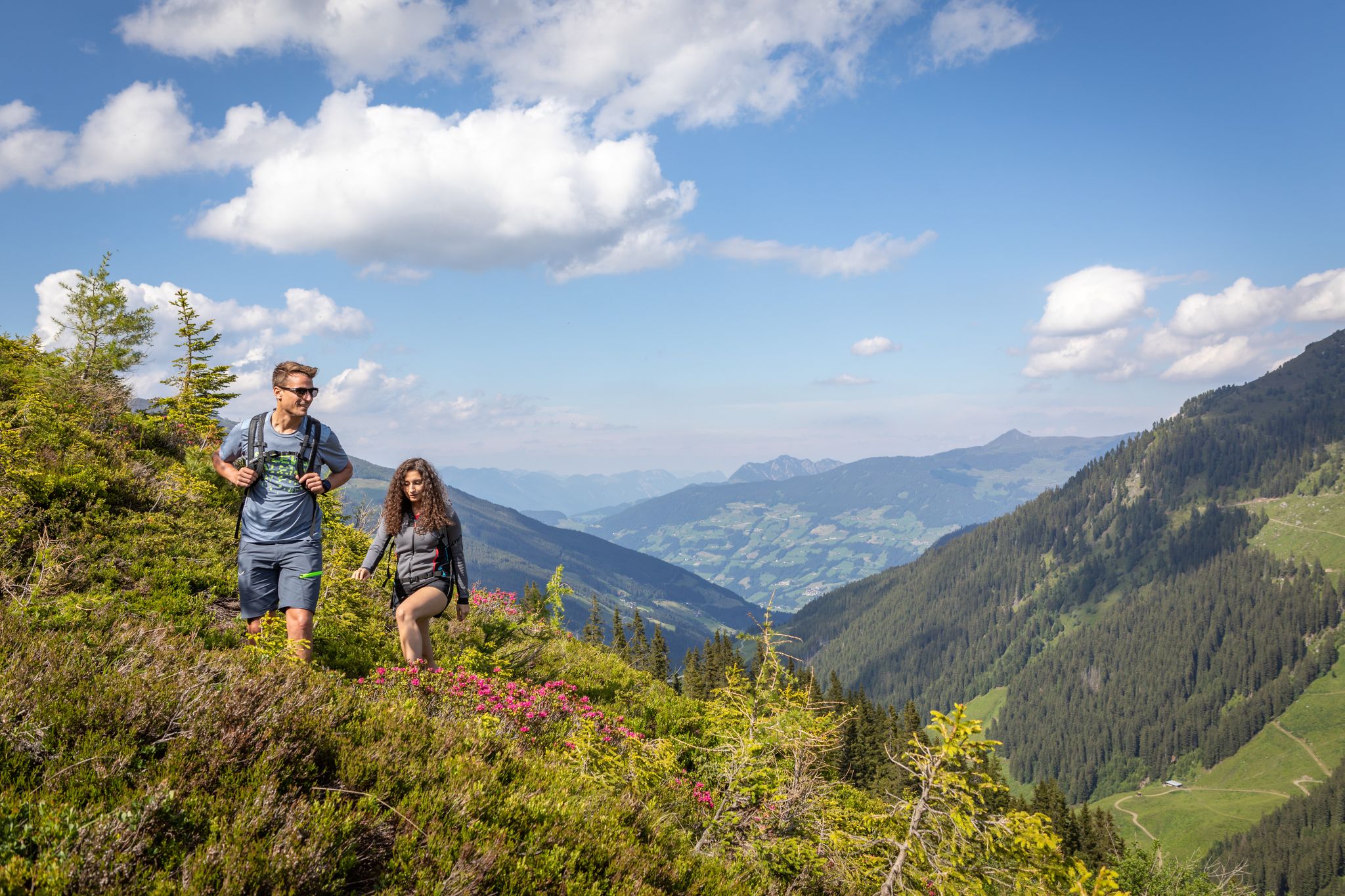
15 hikes in Austria’s Zillertal Valley – exploring the Fügen-Kaltenbach region
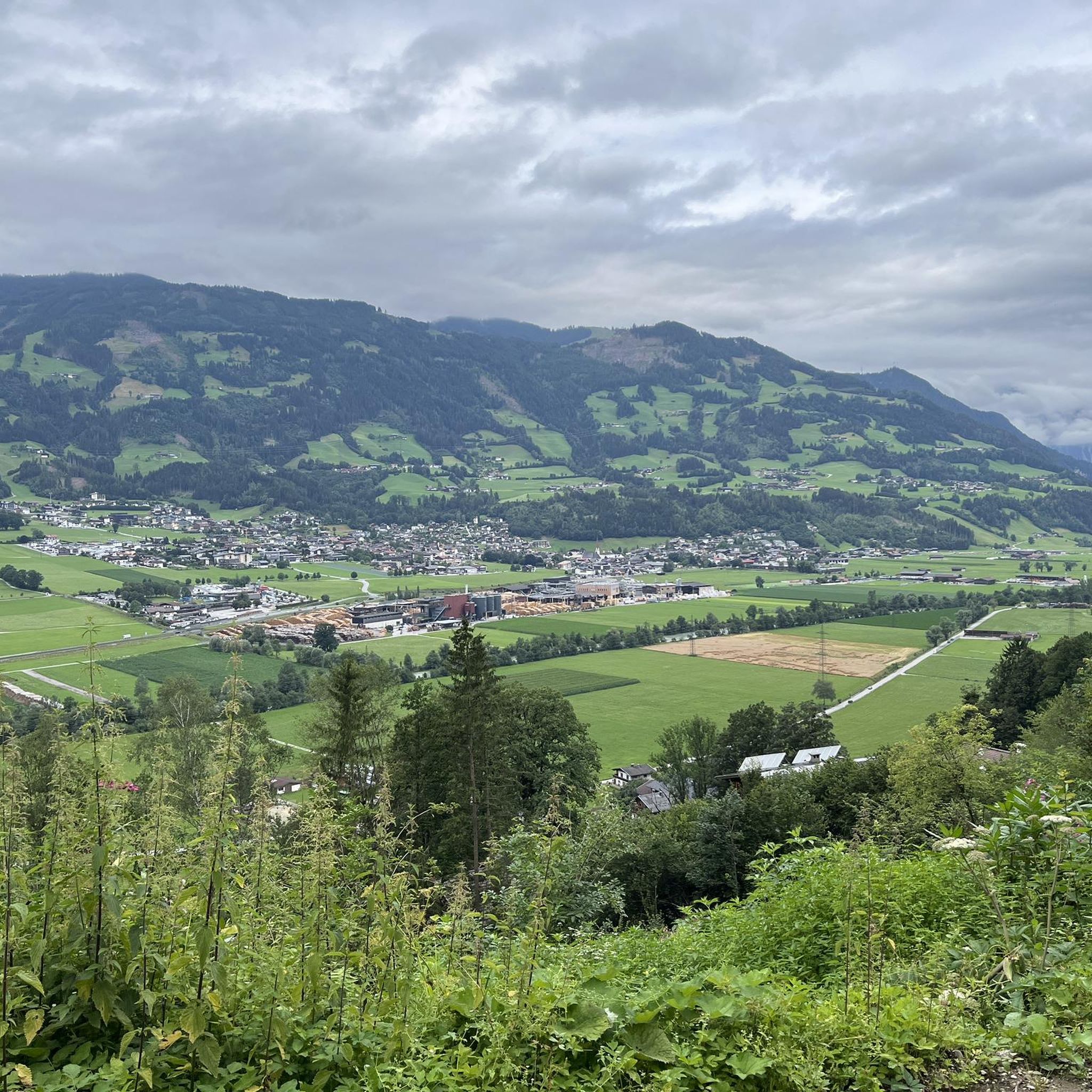
MTB Trails around Hart im Zillertal
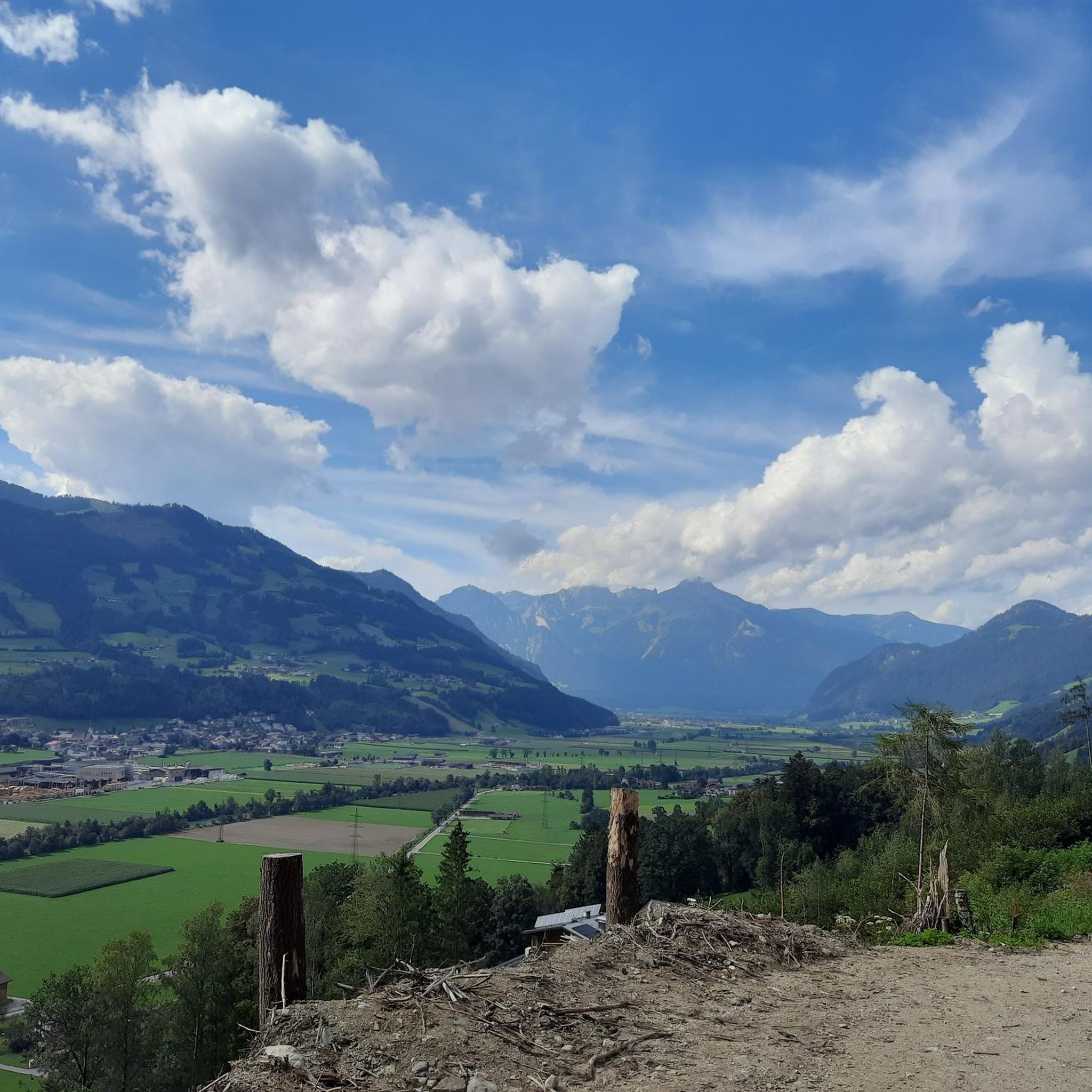
Cycling around Hart im Zillertal
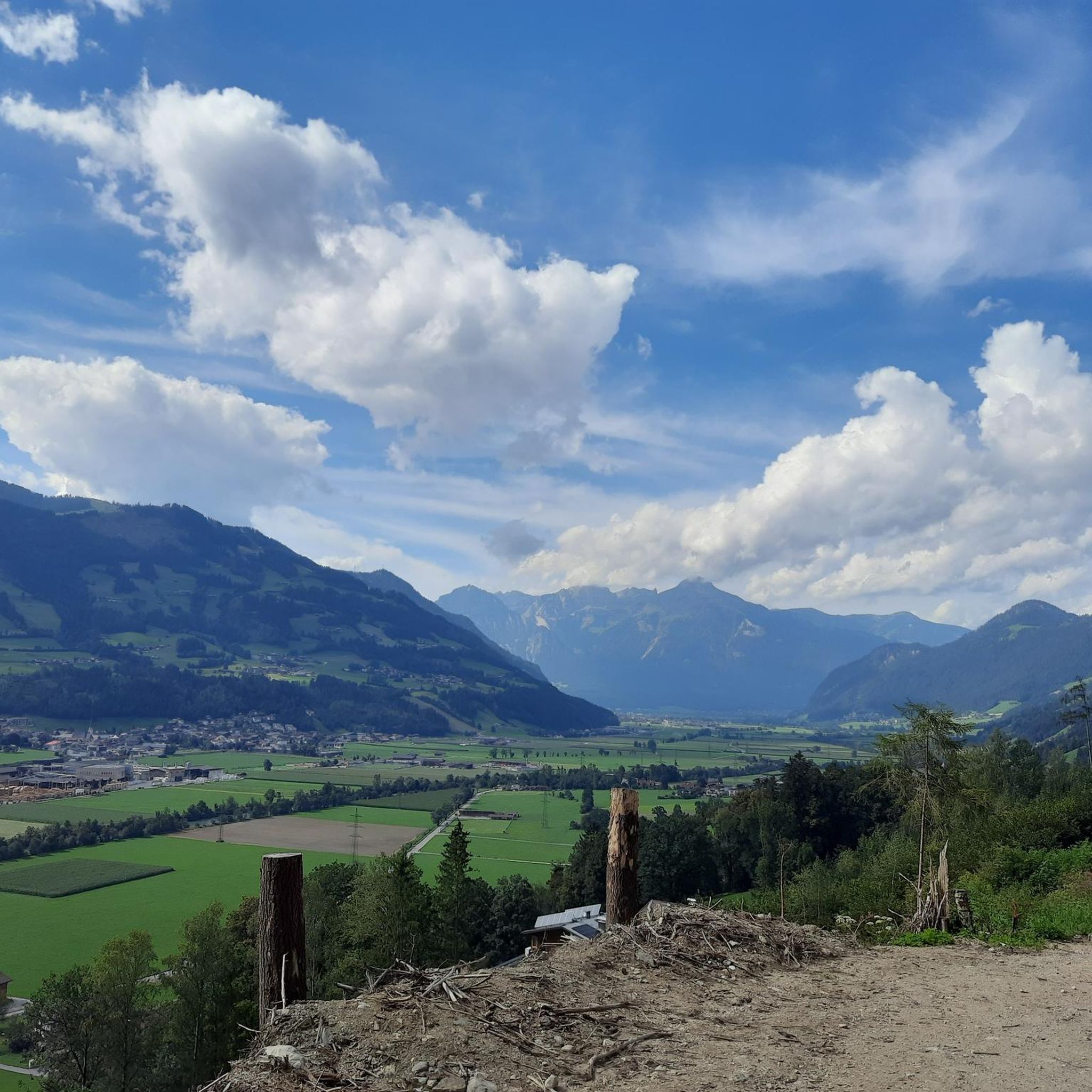
Hiking around Hart im Zillertal
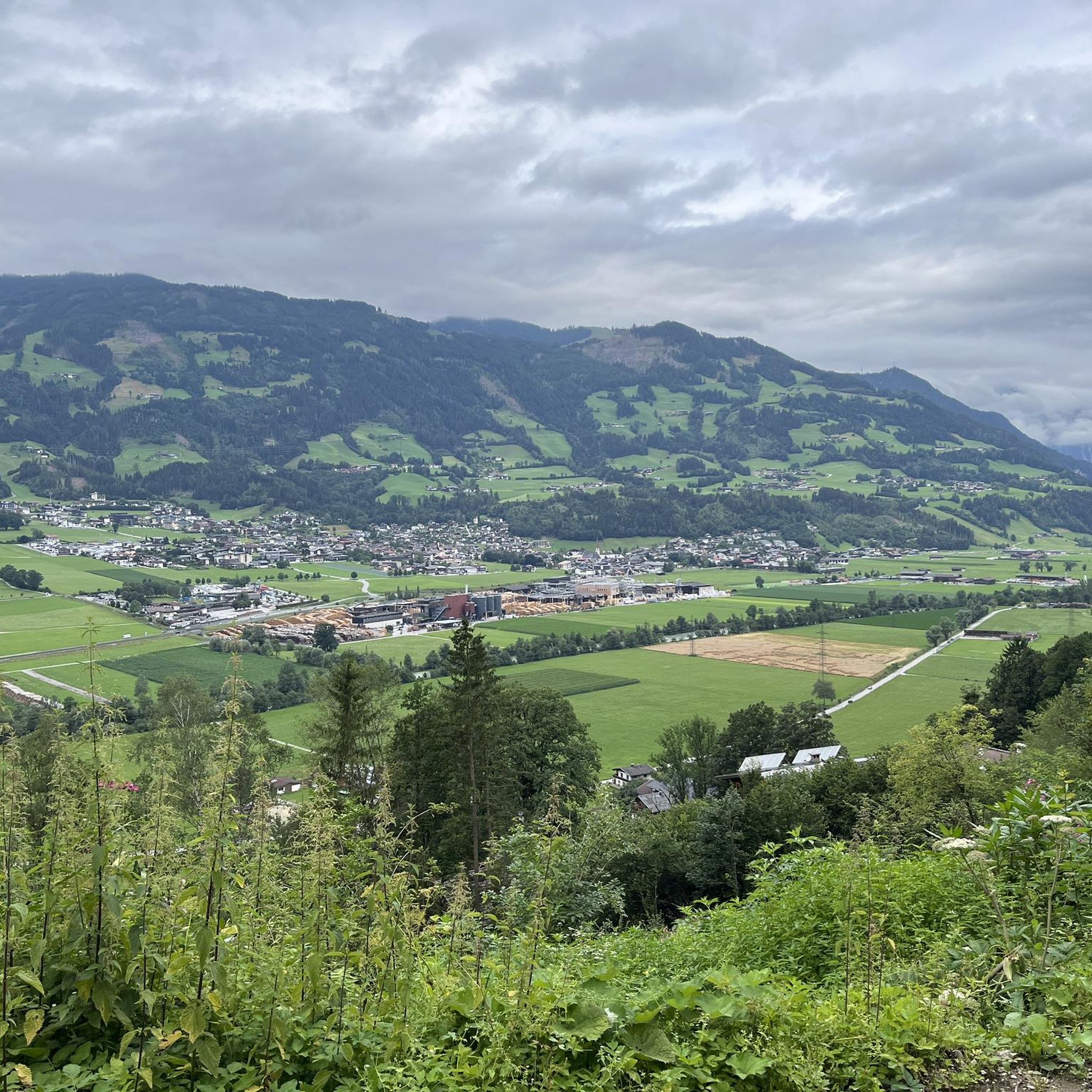
Road Cycling Routes around Hart im Zillertal
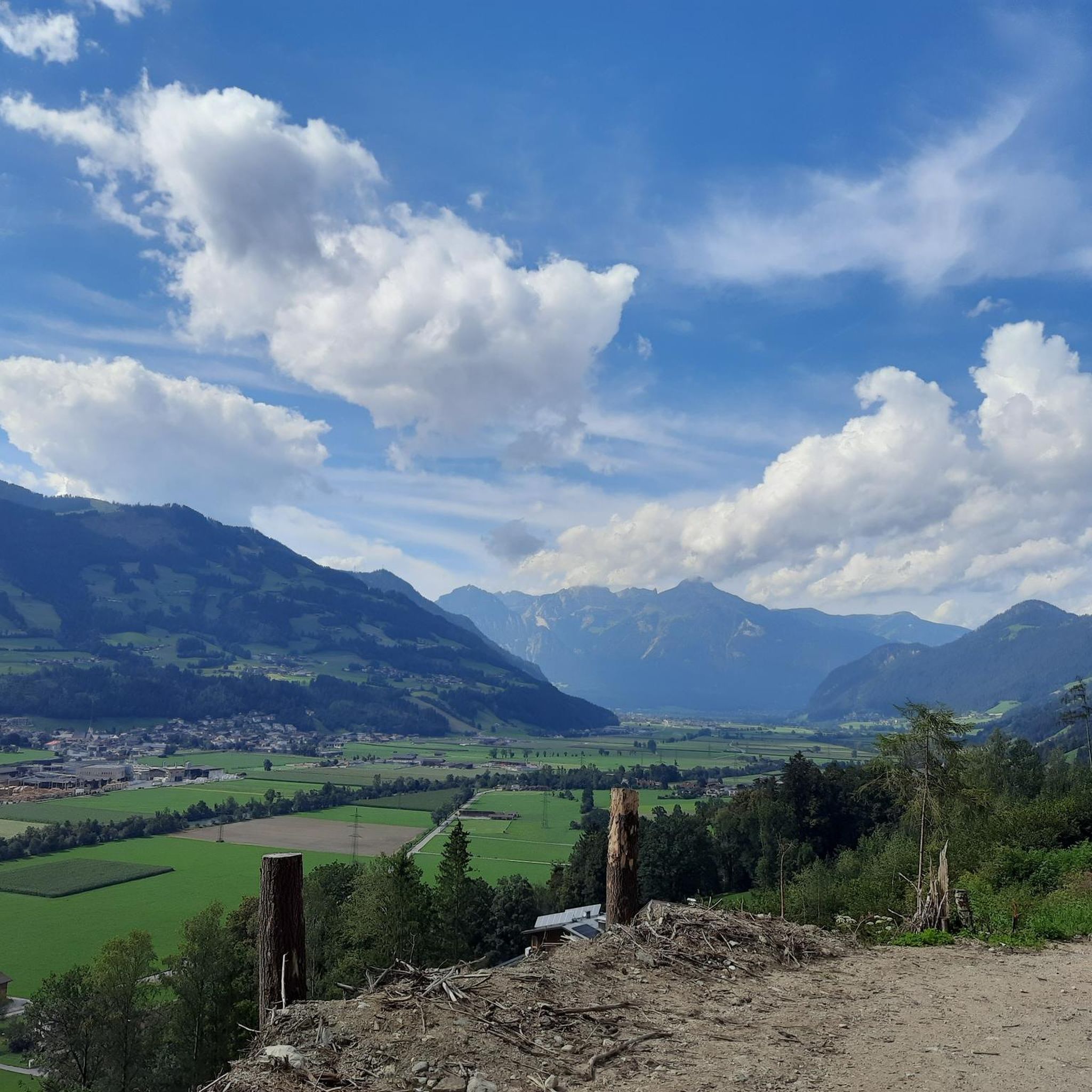
Running Trails around Hart im Zillertal
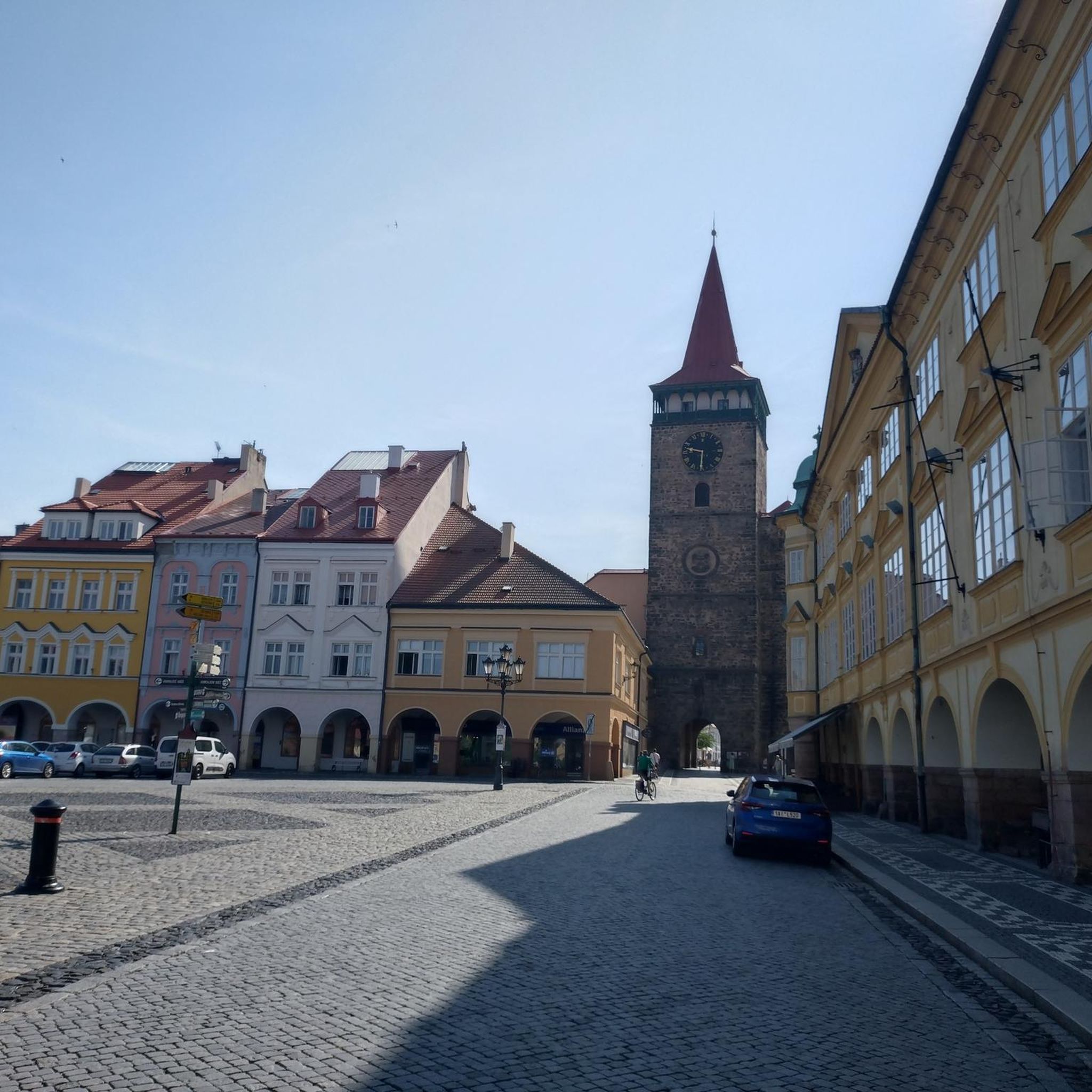
Mountain Hikes around Hart im Zillertal
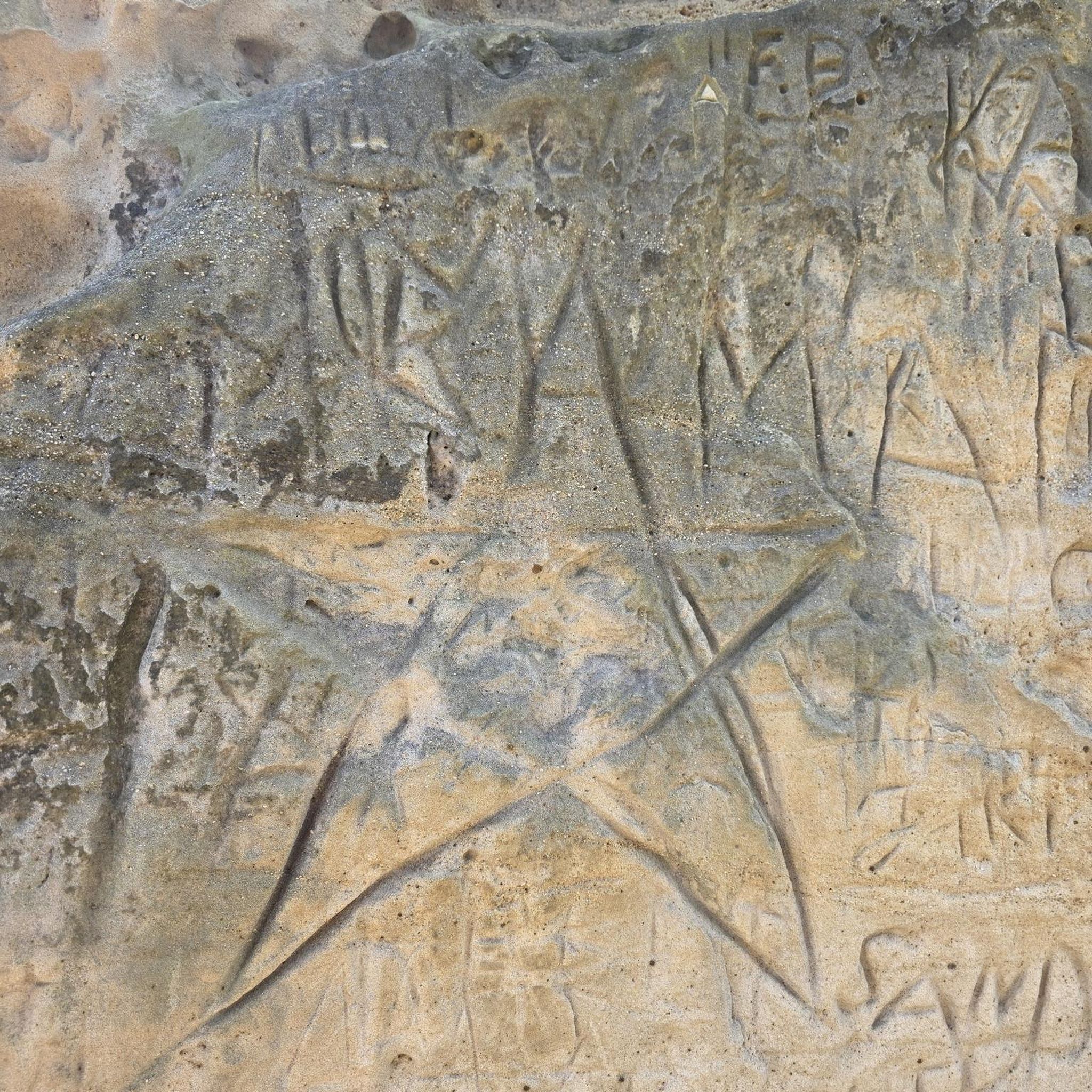
Gravel biking around Hart im Zillertal
Other adventures around Hart im Zillertal

Tips from the Community

One of Rattenberg's special sights is the parish church of St. Virgil and St. Catherine. This Gothic building has two naves. Once, it was a separate church for citizens and miners. Important artists redesigned the building in the Baroque style. A chapel commemorates Saint Notburga, who was born in Rattenberg. Noteworthy: an elevator leads from the Painter's Corner to the church portal. 😉
10
0

A hand-dug tunnel about 10m long in the Gratlspitze mountain range. On the back of the mountain there are numerous other former tunnels that indicate mining.
1
0

You just have to see this one!
2
0

The immediate proximity of the steeply sloping Schlossberg site and the spatial limitations of the building site meant that the church building itself showed some special features. The origins of the church are Gothic. It was built between 1473 and 1506 and acquired its current Baroque architectural style in the 18th century. The main artistic features are the so-called "Annenaltar" in the southern choir stalls with its statues, the vault frescoes by SB Faistenerger and Matthäus Günther and the Lourdes Shrine.
9
0
Südtiroler Strasse 67 is the birthplace of Saint Notburga, who enjoys great prestige in the region. She was born in Rattenberg in 1265 and, as a child, was appointed maidservant to the Count of Rottenburg in the Lower Inn Valley. She always saved some of the meals she received there to give to the poor and beggars. After the death of the countess, his stepdaughter Ottilie forced her to leave the castle and she became a maidservant on a farm in Eben. The farmer was harsh and exploited his staff. He wanted to continue working in the evening, but Notburga did not want to give in and shouted loudly "Rest time". She threw up her sickle, which miraculously stayed in the air. When Ottilie died she returned to the castle where she served faithfully until her death. She died on September 14, 1313 and is now located in the Notburgakirche in Eben, Tyrol. You cannot visit her birthplace, but you can read all about her miracles and her life on the facade plaque.
13
0

The place invites you to pause for thought
2
0

A small candle burns next to the stone. There is a bench in front of the grotto to take a little rest.
1
0

The sights of Rattenberg also include the St. Virgilius Church, which has existed since 1507. In the 18th century, this Roman Catholic Parish Church received its current Baroque interior. The church is a masterpiece of the Hagau architectural style. On the high altar, above the large painting, one sees the well-known triangle surrounded by rays and angels, with the Hebrew tetragrammaton in the center.
2
0
Frequently Asked Questions
What types of caves can I explore near Hart im Zillertal?
The region offers a diverse range of underground experiences. You can visit historical sites like the Juliusstollen Show Mine, which provides insights into mining history, or natural formations such as the Grotto With Stone Carving of a Saint. Further afield in the Zillertal region, you'll find geological marvels like the marble formations of Spannagel Cave, the stunning ice world of Nature's Ice Palace, and the unique combination of ice and stalactites at Hundalm Ice and Stalactite Cave.
Are there any historical mining tunnels to visit in the area?
Yes, the Zillertal region has a rich mining history. You can explore the Juliusstollen Show Mine, which is a hand-milled tunnel located at 1840 meters, offering guided tours. Another option is the Alpbach Show Mine, a historic tunnel extending about 15 meters into the mountain, uncovered in 2019. There's also a Historic Mining Tunnel on Gratlspitze, a hand-dug tunnel about 10 meters long.
Which caves are suitable for families with children?
Several caves in the broader Zillertal region are family-friendly. The Nature's Ice Palace on the Hintertux Glacier offers a spectacular experience with ice formations and even boat trips on an underground lake, suitable for ages 6 and up. The Hundalm Ice and Stalactite Cave also provides guided tours with mining lamps and helmets, making it an exciting adventure for families.
What are the best ice caves to visit near Hart im Zillertal?
The most prominent ice caves in the wider region are the Nature's Ice Palace on the Hintertux Glacier, a natural crevasse with breathtaking ice formations, and the Hundalm Ice and Stalactite Cave, which is the only publicly accessible ice cave in Western Austria featuring both ice and stalactites. Both offer unique and memorable experiences.
Can I visit caves year-round, or is there a specific season?
Many caves in the Zillertal region are accessible year-round. The Spannagel Cave and Nature's Ice Palace, both located in high alpine areas, maintain a constant temperature of around 0°C, making them excellent destinations regardless of the season, even on bad weather days. The Hundalm Ice and Stalactite Cave is particularly recommended for visits in spring to see its bizarre ice formations.
What should I wear when exploring caves in the Zillertal region?
Due to the constant cool temperatures inside most caves (around 0°C), even in summer, it's essential to wear warm clothing, including layers, a jacket, and sturdy, closed-toe shoes with good grip. Some guided tours, like at Hundalm Ice and Stalactite Cave, may provide helmets and mining lamps.
Are there any caves with archaeological or paleontological significance?
Yes, the Tischofer Cave in the Kaisertal valley near Kufstein is highly significant for its archaeological and paleontological findings. It served as a shelter for cave bears and other predators during the Paleolithic era, with over 300 cave bear skeletons discovered. Human remains and bone tools dating back 27,000-28,000 years have also been found, making it the oldest uncontested site of human occupation in Tyrol.
What geological features can I expect to see in the Zillertal caves?
The caves in the Zillertal region showcase diverse geological features. The Spannagel Cave is unique for being a marble cave, a geological rarity, featuring colored marble, crystals, dripstones, and erosion cauldrons. Ice caves like Nature's Ice Palace and Hundalm Ice and Stalactite Cave display spectacular ice stalactites, crystals, and frozen waterfalls. Other caves may reveal ancient rock formations and evidence of geological processes over millennia.
What outdoor activities can I combine with a cave visit near Hart im Zillertal?
The Zillertal region offers numerous outdoor activities. You can find many hiking opportunities, including easy hikes and more challenging mountain hikes. For cyclists, there are gravel biking routes. The hike to Hundalm Ice and Stalactite Cave is approximately 2.5 to 3 hours, and reaching Tischofer Cave also involves a scenic forest hike.
Are there any caves that are freely accessible without a guide?
Yes, the Tischofer Cave in the Kaisertal valley is freely accessible and can be visited without a guide. It's reached via a scenic forest hike, offering a journey through time and a glimpse into prehistoric life.
What makes the Spannagel Cave unique?
The Spannagel Cave is unique for several reasons: it is the highest show cave in Europe and the largest rock cave system in the Central Alps. It's also a geological rarity as a marble cave, featuring distinctive colored marble, crystals, and erosion cauldrons. Guided tours offer insights into its geology, hydrology, and animal life, with options for adventurous trekking tours into deeper sections.
How can I reach the Nature's Ice Palace on the Hintertux Glacier?
The Nature's Ice Palace is located on the Hintertux Glacier at 3,250 meters. You can reach it by taking the Glacierbus 3 cable car to its top station, from where it's a short 3- to 4-minute walk to the cave entrance.
Most popular routes around Hart im Zillertal
Most popular attractions around Hart im Zillertal

Get inspired with the komoot mobile app


Explore more
Extend your search for the best caves by checking out these guides of the top ones around Hart im Zillertal:
