Top 8 Caves around Donnerskirchen
Best caves around Donnerskirchen Austria are found within the broader Burgenland region, an area characterized by its geological formations and the Leithagebirge mountain range. Donnerskirchen itself is situated in this diverse landscape, offering access to various natural and historical sites. The region features unique geological depressions and natural stone caves, reflecting its rich geological history. These sites provide opportunities for exploration and insight into the local natural environment.
Best caves around Donnerskirchen
- The most popular caves is Kürschnergrube Cave and…
Last updated: June 26, 2026
Kürschnergrube Cave and Quarry
Highlight • Cave
Translated by Google •
Tip by

Grafenlucke (Gypsy Cave)
Highlight • Cave
Translated by Google •
Tip by

Sign up now to discover places like this
Get recommendations on the best single tracks, peaks, & plenty of other exciting outdoor places.
Sign up for free
Bear Cave (Winden am See)
Highlight • Cave
Translated by Google •
Tip by
Teufelsloch
Highlight • Cave
Translated by Google •
Tip by
Johannesgrotte
Highlight • Cave
Translated by Google •
Tip by
Sign up for free to discover even more caves around Donnerskirchen.
Sign up for free
Already have an account?
Start today with a free account
Your next adventure awaits.
Login or Signup
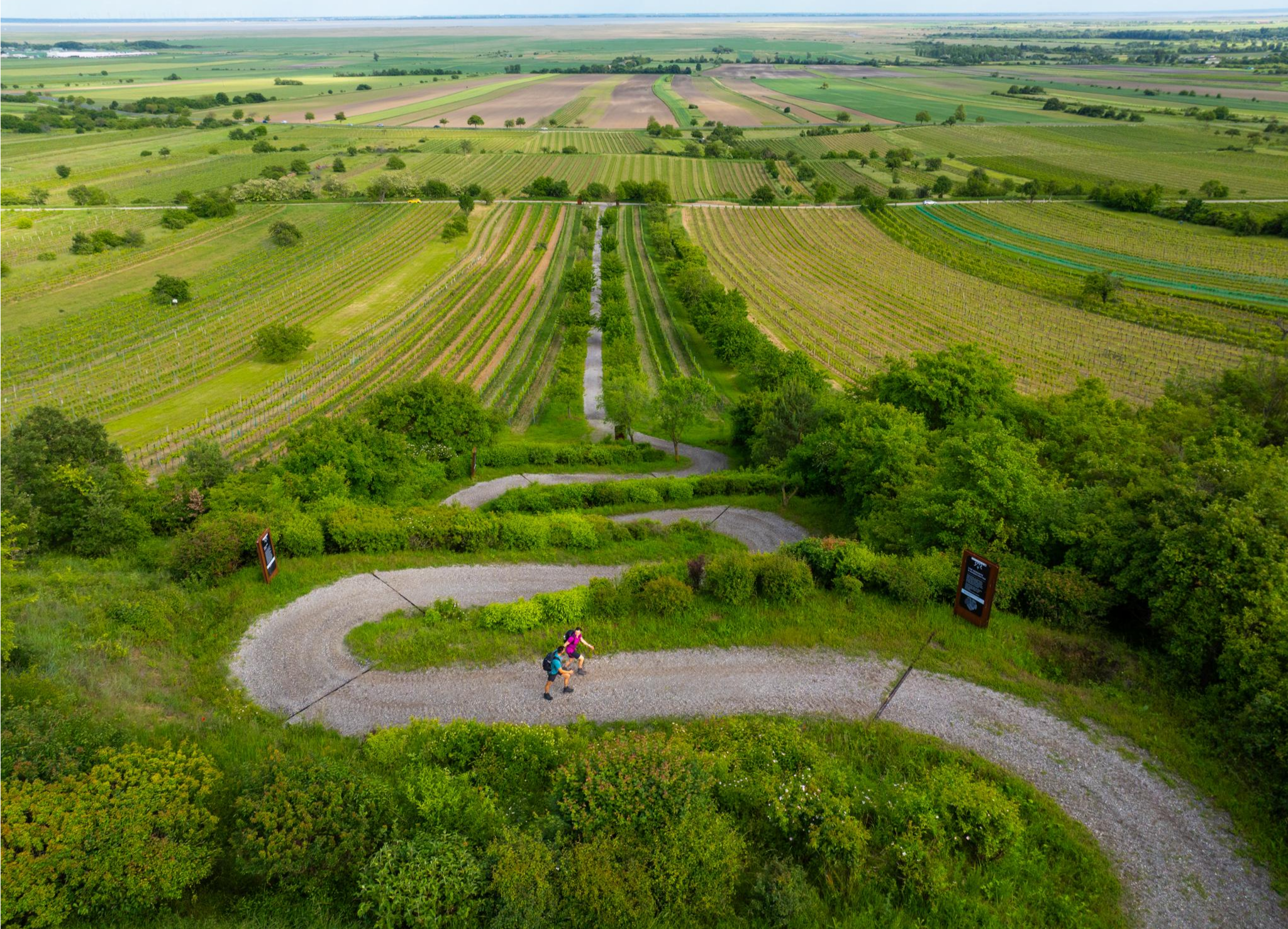
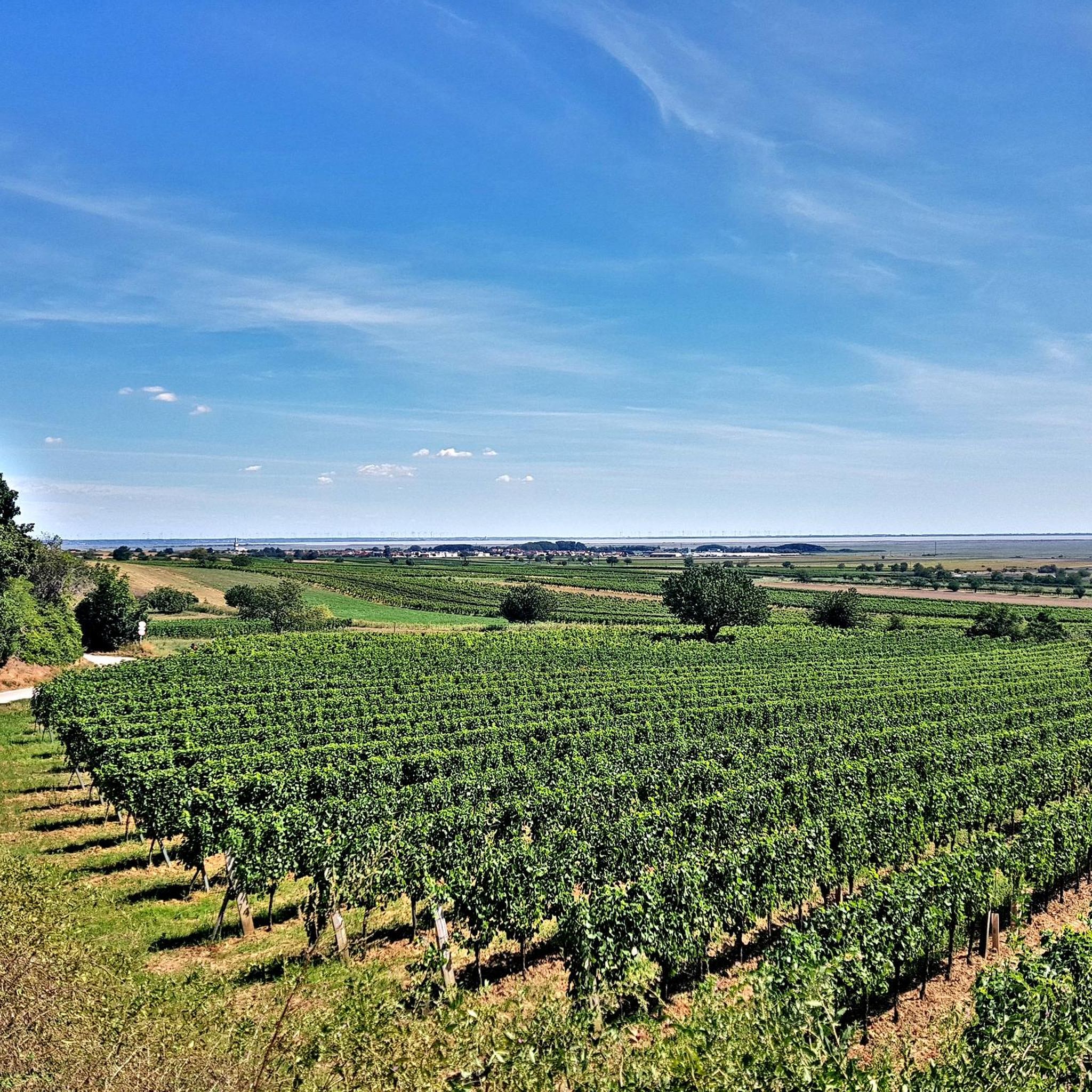
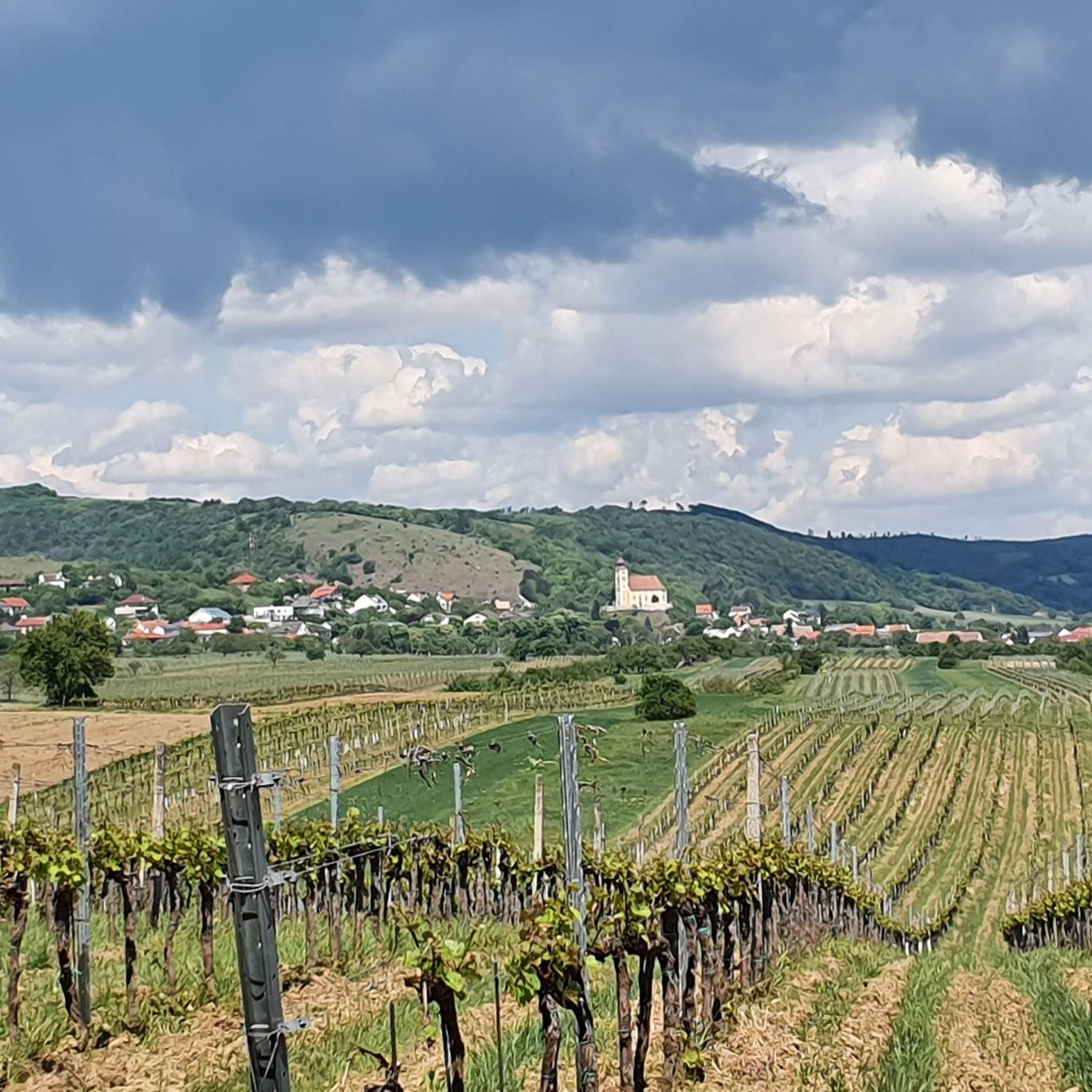
Other adventures around Donnerskirchen

Tips from the Community

The cave in the Kürschnergrube (120m x 40m x 6m) is about 23 m long and 11 m deep.
2
0
The limestone cave is 17 meters long and is located about a 30-minute walk north of Eisenstadt.
0
0


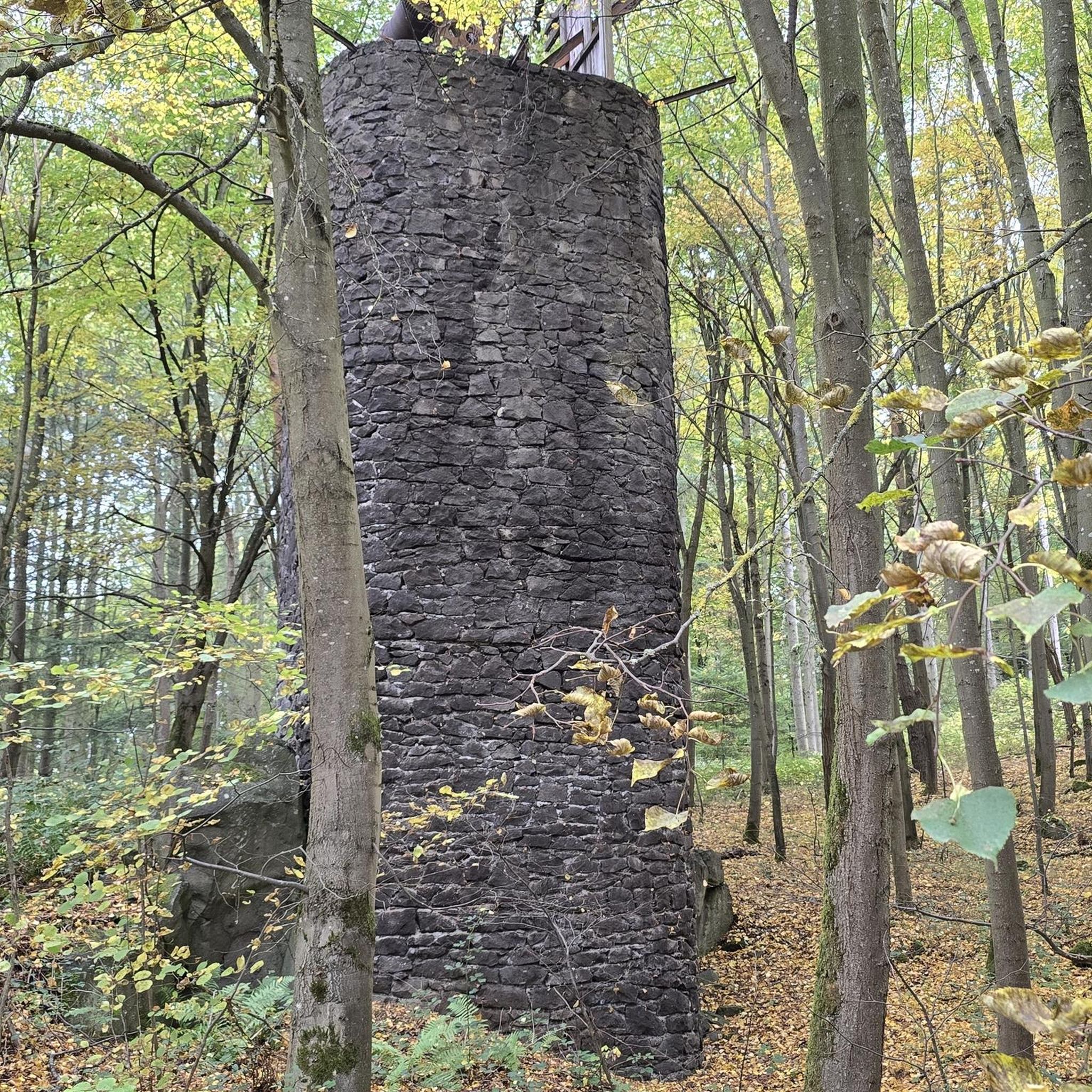
The Kürschnergrube is a long-abandoned quarry with an adjoining cave. Experience prehistory and enjoy the peace and quiet Special feature Abandoned quarry with rock grotto. Cave, fossils, Leitha limestone
5
1
Up a few steps and then you can take a look at the 2 locked gates!
3
0
You can still admire these up close.
3
0

An abandoned quarry in the middle of the Leitha Mountains, which has become a wonderful place to take a break.
5
1

After a few steps you will reach the Bear Cave, a natural monument.
0
0
Frequently Asked Questions
What types of caves can I explore around Donnerskirchen?
The region around Donnerskirchen, particularly within the broader Burgenland area and the Leithagebirge mountain range, offers a variety of geological formations. You can explore natural stone caves, former quarries like the Kürschnergrube Cave and Quarry, and historical hiding places such as Teufelsloch. There are also natural depressions and half-caves, providing diverse exploration opportunities.
Which caves near Donnerskirchen have historical significance?
The Teufelsloch (Sulzberg cave) near Loretto holds historical importance, as local residents reportedly hid there during the Russian occupation in World War II. Additionally, the Grafenlucke (Gypsy Cave) has a history tied to former residents who lived there until 1918, and the Bear Cave (Winden am See) is a natural monument with traces of old brickwork and has been under federal monument protection since 1929.
Are there any caves around Donnerskirchen known for wildlife, like bats?
Yes, the Grafenlucke (Gypsy Cave), also known as the Windener Bear Cave, is a notable spot for wildlife. Various species of bats can be found in its narrow crevices, particularly during spring and autumn.
What is the Kürschnergrube Cave and Quarry, and what makes it unique?
The Kürschnergrube Cave and Quarry is a natural monument located on the crest of the Leithagebirge. It is a significant depression approximately 120 meters long, 40 meters wide, and 6 meters deep. It was once an active quarry where limestone was mined, offering a glimpse into the region's geological and industrial past.
Are there hiking opportunities near the caves around Donnerskirchen?
Yes, the Donnerskirchen region and the Leithagebirge offer numerous hiking opportunities. You can find various trails, from easy walks to more challenging routes. For example, there are many easy hikes around Donnerskirchen, as well as more extensive hiking routes that explore the surrounding landscapes and may pass near some of the cave sites.
What kind of geological formations characterize the caves near Donnerskirchen?
The caves and geological features around Donnerskirchen are primarily characterized by formations within the Leithagebirge. These include natural stone caves, depressions formed from former quarries where porous Leitha limestone was extracted, and half-caves built into clefts in brecciated quartzites. These formations reflect the region's rich geological history.
What do visitors enjoy the most about the caves around Donnerskirchen?
Visitors appreciate the unique blend of natural beauty and historical significance. The tranquility of places like the Johannesgrotte, the geological insights offered by the Kürschnergrube, and the historical context of sites like Teufelsloch are frequently mentioned. The opportunity to observe wildlife, such as bats in the Grafenlucke, also adds to the appeal.
Is the Bear Cave (Winden am See) accessible, and what can I expect there?
The Bear Cave (Winden am See) is a natural monument located on the western slope of Zeilerberge. After a short climb through the forest, you reach the site. The cave consists of a room with short side branches, and while it is a natural monument and worth seeing, the caves themselves are barred. It features traces of old brickwork and is under federal monument protection.
Are there any caves around Donnerskirchen that are natural monuments?
Yes, several caves in the region are designated natural monuments. These include the Kürschnergrube Cave and Quarry, the Grafenlucke (Gypsy Cave), the Bear Cave (Winden am See), and Teufelsloch. The Johannesgrotte is also a natural cave.
What is the best time of year to visit the caves in the Donnerskirchen region?
While many caves can be visited year-round, spring and autumn are particularly interesting for observing wildlife, such as bats, in locations like the Grafenlucke (Gypsy Cave). The surrounding hiking trails are also pleasant during these seasons.
Are there options for gravel biking near the caves?
Yes, the Donnerskirchen area offers opportunities for gravel biking. You can find various gravel biking routes around Donnerskirchen that explore the wider region, including scenic views and diverse landscapes, potentially passing near some of the geological formations.
Are the caves around Donnerskirchen suitable for families?
Many of the sites, while not deep, explorable caves in the traditional sense, are natural monuments or historical locations that can be interesting for families. Places like the Grafenlucke (Gypsy Cave) offer a forecourt suitable as a picnic area, making them good spots for a family outing combined with a short walk.
Most popular routes around Donnerskirchen
Most popular attractions around Donnerskirchen

Get inspired with the komoot mobile app


Explore more
Extend your search for the best caves by checking out these guides of the top ones around Donnerskirchen:
