Top 7 Castles around Klöch
Best castles around Klöch are found in a municipality in Styria, Austria, known for its historical significance and scenic landscapes. The region features a mix of historical sites, including castle ruins perched on basalt hills and renovated castles nestled among vineyards. This area offers commanding views, particularly towards Slovenia, and is characterized by gentle hilly landscapes and a rich history of wine cultivation.
Best castles around Klöch
- The most popular castles is Kapfenstein Castle and Winery, a castle perched…
Last updated: October 12, 2026
Klöch Castle Ruins
Highlight • Castle
Showing Translation
Tip by

Kapfenstein Castle and Winery
Highlight • Castle
Translated by Google •
Tip by

Sign up now to discover places like this
Get recommendations on the best single tracks, peaks, & plenty of other exciting outdoor places.
Grad Castle
Highlight • Castle
Tip by

Tabor Castle
Highlight • Castle
Translated by Google •
Tip by

Halbenrain Castle
Highlight • Castle
Translated by Google •
Tip by
Sign up for free to discover even more castles around Klöch.
Already have an account?
Start today with a free account
Your next adventure awaits.
Popular around Klöch
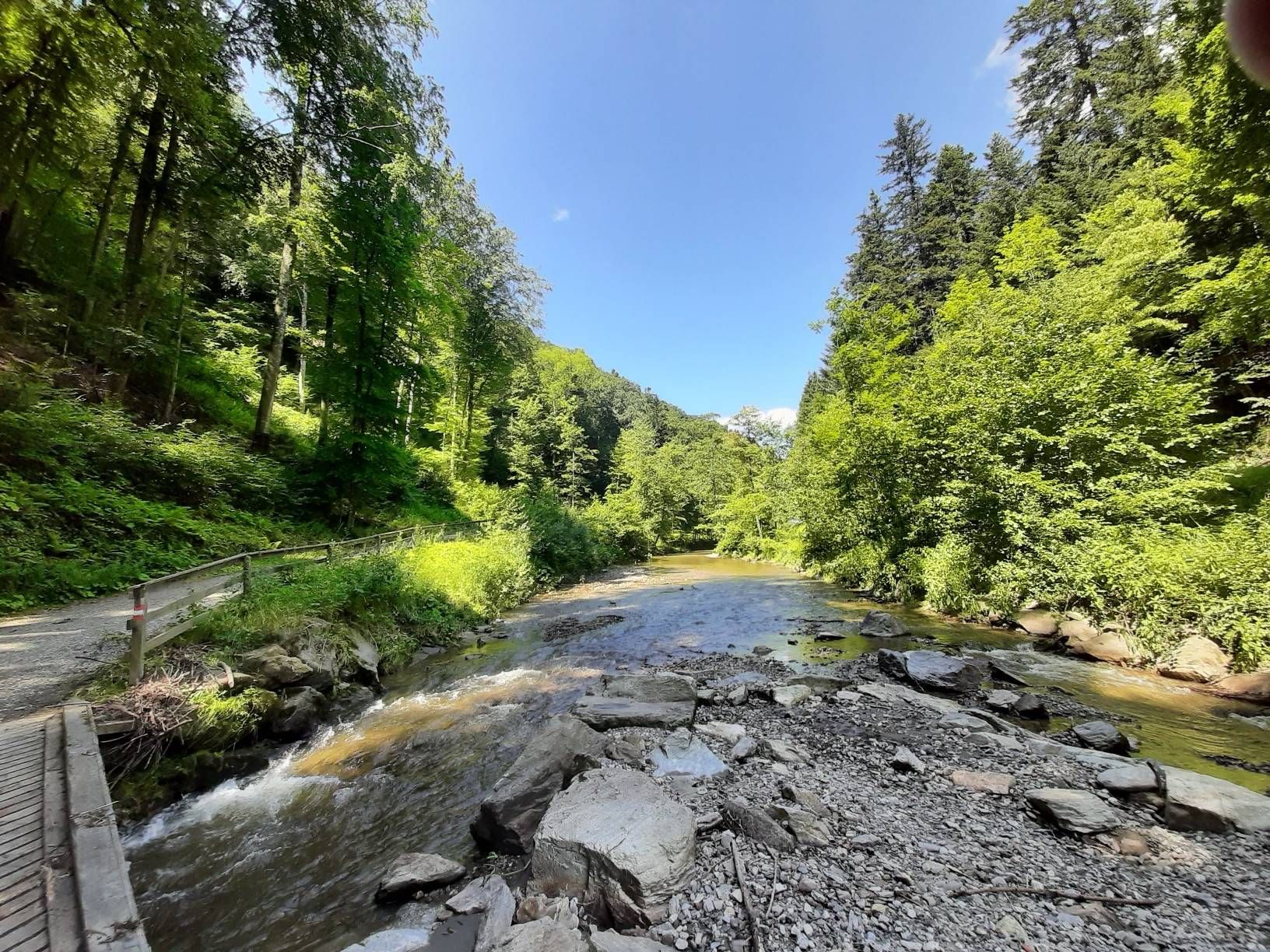
The Styrian Wine Country Cycle Trail – exploring Austria's wine culture
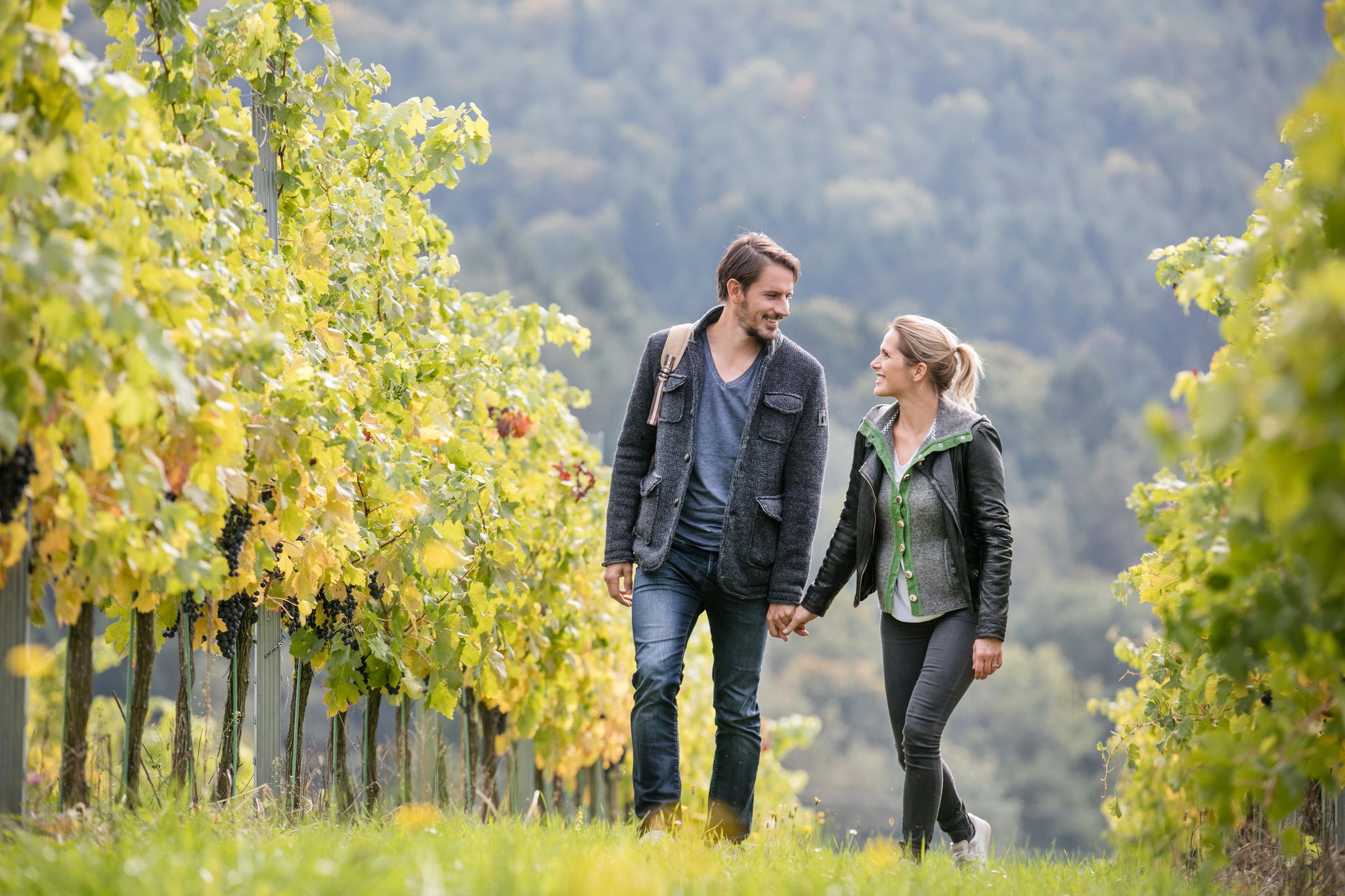
Wine, Murauen and rolling hills – hikes in Austria’s south-eastern Styria
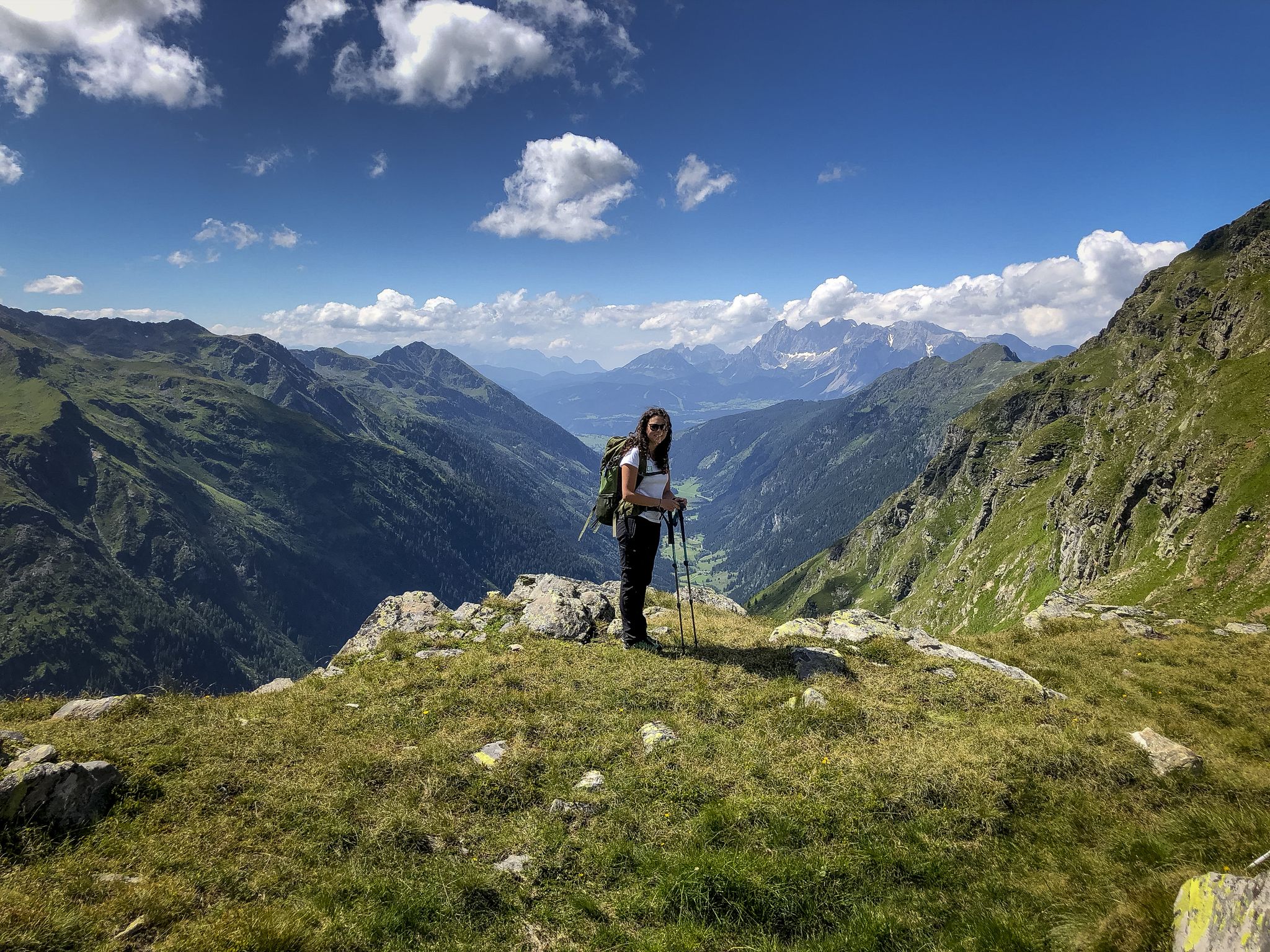
Discover Styria in Austria on foot – ‘From Glacier to Wine’ North Route
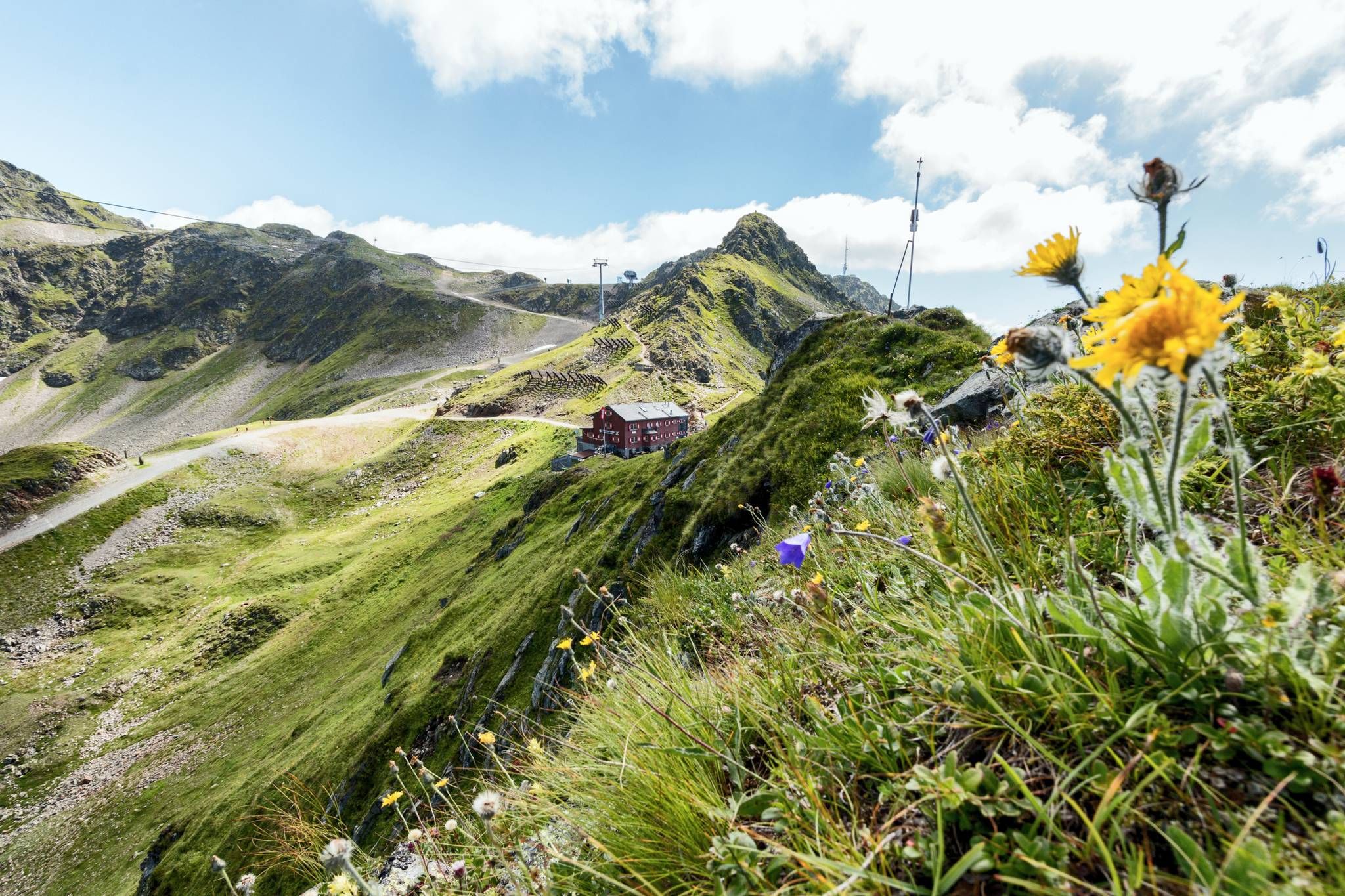
Summit views, mountain lakes and delicious food — hiking in Austria
Cycling around Klöch
Road Cycling Routes around Klöch
Hiking around Klöch
MTB Trails around Klöch
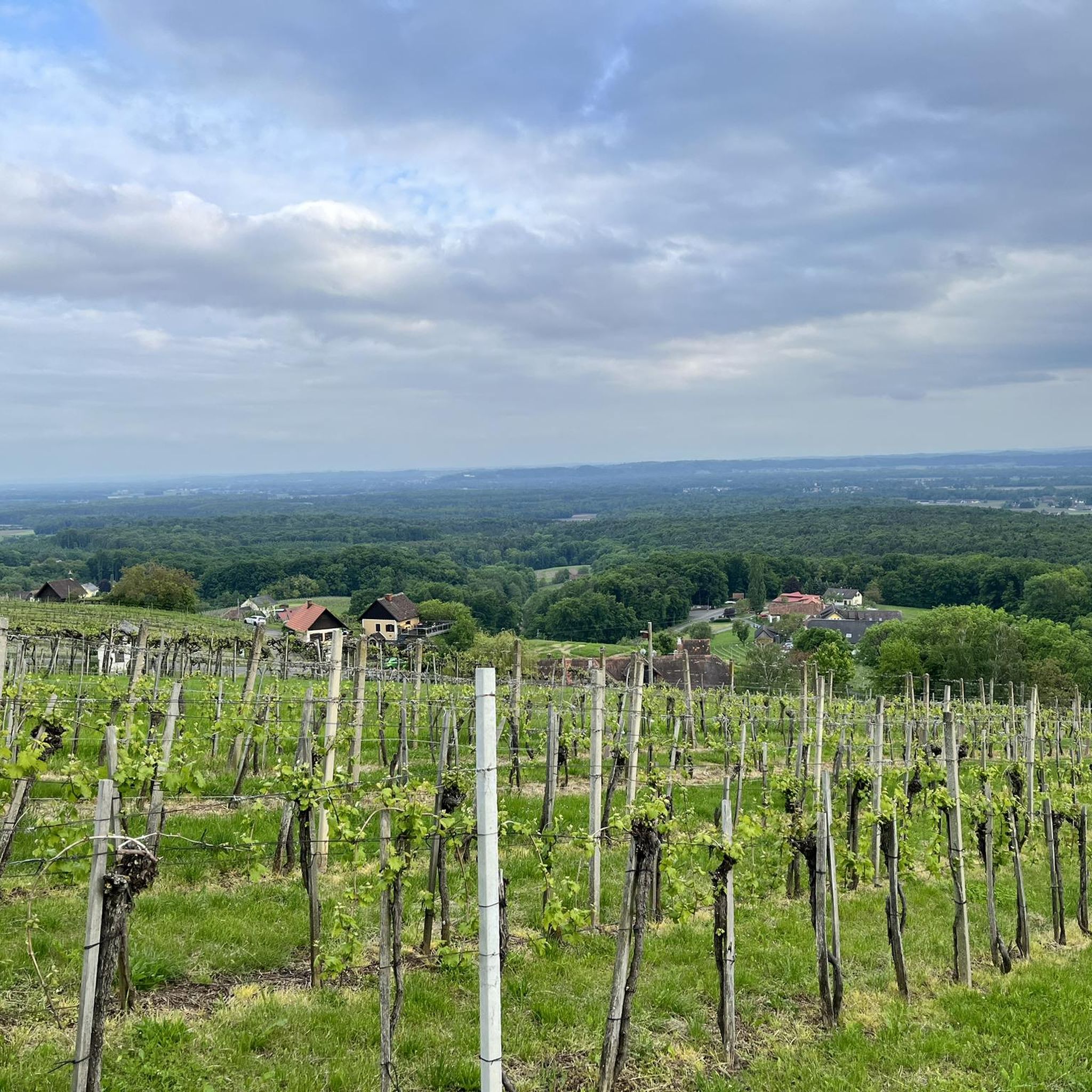
Running Trails around Klöch
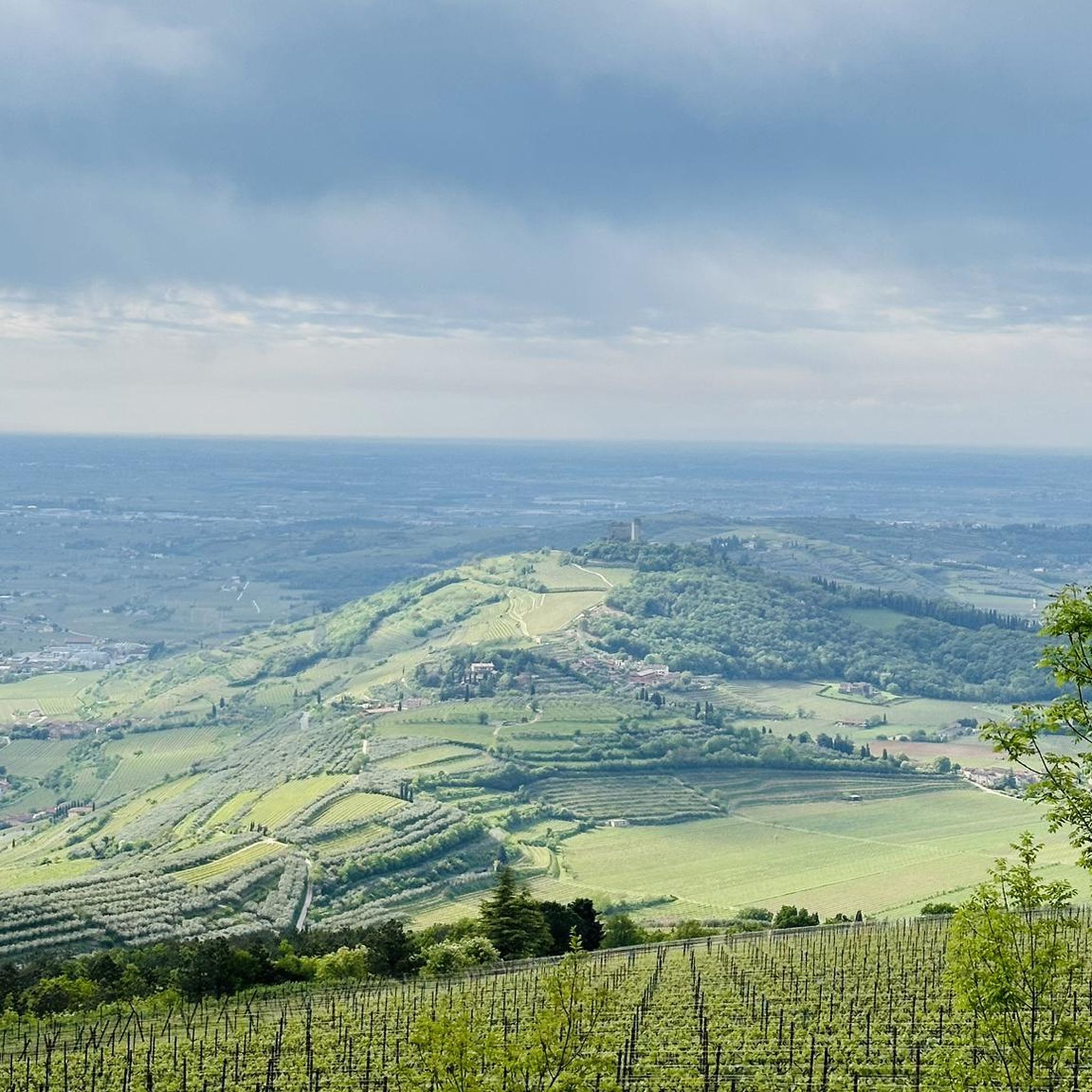
Gravel biking around Klöch
Other adventures around Klöch


Tips from the Community

Beautiful old ruin, worth seeing
3
0
Super nice tour, food at Palz highly recommended
4
0


Halbenrain Castle, now a technical college for agriculture and food science, previously the manor house of the Counts of Stürgkh. A look back at the history of the building shows that a stone building must have stood here as early as the 13th century. The current building dates mostly from the 16th and 17th centuries. The castle took on its current appearance through reconstruction in the 18th century, which mainly involved the demolition of the fortifications, the construction of the garden and the open staircase, and the design of the formal structure.
0
0

Tabor Castle, built in 1469 and given a baroque makeover in the 17th century, served various purposes, including as a refuge during the religious wars and later as a residence for estate employees. After extensive restorations in 2002-2003 and a change of ownership in 2019, it is now owned by the state of Burgenland and is used as an event venue and for a Heurigen restaurant.
1
0

During the Second World War, this "Burgschloss" also served as a shelter for the Soviet soldiers. A facility that is definitely worth seeing with a small hill in the inner courtyard, which is probably also used as an open-air stage.
0
0

Beautiful place after you've made the climb
0
0

The ruins of Klöch Castle stand defiantly above the town on a basalt hill. Today the residential tower and part of the shield wall of the castle are still standing. Not only can you explore the ruins on your own at the top, the view of Klöch is also terrific. The viewing platform can be found at the top of the residential tower.
1
0
Frequently Asked Questions
What is the historical significance of the castles around Klöch?
The castles in the Klöch region, such as Burgruine Klöch and Neuhaus (Dobra) Castle Ruins, were historically crucial border fortresses. Burgruine Klöch, first mentioned in 1365, was vital for defense, while Neuhaus (Dobra) Castle Ruins served as a Hungarian border fortress dating back to the 12th century. These sites reflect centuries of strategic importance and regional conflicts.
Which castles offer the best panoramic views?
For breathtaking panoramic views, Burgruine Klöch is an excellent choice, perched atop a steep basalt hill with vistas extending to Slovenia. Kapfenstein Castle and Winery, located on an extinct volcano, also offers spectacular views to the south. Additionally, Neuhaus (Dobra) Castle Ruins provides viewpoints from its position on a steep volcanic cone.
Can I visit a castle that also has a winery?
Yes, Kapfenstein Castle and Winery is an ideal destination. This castle, situated on an extinct volcano, now serves as an exclusive hotel and is home to the renowned Winkler-Hermaden winery, offering a unique combination of history, accommodation, and wine tasting.
Are there castles that host events or have restaurants?
Yes, several castles in the region offer these amenities. Burgruine Klöch is leased by the municipality and used as a venue for various events like castle plays, readings, concerts, and theater performances. Tabor Castle functions as an event venue and features a 'Heurigen' restaurant. Kapfenstein Castle and Winery also includes a restaurant as part of its hotel offerings.
What outdoor activities can I do near the castles in Klöch?
The region around Klöch offers diverse outdoor activities. You can explore various cycling routes, including mountain biking and road cycling. For detailed routes and guides, check out the MTB Trails around Klöch, Cycling around Klöch, and Road Cycling Routes around Klöch guides on komoot.
Are there hiking or walking routes around the castles?
Yes, the area around Klöch is well-suited for walking and hiking. The picturesque setting of Burgruine Klöch, surrounded by gentle hilly landscapes and vineyards, makes it attractive for strolls. While specific hiking guides for castles are not listed, the general cycling guides often include paths suitable for walking, especially along natural features like the Mur river near Schloss Oberradkersburg.
What natural features are prominent around the castles?
The castles in the Klöch region are often set amidst striking natural landscapes. You'll find castles perched on extinct volcanic cones, such as Kapfenstein Castle and Winery and Neuhaus (Dobra) Castle Ruins. The area is also characterized by rolling vineyards, gentle hilly terrain, and the Mur river, particularly near Schloss Oberradkersburg.
What is the best time of year to visit the castles around Klöch?
The Klöch region is beautiful throughout the warmer months. Spring and autumn are particularly pleasant for exploring the castles and surrounding vineyards, offering mild weather for outdoor activities and scenic views. Autumn also brings the added charm of harvest season in the wine region.
Are there family-friendly castles to visit in the area?
Yes, Tabor Castle is categorized as family-friendly. Its history and event offerings can be engaging for all ages. Additionally, the open spaces and historical exploration at sites like Burgruine Klöch can be enjoyable for families.
Is there public transport or parking available near the castles?
While specific public transport details for each castle are not provided, the region is generally accessible by car. For Burgruine Klöch, parking is typically available in the municipality, with a walk up to the ruin. For other castles like Kapfenstein Castle and Winery, on-site parking is usually provided for guests and visitors.
What do visitors enjoy most about the castles around Klöch?
Visitors frequently praise the stunning views, especially from castles perched on hills or volcanic cones. The combination of historical exploration with the region's renowned wine culture, particularly at places like Kapfenstein Castle and Winery, is a major draw. The opportunity to enjoy local cuisine at castle restaurants and the peaceful, scenic environment also receive high marks.
Are there any less crowded or 'hidden gem' castles in the Styria region near Klöch?
While the main castles like Burgruine Klöch and Kapfenstein Castle are popular, exploring sites like Halbenrain Castle, which now functions as a technical college, or the more remote Neuhaus (Dobra) Castle Ruins, can offer a quieter experience. These sites provide rich history without the larger crowds of more commercialized attractions.
Most popular routes around Klöch
Most popular attractions around Klöch

Get inspired with the komoot mobile app


Explore more
Looking for the best castles somewhere else? Discover other guides around Klöch:
