Top 8 Caves around Pflach
Caves around Pflach are primarily characterized by historical passages and human-modified grottoes rather than extensive natural cave systems. Situated in the Nature Park Region Reutte in Tyrol, Austria, the area reflects a rich history of iron ore mining dating back to the 15th century. This region offers insights into historical travel routes and industrial past through its unique underground structures. Visitors can explore various cave-like attractions that highlight both natural rock formations and human ingenuity.
Best caves around Pflach
- The…
Last updated: June 26, 2026
Marian Grotto Falkenstein
Highlight • Religious Site
Translated by Google •
Tip by

Old Gaicht Pass
Highlight • Mountain Pass
Translated by Google •
Tip by

Sign up now to discover places like this
Get recommendations on the best single tracks, peaks, & plenty of other exciting outdoor places.
Sign up for free
Pressure Tunnel of the Hydroelectric Power Plant
Highlight • Structure
Translated by Google •
Tip by

Marian Grotto on the Way to Kenzenhütte
Highlight • Religious Site
Translated by Google •
Tip by

Forgotten Mining Site
Highlight • Historical Site
Translated by Google •
Tip by

Sign up for free to discover even more caves around Pflach.
Sign up for free
Already have an account?
Start today with a free account
Your next adventure awaits.
Login or Signup
Popular around Pflach
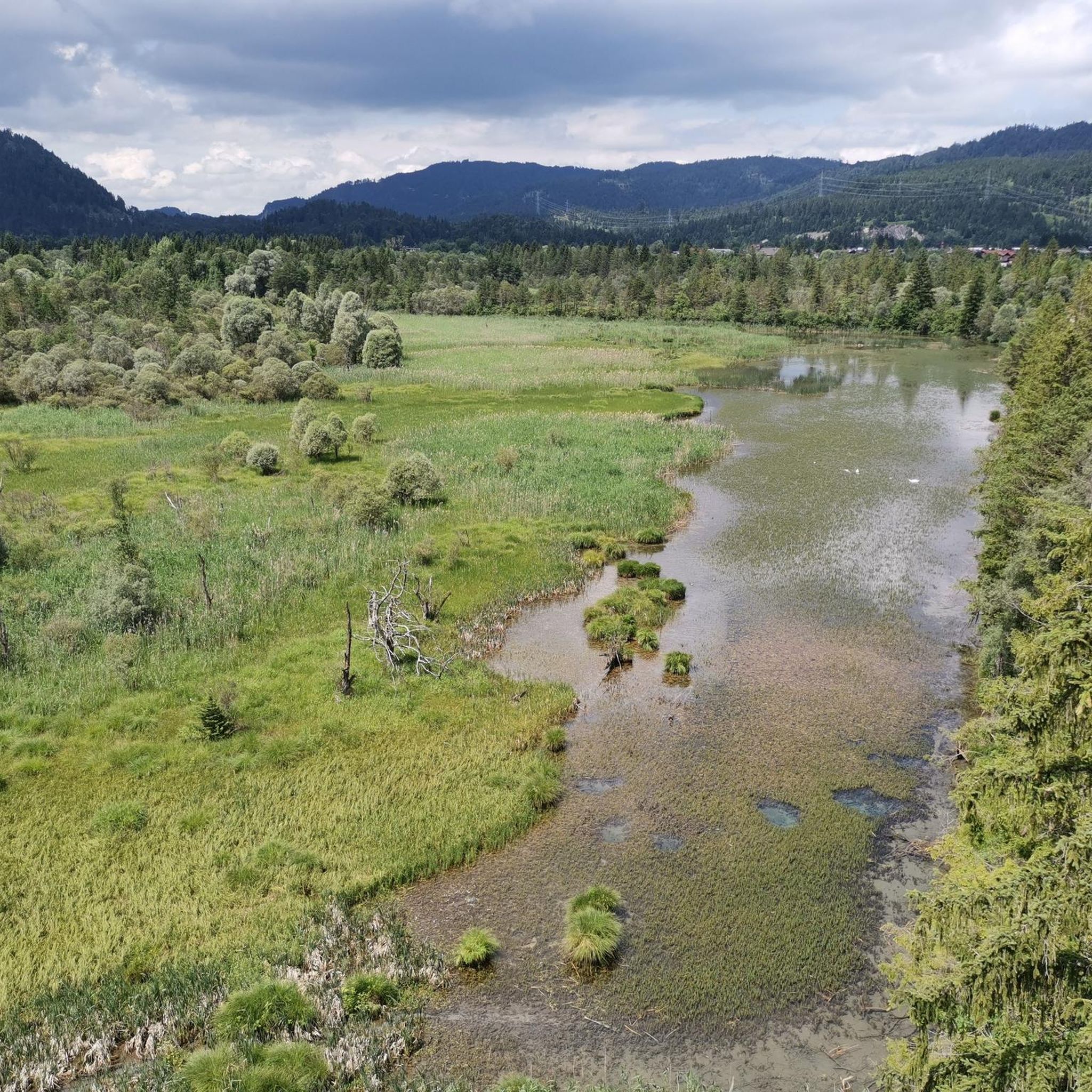
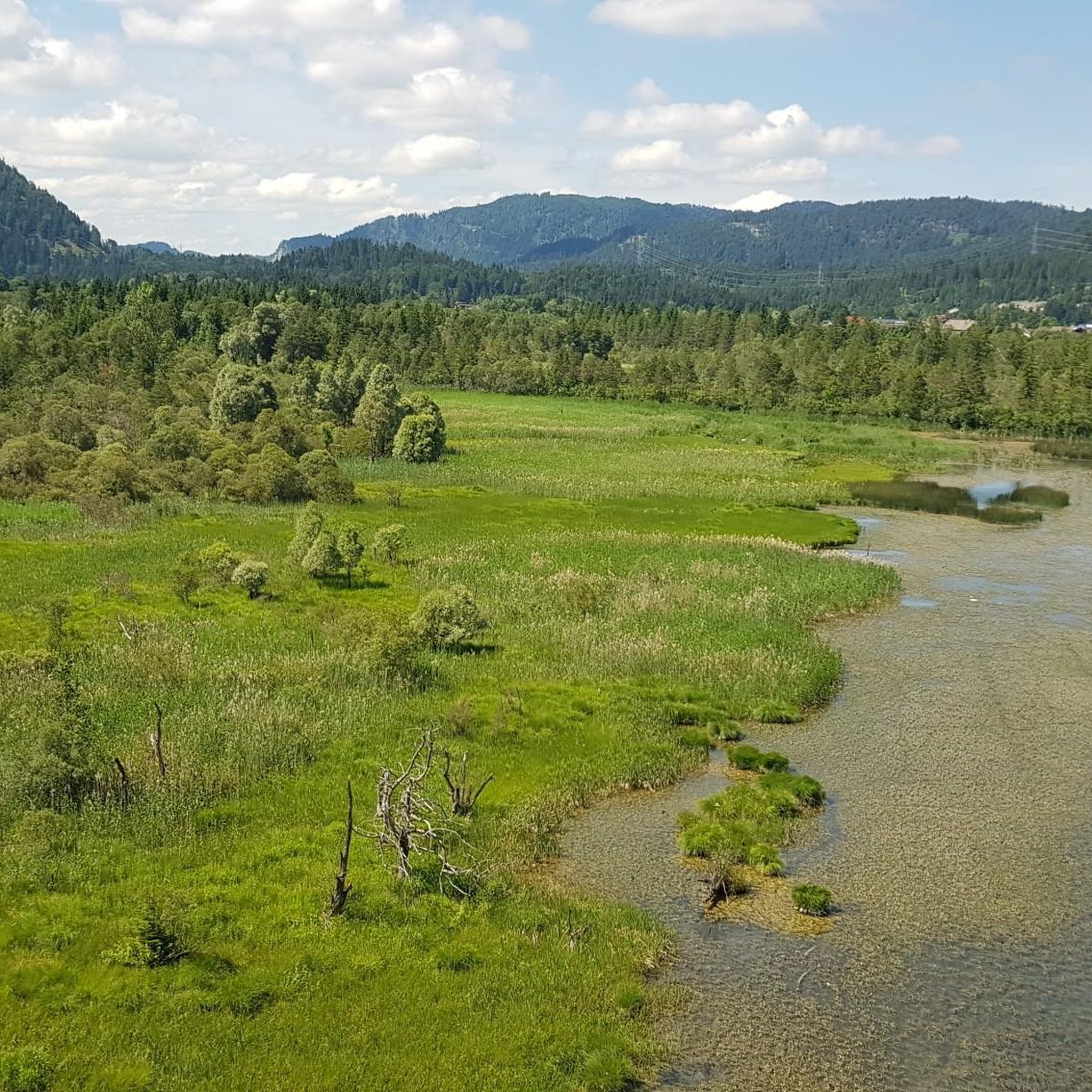
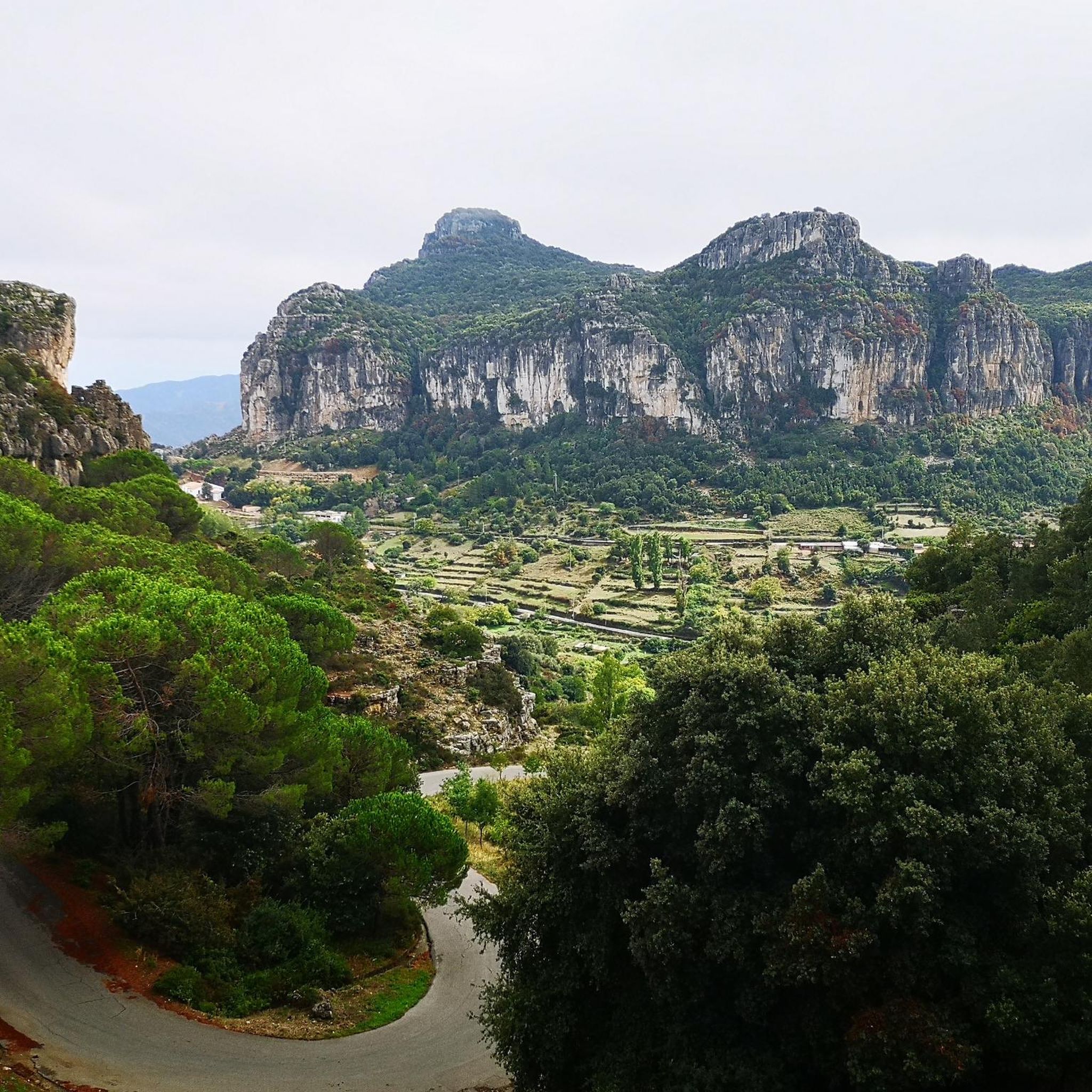
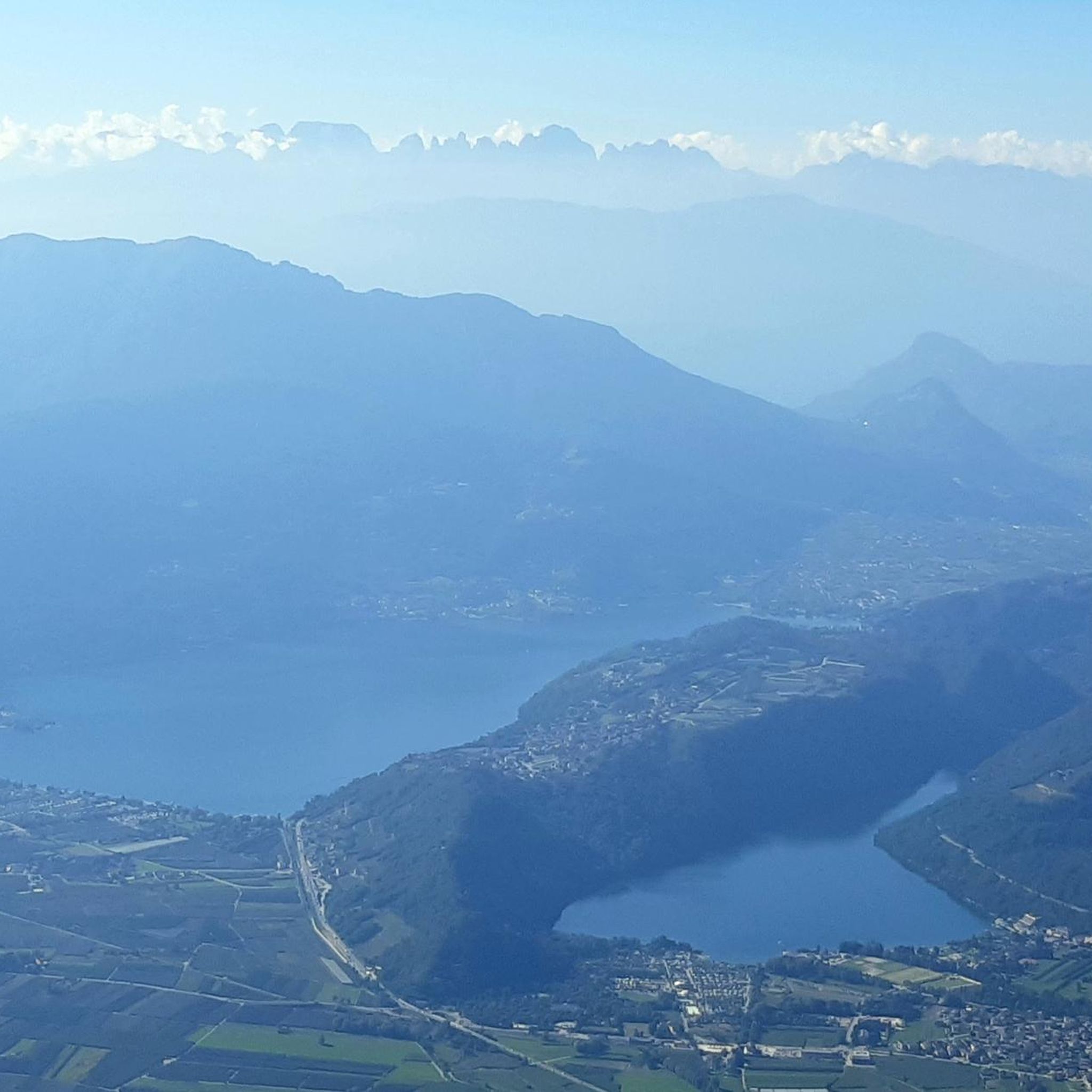


Tips from the Community

Unfortunately much too short, great way
0
0

Beautiful memorial on the way to the Kenzenhütte.
0
0


From the Lech Valley over the old Gaicht Pass (also: Gacht Pass), the path leads you further to Nesselwängle, to the Haldensee and into the Tannheim Valley.
0
0

Worth seeing, reached via a steel staircase, the light is switched on by a presence detector when you enter the tunnel. To the left of it there is a second entrance in the rock face, which can be reached via a path. A beautiful destination for a tour, on a beautiful route.
2
0

A medium-sized goblin scrambled out of this tunnel and devoured my friend. Just kidding. It's an interesting little tunnel though, that's for sure.
0
0
A real experience, especially in heavy rain. 😉 Don't be afraid, but you become very cautious and start to think about how people used to work there and cross the pass. The numerous wayside crosses and memorial plaques provide clues. I'll repeat it again and can only recommend this section. Impressive, a top highlight!
4
0

An old iron ore mine was made accessible in 2015 right at the entrance to the old Gaicht Pass. Is accessible at any time.
0
0
Frequently Asked Questions
What kind of 'caves' can I expect to find around Pflach?
The region around Pflach is not known for large, natural show caves with extensive stalactite formations. Instead, you'll discover historical passages, human-modified grottoes, and structures related to the area's rich mining history and historical travel routes. These include old mining adits, religious grottoes, and significant mountain passes that feature cave-like elements.
What historical sites related to caves can I visit near Pflach?
You can explore the Old Gaicht Pass, a historically significant mountain pass that served as a crucial route through mountainous terrain, offering insights into medieval travel. Additionally, the Forgotten Mining Site provides a glimpse into the region's iron ore mining past, which dates back to the 15th century.
Are there any religious grottoes or similar sites around Pflach?
Yes, the area features several religious grottoes. The Marian Grotto Falkenstein is a notable religious building set within a rock grotto, featuring a life-size figure of Mary directly below the castle ruins. Another is the Marian Grotto on the Way to Kenzenhütte, a small rock grotto with a statue of Mary.
What unique man-made structures can I find that are cave-like?
You can visit the Pressure Tunnel of the Hydroelectric Power Plant. This old bunker has secured access and is part of a narrow hiking trail that offers views of a waterfall and mountain panorama. While you cannot enter the tunnel, it's an interesting example of human engineering utilizing natural rock formations.
Are there any accessible 'caves' or grottoes directly in Pflach?
While there are no extensive natural cave systems directly in Pflach, the Small Marian Grotto, a religious building set within a rock niche, is accessible from the road and offers a place for quiet reflection. Many of the other historical and grotto-like sites are also generally accessible, often requiring a hike.
What outdoor activities can I do near these cave-like attractions?
The Nature Park Region Reutte, where Pflach is located, offers a variety of outdoor activities. You can find numerous hiking trails, including easy routes around lakes and through scenic landscapes. For cyclists, there are road cycling routes and challenging MTB trails that pass by some of these historical sites, such as the Old Gaicht Pass.
What do visitors enjoy most about the cave-like sites around Pflach?
Visitors often appreciate the blend of natural rock formations with human history and ingenuity. The historical significance of sites like the Old Gaicht Pass and the mining adits, combined with the serene atmosphere of the Marian grottoes, offers a unique experience. Many find the impressive views and the sense of stepping back in time particularly appealing.
Are the cave-like attractions around Pflach suitable for families?
Many of the sites, particularly the Marian Grottoes and the hiking trails leading to them, can be suitable for families. The Marian Grotto Falkenstein is easily accessible. The Old Gaicht Pass, while steep and gravelly, can be an adventurous experience for older children who enjoy hiking and history.
What is the best time to visit the cave-like sites near Pflach?
The best time to visit is generally during the warmer months, from spring to autumn, when hiking conditions are most favorable and the weather allows for comfortable exploration of the outdoor sites. Winter visits might be possible for some accessible grottoes, but trails to mountain passes or mining sites could be challenging due to snow and ice.
Can I learn about the geological features of the Pflach region?
While the focus is more on historical and human-modified structures, the underlying geology of the Nature Park Region Reutte is evident in the rock formations that house the grottoes and through which the historical passes and mining adits were created. The landscape itself, with its mountainous terrain, offers a natural geological context for these sites.
Are there any guided tours available for the historical mining sites?
Specific publicly advertised guided tours for the historical mining adits directly in Pflach are not widely detailed as tourist attractions. However, the Forgotten Mining Site allows for self-exploration of the ancient mining traces. For deeper insights, local tourist information centers in the Nature Park Region Reutte might offer more context or specialized tours if available.
Most popular routes around Pflach
Most popular attractions around Pflach

Get inspired with the komoot mobile app


Explore more
Extend your search for the best caves by checking out these guides of the top ones around Pflach:
