Top 5 Castles in the United Arab Emirates
Castles in the United Arab Emirates offer a glimpse into the nation's rich history and cultural heritage. These structures, built from materials like sandstone, coral, and clay, served purposes ranging from military defense to residences for ruling families. Many have been meticulously restored and transformed into museums or cultural centers, providing insight into the region's past. The diverse architectural techniques and defensive strategies reflect the Emirati community's historical resilience.
Best castles in the United Arab Emirates
- The most popular castles is Dubai Museum (Al Fahidi Fort), a historical site that is Dubai's oldest existing building, constructed in 1787. Today, it houses the Dubai Museum, showcasing the emirate's history and heritage.
- Another must-see spot is Al Jahili Fort, a large fort built between 1891 and 1898 as a summer residence. Visitors can expect to find a well-preserved museum hosting exhibitions, including photographs by the explorer Wilfred Thesiger.
- Visitors also love Dhayah Fort, a hill fort dating back to the 16th century. It offers impressive scenic views and is historically significant as a former outpost of resistance.
- United Arab Emirates is known for its military defense forts, watchtowers, and residential castles. These structures showcase diverse architectural styles and historical significance across the emirates.
- The castles in the United Arab Emirates are appreciated by the komoot community, with more than 30 upvotes and over 40 photos shared by visitors.
Last updated: July 9, 2026
Dubai Museum (Al Fahidi Fort)
Highlight • Historical Site
Translated by Google •
Tip by

Al Jahili Fort
Highlight • Castle
Translated by Google •
Tip by

Sign up now to discover places like this
Get recommendations on the best single tracks, peaks, & plenty of other exciting outdoor places.
Sign up for free
Dhayah Fort
Highlight • Castle
Translated by Google •
Tip by

Al Hisn — Sharjah Fort
Highlight • Castle
Tip by

Start today with a free account
Your next adventure awaits.
Login or Signup

Tips from the Community

I didn’t stop, but it looked like it was worth a visit.
0
0

Thr old Fort also contains the Museum (currently closed for renovation). Well preserved ramparts of the historic city defense. Information display panel provides more details. The central mosque is more recent, on the square behind.
1
0

A great place to glimpse the past is Al Jahili Fort in Al Ain, a mud fort built in the 1890s and converted into a museum in 2008. The walls are made of clay, straw and palm fibers and need to be restored every six months. Inside there are some exhibitions; the best shows Thesiger's impressive black and white photographs from the 1940s.
0
0
Historic 1820 fortress and former residence of the ruling family, 1996 restored as a history museum. 10 AED/ free for 60 and older
3
0

Arrival is possible by taxi. The taxi driver may wait
3
0
Dhayah Fort is a hill fort built in the 19th century on the remains of older buildings. It offers an impressive view of the Emirate of Ras al Kaimah.
1
0

Free entry to two exhibitions about the renovation of the facility and about the British explorer Wilfred Thesiger
2
0
Currently closed for renovation work
2
0
Frequently Asked Questions
What types of historical fortifications can I explore in the United Arab Emirates?
The UAE offers a diverse range of historical fortifications, including military defense forts, watchtowers, and residential castles. These structures, built from materials like sandstone, coral, limestone, clay, and local timber, showcase various architectural styles and served different purposes, from protecting settlements to housing ruling families. Many have been meticulously restored and transformed into museums or cultural centers.
Are there family-friendly castles to visit in the UAE?
Yes, several castles in the UAE are family-friendly. For example, Dubai Museum (Al Fahidi Fort) offers life-size exhibits illustrating daily life before the discovery of oil, which can be engaging for all ages. Al Jahili Fort in Al Ain and Al Hisn (Sharjah Fort) also function as museums with exhibits that provide educational experiences for families.
Which castles offer the best panoramic views?
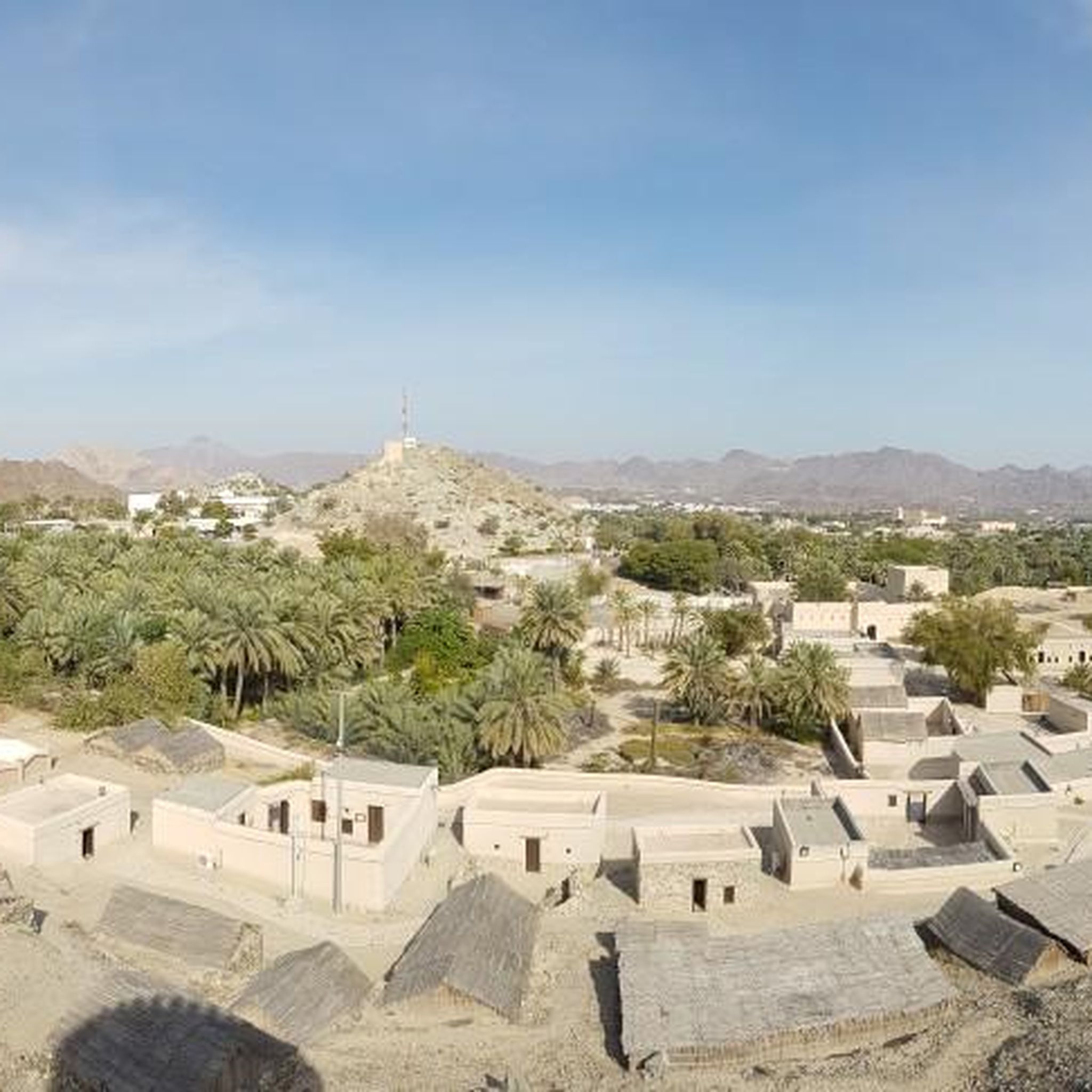
For breathtaking panoramic views, Dhayah Fort in Ras Al Khaimah is highly recommended. Situated atop a high hill overlooking the Arabian Gulf and surrounded by mountains and palm gardens, it offers incredible scenic vistas. Fujairah Fort, sitting on a high hill about 20 meters above sea level, also provides a commanding perspective of its surroundings.
What is the best time of year to visit castles in the UAE?
The best time to visit castles in the UAE is generally during the cooler months, from October to April. During this period, the weather is more pleasant for exploring outdoor sites and walking around the fort grounds. Visiting during summer months (May to September) can be very hot, though many indoor museum sections of forts are air-conditioned.
Are there any castles that are particularly significant for their historical role in the UAE?
Absolutely. Al Fahidi Fort, built in 1787, is Dubai's oldest existing building and played a crucial role in the emirate's early history. Dhayah Fort is historically significant as the last outpost of resistance against the British in 1819. Qasr Al Hosn in Abu Dhabi, originally a watchtower from the 1790s, evolved into a significant fort and was the ancestral home of the ruling Al Nahyan family, playing a pivotal role in regional politics.
What kind of exhibitions can I expect at the castle museums?
Many castles have been converted into museums, offering a variety of exhibitions. For instance, Dubai Museum (Al Fahidi Fort) showcases life-size exhibits illustrating daily life before oil discovery, including historical Arab houses, mosques, and souqs. Al Jahili Fort hosts exhibitions, notably displaying photographs by the British explorer Wilfred Thesiger, providing insight into the region's history. Al Hisn (Sharjah Fort) also houses exhibits illustrating the history of the emirate and its defense.
Are there any 'hidden gem' castles or lesser-known forts worth visiting?
While not as widely known as some others, Masfout Castle in Ajman is a unique 'hidden gem.' Situated on a mountaintop, it offers a pleasant retreat from the summer heat and served as a primary defense against bandits. Mezyad Castle in Al Ain, one of the largest in the region, is also worth exploring for its unique architecture and historical importance as a trade corridor.
What outdoor activities can I do near these castles?
The United Arab Emirates offers various outdoor activities. You can find numerous options for road cycling, gravel biking, and hiking across the emirates. While specific routes directly adjacent to every castle vary, the region's diverse landscapes provide ample opportunities for outdoor enthusiasts to combine cultural visits with active exploration.
What should I wear when visiting forts and castles in the UAE?
When visiting forts and castles in the UAE, it's advisable to wear comfortable, modest clothing that covers your shoulders and knees, out of respect for local customs and the historical nature of the sites. Lightweight fabrics are recommended, especially during warmer months. Comfortable walking shoes are also a good idea, as many sites involve walking and sometimes climbing stairs.
How long does it typically take to visit a castle or fort?
The duration of a visit can vary depending on the size of the fort and whether it houses a museum. For smaller forts like Dhayah Fort, which offers scenic views, you might spend 1-2 hours. Larger sites like Dubai Museum (Al Fahidi Fort) or Qasr Al Hosn, which are extensive museums, could take 2-3 hours or more to explore thoroughly.
Are there any castles in the UAE that are particularly well-preserved or restored?
Many castles in the UAE have undergone meticulous restoration. Al Jahili Fort in Al Ain is a well-preserved and restored site, functioning as a museum and having received the International Architecture Award in 2010. Fujairah Fort has also seen multiple renovations, including a comprehensive restoration between 1998 and 2000, allowing visitors to journey back in time through its corridors and courtyards.
Most popular routes in the United Arab Emirates
Most popular attractions in the United Arab Emirates

Get inspired with the komoot mobile app


Explore more
Looking for the best castles somewhere else? Discover other guides in the United Arab Emirates:
