Top 15 Castles in Montenegro
Castles in Montenegro offer a glimpse into the country's rich history and dramatic landscapes. These structures are often strategically located, providing views of the coastline and mountainous interior. Montenegro's diverse terrain features ancient fortifications, medieval strongholds, and ruined towns. The country's past is reflected in its varied castle architecture, from Byzantine to Ottoman influences.
Best castles in Montenegro
- The most popular castles is St. John Fortress (Sveti Ivan Fortress), a castle that is located above the old town of Kotor on a steep mountain slope. Approximately 1,350 steps lead to the top, offering panoramic views.
- Another must-see spot is Stari Bar Fortress and Aqueduct, a castle and historical site. Visitors can explore its large stone walls, sturdy round towers, and the impressive 16th-century Ottoman aqueduct with 17 arches.
- Visitors also love Ulcinj Old Town, an ancient walled city with a vibrant history. It features narrow streets and offers views of the turquoise sea.
- Montenegro is known for its ancient walled cities, ruined fortress towns, and coastal fortifications. These sites showcase a mix of architectural influences and historical periods.
- The castles in Montenegro are appreciated by the komoot community, with over 450 upvotes and more than 620 photos shared across the highlights.
Last updated: October 12, 2026
Old Town alley, Kotor
Highlight • Historical Site
Translated by Google •
Tip by

St. John Fortress (Sveti Ivan Fortress)
Highlight • Castle
1350 steps lead to the top. The castle was built 280 meters above sea level. The church of "Our Lady", which stands at a height of 100 meters, dates back to the 16th century.
Translated by Google •
Tip by

Sign up now to discover places like this
Get recommendations on the best single tracks, peaks, & plenty of other exciting outdoor places.
Budva Old Town
Highlight • Historical Site
Translated by Google •
Tip by

Restaurant in Stari Bar
Highlight • Restaurant
Translated by Google •
Tip by

Stari Bar Fortress and Aqueduct
Highlight • Castle
The fortress is now a museum. You will no longer find shops and souvenir stands in the fortifications. Instead, you'll find cobblestone paths leading under ancient arches. towers that stand firm even though the original buildings around them have collapsed; plants coming from between the bricks; bushes bloom with flowers growing on the walls; Gates leading to what remains of tunnels within the fortifications.
The fortress seems like a whimsical skeleton. You can discover empty windows along the paths and see the foundations of former halls and houses. You can peek over the edge of the wall and see down the hill to the modern bar and out to sea.
There are the remains of a 13th-century Franciscan monastery which was converted into a mosque in 1595. The monastery was destroyed by an explosion in 1912.
You can also see the foundations of St. George's Cathedral, built in the 12th century. The church was converted into a mosque by the Turks in the 17th century and was destroyed in the 1881 explosion.
Since the Ottomans had a great influence on the place, you can also see an 18th-century Turkish bath house.
The bell tower is an obvious symbol of Stari Bar. You shouldn't have any trouble spotting it as it still stands proudly on the south side of the old town.
One of the most impressive features of the old town is the huge stone arch bridge that crosses the valley. The bridge has 17 arches supported by 18 massive stone pillars. The bridge is part of the aqueduct built by the Ottomans in the 16th century. It is the best preserved aqueduct in Montenegro. In fact, only three of them remain in the former Yugoslav states – the others in Croatia and Macedonia.
The aqueduct brought water from a 3 km wide spring from Rumija Mountain and supplied the whole city. It was completely destroyed along with the old town in the 1979 earthquake and has since been restored.
Excerpt from travelsicht.de/bar-in-montenegro-sehenswuerdigung from April 28th, 2023
Translated by Google •
Tip by

Ulcinj Old Town
Highlight • Historical Site
Tip by

Herceg Novi Fortress
Highlight • Castle
Translated by Google •
Tip by

View of Kotor Bay from St. John's Fortress
Highlight • Viewpoint
Translated by Google •
Tip by
Forte Mare Fortress
Highlight • Historical Site
Translated by Google •
Tip by

View of Kotor Bay from the fortress
Highlight • Viewpoint
Translated by Google •
Tip by

Sign up for free to discover even more castles in Montenegro.
Already have an account?
Start today with a free account
Your next adventure awaits.
Popular around Montenegro
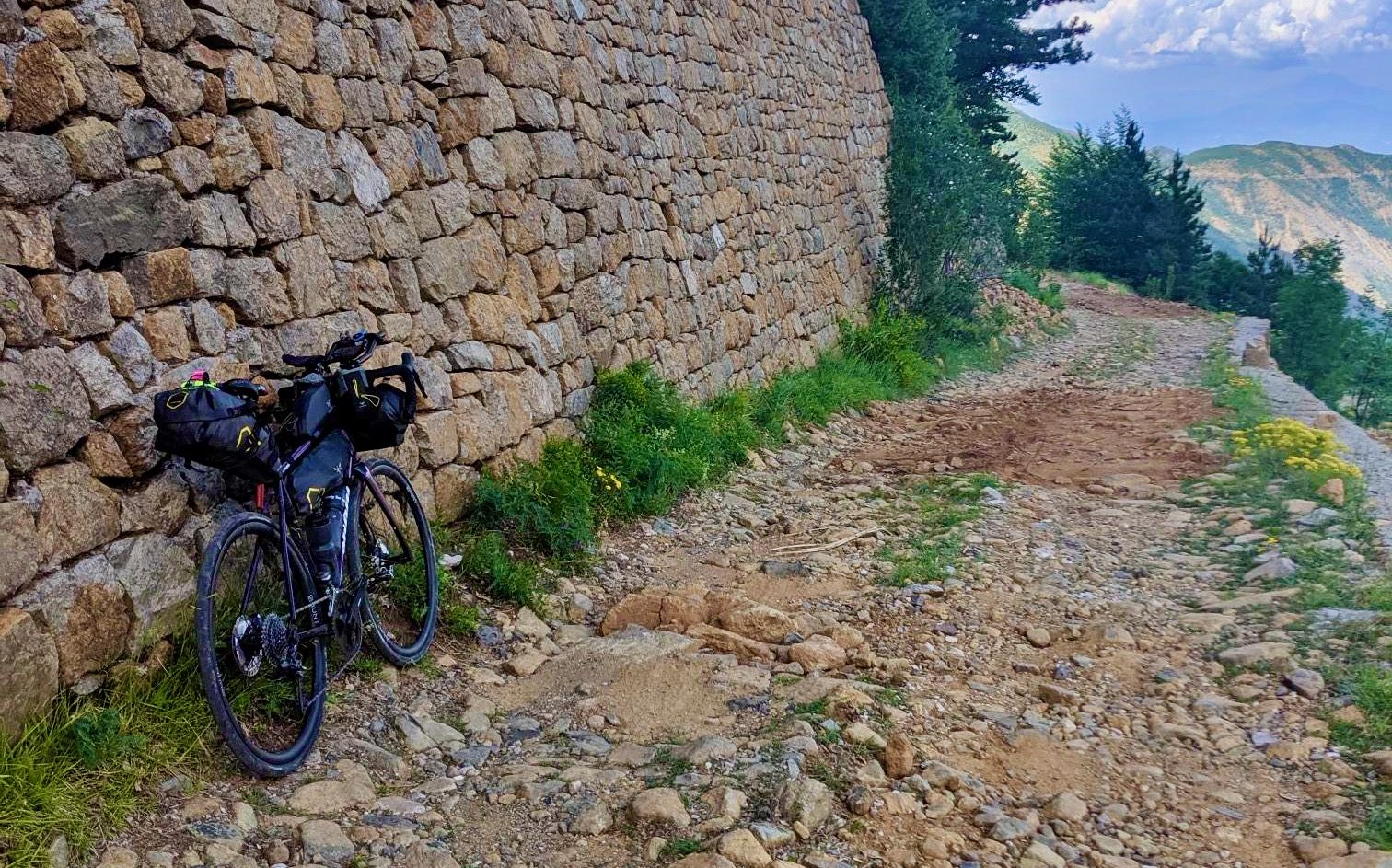
Traversing the Dinaric Alps — bikepacking from the mountains to the sea
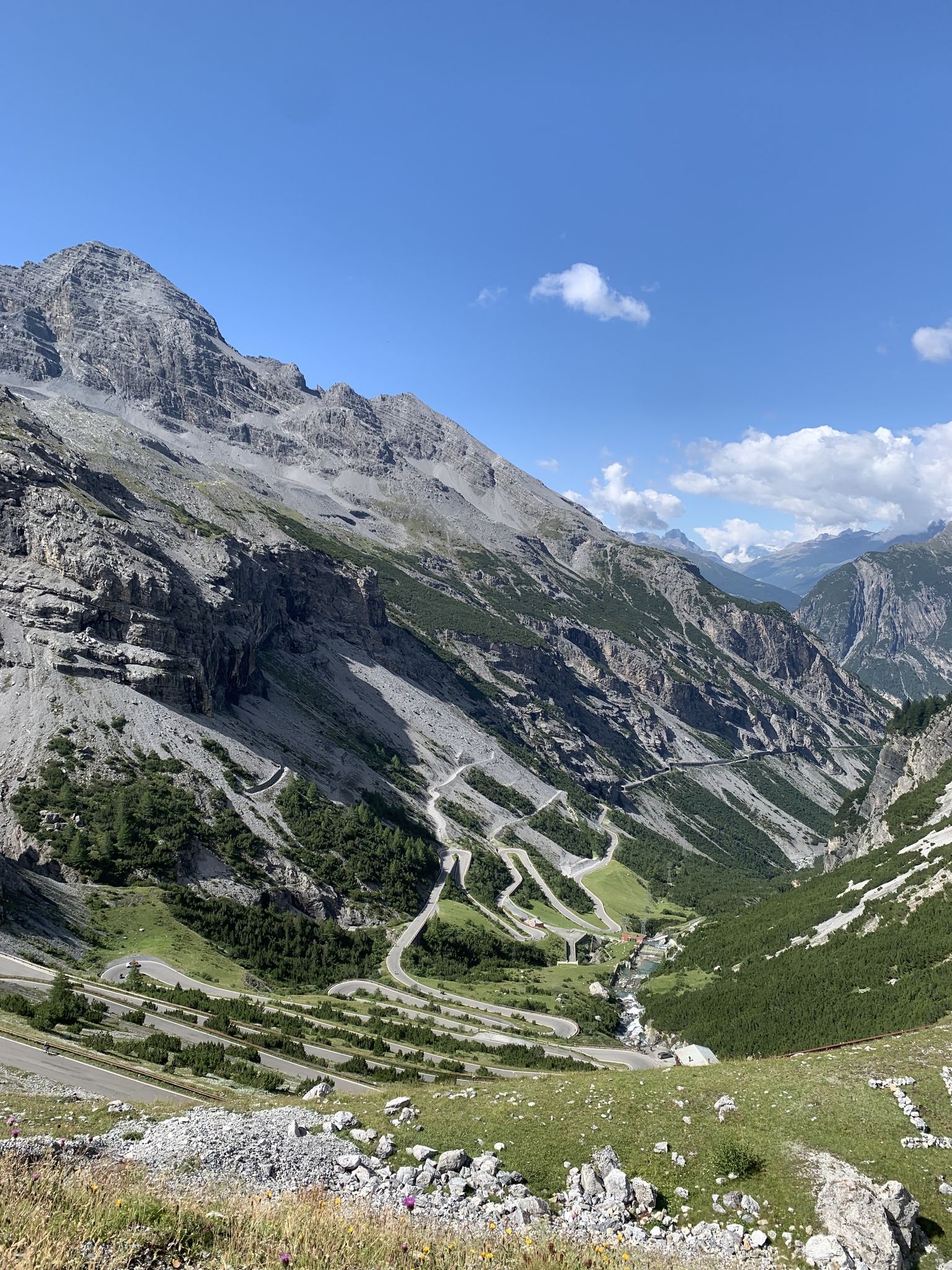
Transcontinental Race No9 2023
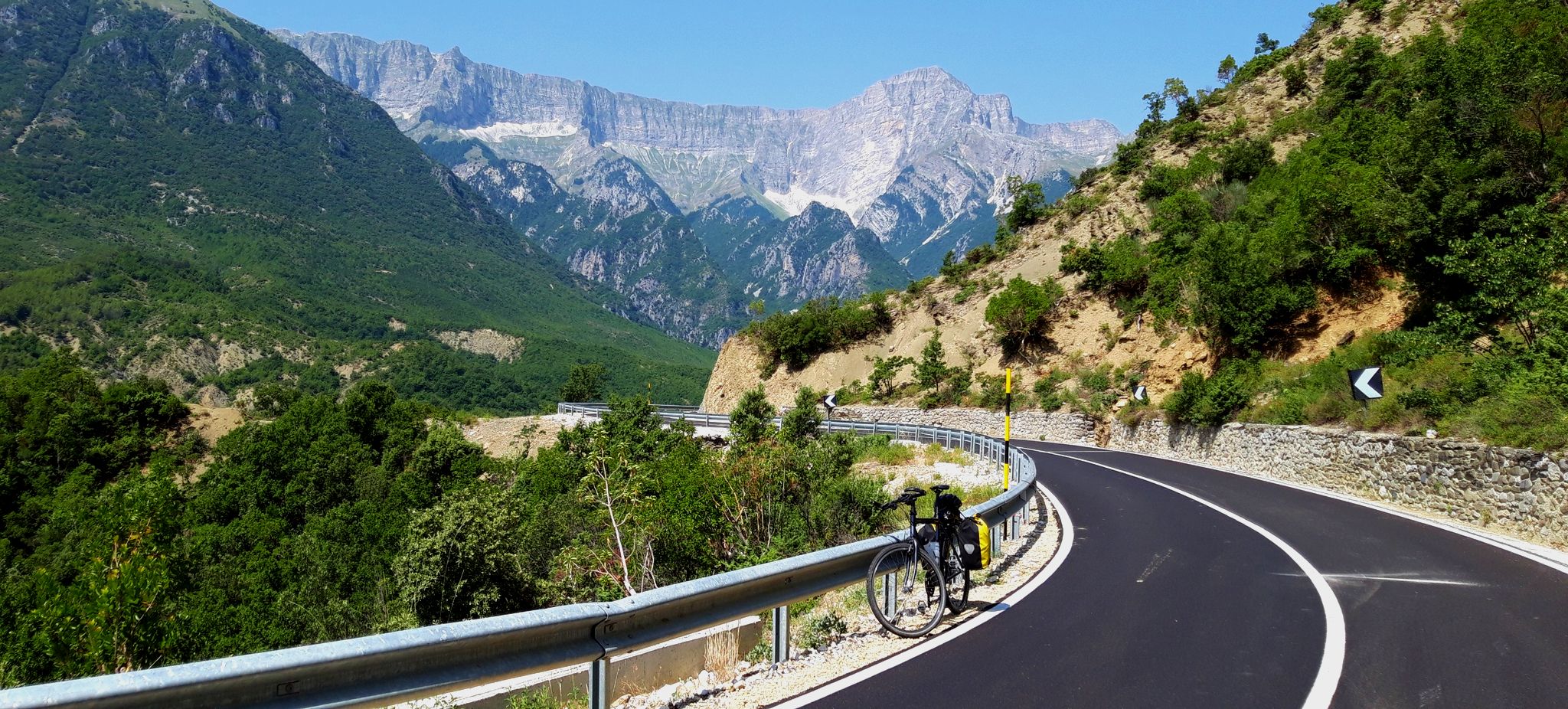
Balkan cycling adventure – Dubrovnik to Corfu
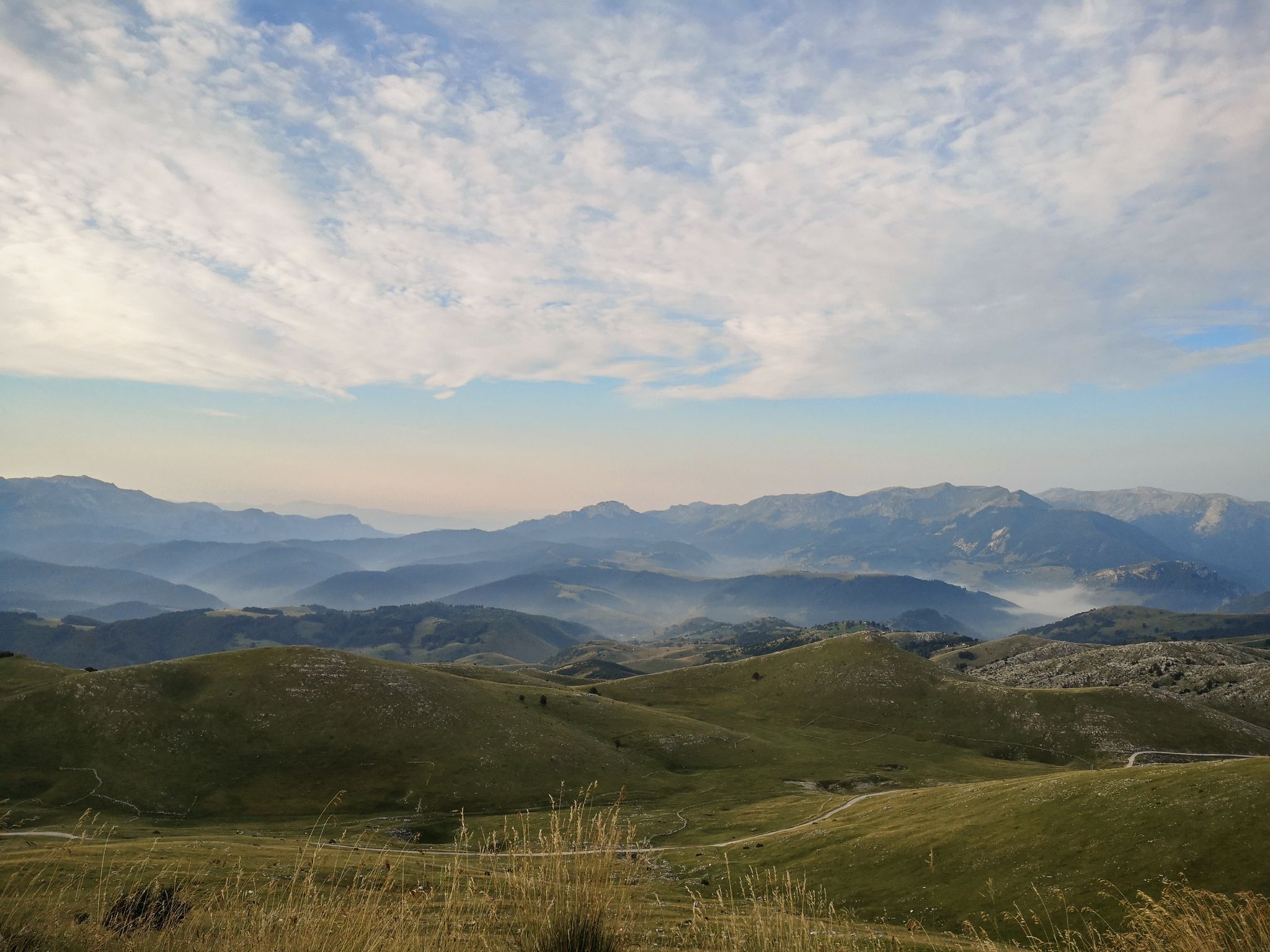
As we wrote history – the Transcontinental Race #TCRN06
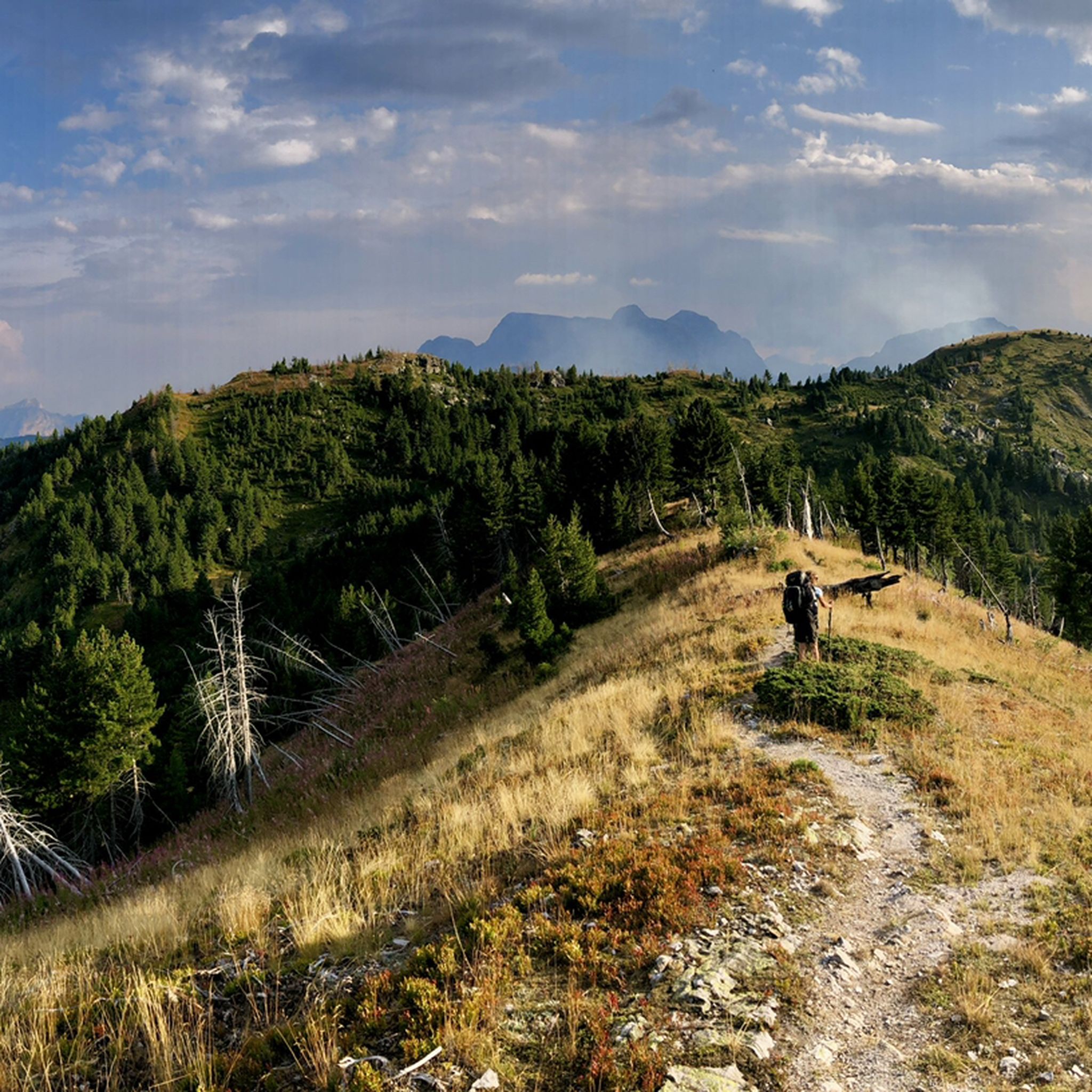
Hiking in Montenegro
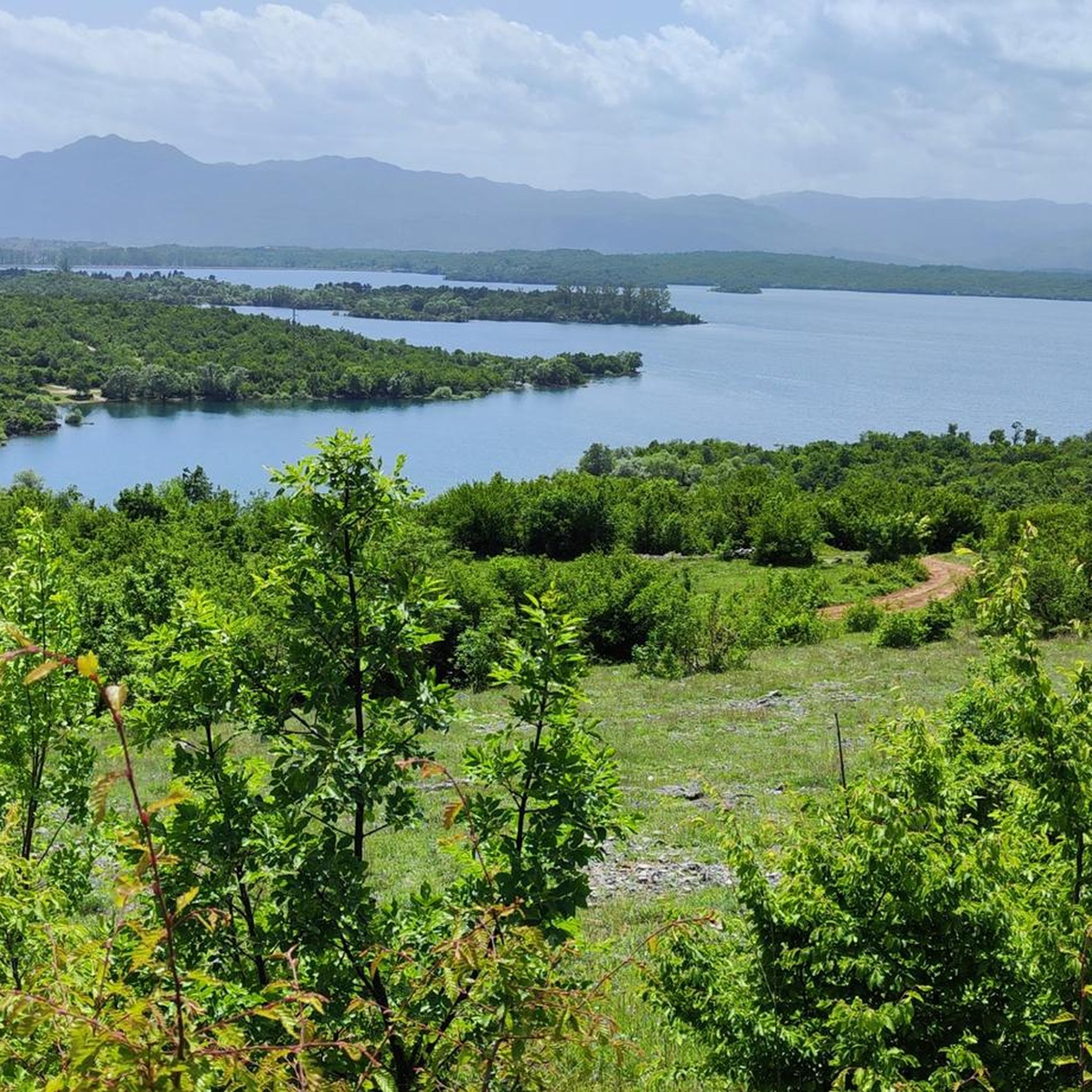
Cycling in Montenegro
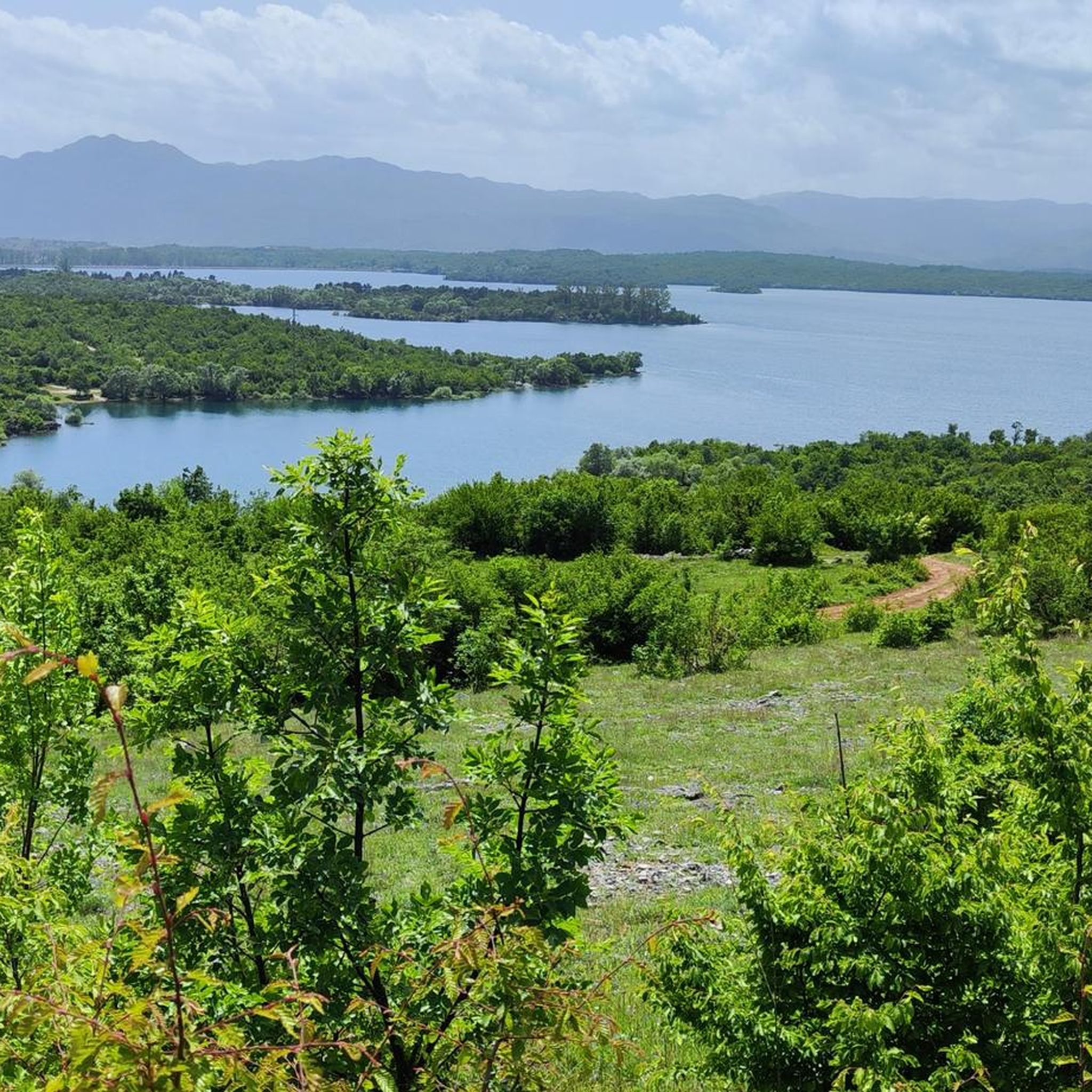
Road Cycling Routes in Montenegro
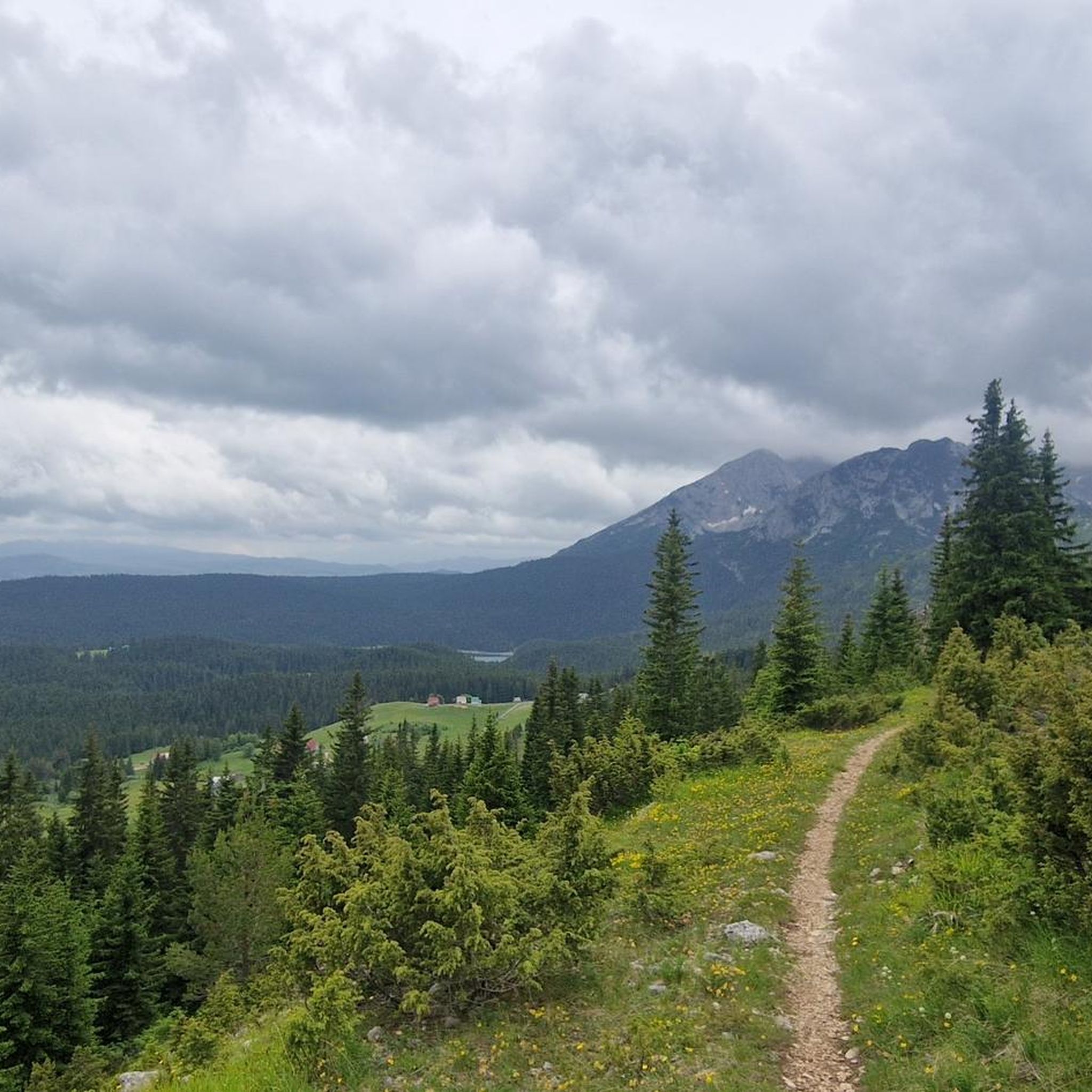
Running Trails in Montenegro
MTB Trails in Montenegro

Mountain Hikes in Montenegro
Other adventures in Montenegro


Tips from the Community

very beautiful, full of places, in the fortress, very "touristy" a flying visit. Better on foot, because it's chaotic and in August you risk being stuck for hours to cover a few km.
0
0

Old Bar is a small town in Montenegro
4
0
The old town of Bar is located on the slopes of the Rumija Mountains and is a fascinating place
4
0
This makes it one of the oldest settlements on the Adriatic.
3
0
Budva's old town, called Stari Grad, is more than 2,500 years old
3
0

Entrance fee: €5, as of March 2025 You should definitely visit Stari Bar and plan on spending about two hours there. It's so beautiful and very interesting. A restored building suddenly stands among the ruins, and old relics are also beautifully presented. A must-see for any vacation to Montenegro. I was there in the rain, so you have to be careful of the slippery stones. I think you should pack water and sunscreen in the summer.
1
0
A visit to Forte Mare is a must. It offers a beautiful panoramic view and you can also visit the old prison.
0
0

The really beautiful little pedestrian zone leads up to the ruined city. Here you will find small shops and restaurants. Highly recommended: pomegranate juice and jam.
4
0
Frequently Asked Questions
Which castles in Montenegro are particularly good for history enthusiasts?
Montenegro is rich in historical castles. For a deep dive into the past, consider the St. John Fortress (Sveti Ivan Fortress) above Kotor, a Byzantine-era fortification with a long history of battles. Stari Bar Fortress and Aqueduct offers a ruined town experience with Ottoman influences and a preserved 16th-century aqueduct. Ulcinj Castle, also known as Ulcinj Old Town, is an ancient walled city with a vibrant pirate history. Mamula Fortress, on Lastavica Island, provides a poignant look into its past as a prison during WWII.
Are there family-friendly castles to visit in Montenegro?
Yes, several castles and old towns are suitable for families. Budva Old Town is considered family-friendly, offering historical insights and beaches. Herceg Novi Fortress is also listed as family-friendly. While Ulcinj Old Town is charming, be aware that its many steps make it unsuitable for strollers or wheelchairs.
What kind of views can I expect from Montenegro's castles?
Montenegro's castles are strategically located to offer breathtaking panoramic views. From St. John Fortress, you'll see spectacular vistas of the Bay of Kotor. The Budva Citadel and Forte Mare Fortress provide stunning views of the Adriatic Sea. Stari Bar Fortress offers views of Mount Rumija and the modern town of Bar, while Besac Fortress provides tranquil views of Lake Skadar.
What is the best time of year to visit castles in Montenegro?
The spring and autumn months (April-May and September-October) generally offer pleasant weather for exploring, avoiding the peak summer heat and crowds. Some areas, like Ulcinj Old Town, can be quite quiet in winter, but still offer a worthwhile walk. For challenging climbs like St. John Fortress, cooler temperatures are preferable.
Are there hiking opportunities near Montenegrin castles?
Yes, many castles are integrated into or near scenic hiking areas. The climb to St. John Fortress involves approximately 1,350 steps and is a challenging hike rewarded with incredible views. For more extensive hiking, you can explore the Mountain Hikes in Montenegro guide, which features routes in various difficulty levels across the region, some of which may be near castle locations.
Can I find places to eat or drink near the castles?
Yes, many castle towns offer dining options. In Stari Bar, you can find a restaurant within the old town. Ulcinj Old Town is known for its unique restaurant and bar scene. Kotor Old Town and Budva Old Town also have numerous cafes and restaurants within their historic walls.
How long does it take to visit the Castle of San Giovanni (Kotor Fortress)?
The climb to the Castle of San Giovanni, also known as St. John Fortress, involves approximately 1,350 steps. The duration of the visit depends on your fitness level and how much time you spend enjoying the views, but it typically takes a few hours for the round trip.
Are there any castles in Montenegro that are less frequented or 'hidden gems'?
Mamula Fortress, located on the tiny, uninhabited Lastavica Island, offers a unique and more isolated experience. While it has a somber history, its circular structure guarding the entrance to the Bay of Kotor makes it a poignant historical site away from the main tourist hubs. Besac Fortress, near Lake Skadar, also offers tranquil views and a glimpse into Ottoman history.
What are the options for cycling near Montenegro's castles?
Montenegro offers various cycling opportunities, including gravel biking and touring. You can find routes in guides like Gravel biking in Montenegro and Cycling in Montenegro. Some routes, such as those around Kotor Bay, might pass near coastal fortifications like those in Kotor or Herceg Novi.
Is parking available near the main castle sites?
Parking availability varies by location. For Stari Bar Old Town, parking is typically available outside the ruined fortress area. For castles integrated into old towns like Kotor or Budva, you'll usually find paid parking lots outside the pedestrianized historic centers. It's advisable to check local parking options upon arrival.
Are dogs allowed at Montenegrin castles?
Policies vary by site. For Stari Bar Fortress and Aqueduct, dogs are allowed, and admission for dogs is free. It's recommended to check specific regulations for other castles before your visit.
What kind of architectural styles can be seen in Montenegro's castles?
Montenegro's castles showcase a diverse range of architectural influences reflecting its complex history. You'll find Byzantine-era fortifications like St. John Fortress, medieval structures such as the Budva Citadel, and Ottoman-built fortresses like Stari Bar and Besac Fortress. Venetian influences are also evident, particularly in coastal areas like Kotor.
Most popular routes in Montenegro
Most popular attractions in Montenegro

Get inspired with the komoot mobile app


Explore more
Looking for the best castles somewhere else? Discover other guides in Montenegro:
