Top 20 Caves in Hungary
Caves in Hungary offer a diverse range of geological formations and historical significance. The country's karst regions, particularly in the north and west, feature extensive underground systems. These caves were formed by the dissolution of soluble bedrock, often influenced by thermal waters. Hungary's landscape provides a unique environment for both dry and water-filled cave explorations.
Best caves in Hungary
- The most popular caves is Tihany Hermit Caves, a cave and historical site that are ancient dwellings, some of which are now artificially preserved. These caves are located on the northern slope of Óvár Hill, offering a quiet experience on the peninsula.
- Another must-see spot is Tapolca Lake Cave, a cave and lake system. Visitors can explore a section of the cave by rowing a boat through its clear, blue waters, an experience unique in Central Europe.
- Visitors also love Istállós-kő Cave, a cave and historical site. This cave is one of Hungary's most protected prehistoric sites, containing archaeological finds such as stone tools and bone spear points from the Paleolithic era.
- Hungary is known for its diverse cave types, including dry caves, water-filled lake caves, and historical cave dwellings. Visitors can explore a variety of underground landscapes, from ancient hermitages to extensive karst systems.
- The caves in Hungary are appreciated by the komoot community, with 66 upvotes and 72 photos shared across more than 50 highlights.
Last updated: October 12, 2026
Tihany Hermit Caves
Highlight • Cave
Translated by Google •
Tip by

Gellért Hill Cave Church (Sziklatemplom)
Highlight • Religious Site
Translated by Google •
Tip by

Sign up now to discover places like this
Get recommendations on the best single tracks, peaks, & plenty of other exciting outdoor places.
Istállós-kő Cave
Highlight • Cave
Translated by Google •
Tip by

Tapolca Lake Cave
Highlight • Cave
Translated by Google •
Tip by

Hospital in the Rock Nuclear Bunker Museum
Highlight • Historical Site
Translated by Google •
Tip by

Buda Castle Labyrinth
Highlight • Cave
Translated by Google •
Tip by
Rock Chapel
Highlight • Religious Site
The rugged rock walls give the interior a very special atmosphere. Between stone and religious artworks, a place of tranquility is created, forming a strong contrast to the vibrant hustle and bustle of the Hungarian capital.
Directly in front of the Cave Church, a beautiful view of the Danube and the Liberty Bridge also opens up.
Showing Translation
Tip by

Szelim Cave and Turul Monument
Highlight • Cave
Similarly, the large opening in the rock is visible from afar, from her you have a fantastic view into the distance and on Tatabanya.
In it, the mortal remains of prehistoric men were once found.
The Turul Bird Statue is the largest bronze statue of an eagle in Europe.
It dates from 1907 and has a wingspan of 15 meters. He carries the Hungarian crown on his head and holds a sword in the claws ... megagut.
Writing the whole story would take hours ... 😅.
If you want to know more about the cave and the Turul statue, it is best to make sure you are on the internet first, as all the information boards are only in Hungarian.
... and it does not cost admission, even the parking in the newly renovated park is (still) free.
Have fun discovering 🤗.
Translated by Google •
Tip by

Kisamerika Cave Dwellings
Highlight • Cave
The cave dwellings were inhabited in rather miserable conditions until the 1970s. It is not possible to enter the cavities, but we cannot see too much of them anyway, but from above, the beautifully located cave dwellings offer a very exotic view from the study trail running at the edge of the hill.
Translated by Google •
Tip by

Fertőrákos Quarry and Cave Theater
Highlight • Cave
Translated by Google •
Tip by

Sign up for free to discover even more caves in Hungary.
Already have an account?
Start today with a free account
Your next adventure awaits.
Popular around Hungary

NorthCape4000 – 12 days from Lake Garda to the North Cape
Budapest to Venice via the beautiful Soča Valley
The Danube Cycle Path – From Donaueschingen to Budapest
Riding two Koppels through five countries
Ride to the sea – gravel bikepacking from Austria’s Vienna to Italy’s Grado
Roman paths in the Burgenland – Amber Trail East Route
As we wrote history – the Transcontinental Race #TCRN06
Cycling in Hungary
Hiking in Hungary
Road Cycling Routes in Hungary
Other adventures in Hungary


Tips from the Community

Hidden inside Gellért Hill lies the extraordinary Cave Church, one of Budapest's special sights. The chapel was built directly into a natural cave of the mountain, fascinatingly combining nature, faith, and history. The rugged rock walls give the interior a very special atmosphere. Between stone and religious artworks, a place of tranquility is created, forming a strong contrast to the vibrant hustle and bustle of the Hungarian capital. Directly in front of the Cave Church, a beautiful view of the Danube and the Liberty Bridge also opens up.
4
0

Amazing museum and theater in a closed quarry
0
0

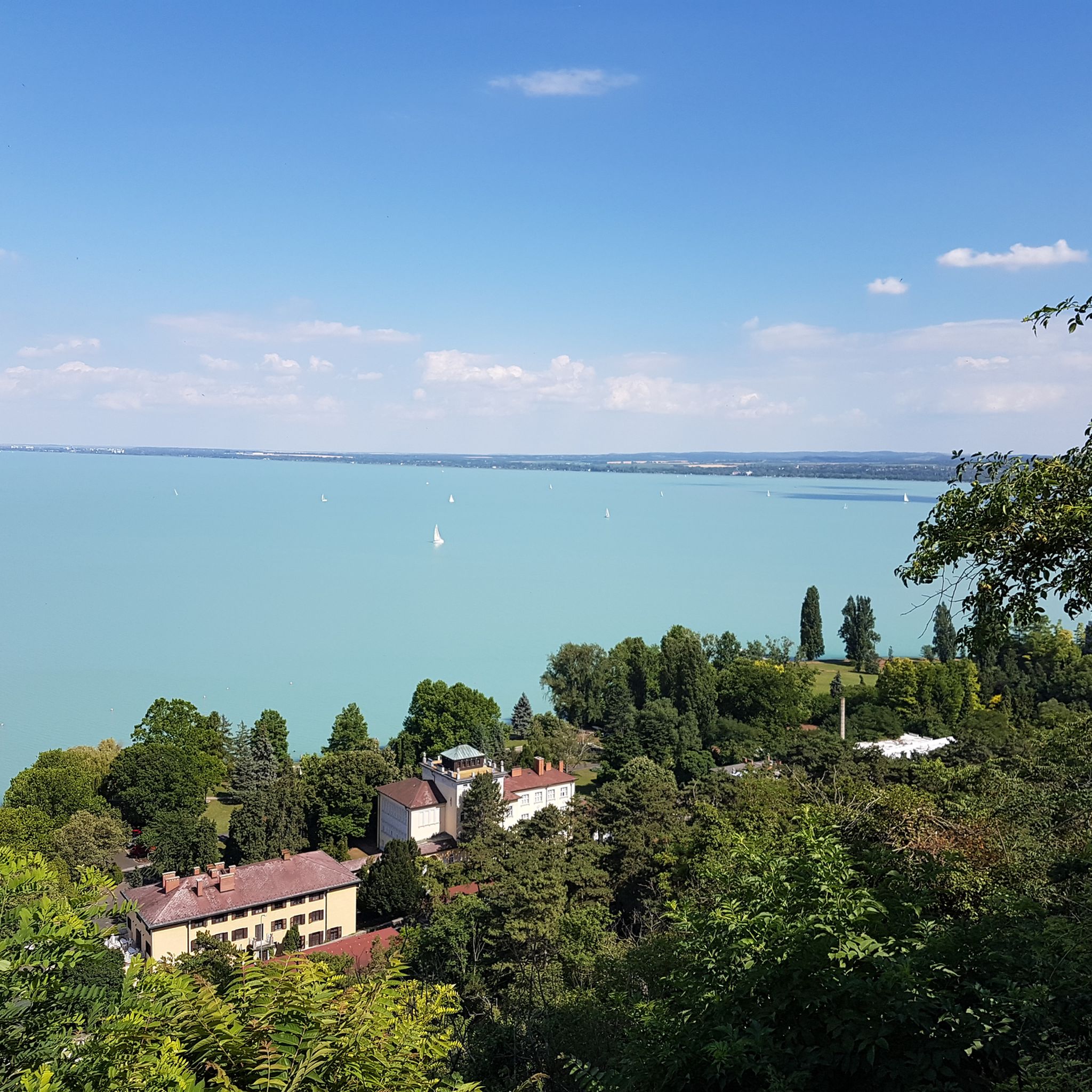
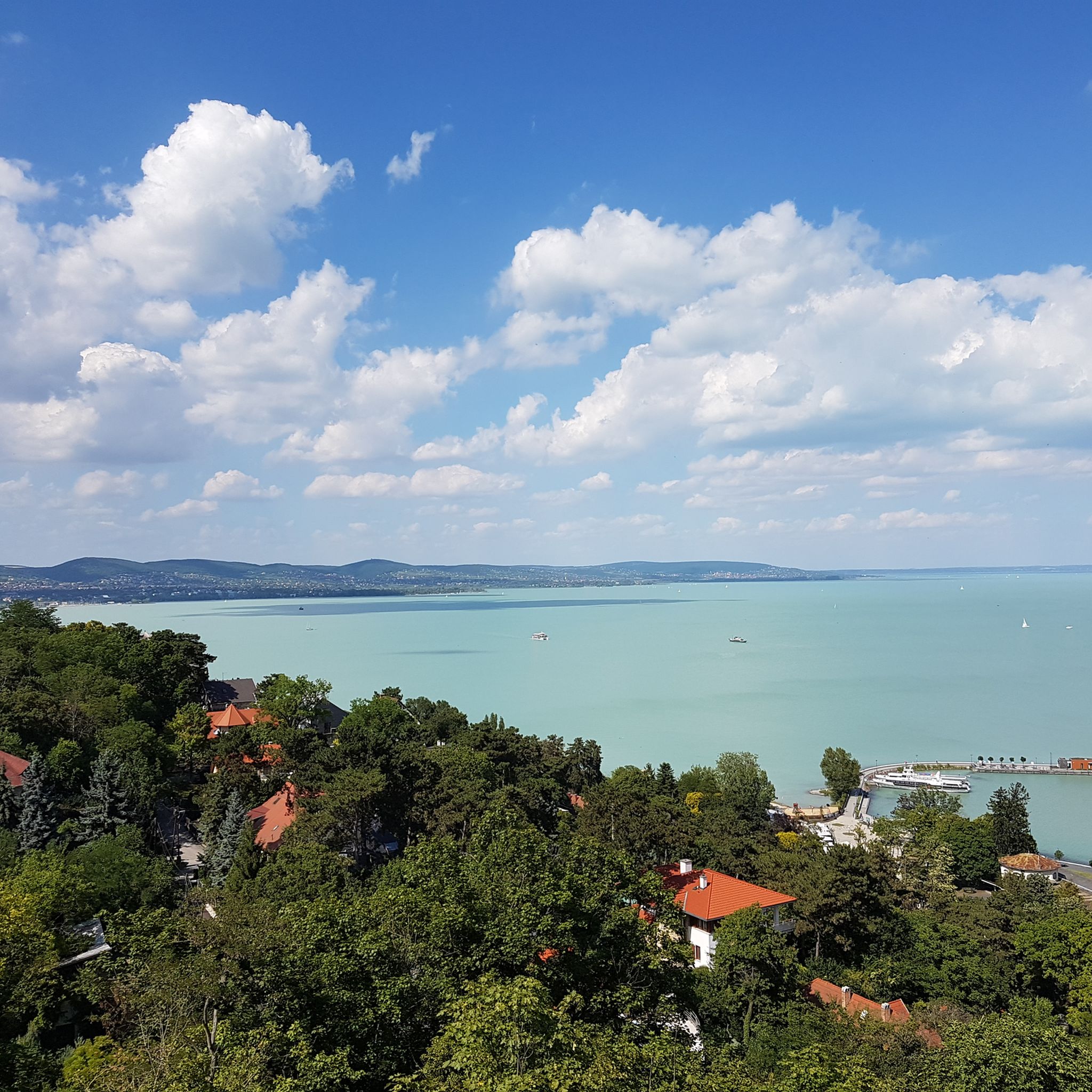
Beautiful landscape around the lake
3
0

The Hospital in the Rock Nuclear Bunker Museum (Hungarian: Sziklakórház Atombunker Múzeum) is one of the most fascinating and, at the same time, most oppressive historical sites in Budapest. It is located directly beneath the Buda Castle District in a natural cave system. Originally designed as an air-raid shelter and emergency hospital, it played a crucial role during the Siege of Budapest (1944–45). It was designed for approx. 60–70 patients, but in the end often housed over 600 injured under catastrophic conditions.
0
1

Truly impressive. Small, but truly a little highlight. A church built into the rock is truly something rare and definitely recommended.
2
0

Extensive archaeological work since 2000 has confirmed that people lived in the Szalajka Valley as early as 40,000 years ago. The cave dwellers lived in the Istállós cave and even had contact with other tribes from the valley, some of which lived 500 kilometers away. People also lived in the idyllic valley during the Bronze Age, as evidenced by Celtic relics and an early earthwork. Nevertheless, there were no major settlements within the valley until the Middle Ages, as trade routes were difficult to establish in the heavily forested area. Continuous settlement in the Szalajka Valley began in the 14th century, when people settled in the village of Wárad, now known as Szilvásvárad. The high-quality timber served as a source of urban income even in the Middle Ages, leading to increasing numbers of settlements. Source: https://www.urlaub-ungarn.at/sightseeing/natuerliche-gehenswuerdigkeiten-ungarn/szalajka-tal.html
0
0


Very impressive building and something completely different from the "normal" churches that one knows
2
0
Frequently Asked Questions
What are some of the most unique geological features found in Hungarian caves?
Hungarian caves showcase a variety of unique formations. For instance, the Aggtelek Caves are famous for their vast array of colorful stalactites and stalagmites, and a subterranean river. The Tapolca Lake Cave offers the rare experience of boating through crystal-clear underground waters. In Budapest, the Szemlőhegyi Cave is known for its unusual 'popcorn-shaped' mineral crusts and 'cauliflower-like' growths, formed by rising thermal waters.
Are there any family-friendly caves in Hungary?
Yes, several caves are suitable for families. The Szemlőhegyi Cave in Budapest is particularly accessible, featuring wide, well-constructed paths and lighting, making it suitable for children and even wheelchair users. The Remete Cave also offers an easy walk, making it a good option for families.
What is the best time of year to visit caves in Hungary?
Caves generally maintain a consistent temperature year-round, making them a great destination in any season. For example, the Pál-völgyi Cave maintains a cool 11°C (52°F) year-round, offering a refreshing escape during warmer months. The Szemlőhegyi Cave also has a consistent temperature of about 12°C (54°F). Some caves, like Abaliget, are home to bat colonies in winter, offering a unique wildlife viewing opportunity.
Do I need a permit for caving in Hungary?
For guided tours in developed show caves like Aggtelek, Tapolca, Pál-völgyi, or Szemlőhegyi, you typically do not need a personal permit as access is managed by the tour operators. However, for exploring non-tourist sections or undertaking more adventurous caving, specific permits and experienced guides are often required. It's always best to check with local authorities or caving associations for detailed requirements.
Are there historical or archaeological sites within Hungarian caves?
Absolutely. Many Hungarian caves hold significant historical and archaeological value. The Aggtelek Caves, for instance, have traces of Neolithic occupation. The Istállós-kő Cave is one of Hungary's most protected prehistoric sites, containing archaeological finds like stone tools and bone spear points from the Paleolithic era. The Tihany Hermit Caves are ancient dwellings, some of which are now artificially preserved.
What kind of outdoor activities can I do near the caves in Hungary?
Many caves are located in regions offering diverse outdoor activities. For example, you can find numerous cycling routes, including those around Lake Velence or along the Tisza River Dike Path. There are also mountain hikes available, such as those in the Bükk Mountains or near Pilisszentlászló. For more details on routes, check out the Cycling in Hungary or Mountain Hikes in Hungary guides.
Are there any caves in Hungary known for therapeutic benefits?
Yes, some Hungarian caves are recognized for their therapeutic microclimates. The air within the Tapolca Lake Cave is known for its beneficial effects on respiratory illnesses. Similarly, the Szemlőhegyi Cave's exceptionally clean and allergen-free air is believed to have therapeutic benefits for respiratory problems. The Abaliget Cave also operates as a 'healing-cave' due to its air quality.
How long do typical cave tours last in Hungary?
Tour durations vary depending on the cave and the specific tour option. For example, guided tours in the Pál-völgyi Cave typically last about an hour. The boating experience in the Tapolca Lake Cave usually takes just over 20 minutes for the navigable section. Longer, more adventurous expeditions are available in extensive systems like the Aggtelek Caves, alongside shorter, accessible walks.
Can I reach Hungarian caves using public transport?
Public transport options vary by location. While some caves, particularly those closer to major cities like Budapest (e.g., Pál-völgyi and Szemlőhegyi Caves), might be more accessible by public transport, others in more remote areas like Aggtelek or Abaliget may require a combination of public transport and local transfers, or personal vehicles. It's advisable to research specific routes for each cave you plan to visit.
What should I wear for a cave tour in Hungary?
Caves maintain cool temperatures year-round, so it's recommended to wear comfortable street clothes and sturdy shoes. Even in summer, a light jacket or sweater is advisable to stay warm inside the caves. Some adventurous tours might require specific gear, but for standard tourist visits, comfortable clothing and closed-toe shoes are generally sufficient.
Are there any caves in Hungary that are part of a UNESCO World Heritage site?
Yes, the Aggtelek Caves, particularly the Baradla Cave, are part of the UNESCO World Heritage-listed Aggtelek Karst and Slovak Karst cave system. This extensive system is recognized for its remarkable diversity of karst structures and extends across the Hungarian-Slovakian border. You can find more information on the UNESCO website.
What are some of the more adventurous caving experiences available?
For those seeking a more thrilling exploration, the Pál-völgyi Cave offers an adventurous experience with narrow passages, steep sections, and ladders. While many caves offer accessible tours, some systems, like parts of the Aggtelek Caves, also provide options for longer, more challenging expeditions for experienced cavers.
Most popular routes in Hungary
Most popular attractions in Hungary

Get inspired with the komoot mobile app


Didn’t find what you were looking for?
Discover more caves in Hungary region by region:
Explore more
Extend your search for the best caves by checking out these guides of the top ones in Hungary:
