Top 14 Caves in Latvia
Best caves in Latvia are primarily formed in sandstone, offering a blend of geological interest and cultural heritage. The country's landscape, shaped by rivers like the Gauja, features numerous natural formations and historical sites. These caves provide insights into Latvia's past, including ancient cult locations and folklore. Visitors can explore a variety of cave types, from large sandstone caverns to ephemeral ice caves in winter.
Best caves in Latvia
- The most popular caves is Gutman's Cave, a cave that was a tourist destination as early as the 17th century. It is considered Latvia's oldest tourist attraction, with inscriptions on its walls dating back to the 17th century.
- Another must-see spot is Red Cliffs with Caves on Vidzeme Stony Seashore, a cave that features red rock formations directly on the bike path. It offers a combination of coastal scenery and small cave exploration.
- Visitors also love Līgatne Cave Cellars, a cave that looks like small hobbit apartments. These small caves carved into the mountain still serve as storage for wine and other goods.
- Latvia is known for sandstone caves, historical cave sites, and seasonal ice caves. The country offers a variety of caves to see and explore, from natural formations to those with ancient inscriptions and folklore.
- The caves in Latvia are appreciated by the komoot community, with more than 190 upvotes and over 130 photos shared by users.
Last updated: October 12, 2026
Gutman's Cave
Highlight • Cave
Translated by Google •
Tip by

Raven’s ravine & cave
Highlight • Cave
Tip by

Sign up now to discover places like this
Get recommendations on the best single tracks, peaks, & plenty of other exciting outdoor places.
Cīrulīši Oxbow Lake and Mirror Cliffs
Highlight • Lake
The water supply in this former river channel is greatly supplemented and clarified by the springs flowing from the Spoguļu (Mirror) Cliffs, making the water clean and clear. The cliffs are reflected in the clear water as in a mirror, giving rise to the name.
The 140 m long and up to 10 m high sandstone cliffs are remark- able natural sites in the River Gauja Valley. The cliffs face is stud- ded with small caves, crevices and hollows. Several major springs emerge at the base of the cliffs, where there is a former channel of the River Gauja. In the rock face, a few meters above ground level is the 3,8m long Trijstūra (Triangle) Cave - a niche adorning the cliff like a temptation out of reach. The Spoguļu Cliffs were exposed comparatively recently - only 4-8 thousand years ago, when the water of the River Gauja carved their way down until they finally exposed the sandstones wall, thus reveal- ing evidence of much earlier date - Devonian rock strata. The sandstone rock is about 350 million years old and developed as sand gradually accumulated on the seabed, at a time when the whole territory of Latvia was covered by the Devonian Sea. Look- ing carefully at the rock, the observant visitor will notice several bedding planes.
For many years, the Cīrulīši Cliffs were frequented by the visitors, who unfortunately scraped their makes on the rock, as every- where else.
Tip by

Līgavas Cave (Red Cave)
Highlight • Cave
Tip by
Skandinieku Spring
Highlight • Cave
Warning: when it is wet and snowy, the wooden steps down are very slippery.
Translated by Google •
Tip by

Bride's Cave (Ligavas Ala)
Highlight • Cave
Translated by Google •
Tip by

Red Cliffs with Caves on Vidzeme Stony Seashore
Highlight • Cave
Showing Translation
Tip by

Līgatne Cave Cellars
Highlight • Cave
Translated by Google •
Tip by

Anfabrika Cliffs and Cellars
Highlight • Cave
Translated by Google •
Tip by

Sandstone Caves along the Amata River
Highlight • Cave
Translated by Google •
Tip by
Sign up for free to discover even more caves in Latvia.
Already have an account?
Start today with a free account
Your next adventure awaits.
Popular around Latvia

NorthCape4000 – 12 days from Lake Garda to the North Cape

Around the World in 80 Days
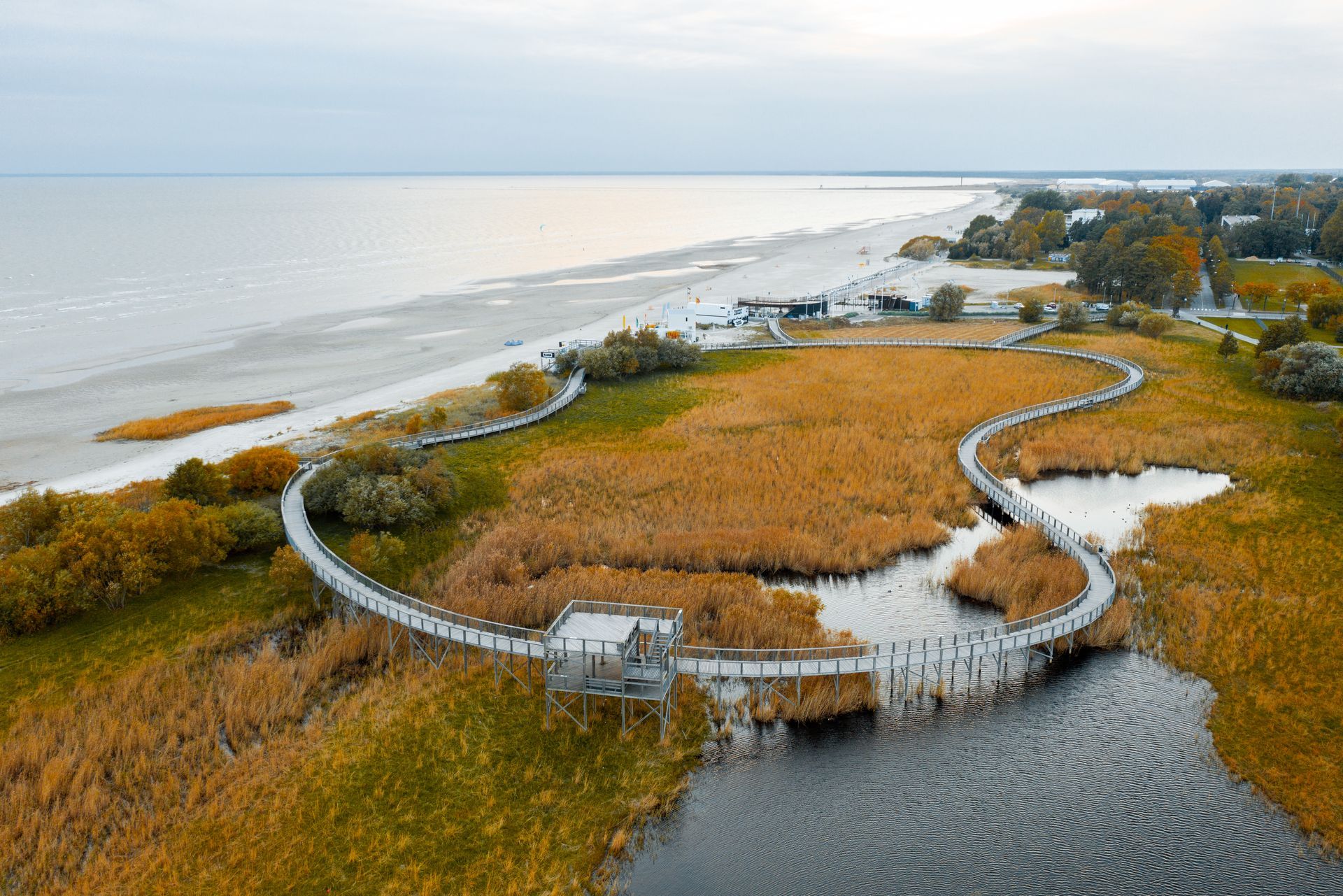
National Cycling Routes of Pärnumaa – Forest Trails, River Valleys and Coastal Roads of Western Estonia
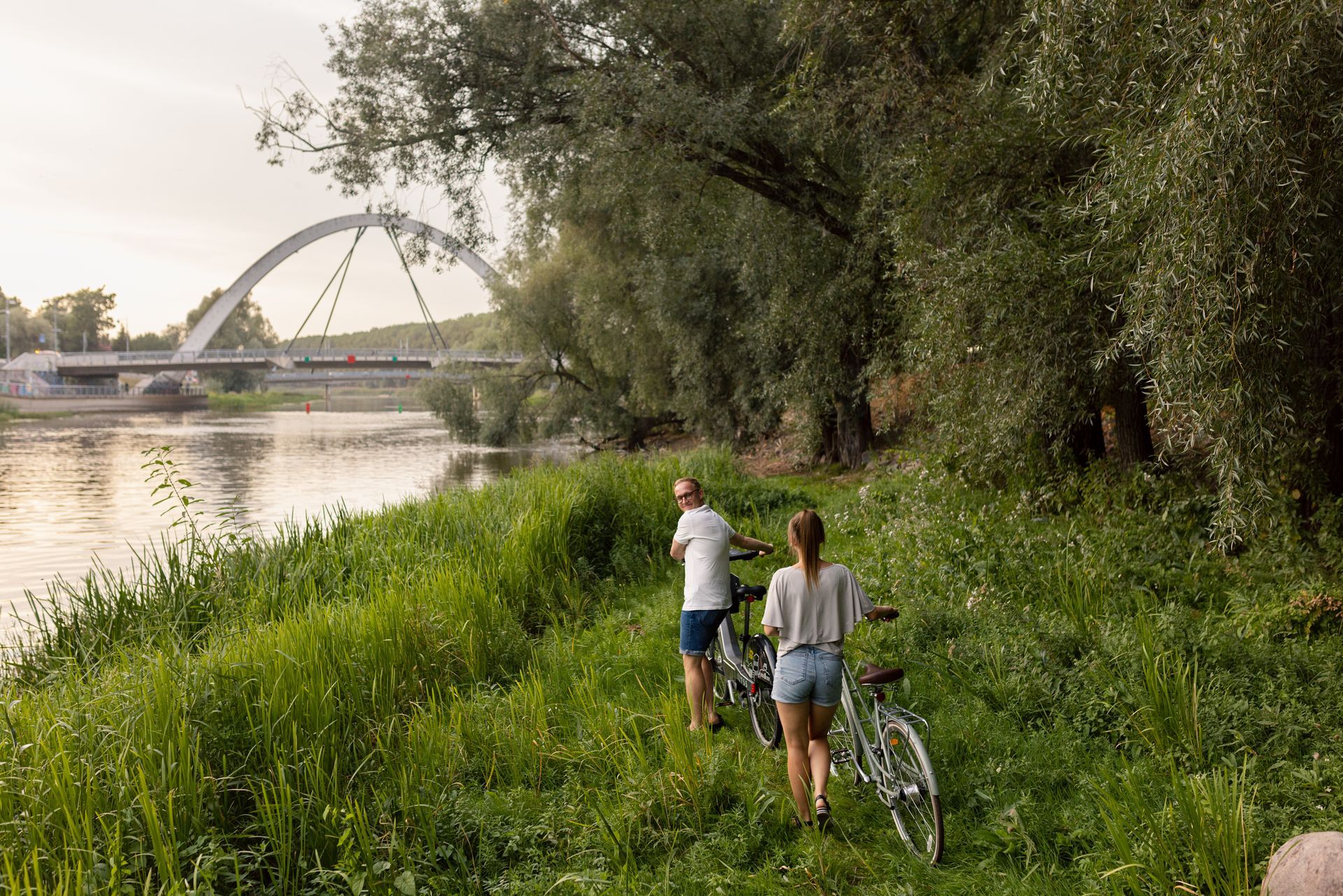
Best of National Cycling Routes in Tartu County & South-Eastern Estonia
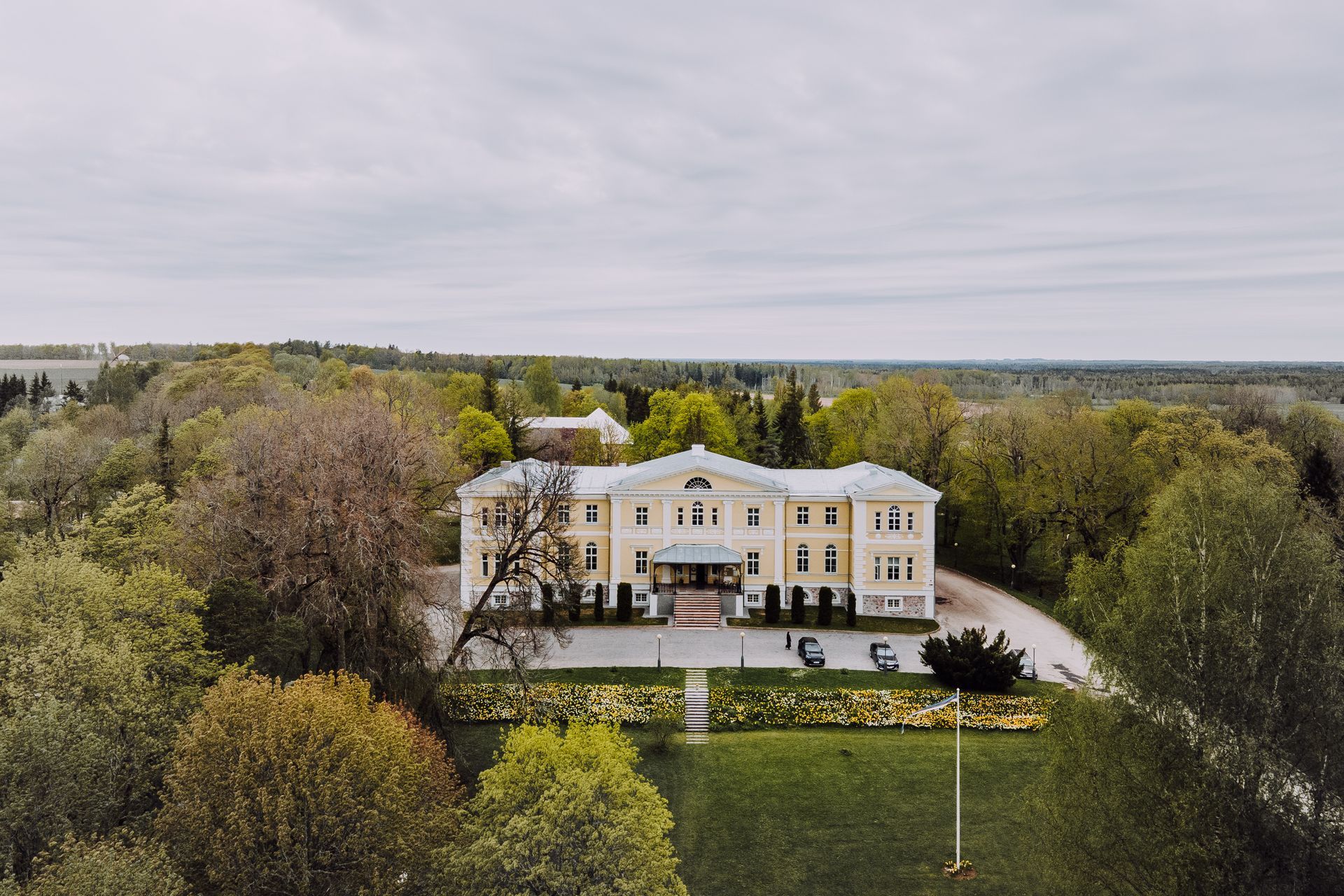
Best of National Cycling Routes in Jõgevamaa, Central & Eastern Estonia – Land of Lakes, Legends & Manors
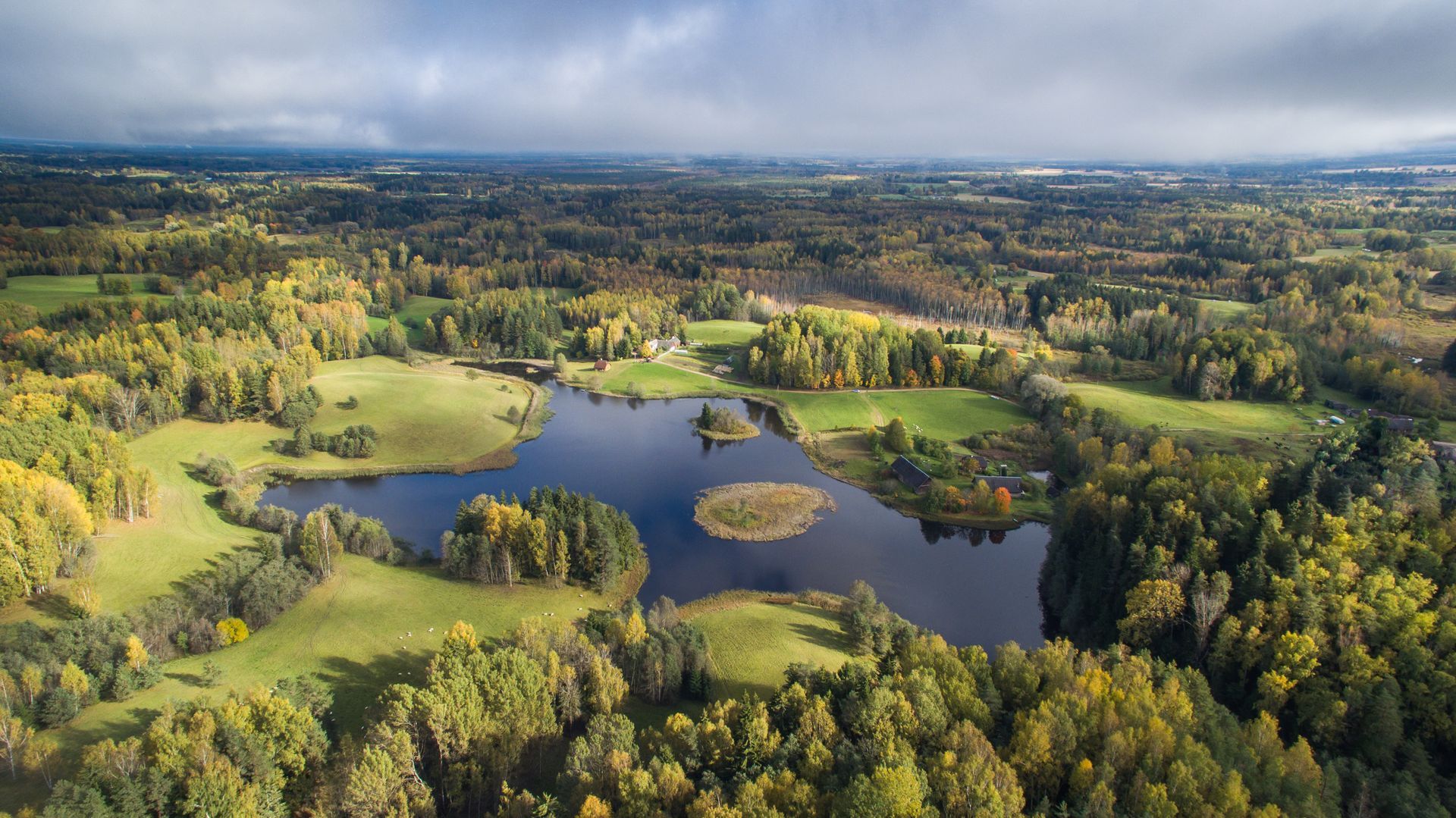
Eurovelo 11 - East Europe Route in Estonia
Eurovelo 10 - Baltic Sea Cycle Route in Estonia
Amber, urban streets and boardwalks – a foray through Latvia
Hiking in Latvia
Running Trails in Latvia
Other adventures in Latvia


Tips from the Community

The visitor magnet par excellence, the numerous Kratzfitis are impressive. The oldest I have seen date from the year 1842.
2
0

Geologically interesting 😇 Small caves and lots and lots of inscriptions 🙄
0
0

Hiking trail down into the forest. Past two small caves, one to the left of the path and one to the right. Small streams appear to emerge from the caves. Unfortunately, this is not explained further on the signs. Warning: when it is wet and snowy, the wooden steps down are very slippery.
3
0

Previously, one of the many bends of the River Gauja passed directly along the Spoguļu Cliffs, leaving visible traces in the rock face. Over the course of time, as the Gauja carved its way deeper into the valley, the waters of the river, seeking a more direct route to the sea, cut through the bend in the river at the narrowest point and continued flowing along the new bed. Both ends of the loop gradually silted up, forming a closed water-body. This is how all the oxbow lakes along the bank of Gauja were formed. The water supply in this former river channel is greatly supplemented and clarified by the springs flowing from the Spoguļu (Mirror) Cliffs, making the water clean and clear. The cliffs are reflected in the clear water as in a mirror, giving rise to the name. The 140 m long and up to 10 m high sandstone cliffs are remark- able natural sites in the River Gauja Valley. The cliffs face is stud- ded with small caves, crevices and hollows. Several major springs emerge at the base of the cliffs, where there is a former channel of the River Gauja. In the rock face, a few meters above ground level is the 3,8m long Trijstūra (Triangle) Cave - a niche adorning the cliff like a temptation out of reach. The Spoguļu Cliffs were exposed comparatively recently - only 4-8 thousand years ago, when the water of the River Gauja carved their way down until they finally exposed the sandstones wall, thus reveal- ing evidence of much earlier date - Devonian rock strata. The sandstone rock is about 350 million years old and developed as sand gradually accumulated on the seabed, at a time when the whole territory of Latvia was covered by the Devonian Sea. Look- ing carefully at the rock, the observant visitor will notice several bedding planes. For many years, the Cīrulīši Cliffs were frequented by the visitors, who unfortunately scraped their makes on the rock, as every- where else.
0
0
The age of the rock in the cave, as with the Spoguļu Cliffs exceeds 350 million years. However, the cave is not natural, but rather is in artificial egg-shaped hollow, connected with legends. It is said that in 1577 during the Livonian War, when Ivan the Terrible and the Tartars besieged Cēsis, a bridegroom hid with his bride in the cave, no far from Cēsis. However, the Tartars found the two fugitives and killed them. From their blood, the whole cave was colored in red, giving rise to the cave's other name, Red Cave.
0
0
Gauja sandstone outcrop in the ravine at the left bank of Vējupīte. The highest point in the ravine is 11.5 m (~34 ft). A small triangular cave has formed in the rock wall. The high vertical walls are covered with visitors' names, dates, and random drawings. A small triangle-shaped cave, about 5 meters deep has formed in the wall. There is an old story about Raven's ravine. In the old days, there was a very kind "vagars" - a supervisor of serfs. He treated the serfs with dignity and would even defend them in the face of a baron. For this reason, the barons could not stand him and threw him down in the ravine. So the man disappeared and people could not find him until they saw a flock of ravens flying over the ravine. Then they descended down and found the body of the poor man and ever since then this ravine has been called Raven's ravine.
0
0

Sandstone caves in which the city's residents store their autumn harvested vegetable supplies.
1
0
Sandstone caves in which the city's inhabitants stored their vegetable supplies harvested in the autumn.
1
0
Frequently Asked Questions
What kind of geological formations can I expect to see in Latvian caves?
Latvian caves are primarily formed in sandstone, often carved by rivers and underground springs. You'll find impressive sandstone cliffs and formations, such as those at Gutman's Cave and the Red Cliffs on the Vidzeme Stony Seashore. Some caves, like the Big X Cave, are erosional, formed by springs in fragile sandstone.
Which caves in Latvia are known for their historical significance or ancient inscriptions?
Gutman's Cave is considered Latvia's oldest tourist attraction, with inscriptions dating back to the 17th century. The Livic Sacrifice Caves are also notable for containing the first discovered Latvian petroglyphs and the oldest dated cliff inscriptions from 1642.
Are there any caves in Latvia associated with local legends or folklore?
Yes, many caves have rich folklore. Gutman's Cave is central to the tragic love story of the Rose of Turaida and is believed to have been an ancient cult location. Līgavas Cave (Red Cave) has a somber legend of a bride and groom hiding during the Livonian War. Liepa Big Ellite Cave and Mazsalaca Devil's Cave are also linked to ancient cult sites.
Are there any family-friendly caves to visit in Latvia?
Gutman's Cave is listed as family-friendly and offers an accessible experience with its impressive size and historical context. The surrounding Gauja National Park also provides additional activities suitable for families.
What are the longest caves in Latvia?
The Big X Cave (Lielā X ala) is the longest known cave in Latvia, measuring 346 meters. The Small X Cave (Mazā X ala) is also significant at 159 meters long. Both are located in the Valmiera district, Mazsalaca.
Can I visit ice caves in Latvia during winter?
Yes, during winter, Latvia's rivers and cliffs can form ephemeral ice caves. These natural formations, with their dazzling walls of ice and intricate sculptures, can be found along the Amata River, in the Līgatne area of Gauja National Park, at the base of Zvārtes Rock, and in rocky outcroppings near streams in Ķemeri National Park.
Which caves offer a unique experience beyond natural formations?
Līgatne Cave Cellars offer a unique experience, resembling small hobbit apartments carved into the mountain. These still serve as storage for wine and other goods, blending natural formation with practical historical use.
What outdoor activities can I do near caves in Latvia?
Many caves are located within scenic areas offering various outdoor activities. For instance, near Gutman's Cave, you can find road cycling routes like the 'Gūtmaņala Cave – Sigulda Lutheran Church loop'. There are also easy hikes in Latvia, such as the 'Amata Nature Trail – Gauja River loop', and waterfall hikes, including routes near 'Raven’s ravine & cave'. You can explore more options in the Road Cycling Routes in Latvia, Easy hikes in Latvia, and Waterfall hikes in Latvia guides.
Are there caves located directly on the coast in Latvia?
Yes, the Red Cliffs with Caves on Vidzeme Stony Seashore feature red rock formations and small caves directly on a bike path. This location offers a unique combination of coastal scenery and small cave exploration.
What is the significance of Peter's Cave?
Peter's Cave is a narrow gap in a red sandstone wall, known for a legend that a farmer named Peter hid there during the Polish-Swedish War. It's a smaller cave but holds local historical tales.
What do visitors typically enjoy about the caves in Latvia?
Visitors appreciate the blend of geological interest, natural beauty, and rich folklore. Many enjoy the historical inscriptions, the unique legends associated with sites like Gutman's Cave, and the scenic surroundings, especially in areas like Gauja National Park. The variety, from large sandstone caverns to seasonal ice caves, also adds to the appeal.
Are there any caves that are part of a larger ravine system?
Yes, Raven’s ravine & cave is an example of a cave located within a larger gorge system, offering a combination of cave exploration and ravine scenery.
Most popular routes in Latvia
Most popular attractions in Latvia

Get inspired with the komoot mobile app


Didn’t find what you were looking for?
Discover more caves in Latvia region by region:
Explore more
Extend your search for the best caves by checking out these guides of the top ones in Latvia:
