Top 16 Caves in Cuba
Best caves in Cuba are found across the island, which features extensive limestone geology. This geology has created a diverse array of underground systems, aquatic environments, and historical sites. Cuba's caves offer a range of experiences, from geological exploration to cultural discovery. The natural landscape provides numerous opportunities for caving and exploring unique formations.
Best caves in Cuba
- The most popular caves is Cueva de la Vaca, a cave that can be walked through to continue a tour on the other side of the Mogote. It is often included in rounds through the valley near Viñales.
- Another must-see spot is Beautiful stalactites in Cueva del Indio, a karst cave. Visitors can explore a section by motorboat through a dammed stream, with the path being concreted and electrically illuminated.
- Visitors also love Cueva de Santo Tomás, a cave. This site is known for its extensive network and geological formations.
- Cuba is known for its karst caves, underground rivers, and historical cave sites. Visitors can explore a variety of caves, including those with unique stalactite formations, archaeological significance, and even underground swimming opportunities.
- The caves in Cuba are appreciated by the komoot community, with 15 highlights featuring photos and 31 upvotes.
Last updated: October 12, 2026
Cueva de la Vaca
Highlight • Cave
Tip by

Beautiful stalactites in Cueva del Indio
Highlight • Cave
Translated by Google •
Tip by

Sign up now to discover places like this
Get recommendations on the best single tracks, peaks, & plenty of other exciting outdoor places.
Waterfall in Topes de Collantes Protected Area
Highlight • Waterfall
Translated by Google •
Tip by

Javira Waterfall
Highlight • Waterfall
Translated by Google •
Tip by

Cueva de Ambrosio
Highlight • Cave
Admission $3.
Translated by Google •
Tip by

La Cueva del Pirata Disco & Bar
Highlight • Pub
Translated by Google •
Tip by
Palenque de los Cimarrones Cave
Highlight • Cave
Translated by Google •
Tip by

Cueva de Santo Tomás
Highlight • Cave
Translated by Google •
Tip by

Cueva Saturno
Highlight • Cave
Translated by Google •
Tip by

Cueva de Santo Tomás
Highlight • Cave
Translated by Google •
Tip by

Sign up for free to discover even more caves in Cuba.
Already have an account?
Start today with a free account
Your next adventure awaits.
Tips from the Community

A short cave through the Mongotes, which is also home to bats.
2
0
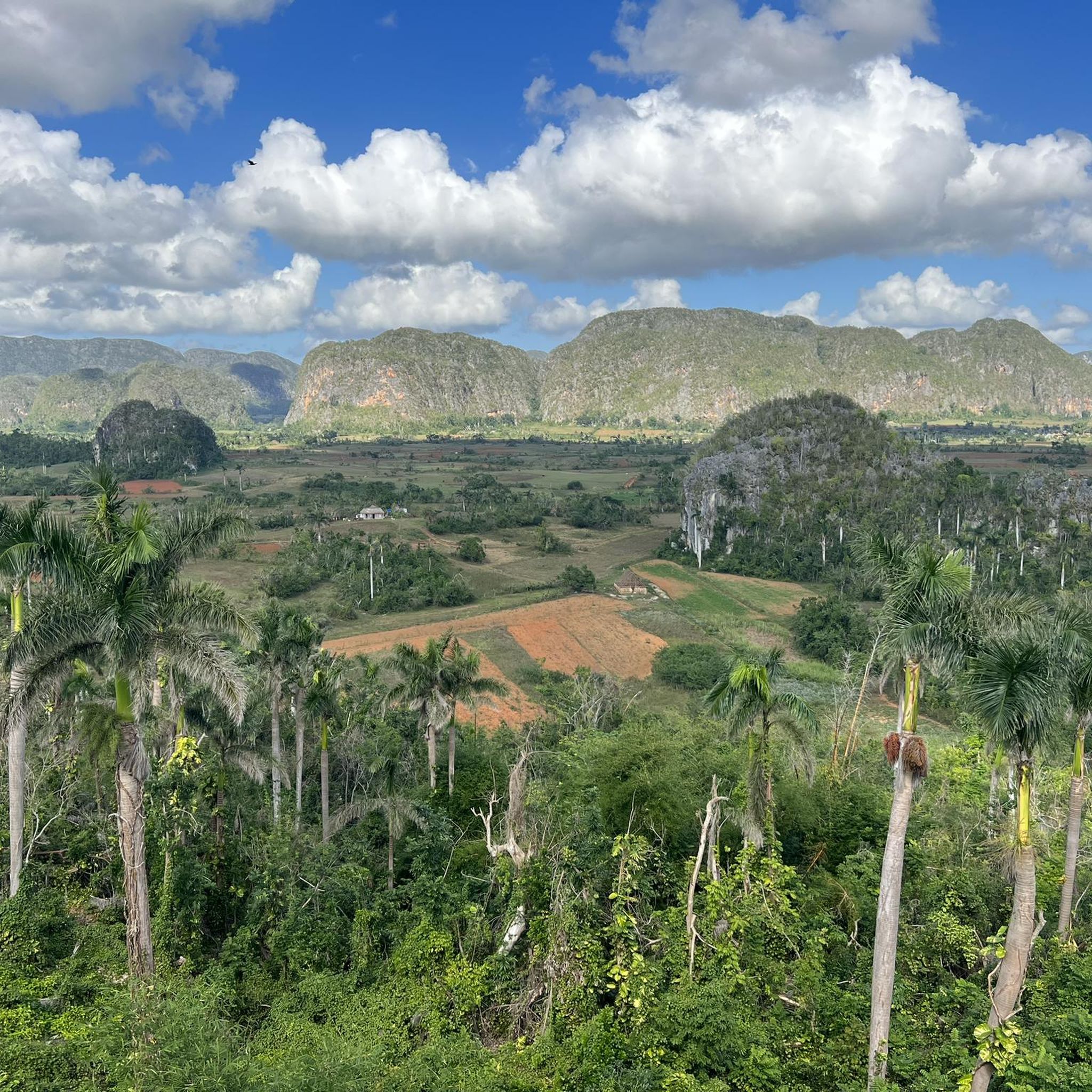
From the entrance of the cave you have a beautiful view of the valley
1
0
Attracted by local guides, this stone monitor lizard or dinosaur lies in wait for unsuspecting "fresh tourists," as the guides cheerfully call through the cave
1
0
The Cueva del Indio has beautiful limestone formations on the ceiling
1
0
Most of the travel in the Cueva del Indio is done by small boat. Unfortunately, this boat has a gasoline engine, which makes it extremely loud and fills the entire cave with a stink.
1
0
A park-like area adorns the entrance area of the cave, which also houses a café.
1
0
When hiking in the Vinales Valley in Cuba, you pass through the Cueva de la Vaca (cave), which is reached via a steep climb.
2
0
Huge caverns in the St. Tomas Cave near Vinales, Cuba.
0
0
Frequently Asked Questions
Which caves in Cuba are suitable for families or those seeking an easier experience?
For a family-friendly and accessible experience, Cueva del Indio in Viñales is an excellent choice. It features installed lighting, handrails, and flattened flooring, allowing visitors to explore a section by motorboat along the San Vicente River. The Palenque de los Cimarrones Cave is also noted as family-friendly.
What unique geological formations can I expect to see in Cuba's caves?
Cuba's caves are rich in diverse geological formations. You can find extraordinary stalactites and stalagmites in systems like Gran Caverna de Santo Tomás and Cuevas de Bellamar. Geda Cave is particularly known for its unique 'Geda Roses,' formations created by water dripping onto a false floor, alongside underground lakes and tunnels.
Are there any caves in Cuba with historical or archaeological significance?
Yes, several caves hold significant historical and archaeological value. Gran Caverna de Santo Tomás was a settlement for runaway slaves and features indigenous art. Cueva de Ambrosio in Varadero is an important archaeological site with 72 pre-Columbian rupestrian rock drawings, some over 2,000 years old. Cueva del Indio also contains archaeological evidence of indigenous civilizations.
Can I swim in any of the caves in Cuba?
Absolutely! Saturno Cave near Matanzas offers a refreshing underground swimming lake with clean, clear water and impressive geological formations. Cueva de los Peces, a cenote in the Bay of Pigs, is another unique aquatic caving experience, perfect for snorkeling and diving in its crystal-clear waters.
What kind of wildlife might I encounter in Cuban caves?
The most commonly encountered wildlife in Cuban caves are bats. For example, Cueva de Ambrosio is home to hundreds of fruit-eating bats. Some caves, like the Waterfall in Topes de Collantes Protected Area, also house bat colonies.
What are the difficulty levels for caving in Cuba?
The difficulty varies significantly. Some caves, like Cueva del Indio, are very accessible with paved paths and boat tours. Others, such as Gran Caverna de Santo Tomás, offer more adventurous guided tours that can be physically demanding, spanning multiple levels and requiring helmets and headlamps. Cueva de la Vaca involves a steep climb.
What outdoor activities can I do near the caves in Cuba?
Many caves are located in areas rich with outdoor activities. Near the Viñales Valley caves, you can find various cycling routes, including the 'Gran Caverna de Santo Tomás – Viñales Valley loop' for touring bicycles. There are also easy hiking trails, such as the 'Cueva de la Vaca – View of Viñales Valley loop.' For more options, explore the Cycling in Cuba or Easy hikes in Cuba guides.
Are there any caves in Cuba that offer a unique underground boat tour?
Yes, Cueva del Indio in Viñales is famous for its motorboat tour. Visitors can explore a section of the cave by boat along the San Vicente River, making it a distinctive and enjoyable experience.
Which cave is considered the largest in Cuba?
The Gran Caverna de Santo Tomás, located near Viñales, is considered the largest cave system in Cuba and the second largest in the Americas. It spans over 46 km across eight levels, offering extensive exploration opportunities.
What should I wear when visiting caves in Cuba?
For most cave tours, comfortable walking shoes with good grip are essential. Some caves, like Gran Caverna de Santo Tomás, provide helmets and headlamps. If you plan to swim in caves like Saturno Cave or Cueva de los Peces, bring swimwear and a towel. The temperature inside caves is generally cooler than outside, so a light jacket might be comfortable for longer tours.
Are there any caves in Cuba known for their pristine, untouched natural beauty?
Geda Cave, nestled in the 'Silent Valley' of the Viñales Valley, is recognized as one of Cuba's most beautiful and exceptionally well-preserved caves. It boasts pristine conditions, diverse geological formations, and paleontological significance, making it ideal for those interested in untouched natural cave environments.
Can I find food or drink options near the caves?
Some cave locations, particularly popular tourist spots, may have nearby cafes or restaurants. For instance, Cueva de Santo Tomás is listed with a cafe. In general, areas like Viñales, Matanzas, and Varadero, where many prominent caves are located, offer various dining options.
Most popular attractions in Cuba

Get inspired with the komoot mobile app


Didn’t find what you were looking for?
Discover more caves in Cuba region by region:
Explore more
Extend your search for the best caves by checking out these guides of the top ones in Cuba:
