Top 20 Lakes in Iceland
Lakes in Iceland are shaped by the island's volcanic and glacial forces. The country features a diverse range of bodies of water, from large natural lakes to glacial lagoons and volcanic crater lakes. These geological formations contribute to Iceland's distinct landscape. Many lakes are situated within national parks or active volcanic regions.
Best lakes in Iceland
- The most popular lakes is Fjallsárlón Glacial Lagoon, a natural_monument that features numerous ice floes. This smaller lagoon offers close-up views of ice…
Last updated: August 5, 2026
Thingvellir National Park
Highlight • Natural Monument
Translated by Google •
Tip by

Kerid Crater Lake
Highlight • Lake
Translated by Google •
Tip by

Sign up now to discover places like this
Get recommendations on the best single tracks, peaks, & plenty of other exciting outdoor places.
Sign up for free
Skútustaðagígar
Highlight • Natural Monument
The pseudocraters at Skutustadagigar, the Myvatn lake, are one of the most interesting geological features …
Showing Translation
Tip by
Jökulsárlón - Glacier Lagoon
Highlight • Lake
Translated by Google •
Tip by

Fjallsárlón Glacial Lagoon
Highlight • Lake
Translated by Google •
Tip by

Silfra Fissure
Highlight • Gorge
Translated by Google •
Tip by

Víti Crater Lake (Krafla)
Highlight • Lake
Translated by Google •
Tip by
Systrafoss - Waterfall
Highlight • Waterfall
Translated by Google •
Tip by
Sólheimajökull Glacier
Highlight • Natural
Sólheimajökull is an 11 km long outlet glacier that originates from the southwestern part of Mýrdalsjökull Glacier. Sólheimajökull has undergone large-scale changes over the last century, mainly due …
Tip by

Lake Mývatn
Highlight • Lake
Translated by Google •
Tip by

Sign up for free to discover even more lakes in Iceland.
Sign up for free
Already have an account?
Start today with a free account
Your next adventure awaits.
Login or Signup
Popular around Iceland
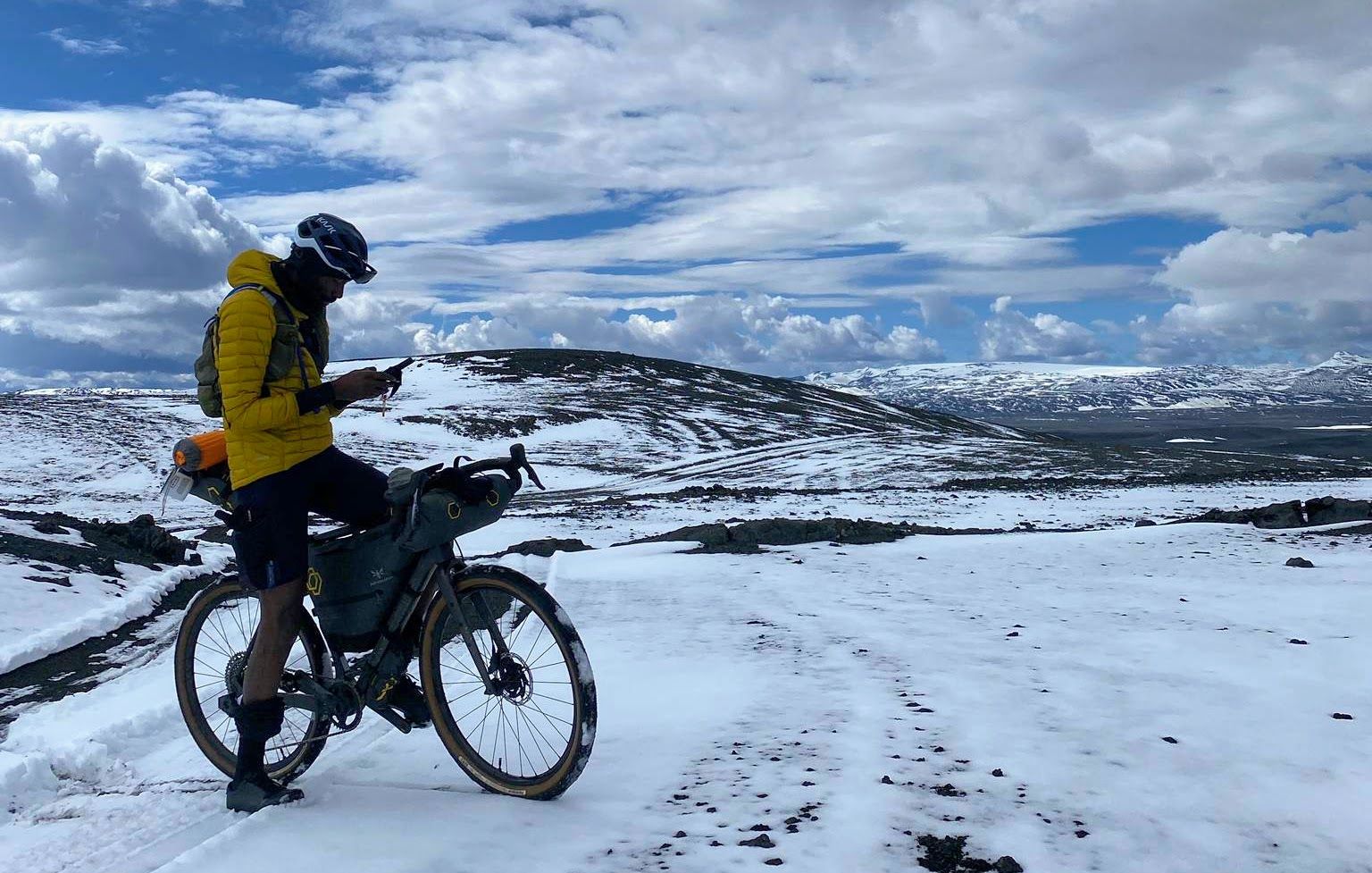
Iceland Divide – Lava fields, icy glaciers and river crossings
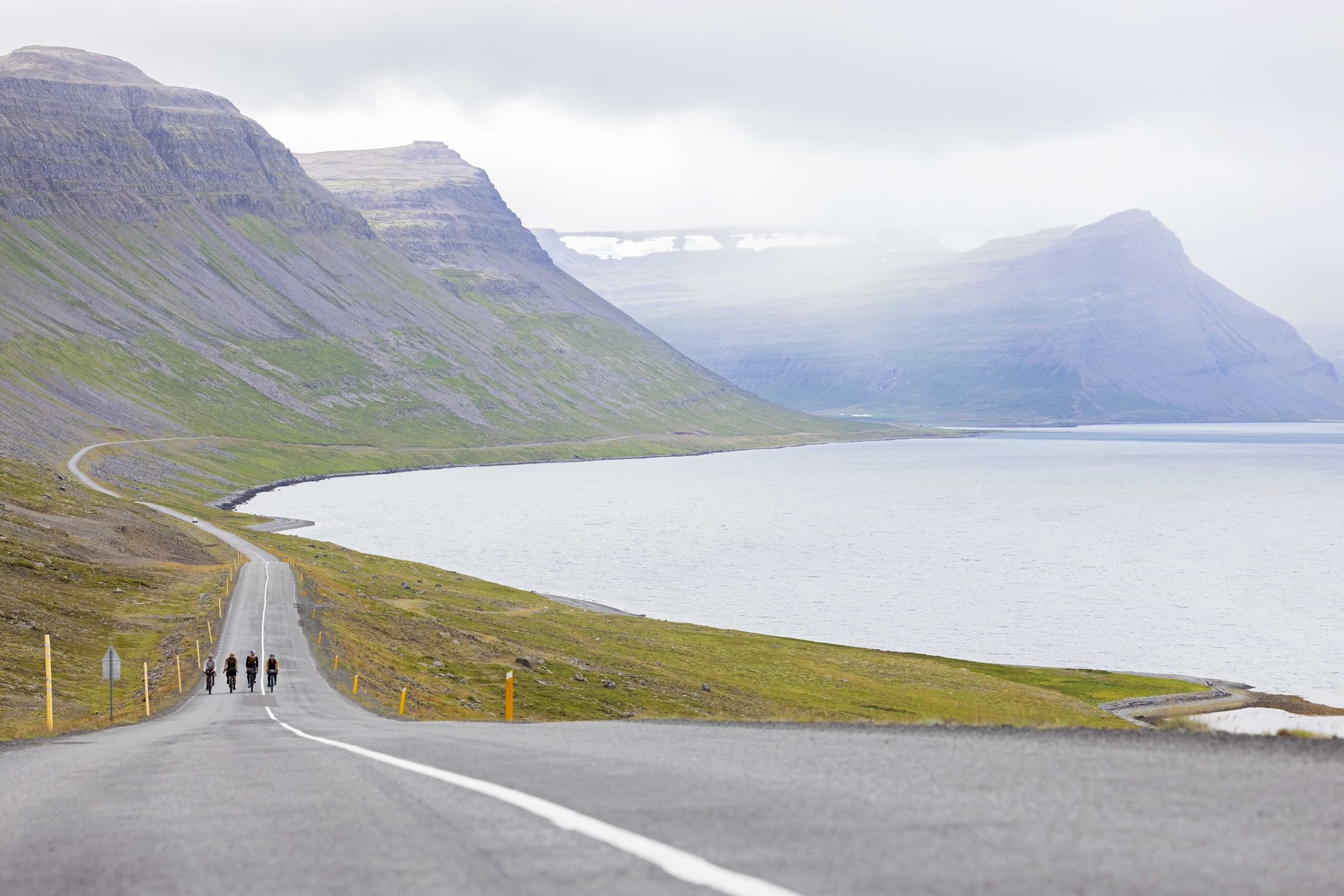
The Westfjords Way — Bikepacking Iceland's most remote coastline
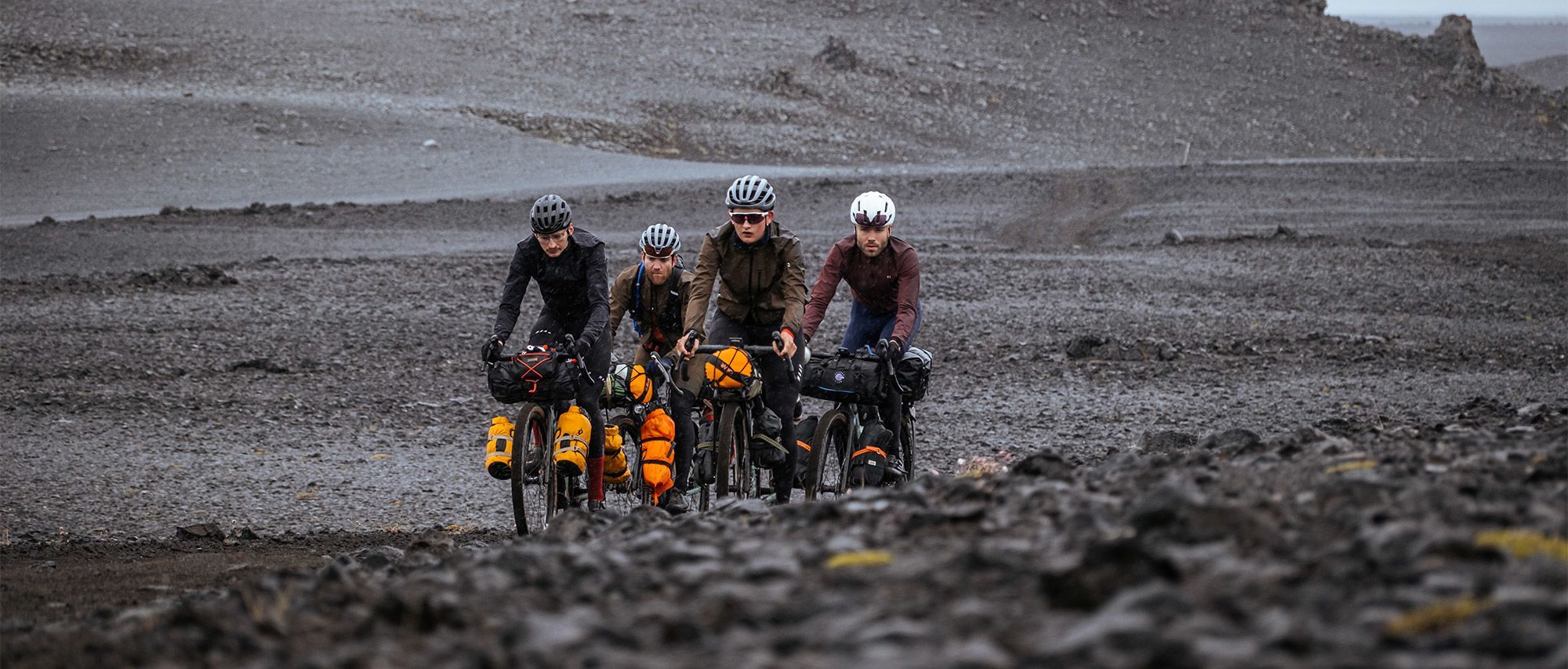
Iceland Divide — Ride Beyond Crew: between fire and ice
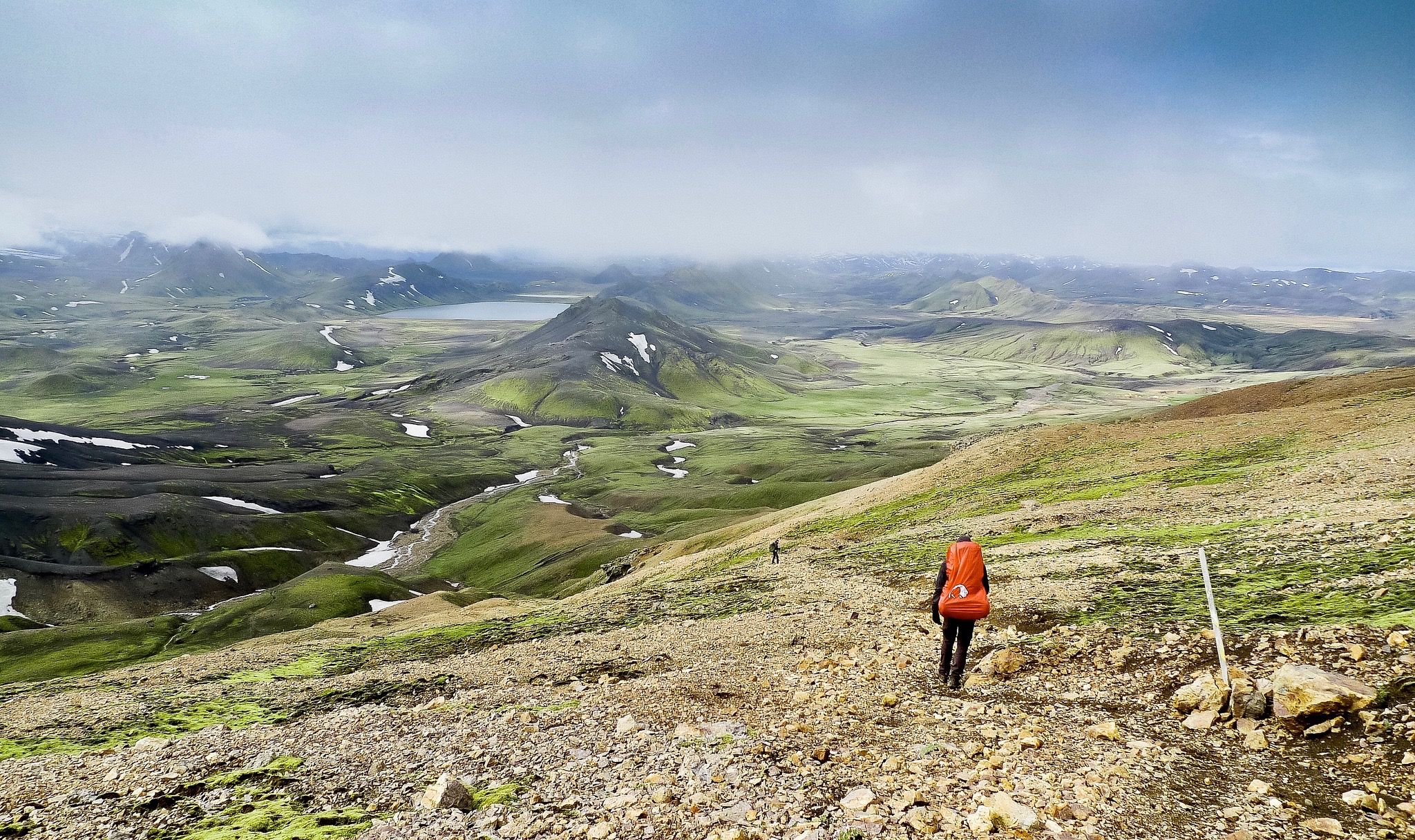
Laugavegur — 6 days trekking through Iceland
Glamping Adventures on Foot
Solitude in the saddle – Iceland Divide
Icelandic Highlands – Kjölur and the northwest fjords
Gravel: Islands Westfjorde
Holy mountains and their stories
Hiking in Iceland
Other adventures in Iceland


Tips from the Community

It's really busy with groups of people snorkeling in unison - it spoils the otherwise beautiful view of the crystal-clear water a bit, but it's entertaining.
1
0
An incredibly beautiful place with so many icebergs in the lagoon—it's a bit surprising how the boat tours ever manage to make it here. The view up to the steep glacier tongue is simply impressive. And the whole thing is also much quieter than the larger lagoons in the area.
3
0

In addition to the large glacier lagoon Jökulsárlón, Fjallsarlon is also worth a visit.
1
0

It is one of the few paths we have found so far that is similar to those found in the Alpine region or low mountain ranges.
1
0

It's a fantastic feeling to be on the edge of Europe's largest glacier.
3
0
A fantastic feeling with a view of Europe's largest glacier.
4
0

In June 2024, the Systrafoss will be virtually dry. But the walk is a winner.
10
0
Vegetation prevents a good view of the waterfall.
9
0
Frequently Asked Questions
What makes Iceland's lakes unique?
Iceland's lakes are primarily shaped by the island's volcanic and glacial forces. Many are situated on tectonic plate boundaries, within volcanic craters, or are glacial lagoons, offering diverse and dramatic landscapes. The water in some, like Þingvallavatn, is exceptionally pure and clear due to underground springs.
Are there historical sites near Iceland's lakes?
Yes, Thingvellir National Park, home to Þingvallavatn (Iceland's largest natural lake), is a site of immense historical significance. It was the original meeting place of the Alþingi, Iceland's ancient parliament, founded over a thousand years ago. You can explore walking trails and observe rift valleys where tectonic plates pull apart.
Which lakes are particularly family-friendly?
Several lakes offer family-friendly experiences. Jökulsárlón - Glacier Lagoon and Fjallsárlón Glacial Lagoon are great for viewing icebergs. Kerid Crater Lake is easily accessible, and Skútustaðagígar (Skútustaðir Pseudocraters) near Lake Mývatn offers unique geological formations that are fun to explore for all ages.
Can I go hiking around Iceland's lakes?
Absolutely. Many lakes offer excellent hiking opportunities. For example, you can walk around Víti Crater Lake (Krafla), observing its colors and the volcanic landscape. The area around Lake Mývatn also features hiking trails to formations like Dimmuborgir and the Hverfjall volcanic crater. For more hiking options, explore the Hiking in Iceland guide.
What kind of wildlife can I see around Iceland's lakes?
Lake Mývatn in northern Iceland is a significant hotspot for birdlife, attracting numerous species during the summer, making it a paradise for birdwatchers. Other lakes may also host various bird species and aquatic life, such as the unique Arctic char found in Þingvallavatn.
Are there any unique geological formations to explore near the lakes?
Yes, Iceland's lakes are often surrounded by extraordinary geology. At Þingvallavatn, you can observe rift valleys where the North American and Eurasian tectonic plates pull apart, and even snorkel or dive in the Silfra Fissure. Near Lake Mývatn, explore the lava fields, pseudo-craters like Skútustaðagígar, and volcanic caves of Dimmuborgir.
What is the best time of year to visit Iceland's lakes?
The summer months (June to August) generally offer the mildest weather and longest daylight hours, making them ideal for exploring the lakes and surrounding areas. This is also the best time for birdwatching at places like Lake Mývatn. However, winter offers a different, often dramatic, experience with snow and ice, and the chance to see the Northern Lights.
Where can I see glaciers and icebergs?
For stunning views of glaciers and icebergs, visit Jökulsárlón - Glacier Lagoon in southeastern Iceland. Here, enormous icebergs break off the Breiðamerkurjökull glacier and float in the lagoon. The nearby Diamond Beach, with its black sand and shimmering ice pieces, is also a must-see. Fjallsárlón Glacial Lagoon offers a similar, often less crowded, experience.
Are there any lakes within volcanic craters?
Yes, Iceland features several impressive crater lakes. Kerid Crater Lake is a striking example with vibrant blue-green water contrasting with red volcanic rock, often included on the Golden Circle route. Víti Crater Lake (Krafla) is another notable lake within a volcanic caldera, offering fascinating colors and panoramic views.
Can I swim or dive in any of Iceland's lakes?
While many lakes are cold, the Silfra Fissure in Þingvallavatn offers a unique opportunity for snorkeling and diving between the North American and Eurasian tectonic plates. The water here is exceptionally clear, providing visibility of over 100 meters.
Are there any lakes known for local legends?
Yes, Lagarfljót in eastern Iceland is known for the mythical creature, the Lagarfljót Worm. This adds a touch of mystery and local folklore to the tranquil waters of the lake, which is surrounded by forests.
What do visitors enjoy most about Iceland's lakes?
Visitors frequently praise the breathtaking natural beauty and unique geological features. The ever-changing ice formations at Jökulsárlón - Glacier Lagoon, the vibrant colors of Kerid Crater Lake, and the historical significance of Thingvellir National Park are often highlighted. The opportunity to witness tectonic plates separating and the otherworldly landscapes around Lake Mývatn also leave a lasting impression.
Most popular routes in Iceland
Most popular attractions in Iceland

Get inspired with the komoot mobile app


Didn’t find what you were looking for?
Find the best lakes in Iceland per region:
Explore more
Still not found your perfect lake in Iceland? Check out the guides of these regions to see even more beautiful places.
