Top 6 Caves around Kaiserstuhl
Best caves around Kaiserstuhl include unique geological formations such as loess caves and hollow ways. The Kaiserstuhl region is characterized by thick loess deposits, which are fine sediments up to 40 meters deep, formed during glacial periods. These formations offer insights into the region's past climatic conditions and create distinctive microclimates. The area provides a unique hiking experience through ancient paths carved into the soft loess.
Best caves around Kaiserstuhl
- The most popular caves is Erdmannliloch Cave and Hohfluh Cave…
Last updated: June 26, 2026
Erdmannliloch
Highlight • Cave
Translated by Google •
Tip by

Heidenstube
Highlight • Cave
Translated by Google •
Tip by

Sign up now to discover places like this
Get recommendations on the best single tracks, peaks, & plenty of other exciting outdoor places.
Sign up for free
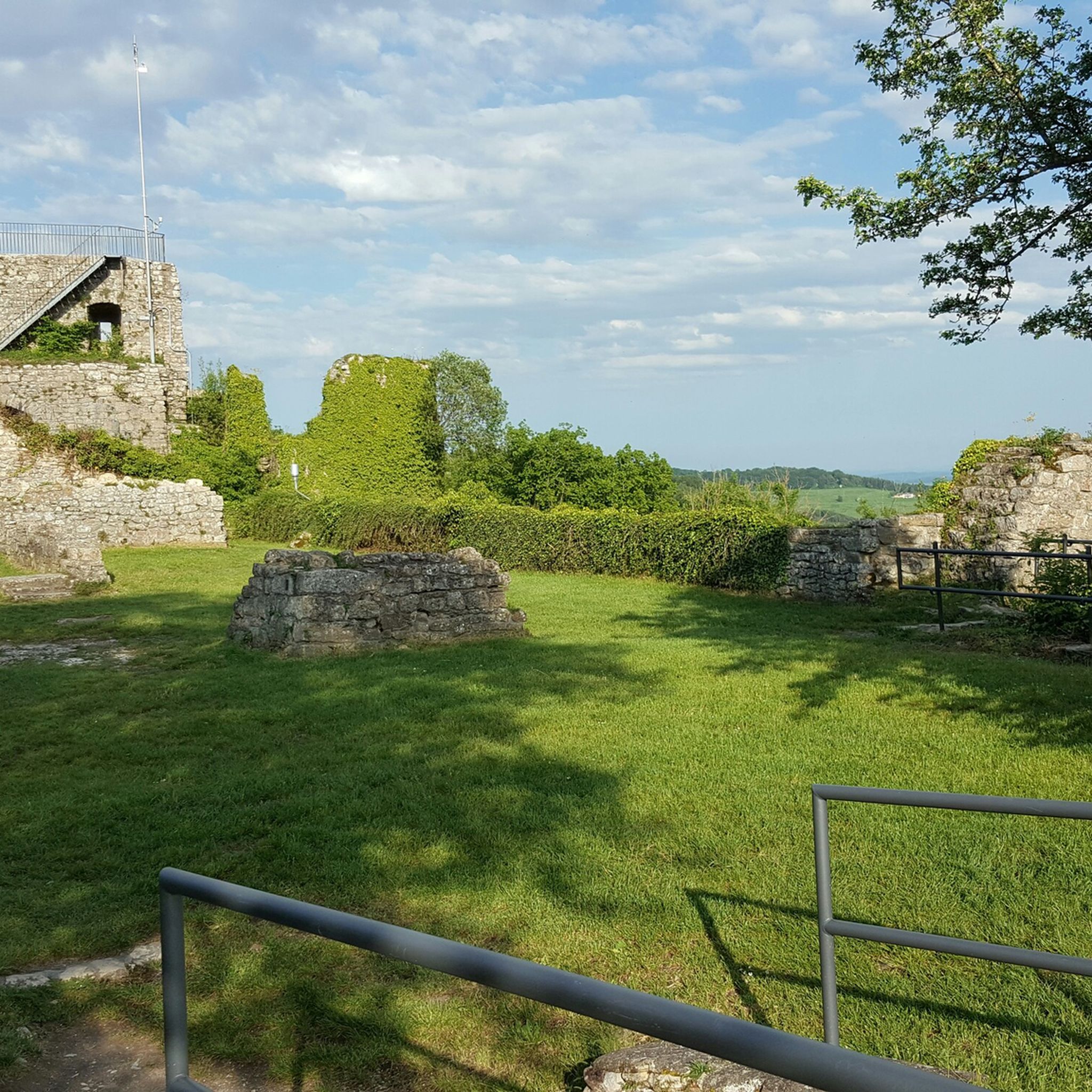
Erdmannliloch Cave and Hohfluh Cave Castle
Highlight • Cave
Because the remains of the wall come from the Grottenburg Hohfluh, which is the only known cave castle in the canton of Zurich.
Translated by Google •
Tip by

Bohnerzstollen Entrance
Highlight • Cave
Translated by Google •
Tip by
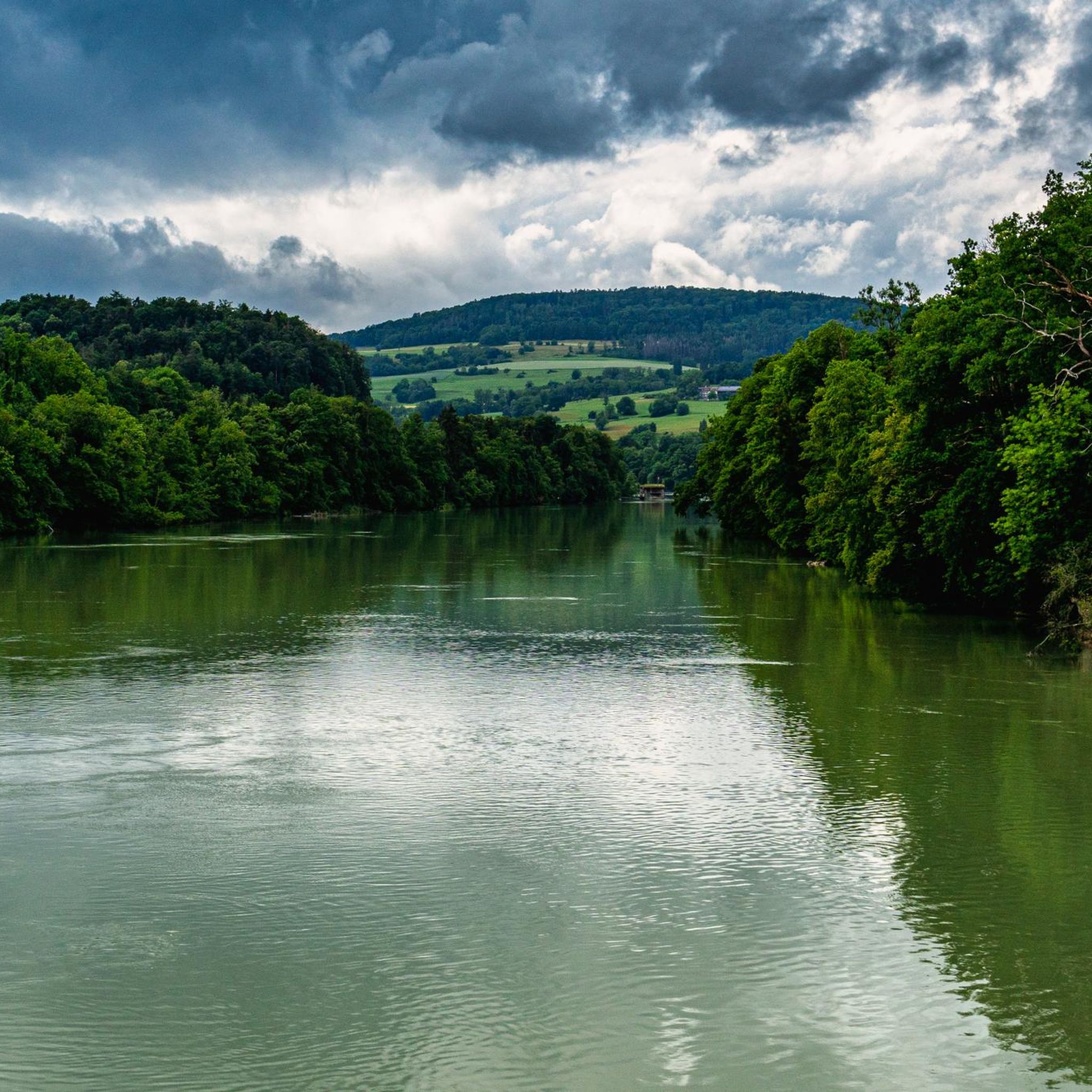
Paradiesgärtli and Heidenhöhle Picnic Area with View of the Rhine
Highlight • Viewpoint
Translated by Google •
Tip by
Sign up for free to discover even more caves around Kaiserstuhl.
Sign up for free
Already have an account?
Start today with a free account
Your next adventure awaits.
Login or Signup

Tips from the Community

A visit to the Erdmanndliloch is a MUST for bikers.
0
2
Arriving at the foot of the Erdmanndliloch is already exhausting enough, climbing the Erdmanndliloch with your biker boots is also a breathtaking effort. Once you've done it😃😀😃
1
1
Without many words, the Erdmandli Loch is unique, in an impressive mystical nature
1
1

Really really super beautiful
0
3

The Grottenburg Hohfluh, also Balmburg Hohfluh, on the map of Switzerland as Erdmännliloch, also Erdmannliloch, is the ruin of a medieval cave castle near Bachs in the canton of Zurich. It is the only known cave castle in the canton of Zurich (Wikipedia),
4
0

The Erdmannliloch can be reached by a steep climb through the Hohflue Forest.
3
0

The Erdmannliloch in the Bachsertal is not just a small cave in an impressive Nagelfluhwand. Because the remains of the wall come from the Grottenburg Hohfluh, which is the only known cave castle in the canton of Zurich.
4
0
The two Nagelfluh caves, one high and a little low, the other low and low, can be easily reached by stairs. The story behind it is described on a plaque above.
2
0
Frequently Asked Questions
What kind of "caves" can I expect to find in the Kaiserstuhl region?
The Kaiserstuhl region is unique for its "loess caves" and "hollow ways" rather than traditional natural caves. These features are carved into thick loess deposits, which are fine sediments up to 40 meters deep. Hollow ways are ancient paths eroded into deep channels, creating a tunnel-like experience, while loess caves are typically smaller, excavated spaces within these formations. They are significant for their geological, ecological, and historical value.
Are there any traditional cave-like historical sites to explore near Kaiserstuhl?
Yes, near Kaiserstuhl, you can explore historical cave sites. For instance, Erdmannliloch is a Nagelfluh cave believed to have been a grotto castle in the Middle Ages, surrounded by numerous legends. Another notable site is Erdmannliloch Cave and Hohfluh Cave Castle, which features the remains of the only known cave castle in the canton of Zurich, accessible via a steep climb.
What makes hiking through the hollow ways in Kaiserstuhl special?
Hiking through the hollow ways offers a distinctive experience as you are enveloped by high loess walls, providing a sense of immersion in the landscape. These ancient routes have been used for centuries and create unique microclimates that support specific plants and animals, including heat-loving species like emerald lizards and mantises. Many are part of themed hiking trails.
Are there family-friendly options for exploring the caves and geological features in Kaiserstuhl?
Yes, many of the hollow ways and loess formations are accessible and suitable for families, offering unique hiking experiences. Additionally, the Paradiesgärtli and Heidenhöhle Picnic Area with View of the Rhine is a family-friendly viewpoint and rest area that includes a cave, making it a good spot for a relaxed outing.
What kind of historical insights can I gain from visiting these sites?
The hollow ways offer a glimpse into the historical pathways of the region, used for centuries to connect villages and vineyards. Sites like Erdmannliloch and Erdmannliloch Cave and Hohfluh Cave Castle are significant historical sites, with legends and evidence suggesting their use as grotto castles in the Middle Ages. Bohnerzstollen Entrance also tells an interesting story about its past, though entry to its tunnels is prohibited.
What are the geological highlights of the Kaiserstuhl region?
The Kaiserstuhl region is geologically significant due to its extensive loess deposits, which can reach depths of up to 40 meters. These deposits provide insights into past climatic conditions. The underlying Kaiserstuhl volcano is also recognized for its unusual variety of rocks and minerals. The loess caves and hollow ways are direct results of these unique geological formations.
What outdoor activities can I do near the caves and geological features of Kaiserstuhl?
The Kaiserstuhl region offers a variety of outdoor activities. You can find numerous hiking trails that lead through the hollow ways and past other geological formations. For more extensive adventures, explore options like those found in the Hiking around Kaiserstuhl guide. There are also MTB Trails around Kaiserstuhl and Cycling around Kaiserstuhl guides for other sports.
Are there specific hiking trails that incorporate the loess caves and hollow ways?
Yes, the unique hollow ways are often integrated into themed hiking trails throughout the Kaiserstuhl region. These trails allow you to experience the distinctive tunnel-like paths and observe the special flora and fauna of these microclimates. Many routes in the Hiking around Kaiserstuhl guide will lead you through these fascinating landscapes.
What is the best season to visit the Kaiserstuhl caves and hollow ways?
The loess caves and hollow ways can be visited year-round, but spring and autumn are particularly pleasant for hiking, with mild temperatures and vibrant natural colors. Summer offers lush greenery, while winter can provide a different, serene atmosphere, though some paths might be muddy or icy. The unique microclimates within the hollow ways offer shelter in various conditions.
What should I wear when visiting the Kaiserstuhl caves and hollow ways?
For exploring the loess caves and hollow ways, comfortable hiking shoes with good grip are recommended, as paths can be uneven or muddy, especially after rain. Layered clothing is advisable to adapt to changing weather conditions, and a light jacket might be useful even in warmer months due to the sheltered microclimates. For traditional cave sites like Erdmannliloch, be prepared for steep climbs.
Are dogs allowed on the trails around the Kaiserstuhl caves and hollow ways?
Many hiking trails in the Kaiserstuhl region, including those through the hollow ways, are dog-friendly. However, it's always best to keep dogs on a leash to protect the local wildlife and ensure their safety, especially in areas with unique ecosystems or steep sections. Specific rules might apply to individual historical cave sites, so check local signage.
What do visitors enjoy most about the caves and geological features around Kaiserstuhl?
Visitors frequently appreciate the unique hiking experience through the hollow ways, the geological significance of the loess formations, and the rich historical context of sites like Erdmannliloch. The distinctive microclimates and the chance to observe rare plants and animals also add to the appeal. The community has shared over 100 photos and given more than 45 upvotes for these attractions.
Most popular routes around Kaiserstuhl
Most popular attractions around Kaiserstuhl

Get inspired with the komoot mobile app


Explore more
Extend your search for the best caves by checking out these guides of the top ones around Kaiserstuhl:
