Top 7 Caves around Steinberg am Rofan
Best caves around Steinberg am Rofan are found within a region characterized by its mountainous landscape and historical significance. The area offers a variety of natural features, including rock formations and grottoes, often integrated into local cultural sites. These natural formations provide opportunities for exploration and offer insights into the geological and historical aspects of the Rofan mountains.
Best caves around Steinberg am Rofan
- The most popular caves is Grotto With Stone Carving of a Saint, a cave that…
Last updated: July 9, 2026
Parish Church of St. Virgil and St. Catherine, Rattenberg
Highlight • Religious Site
Translated by Google •
Tip by

Rhaetian Inscriptions Cave (Inschrifthöhle)
Highlight • Cave
Translated by Google •
Tip by

Sign up now to discover places like this
Get recommendations on the best single tracks, peaks, & plenty of other exciting outdoor places.
Sign up for free
Cave Entrance
Highlight • Cave
Translated by Google •
Tip by

Caves on the high plateau in front of the Guffert
Highlight • Cave
Translated by Google •
Tip by

Cave Near Seekarspitze
Highlight • Cave
Translated by Google •
Tip by

Sign up for free to discover even more caves around Steinberg am Rofan.
Sign up for free
Already have an account?
Start today with a free account
Your next adventure awaits.
Login or Signup
Popular around Steinberg am Rofan
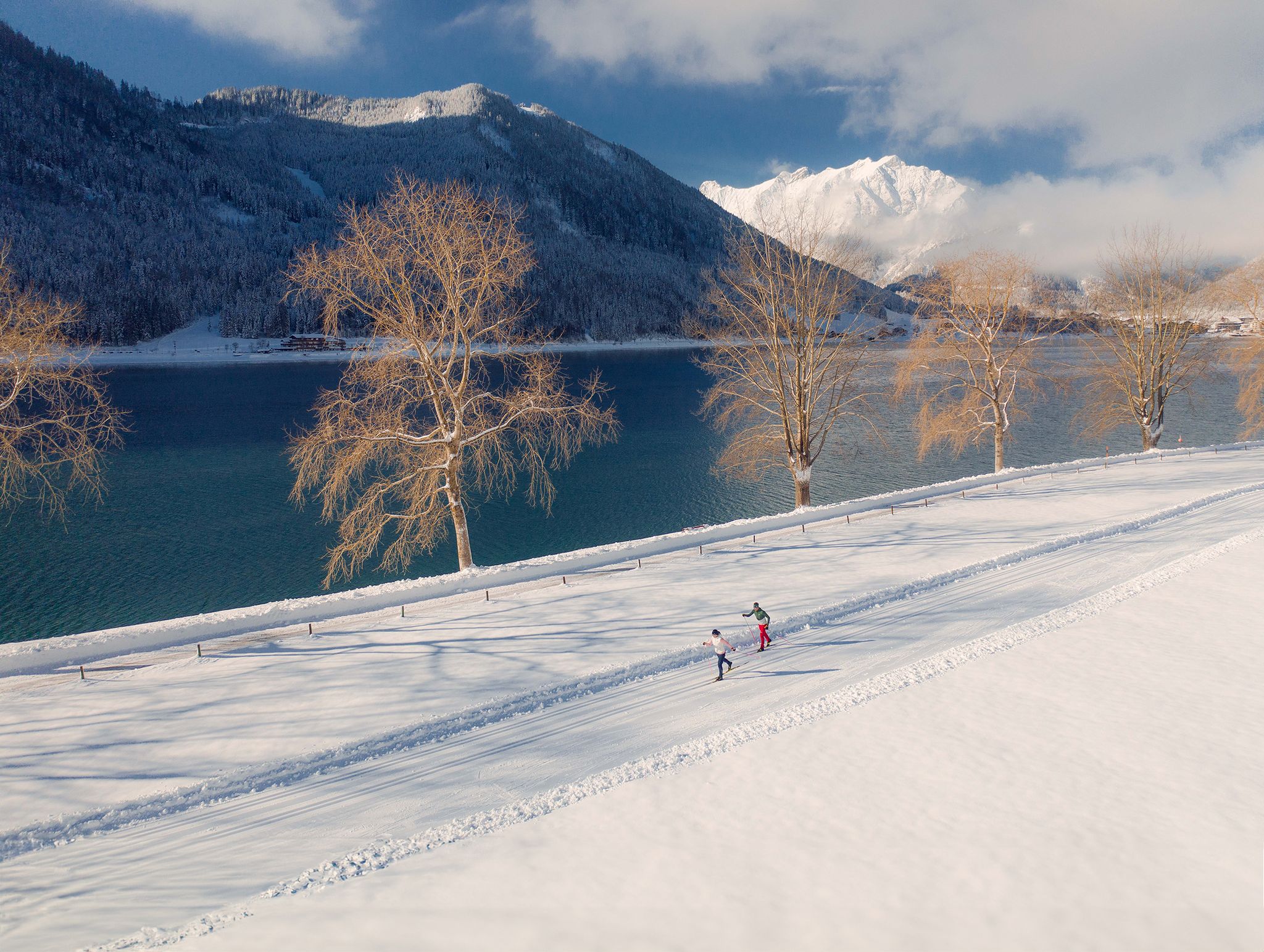
Winter magic at Lake Achen in Austria – a paradise for cross-country skiers
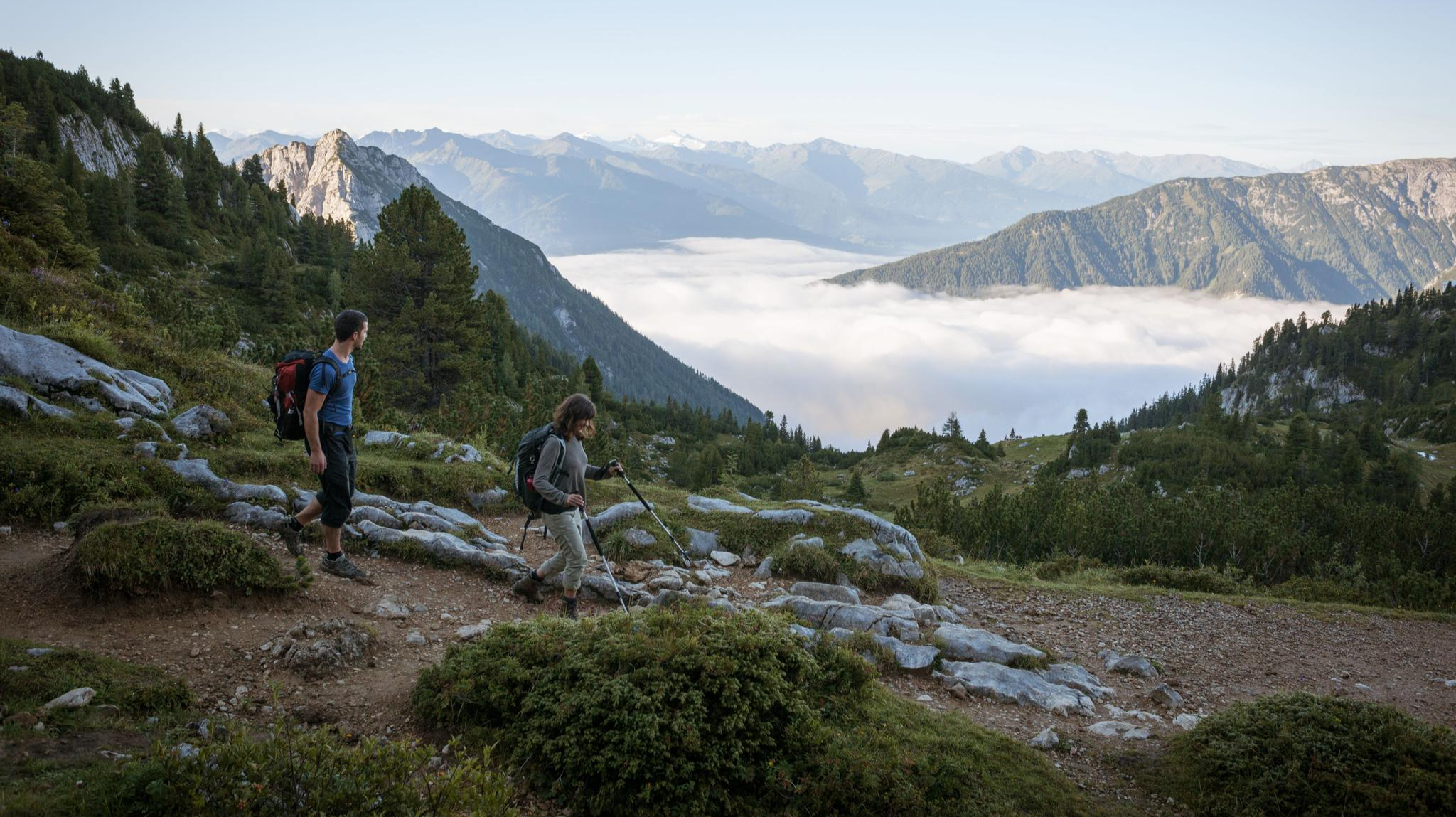
Eagle Walk – Majestic hiking along Tirol's trail
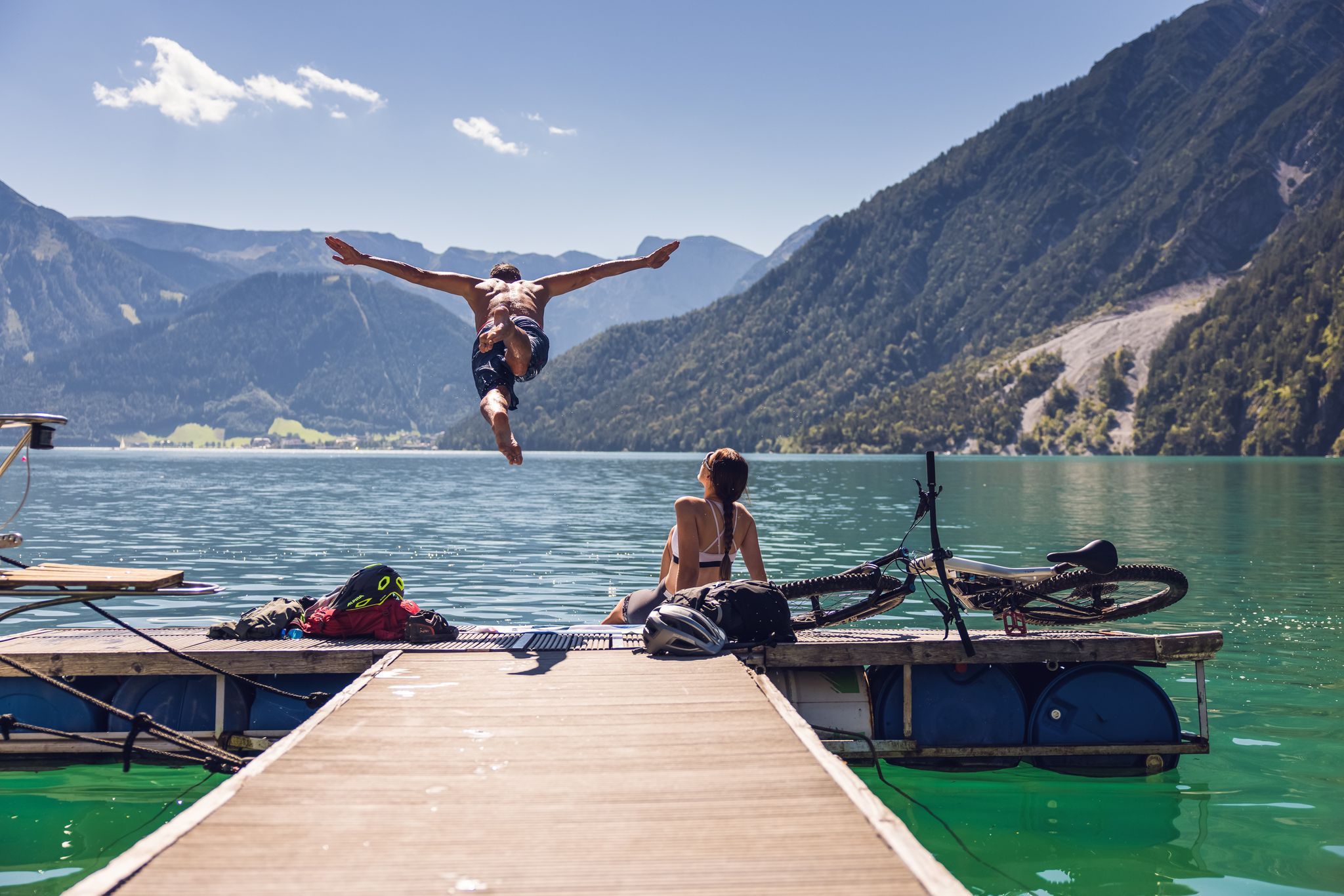
Between the Karwendel and Rofan peaks – MTB at Lake Achensee
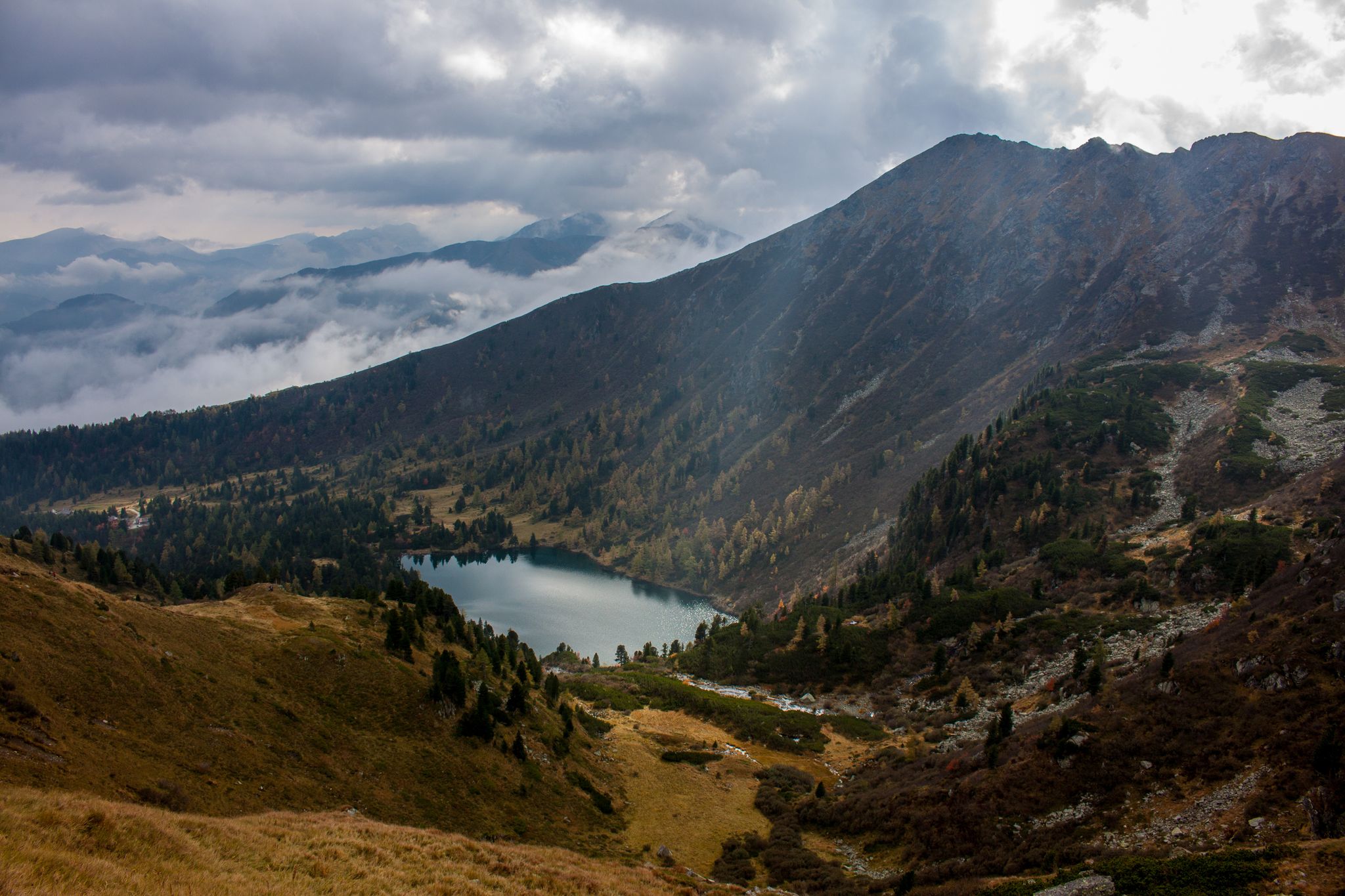
Berge mit unglaublichen Namen
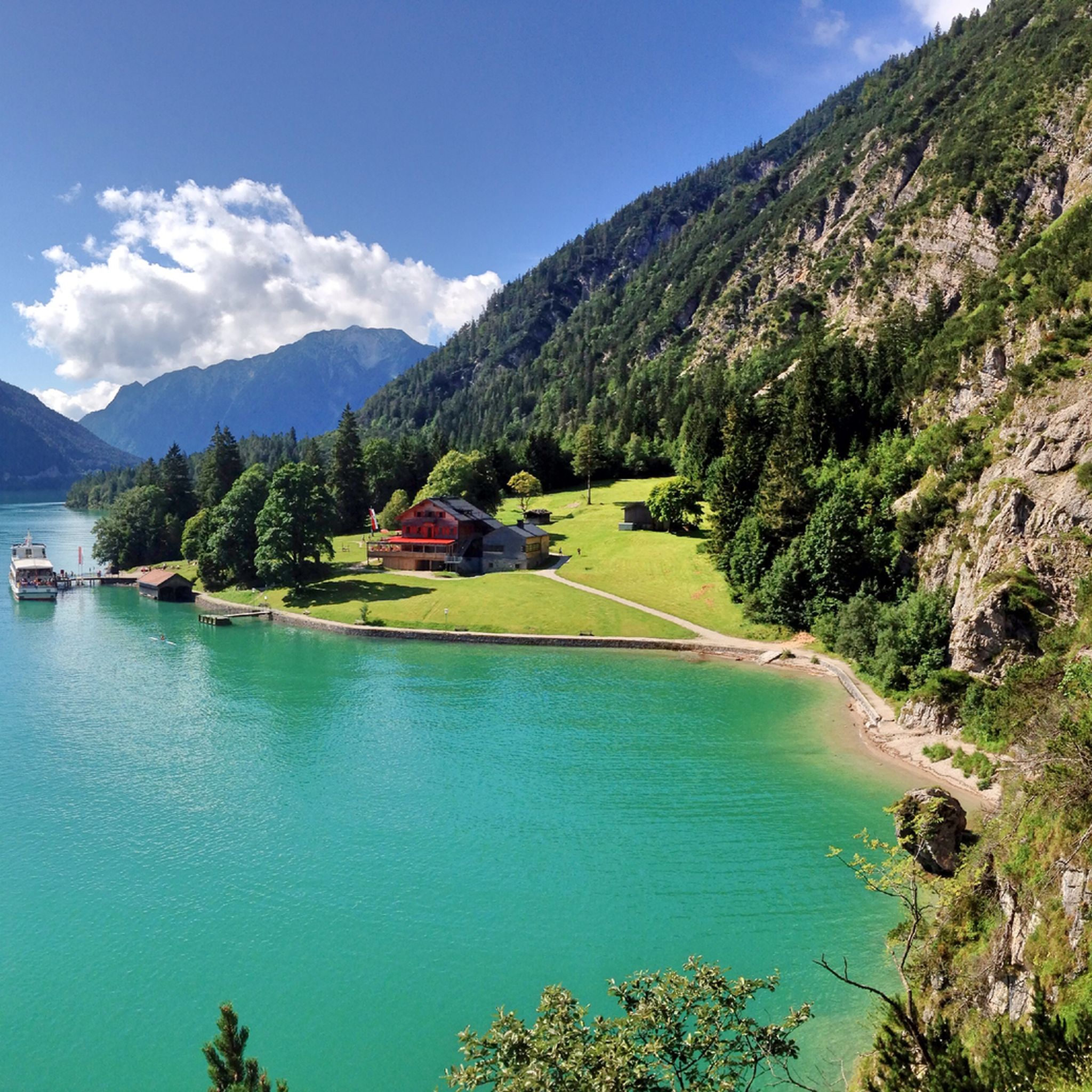
Hiking around Steinberg am Rofan
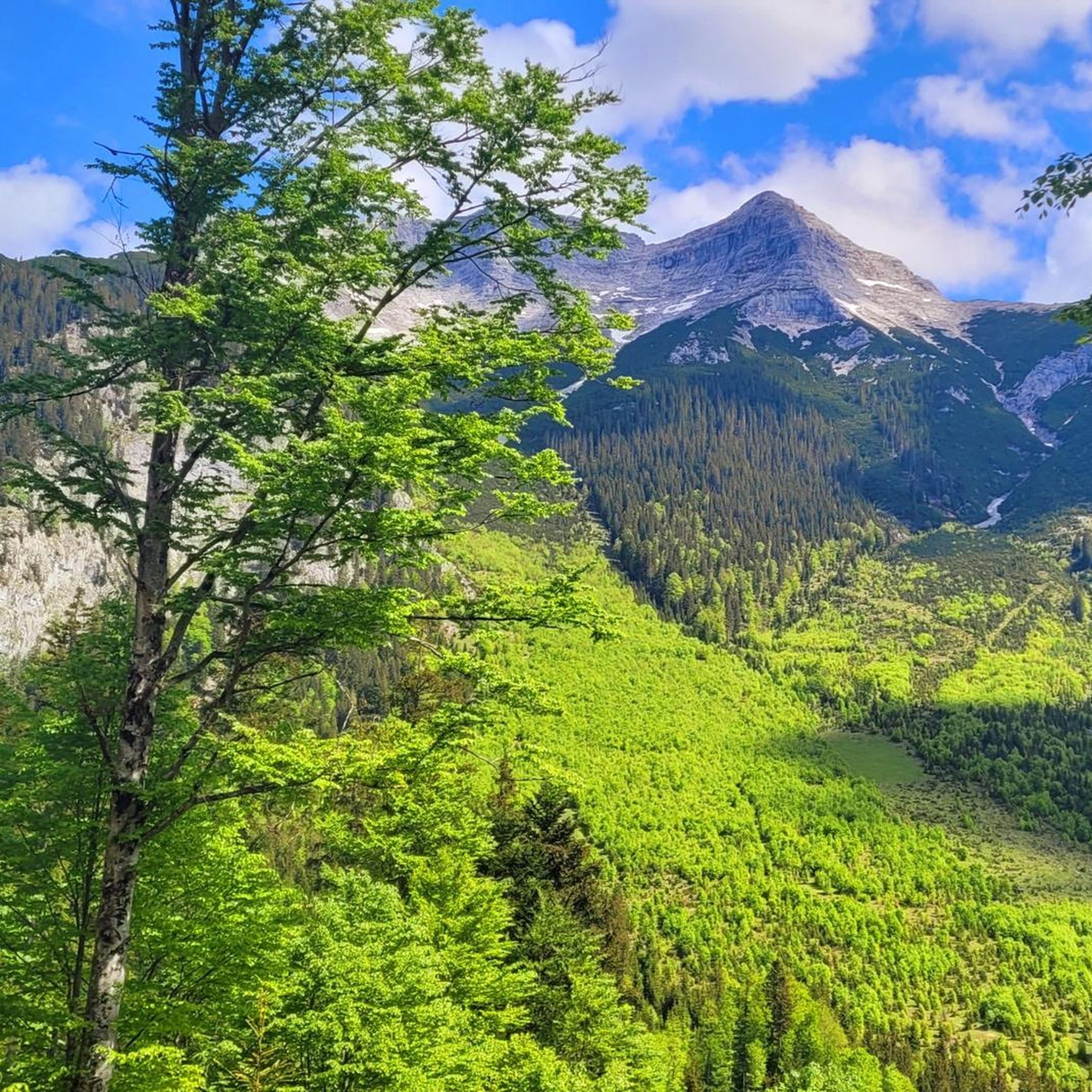
Cycling around Steinberg am Rofan
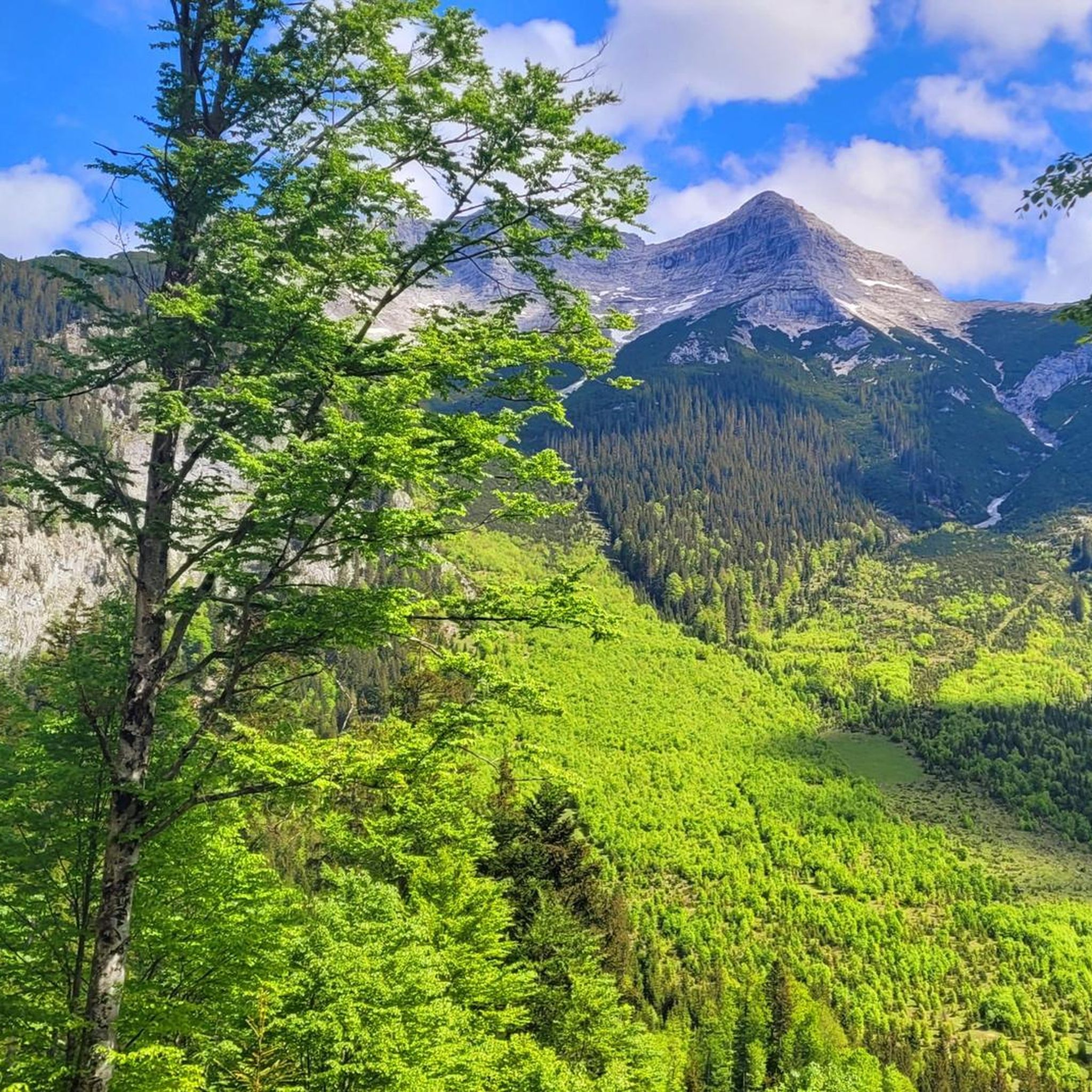
MTB Trails around Steinberg am Rofan
Mountain Hikes around Steinberg am Rofan
Road Cycling Routes around Steinberg am Rofan

Gravel biking around Steinberg am Rofan
Other adventures around Steinberg am Rofan


Tips from the Community

The Guffert mountain is riddled with countless karst caves, the best known probably being the Guffert Ice Cave.
0
0

The small inscription cave below the Schneidjoch Pass in the northwestern Brandenberg Alps is the site of seven Rhaetian rock inscriptions. These date from the Late Iron Age (circa 500–15 BC) and are documents of Rhaetian, a language related to Etruscan that was displaced by Latin after the Roman conquest of the Alpine region. Four of the seven inscriptions in the cave are comprehensible: They record the names of individuals who presumably performed cultic ceremonies at this site. It is particularly noteworthy that three of the four inscriptions belong together, as the names recorded in them are those of a father and his two sons. The nature of the cultic ceremonies performed in or in front of the inscription cave is unclear; perhaps the inscription of names on the rock surface itself was already considered a ritual act (https://tir.univie.ac.at/images/8/88/Steinberg.pdf).
0
0

One of Rattenberg's special sights is the parish church of St. Virgil and St. Catherine. This Gothic building has two naves. Once, it was a separate church for citizens and miners. Important artists redesigned the building in the Baroque style. A chapel commemorates Saint Notburga, who was born in Rattenberg. Noteworthy: an elevator leads from the Painter's Corner to the church portal. 😉
10
0

Better not go in, something might fall on your head!
0
0

You just have to see this one!
2
0

The immediate proximity of the steeply sloping Schlossberg site and the spatial limitations of the building site meant that the church building itself showed some special features. The origins of the church are Gothic. It was built between 1473 and 1506 and acquired its current Baroque architectural style in the 18th century. The main artistic features are the so-called "Annenaltar" in the southern choir stalls with its statues, the vault frescoes by SB Faistenerger and Matthäus Günther and the Lourdes Shrine.
9
0

Information about the caves at: https://www.zobodat.at/pdf/Hoehle_69_0038-0048.pdf
0
0
Südtiroler Strasse 67 is the birthplace of Saint Notburga, who enjoys great prestige in the region. She was born in Rattenberg in 1265 and, as a child, was appointed maidservant to the Count of Rottenburg in the Lower Inn Valley. She always saved some of the meals she received there to give to the poor and beggars. After the death of the countess, his stepdaughter Ottilie forced her to leave the castle and she became a maidservant on a farm in Eben. The farmer was harsh and exploited his staff. He wanted to continue working in the evening, but Notburga did not want to give in and shouted loudly "Rest time". She threw up her sickle, which miraculously stayed in the air. When Ottilie died she returned to the castle where she served faithfully until her death. She died on September 14, 1313 and is now located in the Notburgakirche in Eben, Tyrol. You cannot visit her birthplace, but you can read all about her miracles and her life on the facade plaque.
13
0
Frequently Asked Questions
What are the most notable caves to visit around Steinberg am Rofan?
The region offers a mix of natural grottoes and historical sites. The Grotto With Stone Carving of a Saint is a popular spot for quiet reflection, featuring a small candle and a bench. For those interested in history, the **Cave of Inscriptions on the Schneidjoch** is highly significant, known for its mysterious Rhaetian characters dating back to 500-100 BC.
Are there any caves with historical or archaeological significance in the area?
Yes, the **Cave of Inscriptions on the Schneidjoch** is a unique historical site. It contains eight-line inscriptions believed to be derived from the North Etruscan alphabet, making them the only Rhaetian characters found in North Tyrol. Researchers speculate it may have been a pre-Christian spring sanctuary.
What kind of experience does the Cave of Inscriptions on the Schneidjoch offer?
Visiting the **Cave of Inscriptions on the Schneidjoch** provides a unique historical insight into pre-Roman culture and an unsolved mystery. It's also part of a scenic hike, offering beautiful mountain views. It's considered a must-do cultural experience in summer.
What is the best time to visit the caves around Steinberg am Rofan?
The summer months are generally the best time to visit, especially for sites like the **Cave of Inscriptions on the Schneidjoch**, which is accessible via a hike. The region's natural beauty is also at its peak during this season, making outdoor exploration more enjoyable.
Are there any challenging caves for experienced explorers?
Yes, for those seeking a more adventurous experience, the Cave Near Seekarspitze is a walk-in cave that extends far into the darkness, suitable for explorers. Additionally, the Cave Entrance is noted as being for speleologists and the curious, requiring a light for exploration.
What outdoor activities can I combine with a visit to the caves?
The Steinberg am Rofan region is excellent for outdoor activities. Many caves, like the **Cave of Inscriptions on the Schneidjoch**, are reached via hiking trails. You can find numerous mountain hikes, running trails, and MTB trails in the area. Explore options like the Guffert Ridge or trails around Lake Achensee by checking out the Mountain Hikes around Steinberg am Rofan guide.
Are there any family-friendly cave options in the region?
While some caves are more challenging, the Grotto With Stone Carving of a Saint offers a more accessible and reflective experience, with a bench for resting, making it suitable for families looking for a gentle exploration spot.
What should I wear or bring when exploring caves in Steinberg am Rofan?
For caves that extend into darkness, such as the Cave Entrance or the Cave Near Seekarspitze, a reliable light source is essential. Sturdy footwear suitable for hiking and potentially uneven terrain is also recommended, as many caves are accessed via trails.
How can I access the Cave of Inscriptions on the Schneidjoch?
The **Cave of Inscriptions on the Schneidjoch** is situated at an elevation of around 1,400 meters above sea level. It is accessible via a hike from the Guffert Mountain Hut, offering a scenic journey to this historical site.
What do visitors particularly enjoy about the caves and grottoes in Steinberg am Rofan?
Visitors appreciate the unique blend of natural beauty and historical intrigue. Many enjoy the opportunity for quiet reflection at places like the Grotto With Stone Carving of a Saint, while others are drawn to the challenge and mystery of deeper caves. The historical significance of sites like the **Cave of Inscriptions on the Schneidjoch** also captivates many.
Are there any religious or spiritual sites associated with caves in the area?
Yes, the Grotto With Stone Carving of a Saint is a site that invites contemplation, featuring a small candle and a bench. Additionally, the **Cave of Inscriptions on the Schneidjoch** is speculated by researchers to have served as a pre-Christian spring sanctuary, adding a layer of ancient spiritual significance.
Most popular routes around Steinberg am Rofan
Most popular attractions around Steinberg am Rofan

Get inspired with the komoot mobile app


Explore more
Extend your search for the best caves by checking out these guides of the top ones around Steinberg am Rofan:
