Top 12 Castles around Schwoich
Best castles around Schwoich are found in the Tyrolean lowlands, an area characterized by its proximity to the Inn Valley and the historic town of Kufstein. While Schwoich itself is a quiet community, the surrounding region offers a blend of natural landscapes and historical sites. The area's strategic location has led to the development of several fortifications and castles over centuries. These structures provide insights into the region's past as a borderland between different historical powers.
Best castles around Schwoich
…Last updated: June 26, 2026
Kufstein Fortress and Römerhofgasse
Highlight • Historical Site
Translated by Google •
Tip by

View of Kufstein Fortress
Highlight • Viewpoint
Translated by Google •
Tip by

Sign up now to discover places like this
Get recommendations on the best single tracks, peaks, & plenty of other exciting outdoor places.
Sign up for free
View of Kufstein Fortress
Highlight • Viewpoint
Translated by Google •
Tip by

Thierberg Castle and Pilgrimage Chapel
Highlight • Castle
Translated by Google •
Tip by

Auerburg Ruins
Highlight • Castle
Translated by Google •
Tip by

Sign up for free to discover even more castles around Schwoich.
Sign up for free
Already have an account?
Start today with a free account
Your next adventure awaits.
Login or Signup
Popular around Schwoich
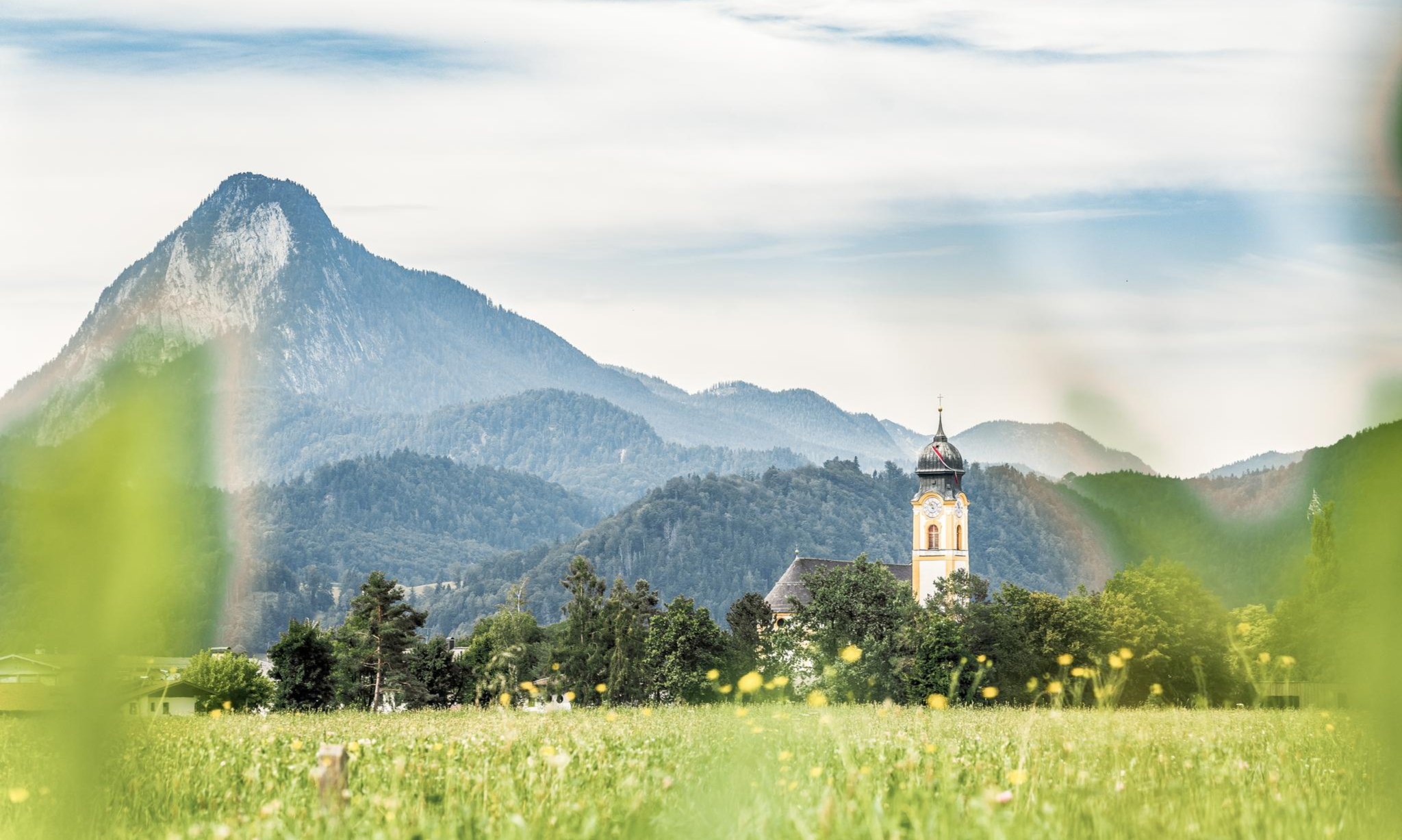
Nature, fun, food, relaxation and stories – inspiring themed trails in Kufsteinerland

In and around the Kaiser Mountains – hiking in Kufsteinerland
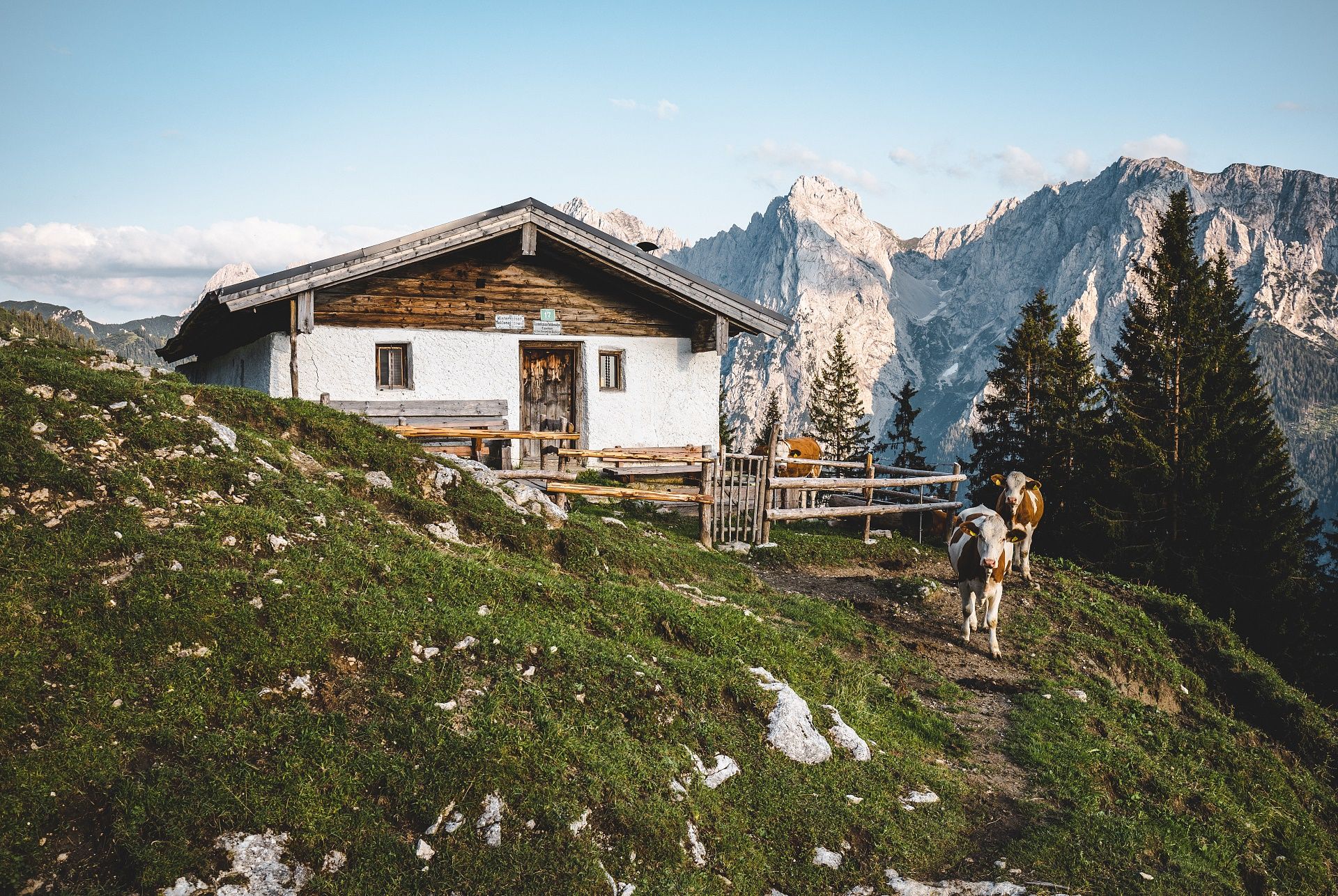
Mountain hut pleasures in autumn – hiking in Kufsteinerland
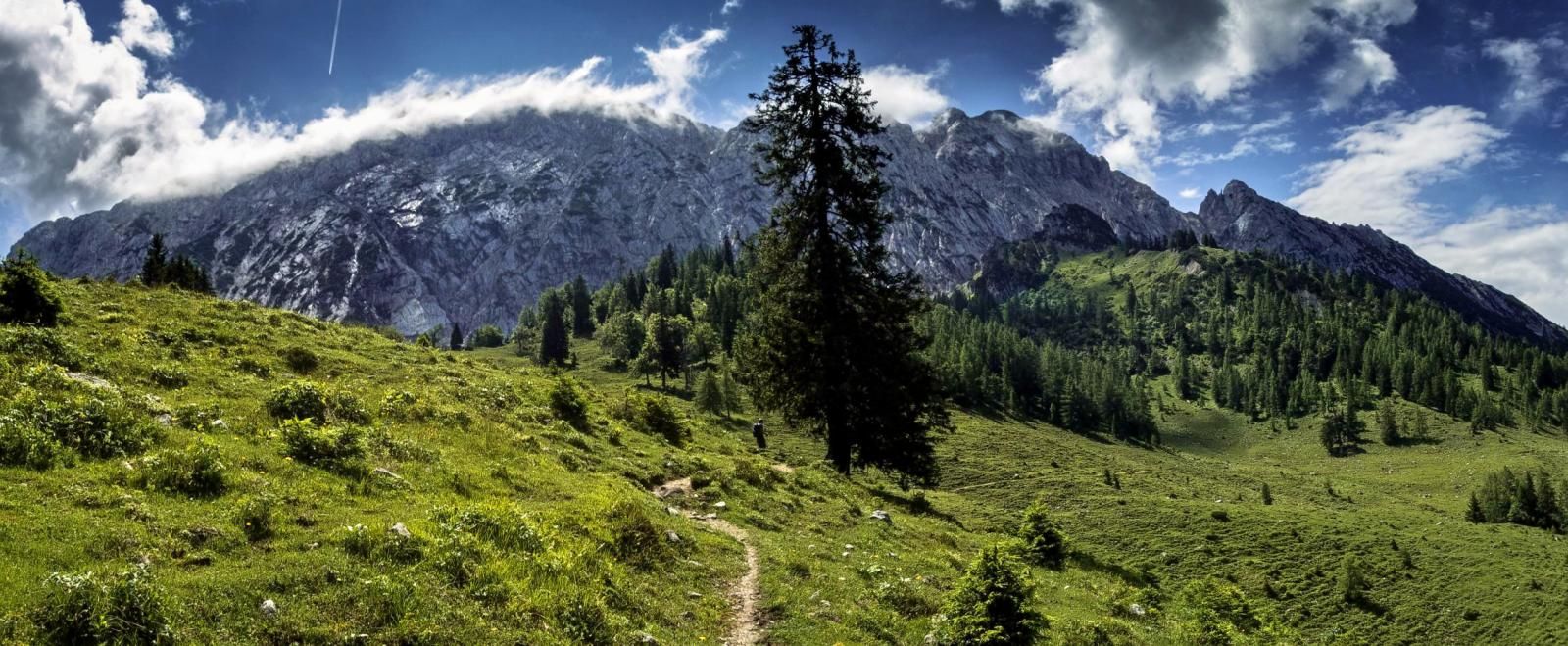
Mountain hut pleasures — hiking in Kufsteinerland
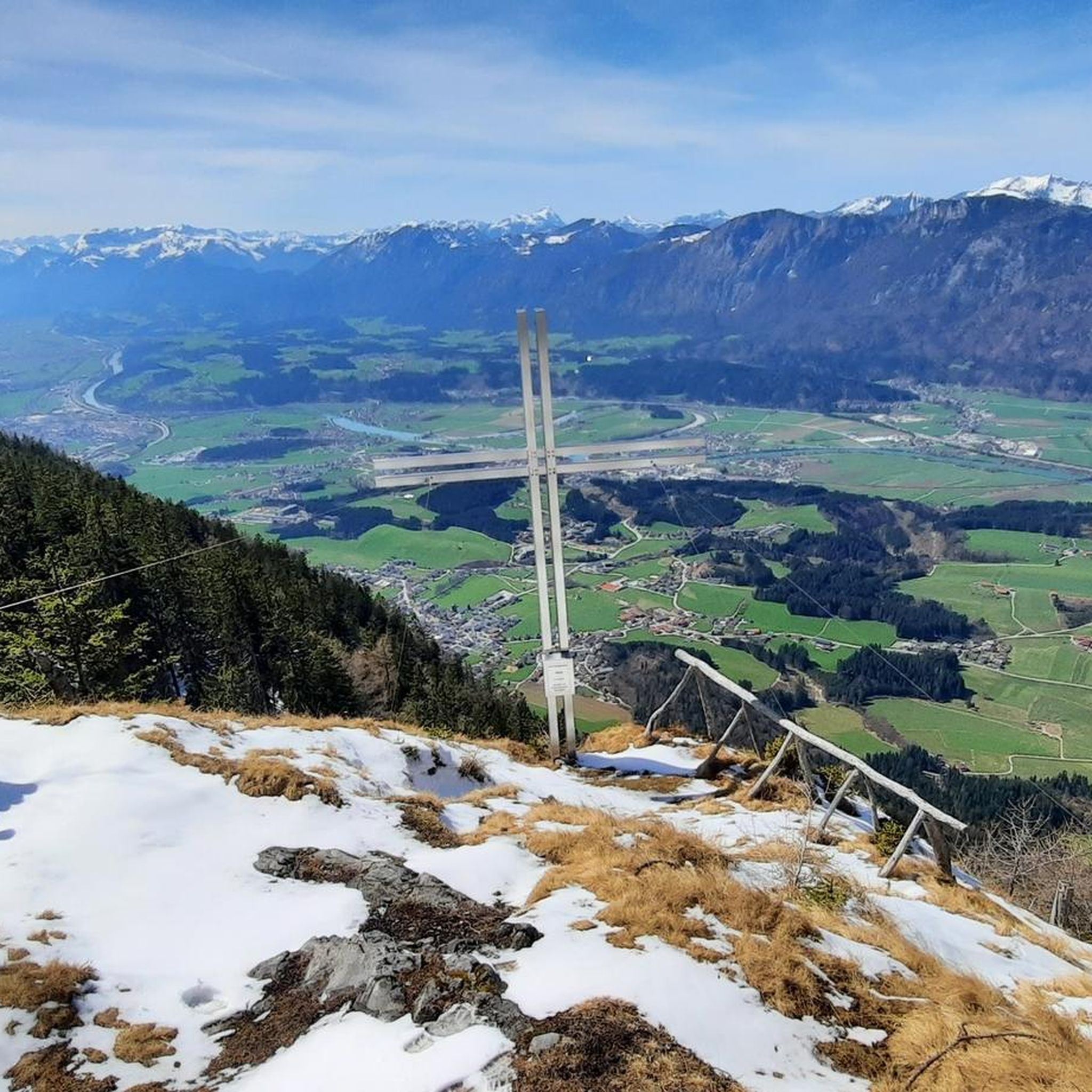
Road Cycling Routes around Schwoich
MTB Trails around Schwoich

Mountain Hikes around Schwoich
Cycling around Schwoich
Hiking around Schwoich

Gravel biking around Schwoich
Other adventures around Schwoich

Tips from the Community

The Thierberg Castle ruins lie above Kufstein in Tyrol at an altitude of approximately 721 meters and are among the oldest castles in the region. They were built around 1280 by the Lords of Freundsberg as a small hilltop fortress to secure the Inn Valley. Over the centuries, the castle changed hands several times – among other things, it belonged to Bavaria for a time before falling to Tyrol in 1504. The striking keep has been preserved to this day and offers impressive panoramic views of Kufstein, the Inn Valley, and the Kaiser Mountains. Within the old walls lies the Thierberg Chapel, a popular pilgrimage site with numerous votive images and a quiet, spiritual atmosphere. A hermit traditionally lives next to the chapel to look after the site. Today, the Thierberg Castle ruins are a historic tourist destination that combines history, nature, and faith in a unique way.
2
0

“Who knows the pearl, the pearl of Tyrol” – this is how the charming town on the Inn is sung in the famous Kufstein song. And rightly so, because Kufstein on the mighty Keizerberg has a lot to offer. The beautiful old town with its historic medieval Römerhofgasse avenue, modern boutiques, shopping centers and inviting cafés make Kufstein a versatile, thriving city. Its city symbol is the fortress, which rises high above the city and now serves as a backdrop for cultural events. The Panoramabahn takes you from the city center directly to the fortress. Here you will find, in addition to the newly designed Heimatsmuseum (regional museum), also the famous Helden Organ, the largest open-air organ in the world. Every day at 12 noon his playing sounds and he calls for world peace.
11
0
As an unmistakable landmark, Kufstein Fortress towers over the Tyrolean district capital of Kufstein and bears witness to Kufstein's turbulent past as a border town between Tyrol and Bavaria. The fortress was first mentioned in 1205. Emperor Maximilian I conquered the castle in 1504 and had it expanded. Today, Kufstein Fortress is a popular venue for theatre and concert events and forms an impressive backdrop for the Kufstein Operetta Summer every year. Visitors can easily reach the fortress hill with the modern panoramic railway. A special feature is the Hero organ in the Bürgerturm: it is the largest outdoor organ in the world. Their music is played daily in memory of all victims of military conflicts and calls for peace in the world.
10
0
The Kufstein Fortress towers above the Tyrolean district capital Kufstein as an unmistakable landmark and bears witness to Kufstein's turbulent past as a border town between Tyrol and Bavaria. The fortress was first mentioned in 1205. Emperor Maximilian I conquered the castle in 1504 and had it expanded. Today, Kufstein Fortress is a popular location for theater and concert events and provides an impressive backdrop for the Kufstein Operetta Summer every year. Visitors can easily reach the fortress mountain with the modern panoramic railway line. The Hero organ in the Bürgerturm is special: it is the largest outdoor organ in the world. Their music is played daily in memory of all victims of military conflicts and calls for peace in the world.
12
0


Very beautifully located small ruins on a hill above Oberaudorf
2
0

Very beautiful castle on the Inn!
6
0

Frequently Asked Questions
What is the historical significance of castles around Schwoich?
The castles in the region, particularly those near Kufstein, played a crucial role in history as border fortifications between Tyrolean and Bavarian rule. For example, Kufstein Fortress, first mentioned around 1205 AD, was often a contested site, bearing witness to centuries of conflict and strategic importance in the Inn Valley.
Are there any unique features or attractions at these castles?
Yes, several castles offer unique attractions. Kufstein Fortress is home to the world's largest open-air organ, the Heldenorgel, which plays daily. Mariastein Pilgrimage Church and Castle is known for its beautiful Madonna portrait, accessible via 142 steps, following an 18th-century Marian miracle. The Auerburg Ruins feature rocky walls that are a popular climbing area.
What kind of panoramic views can I expect from the castles?
Many castles in the area offer stunning panoramic views. From Kufstein Fortress, you can enjoy breathtaking vistas of the Tyrolean landscape and the Inn River. Thierberg Castle and Pilgrimage Chapel also provides great views over Kufstein and the surrounding Inn Valley.
Are there family-friendly castles to visit near Schwoich?
Yes, several castles are considered family-friendly. Kufstein Fortress offers specific tours and activities for children, including treasure hunts. Thierberg Castle and Pilgrimage Chapel is also easily accessible and suitable for children, with an interesting exhibition inside its old walls.
How can I reach Kufstein Fortress?
You can easily reach Kufstein Fortress from the city below via the Festungsbahn, a modern funicular railway. This provides convenient access to the fortress mountain.
Can I combine a castle visit with outdoor activities like cycling or hiking?
Absolutely. The region around Schwoich offers numerous opportunities for outdoor activities. For example, you can find various cycling routes, including those that offer views of Kufstein Fortress, in the Cycling around Schwoich guide. There are also gravel biking options, such as routes with views of the fortress in the Gravel biking around Schwoich guide.
What is the story behind Itter Castle?
Itter Castle is a significant historical site. While its exact construction date is unknown, it served as a border festival and administrative center. It gained historical fame for the Battle for Itter Castle on May 5, 1945, where US Army and Wehrmacht soldiers fought together against the Waffen SS. During World War II, it was also a subcamp of Dachau concentration camp, interning prominent prisoners.
Are there any castle ruins to explore near Schwoich?
Yes, the Auerburg Ruins near Oberaudorf are a notable example. These are the remains of a once mighty complex, first documented in 1329, which was strategically important in the Inn Valley. The site offers a glimpse into a long-gone era and features rocky walls popular with climbers.
What do visitors enjoy most about the castles around Schwoich?
Visitors frequently appreciate the rich history and impressive architecture of the castles. The panoramic views from elevated positions, such as those at Kufstein Fortress and Thierberg Castle, are highly praised. The unique features like the Heldenorgel and the engaging museums also contribute to a memorable experience.
What is the best time of year to visit the castles in this region?
The castles are generally accessible year-round. Spring and autumn offer pleasant weather for exploring the outdoor areas and enjoying the views without extreme temperatures. Summer is ideal for combining visits with other outdoor activities and attending events, especially at Kufstein Fortress. Winter can provide a magical, snow-covered backdrop, though some outdoor areas might be less accessible.
Are there any pilgrimage sites among the castles?
Yes, Mariastein Pilgrimage Church and Castle is a significant pilgrimage site. Perched on a rock, it became a pilgrimage church in the 18th century after a Marian miracle. Pilgrims visit to see the beautiful Madonna portrait in the Chapel of Mercy.
Most popular routes around Schwoich
Most popular attractions around Schwoich

Get inspired with the komoot mobile app


Explore more
Looking for the best castles somewhere else? Discover other guides around Schwoich:
