Top 7 Caves around Weiz
Best caves around Weiz are found in the Styrian region of Austria, offering a diverse underground landscape. The area is characterized by its natural formations, including impressive dripstone caves and active water caves. Weiz serves as a central point for exploring these geological wonders, which are often nestled within scenic valleys and mountainous terrain. The region provides opportunities to experience both accessible show caves and more challenging natural cave environments.
Best caves around Weiz
- The most popular caves is Katerloch…
Last updated: April 27, 2026
Katerloch
Highlight • Cave
Translated by Google •
Tip by

Cave in the Raabklamm Nature Reserve
Highlight • Cave
Source: tourismus-weiz.at/natur-aktiv/wandern-laufen/wandern/raabklamm
Translated by Google •
Tip by

Sign up now to discover places like this
Get recommendations on the best single tracks, peaks, & plenty of other exciting outdoor places.
Sign up for free
Jägersteig, Weiz Gorge
Highlight (Segment) • Gorge
Translated by Google •
Tip by

Through the Almenland (Past the Patschaloch)
Highlight • Cave
Translated by Google •
Tip by

Grassl Cave
Highlight • Cave
Translated by Google •
Tip by

Rabloch Cave
Highlight • Cave
Translated by Google •
Tip by

Old Mine Shaft Arzberg
Highlight • Historical Site
Translated by Google •
Tip by

Rock Passage on the Jägersteig
Highlight • Cave
Translated by Google •
Tip by
Challenging Unmarked Trail Near Rablloch Cave
Highlight • Trail
Translated by Google •
Tip by
Little Weather Hole
Highlight • Cave
Translated by Google •
Tip by

Start today with a free account
Your next adventure awaits.
Login or Signup
Popular around Weiz
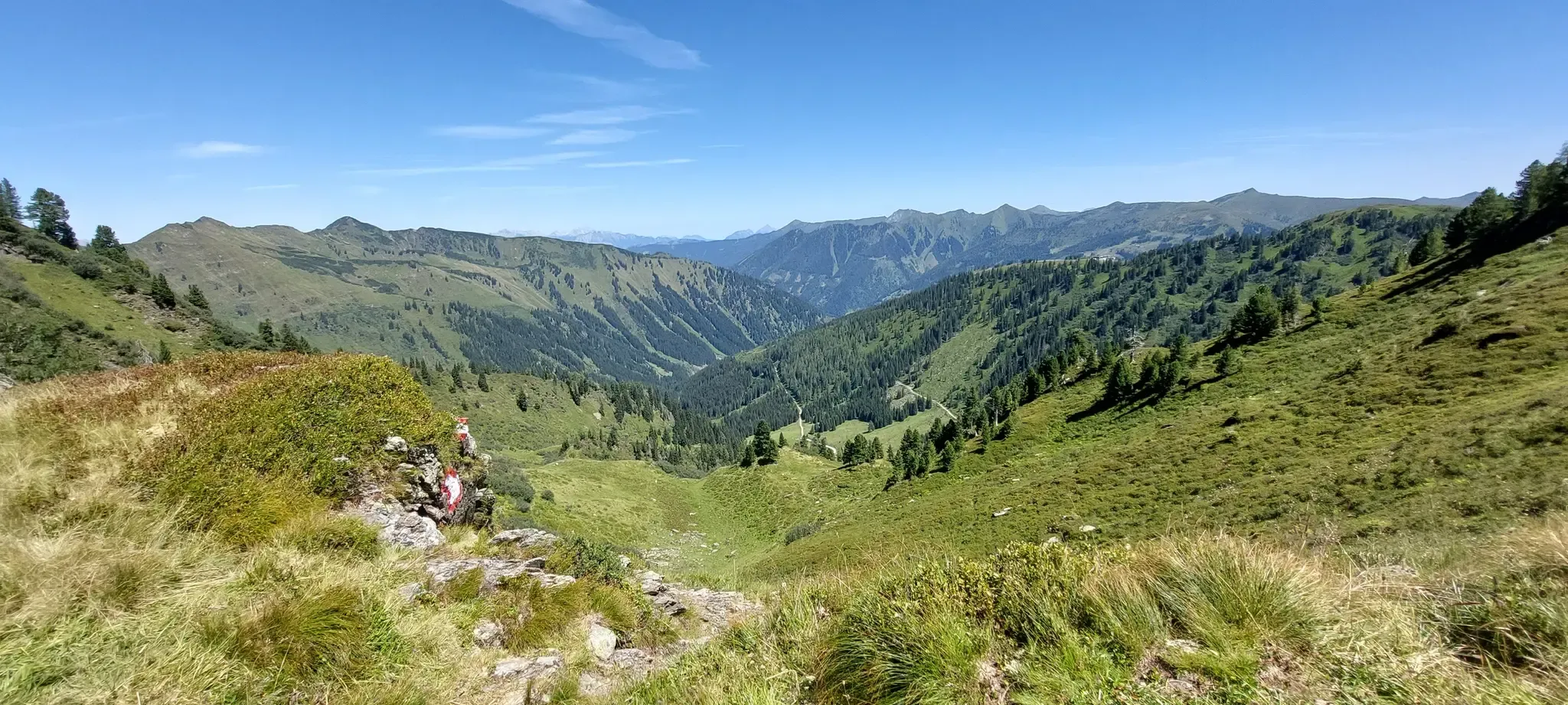
Central Alps Trail Eastern Section – Discover Austria
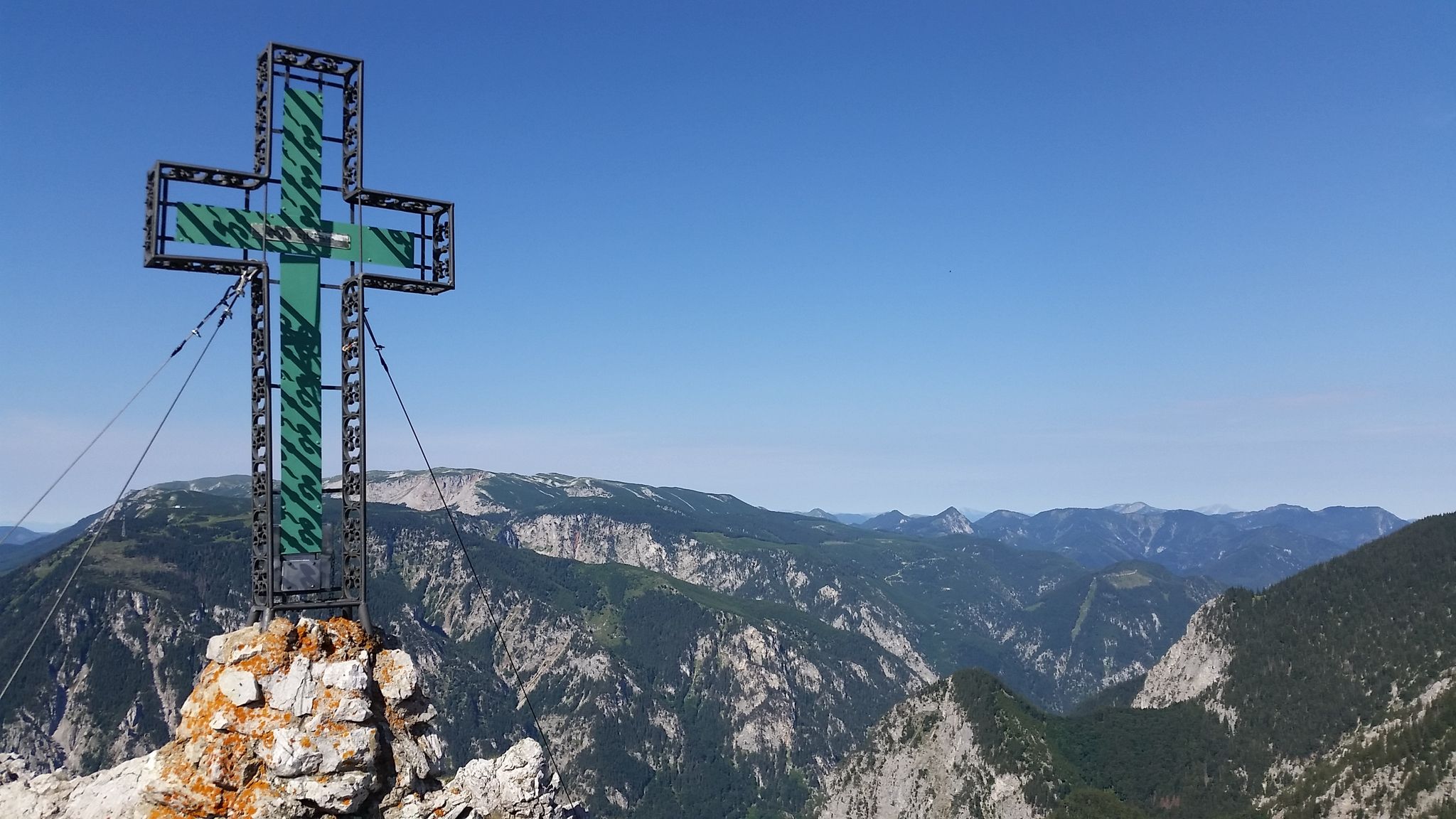
Viennese Alpenbogen – Lower Austria's most beautiful peaks
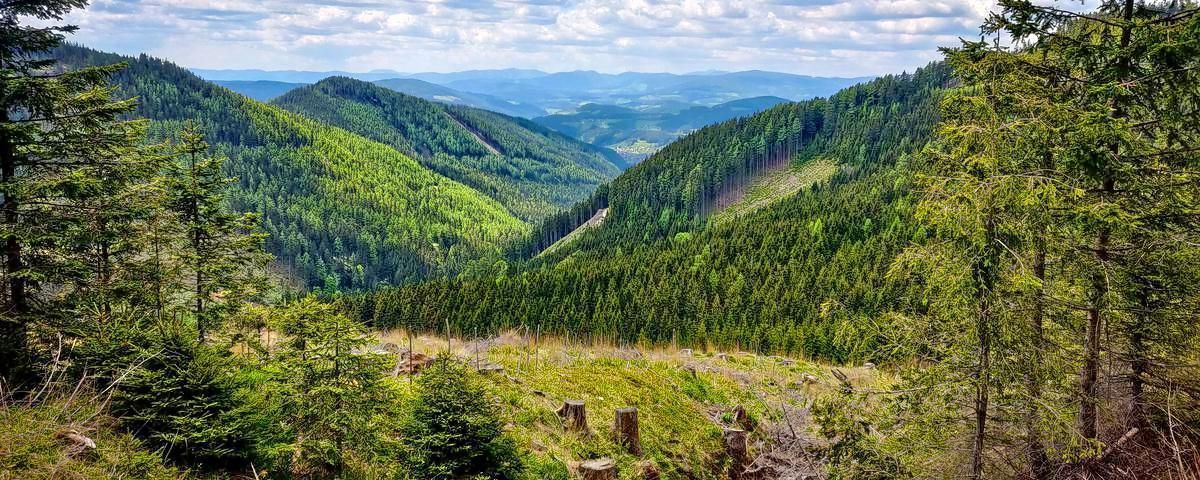
Alpannonia – Crossing borders from Austria to Hungary
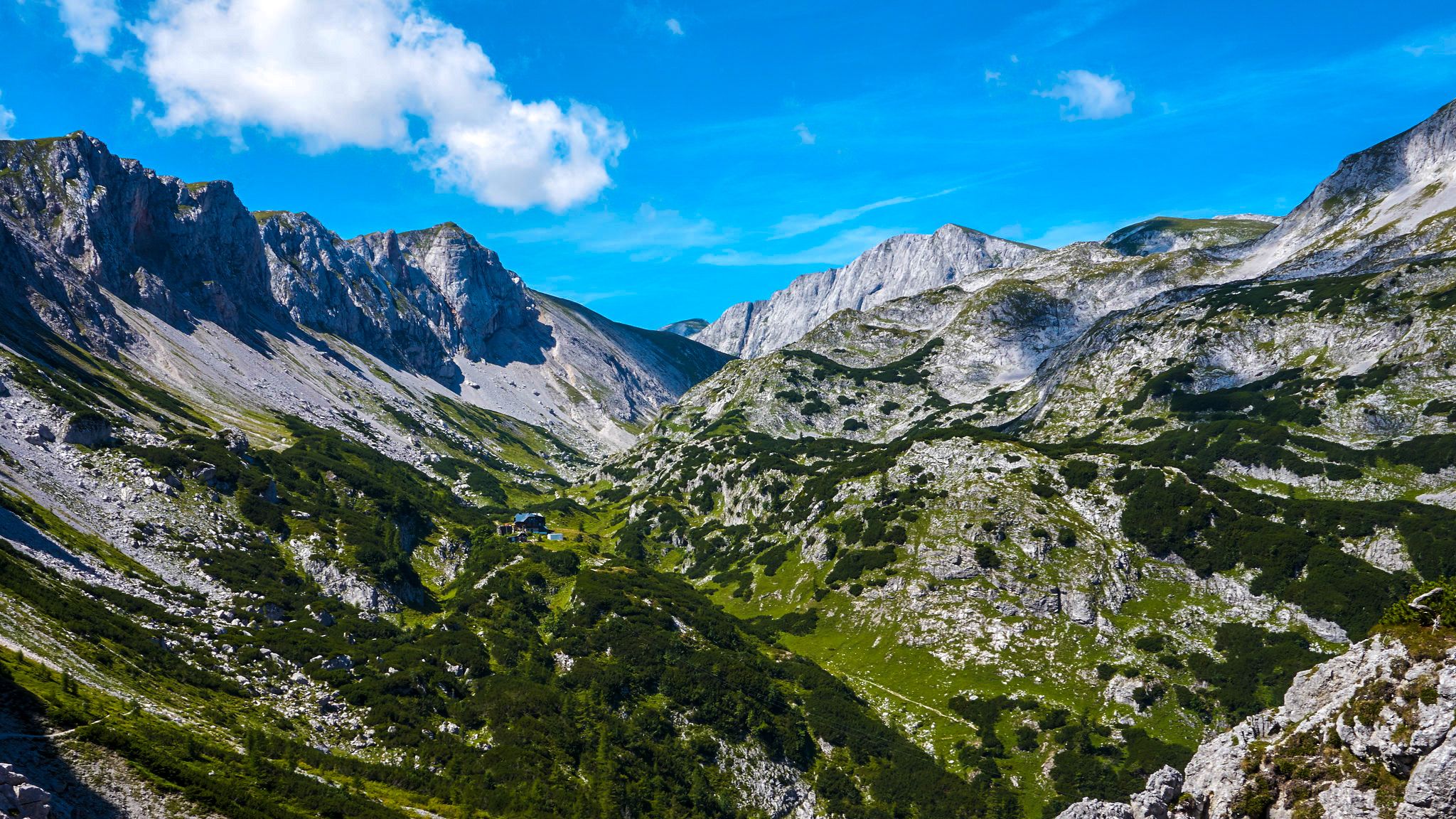
The BergZeitReise – a beautiful long-distance hiking trail across Styria
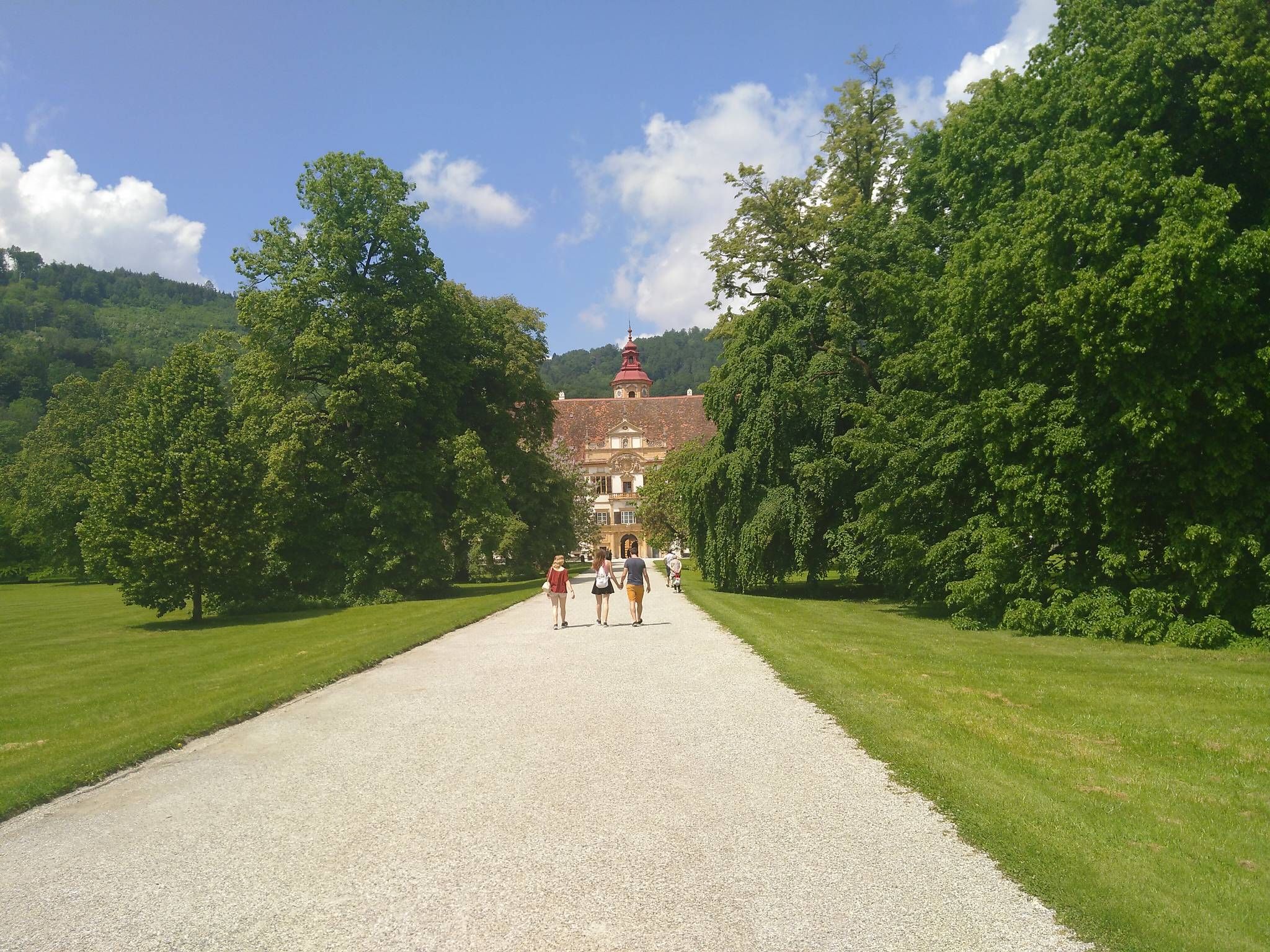
The Styrian Mariazell Way – a pilgrim's hike through southeastern Austria
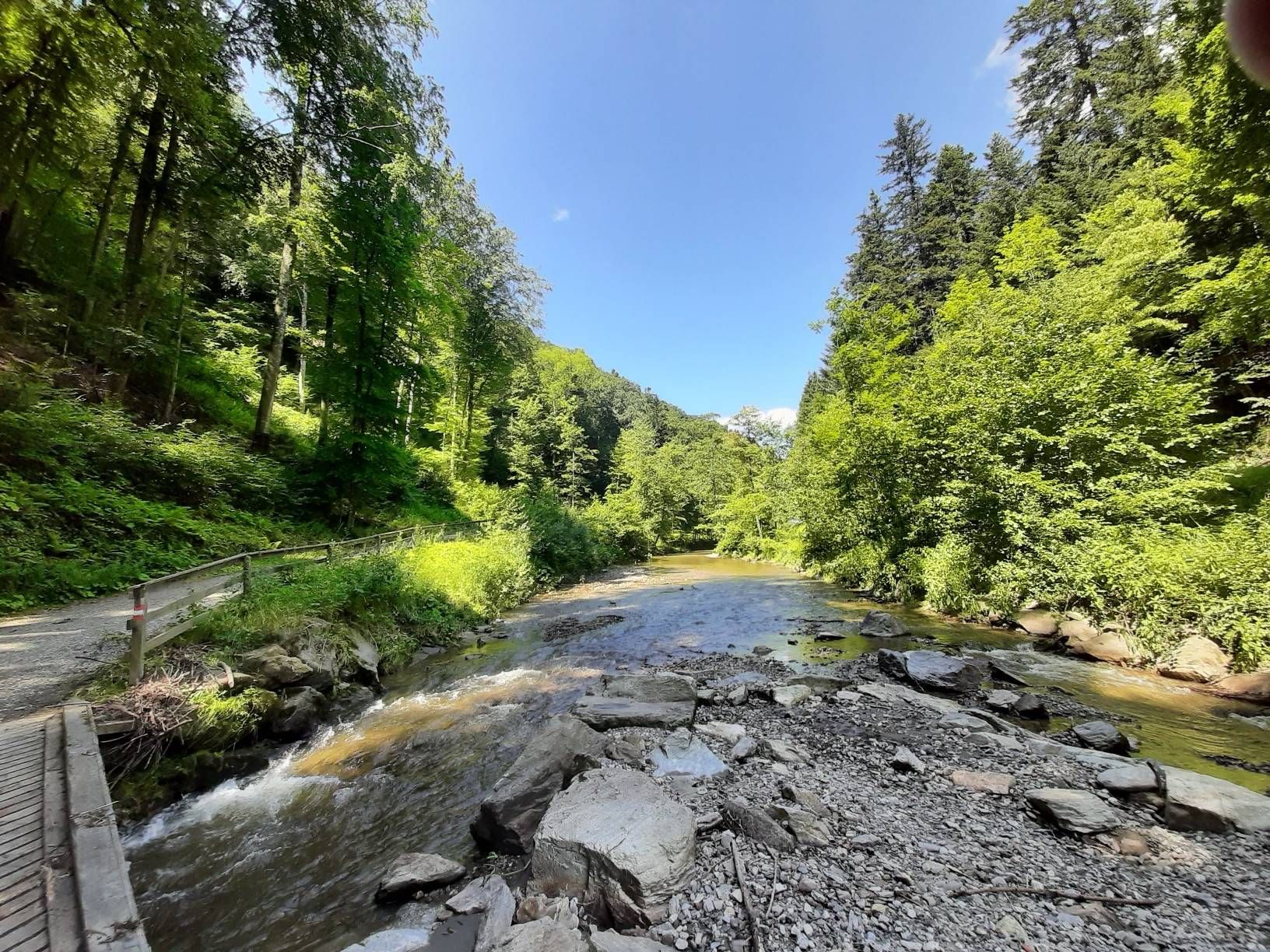
The Styrian Wine Country Cycle Trail – exploring Austria's wine culture
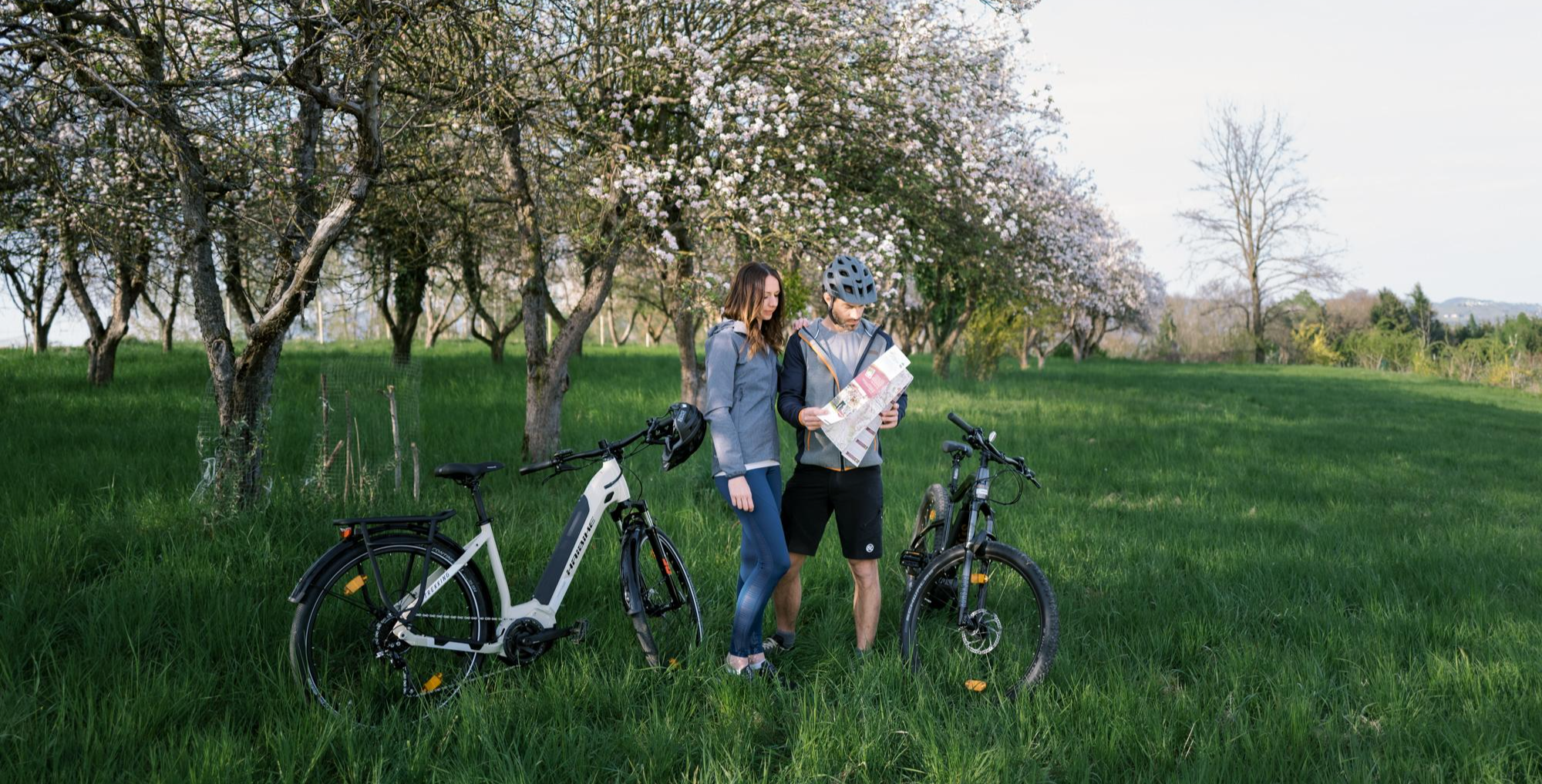
East Styria Loop – Styria Wine Country Cycle Tour
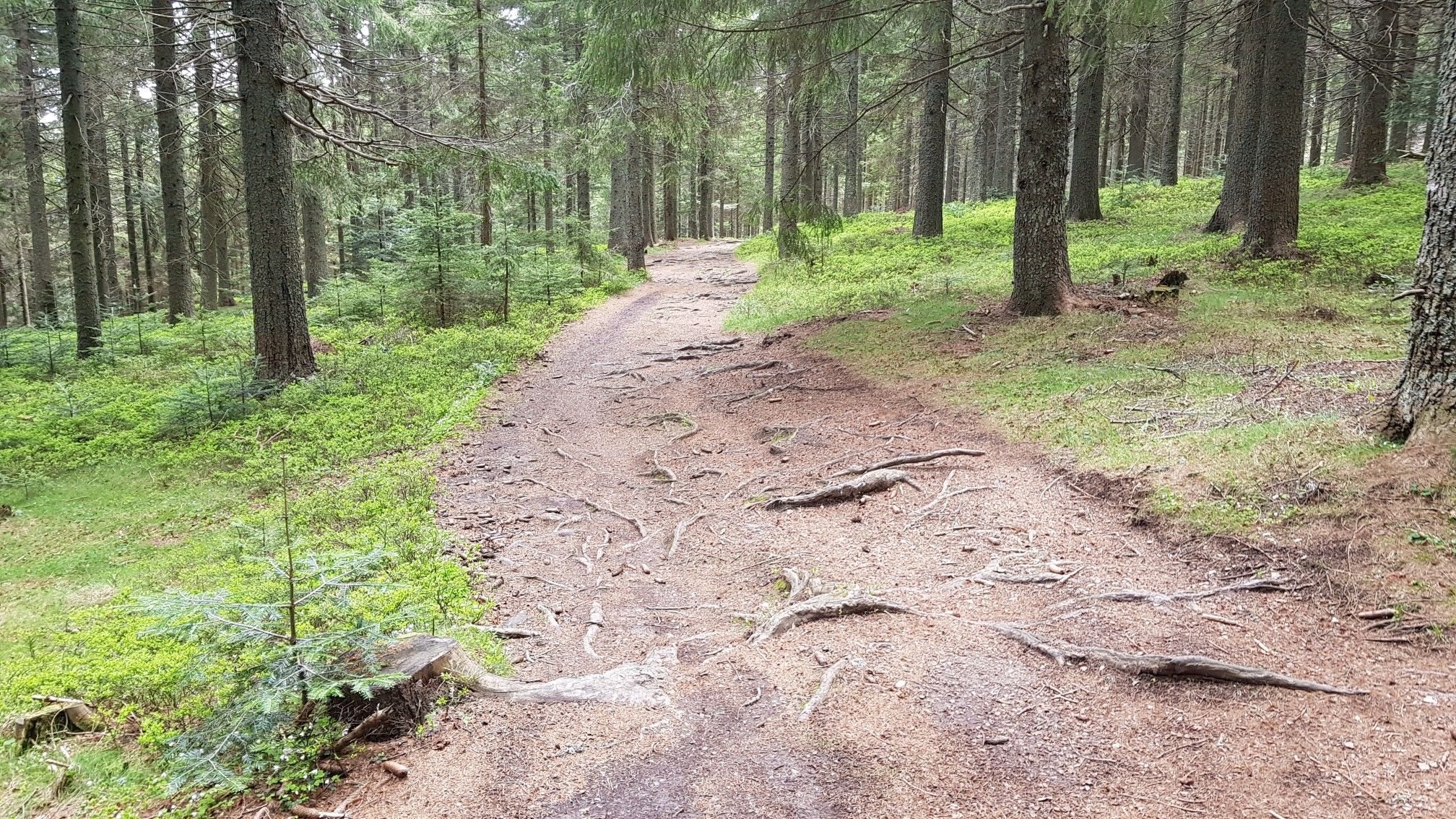
Mountain bike tours around the Pöllauer Tal nature park
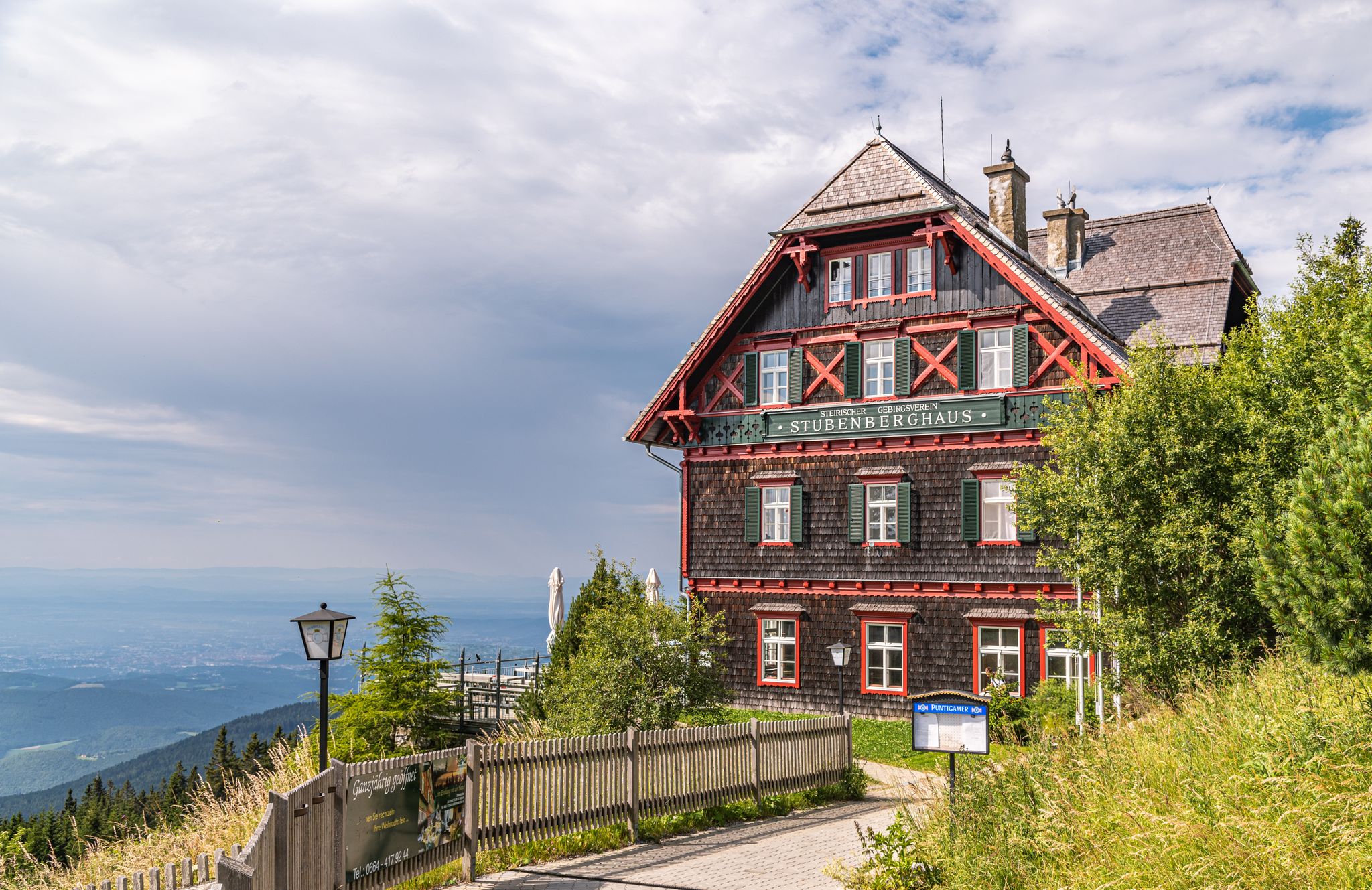
Summit the Schöckl – hiking trails on Graz’s local mountain
Discover Styria in Austria on foot – ‘From Glacier to Wine’ North Route
Other adventures around Weiz


Tips from the Community


At the protected cave/Rablloch there is a sign that the path continues unmarked. The path goes to the right, anti-clockwise, past the cave (not to the left of the cave, where the sign is). The path/trail is not marked and is difficult to see in places. You need to be sure-footed throughout, and you will occasionally need your hands. There are 3 places where you can stop and hold on to a blue rope.
0
0

The Raabklamm was also declared a European protected area because of its large number of protected caves and the associated bat species and other endangered bird species. Source: www.tourismus-weiz.at/natur-aktiv/wandern-laufen/wandern/raabklamm/
3
0
A protected cave that is not allowed to be entered because bats live in it. From the cave the path is no longer marked according to the sign and it continues alpine.
0
0
In the middle of the Jägersteig you go through this small cave, it's only a short stretch, you don't need a headlamp.
0
0
Very varied trail, a few caves, deep views, mostly rather uneven - surefootedness is a must. Publicly accessible by bus: Naas Felsenkeller stop Public transport tour report: https://www.bahn-zum-berg.at/randgebirge-oest-der-mur/jaegersteig-weizklamm/
0
0
I saw this cave on the very varied path of the large Raabklamm, but I didn't go in
0
0

A cold breath surrounds you even in midsummer. Then you see these dark stone crevices in the rock that reach indefinably far into the depths.
3
0
Frequently Asked Questions
What are the most impressive show caves to visit near Weiz?
The Weiz region offers several impressive show caves. The Katerloch is renowned as Austria's most dripstone-rich show cave, featuring around 4,000 large stalagmite structures and intricate formations. The Grassl Cave is Austria's oldest show cave, known for its easily accessible display of stalactites and sinter walls, some up to 100,000 years old. Further afield, the Lurgrotte is Austria's largest active water cave, offering vast chambers and unique formations.
What makes the Katerloch cave a unique experience?
The Katerloch is unique for its immense variety and density of stalactites and stalagmites, often described as Austria's most dripstone-rich show cave. Visitors can explore chambers like the 'Fantasy Hall' and 'Magic Realm,' discovering alabaster-white stalagmites rising from turquoise-green water. The cave also holds historical significance with numerous bone finds from cave bears.
Is the Grassl Cave suitable for all ages and accessibility needs?
Yes, the Grassl Cave is known for its easy accessibility, making it suitable for visitors of all ages, including older visitors. It offers a less strenuous but captivating cave experience, allowing everyone to enjoy its rich display of dripstone formations.
What is the best time of year to visit the show caves around Weiz?
For the Katerloch, visits are typically available from April to November by prior arrangement. It's advisable to check specific opening hours and tour availability for each cave, as some may have seasonal closures or require appointments.
Are there guided tours available for the caves near Weiz?
Yes, guided tours are available for the main show caves. For example, the Katerloch offers guided tours covering about one kilometer with approximately 400 steps, lasting about two hours. The Lurgrotte also provides guided tours exploring up to 2 kilometers of the cave. It is recommended to book tours in advance, especially for Katerloch.
What should I wear when visiting the caves around Weiz?
Caves maintain a constant cool temperature year-round, regardless of the weather outside. For instance, the Lurgrotte has a constant temperature of 10°C. It is advisable to wear warm clothing, such as a jacket or sweater, and sturdy, non-slip footwear, as cave paths can be damp and uneven.
Are there family-friendly cave tours near Weiz?
Yes, the Grassl Cave is particularly family-friendly due to its easy accessibility and captivating dripstone formations, making it a great option for visitors with children or those seeking a less strenuous experience. The Lurgrotte also offers an engaging experience for families with its vast chambers.
What other outdoor activities can I do near the caves around Weiz?
The region around Weiz offers diverse outdoor activities. You can find numerous cycling routes, including those for touring bicycles and road cycling, such as the 'Feistritz river crossing – Lake Stubenberg loop' or the 'Raab Valley Cycle Trail Loop'. For more details, explore the Cycling around Weiz and Road Cycling Routes around Weiz guides. There are also waterfall hikes, like the 'Kesselfall Gorge – Nixhöhle loop', detailed in the Waterfall hikes around Weiz guide.
Are there any challenging cave experiences or trails near Weiz?
Yes, for those seeking more challenging experiences, the Jägersteig, Weiz Gorge offers a demanding ascent with rewarding views and features a cave. The Rabloch Cave area also has challenging, unmarked trails, though the cave itself is protected and not accessible for entry due to bat habitats.
Can I visit protected natural caves like Rabloch Cave?
Some caves, like the Rabloch Cave, are protected natural monuments and are not allowed to be entered, primarily because they serve as habitats for bats. These caves are important for local wildlife and conservation efforts.
What historical or geological significance do the caves around Weiz hold?
The caves in the Weiz region are rich in both geological and historical significance. The Grassl Cave, for example, is Austria's oldest show cave with dripstones estimated to be up to 100,000 years old. The Katerloch and Lurgrotte have yielded numerous bone finds from cave bears, offering insights into prehistoric life. The Lurgrotte also features the 'Grand Dome Chamber,' one of Central Europe's largest natural chambers, and a 40-ton 'Giant Stalactite'.
Where can I find information about parking and public transport for the caves?
Specific parking and public transport details vary by cave. For the Grassl Cave, information can often be found on local tourism websites. For Katerloch, it's best to inquire directly when making an appointment. Generally, it's recommended to check the official websites or local tourism offices for the most current logistical information.
Most popular routes around Weiz
Most popular attractions around Weiz

Get inspired with the komoot mobile app


Didn’t find what you were looking for?
Discover more caves around Weiz region by region:
Explore more
Extend your search for the best caves by checking out these guides of the top ones around Weiz:
