Top 7 Castles around Wilhelmsburg
Castles around Wilhelmsburg offer a glimpse into historical architecture and regional heritage. This area provides a backdrop for exploring various historical sites, showcasing diverse landscapes. The region features a selection of castles and ruins, each with its own unique history and architectural style. Visitors can discover structures ranging from medieval fortresses to Renaissance palaces, often situated amidst natural surroundings.
Best castles around Wilhelmsburg
- The most popular castles is Rabenstein Castle Ruins, a castle that was built in the 12th…
Last updated: July 9, 2026
Rabenstein Castle Ruins
Highlight • Castle
Translated by Google •
Tip by

Kreisbach Castle
Highlight • Castle
The Schloss Kreisbach dates back to the 12th Century, owners were u.a. in the 16th century the counts …
Translated by Google •
Tip by

Sign up now to discover places like this
Get recommendations on the best single tracks, peaks, & plenty of other exciting outdoor places.
Sign up for free
Fridau Castle
Highlight • Castle
Translated by Google •
Tip by

View of Ochsenburg Castle
Highlight • Castle
Translated by Google •
Tip by

Wald Castle
Highlight • Castle
Between 1847 and 1928, the forest belonged to the Counts Haugwitz. From 1848 they had the …
Translated by Google •
Tip by
Sign up for free to discover even more castles around Wilhelmsburg.
Sign up for free
Already have an account?
Start today with a free account
Your next adventure awaits.
Login or Signup

Tips from the Community

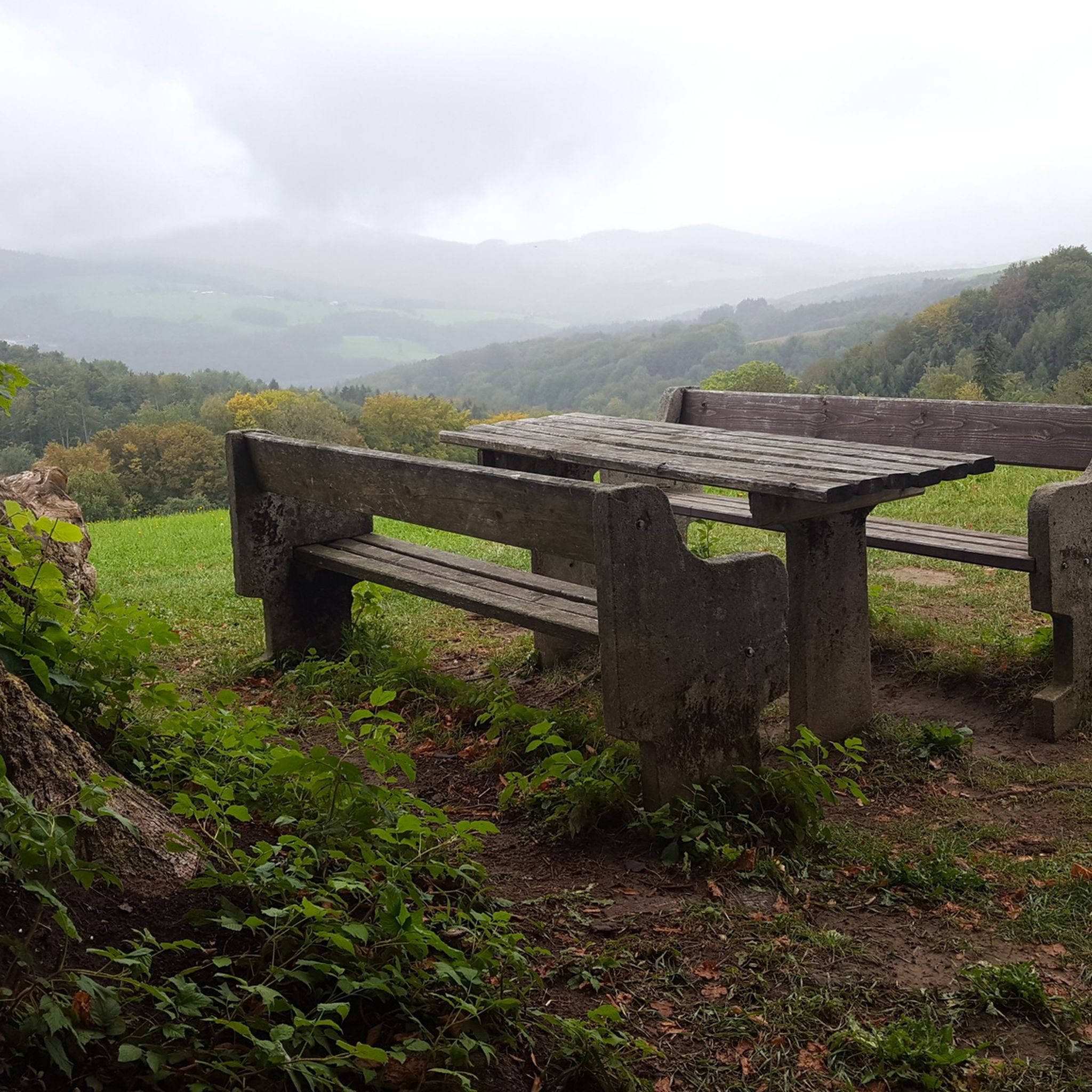
Through the commitment of the ruins committee of the village renewal association and generous donations, the ruin was saved from decay. In 1989, a committee was formed to save the Rabenstein ruin, which has since been working on the preservation and securing of this cultural heritage.
0
0

Beautifully renovated castle, a so-called wedding location.
0
0

A beautiful summer residence for poor bishops
2
0

Fridau Castle was first mentioned in 1299 and was rebuilt in the Rococo style in 1753 during the reign of Maria Theresa. The stateroom features a beautiful ceiling painting by Daniel Gran. The castle served as a place of refuge for the community's residents during the Turkish siege and was able to successfully defend itself against the Turks. It was only under Napoleon's rule that the building was conquered and plundered. Around 1750, a fabric factory was set up in the castle and the adjacent outbuildings. During World War II, it served as a military hospital and then as the commandant's office for the Russian occupation. In 1975, the state of Lower Austria bought the castle building. However, the plan to house the state galleries there was abandoned.
2
1

The castle ruins date back to the Middle Ages and originally served as a protective and residential castle. Rabenstein an der Pielach is easily accessible via the B39. Parking is available at the fire station and the train station. It is also possible to get there by public transport, as Rabenstein an der Pielach train station serves as the starting point for several hiking trails.
3
1

The complex was first mentioned as the seat of the Udalschalk von Wald in 1140. In the 15th century, Jörg Scheck von Wald expanded the complex like a castle. In 1485, the troops of Matthias Corvinus stormed the castle, which was expanded in the Renaissance style by the Lords of Greiß in the 16th century. In 1683 the Turks conquered the castle. The Spindler von Hofeck family was the owner from 1687 to 1782. They were followed by Count Fuchs von Fuchsberg until 1817. This year, Jerome Bonaparte appears briefly as an exile under the name Hieronymus Fürst von Montfort as the owner. The next owner was Franz Freiherr von Pillersdorf. Between 1847 and 1928, forest belonged to Count Haugwitz. From 1848 onwards they had the new castle added to the old castle. Baron Friedrich Baratta-Dragom, a grandson of Karl Wilhelm Graf Haugwitz, eventually took over the estate, but had to have it auctioned off during the global economic crisis in 1930. The buyer was Prince Karl Auersperg-Breunner, whose family still owns it today.
0
0
Kreisbach Castle dates back to its founding at the end of the 12th century. After an eventful history, the cultural association has been striving for revitalization since 1999. Visitors can already take a tour of the castle and see the exemplary renovated high baroque St. Anne's Chapel, a Gothic passage and a Romanesque cellar. Rental of the premises for sacred celebrations and private parties. More about the story: https://de.wikipedia.org/wiki/Schloss_Kreisbach
1
0
Fridau Castle was first mentioned in 1299 and was rebuilt in the Rococo style during the reign of Maria Theresa in 1753. In the state hall there is a beautiful ceiling painting by Daniel Gran. The castle served as a retreat for the community's residents during the Turkish siege and was able to successfully assert itself against the Turks. The building was only conquered and looted during the reign of Napoleon. Around 1750, a fabric factory was set up in the castle and the adjacent outbuildings. During World War II it served as a military hospital and then as a command post for the Russian occupation. In 1975 the state of Lower Austria bought the castle building. However, the plan to house the state galleries there was rejected. This special piece of history is currently up for sale again and can only be viewed from the outside. More about the story: https://de.wikipedia.org/wiki/Schloss_Fridau
1
0
Frequently Asked Questions
What are some of the most notable castles to visit around Wilhelmsburg?
Among the most notable are Rabenstein Ruins and Parish Church, Rabenstein an der Pielach, which offers a glimpse into a historical stronghold with views into the Piellachtal. Another significant site is Kreisbach Castle, a 12th-century castle revitalized by a cultural association, offering tours of its St. Anne's Chapel and Romanesque cellar. You can also get a great View of Ochsenburg Castle, a medieval castle rebuilt in Renaissance style.
Are there any castle ruins to explore near Wilhelmsburg?
Yes, the Rabenstein Ruins and Parish Church, Rabenstein an der Pielach is a prominent example. While parts of the stronghold are still notable, it offers the experience of exploring historical ruins amidst natural surroundings.
Can I find family-friendly castles in the Wilhelmsburg area?
Yes, Kreisbach Castle is categorized as family-friendly. Its revitalization by a cultural association often includes events and tours that can be engaging for families.
What kind of historical periods do the castles around Wilhelmsburg represent?
The castles showcase a range of historical periods. For instance, Kreisbach Castle dates back to the 12th century, while Ochsenburg Castle, originally medieval, was rebuilt in the Renaissance style. Fridau Castle, first mentioned in 1299, was rebuilt in the Rococo style in 1753.
Are there good viewpoints near the castles around Wilhelmsburg?
Yes, the View of Ochsenburg Castle is specifically a viewpoint offering sights of the castle itself. Additionally, the area around Rabenstein Ruins provides excellent views into the Piellachtal.
What outdoor activities can I combine with a castle visit around Wilhelmsburg?
The region offers various outdoor activities. You can find numerous MTB trails, cycling routes, and road cycling routes. For example, there are routes like the "Lilienfelder Hut – Breathtaking view loop from Kreisbach" for MTB, or the "Traisental Cycle Path – Lilienfeld Abbey loop from Kreisbach" for touring bicycles. Explore more options in the MTB Trails around Wilhelmsburg, Cycling around Wilhelmsburg, and Road Cycling Routes around Wilhelmsburg guides.
Are there hiking opportunities near these castles?
While specific hiking guides for the immediate castle vicinities aren't listed, the presence of MTB and cycling routes suggests a landscape suitable for walking and hiking. The area around Rabenstein Ruins is described as a "perfect lookout mountain," implying hiking potential. Many of the cycling routes can also be adapted for walking or offer scenic paths nearby.
What do visitors particularly enjoy about the castles in this region?
Visitors appreciate the historical significance and the scenic beauty. For instance, the Rabenstein Ruins are noted as being "worth a visit" with a "nice day trip" potential and a "perfect lookout mountain." The revitalization efforts at Kreisbach Castle are also highly valued, offering cultural events and tours.
Are there any hidden gem castles worth discovering?
While the guide highlights popular choices, the region is rich in history. Fridau Castle, with its Rococo style and history as a refuge during the Turkish siege, offers a unique story. Similarly, Wald Castle, with its complex history of ownership and expansions, might appeal to those looking for less-traveled historical sites.
What are some of the architectural styles I can expect to see?
You'll encounter a variety of architectural styles. Kreisbach Castle features a Romanesque cellar and a Gothic passage, while Ochsenburg Castle was rebuilt in the Renaissance style. Fridau Castle is a notable example of Rococo architecture.
Is it possible to visit these castles by public transport?
Information on specific public transport routes to each castle is not detailed in the guide data. However, many historical sites in European regions are often accessible via local bus services or train connections to nearby towns, followed by a walk. It's advisable to check local transport schedules for the specific castle you plan to visit.
What is the best time of year to visit the castles around Wilhelmsburg?
The guide does not specify a best time, but generally, spring and autumn offer pleasant weather for exploring historical sites and enjoying the surrounding nature without extreme temperatures. Summer can also be ideal, especially for combining visits with outdoor activities, though it might be busier.
Are there cafes or places to eat near the castles?
Visitor tips for Rabenstein Ruins mention the "nature friends hut (Josef Franz hut)" as being "very friendly and good," suggesting nearby refreshment options. For other castles, local villages or towns in the vicinity would likely offer cafes and pubs.
Most popular routes around Wilhelmsburg
Most popular attractions around Wilhelmsburg

Get inspired with the komoot mobile app


Explore more
Looking for the best castles somewhere else? Discover other guides around Wilhelmsburg:
