Top 6 Caves around Klosterneuburg
Best caves around Klosterneuburg are found in the surrounding region, offering diverse subterranean experiences. This area, situated near Vienna and within the Vienna Woods, features a landscape that includes both natural formations and historical underground structures. The region is characterized by its rolling hills and forested areas, providing a backdrop for these unique sites. Visitors can explore various underground attractions that blend natural geology with significant historical and cultural elements.
Best caves around Klosterneuburg
- The most popular caves is Lourdes…
Last updated: June 26, 2026
Lourdes Grotto, Maria Gugging
Highlight • Religious Site
Artificial replicas of the cave in which the Mother of …
Translated by Google •
Tip by

Swedish Caves
Highlight • Cave
Translated by Google •
Tip by

Sign up now to discover places like this
Get recommendations on the best single tracks, peaks, & plenty of other exciting outdoor places.
Sign up for free
Underground Virgil Chapel beneath Stephansdom subway station
Highlight • Religious Site
Translated by Google •
Tip by

Cobenzl Grotto
Highlight • Cave
Translated by Google •
Tip by

Michaelerkirche Crypt
Highlight • Religious Site
Translated by Google •
Tip by

Sign up for free to discover even more caves around Klosterneuburg.
Sign up for free
Already have an account?
Start today with a free account
Your next adventure awaits.
Login or Signup
Popular around Klosterneuburg
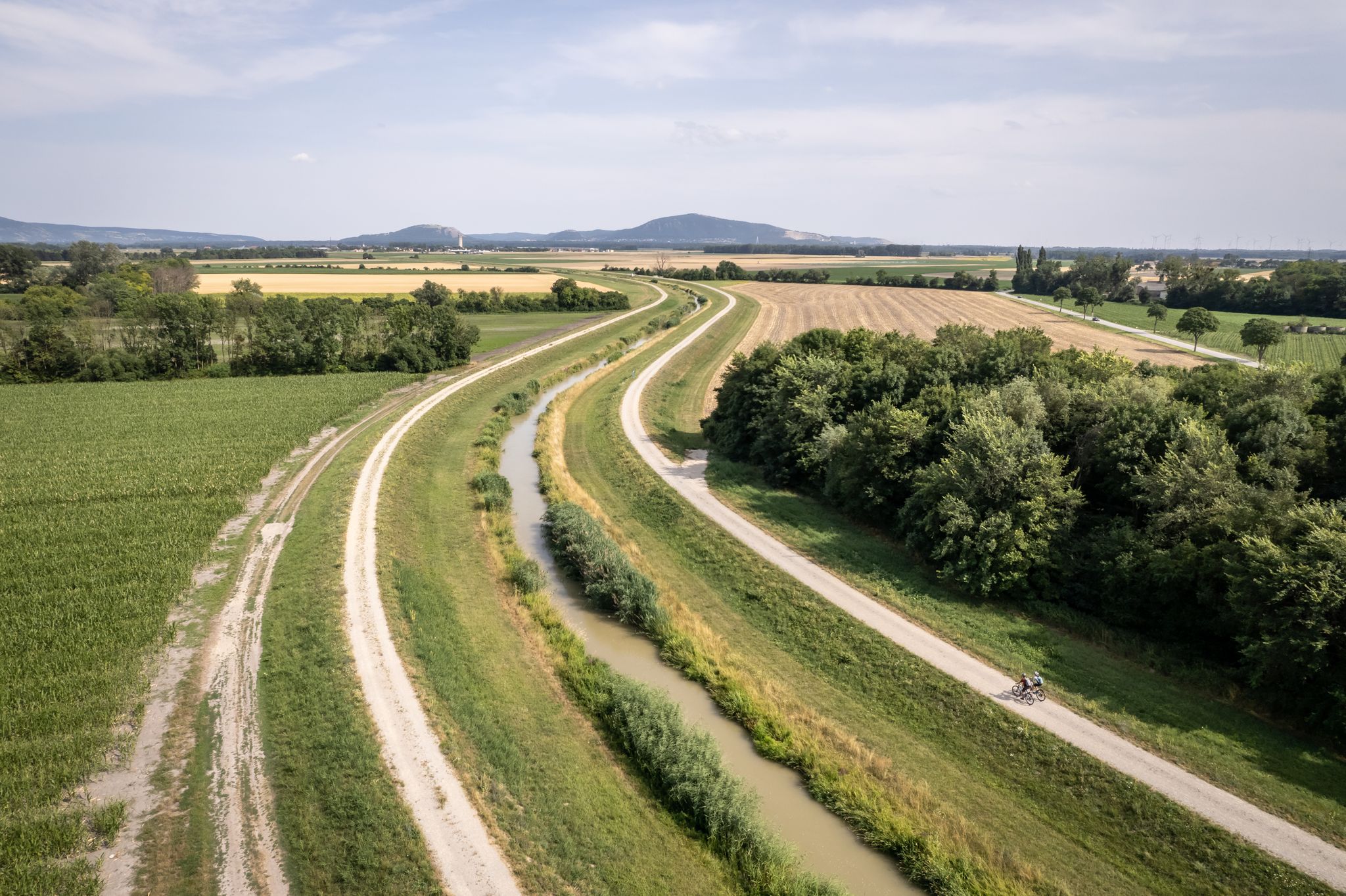
To the Weinviertel! – joyous cycling on Vienna's doorstep
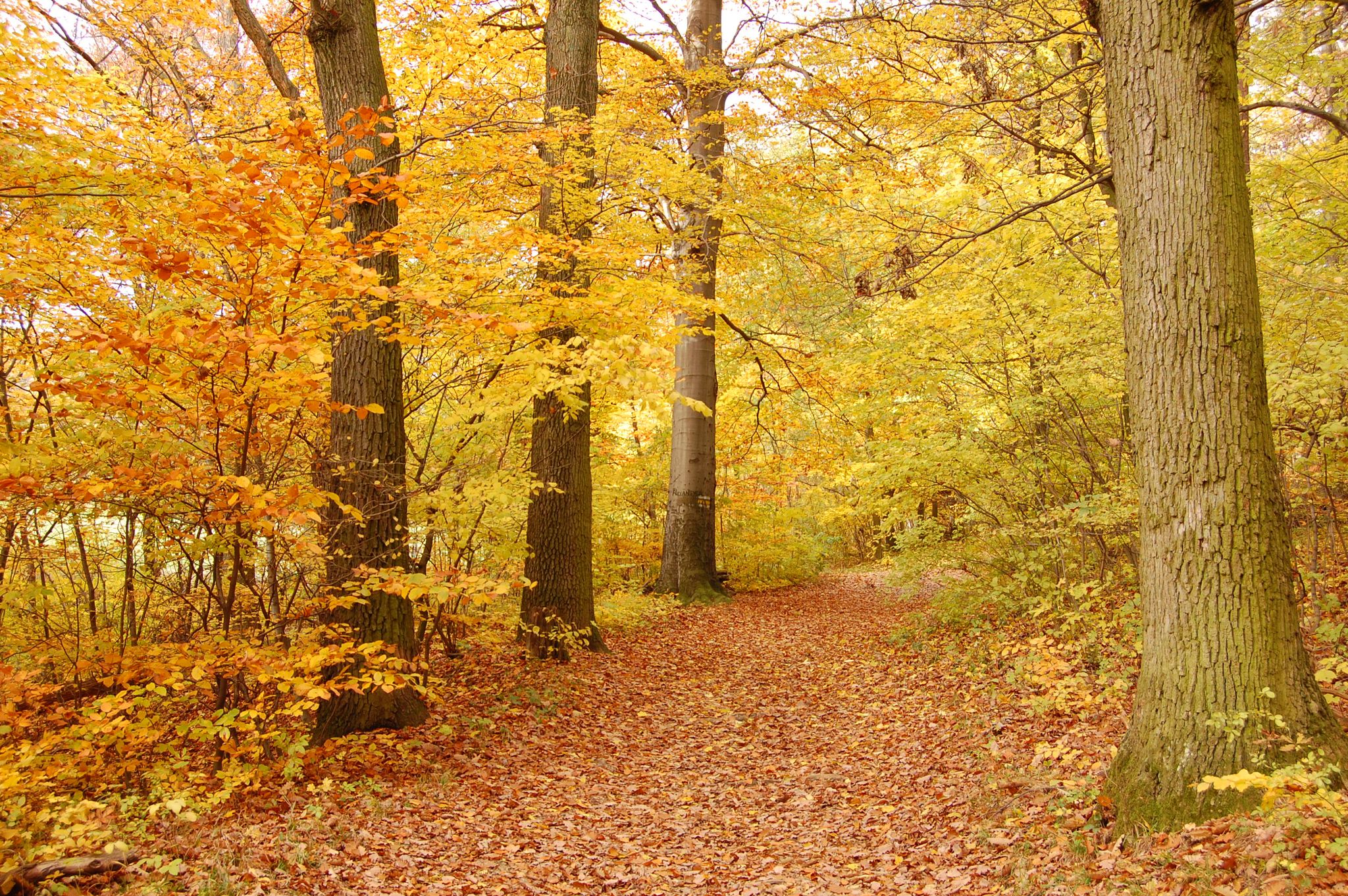
Fantastic autumn hikes in Vienna
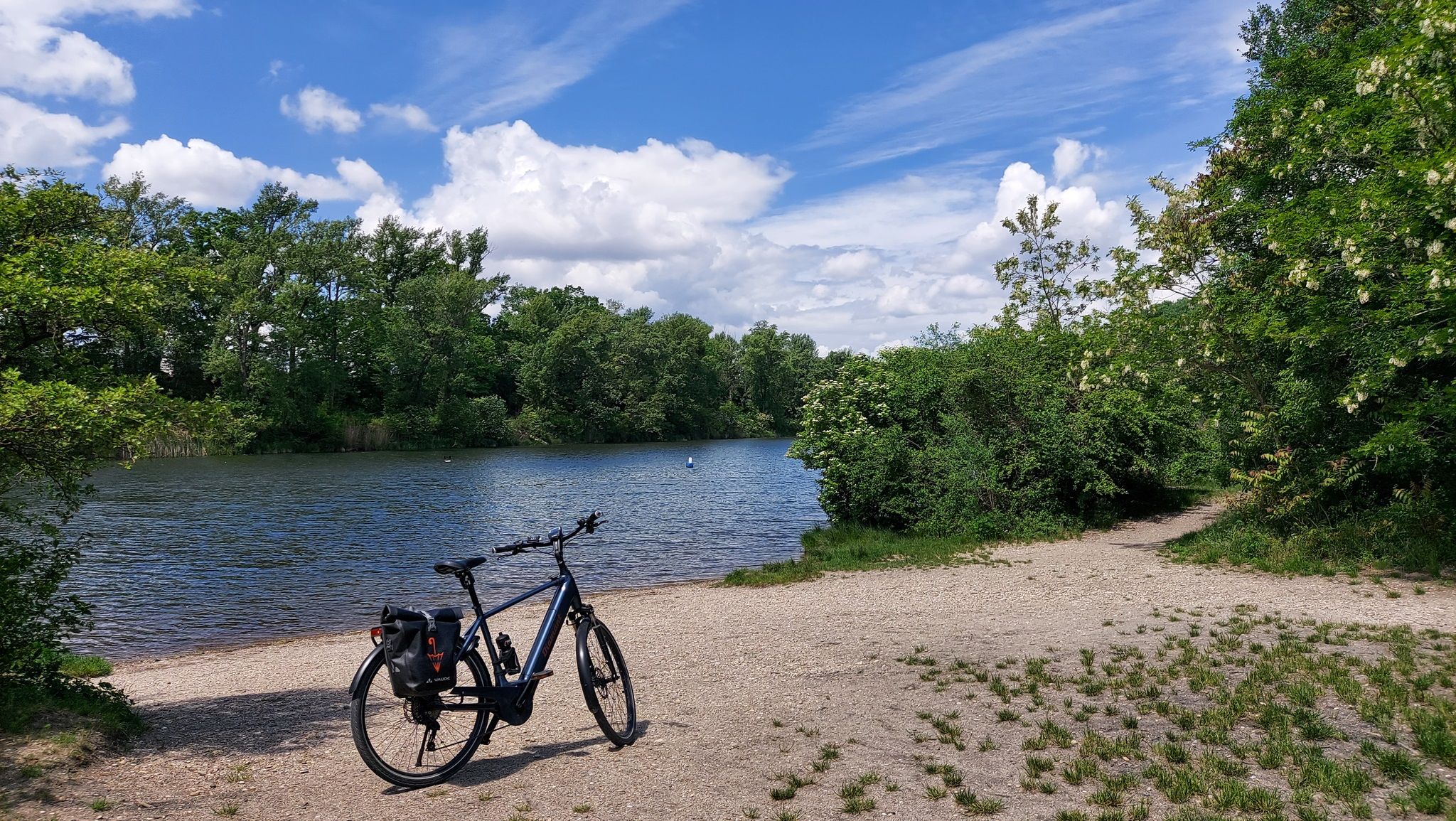
The most beautiful bathing spots around Vienna
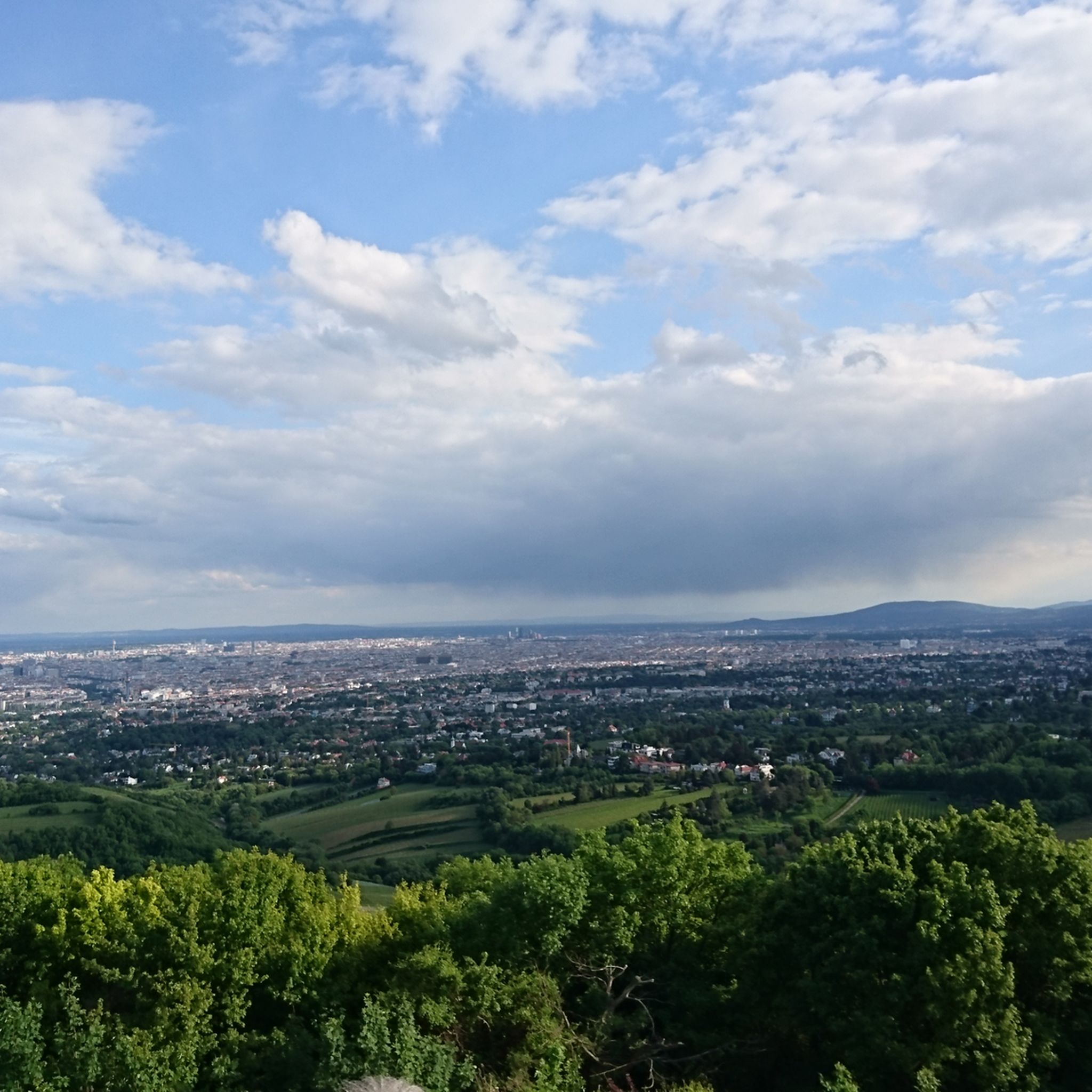
Cycling around Klosterneuburg
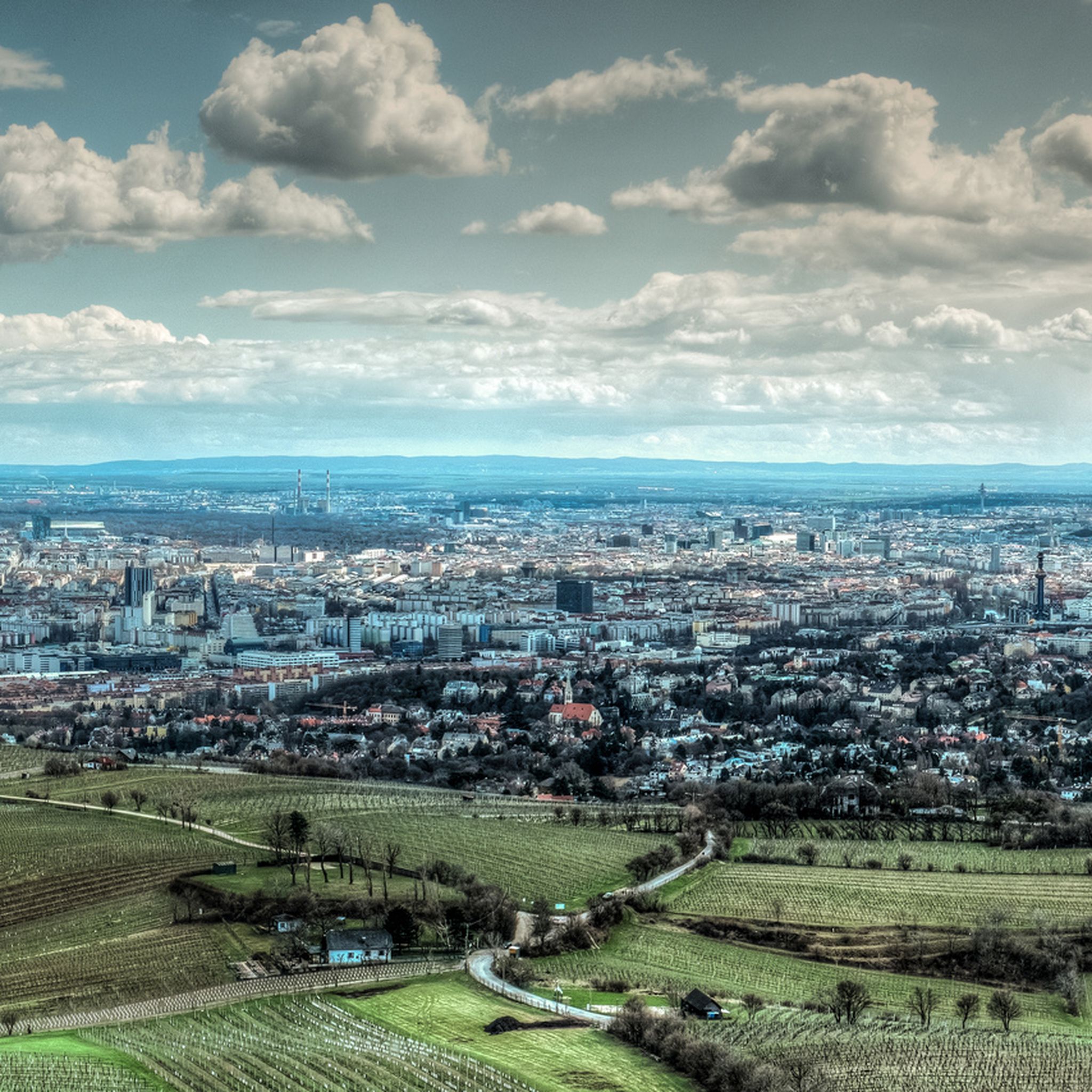
Road Cycling Routes around Klosterneuburg
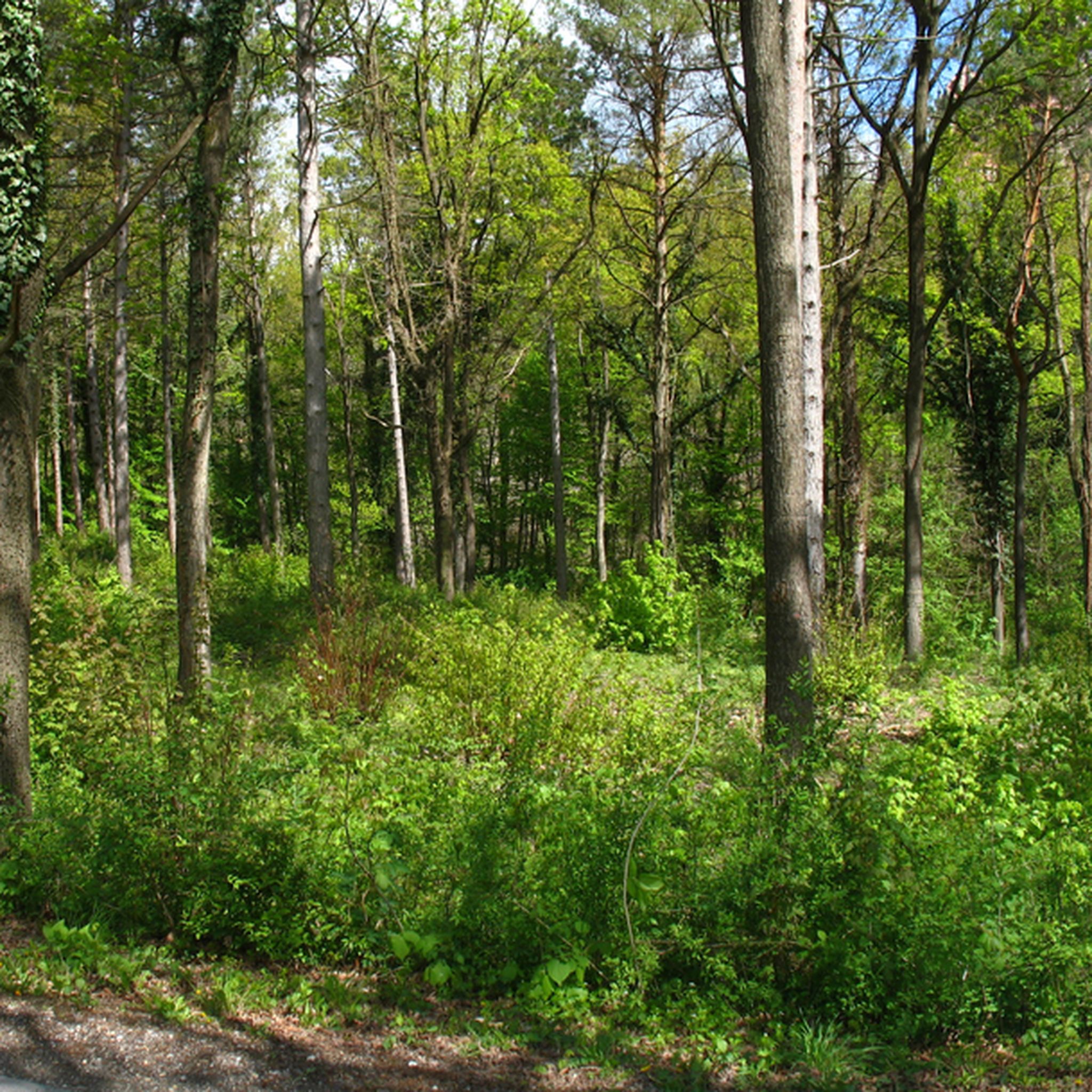
Hiking around Klosterneuburg
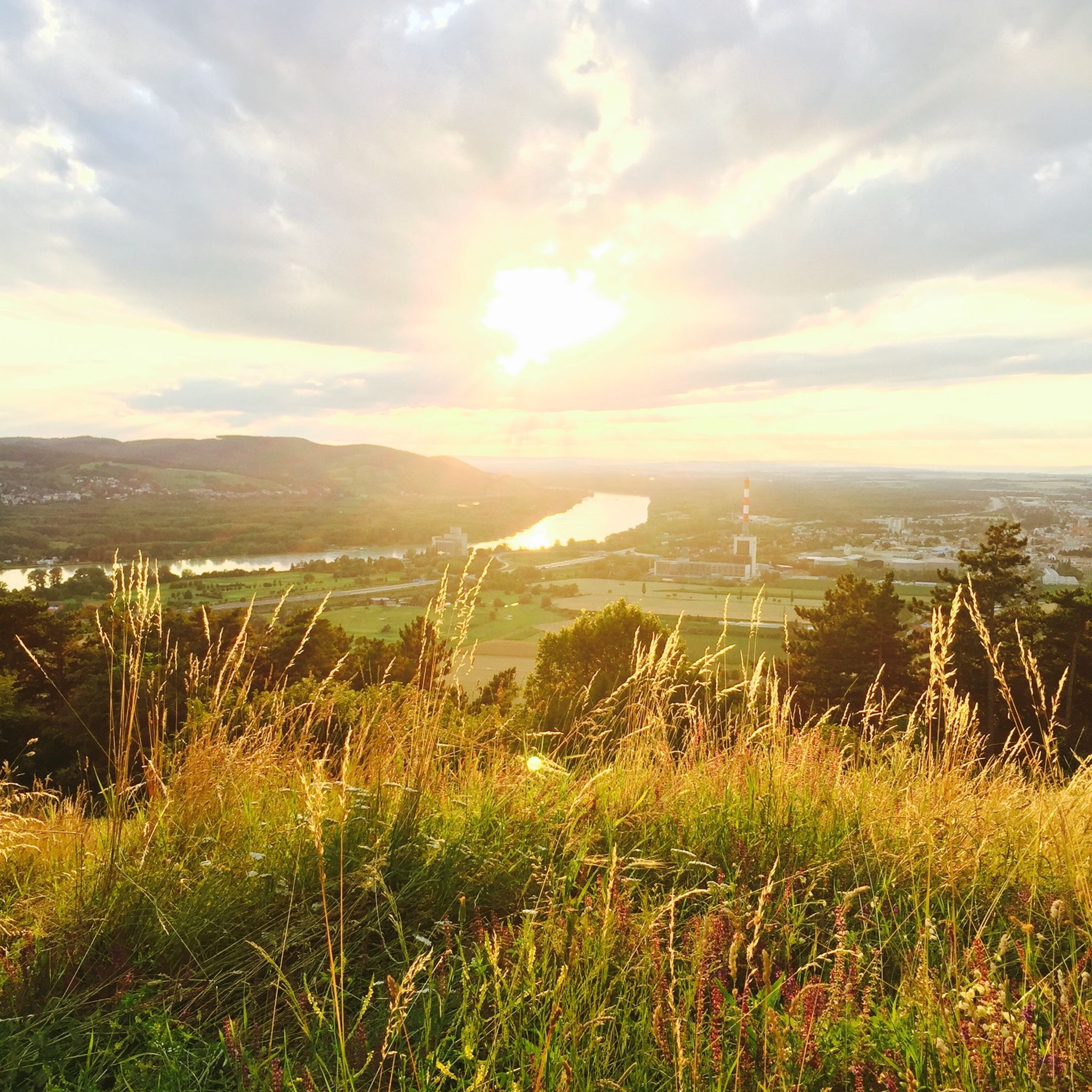
MTB Trails around Klosterneuburg
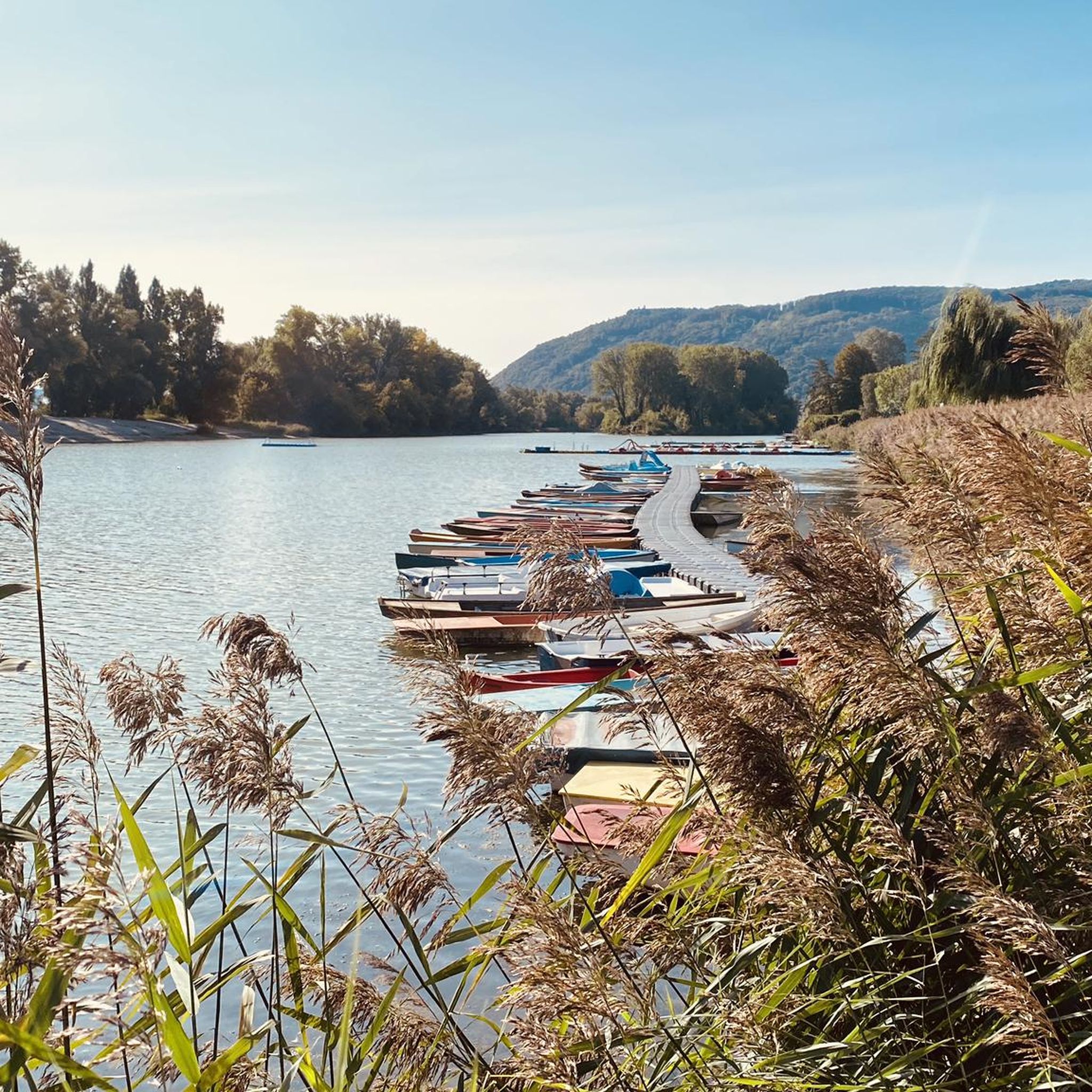
Running Trails around Klosterneuburg
Gravel biking around Klosterneuburg

Mountain Hikes around Klosterneuburg


Tips from the Community

The Lourdes Grotto in the Vienna Woods is a faithful replica of the Lourdes Grotto. Even the altar was built from pure marble, (like the altar in Lourdes).
1
0

If it's not too cold for you: The crypt in St. Michael's Church is well worth a visit.
1
0
This underground chapel is very impressive and highly recommended.
3
2

This impressive place of worship can be found in the middle of the Vienna Woods. Funnily enough, the Great Tullnerfeld circular hiking trail 475 passes by here.
1
0

The history of the chapel is not entirely clear: its architecture can be dated to the early 13th century. At this time, the last duke of the House of Babenberg, Frederick the Quarrelsome (1230–1246), was Lord of Vienna. The hypothesis was put forward that the Duke, who would have liked to see Vienna as a bishopric, had a crypt built for Saint Koloman, the then patron saint of the desired diocese. Source and further information https://de.m.wikipedia.org/wiki/Virgilkapelle
3
3

Interesting old church that was discovered during the construction of the subway.
5
5

Castle Cobenzl: an exciting story. Today only the terrace is left. Nice view over Vienna.
0
0

The underground Gothic Virgil Chapel from 1220 is located below the Stephansdom underground station. The chapel (admission 5 euros) is accessible from the underground station Stephansdom. It is best to take the Kärntner Str. entrance. The chapel was discovered in 1972 when the underground station was being built.
8
2
Frequently Asked Questions
What types of underground sites can I explore near Klosterneuburg?
Near Klosterneuburg, you can explore a variety of underground sites, including religious grottoes like the Lourdes Grotto, Maria Gugging, historical underground chapels such as the Underground Virgil Chapel beneath Stephansdom subway station, and loess caves like the Swedish Caves. The region also features unique sites like Europe's largest underground lake, the Seegrotte Hinterbrühl, which was once a gypsum mine.
Are there any family-friendly underground attractions around Klosterneuburg?
Yes, several sites are suitable for families. The Lourdes Grotto, Maria Gugging offers a serene and contemplative experience. The Swedish Caves are also listed as family-friendly and accessible. The Seegrotte Hinterbrühl, with its boat ride on an underground lake, is a popular and engaging option for all ages.
What is the historical significance of the underground sites near Klosterneuburg?
The region's underground sites are rich in history. The Underground Virgil Chapel beneath Stephansdom subway station dates back to 1220. The Swedish Caves are steeped in legends of being hiding places during the 17th-century Swedish wars. The Seegrotte Hinterbrühl also served as a secret aircraft factory during World War II, adding another layer of historical context.
Can I visit the Seegrotte Hinterbrühl, and what makes it unique?
Yes, the Seegrotte Hinterbrühl is a prominent attraction near Klosterneuburg. It is unique as Europe's largest underground lake, formed from a former gypsum mine. Visitors can take a boat ride on its turquoise waters, experiencing surreal rock formations. Its history as a WWII aircraft factory and a constant year-round temperature of 9°C also contribute to its distinctiveness.
Are there any dog-friendly underground locations near Klosterneuburg?
The Lourdes Grotto, Maria Gugging is an outdoor grotto where visitors often bring dogs, though specific policies should be checked on-site. For other indoor or more confined underground sites, it's generally advisable to check their specific dog policies before visiting.
What are the geological features of the caves in this area?
The region features diverse geological formations. The Swedish Caves are notable for being formed by loess. The Seegrotte Hinterbrühl is a unique example of an underground lake formed within a former gypsum mine, showcasing the impact of both natural processes and human activity on the landscape.
What outdoor activities can I combine with a visit to the caves around Klosterneuburg?
The Klosterneuburg area, situated within the Vienna Woods, offers numerous outdoor activities. You can find various hiking trails, cycling routes, and running trails nearby. These routes often pass through forested areas and offer scenic views, making it easy to combine a subterranean exploration with an active day outdoors.
What is the best time of year to visit the caves near Klosterneuburg?
Many underground sites, like the Seegrotte Hinterbrühl, maintain a constant cool temperature (around 9°C) year-round, making them suitable for visits in any season, including winter. For outdoor grottoes or sites requiring some walking, spring and autumn offer pleasant weather. Always check specific opening hours, especially during off-peak seasons.
How accessible are the underground sites for visitors with mobility concerns?
Accessibility varies by site. The Swedish Caves are described as accessible. The Underground Virgil Chapel is accessible from the Stephansdom underground station. For the Seegrotte Hinterbrühl, while boat tours are involved, it's best to check their specific accessibility information for detailed guidance on ramps or other facilities.
Are there any other historical underground structures besides natural caves?
Yes, beyond natural caves, the region features several historical underground structures. The Underground Virgil Chapel beneath Stephansdom subway station is a Gothic chapel from 1220. The Michaelerkirche Crypt is another historical underground site worth visiting. Additionally, you can find remnants like the Old Cellar Vault Ruins in the forest.
What do visitors typically enjoy most about the Lourdes Grotto, Maria Gugging?
Visitors to the Lourdes Grotto, Maria Gugging appreciate its serene atmosphere, often visiting to collect water and find a moment of silence. It is an artificial replica of the famous Lourdes cave and serves as a significant pilgrimage site, attracting many seeking contemplation and peace.
Where can I find parking or public transport options for these underground sites?
Public transport options are available for some sites, such as the Underground Virgil Chapel, which is accessible directly from the Stephansdom underground station. For other locations like the Lourdes Grotto, Maria Gugging, and the Seegrotte Hinterbrühl, parking facilities are typically available nearby, but it's always recommended to check specific directions and parking availability before your visit.
Most popular routes around Klosterneuburg
Most popular attractions around Klosterneuburg

Get inspired with the komoot mobile app


Explore more
Extend your search for the best caves by checking out these guides of the top ones around Klosterneuburg:
