Top 7 Caves around Rossatz-Arnsdorf
Best caves around Rossatz-Arnsdorf are situated within the UNESCO World Heritage cultural landscape of the Wachau in Austria. This region is defined by its picturesque vineyards, apricot orchards, and the scenic Danube River. While not primarily known for large, publicly accessible natural caves, the area features geological formations such as the Kalkhöhle in Bacharnsdorf, which includes outcrops and cave-like features. The natural appeal of Rossatz-Arnsdorf is rooted in its cultural landscape, historical sites, and recreational opportunities.
Best caves around Rossatz-Arnsdorf
…Last updated: June 26, 2026
Gudenus Cave
Highlight • Cave
Translated by Google •
Tip by

Steinerner Saal Rock Shelter and Cairns
Highlight • Cave
Translated by Google •
Tip by

Sign up now to discover places like this
Get recommendations on the best single tracks, peaks, & plenty of other exciting outdoor places.
Sign up for free
Schusterlucke
Highlight • Cave
Translated by Google •
Tip by

Eichmayer Cave
Highlight • Cave
Translated by Google •
Tip by

Cave Entrance
Highlight • Cave
Translated by Google •
Tip by

Sign up for free to discover even more caves around Rossatz-Arnsdorf.
Sign up for free
Already have an account?
Start today with a free account
Your next adventure awaits.
Login or Signup
Popular around Rossatz-Arnsdorf
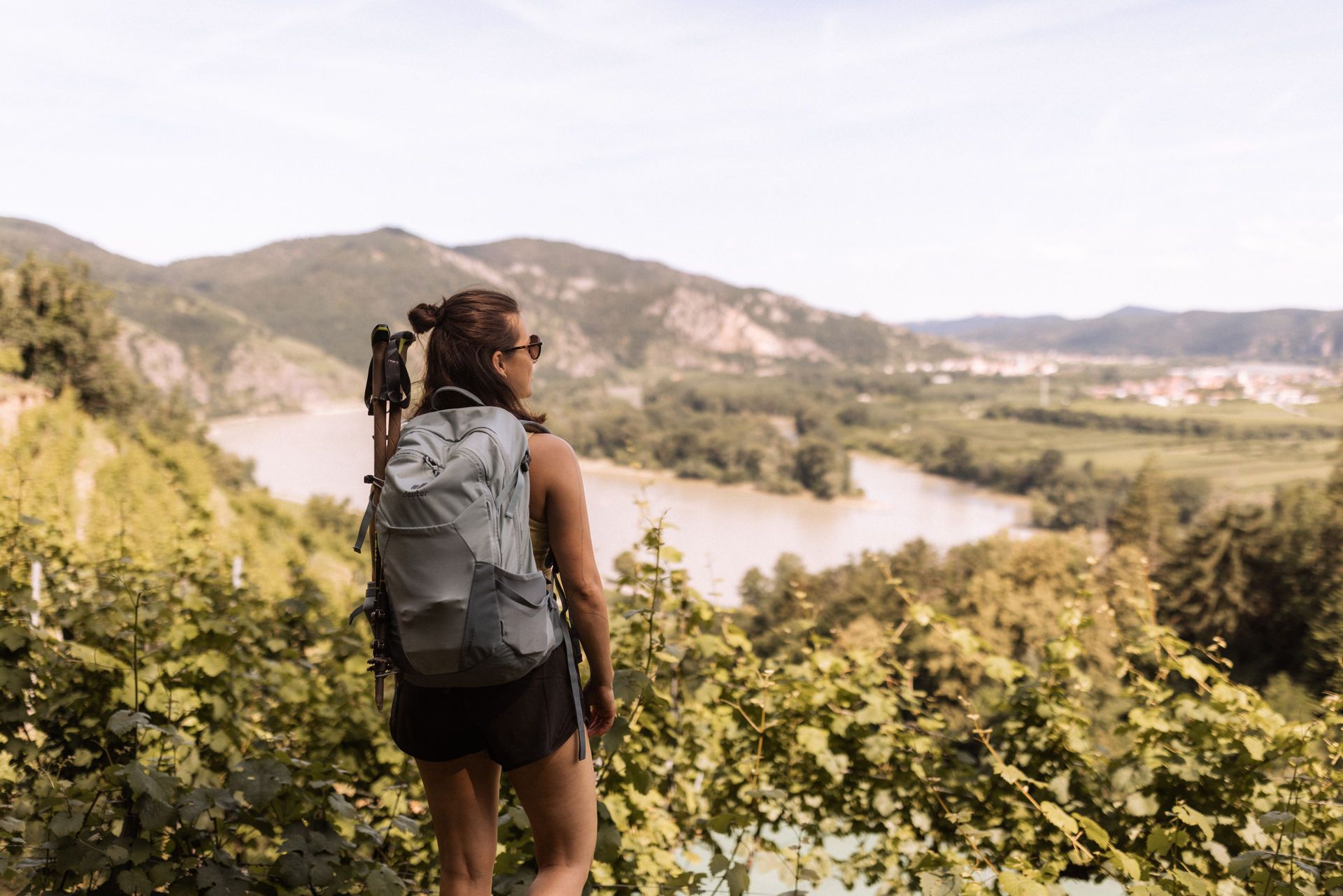
Wachau World Heritage Trail – Danube Valley and Wachau wine country
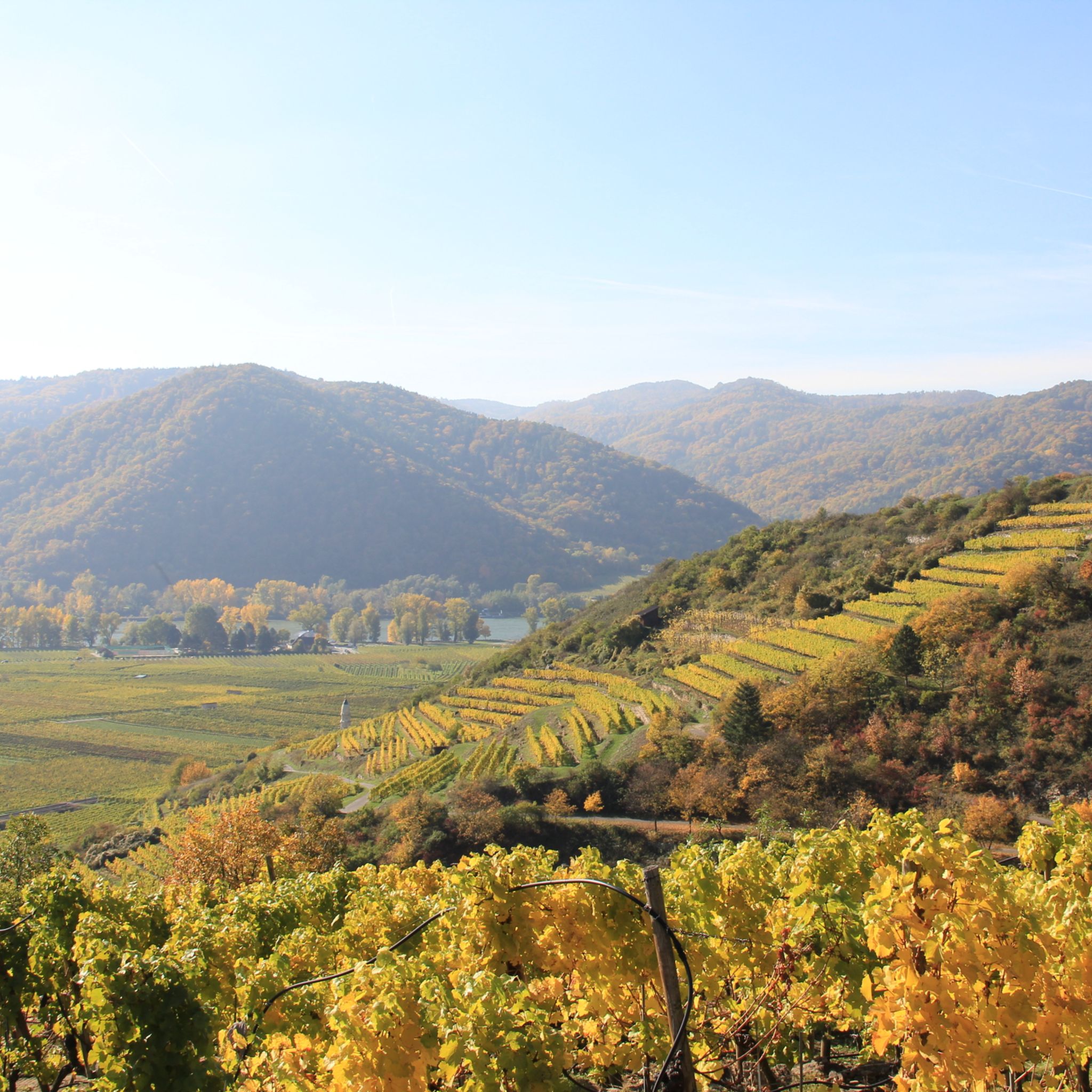
Hiking around Rossatz-Arnsdorf
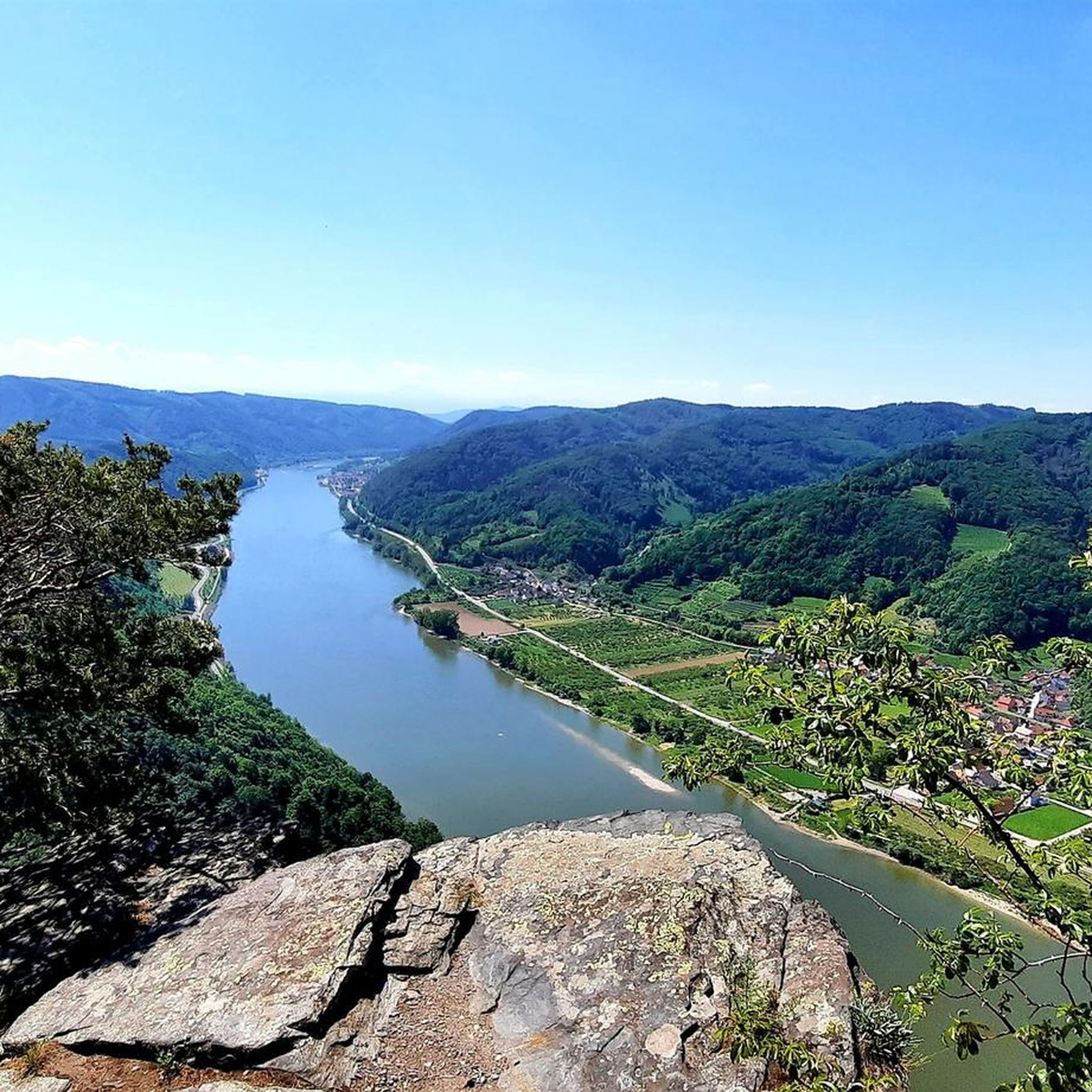
Cycling around Rossatz-Arnsdorf
Road Cycling Routes around Rossatz-Arnsdorf
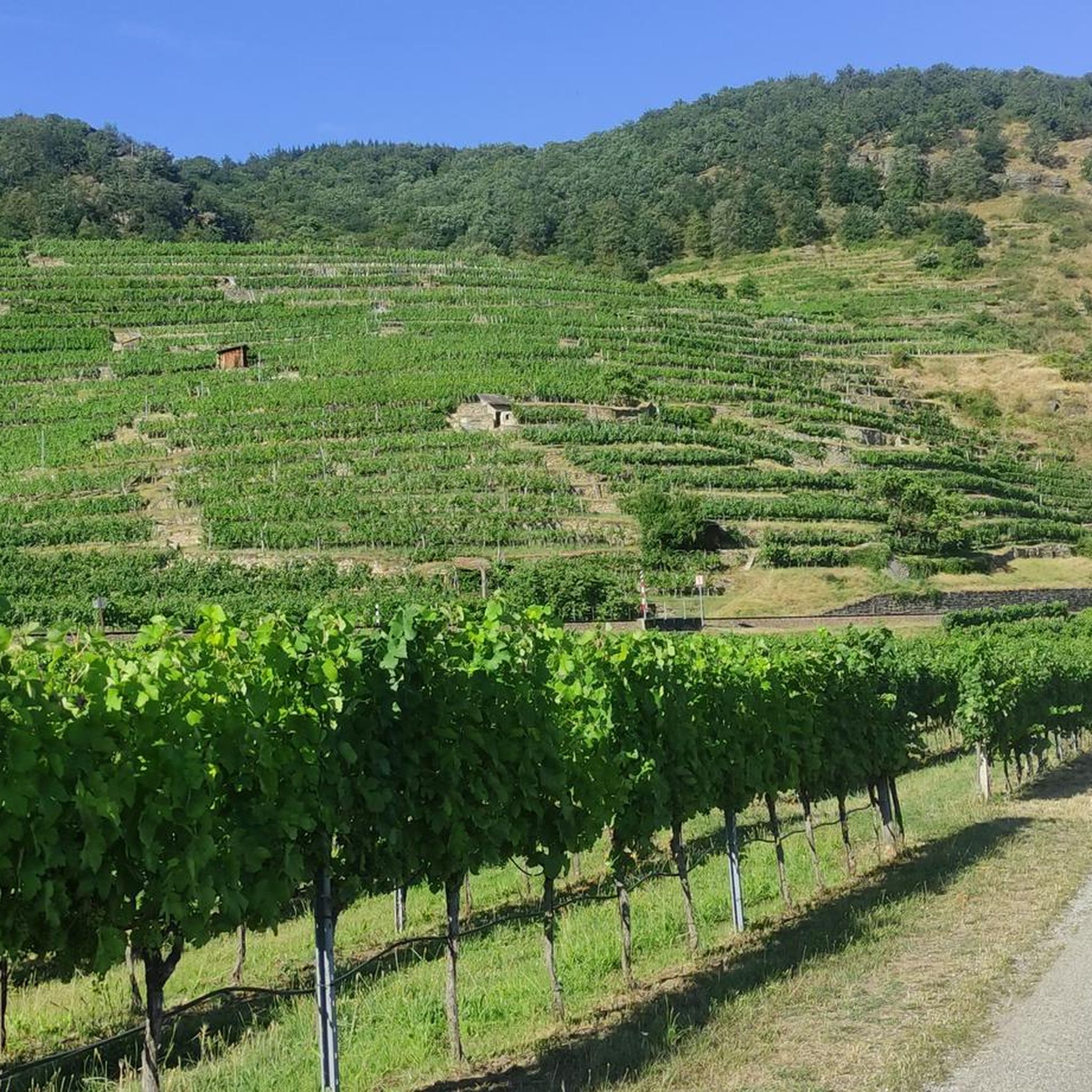
Running Trails around Rossatz-Arnsdorf
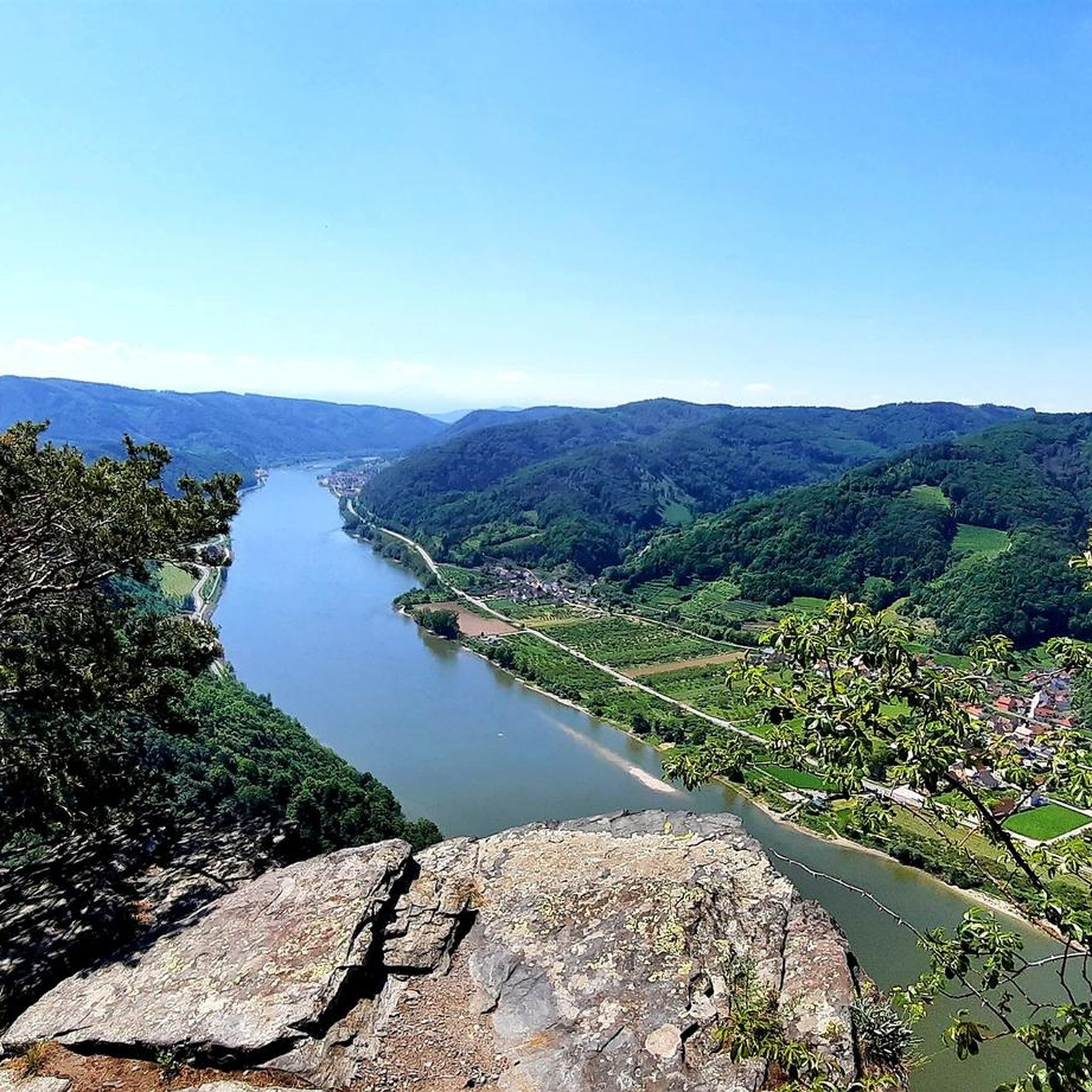
MTB Trails around Rossatz-Arnsdorf
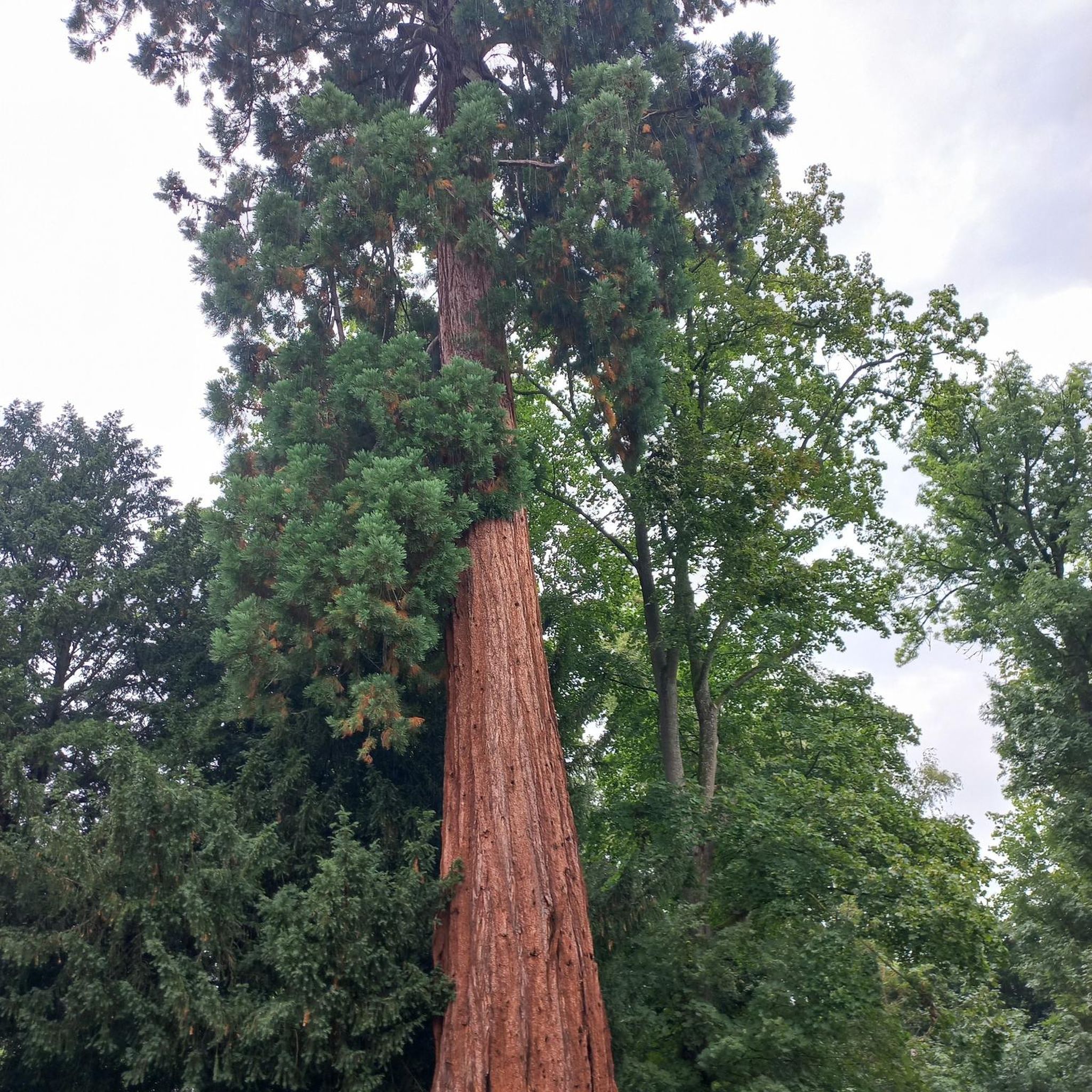
Gravel biking around Rossatz-Arnsdorf
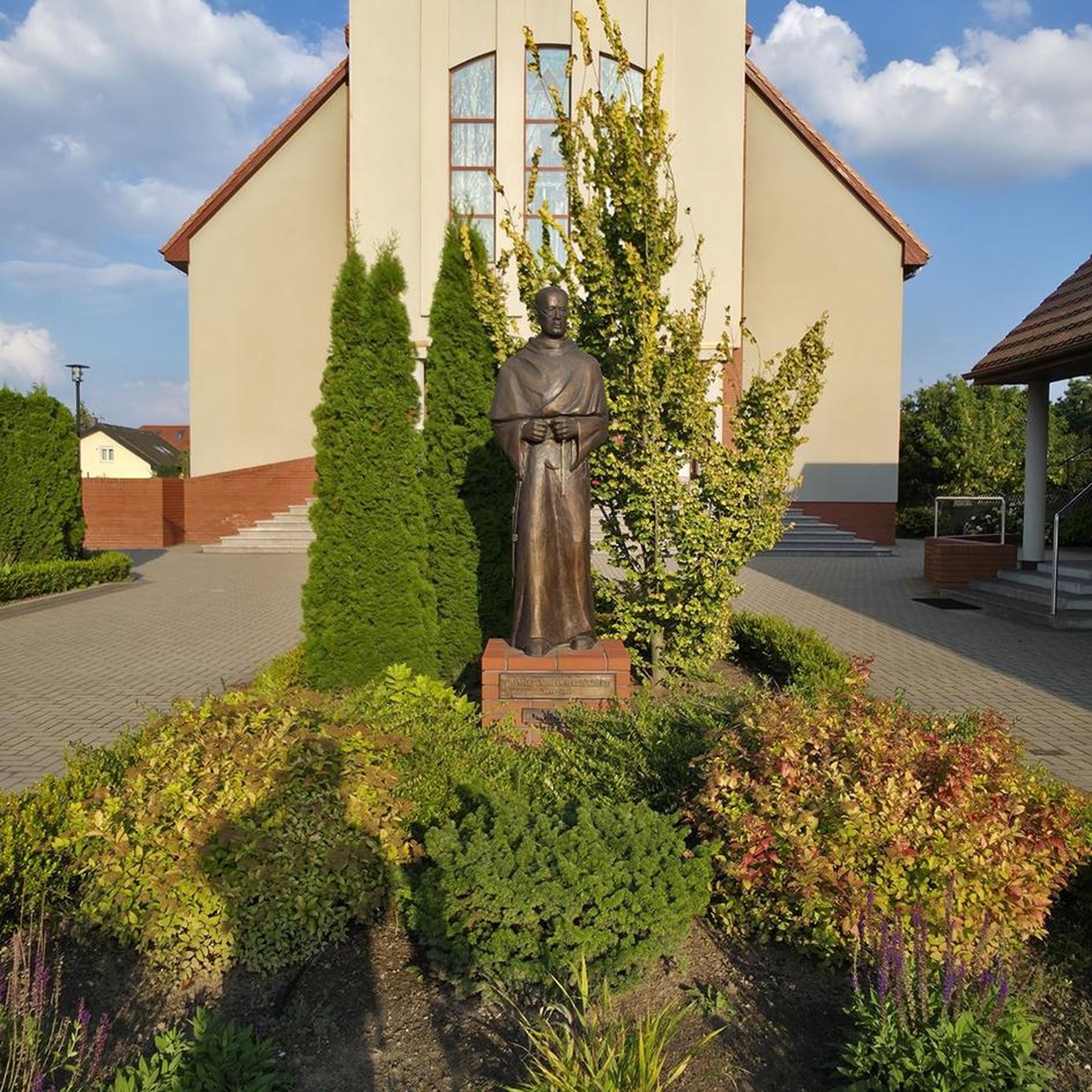
Mountain Hikes around Rossatz-Arnsdorf
Other adventures around Rossatz-Arnsdorf

Tips from the Community

The Schusterlucke, another cave in the small Krems Valley. It is accessible via the Vettersteig trail and is said to have served as a cobbler's hideout during the Thirty Years' War.
0
0
During excavations in the Eichmayer Cave, remains of 27 mammal and 8 bird species were found, including Magdalenian artifacts.
0
0
Please do not deface it!!! Below Hartenstein Castle lies the Gudenus Cave, which was carved out of the riverbank and inhabited by Neanderthals during the Stone Age. Traces of settlement dating back almost 100,000 years were discovered there, including hand axes and other tools. Due to historical preservation, the bridge could no longer be rebuilt unless the cave was sealed.
0
0
An impressive natural monument. The climb, approximately 15 minutes and 85 meters in elevation, is well worth it. The Stone Hall is part of the Kremstal Canyon, a region with other interesting caves such as the Gudenus Cave and the Eichmayer Cave. A 30-meter-wide and eight-meter-high rock roof. This sheltered site was frequented by Ice Age hunters. Neanderthal stone tools from the Middle Paleolithic and the end of the last Ice Age were found here.
0
0

A small tunnel with an entrance. No further details can be found.
8
0

The entrance to the cave is overgrown, which is a pity.
0
0

The bridge at the Gudenus Cave has been gone for 2 years. Accessible via stones at low water
1
0

A great natural monument in a great environment.
0
0
Frequently Asked Questions
What kind of cave features can I explore in Rossatz-Arnsdorf?
Rossatz-Arnsdorf offers a variety of subterranean formations, including natural caves, rock shelters, and geological features. You can find passage caves like Gudenus Cave, rock overhangs such as Steinerner Saal Rock Shelter and Cairns, and other impressive natural monuments like Eichmayer Cave.
Are there historically significant caves in the Rossatz-Arnsdorf region?
Yes, several caves in the area hold significant historical value. Gudenus Cave is notable for Stone Age artifacts, indicating Neanderthal activity approximately 70,000 years ago. Similarly, Steinerner Saal Rock Shelter and Cairns was visited by Ice Age hunters, with Neanderthal stone tools found there. The Schusterlucke also yielded prehistoric tools and animal bones.
Is the Kalkhöhle in Bacharnsdorf accessible to visitors?
The Kalkhöhle (Kalkofengraben) in Bacharnsdorf is a geological feature with outcrops and cave-like formations, primarily notable for its mineral composition. It is situated approximately 150 meters above the road. While it's a natural formation, it is not a developed show cave with established visitor infrastructure. Access might involve navigating natural terrain.
What outdoor activities can I combine with a visit to the caves?
The region around Rossatz-Arnsdorf offers diverse outdoor activities. You can explore numerous hiking trails, including sections of the Wachau World Heritage Trail. There are also options for gravel biking and running. For more details on routes, you can check the hiking guide, gravel biking guide, or running trails guide for Rossatz-Arnsdorf.
Are there hiking trails that lead to or near these caves?
Yes, several hiking trails in the Kremstal area will bring you close to or directly to some cave features. For instance, the Schusterlucke is accessible via the Vettersteig trail, and the climb to Steinerner Saal Rock Shelter and Cairns is part of the Kremstal Canyon region, which also features other caves. You can find more hiking options in the Hiking around Rossatz-Arnsdorf guide.
What makes the caves in Rossatz-Arnsdorf unique?
The caves in Rossatz-Arnsdorf are unique due to their geological composition, often featuring minerals like titanite and diopside within amphibolite, marble, and calcsilicate rocks. Beyond geology, their historical significance, with evidence of Ice Age hunters and Neanderthal activity, sets them apart. They are natural formations, offering a different experience than developed show caves found elsewhere.
What should I wear or bring when exploring caves in this area?
When exploring natural cave features, it's advisable to wear sturdy hiking shoes with good grip, as terrain can be uneven and potentially slippery. Layers of clothing are recommended as temperatures inside can be cooler. A headlamp or flashlight is essential for visibility, and gloves can be useful for scrambling or touching rock surfaces. Always carry water and a small first-aid kit.
What do visitors enjoy most about exploring caves around Rossatz-Arnsdorf?
Visitors frequently appreciate the historical significance and natural beauty of the cave sites. The challenging climb to places like Steinerner Saal Rock Shelter and Cairns is often cited as rewarding, offering impressive natural monuments. The sense of discovery, especially for hidden spots like Eichmayer Cave, is also a highlight.
What is the best time of year to visit the caves in Rossatz-Arnsdorf?
The caves in Rossatz-Arnsdorf are generally accessible year-round, but the best time to visit depends on your preference for outdoor conditions. Spring and autumn offer pleasant temperatures for hiking to the cave entrances. Summer provides warmer weather, while winter visits might require more caution due to potentially icy paths, though the caves themselves maintain a more constant temperature.
Are there any historical sites besides caves worth visiting in Rossatz-Arnsdorf?
Beyond the caves, Rossatz-Arnsdorf, nestled in the Wachau, is rich in historical sites. The region features Roman watchtowers (Limestürme), which are remnants of the Roman Limes. The entire Wachau cultural landscape is a UNESCO World Heritage site, offering numerous historical and cultural points of interest alongside its natural beauty. You can learn more about the Roman watchtowers on Wikipedia.
Where can I find parking when visiting the caves?
Parking availability varies by specific cave location. For caves accessible via hiking trails, look for designated parking areas at trailheads or in nearby villages. It's recommended to check local signage or online maps for parking options closest to your intended cave visit, especially in smaller, less developed areas.
How long does it typically take to explore the caves in Rossatz-Arnsdorf?
Most cave features in Rossatz-Arnsdorf are natural formations or rock shelters rather than extensive cave systems. Exploration time can range from a quick stop of 15-30 minutes for smaller features like Cave Entrance, to an hour or more for sites like Gudenus Cave or Steinerner Saal Rock Shelter and Cairns, especially when factoring in the approach hike.
Most popular routes around Rossatz-Arnsdorf
Most popular attractions around Rossatz-Arnsdorf

Get inspired with the komoot mobile app


Explore more
Extend your search for the best caves by checking out these guides of the top ones around Rossatz-Arnsdorf:
