Top 13 Caves around Brandenberg
Caves around Brandenberg are primarily characterized by man-made underground features rather than extensive natural limestone cave systems. The region's geology, consisting mainly of sand, limits the formation of large natural caves. However, visitors can explore unique historical architectural grottoes and significant underground complexes. These sites offer insights into the area's cultural history and engineering.
Top caves around Brandenberg
- The most popular caves is Ice Cave on the Hundalm, a natural ice cave. This unique cave features ice walls and stalactites, accessible via narrow paths, stairs, and wooden jetties.
- Another must-see spot is Parish Church of St. Virgil and St. Catherine, Rattenberg, a religious building with Gothic origins and Baroque redesigns. An elevator provides access to the church portal, making it accessible for visitors.
- Visitors also love Shrine at the Cave, a religious building located at the end of a challenging climb. This site offers a viewpoint and a unique setting for reflection.
- Brandenberg is known for natural ice caves, historic mining tunnels, and shrines built into cave-like formations. These sites offer a variety of underground experiences, from geological wonders to historical and religious landmarks.
- The caves around Brandenberg are appreciated by the komoot community, with users contributing more than 120 photos and 79 upvotes to related content.
Last updated: October 12, 2026
Parish Church of St. Virgil and St. Catherine, Rattenberg
Highlight • Religious Site
When Ottilie died she returned to the castle where she served faithfully until her death. She died on September 14, 1313 and is now located in the Notburgakirche in Eben, Tyrol. You cannot visit her birthplace, but you can read all about her miracles and her life on the facade plaque.
Translated by Google •
Tip by

Ice Cave on the Hundalm
Highlight • Cave
Translated by Google •
Tip by

Sign up now to discover places like this
Get recommendations on the best single tracks, peaks, & plenty of other exciting outdoor places.
Rhaetian Inscriptions Cave (Inschrifthöhle)
Highlight • Cave
Translated by Google •
Tip by

Historic Mining Tunnel on Gratlspitze
Highlight • Cave
Translated by Google •
Tip by

Alpbach Show Mine
Highlight • Cave
Translated by Google •
Tip by
Sign up for free to discover even more caves around Brandenberg.
Already have an account?
Start today with a free account
Your next adventure awaits.
Popular around Brandenberg
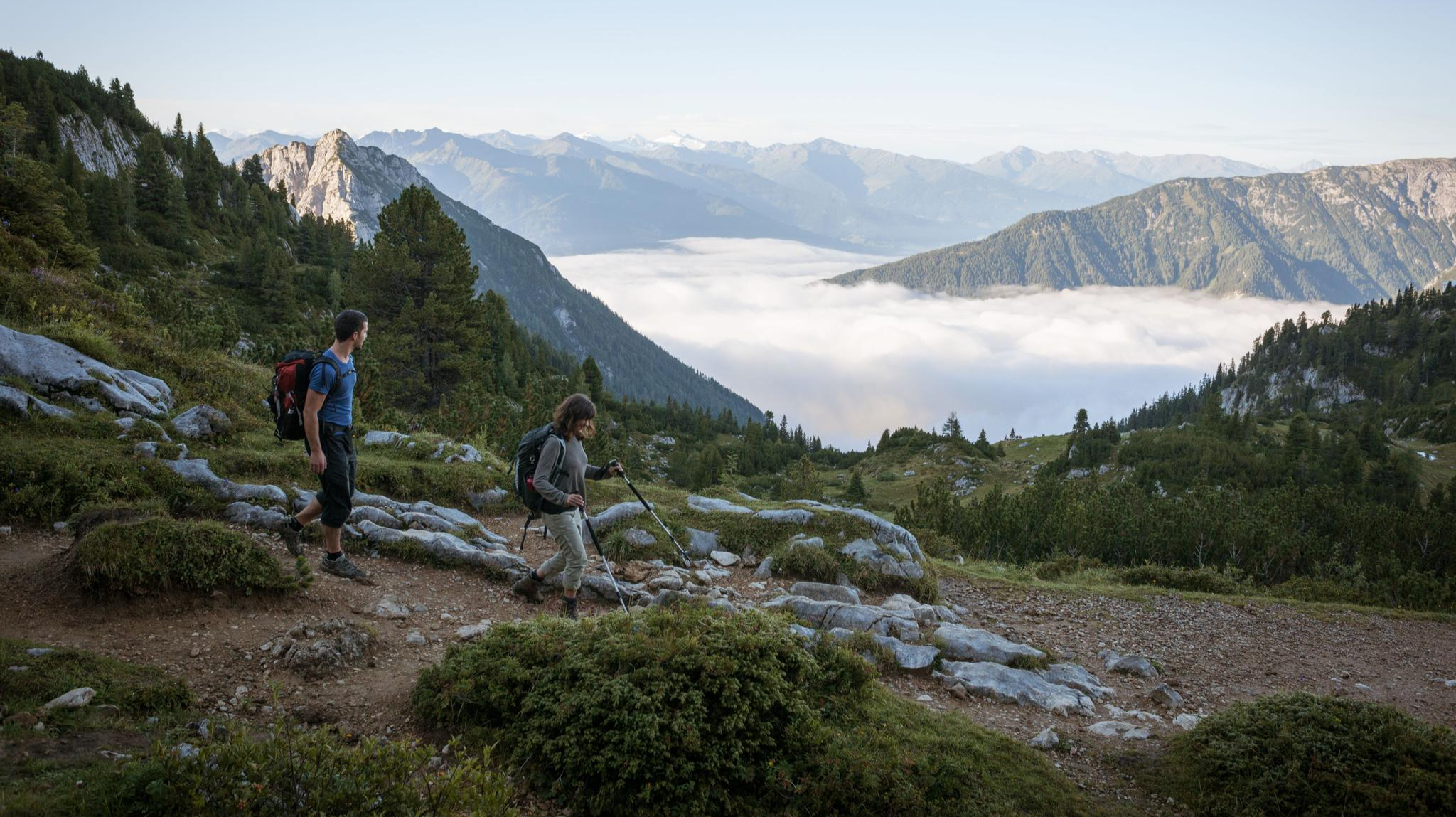
Eagle Walk – Majestic hiking along Tirol's trail
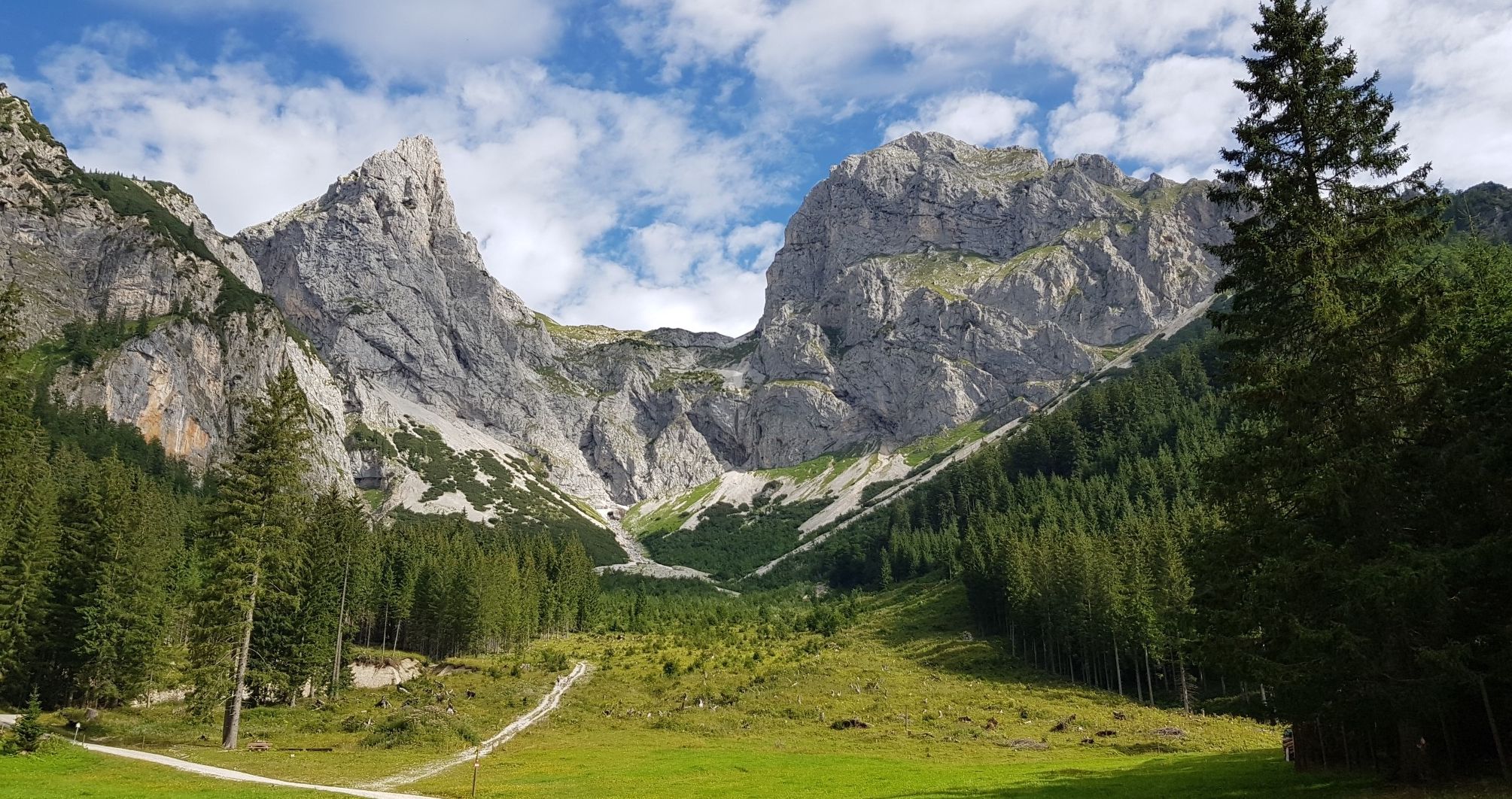
North Alpine Trail 01 – Hike across Austria in 49 days
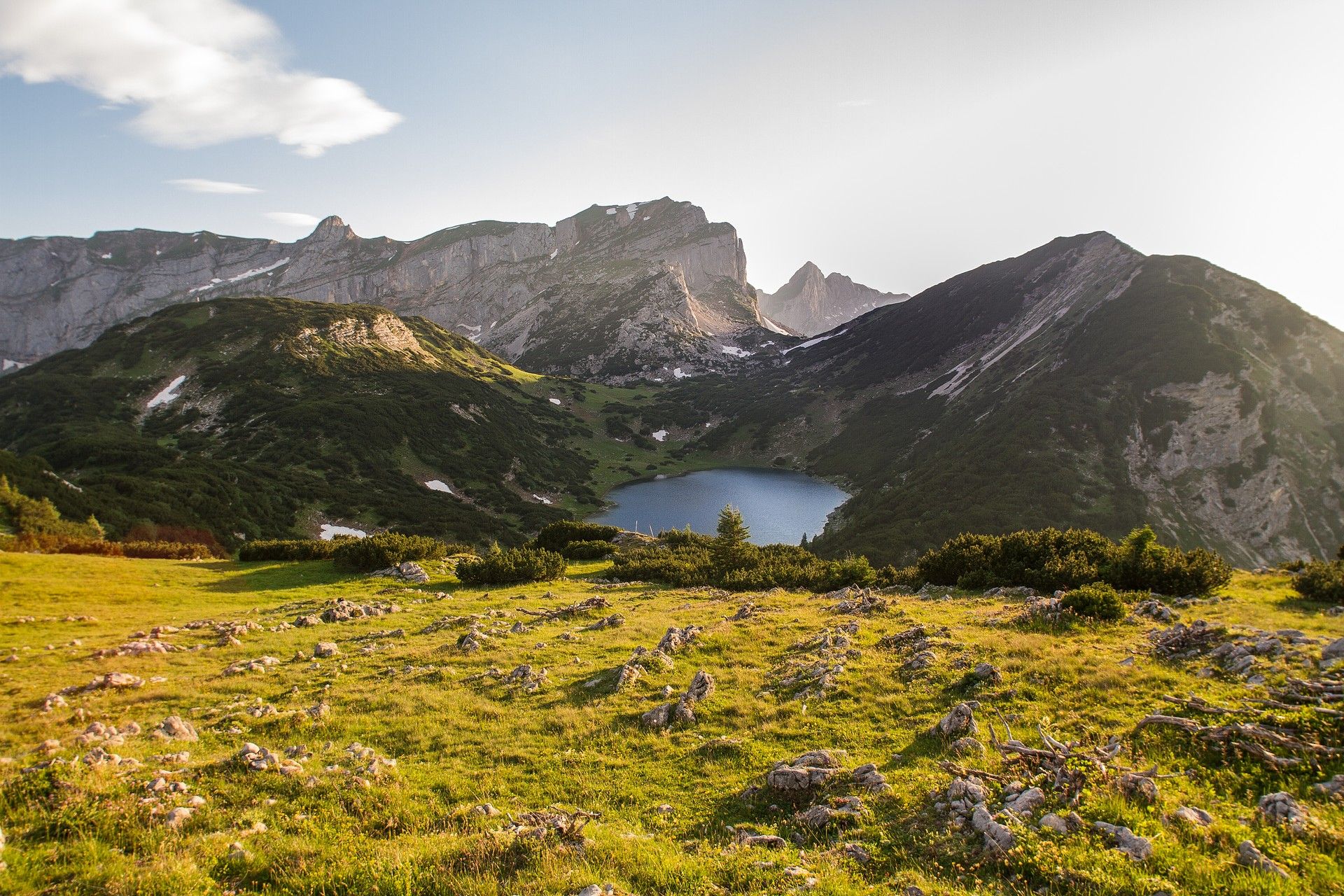
Your Alpbachtal Bucket List: 10 routes that outdoor enthusiasts love
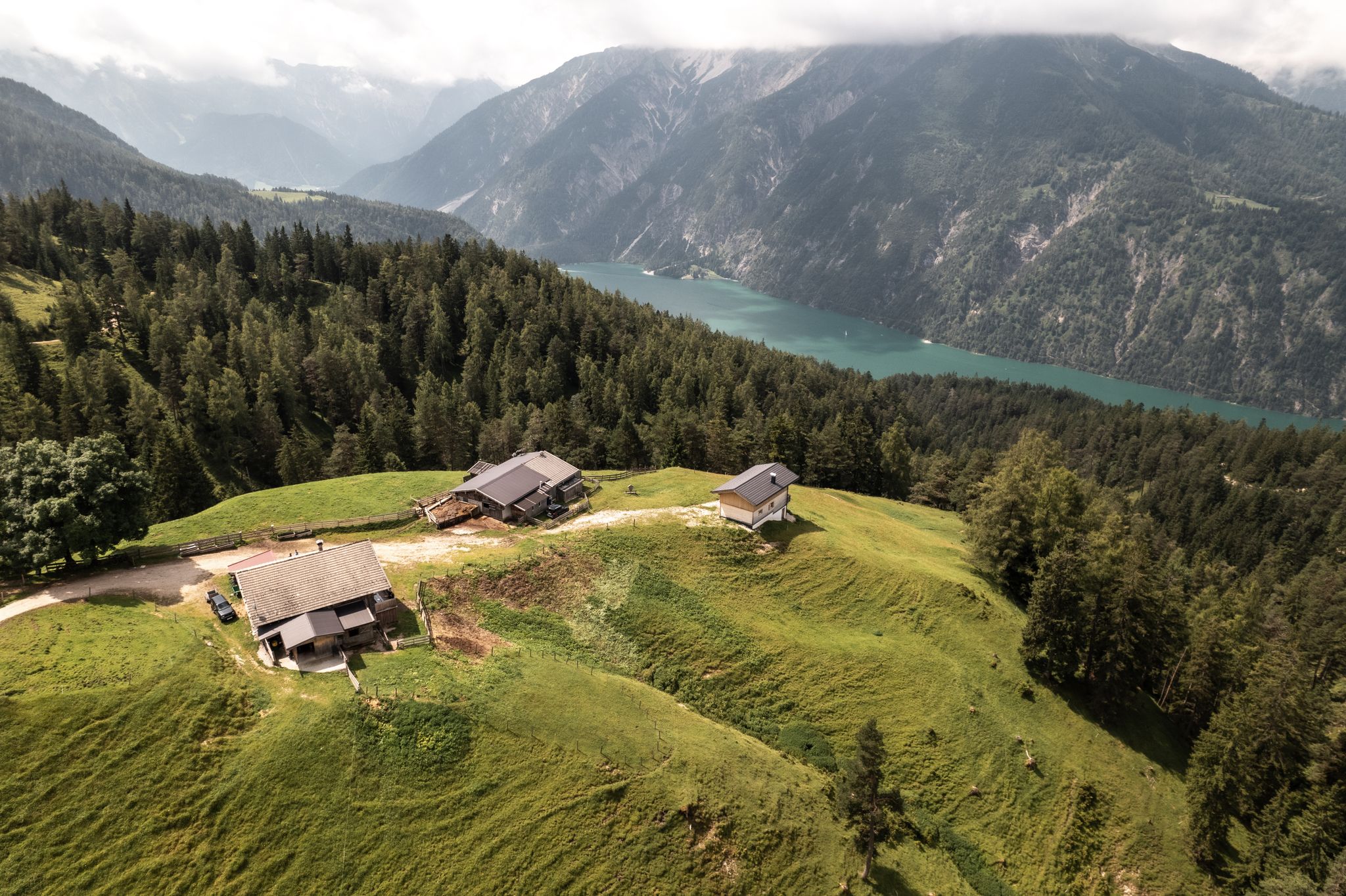
Lakes'n'Knödel – Bikepacking adventure with a taste of the Alps
Wild waters and picturesque peaks – hiking in Alpbachtal
E-Biking in Austria’s Alpbachtal – discovering Tyrol on two wheels
10 nature hikes for the whole family in the Alpbachtal Valley
Great hikes for the whole family – 10 Tours in the Alpbachtal in Austria
11 colourful autumnal walks in Tyrol in the Alps
Summit views, mountain lakes and delicious food — hiking in Austria
Other adventures around Brandenberg


Tips from the Community

May 24th – October 26th, 2025, every Saturday and Sunday. July 10th – September 7th, 2025, also every Thursday and Friday during the summer holidays between 10:00 AM – 4:00 PM as required. Tour duration: approximately 30 minutes. Please register in advance for groups of 10 or more. Admission Prices €9.00 Adults €7.00 Concessionary (e.g., Tyrolean Family Pass, Guest Card, etc.) €4.00 Children https://eishoehle.tirol/
0
0

The small inscription cave below the Schneidjoch Pass in the northwestern Brandenberg Alps is the site of seven Rhaetian rock inscriptions. These date from the Late Iron Age (circa 500–15 BC) and are documents of Rhaetian, a language related to Etruscan that was displaced by Latin after the Roman conquest of the Alpine region. Four of the seven inscriptions in the cave are comprehensible: They record the names of individuals who presumably performed cultic ceremonies at this site. It is particularly noteworthy that three of the four inscriptions belong together, as the names recorded in them are those of a father and his two sons. The nature of the cultic ceremonies performed in or in front of the inscription cave is unclear; perhaps the inscription of names on the rock surface itself was already considered a ritual act (https://tir.univie.ac.at/images/8/88/Steinberg.pdf).
0
0

One of Rattenberg's special sights is the parish church of St. Virgil and St. Catherine. This Gothic building has two naves. Once, it was a separate church for citizens and miners. Important artists redesigned the building in the Baroque style. A chapel commemorates Saint Notburga, who was born in Rattenberg. Noteworthy: an elevator leads from the Painter's Corner to the church portal. 😉
10
0

A hand-dug tunnel about 10m long in the Gratlspitze mountain range. On the back of the mountain there are numerous other former tunnels that indicate mining.
1
0

You just have to see this one!
2
0

The immediate proximity of the steeply sloping Schlossberg site and the spatial limitations of the building site meant that the church building itself showed some special features. The origins of the church are Gothic. It was built between 1473 and 1506 and acquired its current Baroque architectural style in the 18th century. The main artistic features are the so-called "Annenaltar" in the southern choir stalls with its statues, the vault frescoes by SB Faistenerger and Matthäus Günther and the Lourdes Shrine.
9
0
Südtiroler Strasse 67 is the birthplace of Saint Notburga, who enjoys great prestige in the region. She was born in Rattenberg in 1265 and, as a child, was appointed maidservant to the Count of Rottenburg in the Lower Inn Valley. She always saved some of the meals she received there to give to the poor and beggars. After the death of the countess, his stepdaughter Ottilie forced her to leave the castle and she became a maidservant on a farm in Eben. The farmer was harsh and exploited his staff. He wanted to continue working in the evening, but Notburga did not want to give in and shouted loudly "Rest time". She threw up her sickle, which miraculously stayed in the air. When Ottilie died she returned to the castle where she served faithfully until her death. She died on September 14, 1313 and is now located in the Notburgakirche in Eben, Tyrol. You cannot visit her birthplace, but you can read all about her miracles and her life on the facade plaque.
13
0

The sights of Rattenberg also include the St. Virgilius Church, which has existed since 1507. In the 18th century, this Roman Catholic Parish Church received its current Baroque interior. The church is a masterpiece of the Hagau architectural style. On the high altar, above the large painting, one sees the well-known triangle surrounded by rays and angels, with the Hebrew tetragrammaton in the center.
2
0
Frequently Asked Questions
What types of 'caves' can I explore in Brandenburg?
Brandenburg is not known for extensive natural limestone caves due to its geological makeup. Instead, you can explore unique man-made underground features, historical architectural grottoes, and significant underground complexes. These offer insights into the region's cultural history and engineering.
Are there any natural caves with stalactites and stalagmites in Brandenburg?
No, Brandenburg's geology, primarily consisting of sand and limited limestone, means that large natural cave networks with typical stalactite and stalagmite formations are uncommon. For such experiences, you would need to visit other regions in Germany, such as Saxony or areas further south with more limestone.
What historical underground sites can I visit in Brandenburg?
Brandenburg offers fascinating historical underground sites. One notable example is the Bunker Complex of the East German Border Troops near Prieros. This large, man-made complex served as an alternate command post during the Cold War, providing a significant glimpse into that era's infrastructure.
Can I visit any architectural grottoes in Brandenburg?
Yes, an example of independent grotto architecture in the region is the Shell Grotto on Jungfernsee in Potsdam. While its exterior might not immediately reveal its beauty, the interior, despite its current state, hints at its formerly elaborate decorations and magnificence, offering a unique historical experience.
Are the 'caves' in Brandenburg suitable for families with children?
The underground features in Brandenburg, being primarily historical or architectural, can be interesting for families. Sites like the Shell Grotto offer a cultural experience, while the Bunker Complex might appeal to older children interested in history. Always check specific site information for accessibility and suitability for younger visitors.
What is the best time to visit the underground sites in Brandenburg?
Since most 'caves' in Brandenburg are man-made or architectural and often indoors or underground, they can generally be visited year-round. However, checking specific opening hours and any seasonal variations for individual sites like the Shell Grotto or the Bunker Complex is always recommended.
Do I need special equipment for exploring these sites?
For historical bunkers or grottoes, special caving equipment is typically not required. However, comfortable walking shoes are advisable, and for sites like the Bunker Complex, remembering your path due to its complexity is important. Always check specific visitor guidelines for each location.
Are there guided tours available for the underground sites in Brandenburg?
For significant historical sites like the Bunker Complex of the East German Border Troops, guided tours are often available to provide context and ensure safe exploration. It's best to inquire directly with the respective sites for tour schedules and booking information.
What outdoor activities can I do near these underground sites in Brandenburg?
Brandenburg offers a variety of outdoor activities. You can find numerous hiking, cycling, and running routes nearby. For example, you can explore hiking trails around Brandenberg, enjoy cycling routes, or find running trails to complement your visit to the underground attractions.
Are there any permits or entry requirements for visiting the underground sites?
Entry requirements vary by site. Some historical complexes or grottoes may have admission fees or require advance booking, especially for guided tours. It's always advisable to check the official websites or contact the specific location you plan to visit for the most up-to-date information on permits, entry fees, and opening hours.
What should I wear when visiting these underground locations?
Given that many of Brandenburg's underground sites are historical or architectural, comfortable clothing and sturdy walking shoes are generally sufficient. Temperatures underground can be cooler than outside, so a light jacket might be a good idea, especially for longer explorations of bunker complexes.
Are the underground sites in Brandenburg accessible for people with disabilities?
Accessibility varies greatly depending on the specific site. Historical bunkers or older grottoes may have limited accessibility due to their original construction. It is highly recommended to contact the individual site directly to inquire about specific accessibility features and facilities before your visit.
Most popular routes around Brandenberg
Most popular attractions around Brandenberg

Get inspired with the komoot mobile app


Explore more
Extend your search for the best caves by checking out these guides of the top ones around Brandenberg:
