Top 9 Caves around Grundlsee
Best caves around Grundlsee are situated in the Salzkammergut region of Austria, known for its alpine landscapes and geological formations. The area features a variety of caves, from accessible show caves to challenging high-alpine explorations. These natural attractions offer insights into the region's geological history and past human activity. Grundlsee serves as a base for exploring these underground wonders and the surrounding mountain environment.
Best caves around Grundlsee
- The most popular cave is Altaussee Salt Mine, a historical site…
Last updated: June 26, 2026
Koppenbrüller Cave
Highlight • Cave
Translated by Google •
Tip by

Snow Oven (Snow Cave)
Highlight • Cave
Translated by Google •
Tip by

Sign up now to discover places like this
Get recommendations on the best single tracks, peaks, & plenty of other exciting outdoor places.
Sign up for free
Koppenbrüller Cave
Highlight • Cave
Translated by Google •
Tip by

Altaussee Salt Mine
Highlight • Historical Site
Translated by Google •
Tip by

Shelter Cave at Brotfallscharte
Highlight • Cave
Translated by Google •
Tip by

Sign up for free to discover even more caves around Grundlsee.
Sign up for free
Already have an account?
Start today with a free account
Your next adventure awaits.
Login or Signup
Popular around Grundlsee
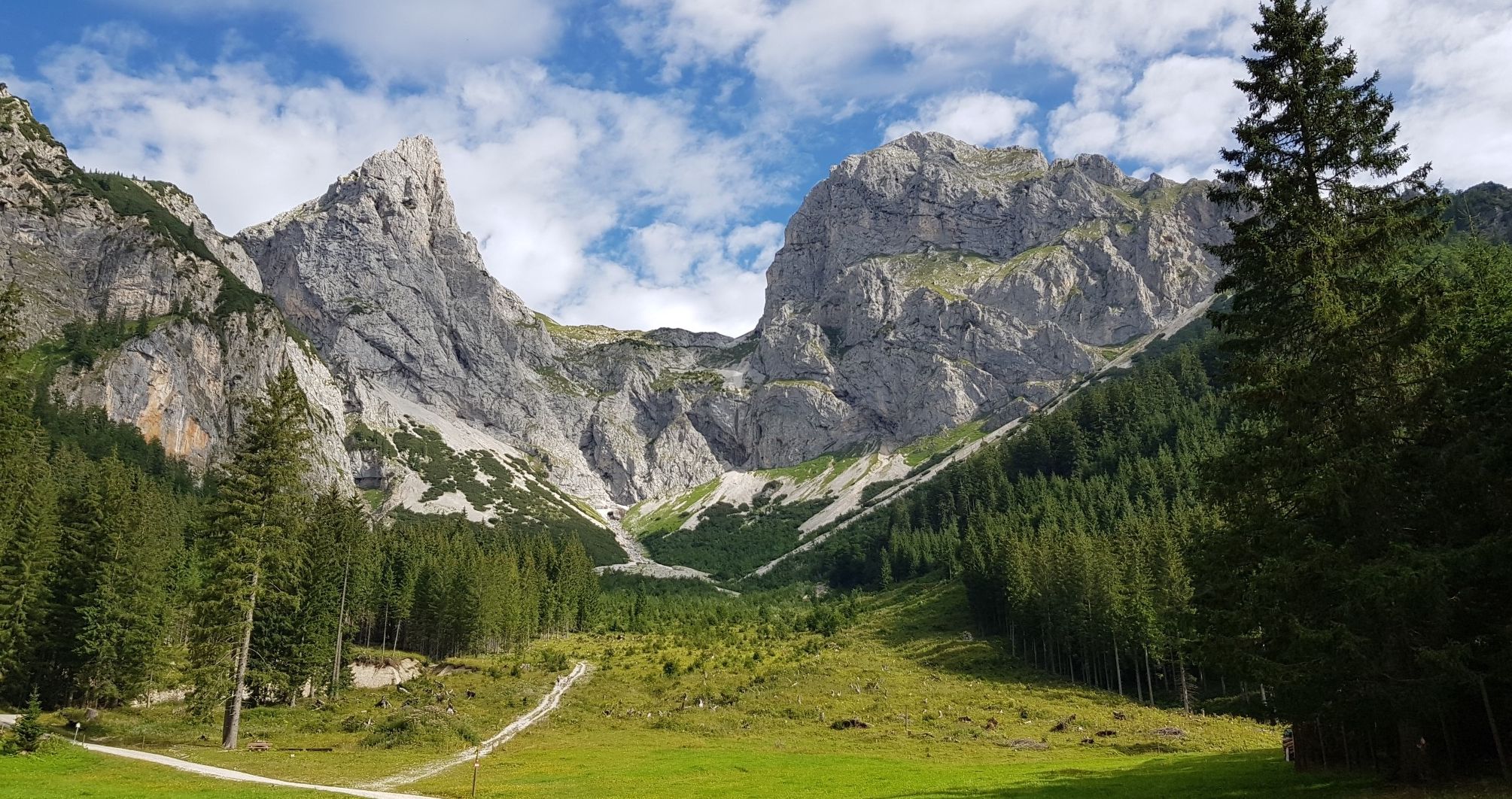
North Alpine Trail 01 – Hike across Austria in 49 days
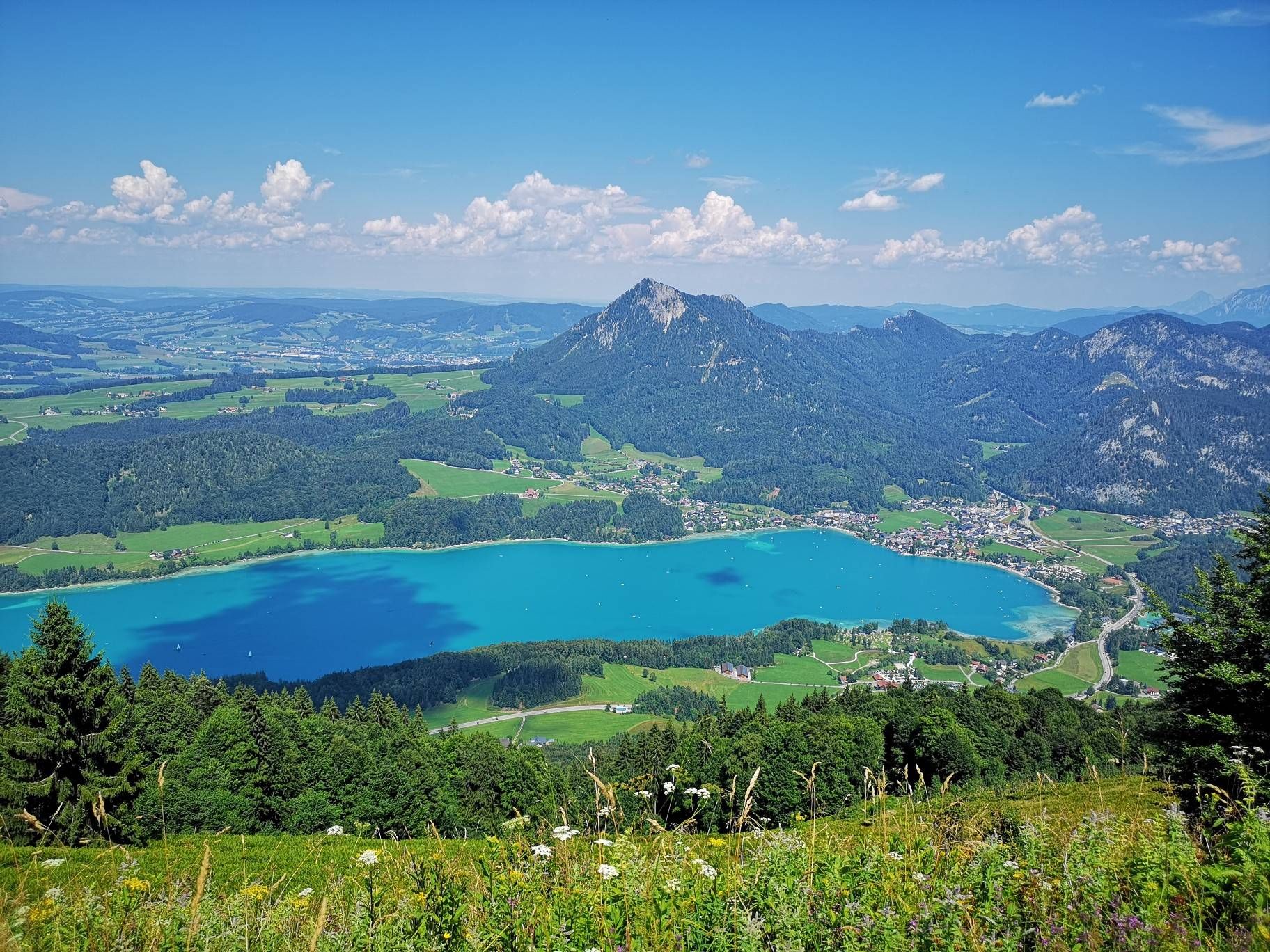
BergeSeen Trail – Long distance hiking in Austria's Salzkammergut with mountains and lakes galore
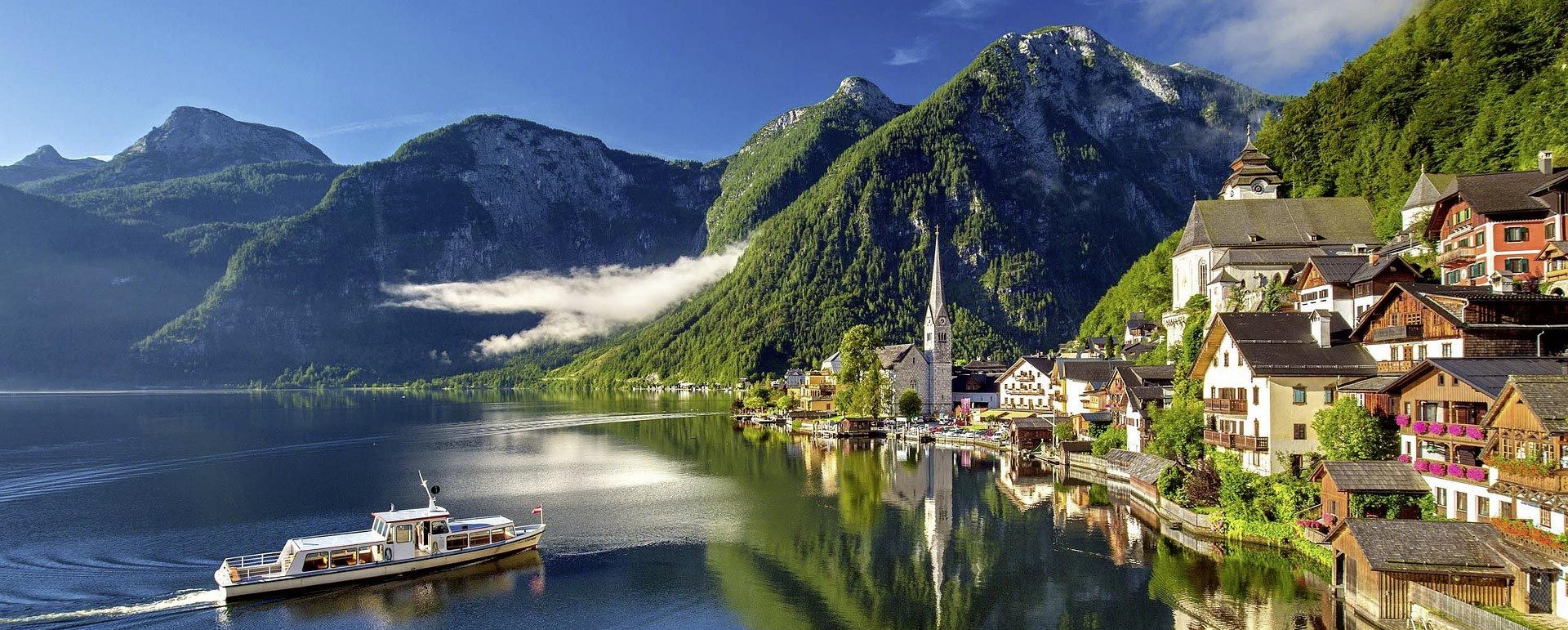
Cycling like a Kaiser – From lake to lake in Austria's Salzkammergut
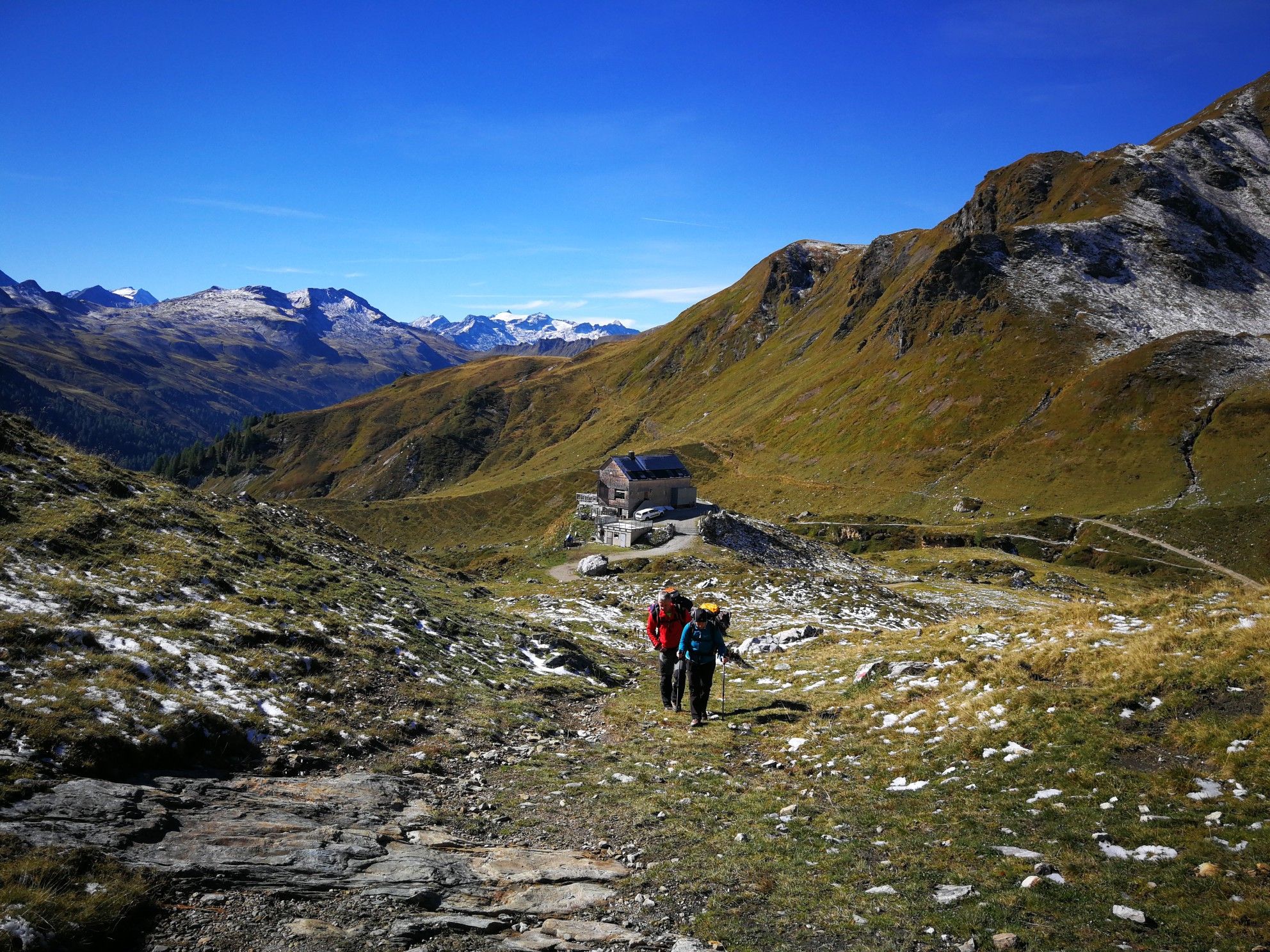
Lower Austria to Carinthia — our favourite huts in Austria
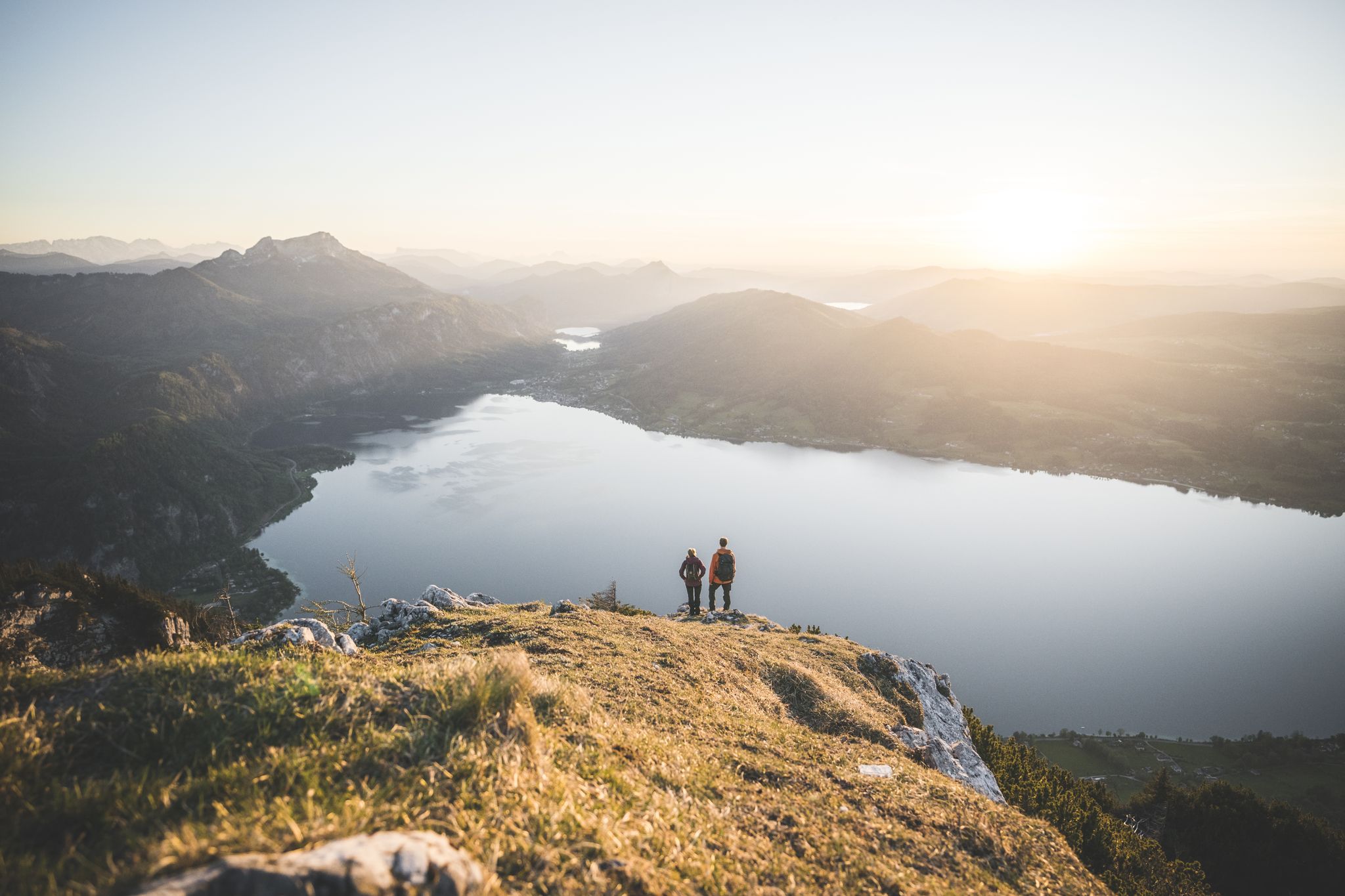
Explore the Salzkammergut on the BergeSeen Trail
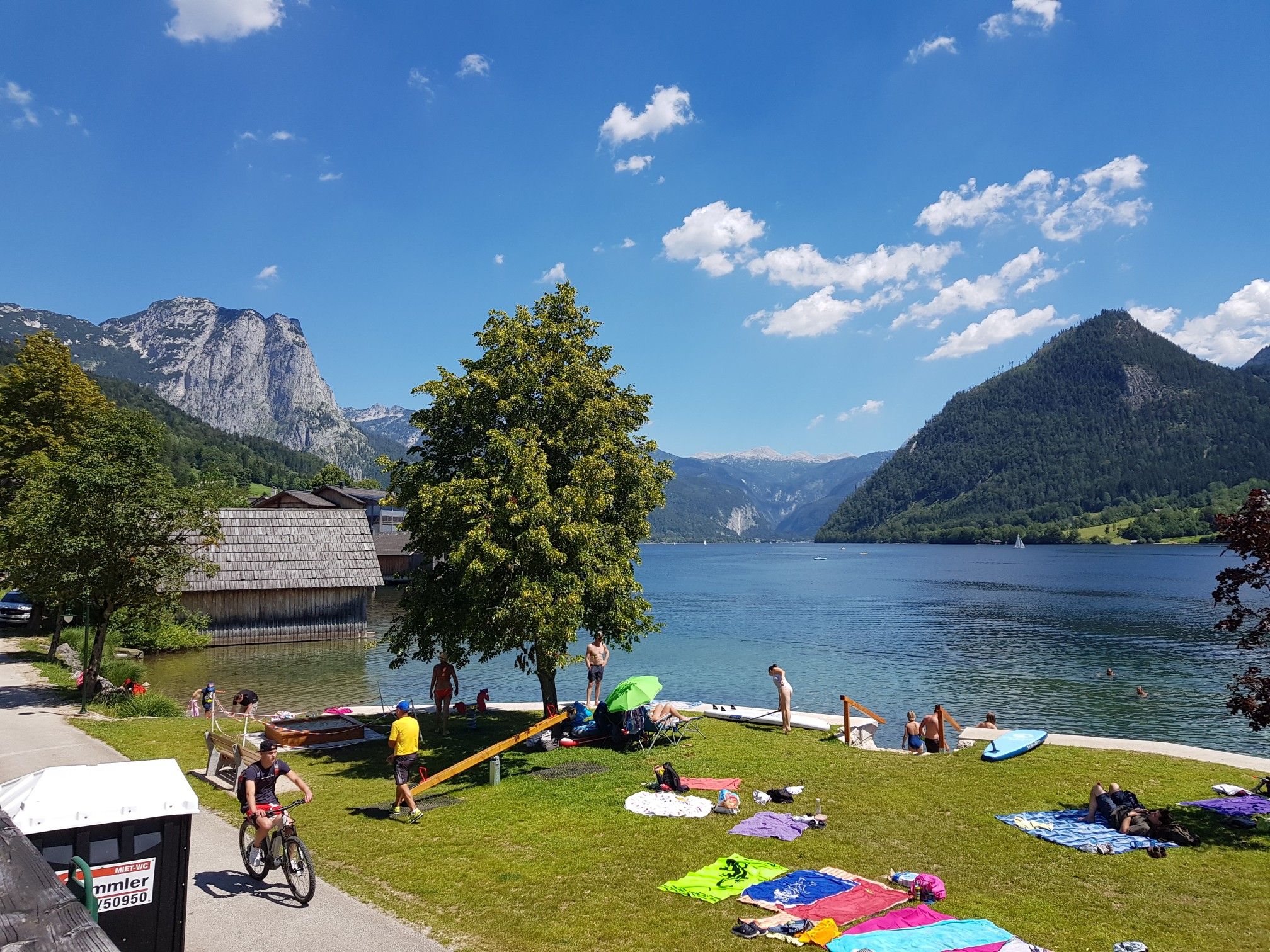
Austria's sensational swimming lakes
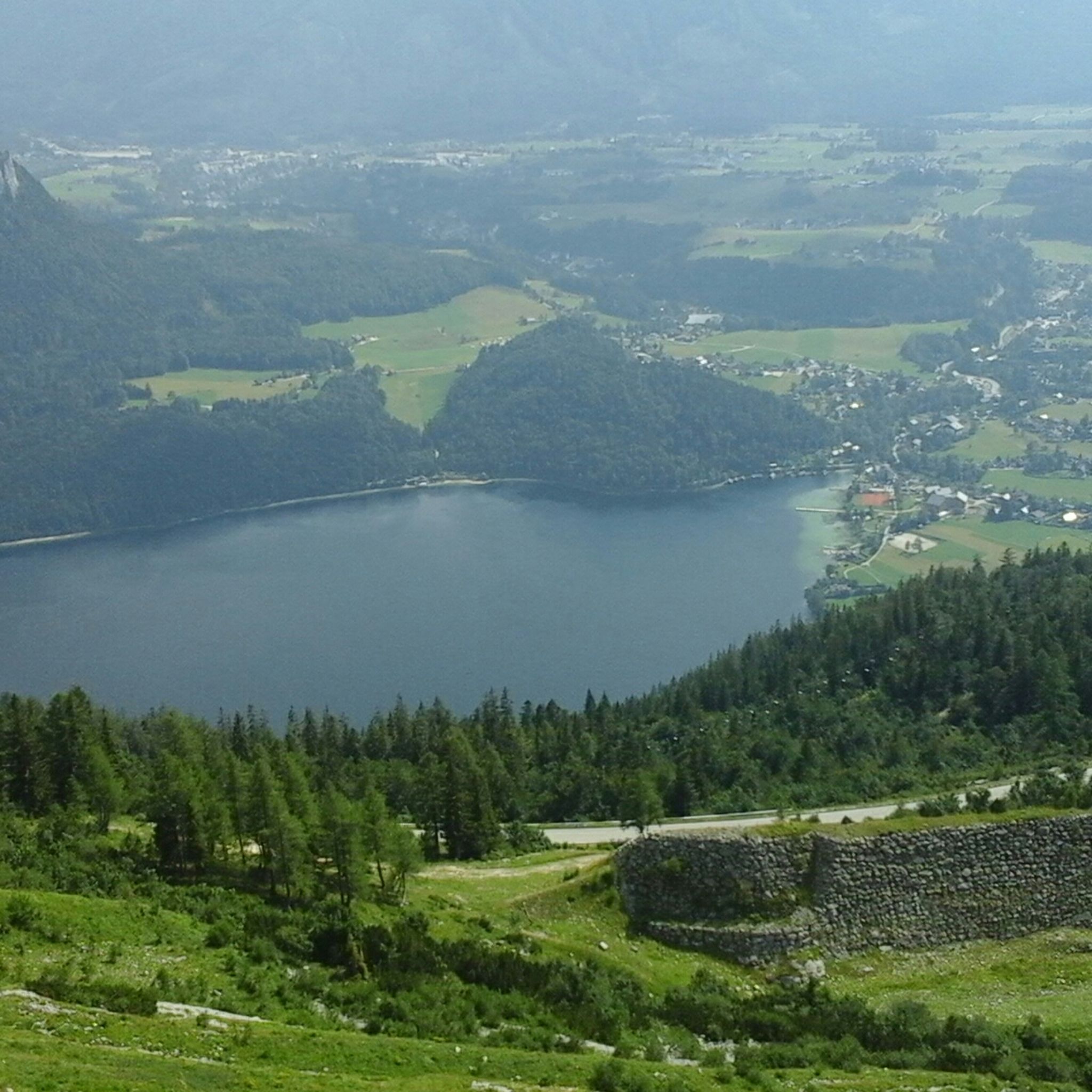
Hiking around Grundlsee
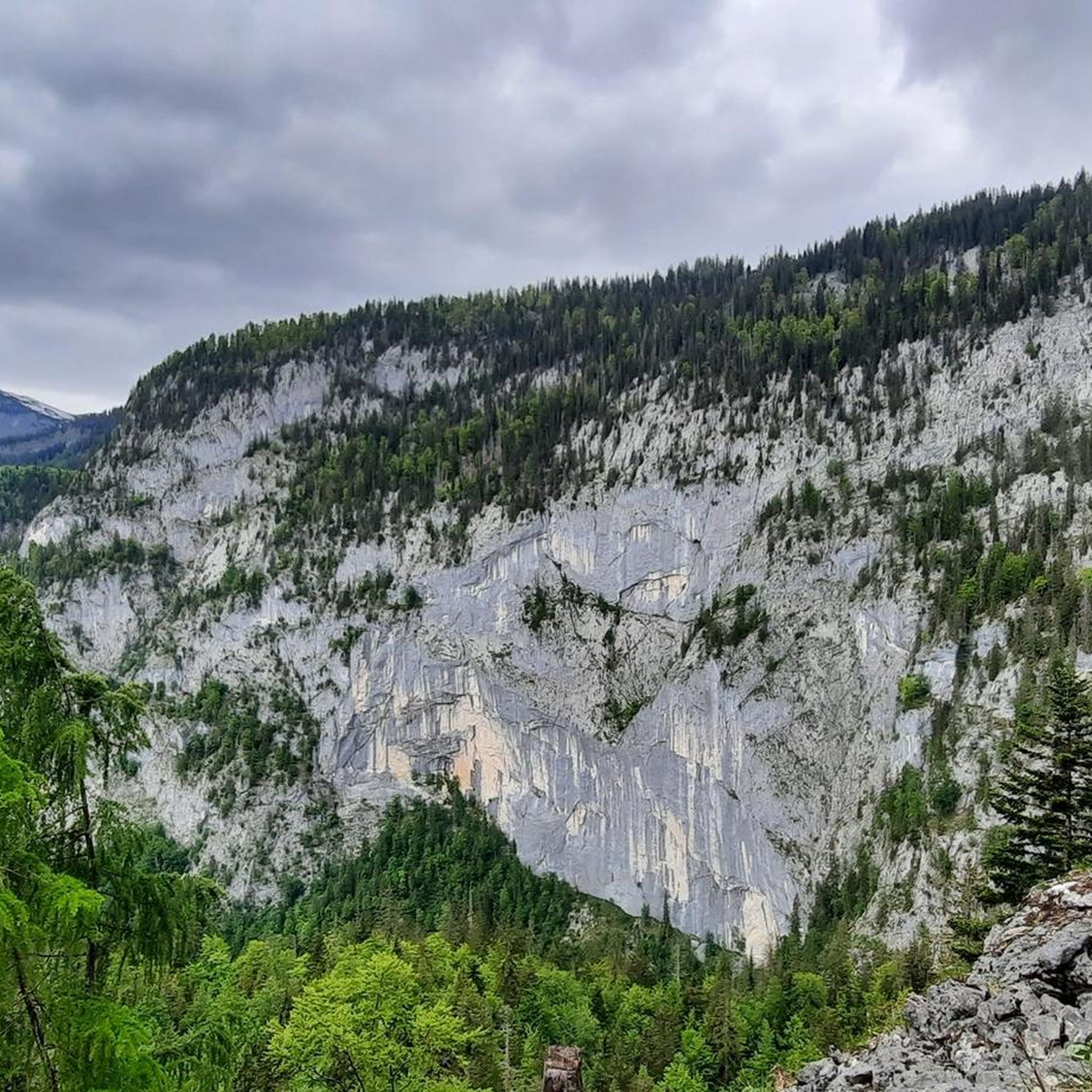
Cycling around Grundlsee
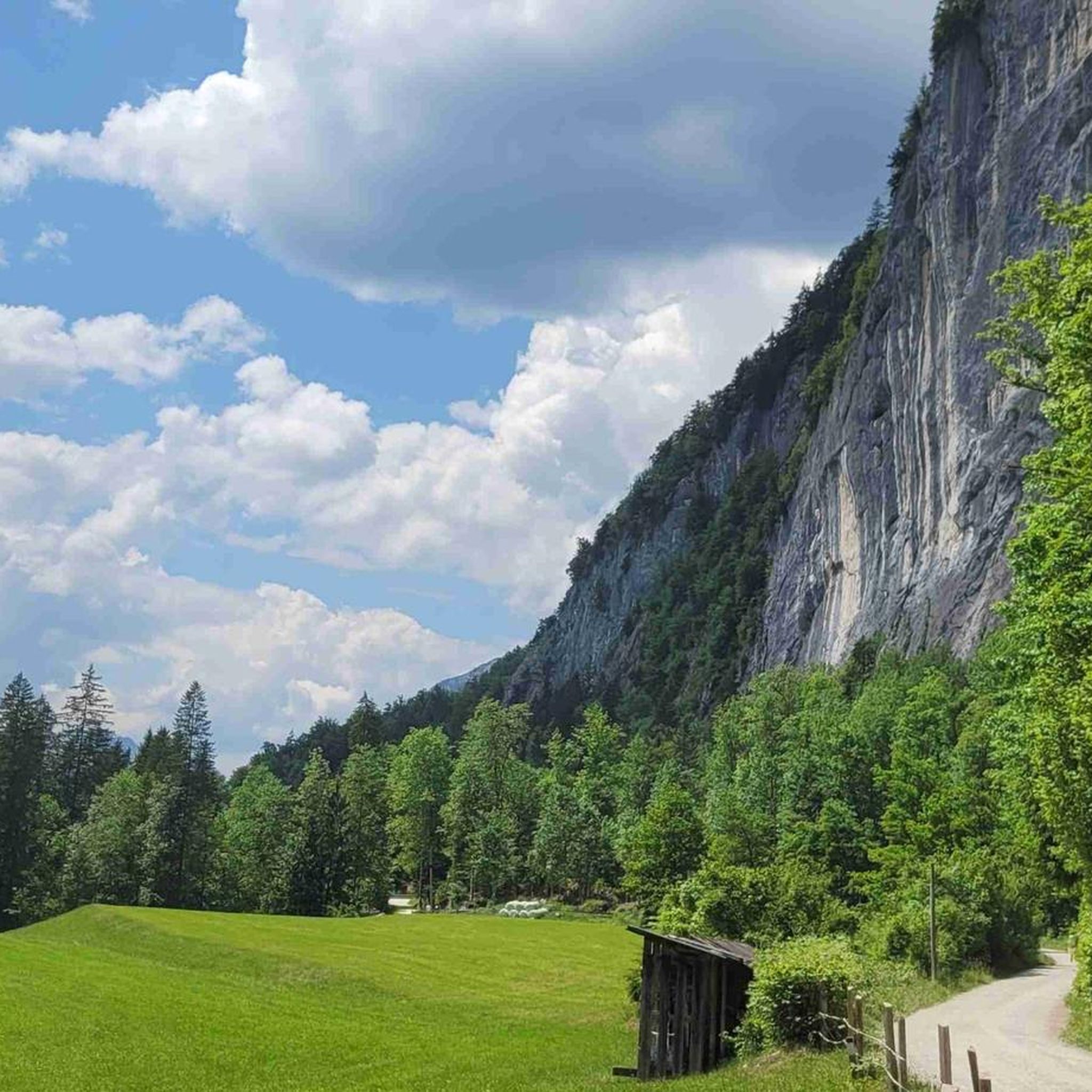
Road Cycling Routes around Grundlsee
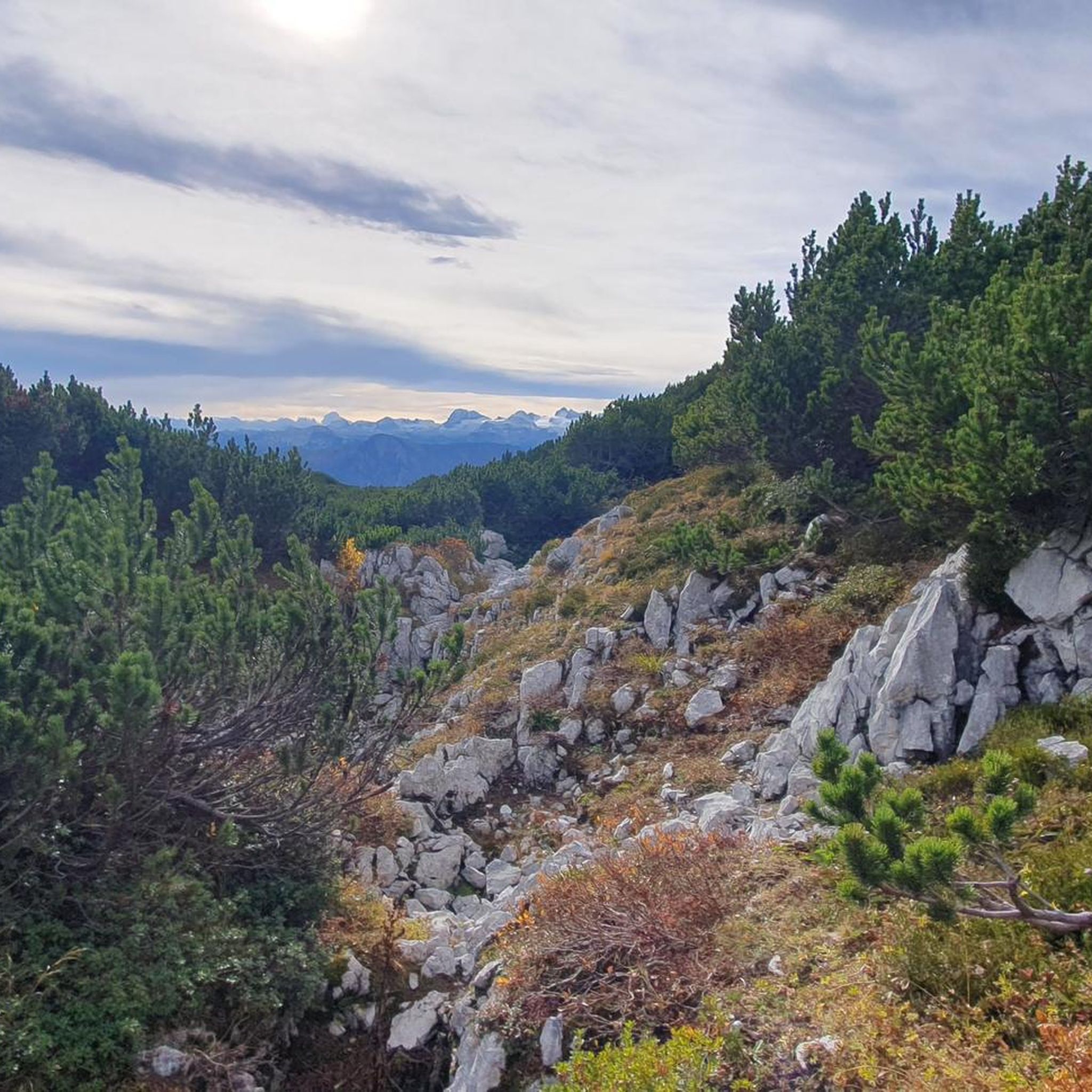
MTB Trails around Grundlsee
Other adventures around Grundlsee


Tips from the Community

The Koppenbrüller Cave impresses with its rushing water and mysterious passages. After the heavy rains of the last nine days, the spectacle was particularly impressive and mystical."
0
0

"The water-bearing Koppenbrüller Cave is located in the valley and can be reached by a short walk along the Koppentraun. Marvel at the stalactites that are thousands of years old and listen to the roar of the invisible stream inside the mountain. A visit to the Koppenbrüller Cave, the youngest of the three Dachstein caves, gives you impressive insights into the underground waterways of the Dachstein interior. When the snow melts and after heavy rainfall, the Koppenbrüller Cave offers a unique natural spectacle that you can walk through completely safely during the guided tours. The water roars its way through the mountain, so it is not surprising that myths surround this cave." https://www.dachstein-salzkammergut.com/de/sommer/unterirdisch/koppenbruellerhoehle
1
0

Water droplets form the snow. Very beautiful!
2
0

This "snow hole" got its name because people used to melt snow there in large copper kettles to water the cows. Most alpine pastures in the Totes Gebirge (hence the name) don't have their own water sources, and the dairymaids used to help themselves by collecting rainwater in large tubs. In dry summers, they melted snow and used mountain pines as firewood. The last time snow was melted this way was in 1937. http://stodertalfreunde.blogspot.com/2013/06/schneeofen-auf-der-ho.html
0
0

You learn a lot about salt mining. However, the time towards the end of World War II is steeped in history. At that time, looted art was stored in the tunnel and saved from irretrievable destruction by a few courageous men. Impressive and fascinating.
2
0

Good shoes are a must.
0
1

This "snow hole" got its name because people used to melt snow there in large copper kettles to water the cows.
0
0
The path to the Brotfallscharte is insured and partially exposed.
0
2
Frequently Asked Questions
What types of caves can I explore around Grundlsee?
The Grundlsee region offers a diverse range of underground experiences. You can visit historical sites like the Altaussee Salt Mine, explore active cave systems such as the Koppenbrüller Cave, or discover high-alpine shelter caves like the Shelter Cave at Brotfallscharte.
Are there any family-friendly cave experiences near Grundlsee?
Yes, the Altaussee Salt Mine is a family-friendly option, offering insights into salt mining history. The Koppenbrüller Cave also provides guided tours suitable for families, allowing visitors to explore an active cave system.
What is the historical significance of caves in the Grundlsee area?
The region's caves hold significant historical value. The Altaussee Salt Mine is renowned for its long history of salt extraction and its role in protecting art during World War II. Additionally, the Salzofenhöhle, though not publicly accessible for entry, is an important archaeological site from the Paleolithic era, recognized as one of Austria's highest-located Ice Age hunter sites with finds dating back up to 49,000 years.
What are the accessibility and difficulty levels for caves around Grundlsee?
Accessibility varies greatly. Show caves like the Koppenbrüller Cave offer guided tours through relatively accessible paths. However, other caves, such as the Shelter Cave at Brotfallscharte, require challenging, rope-insured ascents. The Salzofenhöhle demands a demanding high-alpine mountain hike, requiring surefootedness and good physical fitness.
Can I take a guided tour of the caves?
Yes, guided tours are available for several caves. The Koppenbrüller Cave offers guided tours through its active system, typically lasting about 40 to 50 minutes. The Altaussee Salt Mine also provides guided experiences. For the Salzofenhöhle, local hiking and mountain guides in the Ausseerland region can provide information or lead tours to its entrance, as the cave itself is not publicly accessible for entry.
What unique natural features can be found in the caves?
The Koppenbrüller Cave is known for its thousands of years old stalactites and the roaring sound of an invisible stream within the mountain. The Snow Oven (Snow Cave) is notable for its formation of snow from water droplets, and historically, it was used to melt snow for watering cows.
What outdoor activities can I combine with a cave visit near Grundlsee?
The Grundlsee area is excellent for combining cave exploration with other outdoor activities. You can find numerous hiking trails, such as the 'Round tour to the Zimitzalm' or the 'Geotrail Grundlsee'. For cycling enthusiasts, there are MTB trails and gravel biking routes around Grundlsee. You can find more information on these activities in the Hiking around Grundlsee, MTB Trails around Grundlsee, and Gravel biking around Grundlsee guides.
What is the best time to visit the caves around Grundlsee?
The Koppenbrüller Cave is generally open from spring to early autumn, with specific opening times from 10 a.m. to 5 p.m. It is closed in winter. After heavy rain or during snowmelt, the Koppenbrüller Cave offers a unique natural spectacle due to increased water flow. High-alpine caves like the Salzofenhöhle are best visited during warmer months when mountain trails are clear of snow.
Are there any caves that offer shelter during mountain hikes?
Yes, the Shelter Cave at Brotfallscharte is specifically noted for providing protection against storms. It is located at the end of a rope-insured ascent from the Kühkar to the Brotfallscharte, making it a valuable refuge for hikers in challenging conditions.
What should I wear when visiting caves in the Grundlsee region?
For show caves like the Koppenbrüller Cave or the Altaussee Salt Mine, comfortable clothing and sturdy shoes are recommended, as cave temperatures can be cooler than outside. For high-alpine caves or approaches to them, such as the Salzofenhöhle or the Shelter Cave at Brotfallscharte, good hiking boots are a must, along with appropriate mountain gear for potentially exposed and challenging terrain.
What makes the Salzofenhöhle significant, even if not publicly accessible for entry?
The Salzofenhöhle is highly significant due to its immense archaeological importance as an Ice Age hunting site. It is one of the highest-located Paleolithic sites in Austria, with discoveries including stone tools, charcoal, and intentionally arranged bear skulls. While you cannot enter the cave itself, experienced mountain hikers can undertake the demanding trek to view its entrance and appreciate the surrounding high-alpine panorama over the Ausseerland.
Most popular routes around Grundlsee
Most popular attractions around Grundlsee

Get inspired with the komoot mobile app


Explore more
Extend your search for the best caves by checking out these guides of the top ones around Grundlsee:
