Top 4 Caves around Wachenheim
Best caves around Wachenheim are found within the Palatinate region, characterized by its vineyards, historic towns, and the Palatinate Forest. While Wachenheim itself is known for its historical underground structures like the Wachenheimer Unterwelten, the surrounding area features a variety of natural and historical cave experiences. These include ancient dwelling sites and unique geological formations, offering diverse opportunities for exploration. The landscape combines forested hills with limestone and sandstone formations, contributing to the variety of underground features.
Best caves around…
Last updated: October 12, 2026
Ritterstein No. 293: Hohfels Prehistoric Dwelling Cave
Highlight • Cave
Translated by Google •
Tip by

Prehistoric cave in the Hohfels (CLOSED)
Highlight • Cave
Translated by Google •
Tip by

Sign up now to discover places like this
Get recommendations on the best single tracks, peaks, & plenty of other exciting outdoor places.
Karst Cave Natural Monument
Highlight • Cave
Translated by Google •
Tip by

Grotto in the City Park
Highlight • Structure
Translated by Google •
Tip by

Fox Cave
Highlight • Cave
Translated by Google •
Tip by

Start today with a free account
Your next adventure awaits.
Tips from the Community

There are several warning signs Danger to life... Danger of collapse
0
0

Very impressive And well described by @Herbert Picker!
1
0

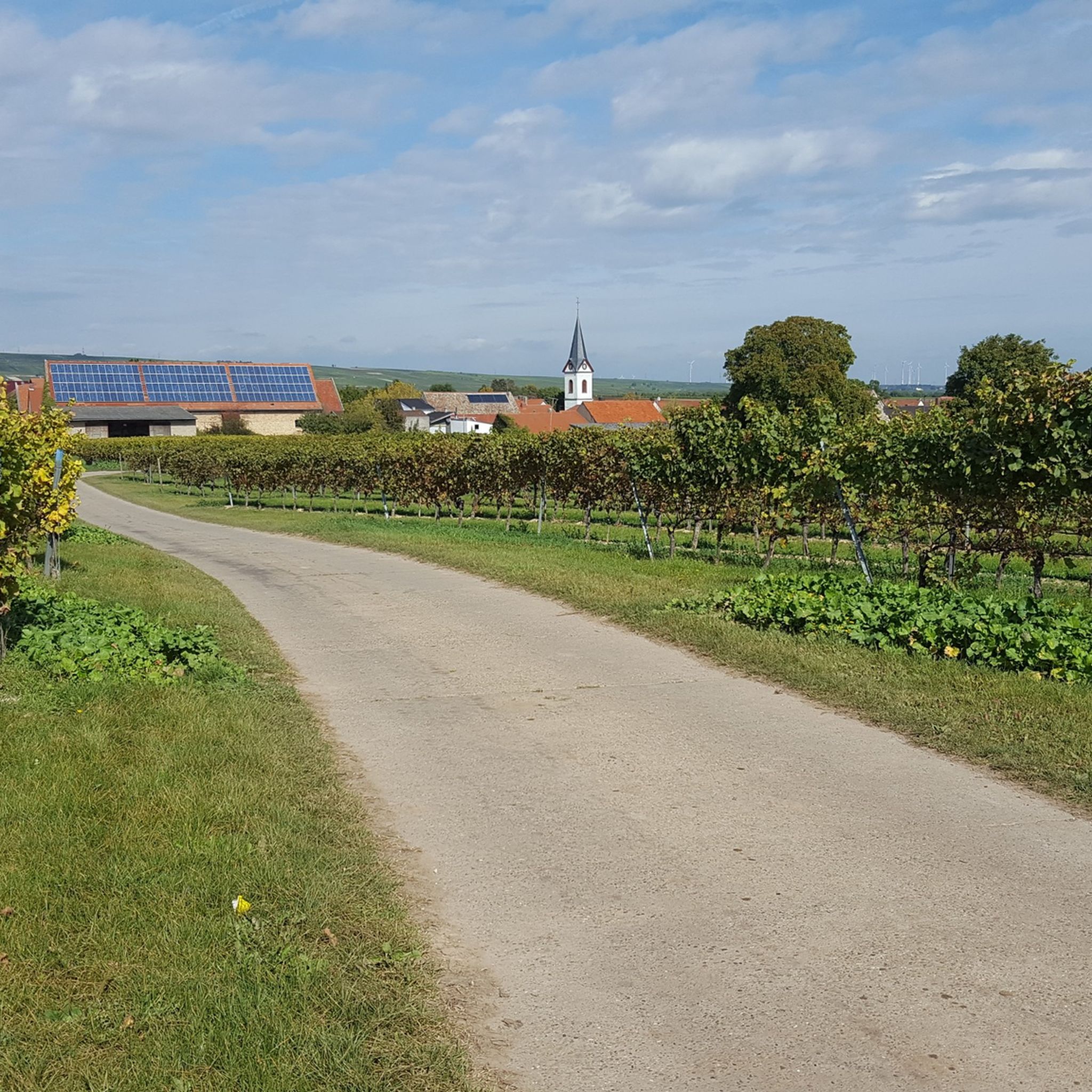
I liked the view of Asselheim from the Ritterstein
0
0

You can find a list of knight stones here: https://de.m.wikipedia.org/wiki/Liste_der_Rittersteine
1
0

A special structural feature in the city park is the artificially created two-arched grotto made of shell limestone. It was built in 1893 from stalactite formations from Greußen in Thuringia. If the weather is bad you can also sit here in the dry
5
0

Interesting little cave, building instructions from nature for building the vault
0
0

This is one of over 300 memorial stones erected by the Palatinate Forest Association (PWV). Its arrow points to a roughly 30 square meter cave dwelling "on the northern slope of the Höllenberg" and "in the Hohfels rock formation within the Tertiary limestone reef": https://www.komoot.de/highlight/1137121 Excavations have revealed evidence of human presence from around 40,000 BC (Lower Paleolithic) to around 5,000 BC (Upper Paleolithic)" and human burials in the Early and High Middle Ages. "The cave is now inaccessible due to the risk of collapse. The path leading to it is also overgrown with hedges, making passage impossible." Source (partially quoted verbatim): https://www.kuladig.de/Objektansicht/KLD-343754
1
0
The Hohfels is CLOSED due to the danger of falling and falling rocks!
2
0
Frequently Asked Questions
What types of underground experiences can I find around Wachenheim?
Around Wachenheim, you can explore both historical man-made structures and natural geological formations. In Wachenheim itself, the Wachenheimer Unterwelten event offers a unique opportunity to delve into centuries-old cellars, vaults, and winding passages beneath the historic town center, showcasing architectural and historical secrets. The broader Palatinate region, where Wachenheim is situated, features natural caves like prehistoric dwelling sites and karst formations.
What historical insights do the caves around Wachenheim offer?
The caves and underground structures around Wachenheim provide a glimpse into the past. The Wachenheimer Unterwelten reveal historical cellars and vaults, offering insights into the town's architectural heritage. Additionally, Ritterstein No. 293: Hohfels Prehistoric Dwelling Cave is a significant historical site where wild animal bones, ceramic vessels, and jewelry have been found, suggesting human dwelling in the high Middle Ages.
Are there family-friendly caves to explore near Wachenheim?
Yes, there are options suitable for families. Fox Cave is an intermediate natural monument and cave that offers an engaging experience, particularly for families, encouraging imaginative exploration. The Grotto in the City Park, an artificially created grotto, is also considered family-friendly and provides a unique structural feature.
What geological features can be observed in the caves near Wachenheim?
The region features diverse geological formations. Karst Cave Natural Monument showcases natural vault construction formed by washouts in limestone. Ritterstein No. 293: Hohfels Prehistoric Dwelling Cave is a tertiary limestone reef with an open cave. The broader Palatinate region also includes sandstone caves like the 'Thieves' Cellar' and 'Bears' Cave'.
What is the best time to visit the caves and underground sites around Wachenheim?
For the Wachenheimer Unterwelten, specific event dates apply; it is scheduled to open again on November 14, 2026. For natural caves, generally, spring and autumn offer pleasant weather for exploring the surrounding areas and trails. Winter caving might be possible for some sites, but conditions can vary, and access might be more challenging due to weather.
Are the caves around Wachenheim accessible for everyone?
Accessibility varies significantly. Natural caves like Ritterstein No. 293: Hohfels Prehistoric Dwelling Cave can be difficult to access due to terrain, with narrow passages and strong shrub growth. The Grotto in the City Park, being an artificial structure within a park, is likely more accessible. The Wachenheimer Unterwelten event involves exploring historical cellars and vaults, which may have stairs and uneven surfaces.
What outdoor activities can I do near these caves?
The area around Wachenheim offers various outdoor activities. You can find numerous hiking trails, including easy hikes suitable for a leisurely stroll. For cyclists, there are gravel biking routes and challenging MTB trails. For more details on routes, you can explore guides like Easy hikes around Wachenheim, Gravel biking around Wachenheim, and MTB Trails around Wachenheim.
Are there hiking trails that lead to or near the caves?
Yes, some caves are integrated into hiking routes. For instance, getting to Ritterstein No. 293: Hohfels Prehistoric Dwelling Cave involves a narrow path through bushes from the Ritterstein on the wine trail. The Karst Cave Natural Monument is located on the Palatinate Weinsteig, a popular long-distance hiking trail. Many trails in the Palatinate Forest will bring you close to natural landmarks.
How long does it take to explore the caves around Wachenheim?
The exploration time varies. Smaller natural caves like Karst Cave Natural Monument or Fox Cave might take a short visit of 15-30 minutes, often as part of a longer hike. The Wachenheimer Unterwelten event, being a curated experience with additional programming, would likely require a few hours to fully enjoy.
Can I bring my dog to the caves?
Policies for dogs can vary. For natural outdoor caves, dogs are often permitted on trails leading to them, but access inside the caves themselves might be restricted due to safety or ecological reasons. For events like the Wachenheimer Unterwelten, it's best to check specific event guidelines regarding pets. The Grotto in the City Park is likely accessible with dogs on a leash, as it's in a public park setting.
Are there any cafes or places to eat near the caves?
Wachenheim an der Weinstraße is known for its culinary offerings, especially local wines and specialties. While specific cafes directly adjacent to natural caves might be rare, the town center of Wachenheim, particularly during the Wachenheimer Unterwelten event, offers local culinary delights. Many hiking routes in the Palatinate region also pass by or near traditional inns and restaurants.
What are some other notable natural caves in the broader Palatinate region?
While not directly in Wachenheim, the broader Palatinate region has other interesting natural caves. Examples include the 'Thieves' Cellar' (Diebskeller), a small sandstone cave historically used by highwaymen, and the 'Bears' Cave' (Bärenhöhle) near Rodalben, an impressive natural monument made of red sandstone. There's also a karst cave near Herxheim am Berg, known since Roman times.
Most popular routes around Wachenheim
Most popular attractions around Wachenheim

Get inspired with the komoot mobile app


Explore more
Extend your search for the best caves by checking out these guides of the top ones around Wachenheim:
