Top 15 Castles around Welzheim
Best castles around Welzheim are primarily Roman forts, forming a significant archaeological landscape within the UNESCO World Heritage Upper Germanic-Rhaetian Limes. This area provides comprehensive insight into Roman military life and frontier defense in ancient Germania. The region features well-preserved ruins and reconstructed fortifications, offering a unique window into a significant historical chapter. It is ideal for history enthusiasts and those interested in exploring ancient military architecture.
Best castles around Welzheim
- The most popular castles is Waldenstein Castle, a…
Last updated: August 19, 2026
Burg Bürg (Altwinnenden Castle)
Highlight • Castle
In the first …
Translated by Google •
Tip by

Waldenstein Castle
Highlight • Castle
Translated by Google •
Tip by

Sign up now to discover places like this
Get recommendations on the best single tracks, peaks, & plenty of other exciting outdoor places.
Sign up for free
Röterturm
Highlight • Historical Site
Translated by Google •
Tip by
Lourdes Grotto at Schloss Ebersberg
Highlight • Religious Site
Translated by Google •
Tip by
Ebersberg Castle and Orchard Ascent
Highlight (Segment) • Climb
Translated by Google •
Tip by

Sign up for free to discover even more castles around Welzheim.
Sign up for free
Already have an account?
Start today with a free account
Your next adventure awaits.
Login or Signup
Popular around Welzheim
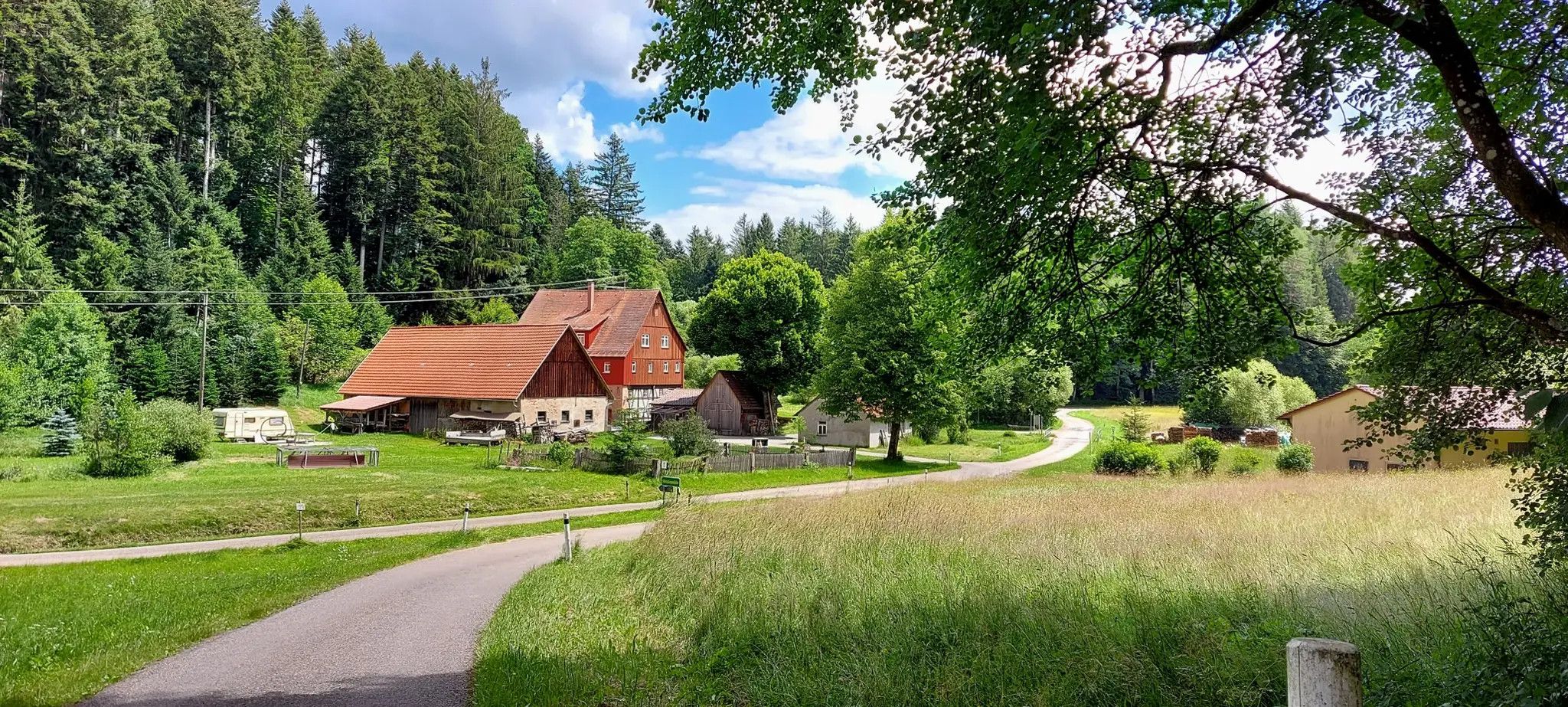
Beautiful mills in the Swabian Forest – Mühlenwanderweg
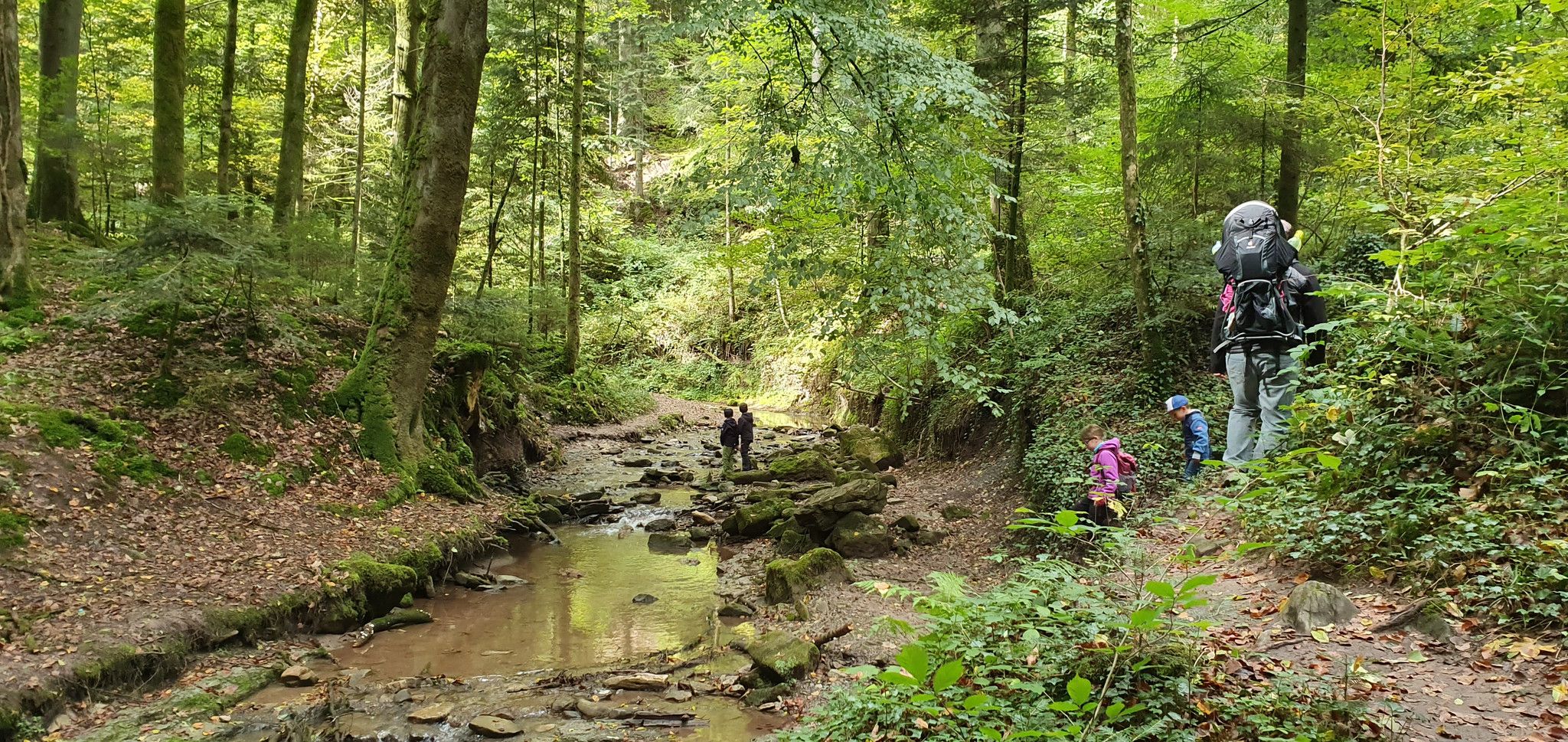
Hot days, cool swims – water walks in the Swabian Forest
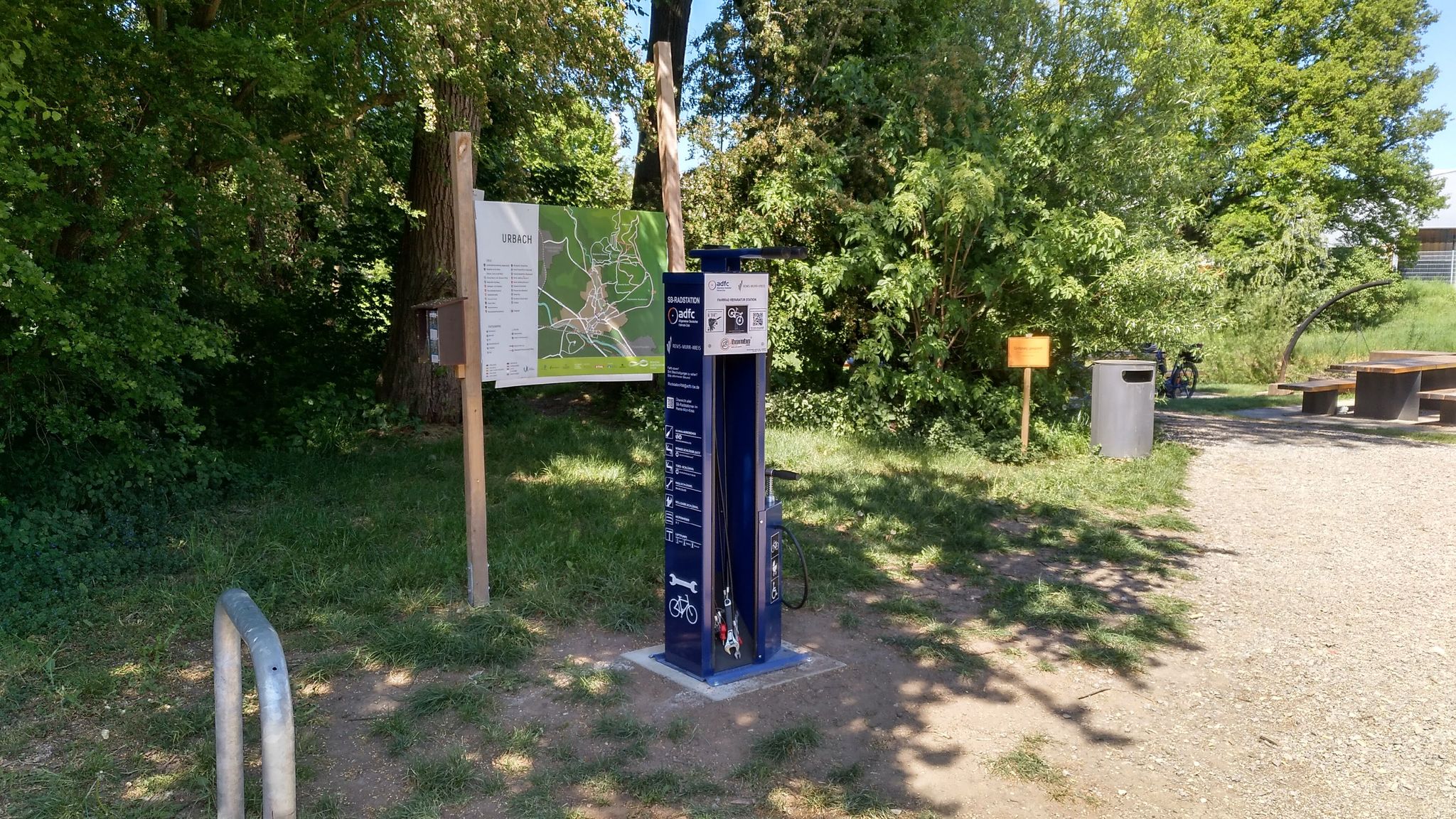
Bicycle service stations in Rems-Murr-Kreis
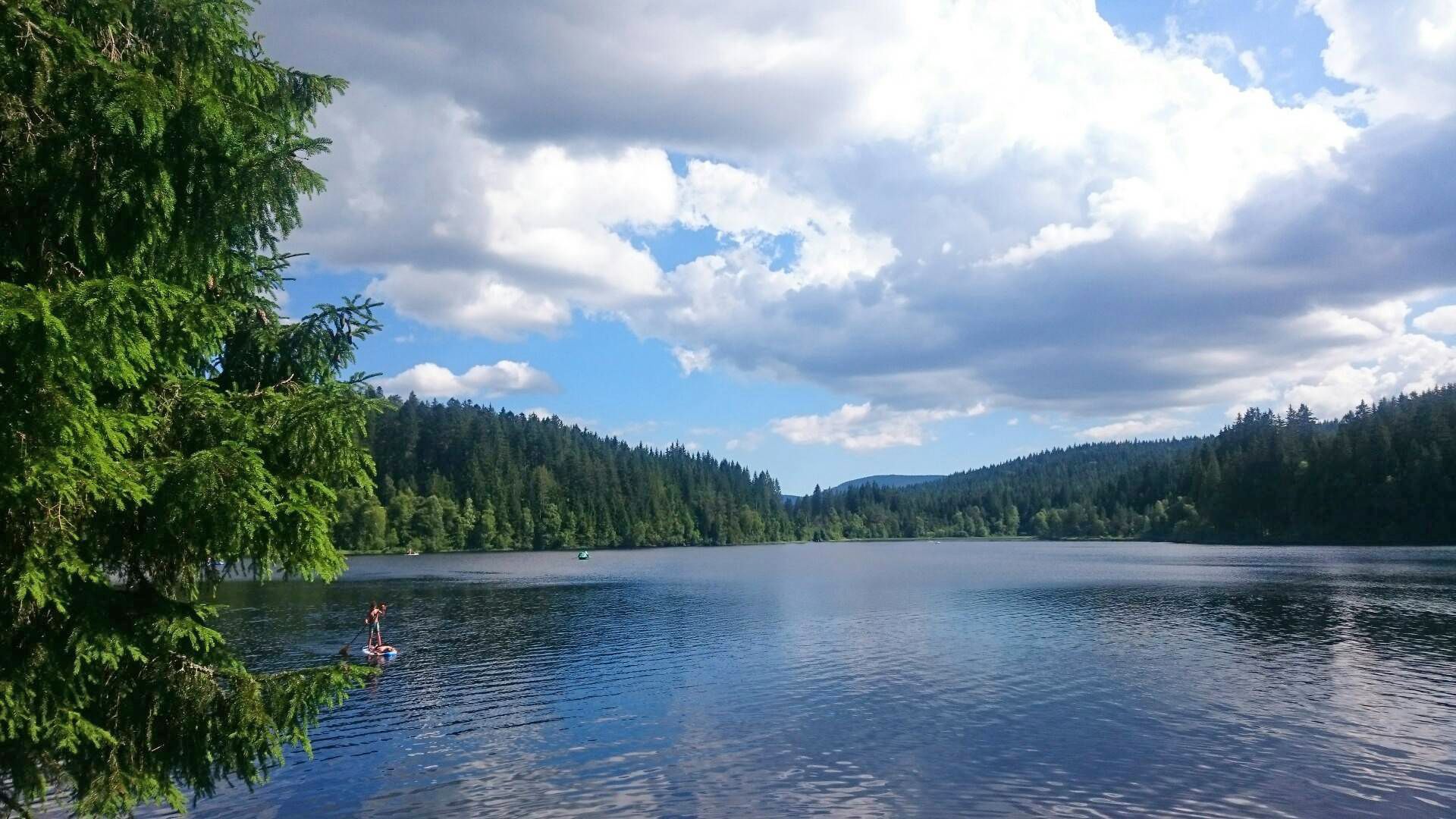
The best swimming lakes in Baden-Württemberg
Aktiv in die längeren Tage – Frühlingsradeln vor den Toren Stuttgarts
Hiking around Welzheim
Cycling around Welzheim
Running Trails around Welzheim
MTB Trails around Welzheim
Road Cycling Routes around Welzheim
Other adventures around Welzheim


Tips from the Community

The 23-meter-high defense tower remains the only remnant of the former Bürg castle. The castle was built in 1181 by Gottfried von Winnenden on a spur of the mountain.
0
0

Interesting tower with traditional craftsmanship
0
0

Bürg Castle, Winnenden Of the former Bürg Castle, the 23-meter-high keep remains, visible from afar. Gottfried von Winnenden had it built in 1181 on the commanding promontory. The once mighty castle complex of Alt-Winnenden fell into ruin during the 15th century and was demolished in 1538, except for the keep. The Bürg district now occupies the site of the castle.
0
0
Situated in a scenic location (390 m above sea level), Waldenstein Castle dominates the beautiful Wieslauf Valley. The castle, with its walls up to 3 m thick, suggests a certain importance in earlier times. The property and the surrounding area belonged to the Hohenstaufen dynasty; when Württemberg assumed control is unknown. However, Count Ulrich I of Württemberg appears to have been the overlord of the castle as early as 1251. Around 1420, Waldenstein Castle was then described as the property of Württemberg, which, however, frequently mortgaged its bailiwick. After the Rudersberg district was established, Count Ulrich V granted Waldenstein Castle, including gardens, meadows, pastures, and fishing waters, to his court master, Antony von Emershofen, in 1456. The feudal services were the responsibility of the surrounding villages such as Schlechtbach, Steinenberg, Rudersberg, and Michelau, which redeemed themselves for 720 guilders in 1590. The Emershofen family remained on the Waldenstein for over a hundred years. Hans and Gerung von Emershofen are known by name. The latter was the bailiff of Winnenden and stabbed a farmer while trading oats. After this crime, he fled to the commandery of the Teutonic Order in Winnenden. The sub-bailiff of Schorndorf then took over the property. In 1551, Duke Christoph enfeoffed Chr. Waldauf, already known as Christoph von Waldenstein, with the Waldenstein, who was succeeded by his son in 1571. Around 1586, we encounter a line of the von Gaisberg family. In the 17th century, the von Göllnitz family acquired the estate, and in 1761, the widow of the court physician Riecke of Stuttgart owned it as a Kunkellehen. In 1792, the property was sold by the Chamber Clerk's Office to the municipality of Rudersberg. Some of the noblemen who named themselves after the Waldenstein belonged to the class of dynasts. Special mention should be made of Konrad von Waldenstein, who was part of Count Ulrich II of Württemberg's entourage around 1720. The Lords of Gaisberg apparently owned Waldenstein only for a short time. The following episode is related to this noble family: At the end of the 16th century, the plague raged in Germany. Anna von Gaisberg, who had married a Baron von Holtz and was staying in Welzheim, wanted to escape the epidemic. She sought shelter at the castle with her parents, but was not allowed in for fear of bringing the terrible disease. On November 1, 1597, she gave birth to a boy outside the protective castle walls, near a well belonging to the castle – the later famous Generalfeldzeugmeister Georg Fr. von Holtz. Since the 17th century, representatives of the lower nobility and commoners were also enfeoffed with Waldenstein.
0
0
What was Winnenden's former name? In 1525, it was called Bürg, and in 1624, Altwinnenden. Altwinnenden Castle was the seat of the Lords of Winnenden before it became part of Württemberg. Initially, the town, along with the settlements of Schulerhof and Stöckenhof, belonged to the municipality of Baach. In 1686, the town was called Bürck bey Bach.
1
1

Falcons live in the castle tower and occasionally stick their heads out or fly in and out.
1
1
Please turn right onto the footpath just before the castle. Then after a few meters you will find the Lourdes Grotto, somewhat hidden on the left. It is one of more than 200 Lourdes Grottoes in Germany - all replicas of the famous Lourdes Grotto in southern France. Please continue on the path! It is a short circular route that is rewarded with a great view of Backnanger Bay and the castle (from below).
1
0

Frequently Asked Questions
What kind of historical fortifications can I explore around Welzheim?
The Welzheim area is primarily known for its significant Roman forts, which are part of the UNESCO World Heritage Upper Germanic-Rhaetian Limes. These include the well-preserved Ostkastell Welzheim, the site of the West Fort, and the Small Fort Rötelsee. You can also find remnants of medieval castles, such as the ruins of Waldenstein Castle and Burg Bürg (Altwinnenden Castle).
Which Roman fort offers the most comprehensive visitor experience in Welzheim?
The Ostkastell Welzheim (East Roman Fort) provides the most comprehensive experience. It features well-preserved Roman ruins, reconstructed fortifications including a monumental gate, and informative displays. It's an archaeological park with artificial stone casts and information boards, offering a deep dive into Roman military life. Entry is free, and guided tours are available.
Are there any medieval castle ruins with good viewpoints?
Yes, Waldenstein Castle is situated in a scenic location dominating the Wieslauf Valley, offering great views. Additionally, the area around Schloss Ebersberg, while mostly private, offers wonderful views of the Backnanger Bay from its vicinity.
What is the best time of year to visit the historical sites around Welzheim?
The Roman forts and castle ruins are primarily outdoor sites. Spring, summer, and early autumn generally offer the most pleasant weather for exploring. During these seasons, you can comfortably walk around the archaeological parks and enjoy the scenic surroundings. Winter visits are possible, but some areas might be less accessible due to weather, and the experience might be colder.
Are the Roman forts in Welzheim suitable for families with children?
Yes, the Ostkastell Welzheim is ideal for families. Its reconstructed structures and informative displays make history engaging for all ages. The open-air archaeological park provides space for children to explore, and the peaceful atmosphere enhances the learning experience. Entry is free, making it an accessible outing.
Can I combine a visit to the castles with outdoor activities?
Absolutely. Many of the historical sites are integrated into scenic landscapes. For example, you can find easy hikes around Welzheim that include the Roman East Fort. There are also running trails and cycling routes in the area. You can find more details on routes like 'Roman East Fort Welzheim – Welzheimer Beer Garden loop' in the Easy hikes around Welzheim guide or the Running Trails around Welzheim guide.
Are there any historical sites that are less known but still worth visiting?
Beyond the Ostkastell, the Small Fort Rötelsee is a fascinating, smaller site. It offers a detailed look at the strategic defensive structures along the Roman frontier, with conserved fort walls and the floor layout of wooden internal buildings indicated. A replica of the Limes with a moat, rampart, and palisade is also nearby, providing a tangible sense of the Roman border.
What are the parking options near the main historical sites?
Parking is generally available near the major Roman forts like Ostkastell Welzheim, as they are designed for visitor access. For medieval ruins such as Waldenstein Castle or Burg Bürg (Altwinnenden Castle), parking might be found in nearby villages or designated trailheads, often requiring a short walk to the ruins themselves.
How long should I allocate for visiting the Roman forts in Welzheim?
For a thorough visit to the Ostkastell Welzheim, including exploring the reconstructions and reading the information boards, you might want to allocate 1.5 to 2 hours. If you plan to visit the West Fort and Small Fort Rötelsee as well, which are less extensive but offer important context, a half-day trip would be appropriate to comfortably see all three.
What do visitors particularly enjoy about the castles and forts in the Welzheim region?
Visitors appreciate the unique historical insights offered by the Roman forts, especially the well-preserved and reconstructed elements of the Ostkastell. The scenic locations of medieval ruins like Waldenstein Castle and the peaceful atmosphere for walks are also highly valued. The combination of history and nature makes for a rewarding experience.
Are there any specific routes that include these historical sites?
Yes, several routes incorporate these sites. For instance, the 'Roman East Fort Welzheim – Welzheimer Beer Garden loop' is available as both a moderate running trail in the Running Trails around Welzheim guide and an easy hike in the Easy hikes around Welzheim guide. These routes allow you to explore the historical context while enjoying the surrounding nature.
Is there a museum or visitor center related to the Roman forts?
While the Ostkastell Welzheim itself is an archaeological park with extensive information, a small museum in Welzheim complements the experience, offering additional insights into the Roman presence in the area. This provides a deeper understanding of the artifacts and history of Roman Welzheim.
Most popular routes around Welzheim
Most popular attractions around Welzheim

Get inspired with the komoot mobile app


Explore more
Looking for the best castles somewhere else? Discover other guides around Welzheim:
