Top 13 Caves around Zittau
Best caves around Zittau are located within the Zittau Mountains and the Upper Lusatia region, presenting a diverse range of geological formations and historical sites. This area is characterized by distinctive rock formations and cave-like structures. The region offers a unique landscape for exploration, combining natural wonders with local history and folklore.
Best caves around Zittau
- The most popular caves is Gratzer Rocks, a natural monument that features impressive rock formations. This site is known for its interesting rock…
Last updated: October 12, 2026
Schwarzes Loch Show Mine
Highlight • Structure
The rock alleys are impressive.
Translated by Google •
Tip by

Gratzer Rocks
Highlight • Natural Monument
Translated by Google •
Tip by

Sign up now to discover places like this
Get recommendations on the best single tracks, peaks, & plenty of other exciting outdoor places.
Karasek Cave
Highlight • Natural Monument
Translated by Google •
Tip by

Hope Ice Cave
Highlight • Cave
Translated by Google •
Tip by

Old Mill Site with Water Tunnel
Highlight (Segment) • Historical Site
Translated by Google •
Tip by

Sign up for free to discover even more caves around Zittau.
Already have an account?
Start today with a free account
Your next adventure awaits.
Popular around Zittau
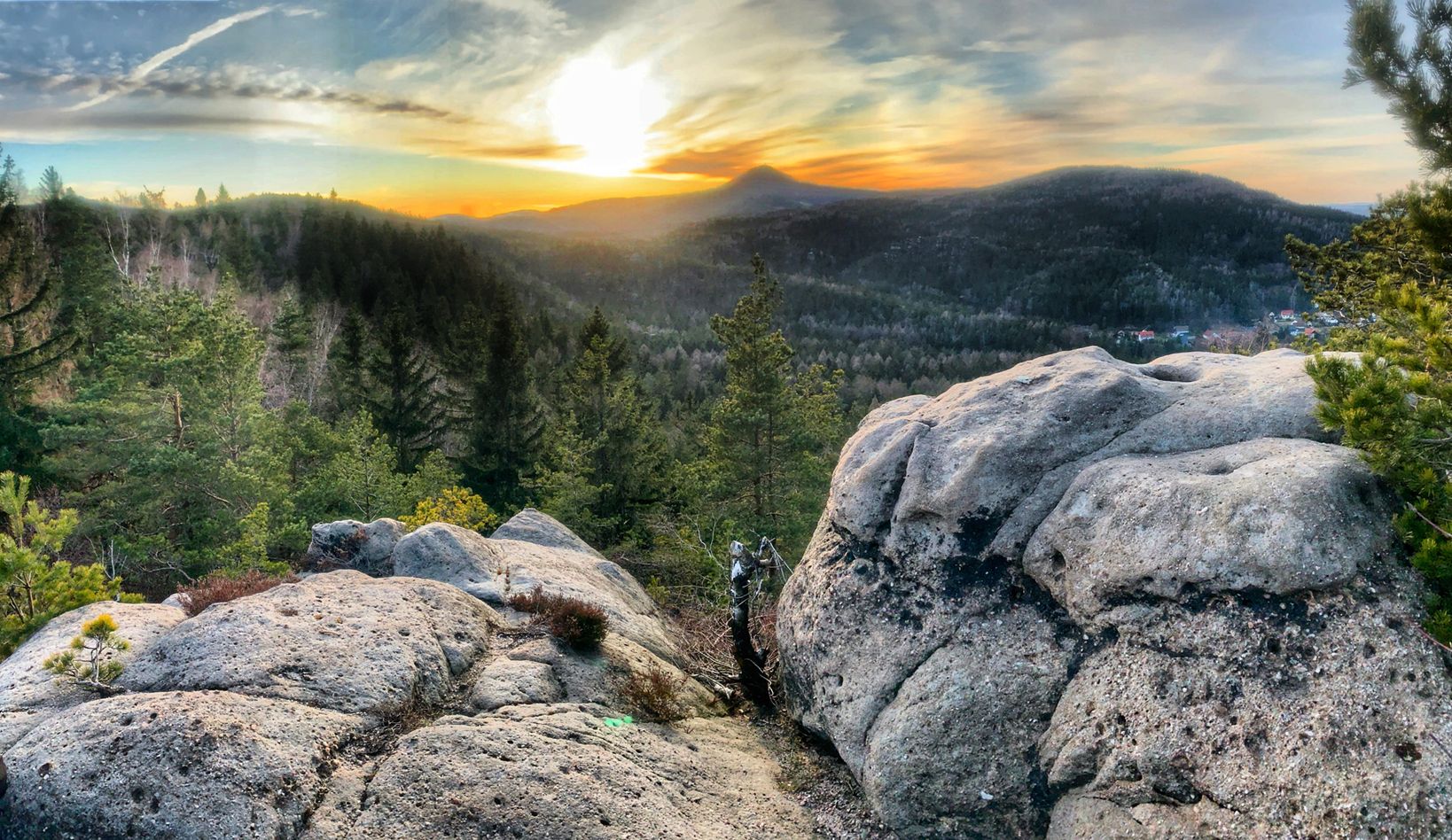
Mountains, heaths & lakes – hiking in Lusatia
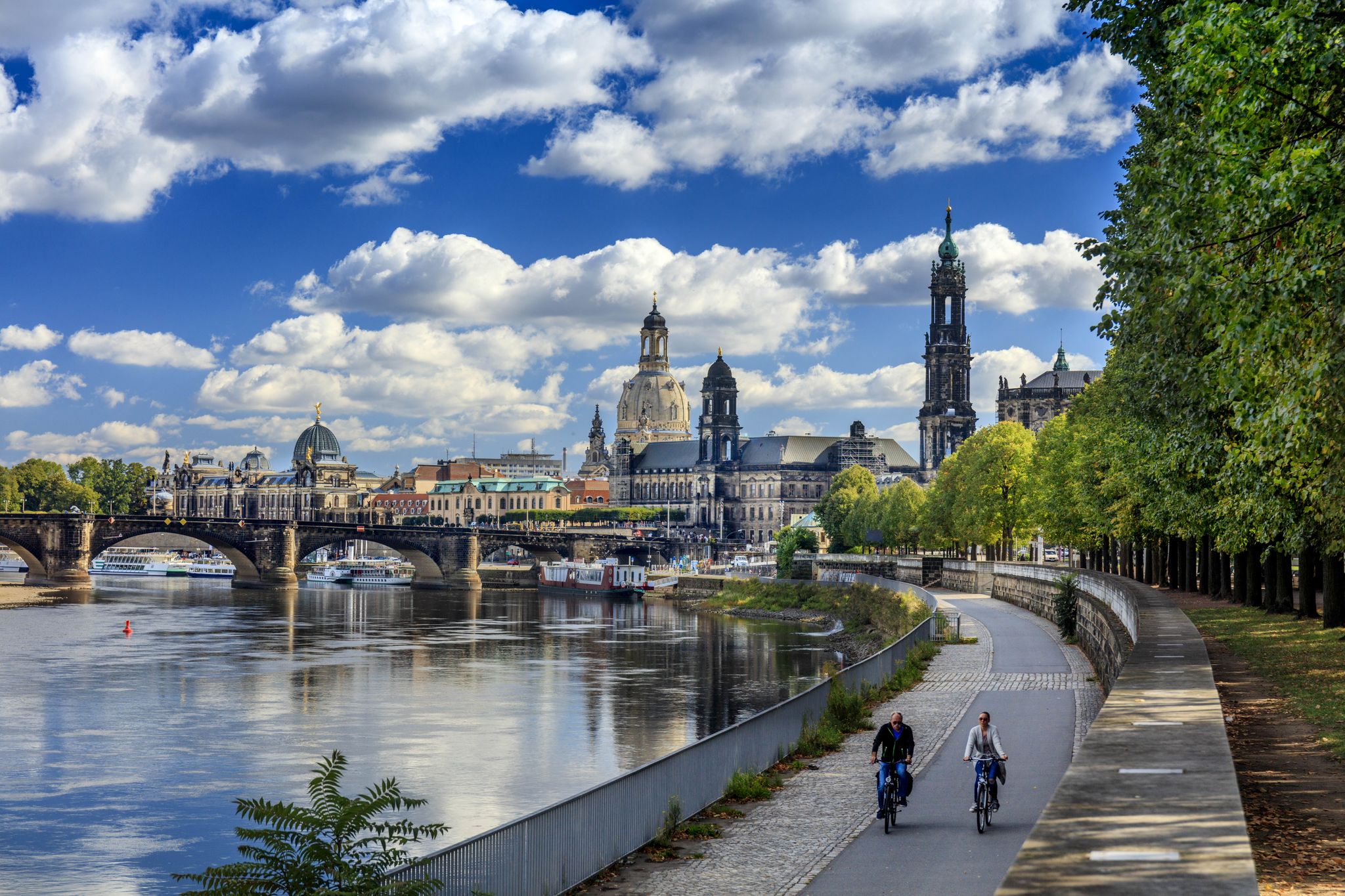
Cycling in Saxony – joy on two wheels
German Cycling Network – Cycling all over the country on the D-Routes
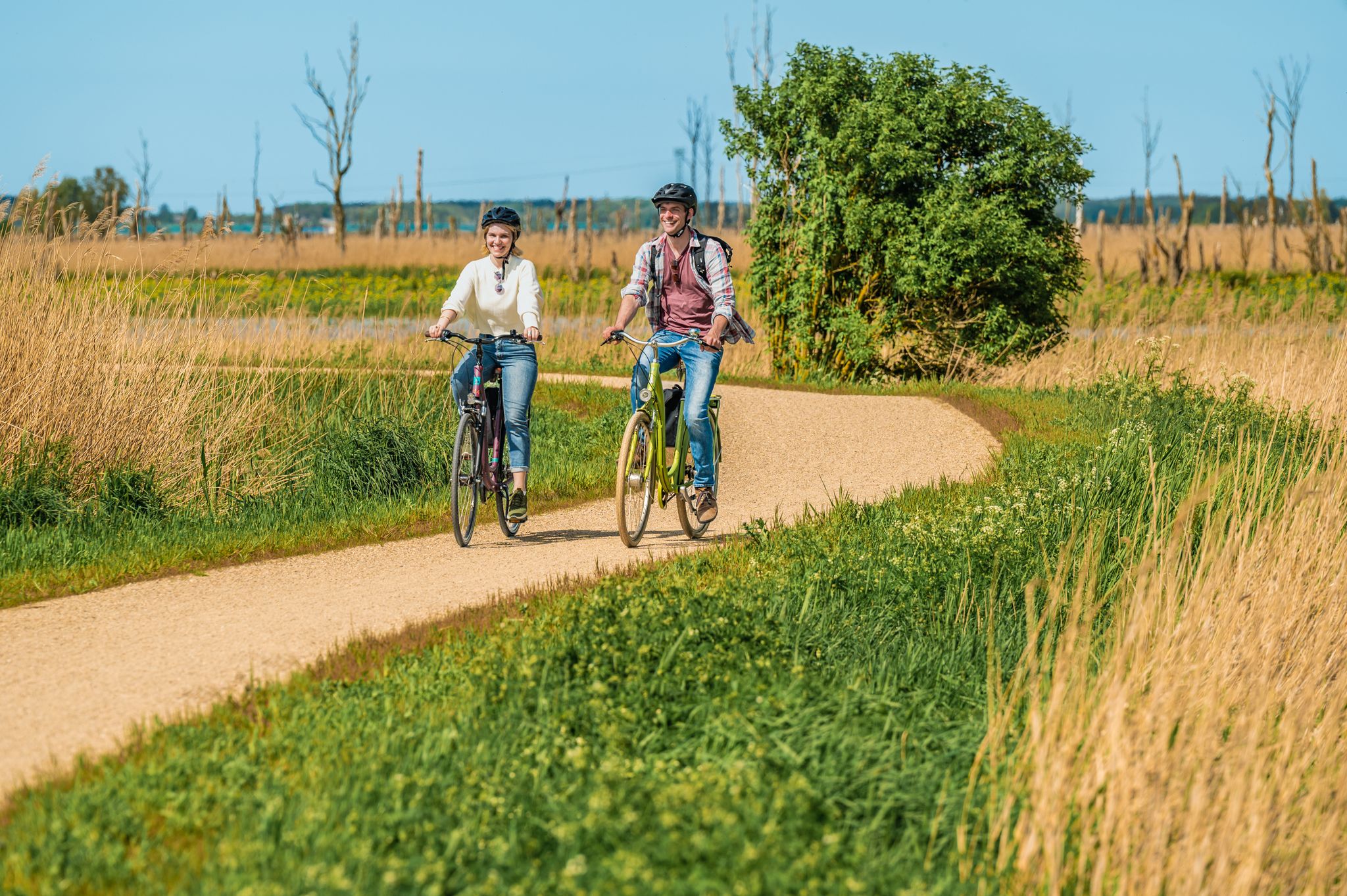
Oder-Neisse Cycle Path – experience nature, discover culture!
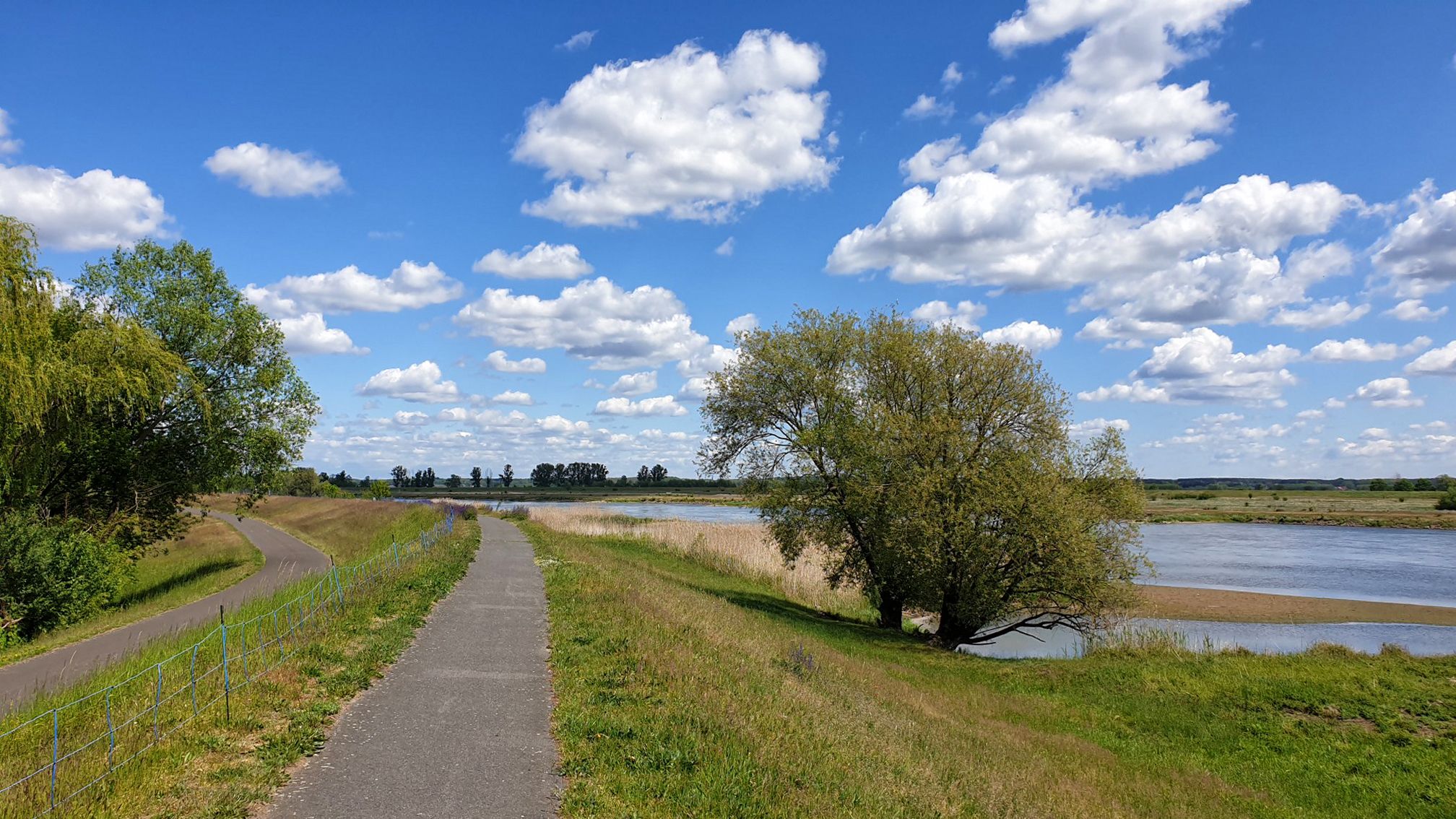
D-Route 12: Oder-Neiße Cycle Route
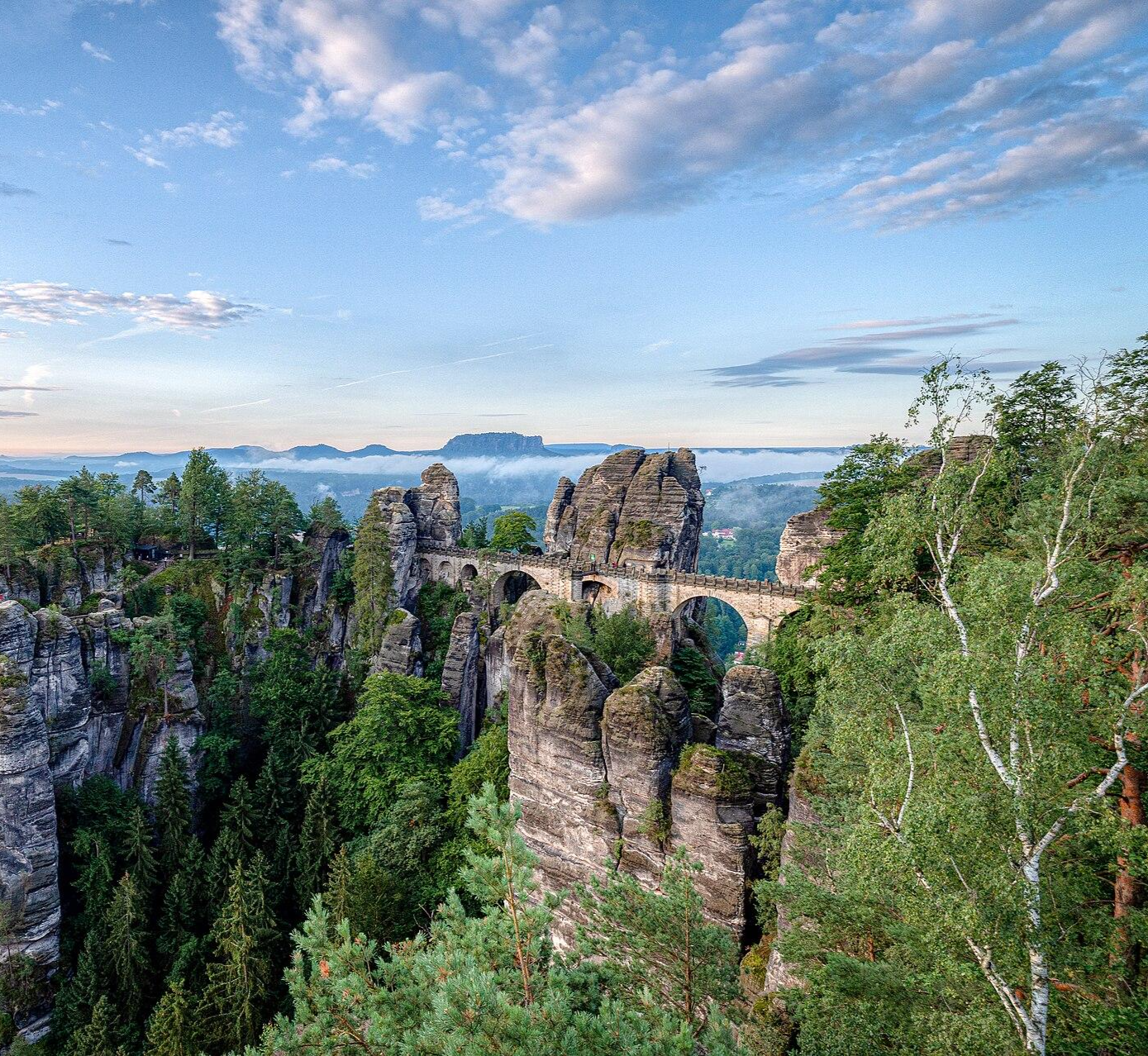
Zwei Tage raus! – Wander-Micro-Adventures in Sachsen
Cycling around Zittau
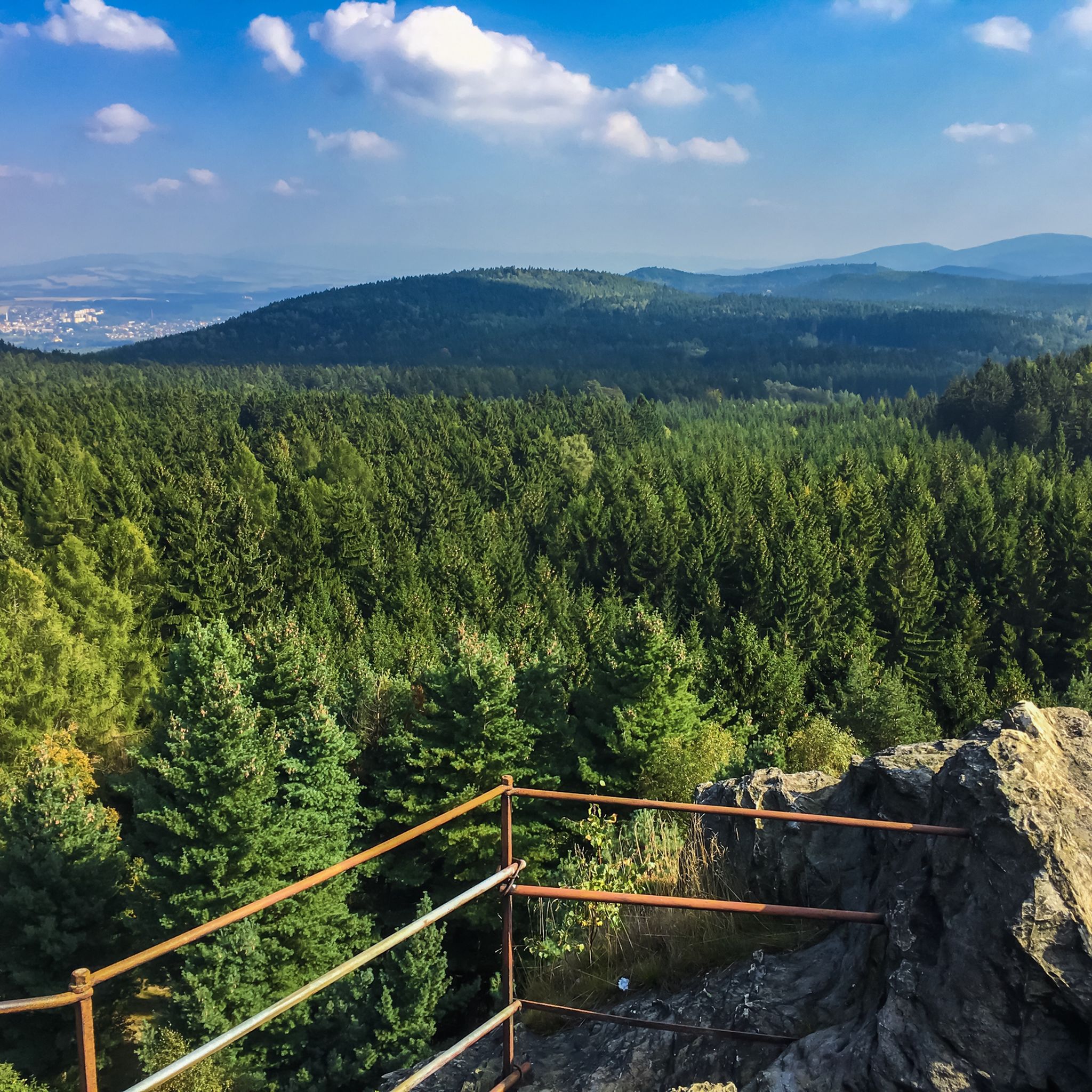
Hiking around Zittau
Running Trails around Zittau
Road Cycling Routes around Zittau
Other adventures around Zittau


Tips from the Community

Great rock formation; With due attention, you can climb well and conquer the rocks and surroundings.
0
0

Looking up, we already see the Gratzer rocks, in this section the trees around us have died. We look back, far into the distance. We reach the rock formation, we are now standing between the freestanding sandstone rocks, with boulders in between, as if someone had dropped them here. If we don't deny ourselves a little climb on them, we feel like we are in an adventure land. The rock formation is permeated with small caves everywhere. A fantastic landscape, we walk between the rocks, through the autumnal forest surrounded by moss and ferns, the sandstone now sounds dull, almost hollow under our feet. https://youtu.be/N2GgTh6HEzQ
0
0

The White Stone marks a regional geological feature. Here, a rock formation consisting of a quartz vein emerges, striking for its atypical white color. This formation is also known as the Karasek Cave, named after the robber captain Johannes Karasek. This is said to have been the meeting place of the gang before and after several raids. While the robber captain actually existed, legend has it that his treasure, which has not yet been found, is hidden at this location. The story of the robber captain and information on the geology can be found in the Karasek Museum in Seifhennersdorf. Coming from Großschönau, it's worth taking a detour about 300 meters from the road and then continuing on to the Karasek Museum.
0
0

The White Stone is a rock formation up to six meters high in the Hofebusch forest near Spitzkunnersdorf in Upper Lusatia. Erosion also created the so-called Karasek Cave in this rock.
1
0

point for the hiking pin Oberlausitzer Bergweg
0
0

The cave has been known to locals for several centuries as the ice hole. Around 1870, the Zwickau mining association built the first access route to the cave and began marketing it for tourism. The descent to the cave floor, 6 meters below, was initially done via a carved tree trunk; later a ladder was installed. Around 1900 the entrance to the cave was barred, and for a fee you could get the key from a nearby mill. On busy weekends, a kiosk at the entrance sold refreshments. After 1945, the cave was freely accessible and was often damaged by ice formations breaking off and campfires. In 1966 the cave was declared a protected natural monument because of its unusual character, but it was not until 1988 that the cave entrance was closed again and the destruction stopped. Until 1995, access to the cave was permitted after approval by the administration of the Lusatian Mountains landscape protection area; since then, viewing has no longer been permitted due to the risk of collapse.
2
1
The water from the Hamerský potok (Hammer Stream) was used throughout his life to power the hammer and the mills. However, the demand increased constantly and therefore in 1938 the Naděje reservoir (Hammerbachtalsperre) was built about 1 km upstream, under whose dam wall in the valley the remains of the old mill ditches can still be seen today. The oldest, probably from the 19th century, begins with a wooden threshold in the stream about 400 m below the dam, from where it first led into an open ditch on the right side of the stream, but then continued carved into the rock and covered with phonolite slabs was. The ditch ends after 240 m at the northern edge of Hamr, where the sawmill owned by the entrepreneurs Mitter and Weiss used to be located. Immediately below this sawmill begins the second mill ditch, through which water was channeled into the Eisenhammer in the Middle Ages, and whose upper part was converted at the turn of the 19th and 20th centuries to drain the water from the Mittersche Brettmühle. This 130 m long mill ditch begins with a weir carved into the rock and its ditch was largely covered with phonolite slabs. But today it is buried in many places. Another 140 m long open mill ditch is located at the lower end of the village on the right side of the stream. Its water originally flowed in a wooden trough on the mill's water wheel and was transferred at the beginning of the 20th century into an 83 m long tunnel carved out of sandstone, at the end of which it flowed in a concrete trough to the turbine, which was the company's second sawmill Mitter and Weiss drove, was directed. Towards the end of the 50s of the 20th century, the sawmill buildings were demolished and today all that remains of them is a torso of the turbine chamber and overgrown remains of the foundation walls, behind which there is a smooth rock face with dug-in cellars and the tunnel of the old moat located.
0
1

Impressively beautiful, definitely take it with you
1
0
Frequently Asked Questions
What kind of natural rock formations can I explore in the Zittau Mountains?
The Zittau Mountains feature distinctive rock formations. For example, the Gratzer Rocks are a natural monument known for their impressive formations. Another notable site is the "White Stone" where the Karasek Cave is located, composed of bright quartzite that stands out from the surrounding rocks.
Are there any caves with historical significance or folklore in the Zittau region?
Yes, the region offers sites rich in history and folklore. The Karasek Cave is named after the legendary robber captain Johannes Karasek, who is said to have met his cronies and hidden treasure there. The Hope Ice Cave has a history of early tourism and mining, known for its persistent ice. Additionally, the Schwarzes Loch Show Mine is a former quarry expanded into a museum.
Can I visit a show mine or a historical mining site near Zittau?
Yes, the Schwarzes Loch Show Mine is a former quarry that has been expanded as a museum, offering guided tours into its rock alleys. It's a very exciting experience according to visitors.
Is there a unique natural phenomenon cave in the Zittau area?
Yes, the Hope Ice Cave, also known as the "ice hole" to locals, is unique for its persistent ice formations. It has been a point of interest for centuries, though access is now restricted due to collapse risk.
Are there any adventurous historical sites with tunnels to explore?
The Old Mill Site with Water Tunnel offers an adventurous detour. You can explore an old water tunnel, but it requires caution and a torch. Some parts might even involve abseiling for the more adventurous.
What kind of outdoor activities can I do near the caves around Zittau?
The Zittau region is excellent for various outdoor activities. You can find numerous MTB Trails around Zittau, including routes around Lake Berzdorf and Lake Olbersdorf. There are also many Running Trails around Zittau, with options ranging from easy to difficult, and Gravel biking routes through the scenic landscapes.
Are there hiking trails that lead to or near these cave sites?
Yes, the Zittau Mountains are known for well-maintained hiking trails. Many of the cave-like formations and rock sites are accessible via hiking routes. For example, the Gratzer Rocks are accessible via a small detour from popular paths. You can find various running and hiking trails throughout the region.
What do visitors enjoy most about the caves and rock formations in the Zittau region?
Visitors frequently appreciate the unique geological features and the blend of natural wonder with local history. The impressive rock formations, the historical context of sites like the Schwarzes Loch Show Mine, and the folklore surrounding the Karasek Cave are often highlighted. The adventurous aspect of exploring sites like the Old Mill Site with Water Tunnel also receives positive feedback.
Are there any viewpoints near the caves in the Zittau Mountains?
Many of the natural rock formations in the Zittau Mountains, including some cave sites, offer excellent viewpoints. The region itself is known for charming landscapes and rock formations that provide scenic vistas.
What is the best time to visit the caves and rock formations in the Zittau region?
The Zittau Mountains are generally pleasant for outdoor exploration during spring, summer, and autumn. While the Hope Ice Cave historically featured ice year-round, its access is now restricted. For other sites, warmer months allow for comfortable hiking and exploration of the rock formations and historical sites.
Are the caves around Zittau suitable for families?
Many of the sites, particularly the accessible rock formations and historical sites like the Karasek Cave and Gratzer Rocks, can be enjoyed by families. The Schwarzes Loch Show Mine offers guided tours which can be an engaging educational experience for children. For the Old Mill Site with Water Tunnel, parental supervision is advised due to its adventurous nature.
Where can I find information about the legendary robber captain Karasek?
The Karasek Cave is directly linked to the legendary robber captain Johannes Karasek. You can learn more about his story and the geology of the area at the Karasek Museum in Seifhennersdorf, which is nearby.
Most popular routes around Zittau
Most popular attractions around Zittau

Get inspired with the komoot mobile app


Explore more
Extend your search for the best caves by checking out these guides of the top ones around Zittau:
