Top 12 Gorges around Springe
Canyons around Springe, Germany, are characterized by diverse geological features, including deep gorges, rock formations, and forest valleys. The region offers various hiking trails, particularly within the Deister and Kleiner Deister areas, showcasing natural monuments and historical sites. These geological features near Springe provide opportunities for exploration and offer insights into the area's natural and cultural history.
Best canyons around Springe
- The most popular canyons is Devil's Kitchen Gorge, a gorge that features a challenging climb to the Ith…
Last updated: May 13, 2026
Devil's Bridge Forest Inn
Highlight • Restaurant
Translated by Google •
Tip by

Devil's Kitchen Gorge
Highlight • Gorge
Translated by Google •
Tip by

Sign up now to discover places like this
Get recommendations on the best single tracks, peaks, & plenty of other exciting outdoor places.
Sign up for free
Kanstein Rock Path
Highlight • Trail
Translated by Google •
Tip by

Cliffs and Bat Caves in the Kleiner Deister
Highlight • Cave
Translated by Google •
Tip by

Bullerbach Valley
Highlight • Gorge
Translated by Google •
Tip by
Sign up for free to discover even more gorges around Springe.
Sign up for free
Already have an account?
Start today with a free account
Your next adventure awaits.
Login or Signup



Tips from the Community

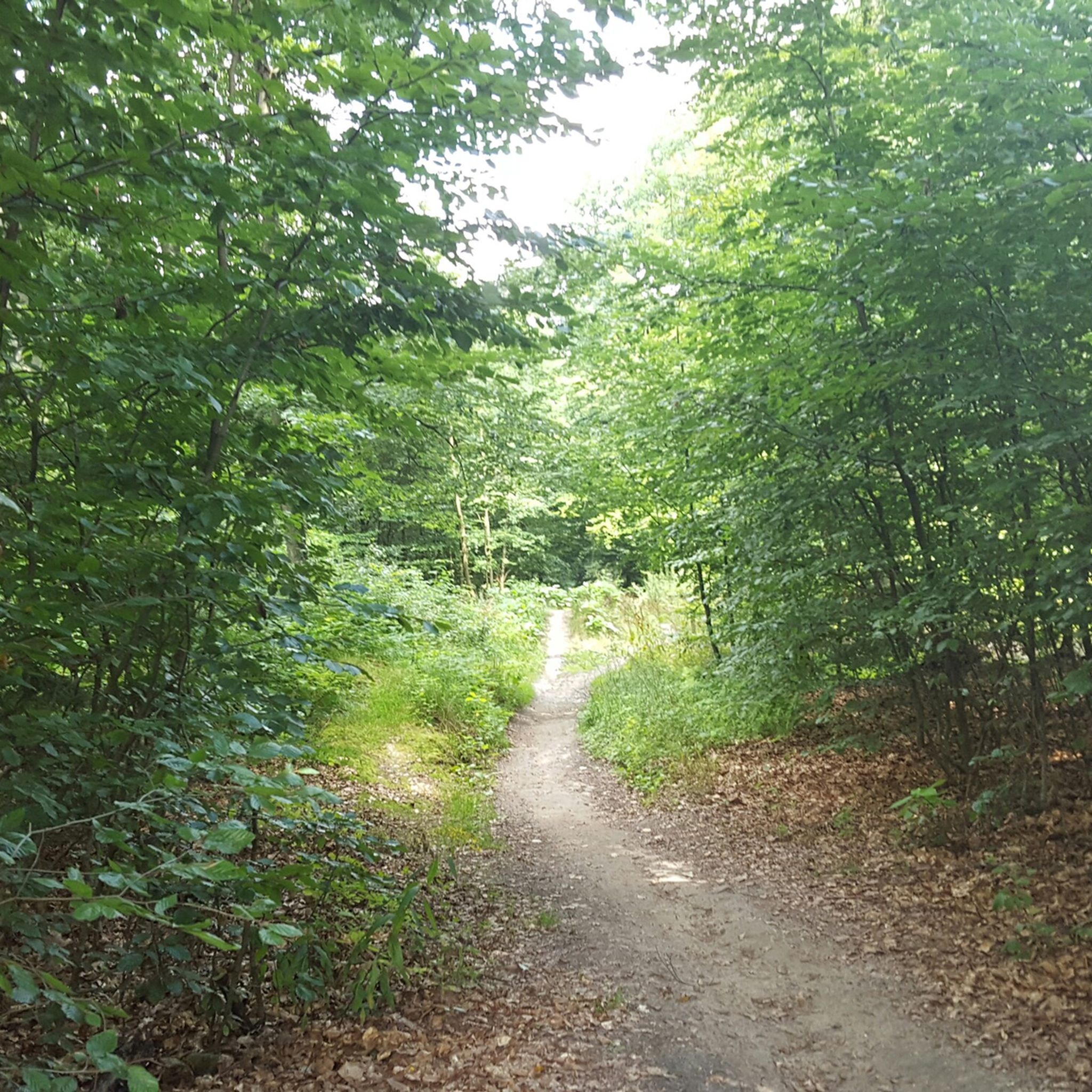
The bridge is getting more and more dilapidated every year, and if it's wet, you could end up in the stream on a bicycle. Still, it's a lovely place to linger. Next to it is a small wild meadow.
0
0

The beautiful wooden bridge is no longer there. Now there is a concrete pipe through which the stream flows. The Bullerbach valley is still beautiful, however. The old character of a bridge that goes around the curve is only a memory. I liked the curved wooden bridge better, although I once fell on it with my mountain bike when the surface was wet and I landed in the stream with the bike. Luckily, the riders behind me stopped and fished me out of the stream.
1
0

Good footwear and sure-footedness are required, especially when it is damp... But the journey is worth it.
3
0

Even nicer when there is enough water, it is worth taking a little break here. ;-)
0
0

Steep section with steel cable protection
2
0

It was the year 1284. As every year, there had been a series of festive days with boisterous activity in Hamelin around St. John's Day. Moving out and moving, especially of young people and children, were the order of the day. In the darkness, the St. John's fires blazed up on the heights of the surrounding mountains. Stimulated by the festivities of the preceding St. John's Day, a large group of children made their way to Ith, just under two miles away, on June 26th in the most beautiful summer weather. Massive and rugged, the massif of the Fahnenstein juts out into the plain on the northern Ith. According to ancient custom, a midsummer bonfire was burned at its height every year, and the youth of Hamelin wanted to be there. With happy playing and singing, we left Hamelin's Easter Gate. A minstrel, a piper, led the long procession of 130 children. The Cobbenberg, as this Ithhöhe is called in the oldest documents, was reached in good time towards evening. At the foot of the Fahnenstein, halfway up the Cobbenberg, lies the eerie devil's kitchen, a formerly swampy rock basin in the middle of steep cliffs. Tradition has it that this place was an old Germanic place of worship and sacrifice. The devil's kitchen at the foot of the flag stone now particularly attracted the leader of the children. Like all members of his guild, he was still excluded from the church and therefore stuck to the old beliefs. The devil's kitchen was dangerous terrain, due to the swamp basin and the steep cliffs from which large blocks had detached over time and today have completely filled the swamp hole. Mysterious mists rose from the bottom, will-o'-the-wisps floated to and fro. As dusk fell, the children feared spooks and ghosts. As if by magic, they pressed forward. As the foremost sank into the swamp, panic set in, and instead of realizing the danger and turning back, those who stayed behind became utterly shy. Partly driven by superstitions, partly in an effort to save their comrades, they pressed forward and thus to perdition. So the sump of the devil's kitchen on the slope of the Cobbenberg, just under two miles east of Hamelin, became the grave of the 130 Hamelin children. https://www.mystic-culture.de/kultplatz/ith/teufelskueche/rattenfaengersage.html
8
1
Is one of 12 destinations in the "Deister Wanderpass", with which you can collect a stamp at each station. As a reward, the Deister hiking pin beckons at the end. The forest restaurant Teufelsbrücke is the stamp office no. 10.
5
0
The saga of how the Devil's Bridge got its name in the Deister: According to the old story, a hunter was hunting there and killed a magnificent stag. Unfortunately, a raging brook separated him and his prey. He couldn't get to the stag he had killed and cursed so roughly that the devil showed himself. The latter offered him a deal: the devil would build a bridge over the brook, but he would take the hunter with him into his kingdom if he should mention his name again. The hunter agreed, eager for his prey. The devil then formed a bridge over the stream so that the hunter could cross the stream and get his prey. He carried the stag to the castle in Rodenberg. Some time passed. At some point the hunter boasted about his story in the village pub in Rodenberg and said he had cheated the devil. Then the earth opened up. The horned man appeared and dragged the hunter down with him into hell. The hunter was never seen again. But the Devil's Bridge has had her name since that night. Source: https://www.sn-online.de/Schaumburg/Rodenberg/Rodenberg/Ein-grauenvoll-Pakt-im-Deister
5
0
Frequently Asked Questions
What kind of geological features can I expect to see in the canyons around Springe?
The canyons around Springe, often referred to as gorges or forest valleys, are characterized by diverse geological features. You'll encounter deep gorges, unique rock formations, and dense forest valleys. Notable examples include the high rocks and fallen boulders of Devil's Kitchen Gorge and the interesting cliff formations with caves at Cliffs and Bat Caves in the Kleiner Deister.
Are there challenging hikes in the canyons near Springe?
Yes, the region offers several challenging routes. For instance, Devil's Kitchen Gorge features a challenging climb to the Ith mountains with an alpine ascent and stairs. Another demanding trail is the Kanstein Rock Path, which winds through rocks with steel cable railings and can reach gradients of up to 24%.
Are there any family-friendly canyon areas around Springe?
Yes, the Bullerbach Valley is considered a family-friendly option. It offers one of the most beautiful forest valleys in the Deister, perfect for enjoying nature and exploring at a more relaxed pace.
What is the best time of year to visit the canyons around Springe?
While specific seasonal advice for canyoning isn't available, the general hiking season in the Deister and Kleiner Deister areas typically extends from spring through autumn. These periods offer pleasant temperatures and vibrant natural scenery. Winter hiking is also possible, but conditions may vary, and some paths could be more challenging due to ice or snow.
What outdoor activities can I do near the canyons around Springe?
Beyond exploring the gorges, the Springe region offers a variety of outdoor activities. You can find numerous cycling routes, including moderate tours like the 'View of the River Leine – Maschsee North Shore loop'. There are also dedicated MTB trails, such as the 'Ridge Trail in Köllnischfeld', and additional hiking opportunities like those found in the waterfall hikes around Springe guide.
Are there historical or cultural sites within the canyons of Springe?
Yes, some areas have historical significance. For example, the Devil's Kitchen Gorge is believed to have been a pre-Christian place of sacrifice. Additionally, the Bullerbach Valley has traces of former coal mining industry from the 19th century.
Where can I find places to eat or drink near the canyon trails?
The Devil's Bridge Forest Inn is a quaint restaurant near Rodenberg that has been attracting visitors for almost a hundred years, offering a place to relax and dine close to some of the natural attractions.
Are dogs allowed on the canyon trails around Springe?
While specific regulations for dogs on every trail are not detailed, generally, dogs are welcome on hiking trails in the Deister and Kleiner Deister areas, provided they are kept on a leash and owners clean up after them. Always check local signage for any specific restrictions in sensitive natural areas.
What should I wear or bring for hiking in the canyons near Springe?
For hiking in these areas, especially on challenging routes like the Kanstein Rock Path, sturdy hiking boots with good grip are essential. Layered clothing is advisable to adapt to changing weather, and bringing water, snacks, and a map or GPS device is always recommended. For trails with steel cable railings, gloves might be useful.
How difficult are the canyon trails around Springe?
The difficulty varies. Some trails, like the Devil's Kitchen Gorge and Kanstein Rock Path, are considered challenging due to steep ascents and rocky terrain. Others, such as the Bullerbach Valley, offer more moderate and family-friendly experiences.
Are there viewpoints in the canyons around Springe?
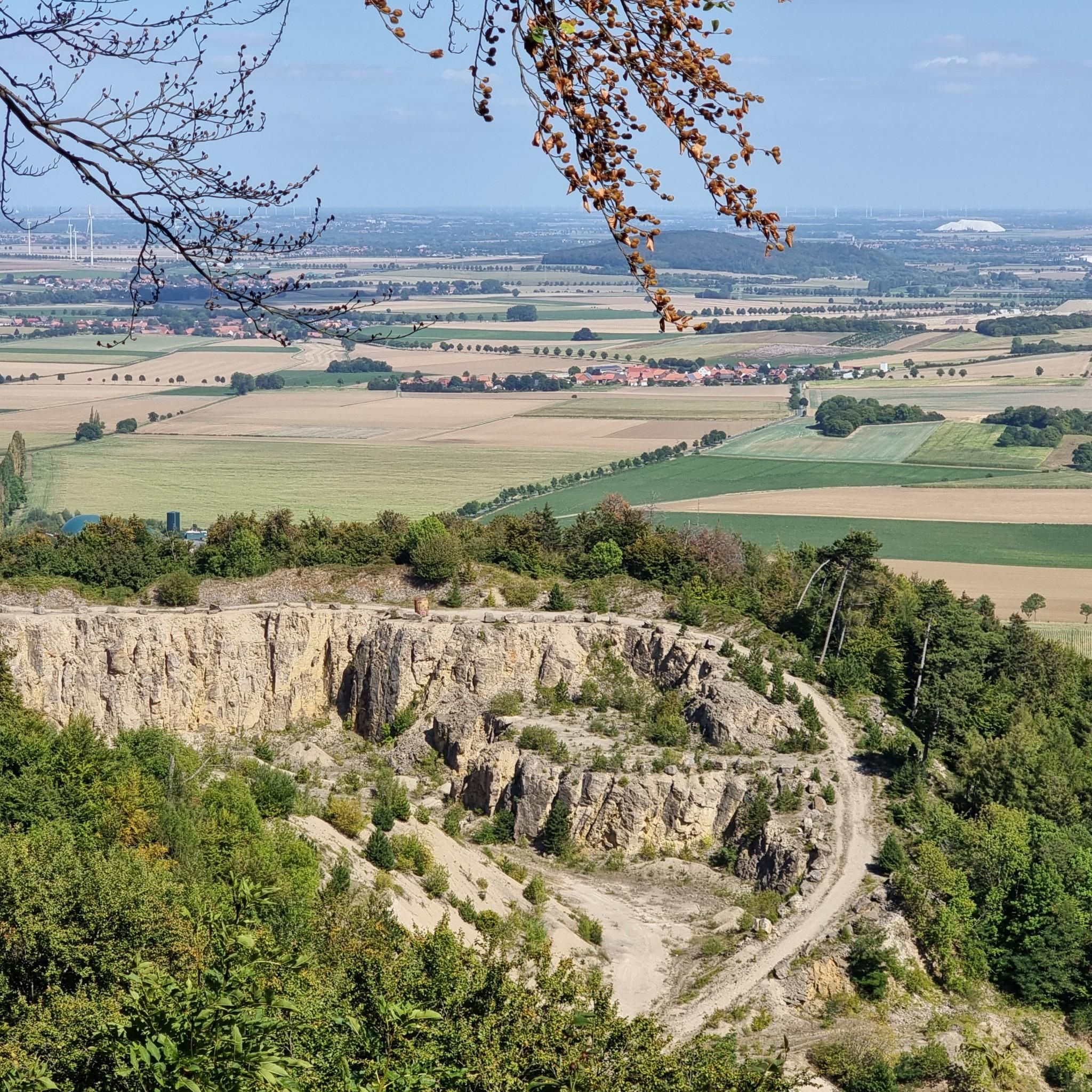
Yes, several canyon areas offer scenic viewpoints. The Devil's Kitchen Gorge and Kanstein Rock Path are both noted for providing views. Additionally, the Cliffs and Bat Caves in the Kleiner Deister also feature viewpoints overlooking the natural surroundings.
Can I find circular hiking routes in the canyon areas near Springe?
While specific circular routes for individual canyons are not detailed, the broader Deister and Kleiner Deister regions, where these gorges are located, are well-known for their extensive network of hiking trails, many of which can be combined to form circular walks. You can explore various routes on komoot to plan your circular hike.
Most popular routes around Springe
Most popular attractions around Springe

Get inspired with the komoot mobile app


Explore more
Already discovered everything in this region? See additional gorges around Springe for your next adventure:
