Top 20 Caves around Sankt Goar
Best caves around Sankt Goar offer a unique insight into the region's geological and cultural past. Sankt Goar, situated in the Middle Rhine Valley, is known for its dramatic landscapes and historical significance. The area features a variety of underground formations, including old mines and natural rock shelters. These sites provide a tangible connection to the region's mining heritage and local folklore.
Best caves around Sankt Goar
- The most popular caves is Upper and Lower Laykaul Slate Caves, a…
Last updated: June 26, 2026
Steeg Slate Mine
Highlight • Cave
To the right …
Translated by Google •
Tip by

Upper and Lower Laykaul Slate Caves
Highlight • Cave
Under a huge slate rock, a man-high opening gives access to the huge "Untere Laykaul" cave, which has been expanded with tunnels. At the end of the at …
Translated by Google •
Tip by
Sign up now to discover places like this
Get recommendations on the best single tracks, peaks, & plenty of other exciting outdoor places.
Sign up for free
Well-Weibches-Loch Cave
Highlight • Cave
The beautiful innkeeper's daughter betrays the residents' refuge to the Swedes during the Thirty Years' War and gets pregnant. After the end …
Translated by Google •
Tip by
Prinzenstein Mine Tunnel in Brandswald
Highlight • Cave
Translated by Google •
Tip by
Gerhardshöhle
Highlight • Cave
Translated by Google •
Tip by

Sign up for free to discover even more caves around Sankt Goar.
Sign up for free
Already have an account?
Start today with a free account
Your next adventure awaits.
Login or Signup
Popular around Sankt Goar
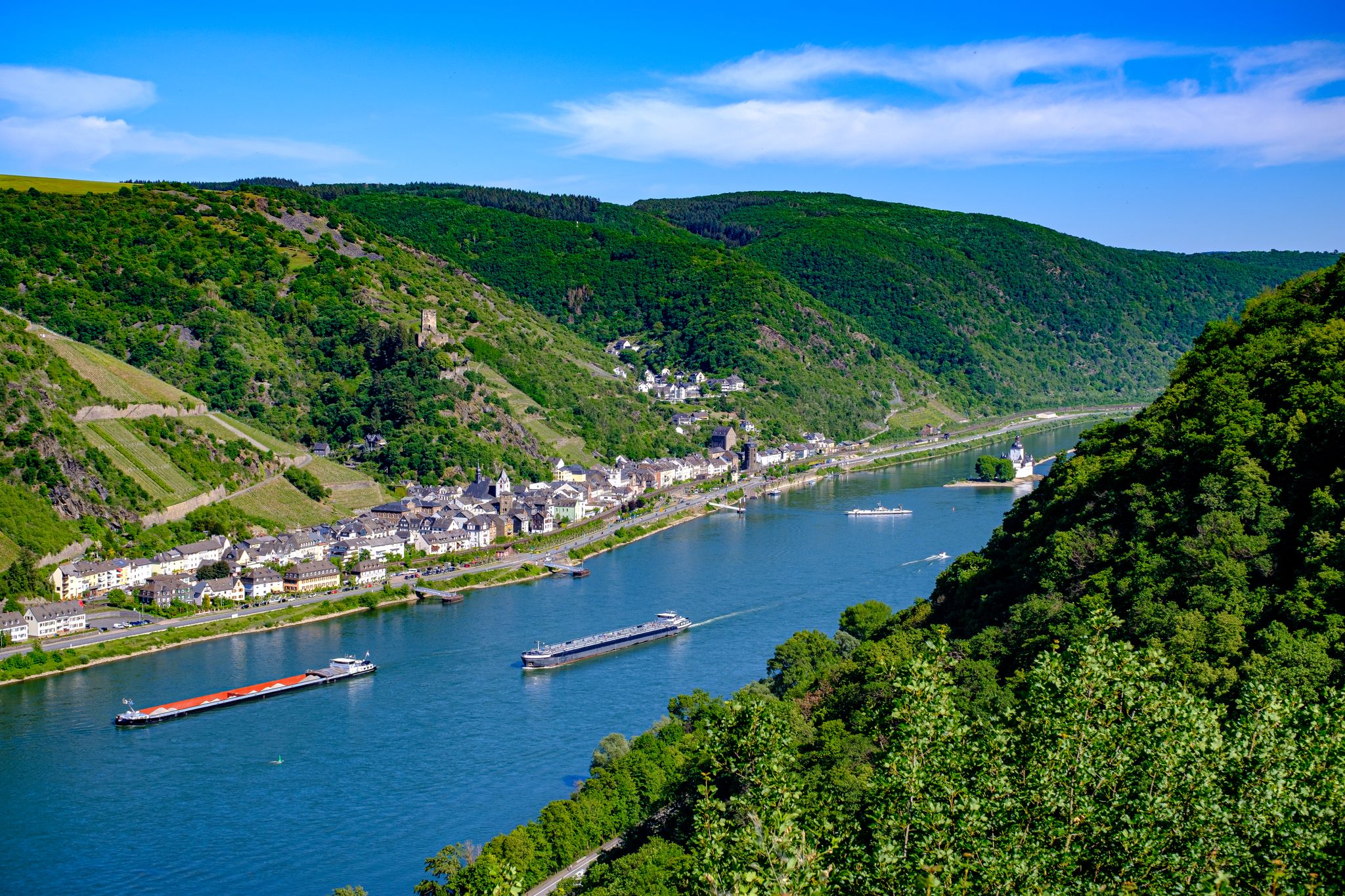
The Rhine Castle Trail – 13 stages of pure Rhine romanticism
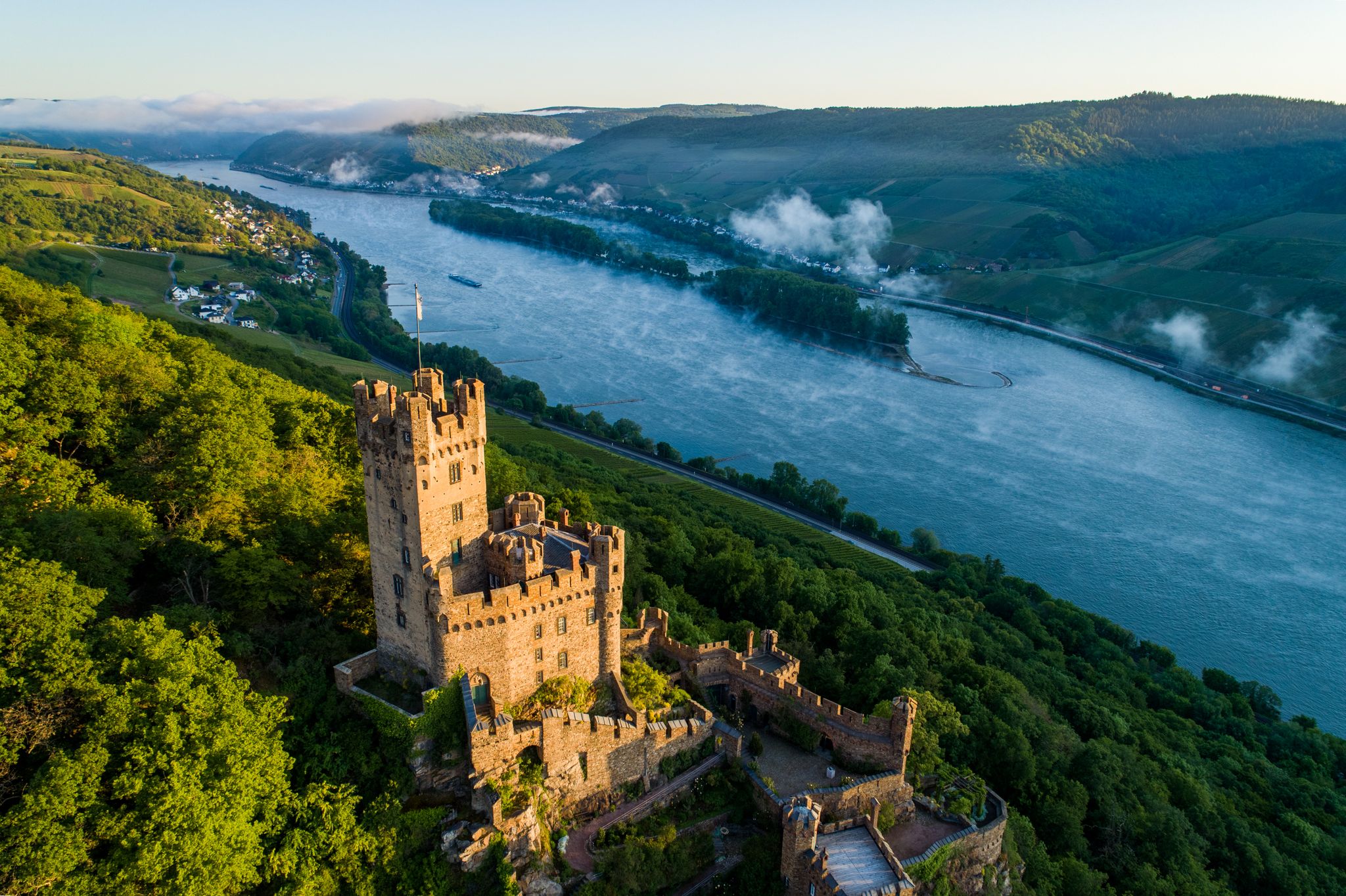
Stunningly beautiful – hiking on the RheinBurgenWeg
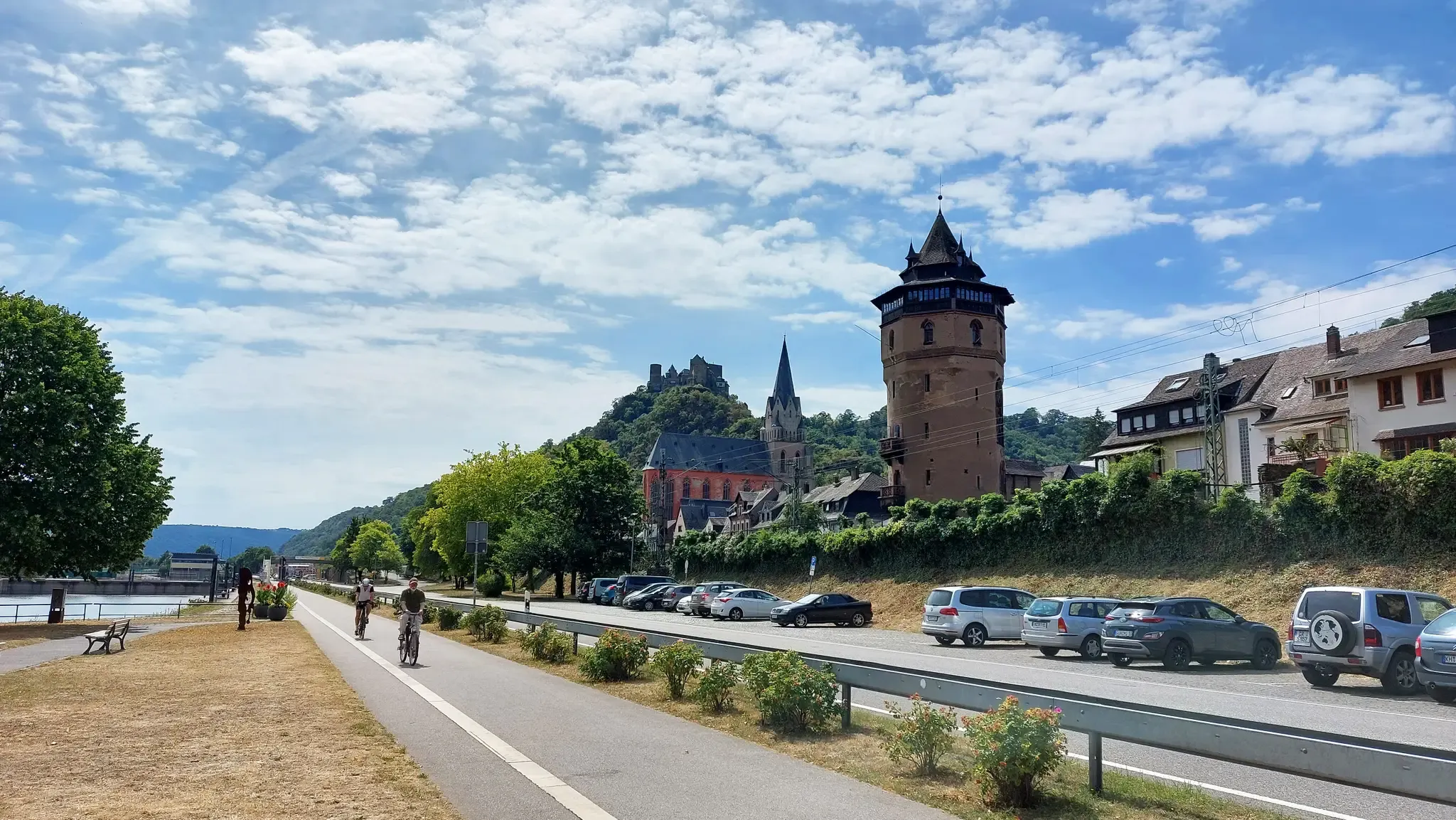
Castles and mountains – cycling in the Upper Middle Rhine Valley World Heritage Site
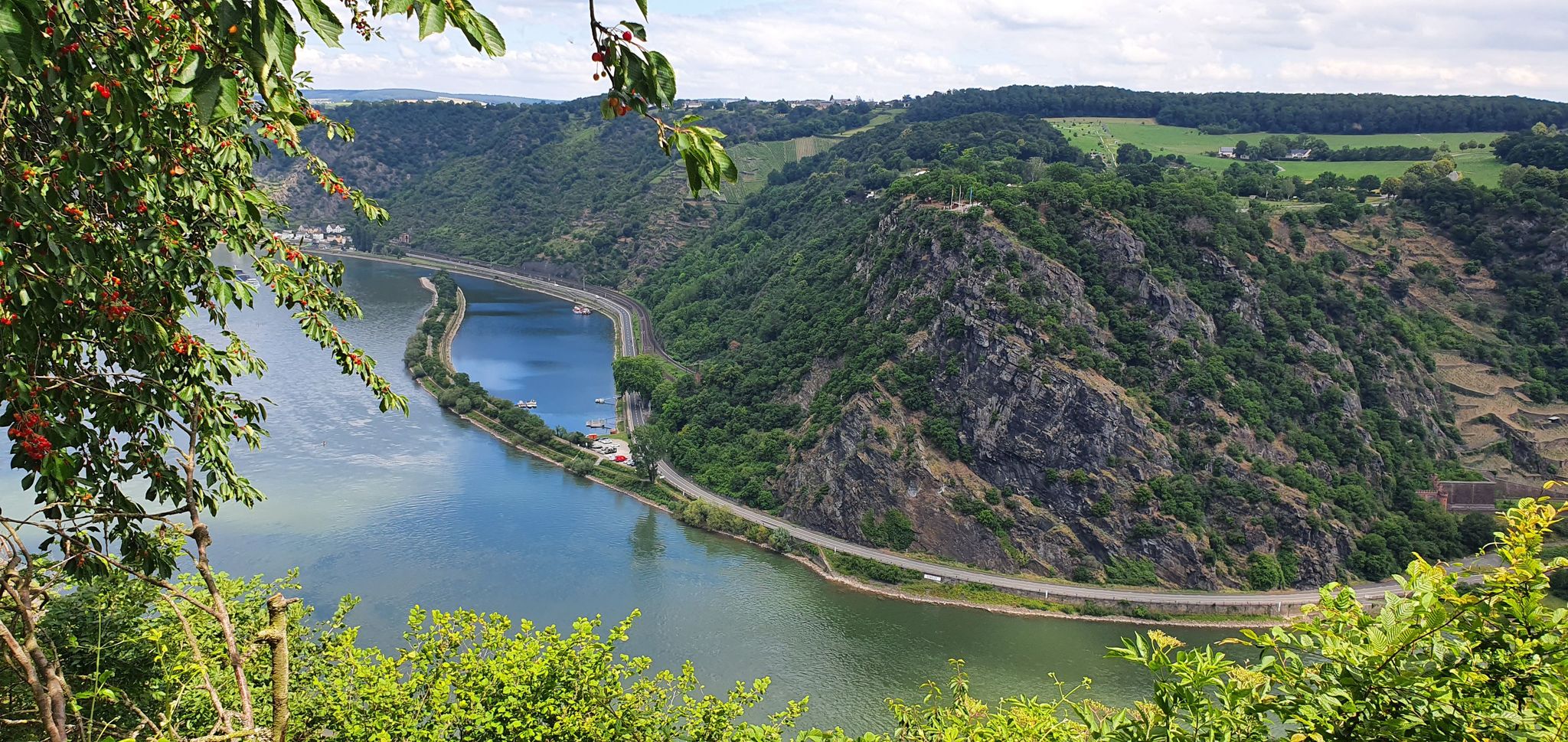
Dream loops in the Hunsrück-Middle Rhine Region
BUGA-Wanderevent im Mai 2025 in Oberwesel
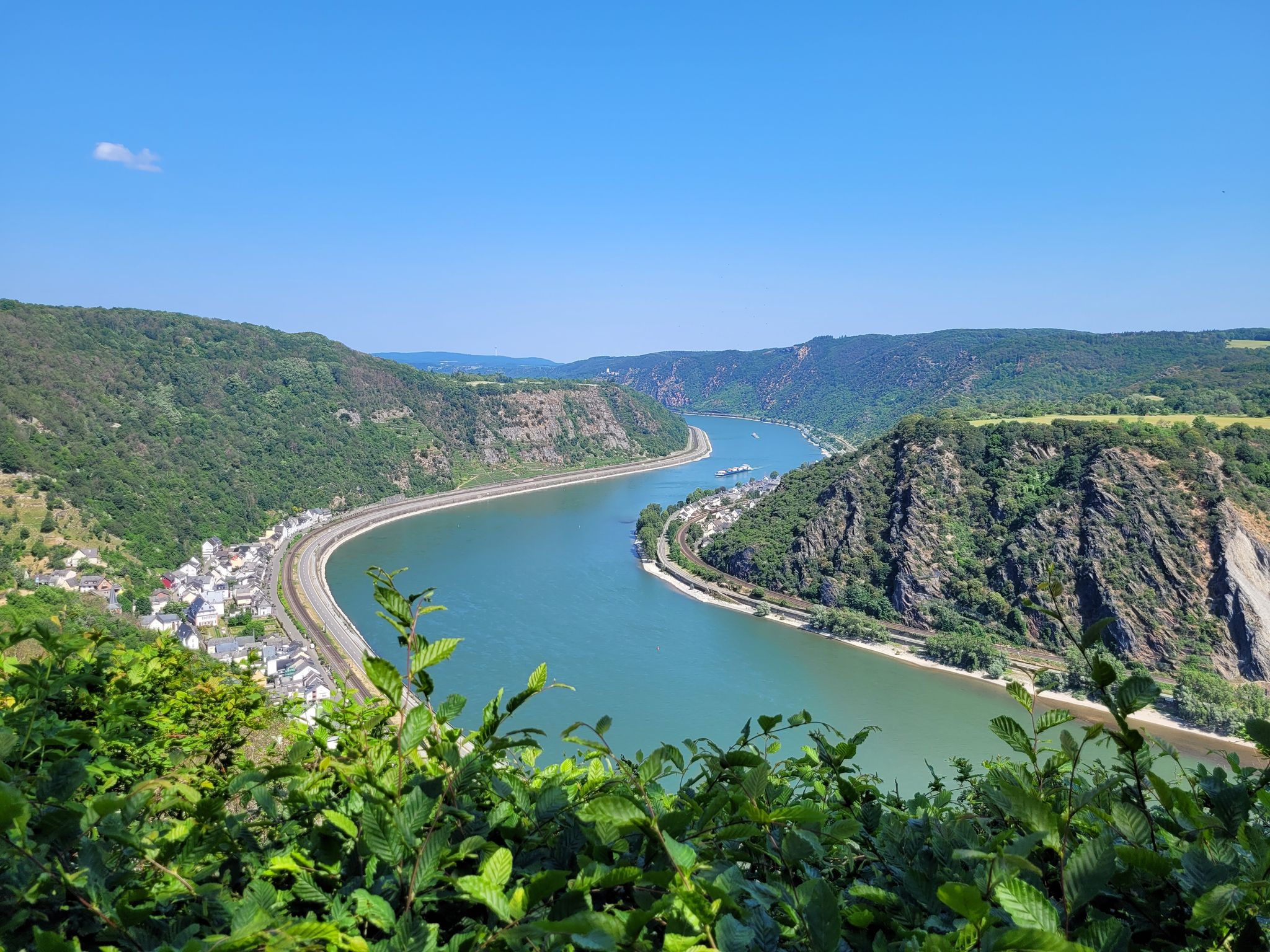
Welterbesteig Oberes Mittelrheintal
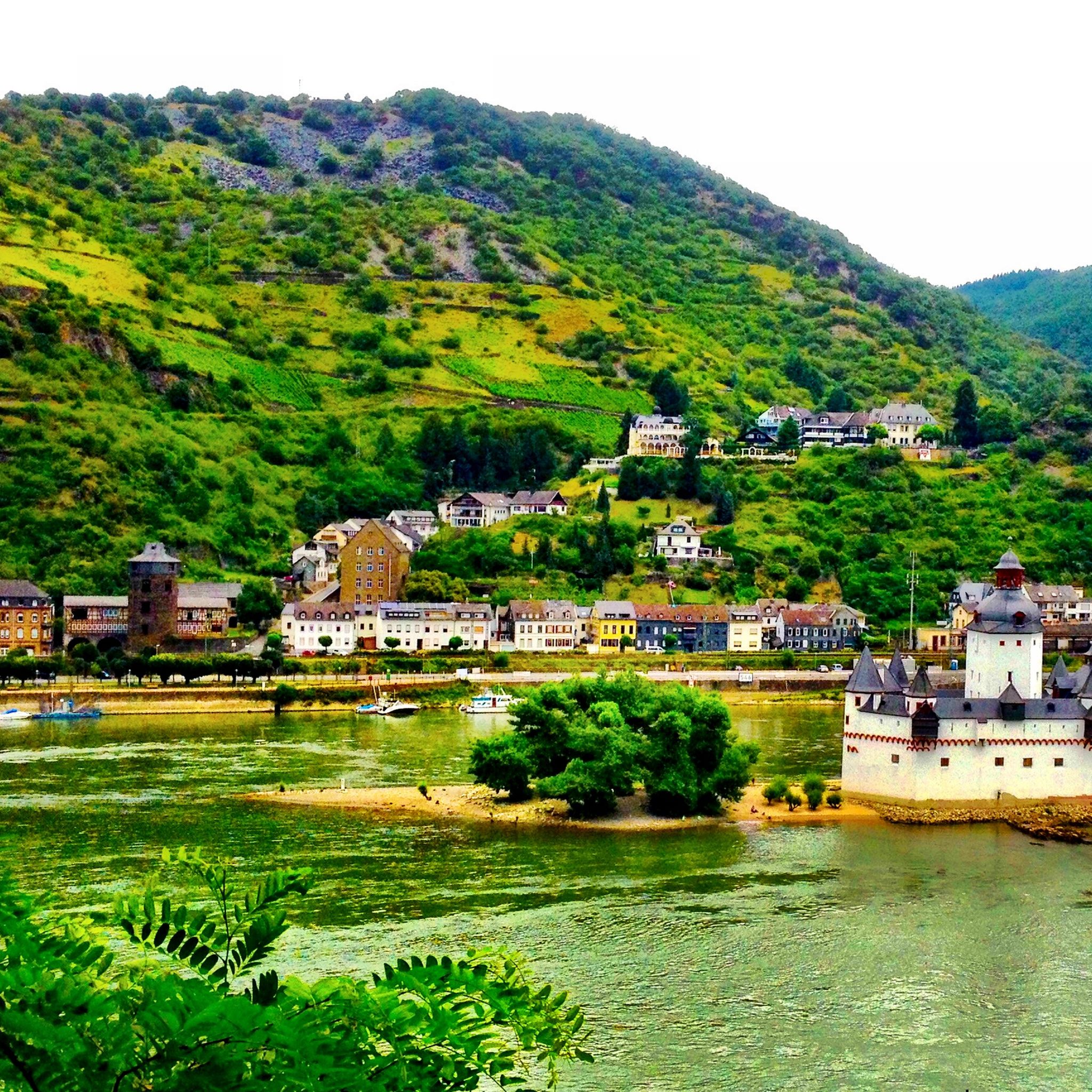
Hiking around Sankt Goar
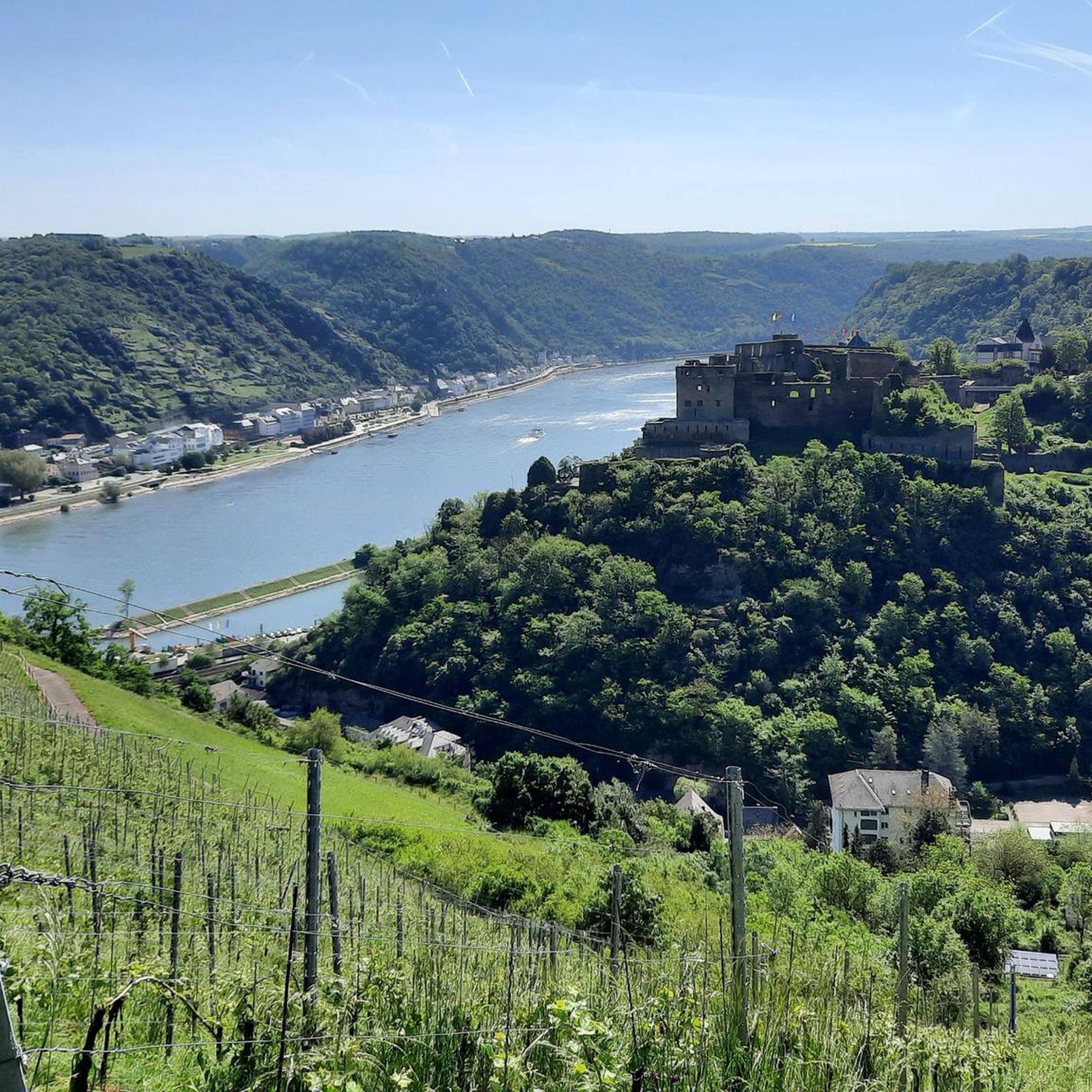
Cycling around Sankt Goar
Running Trails around Sankt Goar
MTB Trails around Sankt Goar
Other adventures around Sankt Goar


Tips from the Community

Hello, The adit is not suitable for beginners. You have to wade through at least half a kilometer of waist-deep water to 100m deep shafts. If you have questions, feel free to send a message on Instagram: @marlon.nix
0
0

An impressive natural monument. If you hike the trail in autumn or winter, the next 500 meters to the Rheinblick shelter are very difficult. The path leads steeply uphill to the right of the cave. The rocks are completely covered in leaves, so you have to clear them step by step with one foot to see where you're placing your next foot. The safety rope is of very limited help in this situation. So climb very slowly and carefully, and use your trekking poles judiciously. At the Rheinblick shelter, you can then take a breather.
1
0
The path is completely overgrown and slippery!
1
0

Beautiful legend and great view of the stream bed
1
0


Spectacular insight into slate mining
0
0

There are several slate mines around Steeg where mining continued until the 20th century. The mines are closed with steel bars for safety reasons.
0
0
There are quartz veins between the slate layers. You don't see them very often. The cave is damp from the dripping water, which makes it seem mystical.
0
0
Frequently Asked Questions
What kind of caves can I explore near Sankt Goar?
The Sankt Goar area primarily features old mines, slate caves, and natural rock shelters rather than expansive stalactite formations. These sites offer a unique insight into the region's mining heritage and local folklore. Notable examples include the Steeg Slate Mine, the Upper and Lower Laykaul Slate Caves, and the Well-Weibches-Loch Cave.
Are the caves around Sankt Goar suitable for families with children?
Many of the caves, such as the Gerhardshöhle, are considered suitable for children, offering a small, accessible experience. However, some, like the Steeg Slate Mine, can be wet and dark, requiring a flashlight, and the Upper and Lower Laykaul Slate Caves involve tunnels that might be challenging for very young children. Always check specific access details for each site.
Do I need any special permits to explore the caves near Sankt Goar?
Generally, no special permits are required for informal exploration of the publicly accessible caves and mine tunnels mentioned, such as the Steeg Slate Mine or the Upper and Lower Laykaul Slate Caves. However, some entrances, like the main one for the Prinzenstein Mine Tunnel in Brandswald, might be sealed, with only smaller openings available for access.
What historical significance do the caves near Sankt Goar hold?
The caves and mine tunnels in the region are rich in history. The Upper and Lower Laykaul Slate Caves, also known as 'Zittertal,' served as shelters for residents during wartime air raids. The Steeg Slate Mine showcases visible machining marks from past mining activities, connecting visitors to the region's industrial heritage. Even the Prinzenstein Mine Tunnel in Brandswald is linked to historical figures like Knight Brand von Werlau.
Can I bring my dog to the caves in the Sankt Goar area?
Information regarding dog access varies by specific location. While many natural outdoor sites in Germany are dog-friendly, it's advisable to check local regulations or signage at each cave entrance. For example, some tunnels might be too narrow or wet for dogs, or the presence of other visitors might make it less suitable.
How accessible are the caves, and what should I expect when visiting?
Accessibility varies. The Steeg Slate Mine allows visitors to walk through, though parts can be wet. The Lower Laykaul Slate Cave has a man-high opening. The Prinzenstein Mine Tunnel has a sealed main entrance, with only a smaller opening for slender individuals. The Well-Weibches-Loch Cave is known for its legend and is a natural formation. Expect uneven terrain, darkness, and potentially wet conditions in some tunnels, so a flashlight is recommended.
What is the story behind the <a href="https://www.komoot.com/highlight/371594" target="_blank" rel="noopener">Well-Weibches-Loch Cave</a>?
The Well-Weibches-Loch Cave is steeped in local legend. The tale recounts an innkeeper's daughter during the Thirty Years' War who betrayed residents to the Swedes. After becoming pregnant, she was expelled and lived in the rock hole with her child, with her spirit said to haunt the gorge ever since. There's often a blackboard nearby explaining the full story.
Are there any hiking trails that include these caves?
Yes, several hiking trails in the Sankt Goar area pass by or lead to these caves. For instance, the Prinzenstein Mine Tunnel is located directly on the RheinBurgenWeg hiking trail. Exploring these caves can be integrated into longer walks, offering a blend of natural beauty and historical discovery. You can find various hiking routes around Sankt Goar on Komoot's MTB Trails guide, which also lists general routes.
What other outdoor activities can I do near the caves around Sankt Goar?
Beyond cave exploration, the Sankt Goar region offers a variety of outdoor activities. You can find numerous routes for gravel biking, road cycling, and mountain biking. These routes often traverse the scenic Middle Rhine Valley, providing opportunities to enjoy the dramatic landscapes, castles, and viewpoints.
Where can I find parking or public transport options for the caves?
Specific parking and public transport details vary for each cave. For locations like the Steeg Slate Mine or the Laykaul Slate Caves, you would typically look for parking in nearby villages or designated trailheads. Public transport might involve regional buses or trains to Sankt Goar, followed by a walk or local connection. It's best to research the nearest town or starting point for each specific cave you plan to visit.
What should I wear or bring when exploring the caves?
Given that some caves can be wet and dark, it's advisable to wear sturdy, waterproof footwear and bring a reliable flashlight or headlamp. Even if it's warm outside, the temperature inside caves can be cooler, so a light jacket might be comfortable. For more challenging tunnels, consider clothing you don't mind getting dirty.
Are there places to eat or stay near the caves?
Sankt Goar and its surrounding villages offer various cafes, pubs, and accommodation options. While there might not be facilities directly at every cave entrance, you'll find amenities within a reasonable distance. For example, after exploring the Steeg Slate Mine or the Laykaul Slate Caves, you can head to Sankt Goar or nearby towns for refreshments and lodging.
How long does it typically take to explore the caves near Sankt Goar?
Most of the caves and mine tunnels in the Sankt Goar area are not extensive systems, so exploration time is relatively short. For a site like the Gerhardshöhle, it might be a quick stop. For the Steeg Slate Mine or the Laykaul Slate Caves, you might spend 15-30 minutes inside, plus time for approach and return. If combined with a hike, the overall duration will be longer.
Most popular routes around Sankt Goar
Most popular attractions around Sankt Goar

Get inspired with the komoot mobile app


Explore more
Extend your search for the best caves by checking out these guides of the top ones around Sankt Goar:
