Top 12 Gorges around Schwelm
Best canyons around Schwelm are characterized by deep valleys and gorge-like sections within the Bergisches Land region. These areas, carved by rivers and streams, offer varied terrain and dense forests. The landscape provides experiences akin to exploring smaller canyons, popular for hiking and enjoying nature. Schwelm serves as a starting point for accessing these natural features.
Best canyons around Schwelm
- The most popular canyons is Deep Cutting on the Nordbahntrasse, a cycle_way that features an impressive cut into the…
Last updated: June 26, 2026
Deep Cutting on the Nordbahntrasse
Highlight • Cycleway
That had to happen when the track was built - Anno 1884.
Translated by Google •
Tip by

Deep Cutting on the Nordbahntrasse
Highlight (Segment) • Cycleway
Translated by Google •
Tip by

Sign up now to discover places like this
Get recommendations on the best single tracks, peaks, & plenty of other exciting outdoor places.
Sign up for free
Saalbach Valley
Highlight • Gorge
Translated by Google •
Tip by

Stone Tower at Külpmann Quarry
Highlight • Monument
Translated by Google •
Tip by

Cascades on the Vogelsangbach
Highlight • Waterfall
Translated by Google •
Tip by

Sign up for free to discover even more gorges around Schwelm.
Sign up for free
Already have an account?
Start today with a free account
Your next adventure awaits.
Login or Signup


Tips from the Community

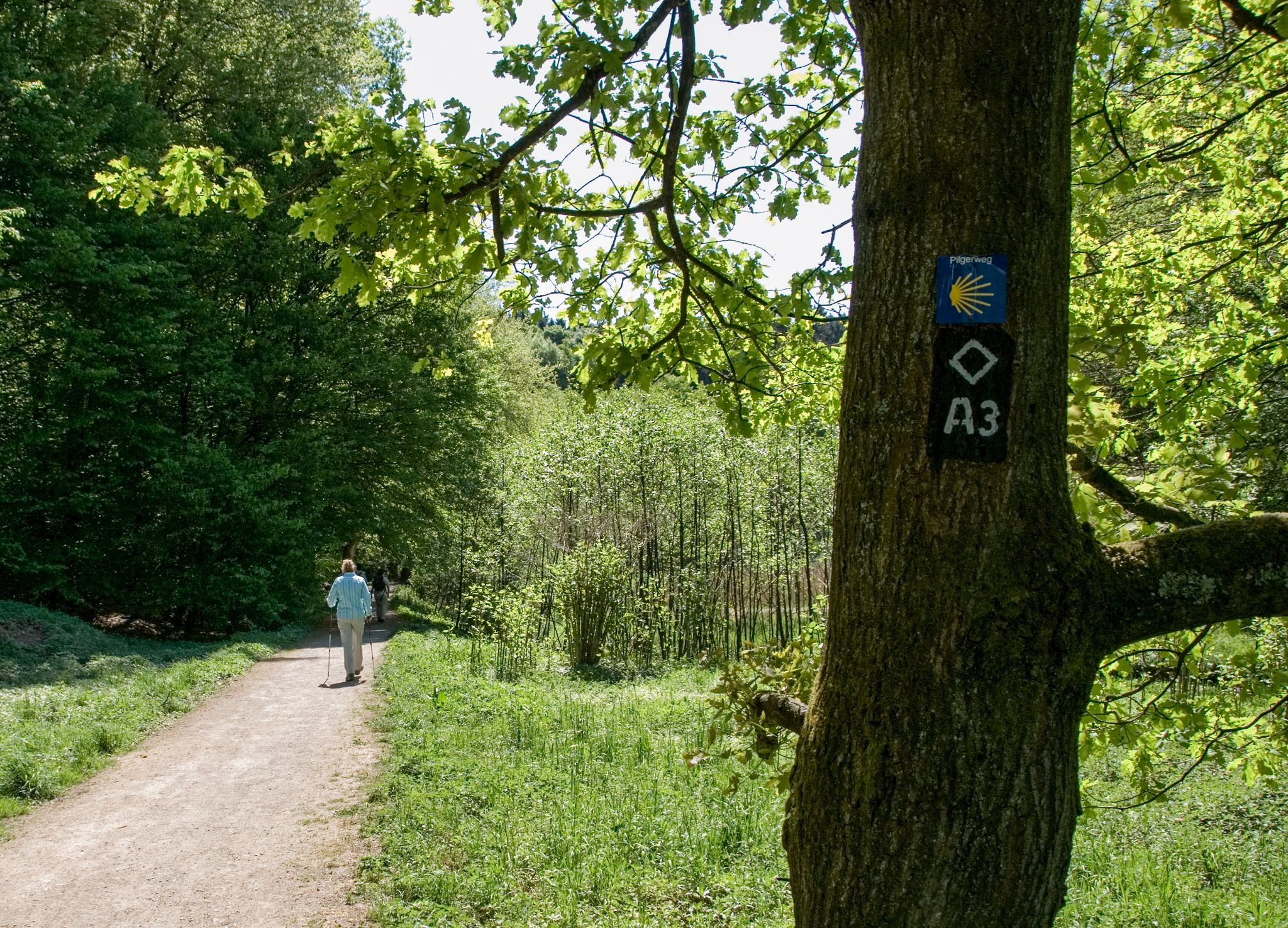
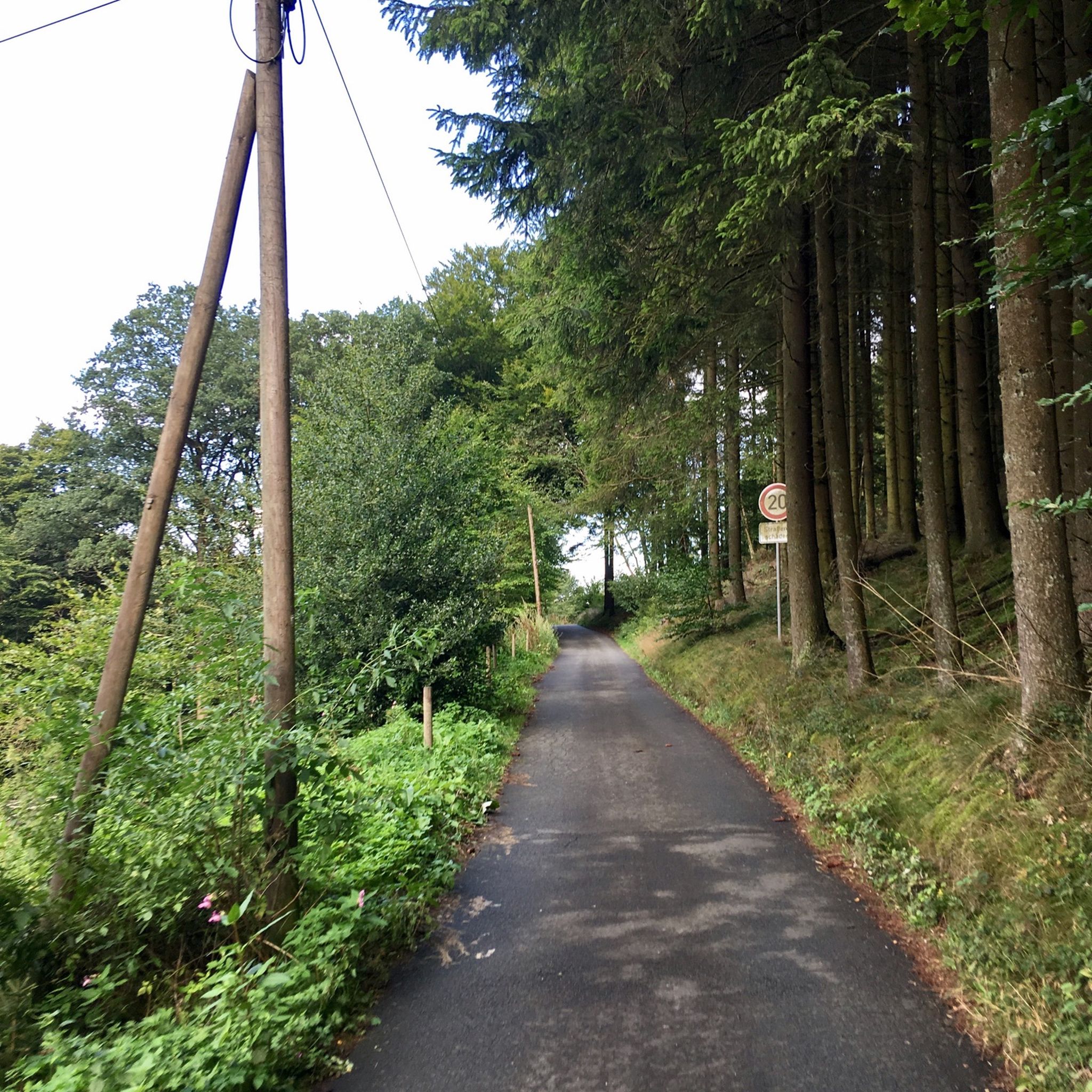
The Saalbach Valley is one of my favorite areas to enjoy the peace and quiet of nature.
1
0

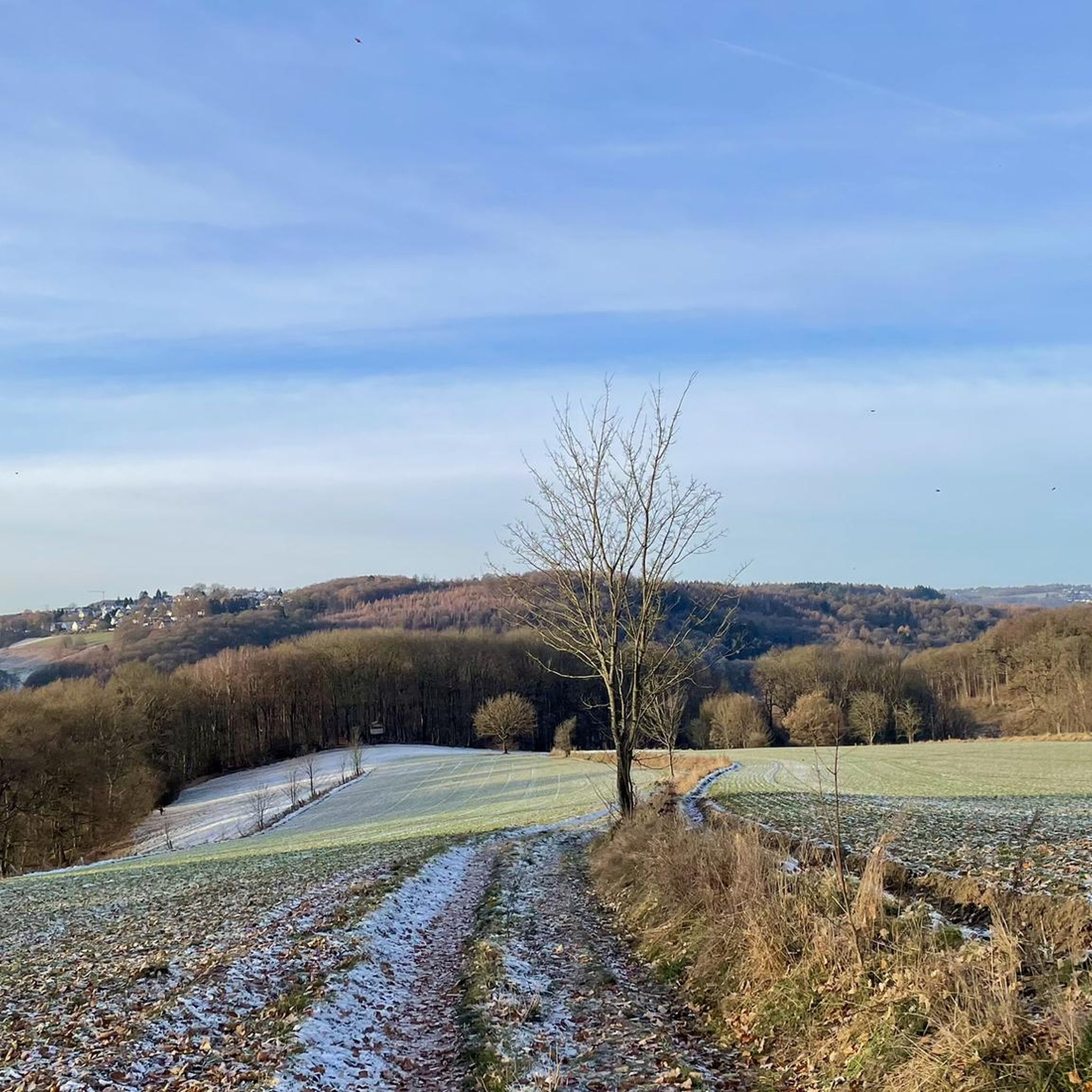
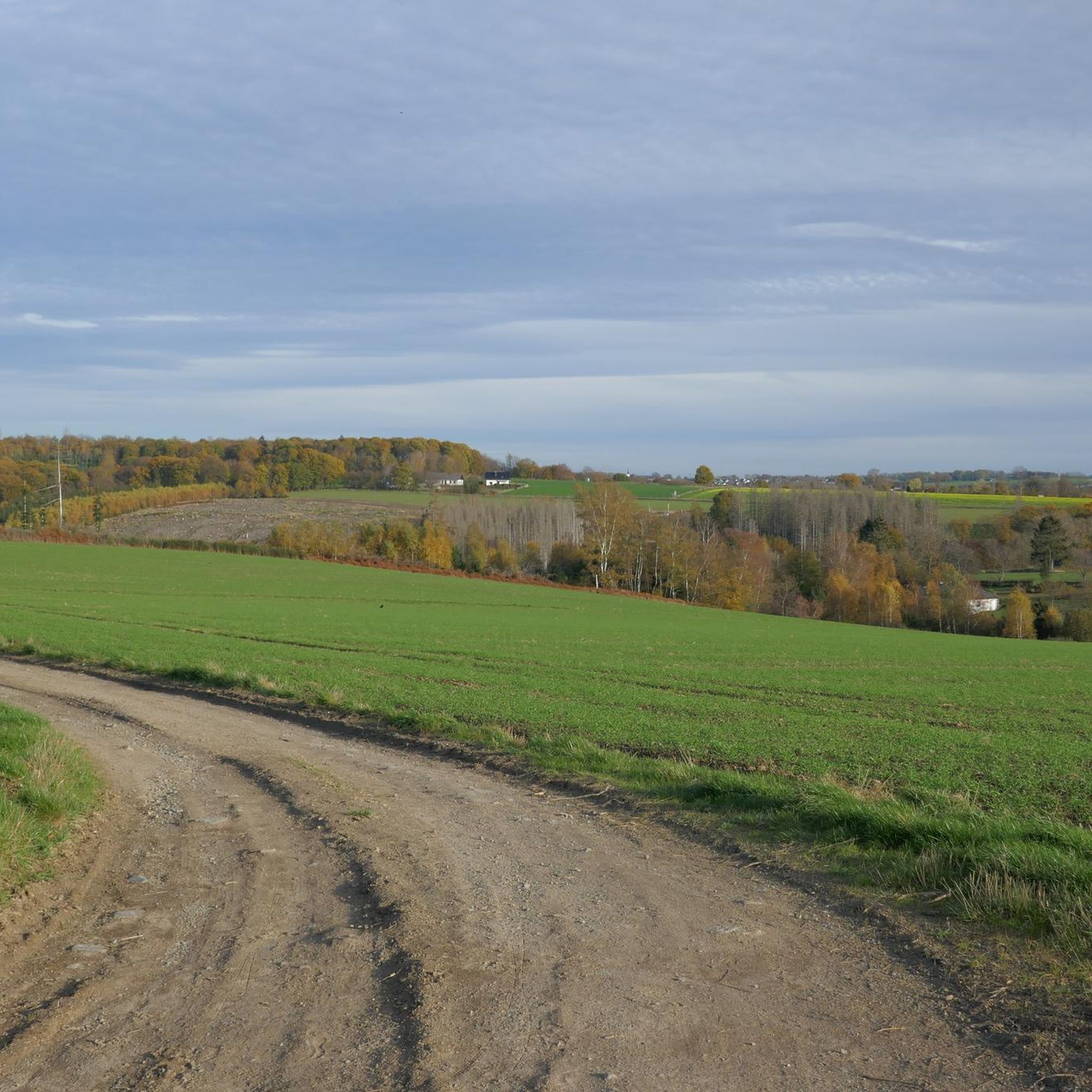
An almost 360 degree panoramic view is possible from up here.
5
0

Totally rustic area with many small streams and small ponds.
5
0

The Külpmann quarry is located on the Böllberg in Albringhausen, Wetter (Ruhr). Ruhr sandstone was mined in the quarry. The site was operated by the Külpmann family from 1932. The company filed for bankruptcy in 2012. Since 2013 there has been a sales warehouse for a natural stone dealer here. The quarry wall is a geological outcrop from the Carboniferous period that still exists today.
8
0

The Saalbach rises below the Ronsdorf comprehensive school, flows through the small but fine Ronsdorf dam and finally flows into the Gelpe. Together with this, it forms a protected running water system that offers biotopes for rare animal and plant species. The different habitats (e.g. damp and wet meadows, alluvial forest, etc.) are explained on display boards. Other display boards tell the story of the old hammer works and grinding huts, which inspired the Bergische steel and tool industry through the use of water power.
5
0

The quarry is currently inaccessible, but there is a viewpoint to the north that offers a view of the quarry. It is only accessible on foot via forest paths and is really worth it !!!
14
0
The Neuwuelflingsburg colliery, which worked here until 1967, was formerly located on the quarry site. In addition to sandstone, layers of mudstone and a coal seam about 30 cm thick can also be seen in the quarry. The layers of rock belong to the Sprockhövel Formation and were deposited more than 300 million years ago. From time to time, the remains of tree trunks (lepidophytes) up to 2 m long are uncovered on fresh quarry walls as a result of quarrying. They are silent contemporary witnesses of a former forest moor landscape that existed during the Upper Carboniferous.
12
0
Until a few years ago, Ruhr sandstone was mined in the Böllberg quarry to produce floor panels or facade panels, for example. The old factory building originally belonged to the Neuwuelflingsburg colliery, which worked here until 1967. In the walls of the quarry, primeval tree trunk remains up to 2m long were occasionally recovered during mining. They are remnants of a former forest bog landscape that existed during the Upper Carboniferous (320 to 296 million years before today).
14
0
Frequently Asked Questions
What kind of "canyons" can I expect to find around Schwelm?
The Schwelm region, particularly the surrounding Bergisches Land, features picturesque landscapes with deep valleys and gorge-like sections carved by rivers and streams. These areas offer experiences akin to exploring smaller canyons, characterized by dense forests, flowing water, and varied terrain, making them popular for hiking and enjoying nature.
Are there any notable geological features to explore in the Schwelm area?
Yes, you can explore significant geological features. For instance, the Stone Tower at Külpmann Quarry reveals rock layers over 300 million years old, offering insight into ancient landscapes and primeval tree trunk remains. The Saalbach Valley also showcases diverse habitats and a protected running water system.
What are some popular hiking trails that go through these gorge-like valleys?
Many hiking trails in and around Schwelm traverse these valleys. The region is known for its rolling hills and dense forests. For example, the 'Fränki's Bergische footpaths: Between Wupper and Schwelm' offers a challenging and varied hike through forests, valleys, and mountains. Another popular route follows the banks of the Ennepe River, winding through green floodplain landscapes.
Are the trails around Schwelm suitable for families?
Yes, many areas are family-friendly. The Saalbach Valley is specifically noted as family-friendly, offering diverse habitats and display boards explaining its natural history. Generally, the valleys provide varied terrain suitable for different activity levels, with some trails being easier for children.
Can I bring my dog on trails in the Schwelm region?
The trails in the Schwelm region are generally dog-friendly, especially those through forests and valleys. It's always recommended to keep dogs on a leash, especially in nature protection areas or near wildlife, and to be mindful of other hikers and cyclists.
What is the best time of year to visit the valleys and gorge-like areas near Schwelm?
The best time to visit is typically from spring to autumn (April to October) when the weather is mild and the natural scenery is vibrant. Spring brings blooming flora, summer offers lush greenery, and autumn provides beautiful fall colors. Winter hiking is also possible, but some paths might be slippery or less accessible due to snow or ice.
What kind of natural features can I see in the valleys around Schwelm?
You can expect to see diverse natural features, including dense deciduous and coniferous forests, flowing rivers and streams, and varied flora and fauna. The Saalbach Valley, for instance, is a protected running water system with different habitats like damp meadows and alluvial forests. You might also encounter cascades, such as the Cascades on the Vogelsangbach.
Are there any historical sites or landmarks within these valleys?
Yes, the region combines natural landscapes with occasional historical elements. The Stone Tower at Külpmann Quarry is a man-made monument with historical significance related to mining. The Saalbach Valley also has display boards detailing the history of old hammer works and grinding huts that utilized water power.
What outdoor activities can I do near the valleys and gorges of Schwelm?
The region offers a variety of outdoor activities. You can enjoy extensive hiking, with routes like 'View of Brammecke – View of the Wupper River loop from Tal der Fastenbecke' or 'Beyenburg — Historic Village – Monastery Church of Maria Magdalena loop from Beyenburg'. For more options, explore the Hiking around Schwelm guide. There are also opportunities for mountain hikes and running trails, as detailed in the Mountain Hikes around Schwelm guide and Running Trails around Schwelm guide.
What do visitors enjoy most about the gorge-like areas around Schwelm?
Visitors particularly appreciate the natural beauty and the sense of peaceful seclusion. The Deep Cutting on the Nordbahntrasse is admired for its impressive engineering and visual appeal. The Saalbach Valley is praised for its rustic charm and diverse habitats. The combination of natural landscapes, varied terrain, and historical insights makes these areas highly engaging.
Are there any specific viewpoints offering good perspectives of the valleys?
Yes, several spots offer great views. The Stone Tower at Külpmann Quarry provides a viewpoint overlooking the quarry. Additionally, many hiking trails in the Bergisches Land offer scenic vistas as they traverse hills and valleys, allowing for panoramic views of the forested landscapes and river courses.
How difficult are the hiking trails in the Schwelm area?
The hiking trails around Schwelm vary in difficulty, catering to different fitness levels. You can find easy routes, such as the 'Hasper Dam loop from Voerde' (5 km), as well as moderate and difficult trails. For example, 'Monastery Church of Maria Magdalena – Bridge over the Wupper loop from Tal der Fastenbecke' is a difficult 27 km hike. It's advisable to check the specific route details on Komoot for elevation and terrain information.
Where can I find information about parking or public transport to access these areas?
While specific parking details for each trailhead are best found on individual Komoot tour pages, many popular hiking areas around Schwelm have designated parking. Public transport options are available to reach Schwelm itself, and local bus routes often connect to trailheads or villages within the Bergisches Land. Planning your route on Komoot can help identify access points.
Most popular routes around Schwelm
Most popular attractions around Schwelm

Get inspired with the komoot mobile app


Explore more
Already discovered everything in this region? See additional gorges around Schwelm for your next adventure:
