Top 4 Castles around Peißenberg
Best castles around Peißenberg are found in a region marked by its historical significance and natural landscape, particularly around the Hohenpeißenberg. The area features remnants of medieval fortifications, offering insights into its past as a Welfian stronghold. While some sites are archaeological, others present renovated structures or historical viewpoints. This diverse collection provides opportunities to explore local history within a scenic setting.
Best castles around Peißenberg
- The most popular castles is Rieden Castle, a castle that dates essentially from…
Last updated: June 26, 2026
Rieden Castle
Highlight • Castle
de.m.wikipedia.org/wiki/Schloss_Rieden
Wikipedia (list of architectural monuments in Seehausen am Staffelsee, 2023-01-08):
de.m.wikipedia.org/wiki/Liste_der_Baudenkmäler_in_Seehausen_am_Staffelsee#D-1-80-132-15
“Rieden Castle ... Two-story neo-baroque hipped roof building with southern half-hip, onion corner towers, mighty …
Translated by Google •
Tip by

Hirschberg Castle on Lake Haarsee
Highlight • Castle
Translated by Google •
Tip by

Sign up now to discover places like this
Get recommendations on the best single tracks, peaks, & plenty of other exciting outdoor places.
Sign up for free
Former Schongau Castle (Now District Office)
Highlight • Castle
Translated by Google •
Tip by

Schlossberg Cross and Viewpoint (Schongau)
Highlight • Viewpoint
Translated by Google •
Tip by

Gögerlburg Ruins
Highlight • Historical Site
Translated by Google •
Tip by

Start today with a free account
Your next adventure awaits.
Login or Signup
Popular around Peißenberg
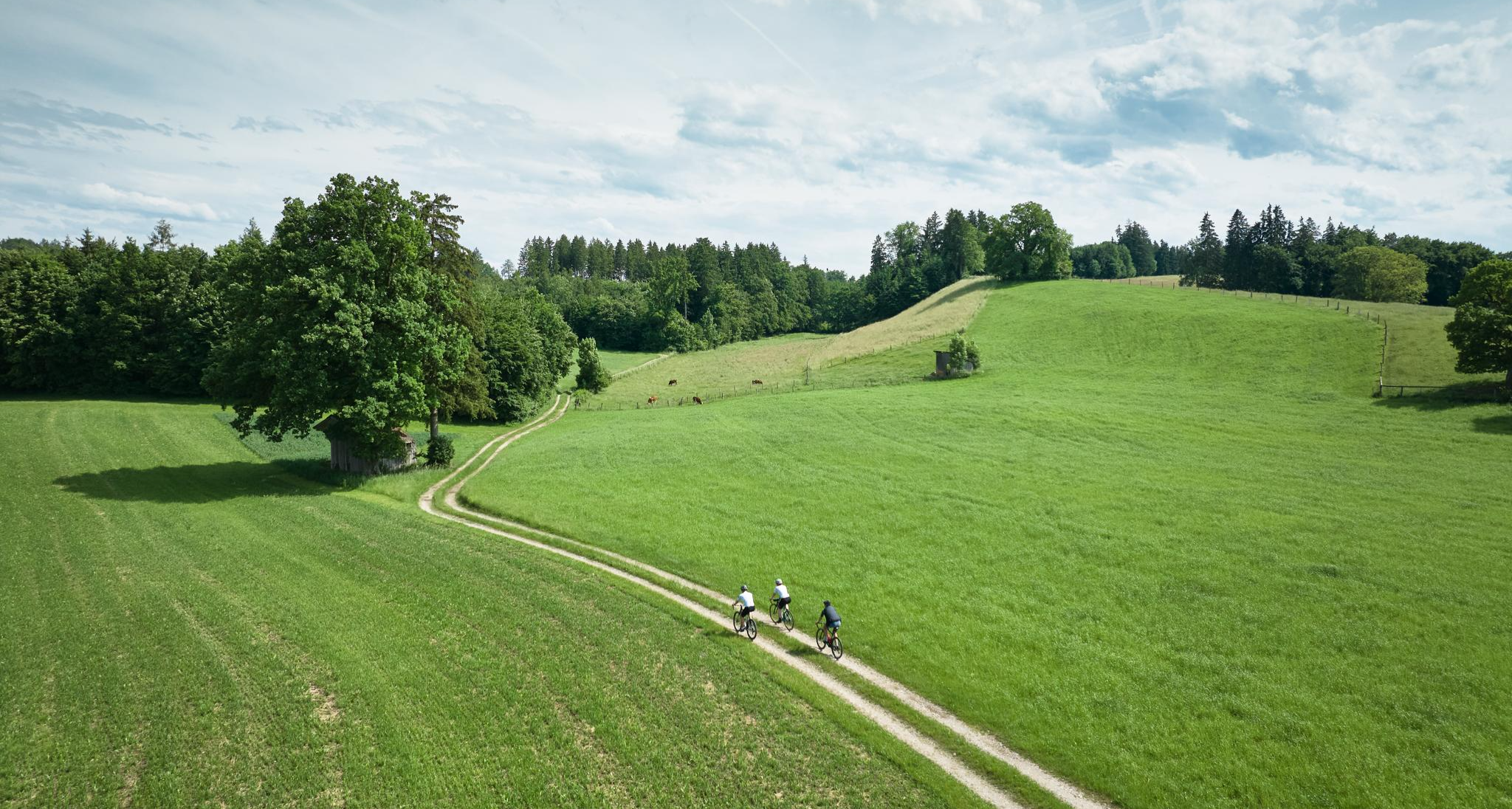
Nature and pure gravel – gravel biking in Pfaffenwinkel
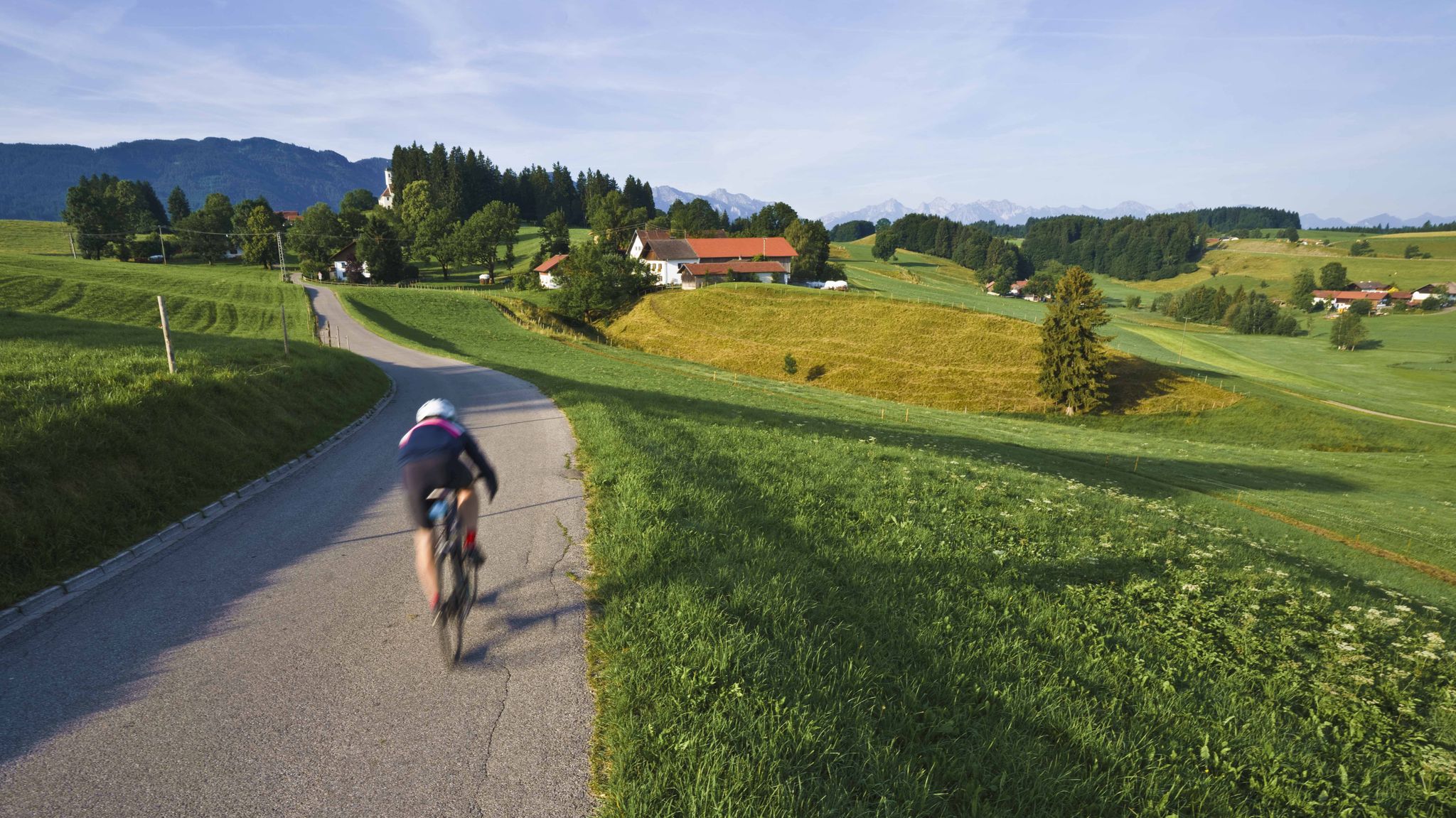
Travel to Upper Bavaria - with TOUR in Pfaffenwinkel
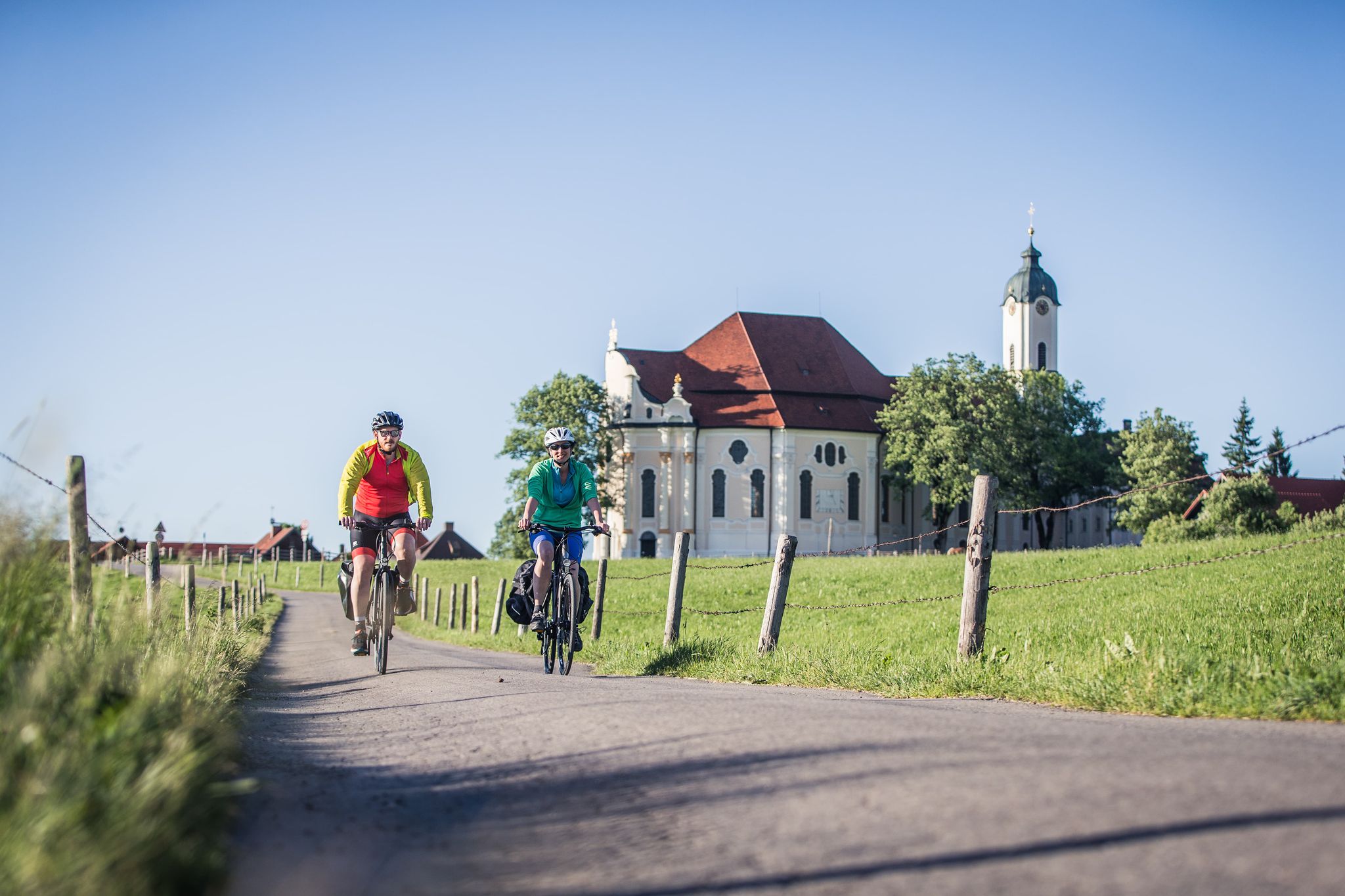
Radpilgern durch den Pfaffenwinkel
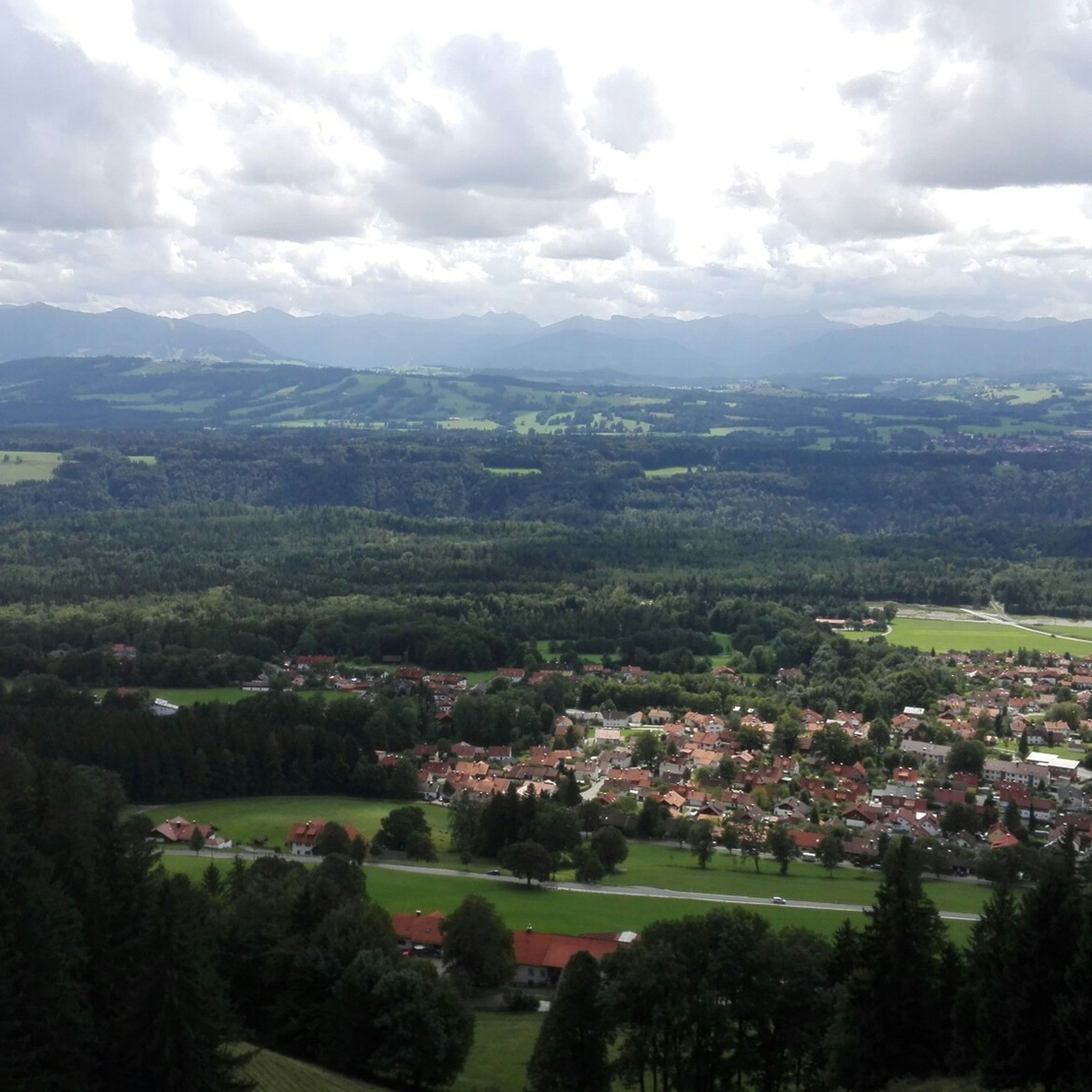
Hiking around Peißenberg
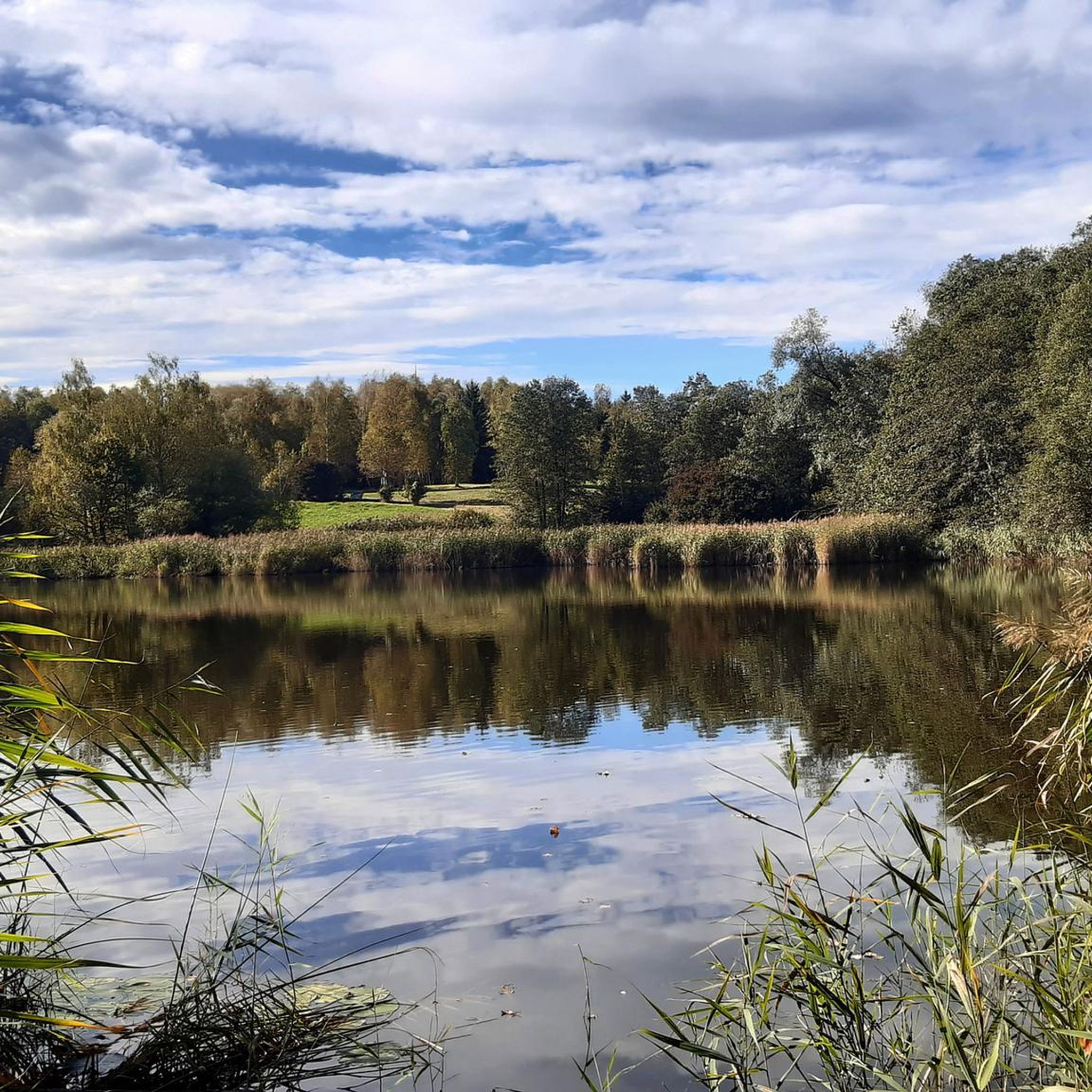
Cycling around Peißenberg
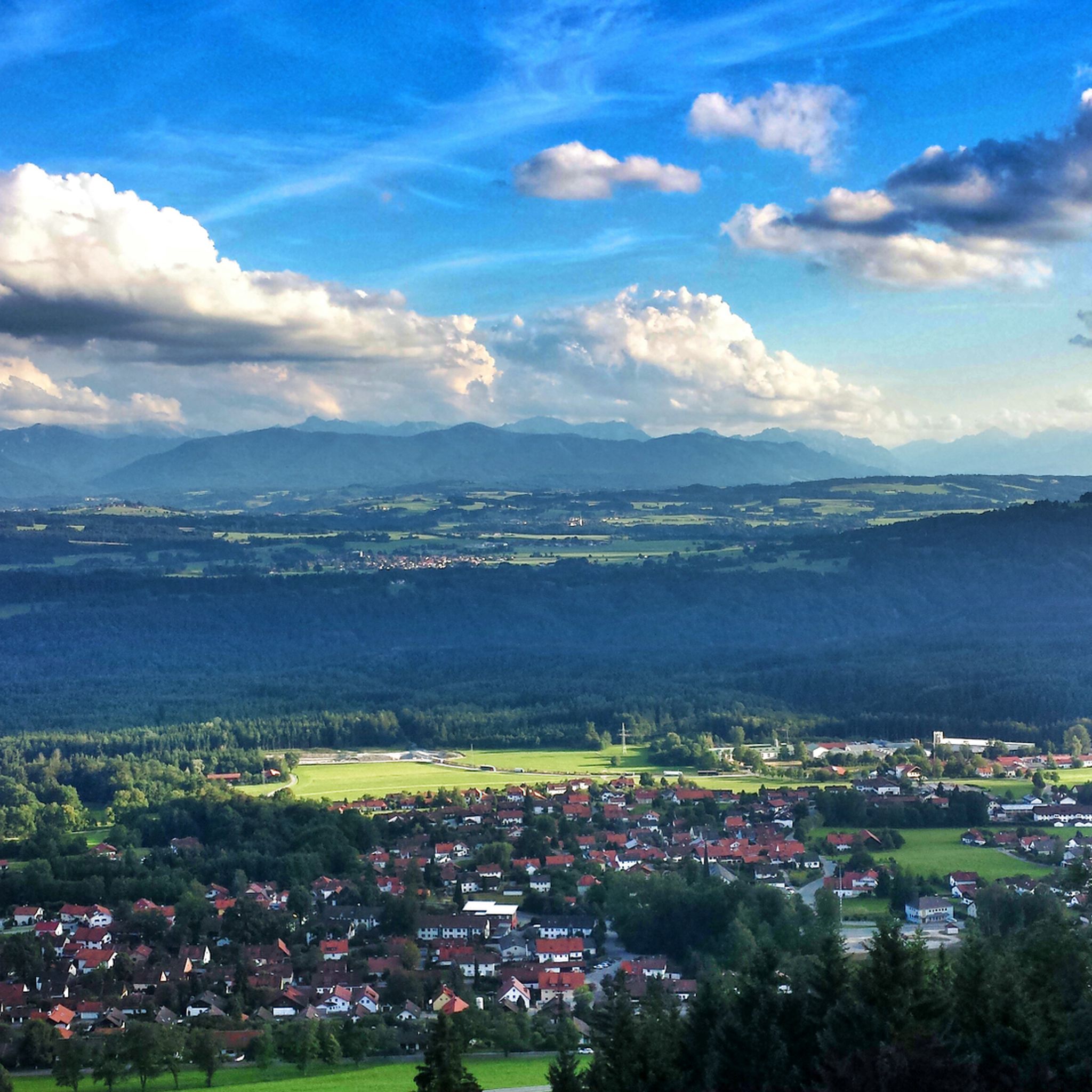
MTB Trails around Peißenberg
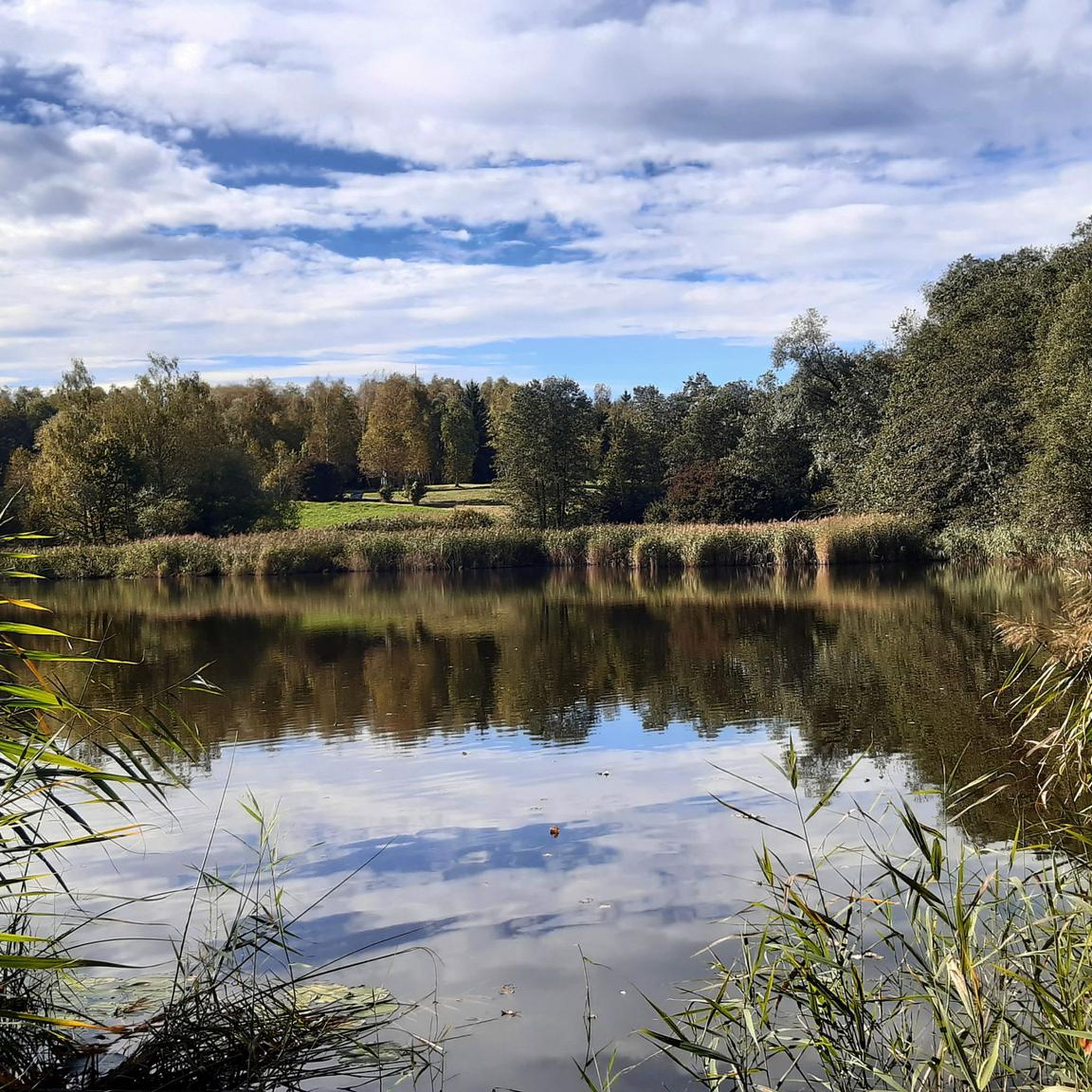
Road Cycling Routes around Peißenberg
Gravel biking around Peißenberg
Running Trails around Peißenberg

Mountain Hikes around Peißenberg
Other adventures around Peißenberg


Tips from the Community

The former Schongau Castle is now used as the district office - in front of the building there is a bust of Franz Josef Strauß, who was also a district administrator here
2
1

Two- and three-story three-wing complex with half-hipped roofs, the core of which was rebuilt after a fire in 1493, expanded and renovated in the second half of the 18th century and in 1938. Old castle garden wall on Bauerngasse, probably 16th century
3
0

The castle ruins of Gögerlburg can still be seen.
1
0

This imposing building was built between 1907 and 1909 in the historicist style and is currently privately owned, so unfortunately it cannot be visited. Over the years, the ownership and use of the castle changed several times: in 1943, the property came into the possession of the Nazi state and was a guest house for the Reich Foreign Ministry; the most prominent guest in 1943 was Benito Mussolini. Briefly owned by the US Army after the war, the castle was taken over by the US government, which set up and operated a seminary of the Ukrainian Greek Catholic Church there in 1946. Finally, in 1961, the castle came into the possession of the Federal Republic of Germany, which housed a training center for candidates for the senior civil service at the BND there until 2000. After that, the site changed hands several times. Further information about this interesting building can be found on Wikipedia at https://de.wikipedia.org/wiki/Schloss_Hirschberg_am_Haarsee.
2
0

If you follow the signs on the castle path, you will see that there was probably a castle many centuries ago. There are no old walls there, just a sign indicating that it probably stood there at the time. If you look closely and use a little imagination, you can guess. https://de.m.wikipedia.org/wiki/G%C3%B6gerlburg
0
0

The previous building was the birthplace of Joseph von Utzschneider and part of a country estate that had belonged to his mother Maria's family for 300 years and was auctioned off in 1842. Rieden Castle in Rieden in the municipality of Seehausen am Staffelsee dates back to the 18th century and originally belonged to the Ettal monastery. The current building was rebuilt in 1887 in the neo-baroque style. It is now privately owned. The castle is listed in the Bavarian monument list under number D-1-80-132-15.
2
0
Beautiful estate Rieden, somewhat hidden behind hedges
2
0

Frequently Asked Questions
What historical castle sites can I explore in Peißenberg itself?
In Peißenberg, you can explore the archaeological remains of Burgstall Peißenberg, a significant medieval fortified site on the Hohenpeißenberg. While the castle itself was largely destroyed in 1388, remnants of its moat are still visible, and the preserved St. Georg Chapel on the site features impressive medieval frescoes. Another former castle, Burg St. Jais (Jodok), also has visible moat remains.
Are there any castles near Peißenberg that are still well-preserved or renovated?
Yes, while Peißenberg itself features ruins, nearby you can find renovated structures. For example, Rieden Castle, though privately owned, dates essentially from the 18th century and was rebuilt in a neo-baroque style in 1887. The Former Schongau Castle, now serving as the district office, also retains its historical architecture after being rebuilt following a 1493 fire.
Can I visit Hirschberg Castle on Lake Haarsee?
The imposing Hirschberg Castle on Lake Haarsee, built in a historicist style between 1907 and 1909, is privately owned and not open to the public. However, you can view the castle from outside.
What kind of historical insights do the castles around Peißenberg offer?
The castles and ruins around Peißenberg offer a glimpse into the region's rich history. Burgstall Peißenberg, for instance, was a Welfian ministerial seat around 1050, connected to the founding of important monasteries. Sites like the Former Schongau Castle showcase architectural evolution and resilience through centuries, including rebuilds after significant events like fires.
Are there family-friendly castle sites or activities near Peißenberg?
Yes, the Schlossberg Cross and Viewpoint in Schongau is considered family-friendly. It offers beautiful views and historical information about Schongau, making it an accessible and engaging spot for all ages. While many castles are ruins or privately owned, the historical context and scenic locations can be enjoyed by families.
What outdoor activities can I do near these castle sites?
The area around Peißenberg offers various outdoor activities. You can find numerous hiking trails, such as those detailed in the Mountain Hikes around Peißenberg guide, which include routes like the 'Musikpunkt Peißenberg – View from Hohenpeißenberg loop'. There are also options for MTB Trails and Cycling routes, allowing you to combine historical exploration with active recreation.
Are there hiking trails that incorporate castle ruins or historical sites?
Absolutely. Many hiking and walking routes in the region pass by or lead to historical sites. For example, the Burgstall Peißenberg is located on a mountain spur on the southern slope of Hohenpeißenberg, making it a natural stop on a scenic walk. The Gögerlburg Ruins are also part of a castle path, offering a historical element to your forest hike.
What is the best time of year to visit the castles and historical sites around Peißenberg?
The best time to visit is generally during the warmer months, from spring to autumn, when the weather is pleasant for exploring outdoor ruins and enjoying scenic views. The St. Georg Chapel at Burgstall Peißenberg can be visited year-round, but access to some archaeological sites might be easier without snow or ice. Winter visits can offer a unique, quiet atmosphere, but some paths might be less accessible.
What natural features can I see when visiting the castle sites?
The castle sites around Peißenberg are often set within picturesque natural landscapes. Burgstall Peißenberg, for instance, is perched on a spur of the Hohenpeißenberg, offering scenic views of the surrounding area. Hirschberg Castle is located on Lake Haarsee, providing a beautiful lakeside setting. Many sites are integrated into forests or offer panoramic viewpoints, such as the Schlossberg Cross and Viewpoint in Schongau.
Are there any lesser-known or 'hidden gem' castle ruins to discover?
While not extensively preserved, the archaeological site of Burgstall Peißenberg is a compelling 'hidden gem' for those interested in medieval history and archaeology, offering a quiet glimpse into the region's past away from more crowded attractions. The Gögerlburg Ruins also offer a subtle historical discovery within a forest setting.
What do visitors enjoy most about the castles and historical sites near Peißenberg?
Visitors appreciate the blend of historical significance and natural beauty. The opportunity to explore ancient ruins like Burgstall Peißenberg, with its surviving St. Georg Chapel and medieval frescoes, provides a deep connection to the past. The scenic locations, often offering beautiful views and integrated into hiking routes, are also highly valued by the komoot community, who have shared over 50 photos and given more than 190 upvotes for these sites.
Most popular routes around Peißenberg
Most popular attractions around Peißenberg

Get inspired with the komoot mobile app


Explore more
Looking for the best castles somewhere else? Discover other guides around Peißenberg:
