Top 8 Caves around Marloffstein
Caves around Marloffstein offer a diverse range of underground experiences within the Franconian Switzerland region. While Marloffstein itself does not feature natural caves, the surrounding area is known for its impressive geological formations. The landscape is characterized by karst topography, leading to numerous natural and man-made underground structures. Visitors can explore various types of caves, from natural rock formations to historical cellars.
Best caves around Marloffstein
- The most popular caves is Bat cellar on Bierweg, a cave that serves…
Last updated: June 26, 2026
Bat cellar on Bierweg
Highlight • Cave
Translated by Google •
Tip by

Blueberry Cave
Highlight • Cave
Translated by Google •
Tip by

Sign up now to discover places like this
Get recommendations on the best single tracks, peaks, & plenty of other exciting outdoor places.
Sign up for free
Jungferla Keller
Highlight • Cave
Translated by Google •
Tip by

Felsenkeller Ice Cellar Neunkirchen am Brand
Highlight • Structure
Translated by Google •
Tip by

Felsenkeller Sauer in Röttenbach
Highlight • Historical Site
An unusual feature of the 65 meter long cellar is a centrally located, eight meter high ice cellar. Ice floes …
Translated by Google •
Tip by

Sign up for free to discover even more caves around Marloffstein.
Sign up for free
Already have an account?
Start today with a free account
Your next adventure awaits.
Login or Signup
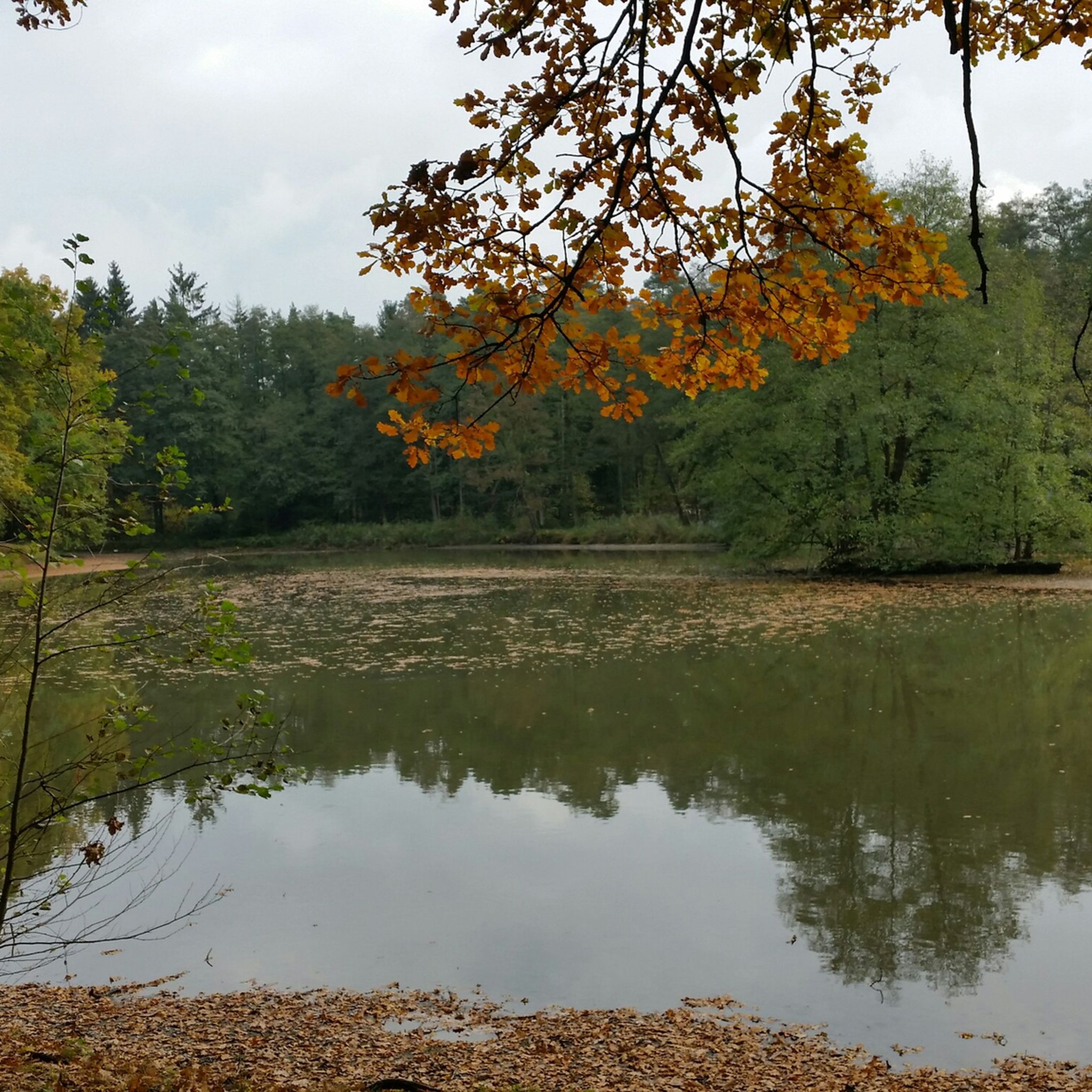
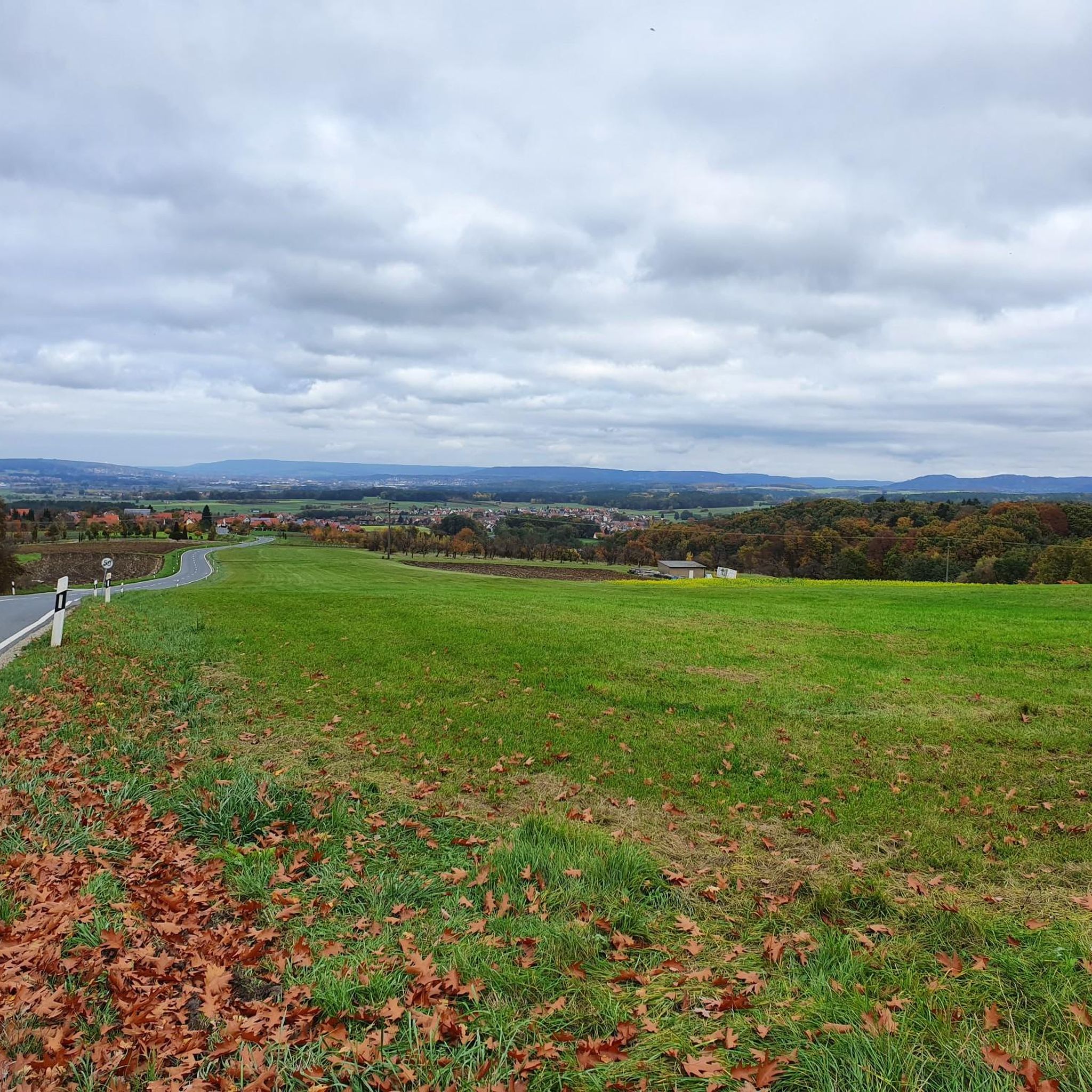
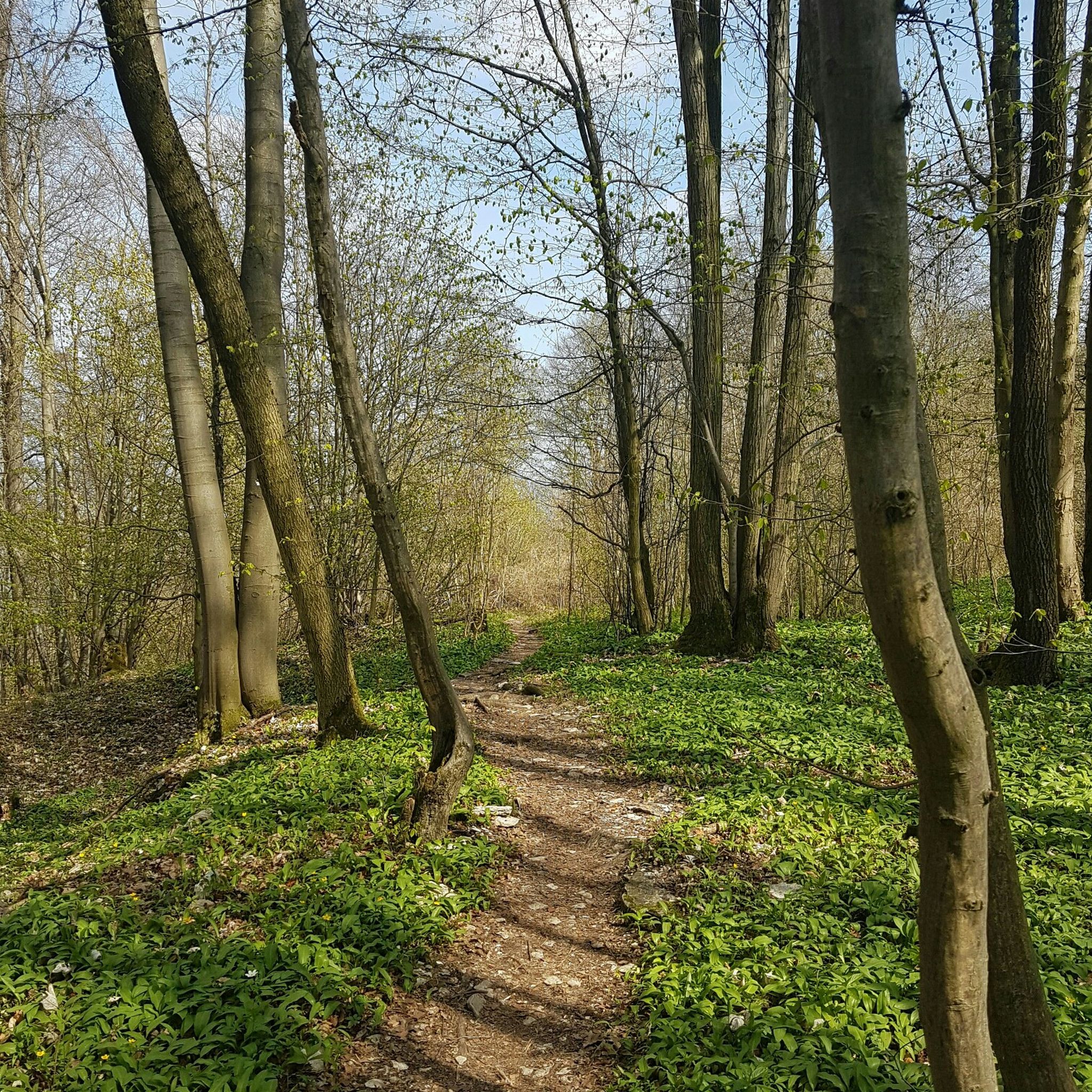
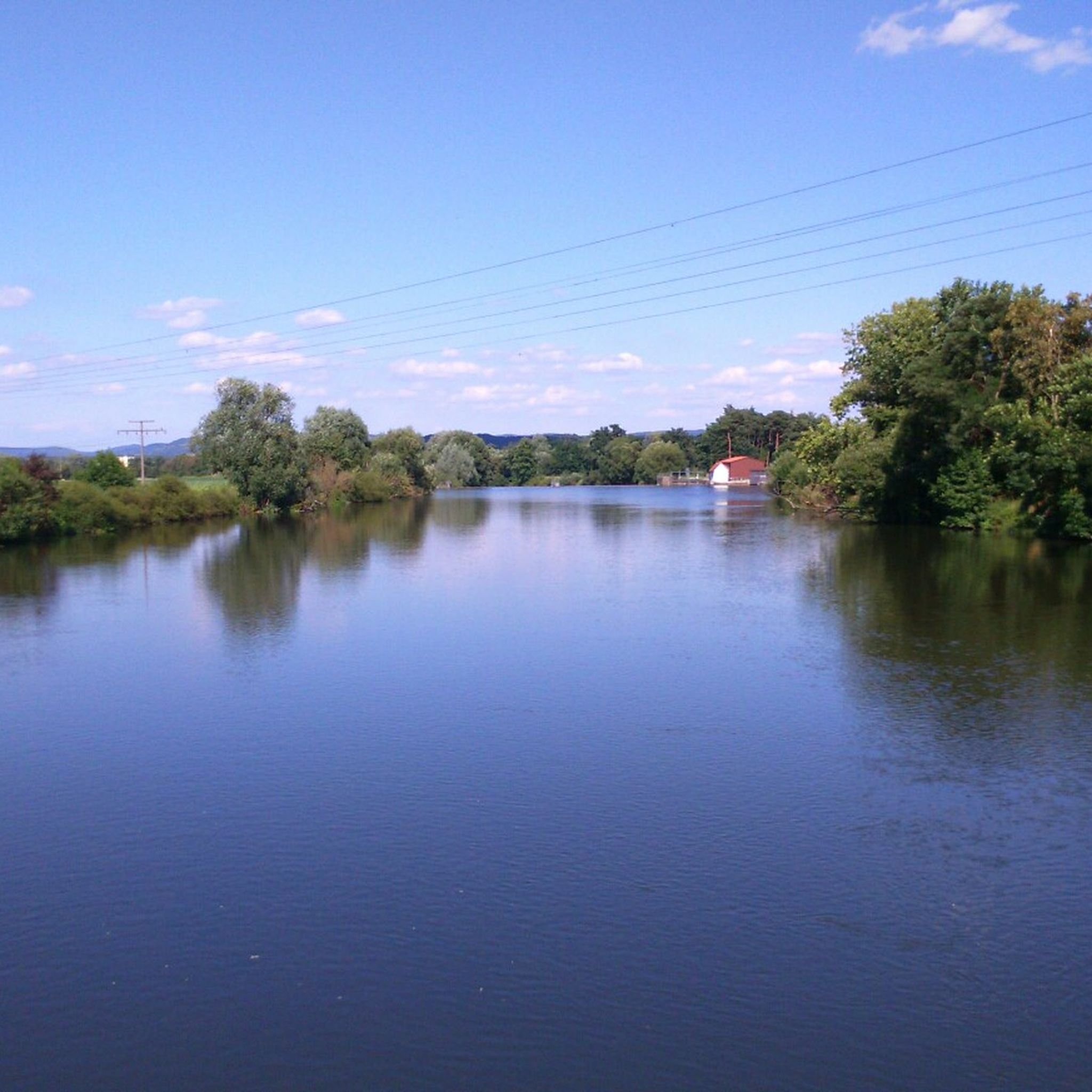
Tips from the Community

The "Jungferla Spring" originates in this 85-meter-long, multi-branched sandstone cellar. In the 1960s, the entrance to the sandstone cellar was bricked up and overgrown for safety reasons. It was thus no longer visible, but it wasn't entirely forgotten by the residents of Baiersdorf. In 2006, the water in the renovated Jungferla Fountain dried up shortly before its inauguration. This prompted the decision to search for the spring's source in the buried sandstone cellar. After extensive excavation, the former cellar entrance was found bricked up. On December 5, 2006, the cellar was entered again for the first time. Its condition was so good that the local history society, with the support of sponsors and local businesses, renovated and restored it, redesigning the entrance area. On May 25, 2008, the cellar was reopened to the public with the first "Jungferla Cellar Festival." Due to popular demand, a "cellar festival" is now held every year on Ascension Day. Sandstone or rock cellars have a long tradition in Franconia. They were used primarily for storing beer, wine, and agricultural products. Without additional cooling, the cellars maintain a constant temperature of around 8°C year-round. Because beer was stored in the cellars, a tavern was often built nearby, usually above or in front of them – which is why even today in Franconia people still go "to the cellar" rather than to a beer garden. The cellars consist of passages of varying lengths and sizes, hewn into hillsides. The cellar is closed off with a gate. {Source: Information panel on site]
0
0

This path is actually called “Beer Path”.
0
0

Interesting sandstone formations, small cave
1
0

The map says Blueberry Cave! Consists of sandstone.
0
0

This is a very nice section of the Aurach Valley Cycle Path. Below the A3 bridge there is an old cellar that is closed with a grate and a sign indicating bats. The sacristan from Frauenraurach told me that the Nazis stored wine in the cellar and that the barrels were smashed by the Americans when the US army invaded. The population is said to have run to the cellar with all available scoops to collect the remains.
0
0

Unfortunately, the former Sauer Keller is no longer in use. An unusual feature of the 65 meter long cellar is a centrally located, eight meter high ice cellar. Ice floes used to be fetched from nearby ponds with wagons and thrown down through the air shafts into the cellar, where they were spread and piled up. These then slowly melted and the water seeped away. In this way, temperatures of around 8 degrees, which are ideal for storing bottom-fermented beer, could be guaranteed in the entire cellar even during the summer.
2
0

Small caves in the sandstone. Gorgeous place, has something mystical about it. 😉
0
0

On the left side of the St 2243 road from Neunkirchen am Brand to Effeltrich (Forchheim district), hidden in a small group of trees, is the entrance to this former ice cellar. The group of trees is the natural monument 154 04 "Linde mit Arkazien am Felsenkeller" Fl. No. 782. Before the invention of refrigerators and cold stores, ice cellars were used to keep food fresh. They were either driven into sandstone rocks or built up with stones in holes in the ground and covered with a layer of earth. They usually consisted of an entrance area as an anteroom or (cold) lock and the actual cold room and therefore also had two doors. In winter, blocks of ice were extracted (sawed) from nearby ponds or lakes and taken to the ice cellar. The cooling effect could be used well into late summer with almost constant low temperatures. The ice cellars had a drainage system on the floor leading to the outside, in order to let the melt water and the condensation water forming on the walls and the ceiling run off to the outside.
0
0
Frequently Asked Questions
Are there natural caves directly in Marloffstein?
Marloffstein itself does not feature natural caves. However, the surrounding region of Franconian Switzerland and the Upper Palatinate is rich in impressive show caves and smaller, local underground structures like former wine and ice cellars.
What are some of the most impressive show caves in the broader region?
The broader region offers several notable show caves. The Devil's Cave (Teufelshöhle) near Pottenstein is one of Germany's longest, famous for its extensive dripstone formations and cave bear skeleton. Sophienhöhle (Sophie's Cave) near Rabenstein Castle is known for its diverse stalactite formations and paleontological finds. The König-Otto-Tropfsteinhöhle (King Otto Dripstone Cave) in Velburg features stunning stalactites, stalagmites, and unique formations like helictites.
What kind of geological features can I expect in the caves around Marloffstein?
The region's karst topography leads to diverse geological features. In the larger show caves, you'll find impressive dripstone formations like stalactites, stalagmites, and stalagnates, as well as sinter pools and unique crystal formations. Locally around Marloffstein, you can explore natural sandstone formations, as seen in Blueberry Cave, and historical man-made cellars that utilize natural rock structures.
Are there historical caves or cellars near Marloffstein?
Yes, the area features several historical underground sites. The Bat cellar on Bierweg is a former wine cellar now serving as a bat habitat. The Jungferla Keller is a historical site with local legends. You can also find former ice cellars like the Felsenkeller Ice Cellar Neunkirchen am Brand and Felsenkeller Sauer in Röttenbach, which were used to keep food and beer fresh before modern refrigeration.
What activities can I do at the show caves like Devil's Cave or Sophienhöhle?
At the larger show caves, guided tours are a primary activity, offering insights into their geology and history. Sophienhöhle offers unique experiences like 'Sophie at Night' for individual exploration and special cave concerts. The Devil's Cave also hosts cultural events and children's programs. Many show caves feature illuminated chambers, enhancing the visual experience of their formations.
Are there family-friendly caves to visit?
Most show caves in the region, such as the Devil's Cave and Sophienhöhle, are well-developed with paths and lighting, making them suitable for families. The Devil's Cave, for instance, offers children's programs. Locally, smaller caves like Blueberry Cave provide an accessible natural exploration for families, though some may require careful navigation.
What outdoor activities can I combine with a cave visit near Marloffstein?
The region around Marloffstein is excellent for various outdoor activities. You can find numerous hiking trails, including routes like 'View of Franconian Switzerland – Märchenweiher near Atzelsberg'. There are also running trails and gravel biking routes, allowing you to explore the scenic Franconian Switzerland landscape above ground.
What is the best time to visit the caves?
Show caves like the Devil's Cave maintain a constant temperature of around 9-10°C year-round, making them a good destination regardless of the season. This also makes them an excellent option for a cool escape in summer or a sheltered activity in winter. Always check specific opening hours, as some caves may have seasonal closures.
Are any caves accessible for visitors with limited mobility?
The König-Otto-Tropfsteinhöhle in Velburg is notable for being one of the few show caves in Franconia that is partially accessible for wheelchair users, though prior arrangement is recommended. Other show caves, like the Devil's Cave, involve numerous steps (over 400) and may not be suitable for all visitors.
What should I wear when visiting the caves?
Given the constant cool temperatures (around 9-10°C) and high humidity inside the show caves, it's advisable to wear warm clothing, even in summer. Comfortable, sturdy shoes with good grip are also recommended for navigating paths, which can sometimes be damp or uneven.
How long does it take to explore the main show caves?
Guided tours for the main show caves typically last around 45 minutes. This applies to both the Devil's Cave and the König-Otto-Tropfsteinhöhle, allowing visitors to experience the highlights and learn about their formations and history.
What do komoot users enjoy most about the caves around Marloffstein?
Komoot users appreciate the diverse range of underground experiences. They have shared over 14 photos and given more than 290 upvotes to the caves in the area. Highlights like the Bat cellar on Bierweg are noted for their unique character and location along scenic routes, while Blueberry Cave is valued for its interesting natural sandstone formations.
Most popular routes around Marloffstein
Most popular attractions around Marloffstein

Get inspired with the komoot mobile app


Explore more
Extend your search for the best caves by checking out these guides of the top ones around Marloffstein:
