Top 11 Castles around Neuhaus am Rennweg
Best castles around Neuhaus am Rennweg are found in the Thuringian Forest region. Neuhaus am Rennweg serves as a base for exploring historical sites in the surrounding area. The region features a diverse range of historical structures, from ancient fortifications to medieval strongholds. These sites offer insights into centuries of regional history and architecture.
Best castles around Neuhaus am Rennweg
- The most popular castles is Schaumburg Castle Ruins, a castle ruin that was the ancestral seat of the Schaumberger…
Last updated: July 9, 2026
Eisfeld Castle
Highlight • Castle
Translated by Google •
Tip by

Schaumburg Castle Ruins
Highlight • Castle
Translated by Google •
Tip by
Sign up now to discover places like this
Get recommendations on the best single tracks, peaks, & plenty of other exciting outdoor places.
Sign up for free
Rauenstein Castle Ruins
Highlight • Castle
Rauenstein is located in the valley of the Grümpen on the southern …
Translated by Google •
Tip by

Bockstadt Castle
Highlight • Castle
First, the stud farm was …
Translated by Google •
Tip by
Effelder Castle
Highlight • Castle
Translated by Google •
Tip by

Sign up for free to discover even more castles around Neuhaus am Rennweg.
Sign up for free
Already have an account?
Start today with a free account
Your next adventure awaits.
Login or Signup
Popular around Neuhaus am Rennweg
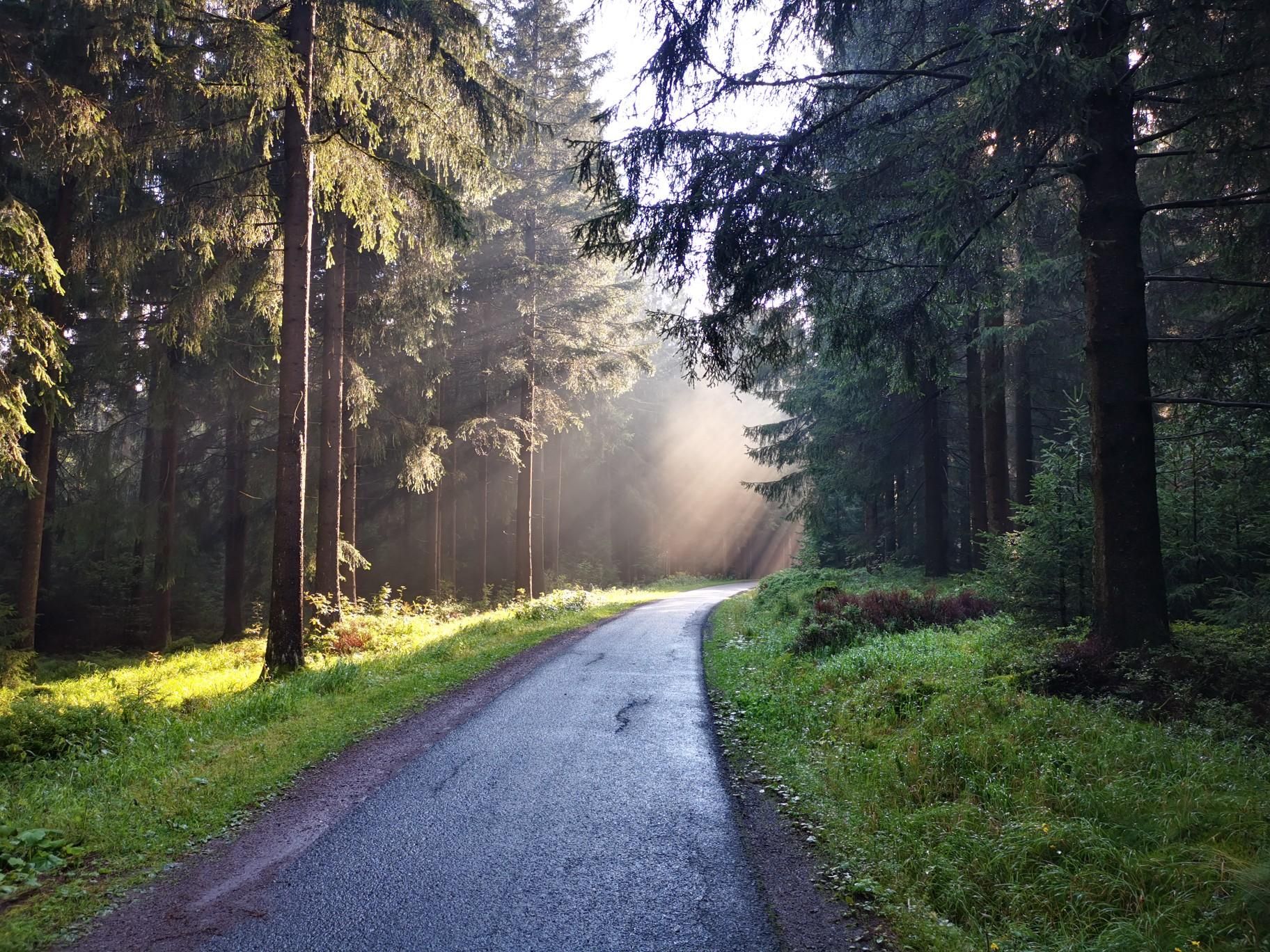
Nuremberg to Erfurt – Discover the German countryside by bike
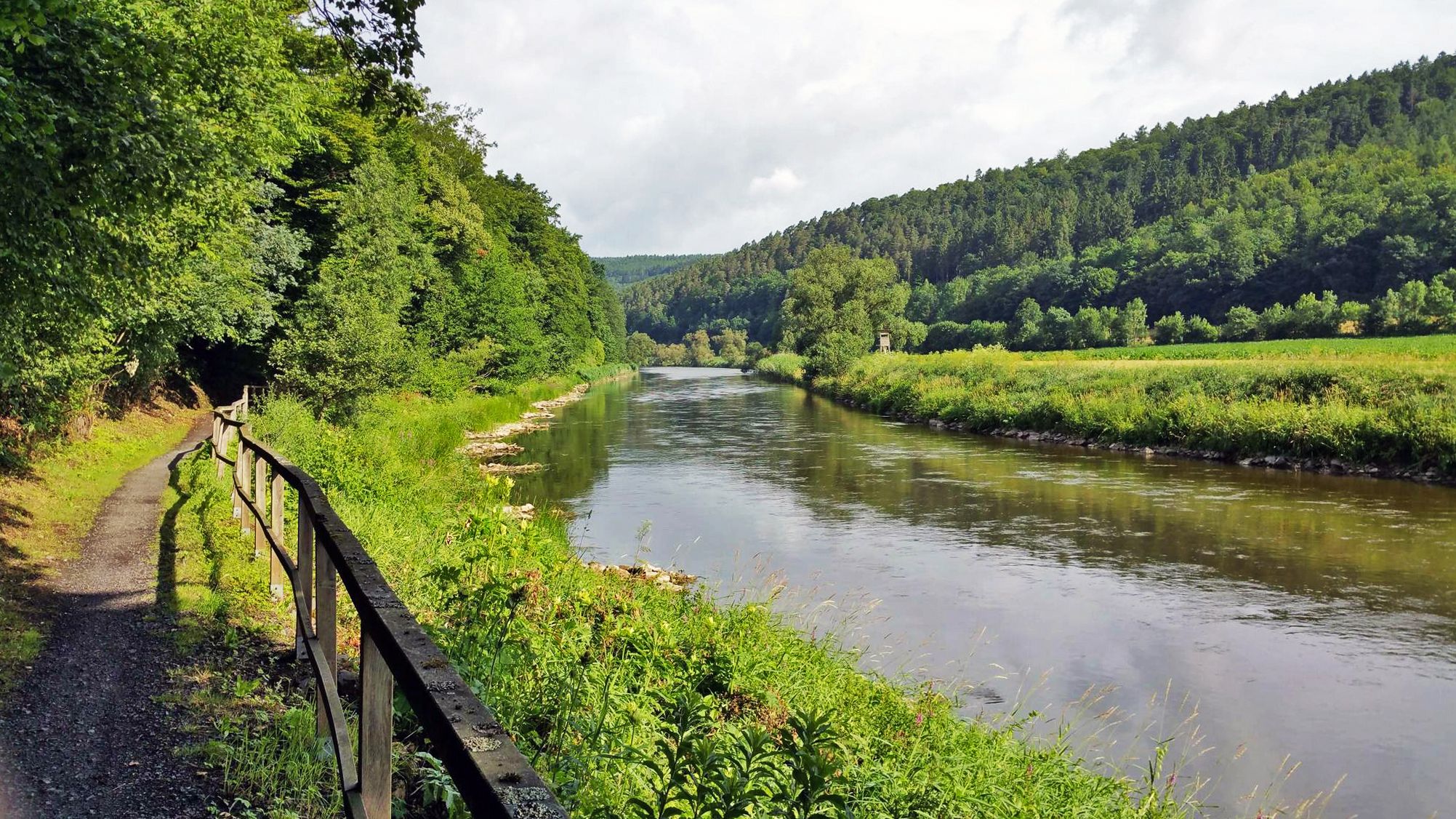
Werratal cycle path — 6 stages along the Werra to the Fulda
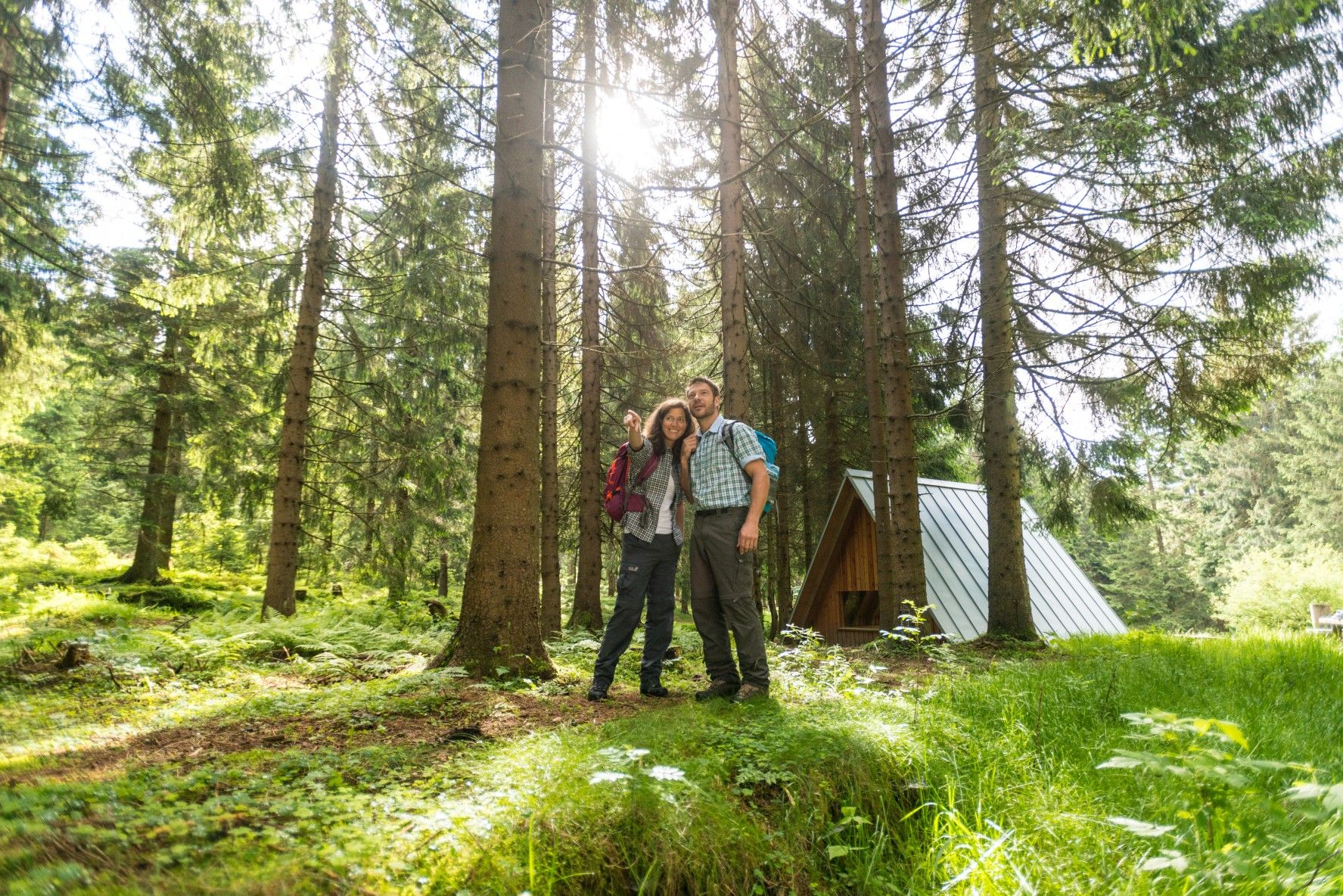
The Rennsteig — Thuringia's most beautiful hiking route
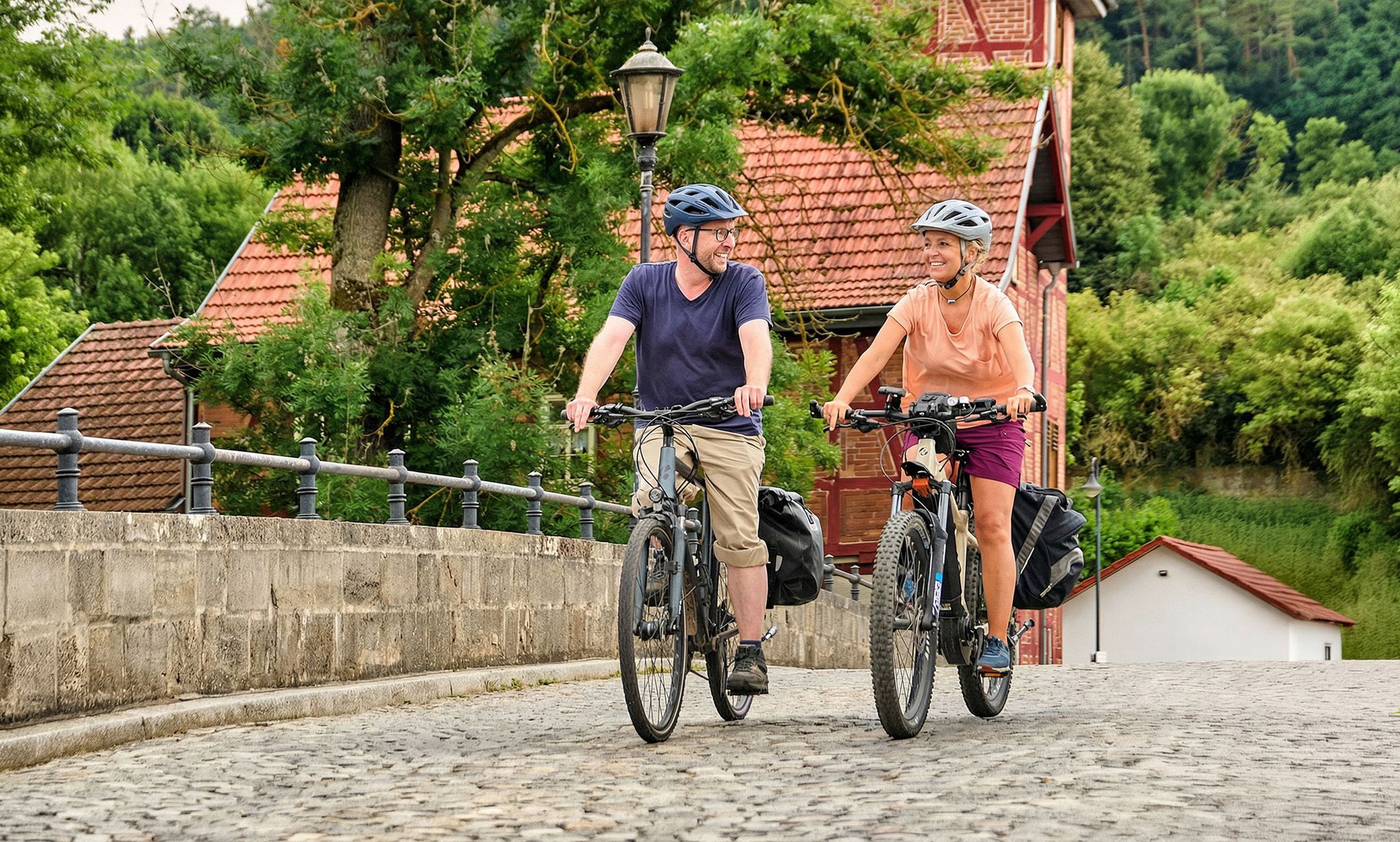
Leisure cycling and touring in Thuringia

The Thuringian Forest calls – long-distance hiking on the Rennsteig
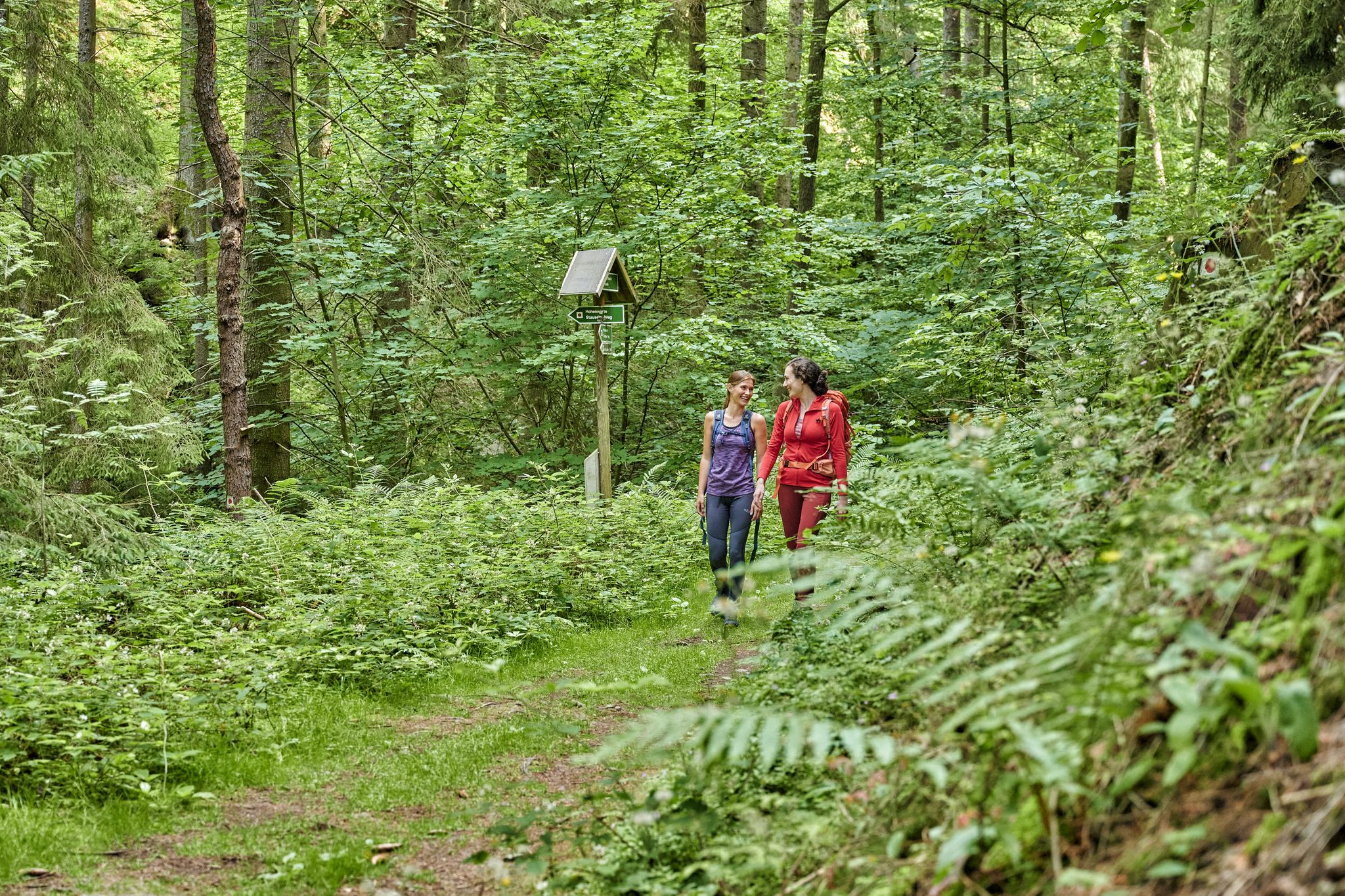
Long distance hiking trails in the Thuringian Forest
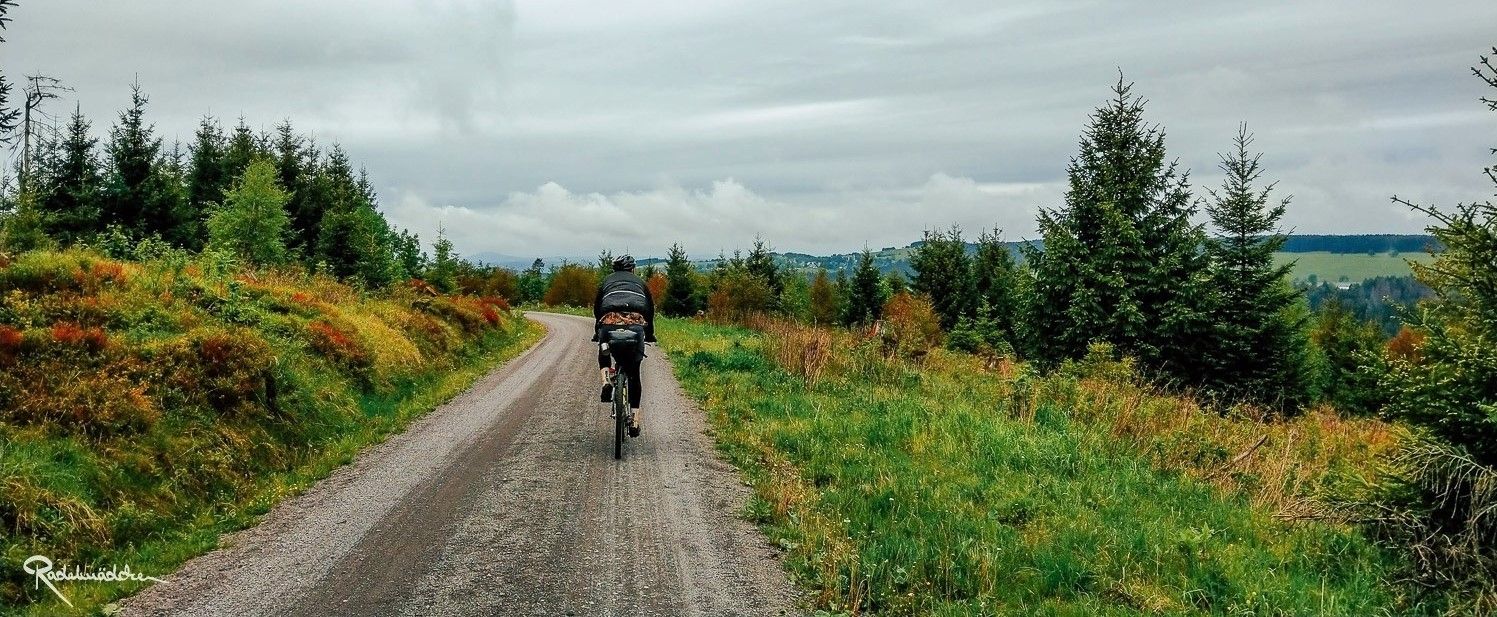
Ride the Rennsteig Cycle Path on your gravel bike – Thuringian Highlands
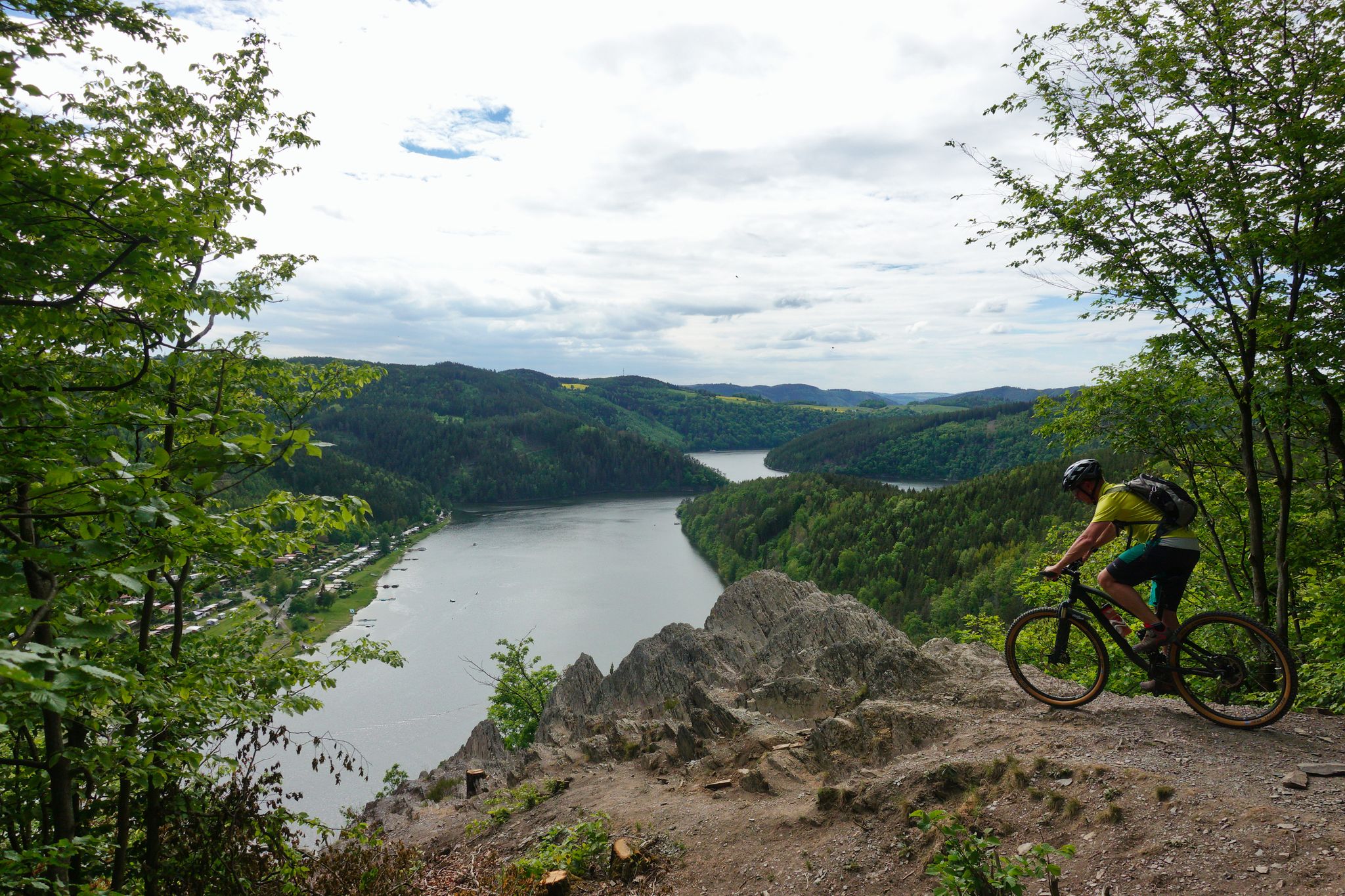
Fantastic panoramas and fast trails – Feen-Bike-Paradies Saalfeld MTB centre
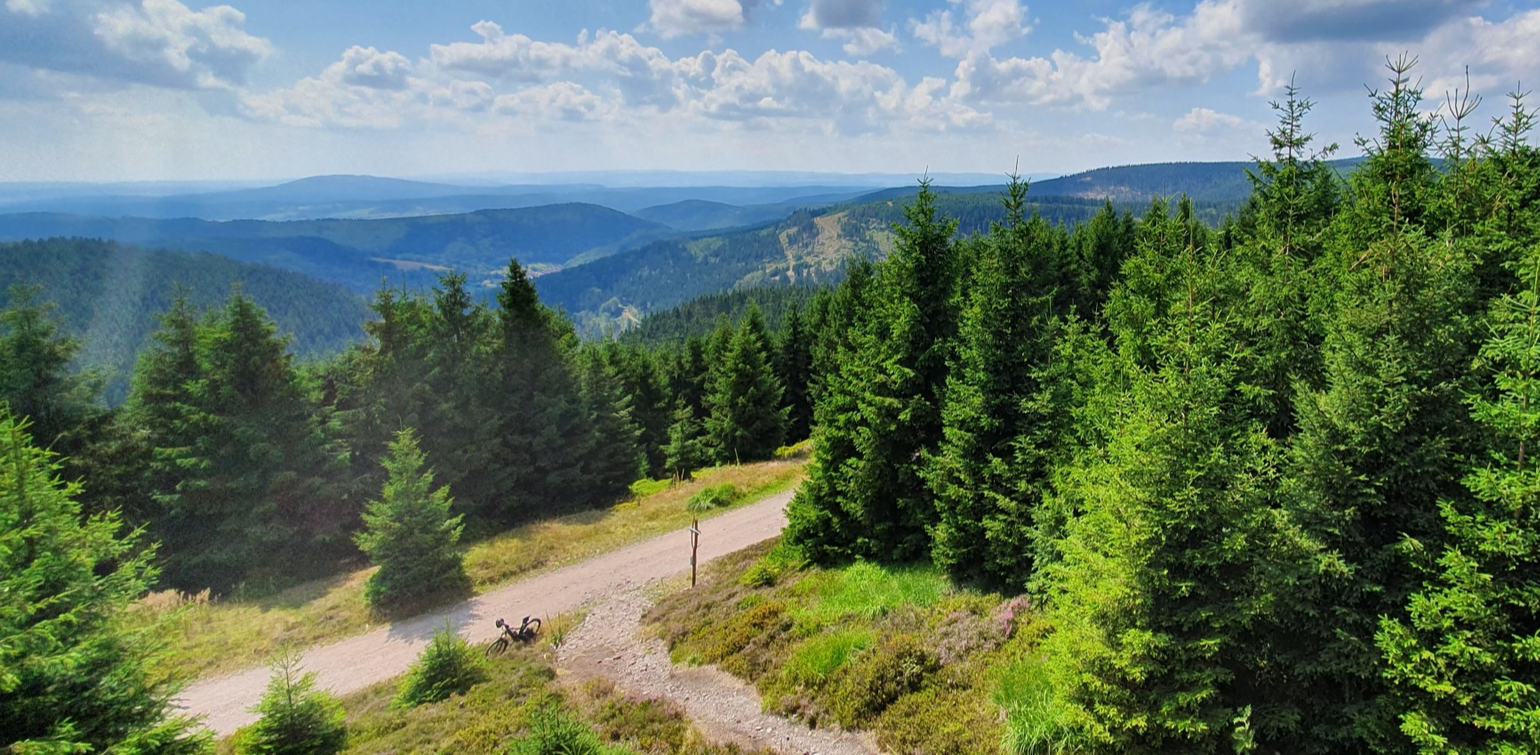
MTB through the middle of Germany — three days on the Rennsteig
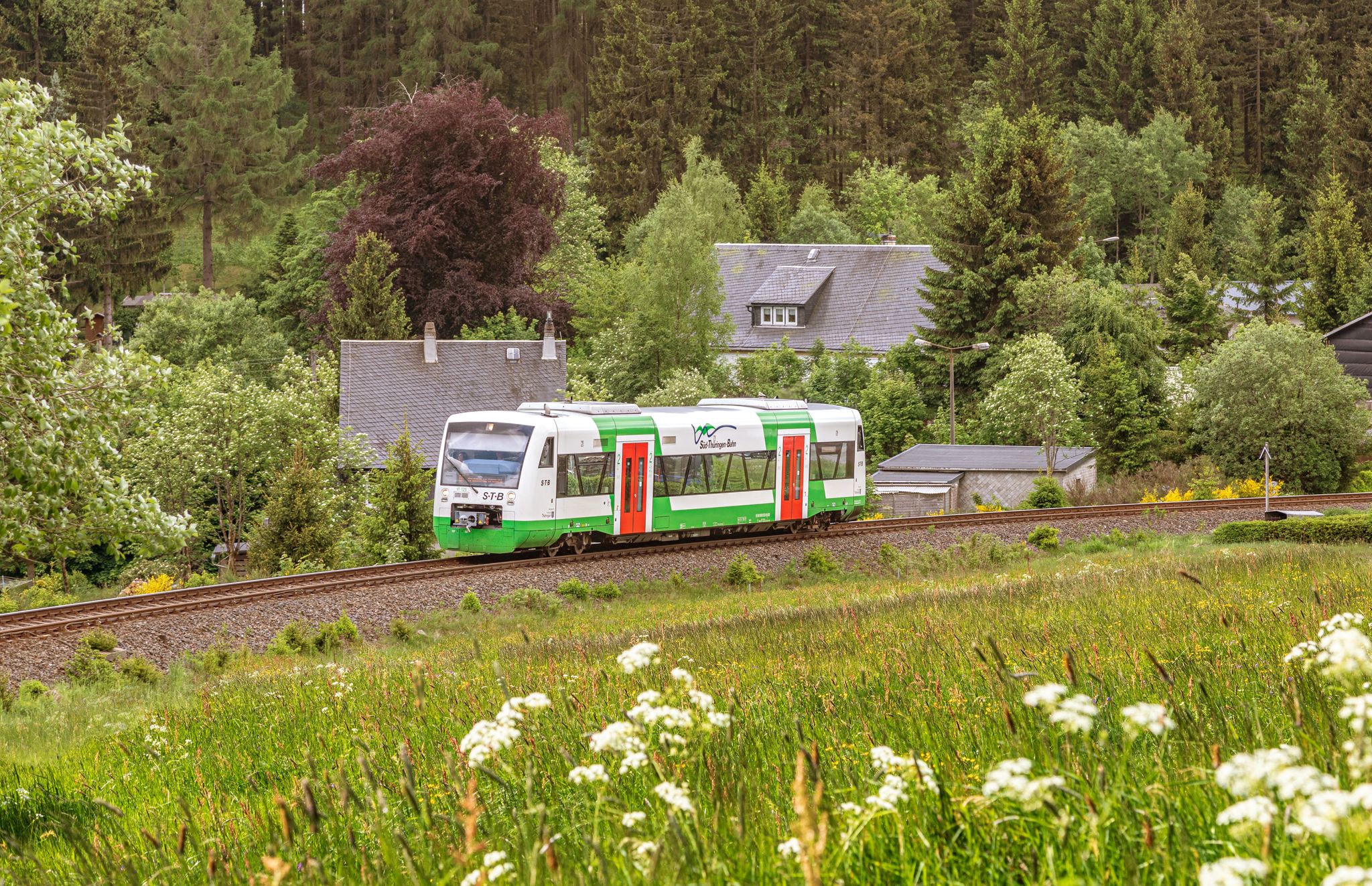
Vom Gleis zum Gipfel – Wandern mit der Süd•Thüringen•Bahn
Other adventures around Neuhaus am Rennweg


Tips from the Community

The renovation looks very strange. There are holes in some of the floor 😳
3
0
The castle near Eisfeld, near Coburg, has stood empty for 30 years. A model of sustainable use could save it from decay. It was built by Baron Hermann von Münchhausen, the founder of a stud farm for thoroughbred horses, whose achievements included winning the German Derby in Hamburg in 1894. The castle, constructed until 1904 in the Scottish country house style, was the benchmark work of the later star architect Karl Behlert, master builder at the court of Duke George II of Saxe-Meiningen. Architectural details can be found in Cecilienhof Palace in Potsdam, built in 1917. The burial site of the von Münchhausen family is also a listed building. The association seeks to find partners to preserve this cultural asset. The property is well suited for the establishment of a non-profit shared living community for senior citizens, possibly as a foundation jointly with the current owners and/or under a social services organization. For the time being, the club is collecting equity capital for a (partial) buyback.
5
0

In 1888, Baron Hermann-August von Münchhausen, a last descendant of the famous Münchhausen dynasty from Bodenwerder, settled as the new owner of the Bockstadt manor. First, the stud farm was established. In addition to the 38 hectares of pastureland, which provided the horses with plenty of space to roam freely, there was also a stud farm's own galloping track and a 30 x 60 meter riding arena for riders. Baron von Münchhausen bred the most successful thoroughbred horses of his time. Around 1900, Baron von Münchhausen commissioned the architect Behlert to build the new palace. After four years of construction, a spacious building in the Scottish country house style was built, surrounded by magnificent parkland, avenues, and ponds. The palace, on approximately 60,000 m2 of land, is privately owned, not accessible, and is for sale. Source: http://wbs.werra-burgen-steig.de/index.php/schloss-bockstadt.html
12
0
Eisfeld Castle, a Franconian manor house from the 9th century, is essentially a medieval castle complex. The Stone House (palace) was built around 1090 and the keep in the 12th century. The castle has undergone many changes over the centuries. Since 1316, with the privilege of walling the town, the castle has formed the north-eastern part of Eisfeld's new town. In 1360 the bower was built and in 1558 the "new building" was built, which opens onto the town through a vaulted gateway built in 1580 and today forms the gatehouse. The economic wing (kitchen wing), built in 1555, between the palace and bower, gave the castle complex a closed horseshoe shape. The kitchen wing was replaced in 1886 by a prison building in the Wilhelminian style. Source: https://www.museum-eisfeld.info/seite/318423/schloss.html
14
1
One of the landmarks of the town of Eisfeld is the castle, which is essentially a medieval castle complex. Today it houses the town's museum with an extensive porcelain exhibition, historical workshops, toys, town history and regional folklore. The museum is a treasure trove that is waiting to be discovered with many opportunities to try things out, marvel and learn. Take your time to discover Eisfeld Castle. The Eisfeld Museum also includes the Otto Ludwig Poet Memorial for the poet born in Eisfeld in 1813 and the Inner German Border Memorial - Eisfeld-Rottenbach Border Crossing, which are also worth a visit. Source: https://www.museum-eisfeld.info/
16
1

Baron Hermann-August von Münchhausen had the current castle built in 1904 in the Scottish country house style. The architect was Karl Behlert, who was also responsible for the theater in Meiningen. The castle was built as a new building to replace an old manor that the Baron bought in 1888 when he moved to Bockstadt with his American wife. Their wealth enabled him to build up a very important horse breeding operation here. He had already gained experience in the service of Prussia on stud farms such as Beberbeck. The castle initially remained in the family's possession, but was sold in 1938 and then expropriated in 1945. The castle has now stood empty for over 30 years. At the main entrance to the castle there is an information board about the founder and the history of the castle. Otherwise, the castle itself is hardly visible through the overgrown park and the wall.
0
0

A visit to the Schaumburg ruins is definitely worth it! The view from above over the Thuringian to Coburger Land is worth seeing.
3
0

Rauenstein is a village in the southern Thuringian district of Sonneberg. It is part of the municipality of Frankenblick. Rauenstein is located in the Grümpen valley on the southern edge of the Thuringian Slate Mountains, about 2 km west of Effelder. The place near the older Rauenstein Castle of the same name was first mentioned in a document in 1445. Historically, the castle, owned by the von Schaumberg noble family for centuries, was the determining factor of the place. In 1783, Duke George I of Saxony-Meiningen licensed the Rauenstein porcelain factory founded by Johann Friedrich Greiner right next to the castle, which became the town's most important source of income and already had 180 employees in 1851. In 1910 the place was opened up by the Eisfeld – Sonneberg railway line. (Source: Wikipedia)
1
0
Frequently Asked Questions
What are some of the most historically significant castles or ruins near Neuhaus am Rennweg?
The region offers several historically significant sites. The Schaumburg Castle Ruins, for instance, was the ancestral seat of the Schaumberger noble family and is considered the largest archaeological monument in the Sonneberg district. Another notable site is the Rauenstein Castle Ruins, first mentioned in 1445, which historically shaped the nearby village. For a deeper dive into ancient history, the Heunischenburg, near Neuhaus-Schierschnitz, is recognized as the oldest scientifically researched stone castle in Europe north of the Alps, dating back to the Urnfield period (around 9th century BC).
Which castles near Neuhaus am Rennweg offer a unique architectural experience?
For unique architecture, consider the Mitwitz Moated Castle, an absolute highlight known for being surrounded by water and featuring numerous original furnishings from the 16th to 20th centuries. Oberlangenstadt Castle, though a bit further, stands out with its 19th-century English Gothic style, making it one of the most beautiful buildings in the Kronach district. Additionally, Burg Neuhaus in Neuhaus-Schierschnitz, originally a medieval castle, was partly rebuilt in the early 20th century with distinctive half-timbered structures in the Nuremberg style.
Are there any castles near Neuhaus am Rennweg that are particularly family-friendly?
Yes, Eisfeld Castle is a great option for families. This medieval castle complex houses the town's museum, which features an extensive porcelain exhibition, historical workshops, and displays on town history, offering many opportunities to try things out, marvel, and learn. The nearby Eisfeld Old Town itself is also considered family-friendly.
What kind of museum exhibits can I find in castles around Neuhaus am Rennweg?
The primary castle with museum exhibits is Eisfeld Castle. Its town museum offers an extensive porcelain exhibition, historical workshops, displays on town history, and regional folklore. It's a treasure trove designed for discovery, with many interactive elements.
What outdoor activities can I combine with a castle visit near Neuhaus am Rennweg?
The region around Neuhaus am Rennweg is excellent for outdoor activities. You can combine castle visits with hiking, road cycling, or mountain biking. For hiking, explore easy routes like the Scheibe-Alsbach Reservoir loop. Road cyclists can tackle challenging routes such as the Lichte Viaduct loop. Mountain bikers have options like the Three-current brick loop. You can find more details on these activities in the easy hikes, road cycling, and MTB trails guides for the area.
Are there any castle ruins that were once important strongholds?
Absolutely. The Schaumburg Castle Ruins, for example, was a hilltop castle that served as the ancestral seat of the Schaumberger noble family, who ruled the surrounding lands for centuries. The Rauenstein Castle Ruins also played a significant role, historically determining the development of the nearby village.
What do visitors enjoy most about the castles around Neuhaus am Rennweg?
Visitors appreciate the diverse historical experience offered by the castles, ranging from prehistoric fortifications to medieval strongholds and 19th-century romantic architecture. The komoot community has shown strong engagement, with more than 230 upvotes and over 210 photos shared, highlighting the visual appeal and historical depth of these sites.
Is there a castle near Neuhaus am Rennweg with a story of destruction and rebuilding?
Yes, Schmölz Castle near Schmölz, first mentioned in 1194, was destroyed during the Peasants' War in 1525. A new castle was subsequently built in 1536, showcasing its resilience and historical continuity. Today, it is privately owned by artists, adding a unique contemporary layer to its long history.
Can I visit a castle that was once a noble residence?
Burg Neuhaus in Neuhaus-Schierschnitz was originally a medieval castle that was expanded into a representative noble residence by the Lords of Gottsmann. Although it suffered destruction, parts were rebuilt, preserving its architectural elements and offering a glimpse into its past as a noble seat.
Are there any castles near Neuhaus am Rennweg that are privately owned but still historically interesting?
Schmölz Castle, with its history of destruction and rebuilding, is privately owned by artists Paul Eddie Pfisterer and Girle Pfisterer, offering a unique blend of historical resilience and contemporary relevance. Another example is Bockstadt Castle, a spacious building in the Scottish country house style, which is privately owned and historically significant for its connection to Baron Hermann-August von Münchhausen and its unique architecture.
What is the oldest scientifically researched stone castle in Europe near Neuhaus am Rennweg?
The Heunischenburg, located near Neuhaus-Schierschnitz, holds the distinction of being the oldest scientifically researched stone castle in Europe north of the Alps. This heavily fortified complex dates back to the Urnfield period, around the 9th century BC, and was strategically important for monitoring ancient trade routes.
Are there castles with distinctive features like being surrounded by water?
Yes, the Mitwitz Moated Castle is a prime example. It is considered a landmark of Mitwitz and is distinctively surrounded by water, making for a picturesque setting. Its well-preserved interiors also offer a glimpse into centuries of history.
Most popular routes around Neuhaus am Rennweg
Most popular attractions around Neuhaus am Rennweg

Get inspired with the komoot mobile app


Explore more
Looking for the best castles somewhere else? Discover other guides around Neuhaus am Rennweg:
