Top 20 Lakes around Lauterbach
Best lakes around Lauterbach are situated within the Vogelsbergkreis region of Hesse, Germany. Lauterbach (Hessen) itself is a district capital, providing access to diverse natural landscapes. The surrounding area features various ponds and wetlands, offering opportunities for recreation and nature observation. These natural landmarks contribute to the region's appeal for outdoor activities and hiking.
Best lakes around Lauterbach
- The most popular lakes is Schalksbach Ponds Nature Reserve, a lake and natural monument. This reserve is home to numerous waterfowl…
Last updated: June 26, 2026
Schalksbach Ponds Nature Reserve
Highlight (Segment) • Lake
Translated by Google •
Tip by

Sassen Village and Pond
Highlight • Settlement
is an association of friends and relatives of disabled people.
There are available:
in Sassen: 130 places for adults
at the Richthof: 120 places …
Translated by Google •
Tip by

Sign up now to discover places like this
Get recommendations on the best single tracks, peaks, & plenty of other exciting outdoor places.
Sign up for free
Koppelhuthe Wetland
Highlight • Natural
After this lost importance due to changes in agricultural structures, the area was used for …
Translated by Google •
Tip by

Pond at Hof Huhnstadt
Highlight • Lake
From the first documented mention in 1372, it was deduced that the Huhnstadt farm was originally a village settlement divided into two …
Translated by Google •
Tip by

Knittelteich on Damenweg
Highlight • Lake
Translated by Google •
Tip by
Sign up for free to discover even more lakes around Lauterbach.
Sign up for free
Already have an account?
Start today with a free account
Your next adventure awaits.
Login or Signup
Popular around Lauterbach (Hessen)
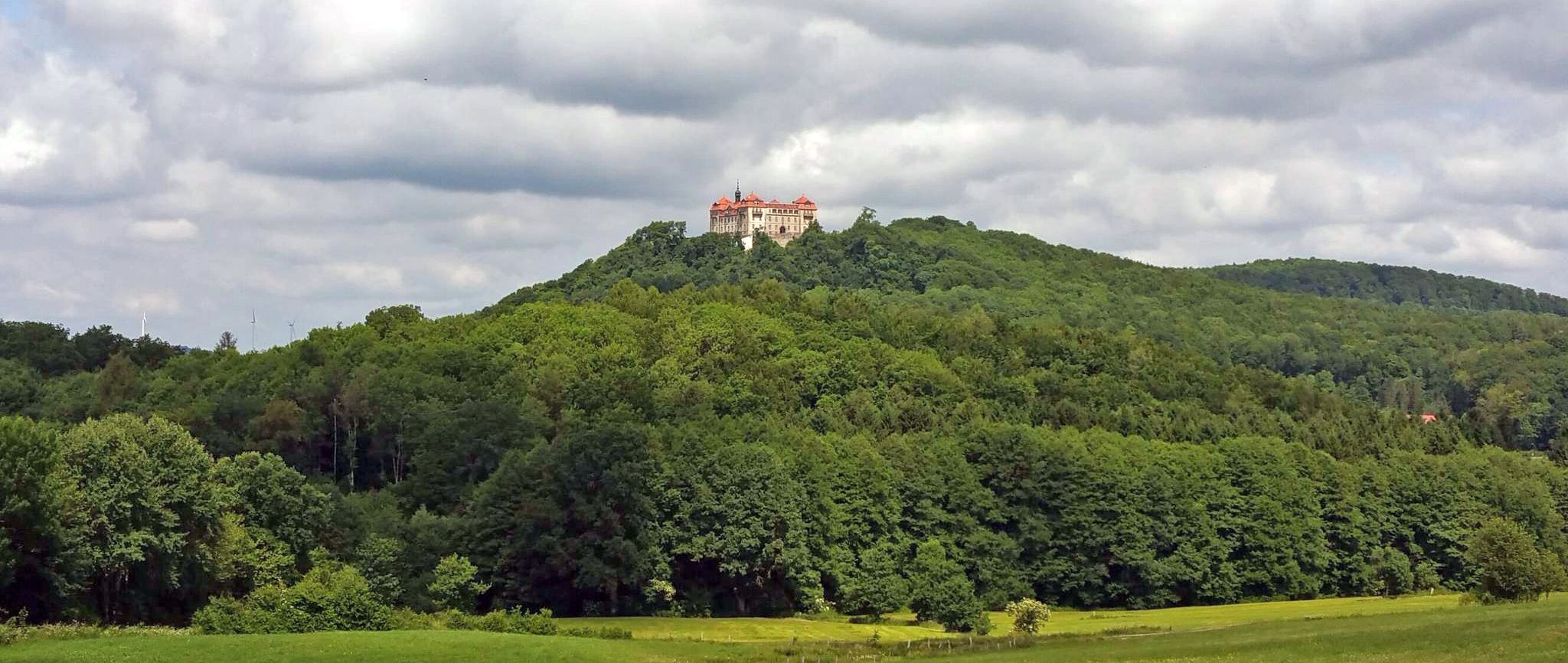
BahnRadweg Hessen — castles, palaces & beautiful nature
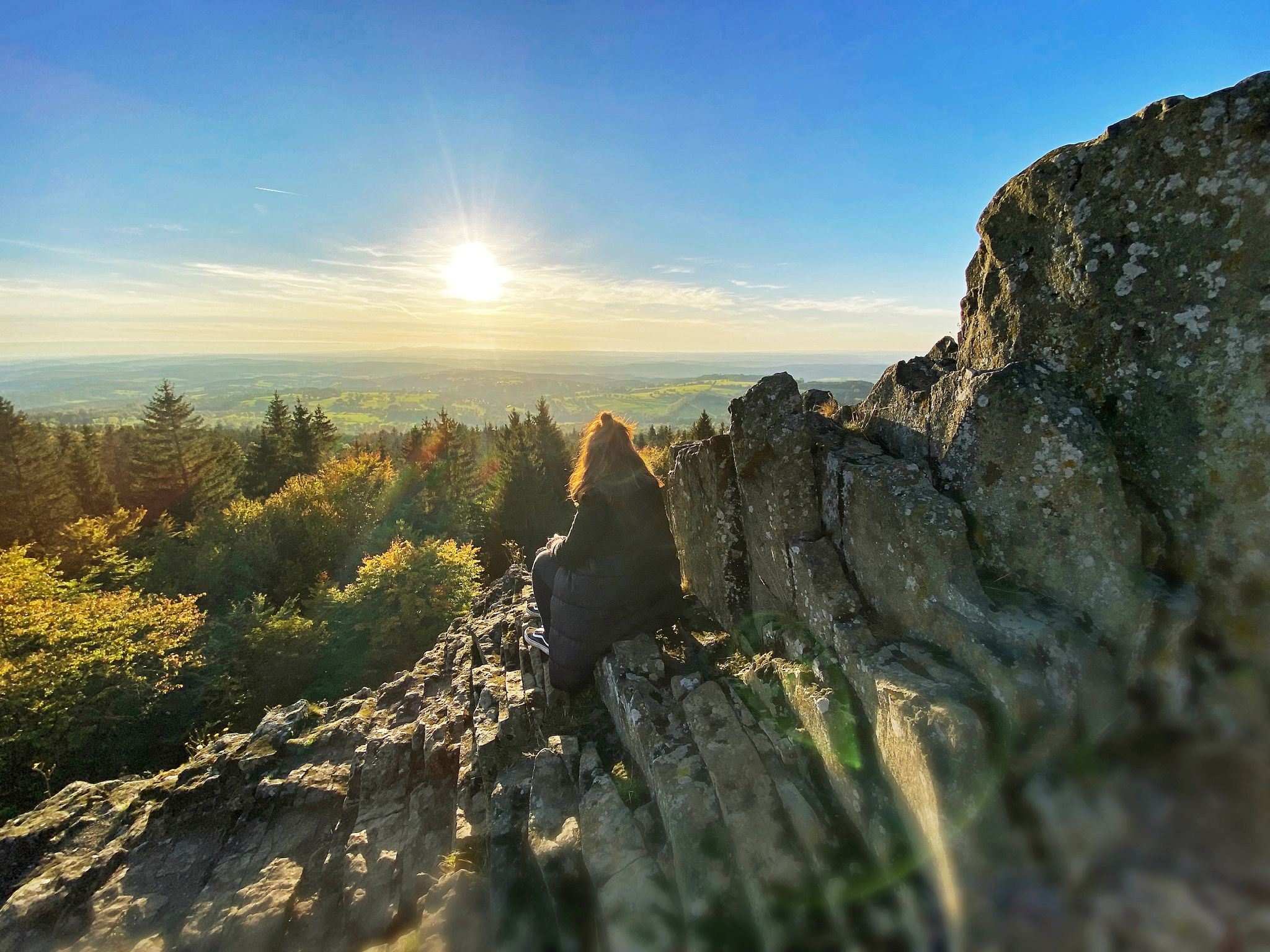
Where trails give you strength: Your hiking getaway in Vogelsberg
Into the countryside! — hike with Germany’s Rhine-Main Transport Network
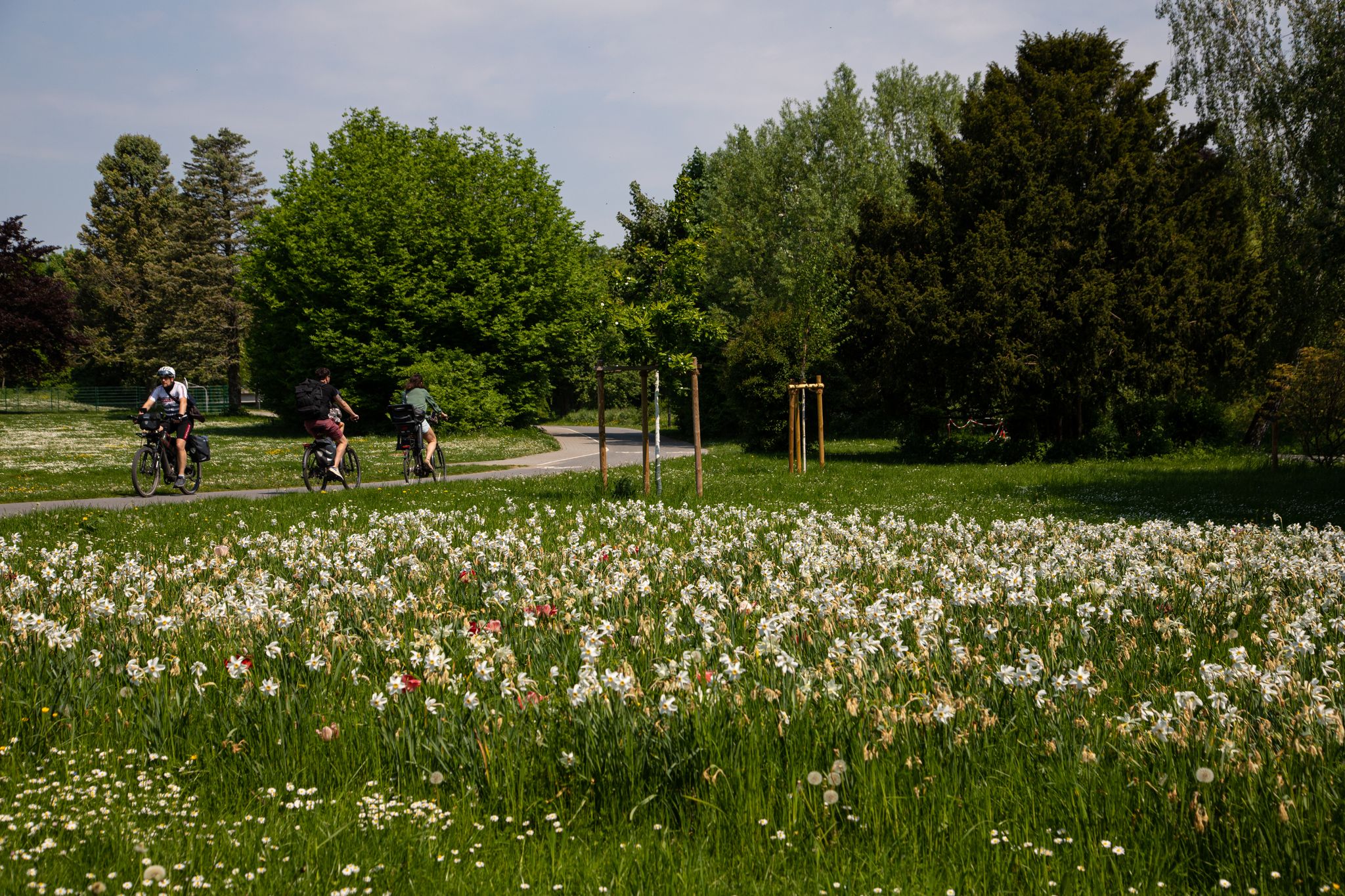
Bad Vilbel entdecken – Vielfältige Radtouren
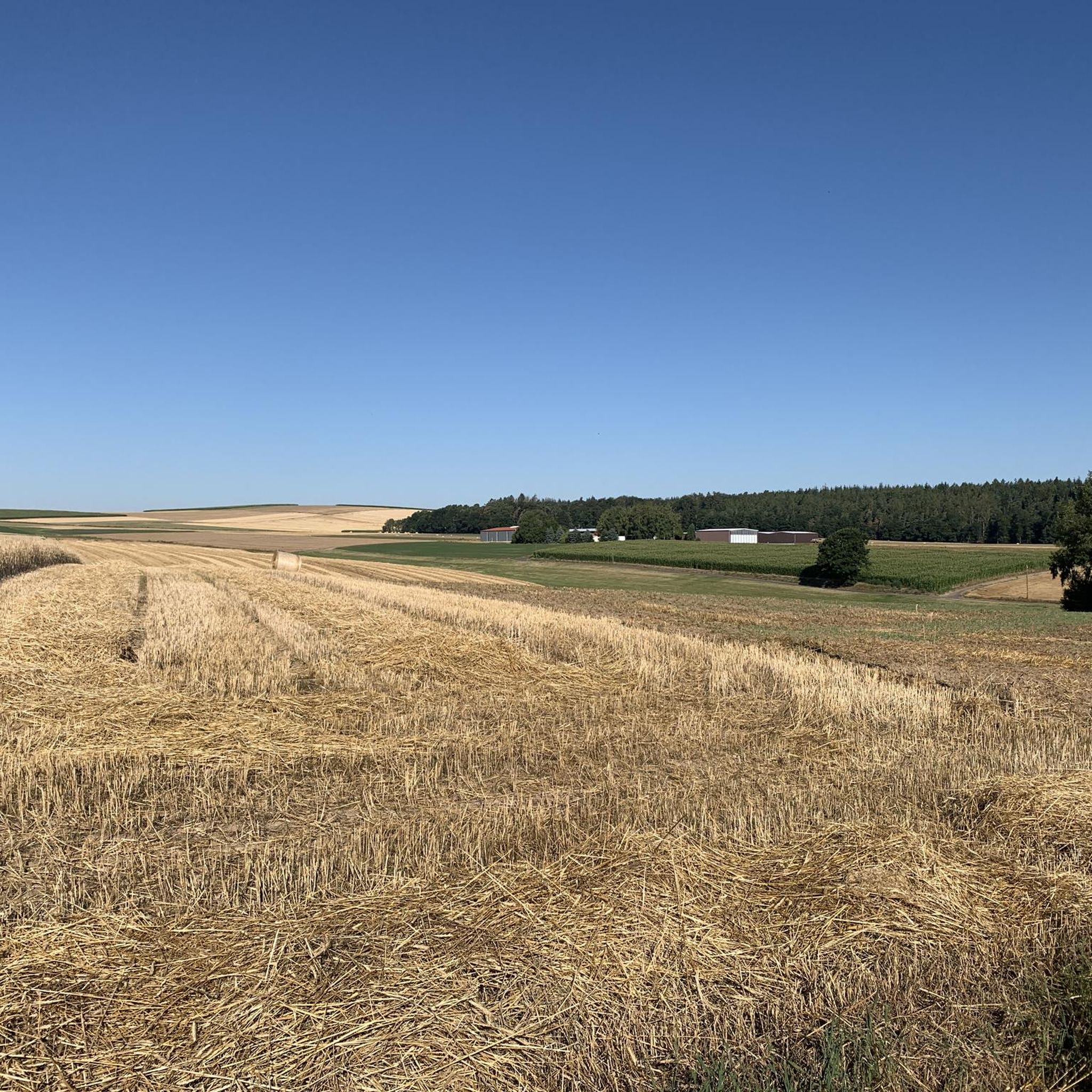
Cycling around Lauterbach
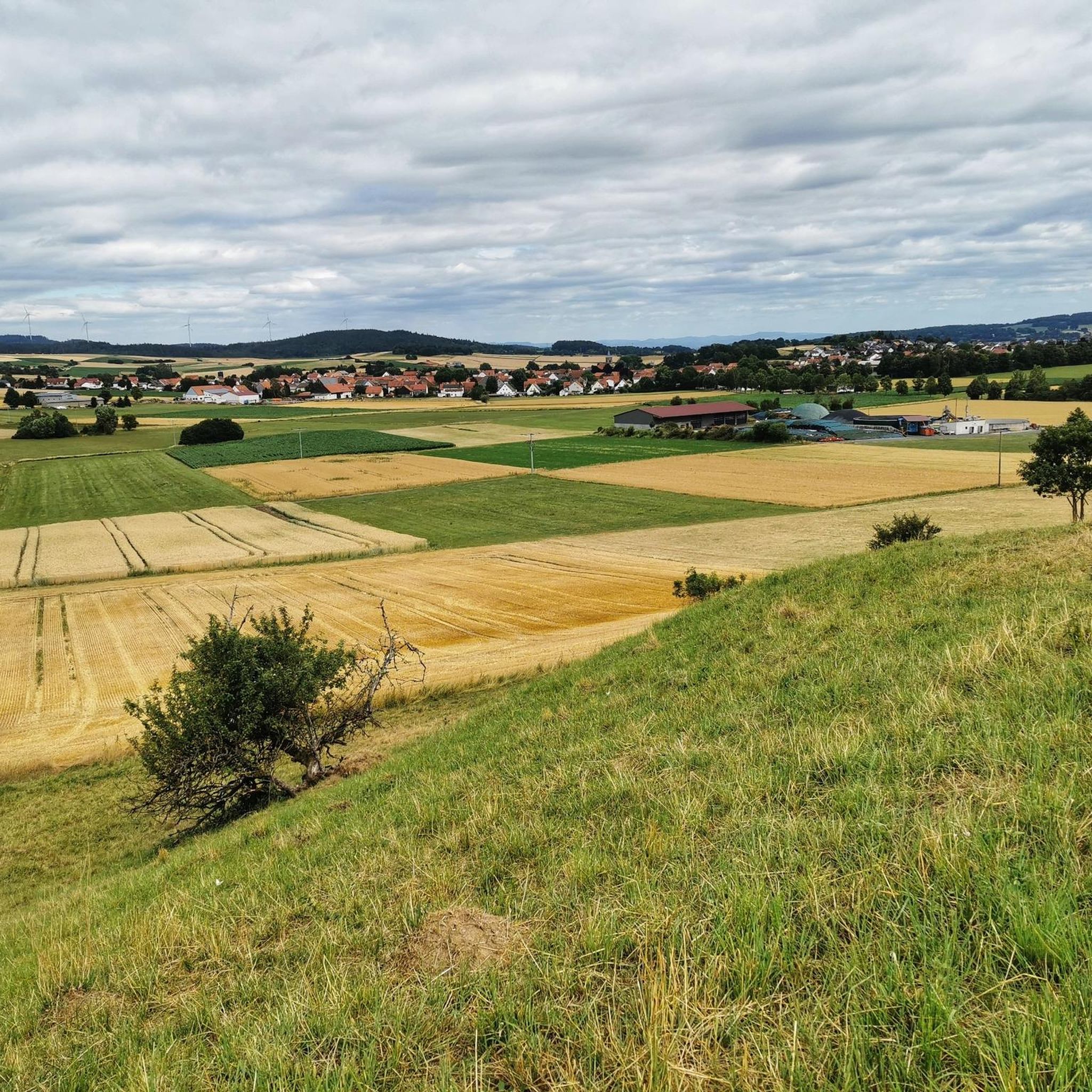
Hiking around Lauterbach
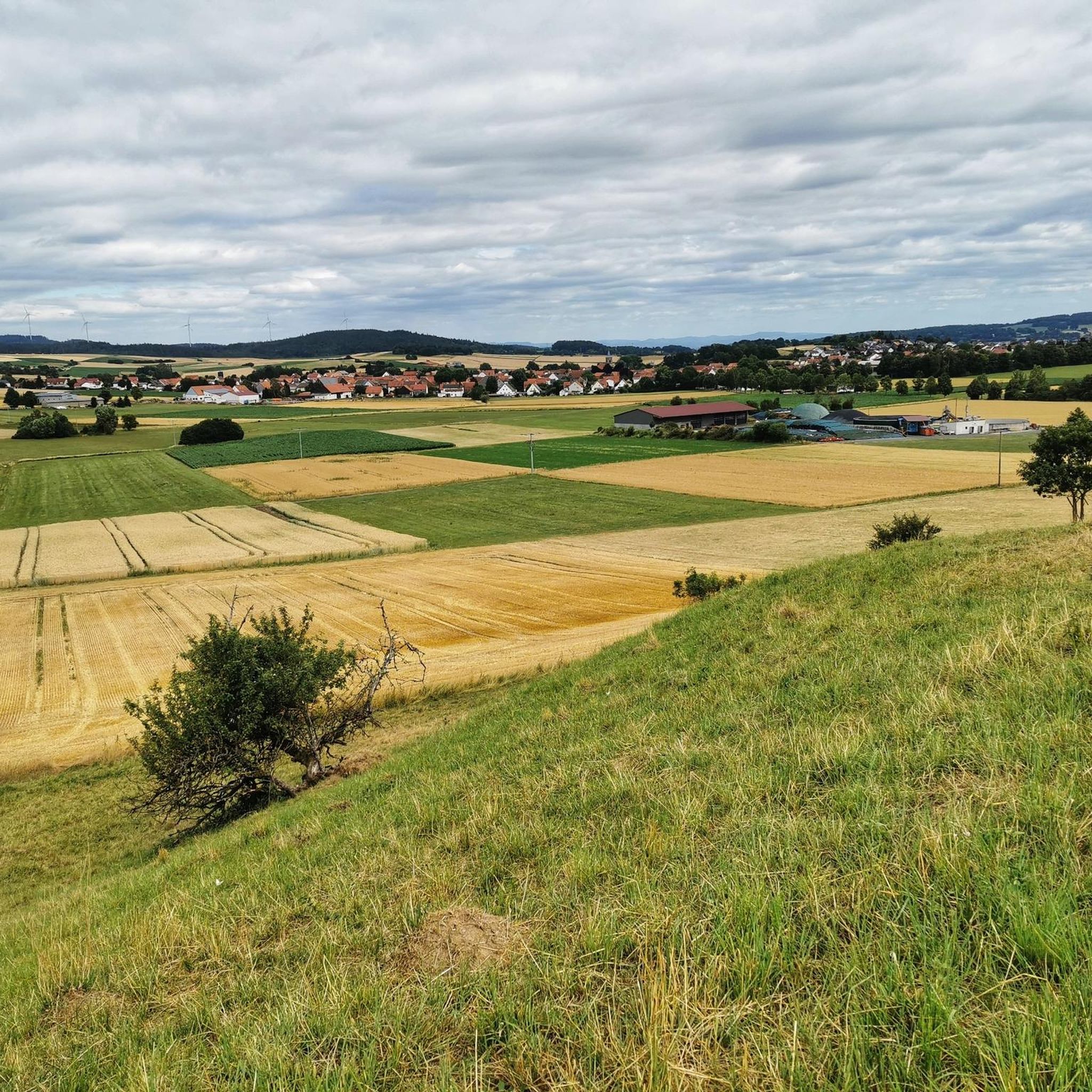
Road Cycling Routes around Lauterbach
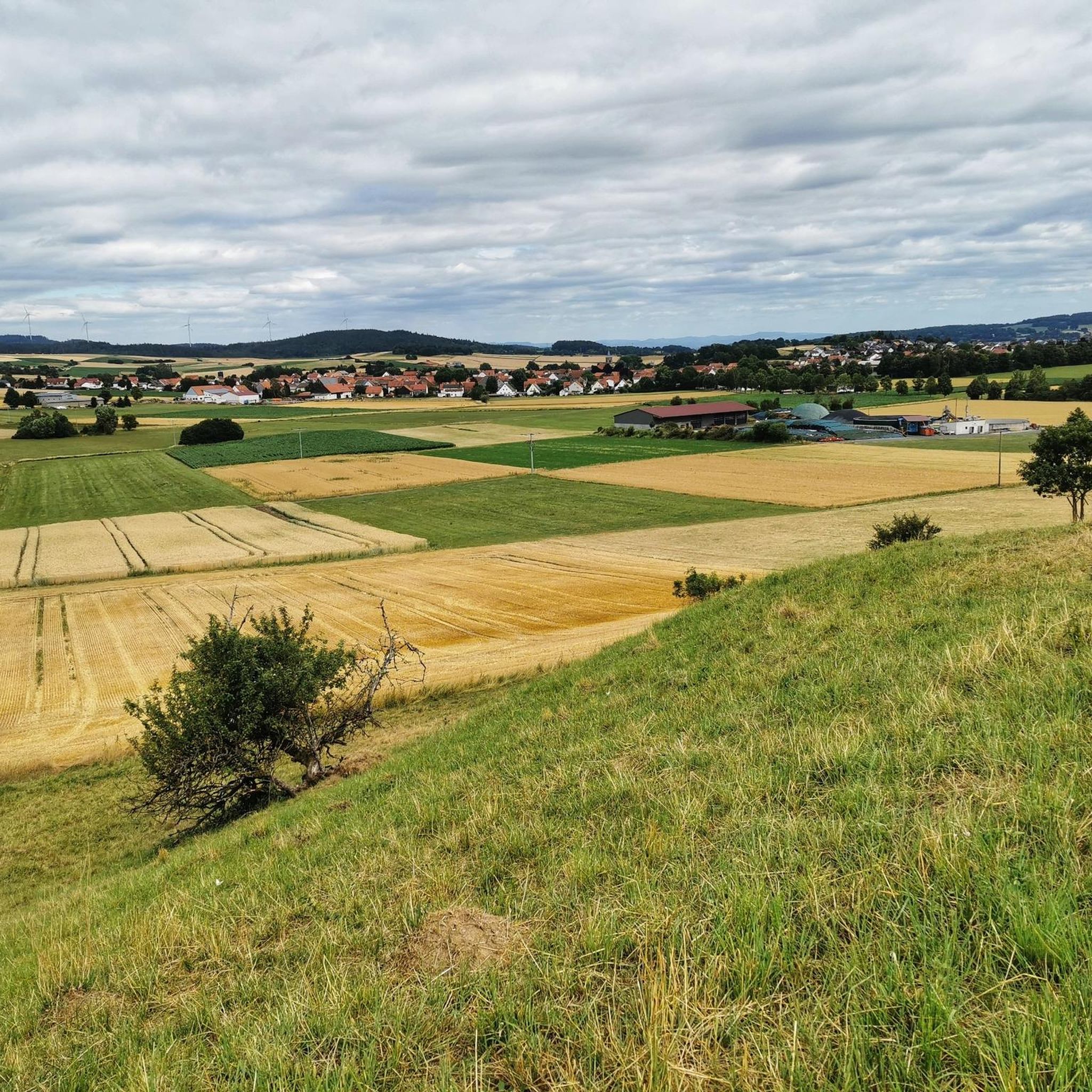
MTB Trails around Lauterbach
Running Trails around Lauterbach
Gravel biking around Lauterbach
Other adventures around Lauterbach


Tips from the Community

Perfect hiking trails with panoramic views
1
0

The small pond belonged to the Huhnstadt farm. From the first documented mention in 1372, it was deduced that the Huhnstadt farm was originally a village settlement divided into two parts: Groß-Hohenscheit and Wenigen-Hohenscheit under the street. In 1492, the name was "Hoenscheit" under the Hertzberg (on the street). Later we read Honstat and from 1780 onwards, "Hohnstädt" in general. In 1360, Groß-Hohescheit consisted of a house and an estate. Wenigen-Hohenscheit consisted only of a small agricultural property. Hohnstet is mentioned on the Mercator map of 1592. In 1895, the estate covered around 116 hectares - of which 56 hectares were arable land - 20 hectares of meadows, 18 hectares of pasture and 20 hectares of wasteland. In 1927, Pastor E. Paulus reported in his local newspaper “Rings um den Herzberg” that the knight “Hans v. Storndorf” and his horsemen attacked, destroyed and burned the Dörnberg estate Hohenscheit in 1498. Hans von Dörnberg and Hans von Storndorf were personal enemies. The properties belonging to various owners were purchased by the von Dörnberg family - this is how the “Hof Huhnstadt” came into being.
0
0

As Andrea has already described in the tips, cattle were herded here until the 1950s. After this lost importance due to changes in agricultural structures, the area was used for forestry. In keeping with the spirit of the times, the 21 hectares were largely reforested with spruce. The storms Wiebke (1990) and Kyrill (2007) almost completely destroyed the spruce population. The "open space" created in this way has gradually been reused over the last few years. Thanks to the successful cooperation between the town of Herbstein, the local bird and nature conservation association and the Vogelsberg district's lower nature conservation authority, a large number of different water areas have been created, which are fed by a spring area, but of course also by "surface water". Over the last few years, a mosaic of ponds of various sizes and water depths has been created here. The extensive “water landscape” now covers an area of around 5 hectares and serves two main purposes: to create biodiversity and to retain water in the forest. In the summer heat, you can see how important such a pond system is in the forest, especially in times of little or no rainfall. The frequent death of trees due to insufficient rainfall makes the need for water storage in the forest all too clear. In the Koppelhut, on the other hand, the surface water from around 90 hectares of forest is channeled onto the area. A paradise for birds, amphibians and insects The stocking of small fish in some ponds (mottled shad, bitterling, roach, bleak, pond mussel) improves the underwater habitat and provides food for kingfishers, grey herons and black storks. The rare red-backed shrike can also be found in the Koppelhut. The construction of small structures such as stone piles and the placement of roots and dead wood also promotes biodiversity.
2
0

Residential groups for people with disabilities. A small pond in the middle of the village
1
0

The Lebensgemeinschaft e.V. Sassen and Richthof form an integrative community in the two villages of Sassen and Richthof. People with and without a need for help live together in extended families or other forms of housing, work together in various businesses belonging to the two villages and help each other, according to their individual abilities, in the organization and administration of the village communities. Admission: People who, due to a mental disability, are entitled to help to reintegrate into social and professional life are admitted to the community.
3
0
The community e.V. Sassen and Richthof is an association of friends and relatives of disabled people. There are available: in Sassen: 130 places for adults at the Richthof: 120 places for adults Sassen and Richthof stand for: Village communities, recognized workshops (WfbM): Agriculture | Nurseries | Bakery | wood workshops | Weavings | clay workshops | Dyeing | Candle Workshop | households Education in Agriculture | Nursery | Bakery | Carpentry | carpentry
3
0
Very beautiful and idyllically located pond with jetty on the lake. The ponds are on the Damenweg.
10
0

This extremely impressive piece of nature can be found outside of marked routes, which provides great insights and showed me the largest frog population so far.
1
0
Frequently Asked Questions
What are some popular lakes for recreation near Lauterbach (Hessen)?
For active recreation, the Nieder-Mooser-Teich is highly popular, offering swimming, surfing, SUP, kayaking, and a sandy beach. The Silbersee near Breitenbach am Herzberg is also a good choice for swimming and paddling. For a picturesque setting with both swimming and fishing, consider the Guckaisee, nestled between mountains.
Are there opportunities for swimming or water sports at the lakes near Lauterbach?
Yes, the Nieder-Mooser-Teich is excellent for swimming and various water sports like surfing, stand-up paddling, and kayaking. It even has a surf school and equipment rental. The Silbersee and Guckaisee also offer designated areas for swimming.
Where can I find hiking trails around the lakes near Lauterbach?
Many lakes offer scenic paths. For example, the Schalksbach Ponds Nature Reserve features an easy, well-maintained path around its ponds, perfect for observing plants and animals. The Knittelteich on Damenweg also has a circular path. For more extensive hiking options, you can explore various running trails around Lauterbach, which often pass by natural water features. Check out the Running Trails around Lauterbach guide for routes like 'Path along the Lauter' or 'Narrow path along the Lauter'.
Are the lakes around Lauterbach suitable for families?
Absolutely. The Nieder-Mooser-Teich is very family-friendly, featuring a spacious sandy beach, a sunbathing lawn, and a dedicated children's area with a play ship. The Schalksbach Ponds Nature Reserve and Sassen Village and Pond are also categorized as family-friendly, offering easy walks and interesting sights for all ages.
Can I go fishing at the lakes near Lauterbach?
Yes, fishing opportunities are available. The Nieder-Mooser-Teich and Guckaisee both have areas dedicated to fishing. Additionally, the region offers commercial fishing parks and smaller streams like the Lauter river, Angelpark Ober-Sorg, Angelparadies Teichmühle, and Vogelsberger Forellenzucht for anglers.
What kind of wildlife can be observed around the lakes?
The lakes and wetlands are rich in wildlife. The Schalksbach Ponds Nature Reserve is home to numerous waterfowl and features rare plant communities. The Koppelhuthe Wetland is a paradise for birds, amphibians, and insects, with small fish stocked to support kingfishers, grey herons, and black storks. The rare red-backed shrike can also be found there.
Are there cycling or gravel biking routes near the lakes?
Yes, the area around Lauterbach offers various cycling and gravel biking routes that may pass by or near some of the lakes and natural water features. You can find detailed routes in the Gravel biking around Lauterbach guide and the Cycling around Lauterbach guide. Routes like 'Vorderburg, Schlitz – Pfordt Lake loop from Lauterbach Nord' are specifically designed for cycling near water.
Are there any protected natural areas among the lakes?
Yes, the region is home to important protected natural areas. The Schalksbach Ponds Nature Reserve is a natural monument, protecting its waterfowl and rare plant communities. The Koppelhuthe Wetland is another significant natural monument, recognized for its biodiversity and role in water retention.
What do visitors particularly enjoy about the lakes in this region?
Visitors appreciate the diverse natural landscapes and the variety of recreational opportunities. The komoot community has shared over 220 photos and given more than 280 upvotes for the lakes around Lauterbach, highlighting the scenic beauty, peaceful atmosphere, and the chance to observe nature. The easy accessibility of many spots and the family-friendly options are also frequently enjoyed.
Are there accessible lakes or trails for wheelchairs near Lauterbach?
The Sassen Village and Pond is noted as wheelchair accessible, offering an inclusive experience within an integrative community setting.
What is the best time of year to visit the lakes near Lauterbach?
The lakes are enjoyable throughout the year, but the best time depends on your preferred activities. Spring and summer (May to September) are ideal for swimming, water sports, and enjoying the lush greenery. Autumn offers beautiful foliage for walks, while winter can provide serene, frosty landscapes for quiet strolls, though water activities might be limited.
Are the lakes around Lauterbach dog-friendly?
While specific dog-friendly regulations vary by location, many natural areas and trails around the lakes are generally welcoming to dogs, especially if kept on a leash. Always check local signage for any restrictions, particularly in nature reserves or designated swimming areas. The numerous hiking and walking paths provide ample opportunities for walks with your dog.
Most popular routes around Lauterbach
Most popular attractions around Lauterbach

Get inspired with the komoot mobile app


Explore more
Still not found your perfect lake around Lauterbach? Check out the guides of these regions to see even more beautiful places.
