Top 9 Caves around Lebach
Best caves around Lebach are found within the Saarland region, offering a mix of natural formations and historically significant man-made structures. The area is characterized by its diverse landscape, including forests and hills, providing varied terrain for exploration. While major natural show caves are located elsewhere in Germany, Lebach's vicinity features unique cave systems. These sites often combine geological interest with local history and folklore.
Best caves around Lebach
- The most popular caves is Chapel at Linsenberg Stollen, a…
Last updated: August 19, 2026
Mariengrotte Piesbach
Highlight • Religious Site
Translated by Google •
Tip by

Kessler's Holes
Highlight • Cave
For a long time, the stories of the "Birg-Peter", a robber baron, who was operating from his castle ("Birg", south of the Primsschleife near Limbach) are told in the …
Translated by Google •
Tip by

Sign up now to discover places like this
Get recommendations on the best single tracks, peaks, & plenty of other exciting outdoor places.
Sign up for free
Marian Grotto, Schwarzenholz
Highlight • Religious Site
Translated by Google •
Tip by

Margarethenstollen
Highlight • Cave
Translated by Google •
Tip by

Chapel at Linsenberg Stollen
Highlight • Religious Site
Translated by Google •
Tip by

Sign up for free to discover even more caves around Lebach.
Sign up for free
Already have an account?
Start today with a free account
Your next adventure awaits.
Login or Signup
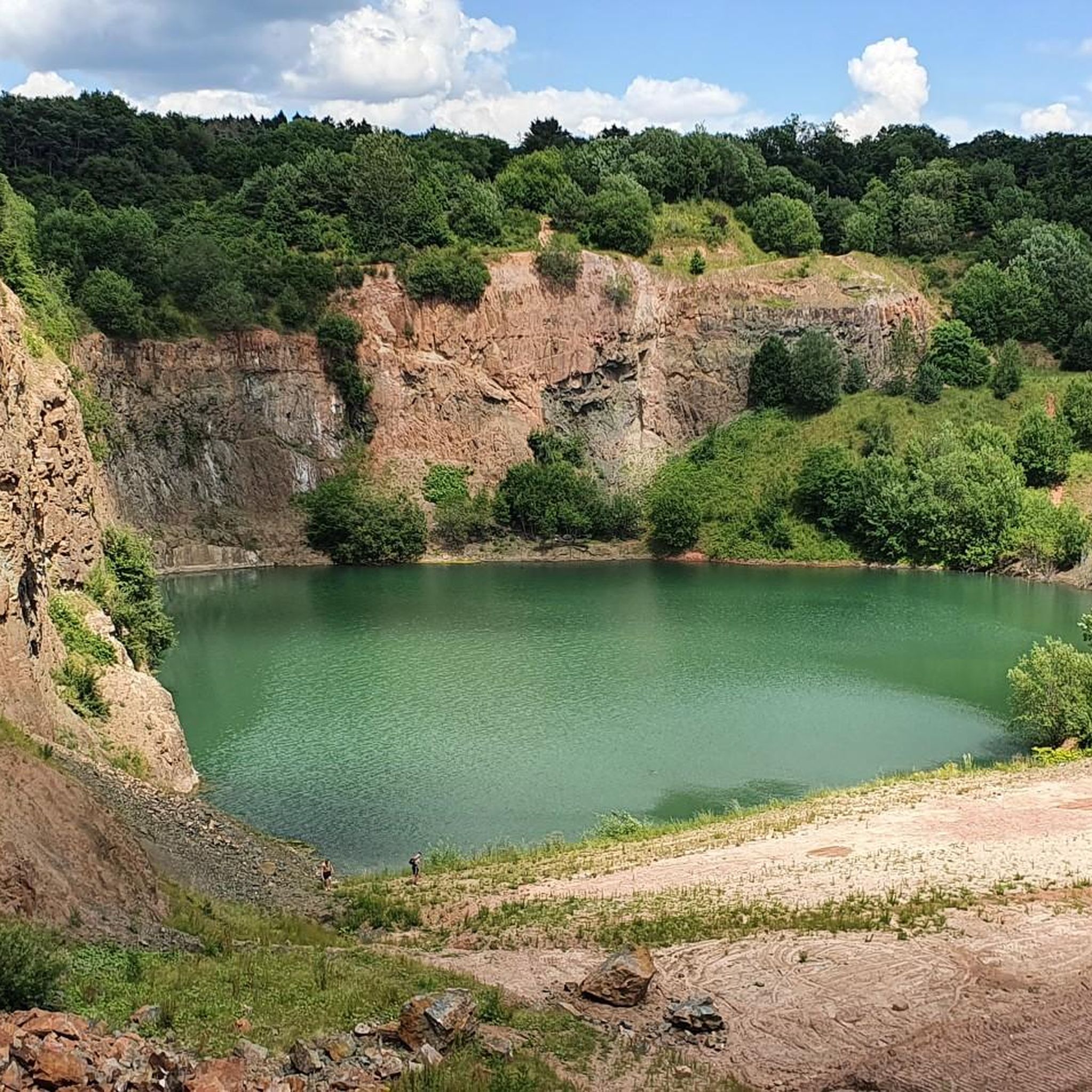
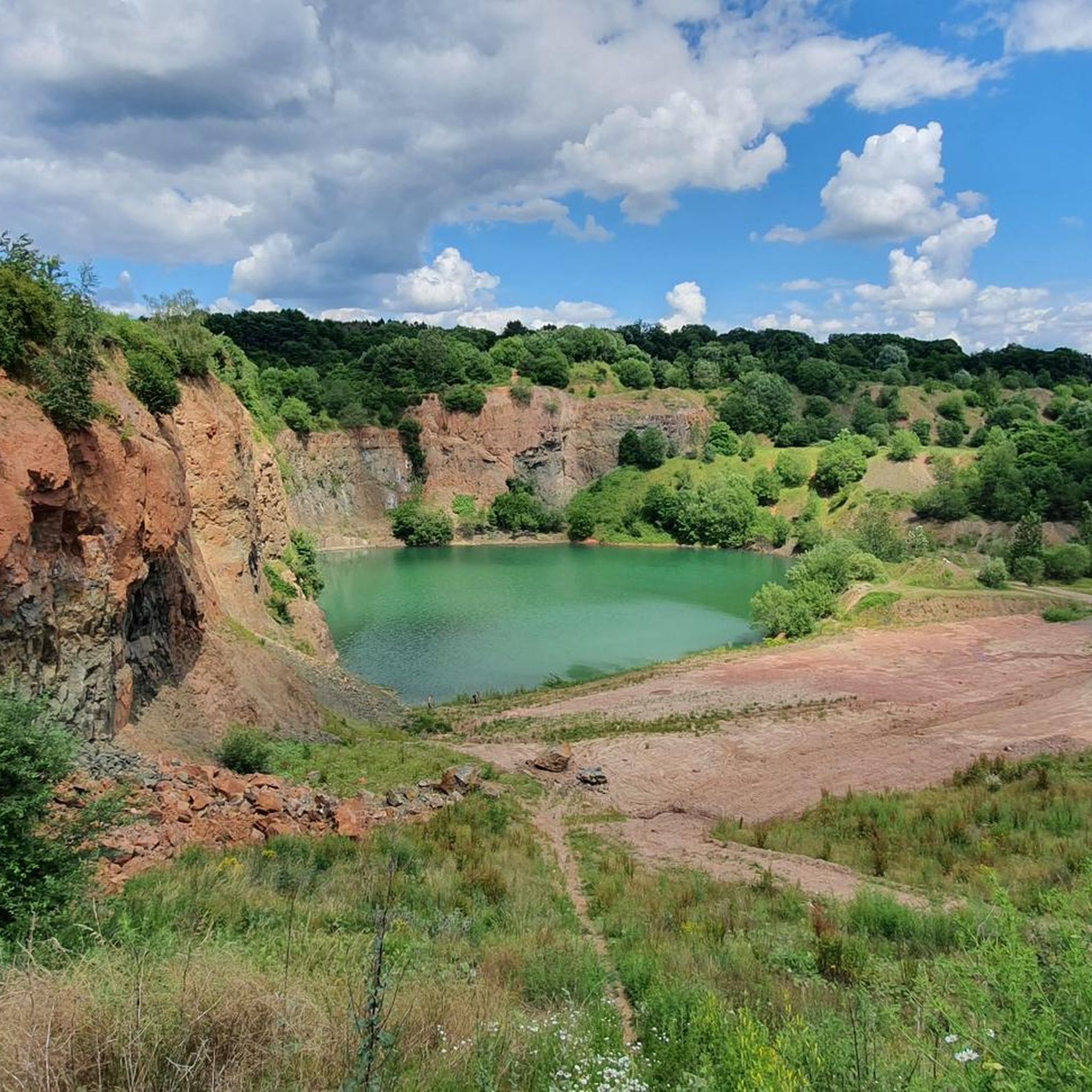
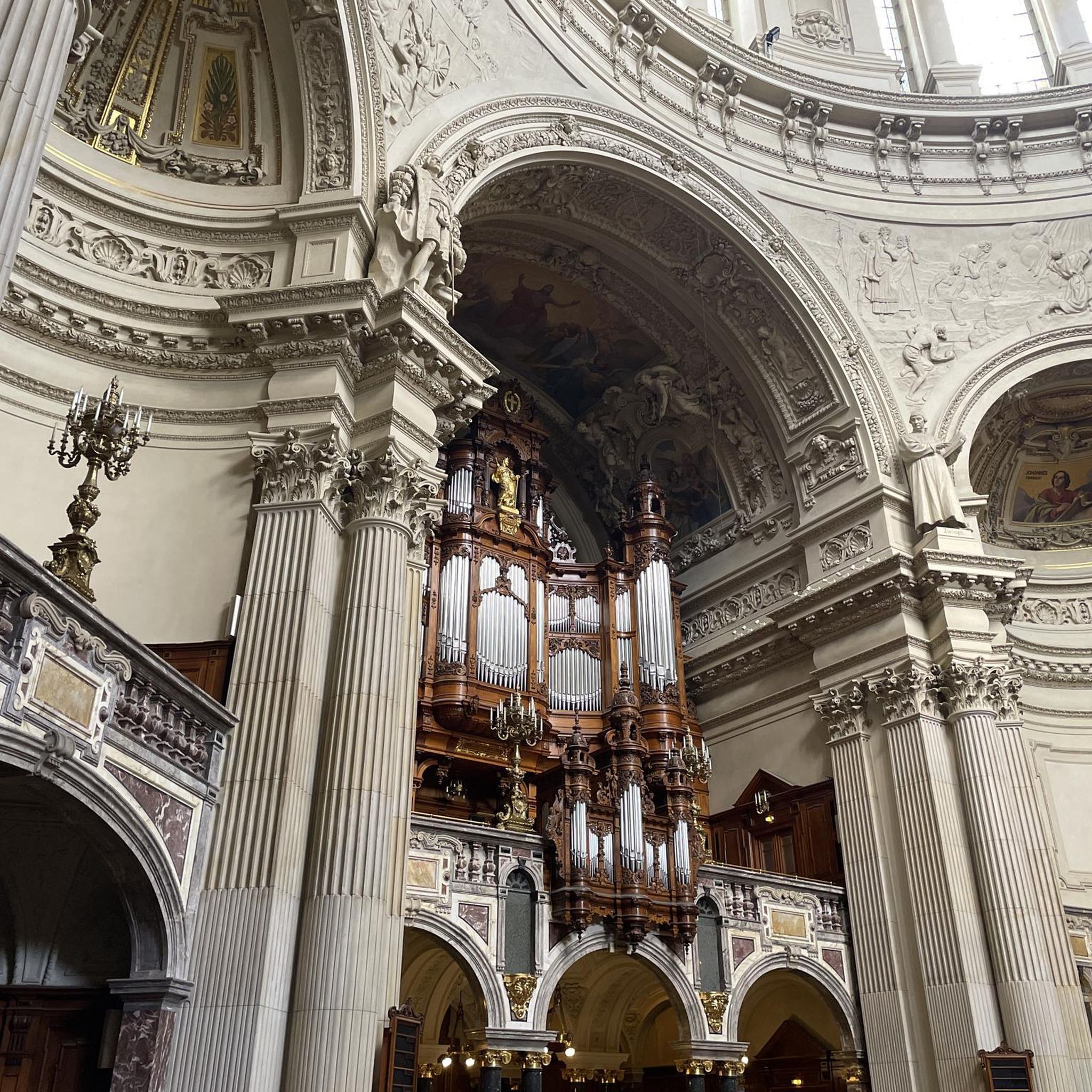
Other adventures around Lebach

Tips from the Community

A bit kitschy, but nicely located.
0
0

The Mariengrotte is located on the Litermont summit tour. See: https://www.wanderinstitut.de/premiumwege/saarland/litermont-gipfel-tour/
0
0

On the Litamont Legend Trail, we learned a lot about mining. And the nice thing here is the walk-through tunnel at this small chapel.
0
0

From the Beckingen side, the wooden footbridge is dilapidated and the bridge over the Kondeler Bach has been demolished. Jump with your bike on your shoulder?
0
0

Beautiful chapel, open on Mondays and you can ring the bell.
0
0

The Litermont Legend Trail (a premium trail) also leads through a tunnel at the copper mine. The start and finish, and therefore the hub of the premium hiking trail "Litermont Legend Trail", is the Düppenweiler copper mine. Rated 60 points by the German Hiking Institute, the approximately 18 km long trail leads around Düppenweiler, but also touches very interesting cultural and natural landscapes in Honzrath, Haustadt and Beckingen. A special feature of this hiking trail is the tunnel experience next to the Barbara Chapel on the Linsenberg. It goes about 50 meters through the narrow tunnel on the copper mine site. Don't worry: the tunnel is illuminated and handicapped accessible. The lighting switches on automatically when you enter. The hiker can thus get an impression of the Düppenweiler tunnel system, which is usually 80 cm wide and up to 200 cm high.⚒👍
0
0

Don't forget your flashlight and possibly waterproof shoes.
0
0

The tunnel is not particularly deep, but with a good flashlight 🔦 very interesting, photos cannot really capture what nature conjures up there. Light, water and webs make the walls glitter. Another tip: the shoes should be waterproof and insensitive. In the middle of the corridor it is very muddy to wet.
0
0
Frequently Asked Questions
What types of caves can I explore near Lebach?
Near Lebach, you can explore a diverse range of sites, including historically significant man-made tunnels like the Kessler's Holes, natural rock formations such as Eichertsfels Cave, and several peaceful religious grottoes like Mariengrotte Piesbach and the Marian Grotto. The region offers a mix of geological interest, local history, and folklore.
Are there any large or historically significant cave systems in the Saarland region near Lebach?
Yes, the most significant are the Schlossberg Caves (Schlossberghöhlen) in Homburg, a short drive from Lebach. These are Europe's largest Buntsandstein (red sandstone) cave system, featuring a labyrinth of medieval mining tunnels beneath Hohenburg Castle ruins. They served various purposes throughout history, including an air-raid shelter during WWII. You can find more information at visitsaarland.co.uk.
What is the historical significance of Kessler's Holes?
Kessler's Holes, near Limbach/Schmelz, are steeped in local folklore. They are associated with the legend of 'Birg-Peter,' a robber baron, and are said to be the exit of his escape tunnel. These 'caves' were actually artificially created about 300 years ago through underground sand extraction, not natural formations.
Are the caves near Lebach suitable for families with children?
Many sites are family-friendly. The Schlossberg Caves in Homburg offer guided tours that are suitable for families, providing an engaging journey through history. Religious grottoes like Mariengrotte Piesbach and the Marian Grotto offer peaceful, accessible spots for reflection. The Chapel at Linsenberg Stollen is also a recommended family-friendly highlight on the Sagenweg trail.
Can I visit the caves near Lebach with my dog?
Yes, dogs are allowed inside the Schlossberg Caves in Homburg, making it a great option for pet owners. For other natural formations or outdoor grottoes, it's generally advisable to keep dogs on a leash, especially if you are combining your visit with hiking trails.
What geological features can be observed in the caves near Lebach?
While the immediate Lebach area features more man-made or smaller natural rock formations, the prominent Schlossberg Caves in Homburg showcase striking yellow and reddish Buntsandstein (red sandstone) colorings. Kessler's Holes are a result of historical sand extraction, offering a glimpse into human interaction with geological resources.
What is the best time of year to visit the caves around Lebach?
The best time to visit depends on the type of cave. Indoor attractions like the Schlossberg Caves are accessible year-round. For outdoor grottoes and natural rock formations, spring through autumn offers pleasant weather for exploration and combining visits with nearby hiking. Winter visits can also be atmospheric, especially for religious sites, but some less developed areas might be less accessible.
What outdoor activities can I combine with a visit to the caves?
The Lebach region offers various outdoor activities. You can explore nearby cycling routes, such as those found in the Cycling around Lebach guide, or gravel biking trails from the Gravel biking around Lebach guide. There are also numerous running trails, including those listed in the Running Trails around Lebach guide, which can lead you through forests and past natural landmarks.
Are there hiking trails near the caves around Lebach?
Yes, many caves and grottoes are located along or near hiking trails. For instance, the Chapel at Linsenberg Stollen is a highlight on the Sagenweg trail. Combining a visit to the Schlossberg Caves with a walk around the Hohenburg Castle ruins above offers a comprehensive historical outing with spectacular views. You can find more hiking options in the various komoot guides for the region.
What do visitors enjoy most about the caves and grottoes near Lebach?
Visitors appreciate the unique blend of history, nature, and tranquility. Highlights like Mariengrotte Piesbach are praised for being 'quite generous facilities' and 'beautiful places of worship' that invite rest and reflection. The Chapel at Linsenberg Stollen is noted as a 'nice highlight on the tour' with views of old copper mines, offering a glimpse into the region's industrial past.
Are there any hidden or less-known caves to explore near Lebach?
Beyond the more prominent sites, the region has smaller, less developed formations. For example, the Hääreloch (Heidenloch) near St. Ingbert is a low, roughly thirty-meter-long rock cave with historical folklore. While some parts of Kessler's Holes have been walled up for security, the entrance area still offers a glimpse into a more rugged caving experience.
What are the parking options for visiting caves near Lebach?
Parking availability varies by location. For major attractions like the Schlossberg Caves in Homburg, designated parking areas are typically available. For smaller grottoes or natural formations, parking might be found at nearby trailheads or in local villages. It's advisable to check specific location details before your visit.
Most popular routes around Lebach
Most popular attractions around Lebach

Get inspired with the komoot mobile app


Explore more
Extend your search for the best caves by checking out these guides of the top ones around Lebach:
