Top 4 Caves around Kusel
Best caves around Kusel offer a blend of natural rock formations and historical man-made tunnels. The region features sites with geological significance and rich local folklore. Visitors can explore a variety of underground environments, from ancient natural monuments to former mining operations. These locations provide insights into both the natural landscape and the area's industrial past.
Best caves around Kusel
- The most popular caves is Freifrauen Cave (Fri-Fra Hole), a cave and natural monument offering a great view. It…
Last updated: June 26, 2026
Wildfrauenloch (Wild Women's Cave)
Highlight • Cave
It is said that the Huns left a woman of unusual size and …
Translated by Google •
Tip by

Pfälzer Mut Mine Tunnel
Highlight • Historical Site
Mercury; Created in the middle of the 18th century under the name Grube Bruderhorn, from 1773 a new beginning under the name Palatinate Muth; provisional end …
Translated by Google •
Tip by

Sign up now to discover places like this
Get recommendations on the best single tracks, peaks, & plenty of other exciting outdoor places.
Sign up for free
Freifrauen Cave (Fri-Fra Hole)
Highlight • Cave
Translated by Google •
Tip by

Cave of Death (Mercury Tunnel)
Highlight • Cave
Translated by Google •
Tip by

Start today with a free account
Your next adventure awaits.
Login or Signup
Popular around Kusel
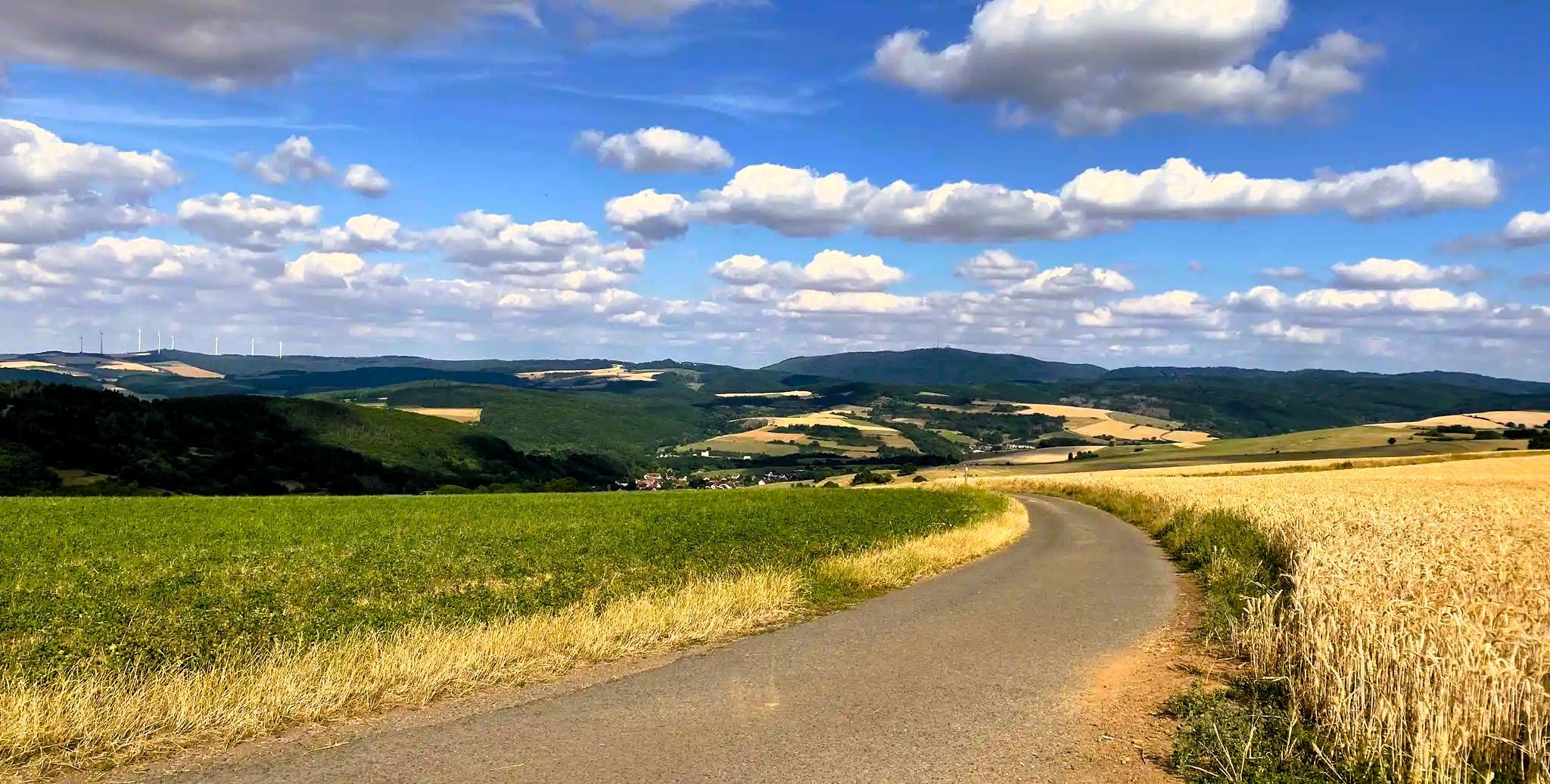
Palatinate High Route – Hike a hidden gem in Southwest Germany
On the trail of the Red Beard – Barbarossa Cycle Route
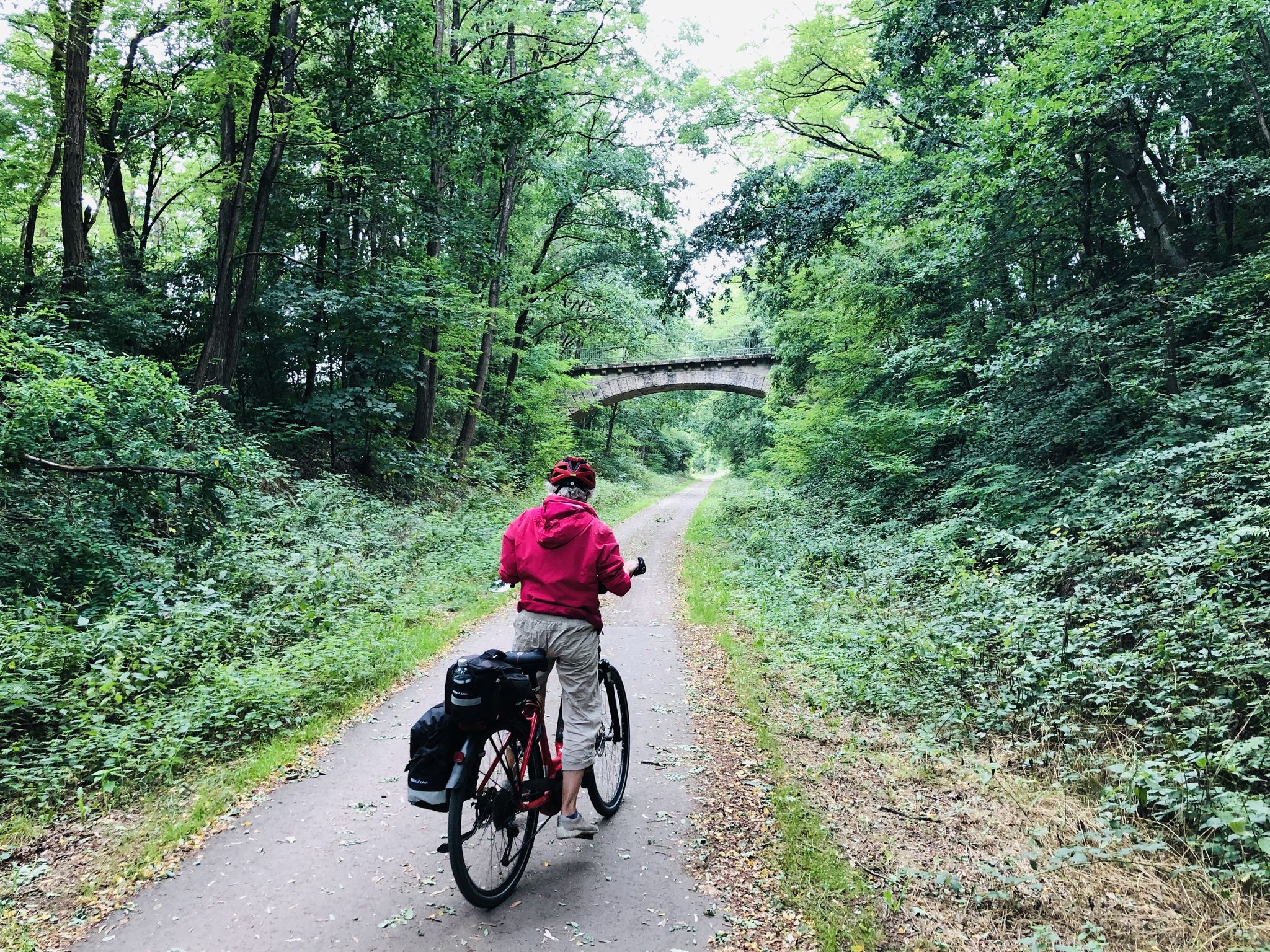
Riding railway tracks — cycling in Germany’s Pfälzer Bergland
The Glan-Blies cycle path - in 5 stages from Saarland to the Palatinate
The most beautiful bike rides in the Sankt Wendeler Land

Palatinate hiking menu - immersive day hikes
Pfälzer hiking menu — multi day hikes
Cycling around Kusel
Hiking around Kusel
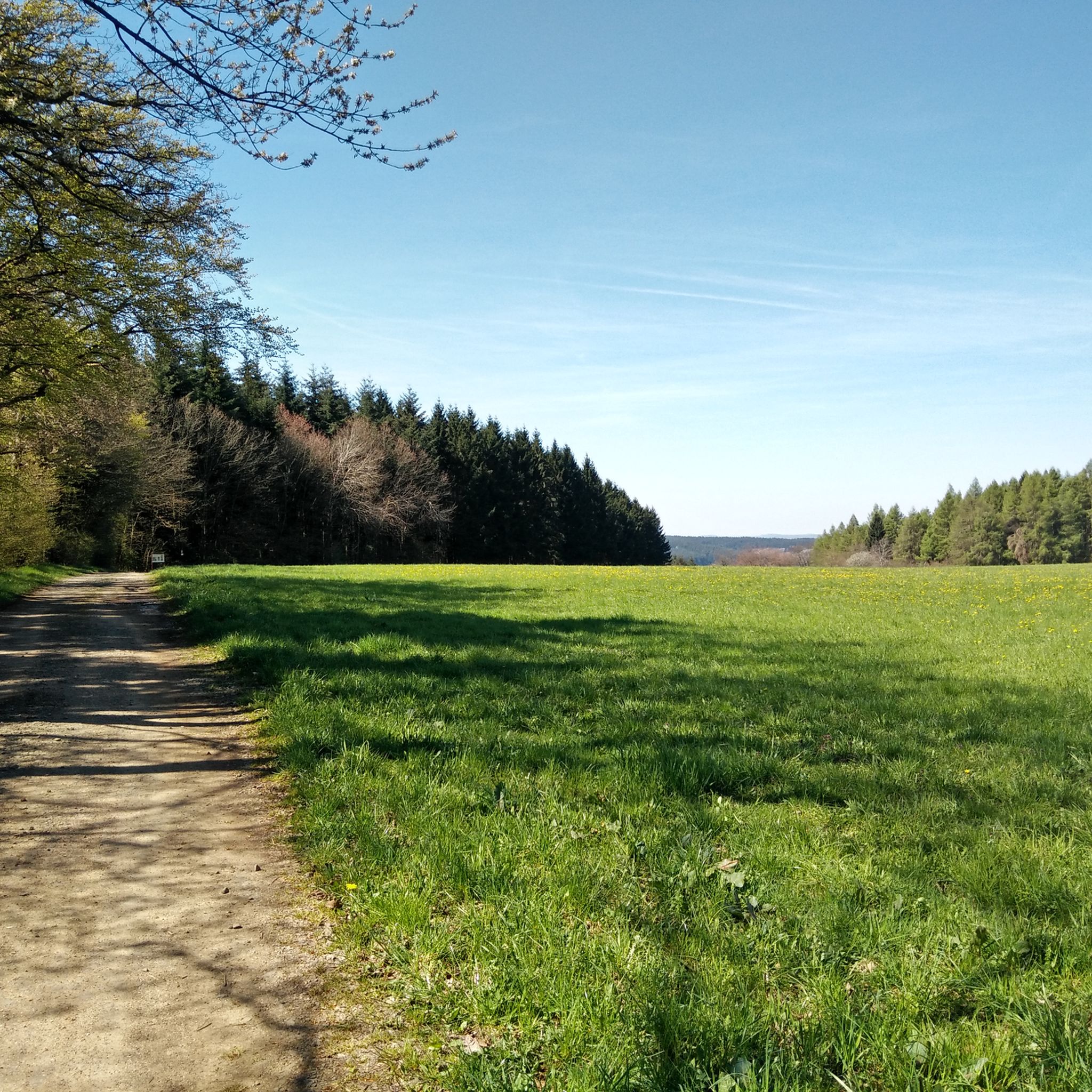
MTB Trails around Kusel
Other adventures around Kusel


Tips from the Community

☠️ Cueva de la Muerte – the deadly mercury tunnel Tucked away in the hillside is this former tunnel, once used to extract mercury, now known as the "Cave of Death." Poisonous gas (including mercury vapor) constantly escapes from within, making the cave extremely dangerous. A fascinating, yet threatening, site of geological and historical significance. Tip: Never enter! Even a few breaths in the tunnel can be life-threatening. Observe only from a safe distance and treat the area with respect.
1
3

𝗪𝗶𝗹𝗱𝗳𝗿𝗮𝘂𝗲𝗻𝗹𝗼𝗰𝗵 In the early days, the Wildfrauenloch was associated with the goddesses of the Celts. As a rule, these were holy places where homage was paid to these gods. Since then, many stories and legends have grown up around them. So also the legend of the wild woman in Baumholder: After the defeat of the Huns on the Catalaunian fields, they withdrew to Hungary. They are said to have left a Hun woman of unusual size and wildness in this area, also called "wild woman". Their weapons are said to have been a crooked Hun dagger and a mace. Their food consisted of berries, roots, herbs and the raw meat of slain deer, stags, boars and wolves, which they pounded tender between two stones. She was not only considered a bold robber, but also a scary cannibal. However, the men could not catch them even with combined strength. Because in the event of an attack - according to tradition - she simply closed her cave with a heavy boulder so that nobody could move it. Source: text information board
2
0

Not so easy to find from above. Over the take-off hill, take the narrow, winding path down! Lovely picnic spot with a view and a lovely story about the Fri-Fra Loch!
3
0

Palatinate courage tunnel, one is accessible. Don't forget your flashlight. 😊
1
0


Interesting history. Supposedly a geocache, but couldn’t find it
1
0
Can’t see much other than the mine door, but some interesting history, and worth a look
1
0

Hello, can you go in there without a tour or something like that?
1
0
Frequently Asked Questions
What types of caves can I explore around Kusel?
The Kusel region offers a mix of natural rock formations and historical man-made tunnels. You can find natural monuments like the Wildfrauenloch (Wild Women's Cave), known for its local legends, and historical sites such as the Pfälzer Mut Mine Tunnel, which was once a mercury mine.
Are there any significant man-made cave systems near Kusel?
Yes, a short drive from Kusel in Homburg, you can find the Schlossberghöhlen. These are recognized as Europe's largest man-made red sandstone cave system, originally created for quartz sand extraction. They offer a unique insight into geological formations and have significant historical importance, serving as a shelter during WWII.
What historical insights can I gain from visiting the caves in the Kusel area?
Many caves in the region have rich historical connections. The Pfälzer Mut Mine Tunnel, for instance, was an 18th-century mercury mine. The Schlossberghöhlen in Homburg were used for mining and later as air-raid shelters during World War II, with an impressive bunker area connected to them.
Are there any caves around Kusel that are associated with local legends or folklore?
Absolutely. The Wildfrauenloch (Wild Women's Cave) is deeply entwined with local stories and legends, including tales of a fierce woman left behind by the Huns. Similarly, the Freifrauen Cave (Fri-Fra Hole) also has a lovely local story associated with it.
What are the geological features of the caves in this region?
The natural caves like Wildfrauenloch are rock caves nestled within the forest. The Schlossberghöhlen in Homburg are carved through red sandstone, displaying striking yellow, red, and yellowish-red hues, and offer insights into the formation period of the Bunter sandstone from approximately 250 million years ago, including fossilized ripple marks.
Are there any family-friendly caves or activities suitable for children?
While specific 'family_friendly' categories aren't listed for all caves, the Wildfrauenloch has a circular path, making it accessible for a walk with children. The Schlossberghöhlen in Homburg offer guided tours and a unique underground experience that can be engaging for families, though helmets are required for safety.
What outdoor activities can I combine with a visit to the caves around Kusel?
The region around Kusel is excellent for outdoor activities. You can find numerous hiking trails, including those around the Wildfrauenloch. For more options, explore the various routes in the Hiking around Kusel or Easy hikes around Kusel guides. There are also MTB Trails around Kusel for cycling enthusiasts.
Are there any caves that require special precautions or should not be entered?
Yes, the Cave of Death (Mercury Tunnel) is extremely dangerous and should never be entered. Poisonous gas, including mercury vapor, constantly escapes from within, making it life-threatening. It is crucial to observe this site only from a safe distance and treat the area with respect.
What should I bring when exploring the mine tunnels?
For historical mine tunnels like the Pfälzer Mut Mine Tunnel, a flashlight is essential due to the dark conditions. If visiting the Schlossberghöhlen in Homburg, helmets are provided and required for safety.
What is the typical temperature inside the caves?
For the Schlossberghöhlen in Homburg, the temperature inside remains a constant 10°C (50°F) year-round. This makes them a cool retreat in summer and a mild escape in winter. For natural rock caves, temperatures may vary more with external conditions but are generally cooler than outside.
Are there guided tours available for any of the caves?
Yes, guided tours are available for the Schlossberghöhlen in Homburg, including in English. These tours offer detailed insights into the caves' history and geology, enhancing the visitor experience.
Can I find viewpoints or picnic spots near the caves?
Yes, the Freifrauen Cave (Fri-Fra Hole) is known as a lovely picnic spot with a great view. Above the Schlossberghöhlen in Homburg, the ruins of Hohenburg Castle offer spectacular views over Homburg, complementing the underground exploration.
Most popular routes around Kusel
Most popular attractions around Kusel

Get inspired with the komoot mobile app


Didn’t find what you were looking for?
Discover more caves around Kusel region by region:
Explore more
Extend your search for the best caves by checking out these guides of the top ones around Kusel:
