Top 20 Lakes around Lüneburg
Best lakes around Lüneburg are situated in a region characterized by its diverse natural landscape, including the Lüneburg Heath. The area features a mix of forests, heathlands, and numerous water bodies. Many lakes here are former quarries or natural formations, contributing to varied recreational opportunities. This landscape provides a setting for outdoor activities such as hiking, cycling, and water sports.
Best lakes around Lüneburg
- The most popular lakes is View of the ponds near Bockelsberg, a lake and natural…
Last updated: August 19, 2026
Marxener Paradise
Highlight • Natural Monument
Translated by Google •
Tip by

Lopau Lake
Highlight • Lake
Translated by Google •
Tip by

Sign up now to discover places like this
Get recommendations on the best single tracks, peaks, & plenty of other exciting outdoor places.
Sign up for free
Kieselgur Ponds with Picnic Area
Highlight • Lake
Translated by Google •
Tip by

Barumer Lake
Highlight • Lake
Translated by Google •
Tip by
Kreideberg Lake
Highlight • Lake
Translated by Google •
Tip by

Frog Pond in Lüneburg Heath Nature Park
Highlight • Lake
Translated by Google •
Tip by
Osterbach Pond
Highlight • Lake
Translated by Google •
Tip by

Island Lake
Highlight • Lake
Translated by Google •
Tip by
Rest area at the Radbruch fish pond
Highlight • Lake
Translated by Google •
Tip by

Fehlingsbleck Nature Reserve
Highlight • Lake
Translated by Google •
Tip by
Sign up for free to discover even more lakes around Lüneburg.
Sign up for free
Already have an account?
Start today with a free account
Your next adventure awaits.
Login or Signup
Popular around Lüneburg
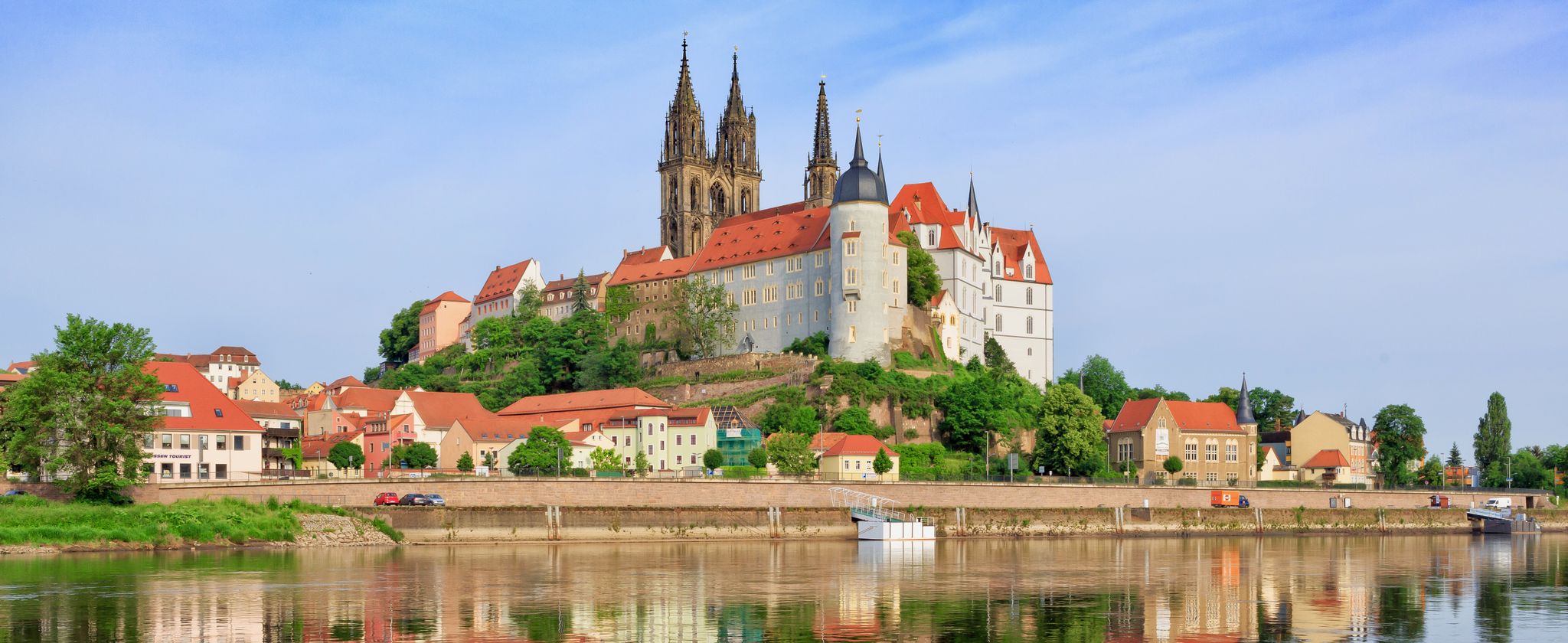
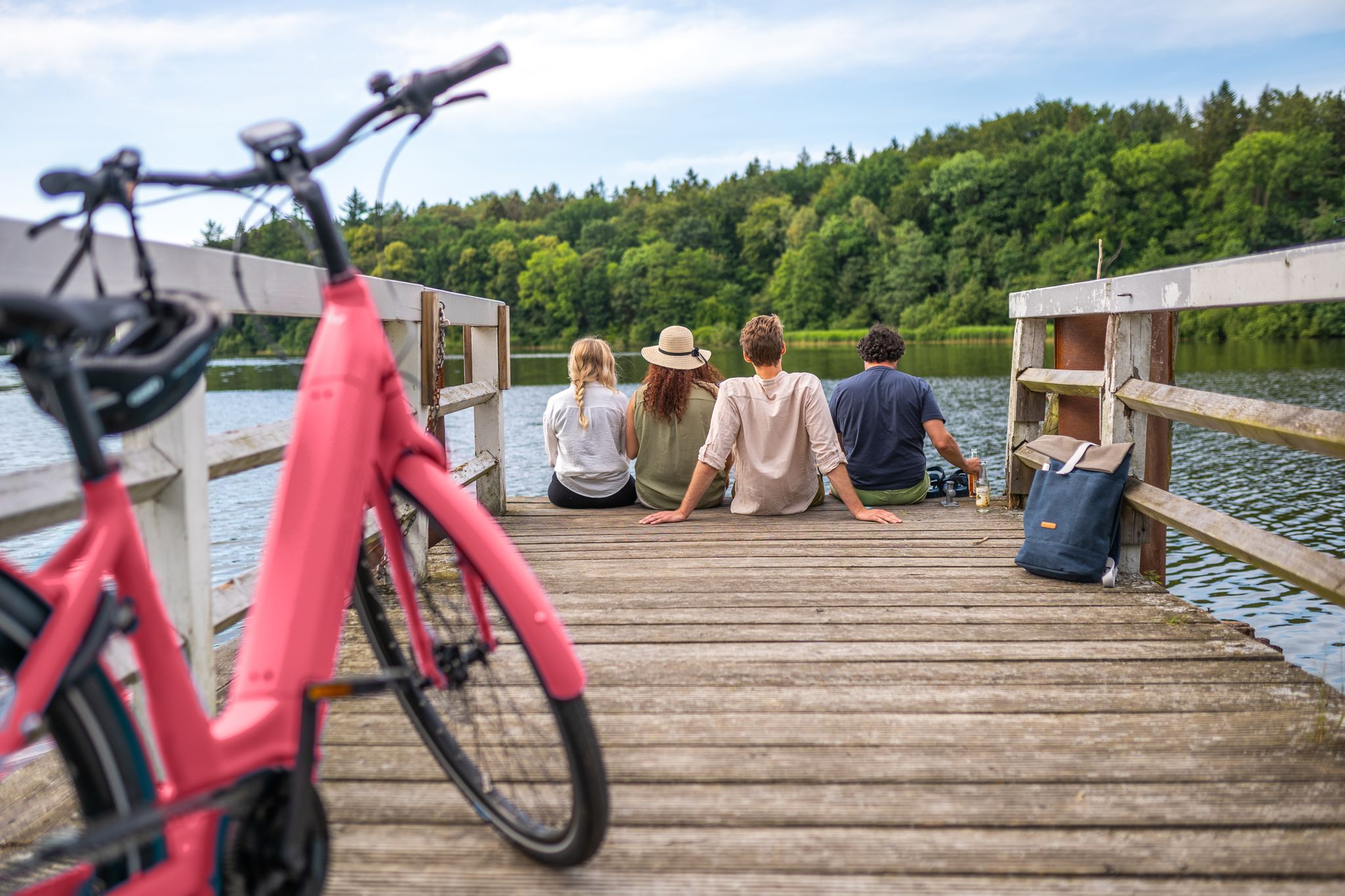
The Elbe Cycle Path — cross-border cycling pleasure
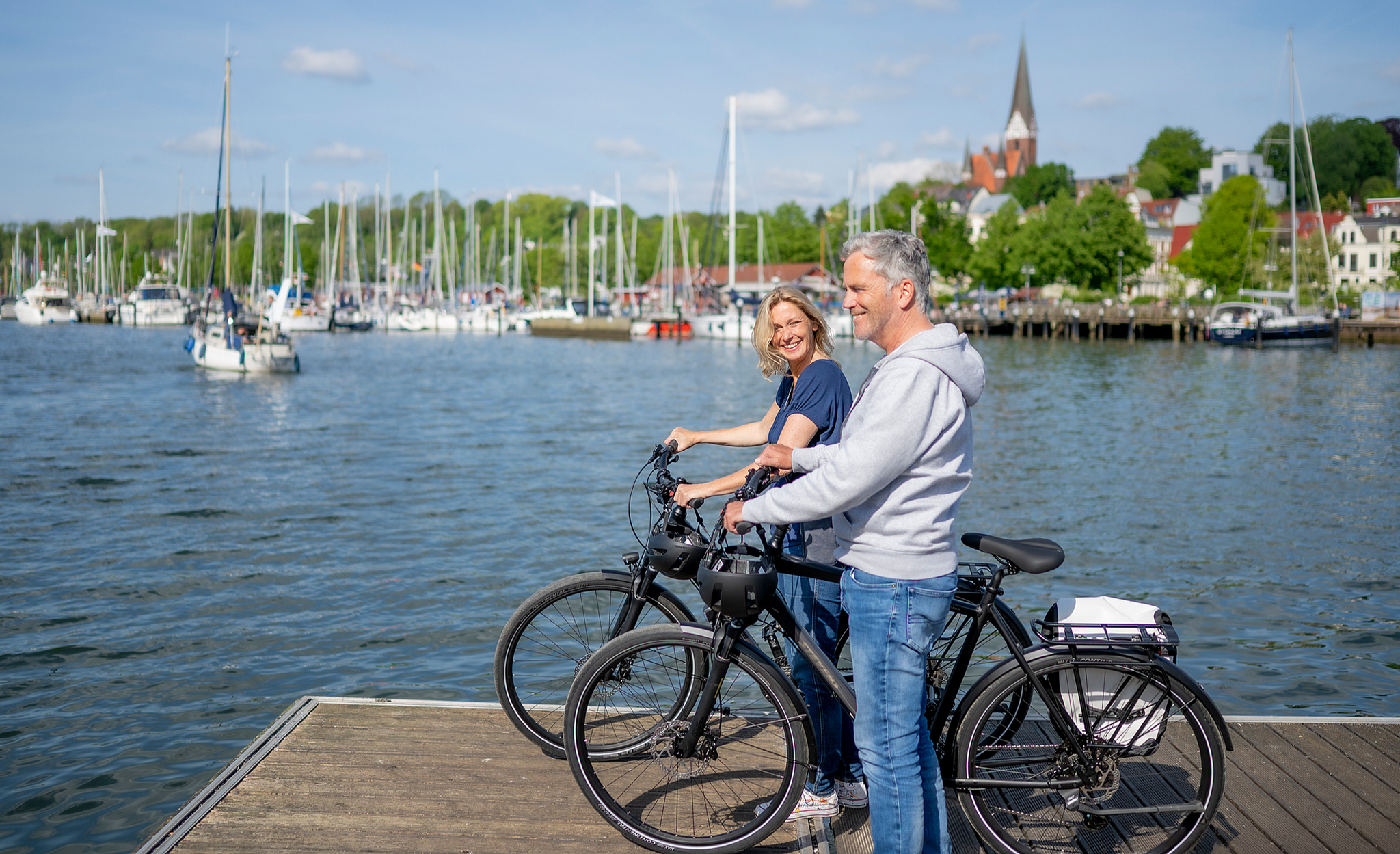
Erlebniskilometer in Schleswig-Holstein – Natur & Geschichte
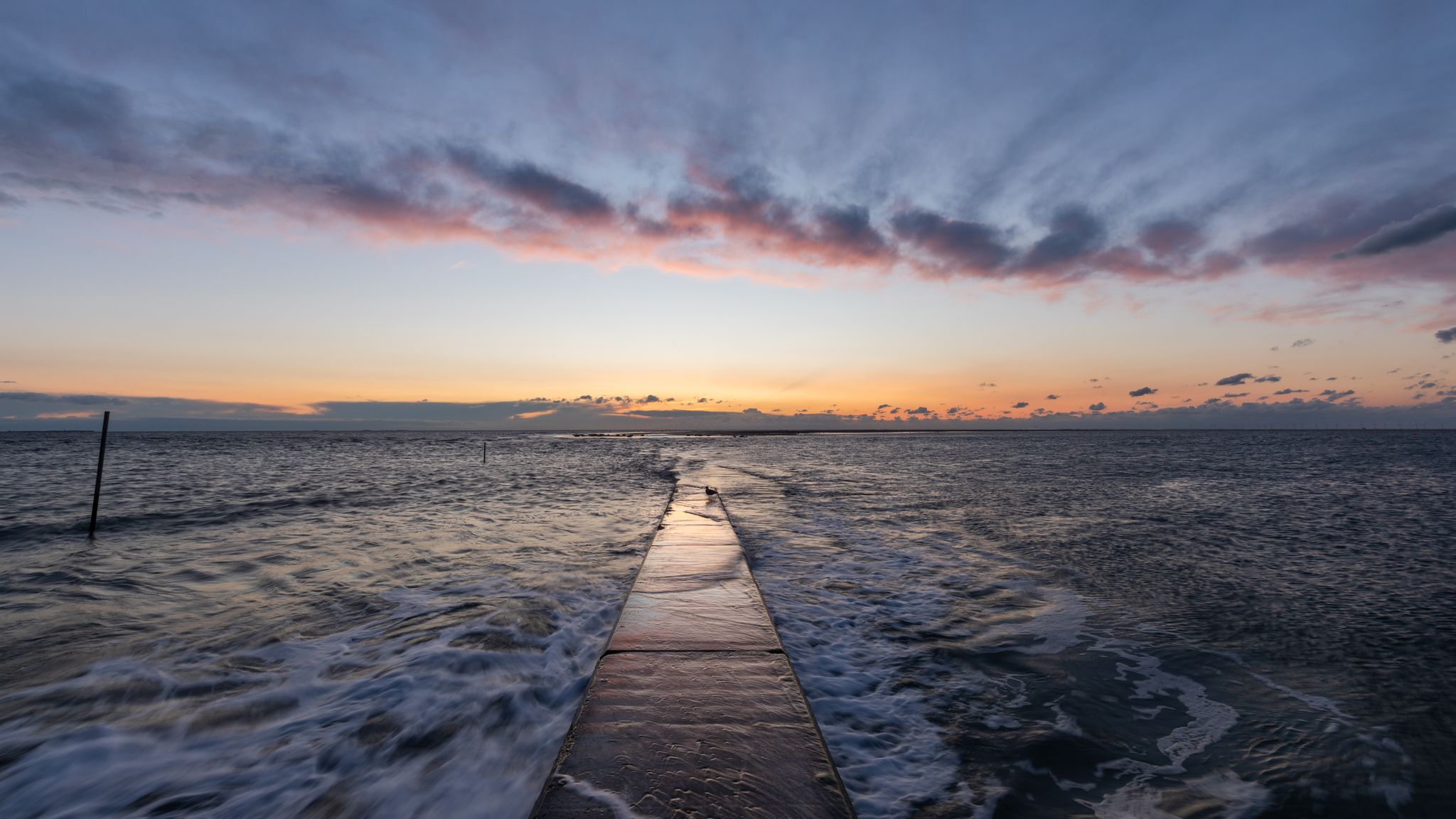
The National Natural Landscapes in Niedersachsen
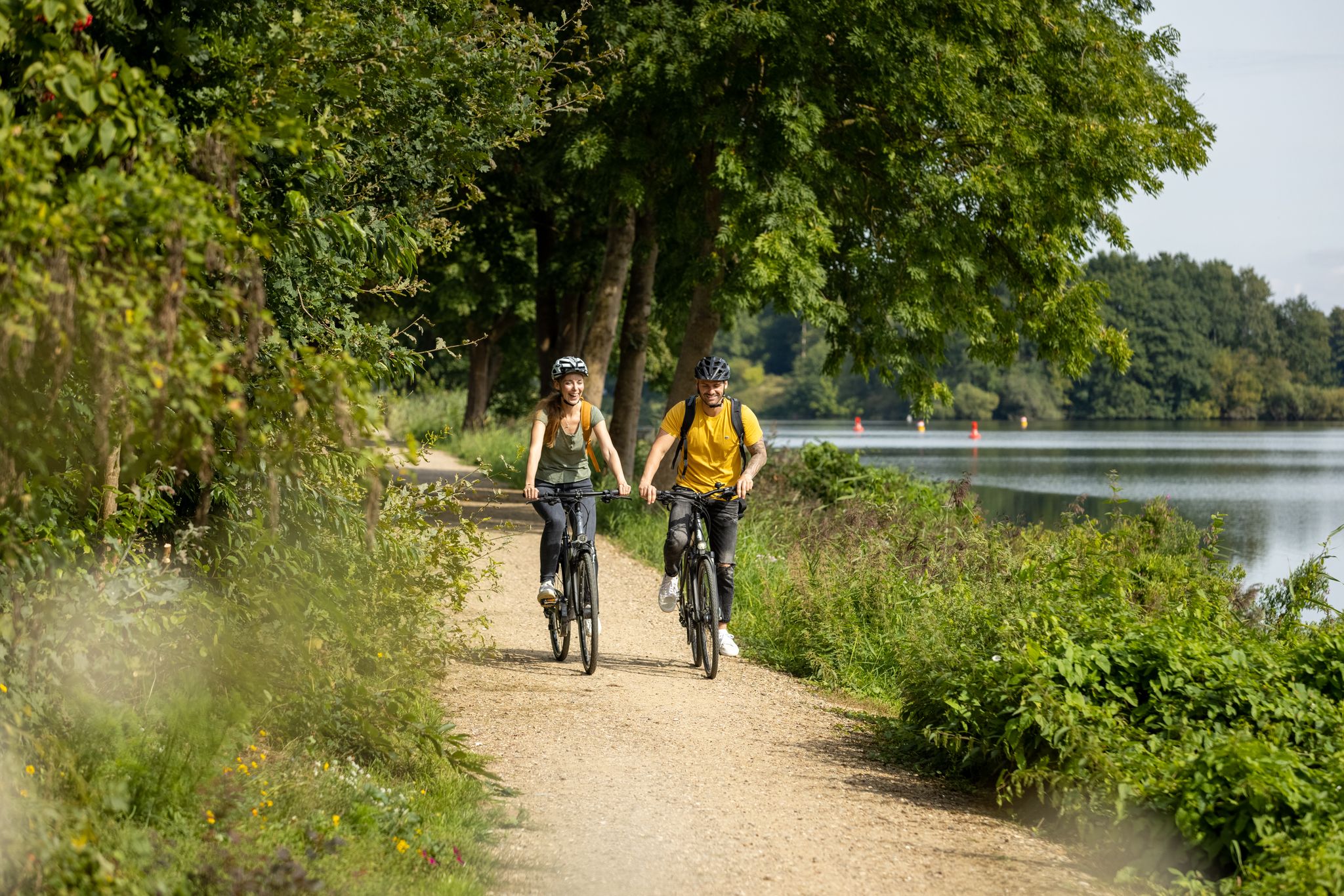
Cycling on the trail of the Hanse – The Old Salt Road
2,919 kilometres of adventure – cycling trails in Schleswig-Holstein
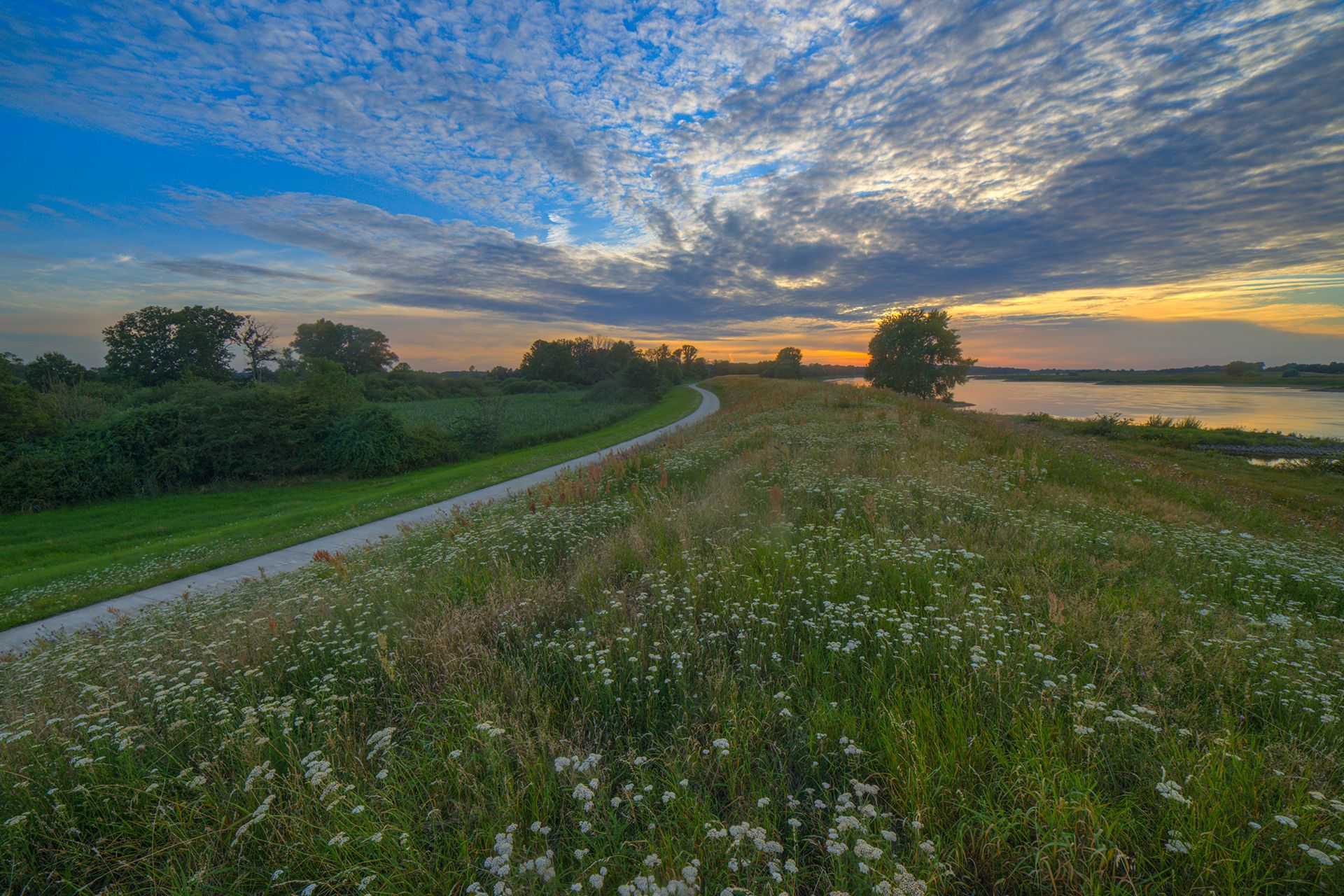
D-Route 10: Elbe Cycle Route
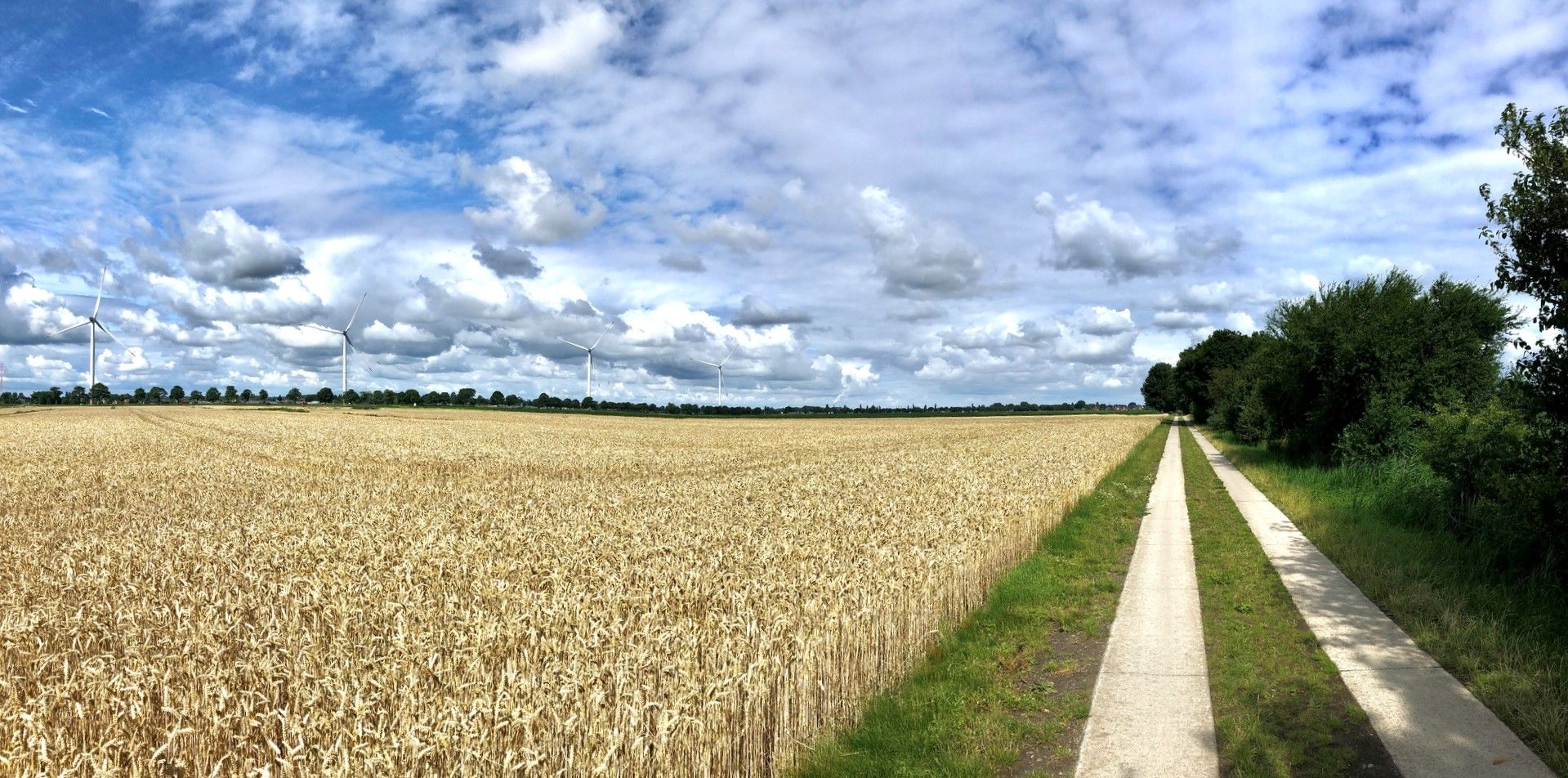
Island riding along the coast – Hamburg-Rügen Cycle Route
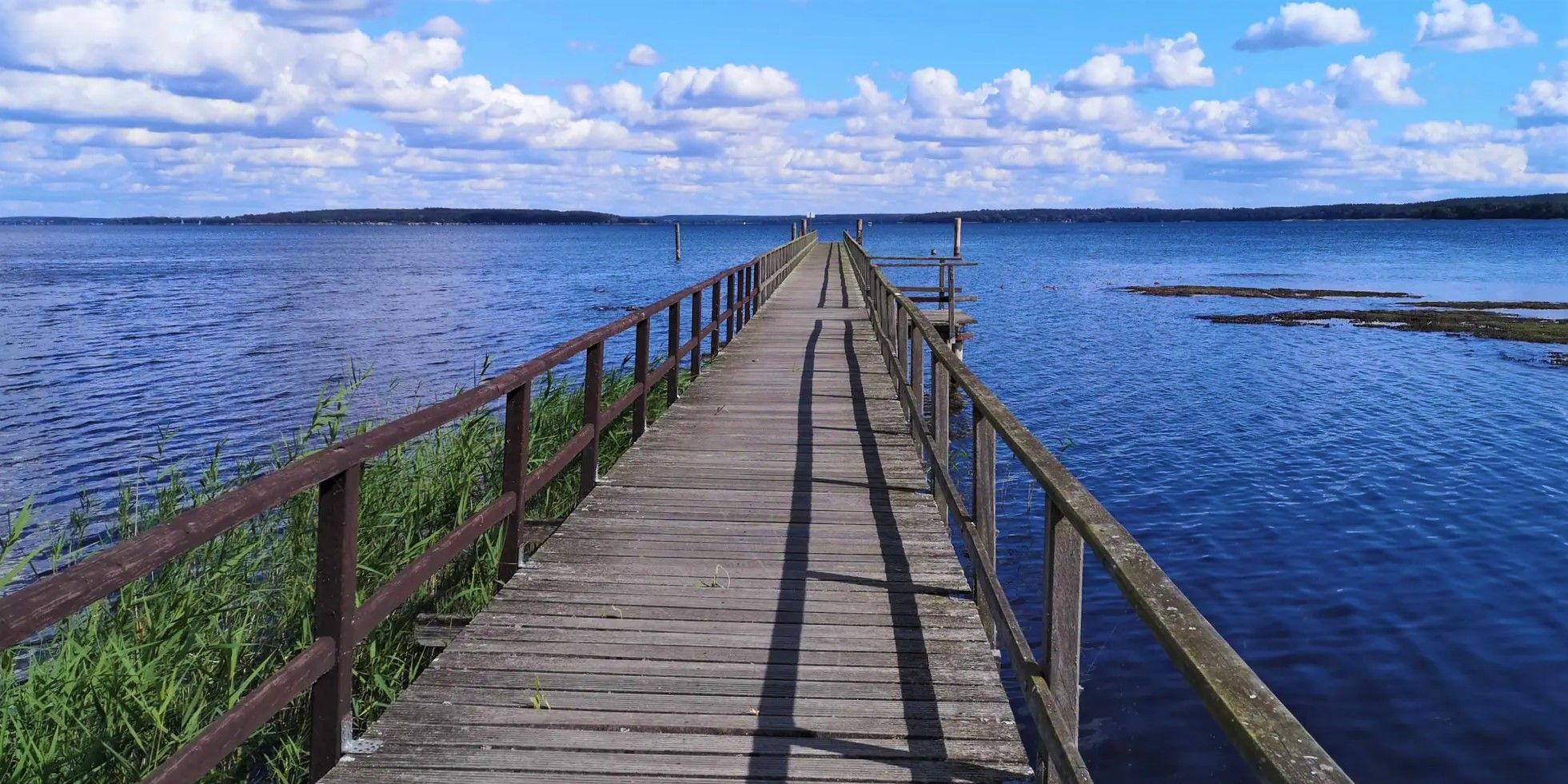
Cycling and swimming fun – Mecklenburg Lakes Cycle Route
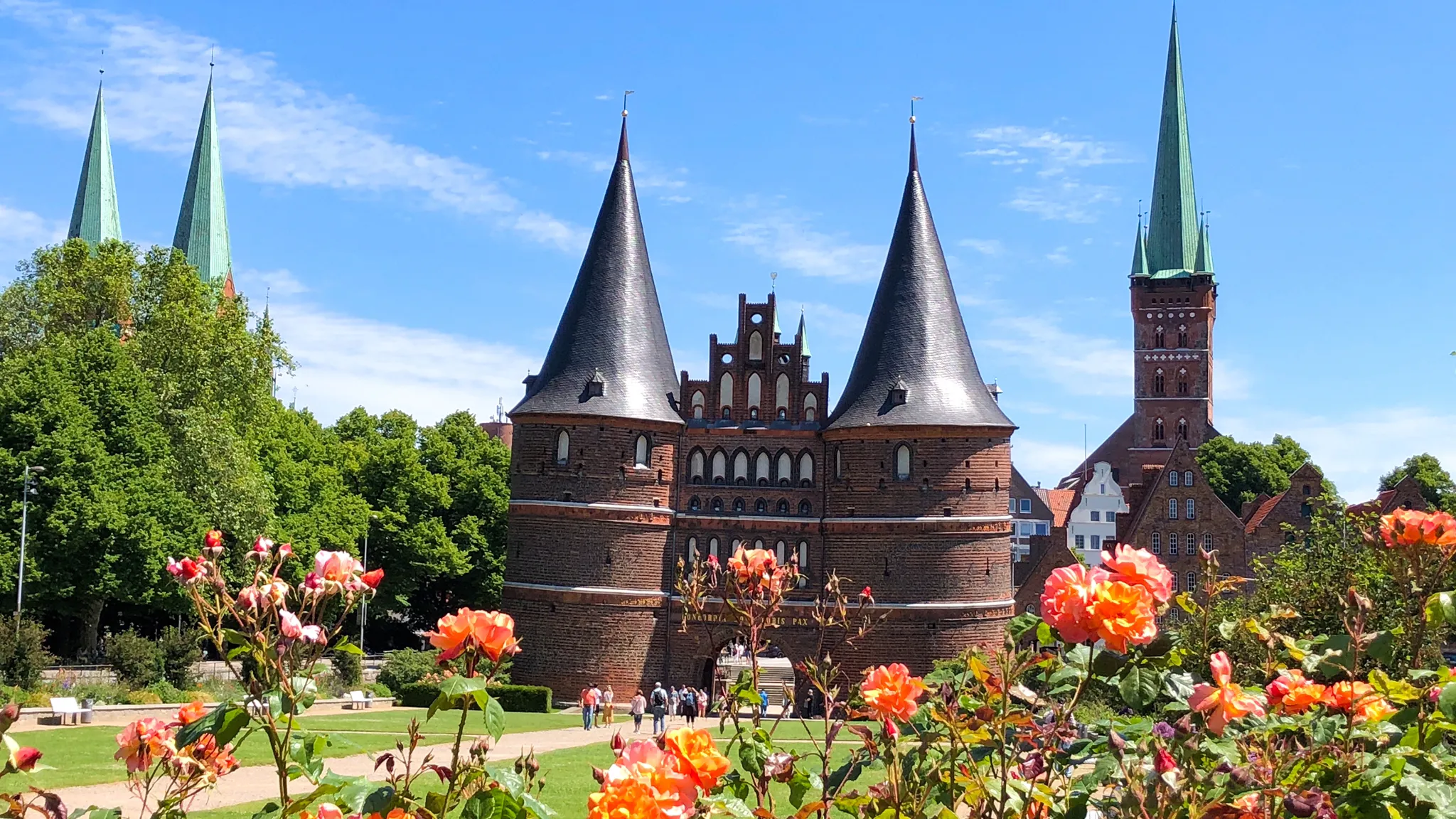
On the footsteps of the Hanseatic League - the Alte Salzstraße
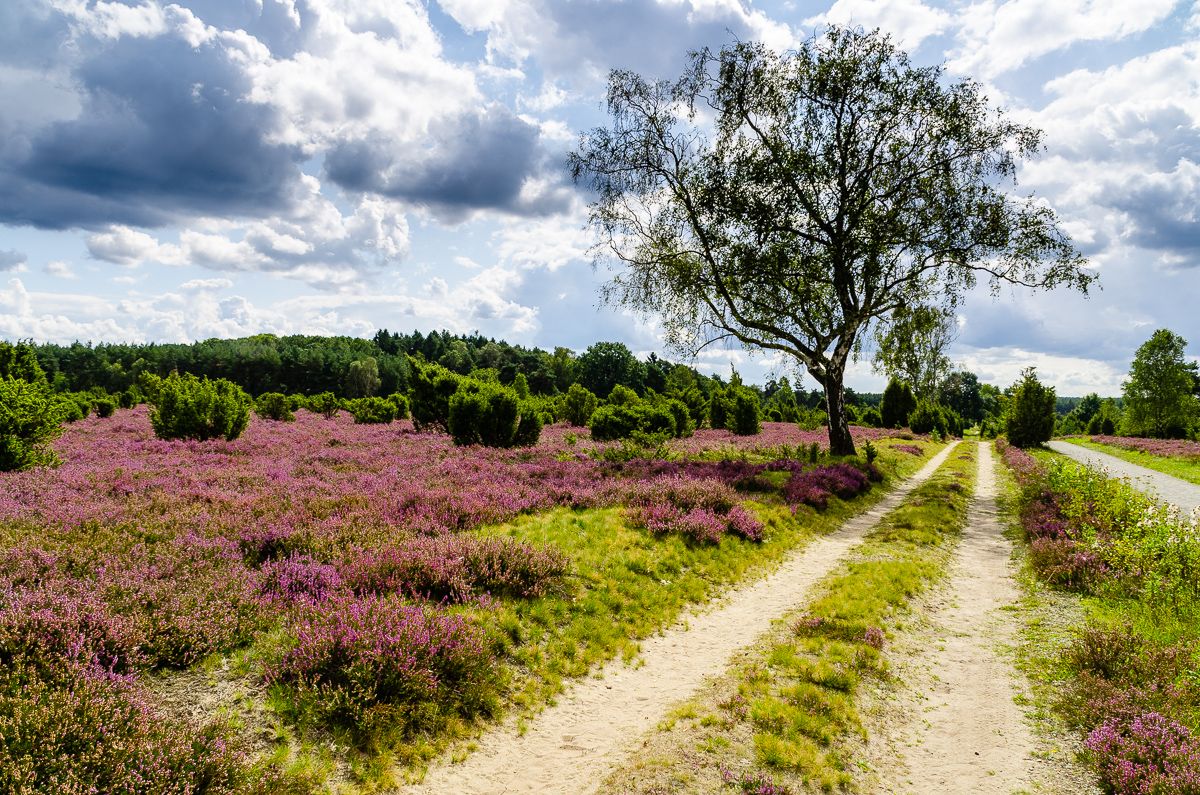
Purple heather and pale grey gravel — Lüneburg Heath by bike
Other adventures around Lüneburg


Tips from the Community


The Kreidesee in Lüneburg (also called Kreidebergsee) is a former gypsum and limestone quarry that has developed into a popular local recreation area north of the city center. It is known for its depth of up to 30 meters, the impressive white limestone cliffs, and valuable salt flora, but swimming is prohibited for safety reasons. The Kreidesee is very ideal for walks and geology enthusiasts. The lake originated from a former gypsum and limestone quarry. It is located north of Lüneburg's city center, in the Kreideberg district. It is up to 30 meters deep. It impresses with its unique feature, up to 30-meter-high white limestone steep walls, and hosts a rare salt flora, which is due to its proximity to the Lüneburg salt dome. You can enjoy wonderful walks and hikes here. There are paths around the lake that also lead through the allotment garden district and offer panoramic views of Lüneburg. Benches are available. A visit is recommended.
7
0


A very beautiful place to pause and observe nature.
0
0

The "Legendary Hünenweg" also runs along this path. All information about the circular trail can be found at the following link: https://www.lueneburger-heide.de/natur/touren/14004/oldendorf-luhe-wanderweg-sagenhafter-huenenweg-rundweg-13-km.html (as of September 4, 2025).
0
1
The "Legendary Hünenweg" also runs along this path. All information about the circular trail can be found at the following link: https://www.lueneburger-heide.de/natur/touren/14004/oldendorf-luhe-wanderweg-sagenhafter-huenenweg-rundweg-13-km.html (as of September 4, 2025).
0
1

The Kreidebergsee was created by the extraction of chalk and gypsum, which, alongside salt mining, has been of enormous importance in Lüneburg for centuries. From 1838 onwards, the chalk quarry was expanded to include a high-performance lime kiln as part of its industrial use. Thanks to its abundant raw materials, which were largely used for house construction and in agriculture at the time, the lime kiln was very successful. Around the turn of the century, jobs could be created for 300 to 400 people. Thus, the lime kiln was considered the largest employer of its time. In 1963, chalk and gypsum extraction in the area was discontinued because the operation had no longer been economically viable for several years. In addition, more and more residential areas were being built near the area, which is why the citizens felt disturbed by the lime kiln. Subsequently, the water pumps were shut down and the pit slowly filled up to groundwater level. The resulting lake was then used as a landfill for waste and construction debris until 1983, until it was developed into a local recreation area. Source: https://www.luenepedia.de/wiki/Kreidebergsee
1
0

Diatomaceous earth was created by open-cast mining until the mid-20th century. Diatomaceous earth is a whitish substance derived from the shells of diatoms, which are the main component of marine plankton. They range in size from 10 to several hundred micrometers. Diatomaceous earth was used to produce shock-resistant and portable dynamite from nitroglycerin, which explodes when shaken.
1
1
Frequently Asked Questions
Which lakes around Lüneburg are suitable for swimming?
For a refreshing swim, consider Barumer Lake, which is praised as a great location during summer. The Island Lake (Inselsee) is another excellent choice, known for its good water quality and sandy beach, with DLRG monitoring on weekends. Further afield, Eichbaumsee and Brunausee also offer swimming opportunities.
Are there family-friendly lakes with activities for children?
Yes, several lakes are great for families. Lopau Lake offers pedal boat rentals and a balance path. The Kieselgur Ponds with Picnic Area provide facilities for a pleasant family outing. Additionally, the Frog Pond in Lüneburg Heath Nature Park is highlighted as a place where families can easily spend an entire day. Brunausee, located a bit further out, also features a playground and camping site.
What kind of natural features can I expect to see at the lakes around Lüneburg?
The lakes offer diverse natural beauty. At View of the ponds near Bockelsberg, you can observe various water birds and wildlife in ponds created as part of a reforestation initiative. Marxener Paradise, a product of the last ice age, features a unique combination of hills, valleys, heath, juniper, and a central pond. Kreidesee (Chalk Lake) is notable for its impressive white limestone cliffs and unique salt-tolerant flora, though swimming is prohibited.
Can I go hiking or walking around the lakes?
Absolutely! Many lakes offer pleasant walking and hiking opportunities. Lopau Lake has a 2.2 km circular path perfect for a stroll. The Kreidesee, while not for swimming, is excellent for walks. For more extensive hiking, you can explore routes like the 'Queen's Trail' or the 'Marxener Paradise – Confluence of Lopau and Luhe loop', which are part of the broader hiking guide for Lüneburg.
Are there any unique or historically significant lakes in the region?
Yes, the region boasts lakes with interesting origins. Marxener Paradise is a natural monument formed during the last ice age, creating a distinctive landscape. The Kreidesee (Chalk Lake) is a former gypsum and limestone quarry, now a deep lake with unique geological features. Sylvester Lake in the Osterheide has a fascinating origin, having been formed by the compaction of subsoil by military machinery after WWII and is fed solely by rainwater.
What outdoor activities can I do near these lakes besides swimming and walking?
Beyond swimming and walking, you can enjoy various outdoor activities. Lopau Lake offers pedal boat rentals. The surrounding area is also popular for cycling. You can find numerous routes for gravel biking and road cycling, such as the 'Ilmenau Riverside Trail' or the 'Old Crane Lüneburg – Artlenburg Windmill loop'.
What do visitors enjoy most about the lakes around Lüneburg?
Visitors frequently appreciate the serene natural beauty and diverse recreational opportunities. Many enjoy the peaceful walks, the chance to observe wildlife, and the refreshing experience of swimming in designated areas. The unique landscapes, from ice-age formations to former quarries, also draw interest, providing a blend of relaxation and exploration.
Are dogs allowed at the lakes around Lüneburg?
While many areas are dog-friendly for walks, specific rules apply to bathing spots. For instance, dogs are generally not permitted in the designated swimming areas at Barumer Lake or Island Lake. However, at Barumer Lake, dogs can cool down about 200m downriver from the bathing area near the car parking spaces. It's always best to check local signage for specific regulations at each lake.
What is the best time of year to visit the lakes around Lüneburg?
The best time to visit depends on your preferred activities. Summer is ideal for swimming and water sports, with lakes like Barumer Lake being particularly popular. Spring and autumn offer pleasant temperatures for hiking and cycling, with beautiful scenery as nature changes. Even winter can be charming for quiet walks around the frozen landscapes.
Are there any lakes that are particularly accessible for wheelchairs or strollers?
Yes, Lopau Lake is noted as being wheelchair accessible, making it a good option for visitors with mobility needs or those with strollers. The circular path around the lake provides an enjoyable and accessible experience.
Where can I find picnic areas or facilities near the lakes?
The Kieselgur Ponds with Picnic Area explicitly offer facilities for picnicking. Many other lakes, such as Lopau Lake and Island Lake, also provide amenities like seating, kiosks, or barbecue areas, especially during peak seasons.
Most popular routes around Lüneburg
Most popular attractions around Lüneburg

Get inspired with the komoot mobile app


Didn’t find what you were looking for?
Find the best lakes around Lüneburg per region:
Explore more
Still not found your perfect lake around Lüneburg? Check out the guides of these regions to see even more beautiful places.
