Top 20 Caves around Herdecke
Best caves around Herdecke are found within the Sauerland region, offering diverse geological features and historical insights. This area is characterized by its natural landscapes and a rich industrial past, particularly in mining. While Herdecke itself does not host prominent natural caves, the surrounding vicinity provides access to notable underground formations. These sites offer a blend of natural beauty and historical significance, reflecting the region's geological and industrial heritage.
Best caves around Herdecke
- The most popular caves is Post-War Mine…
Last updated: June 26, 2026
Grotto at the Source of the Schnodderbach
Highlight • Cave
Translated by Google •
Tip by

Braunschweig Tunnel South Wing
Highlight • Historical Site
de.wikipedia.org/wiki/Zeche_Braunschweig
Translated by Google •
Tip by

Sign up now to discover places like this
Get recommendations on the best single tracks, peaks, & plenty of other exciting outdoor places.
Sign up for free
Western Day Drift Frielinghaus
Highlight • Historical Site
The tunnel began at a depth of 13 m at the St. …
Translated by Google •
Tip by

Dünkelberg Quarry and Nachtigallstollen
Highlight • Natural Monument
Translated by Google •
Tip by

Post-War Mine Tunnel
Highlight • Historical Site
Translated by Google •
Tip by

Sign up for free to discover even more caves around Herdecke.
Sign up for free
Already have an account?
Start today with a free account
Your next adventure awaits.
Login or Signup
Popular around Herdecke
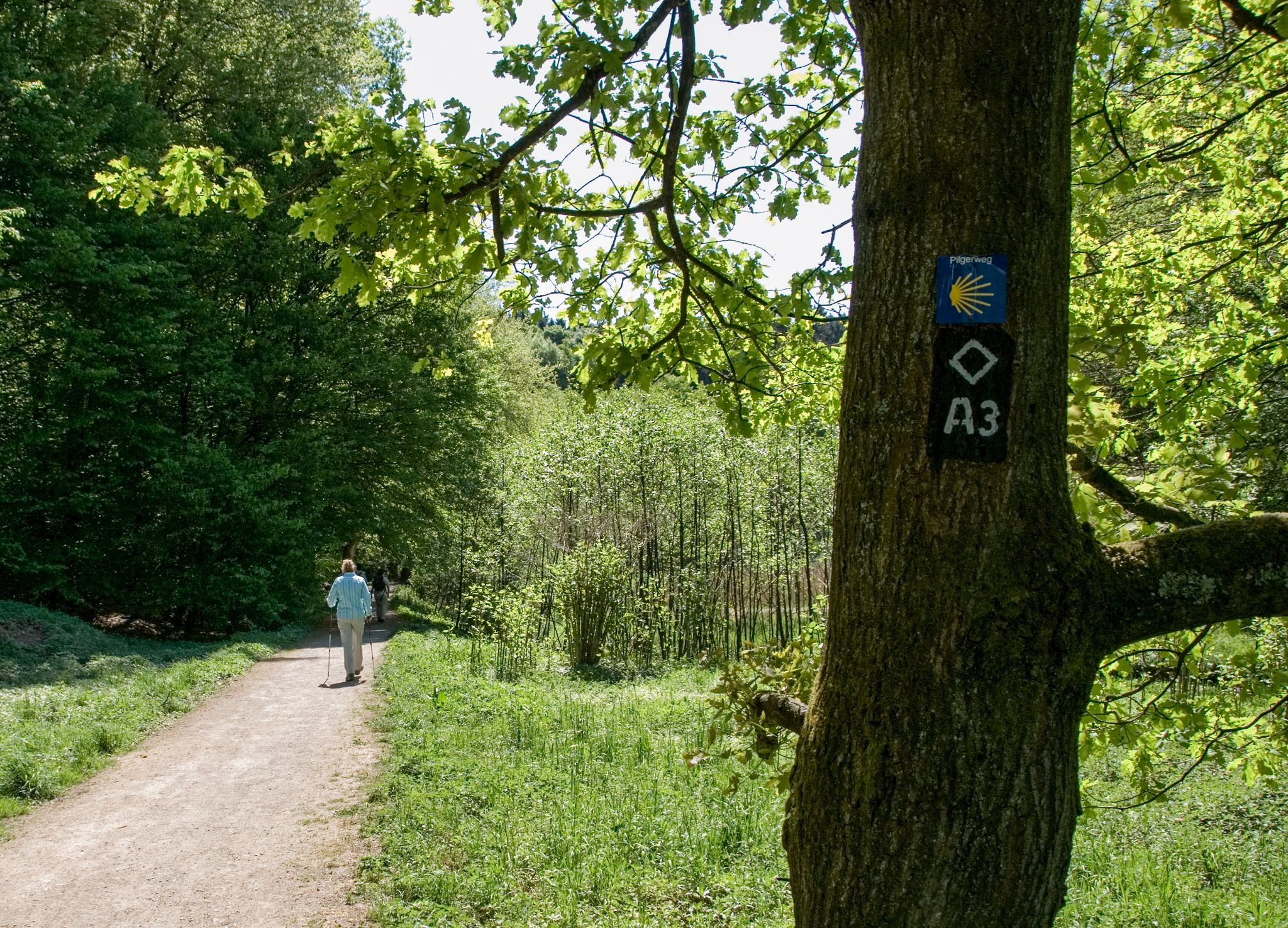
Westphalian Way of St. James – 9 days
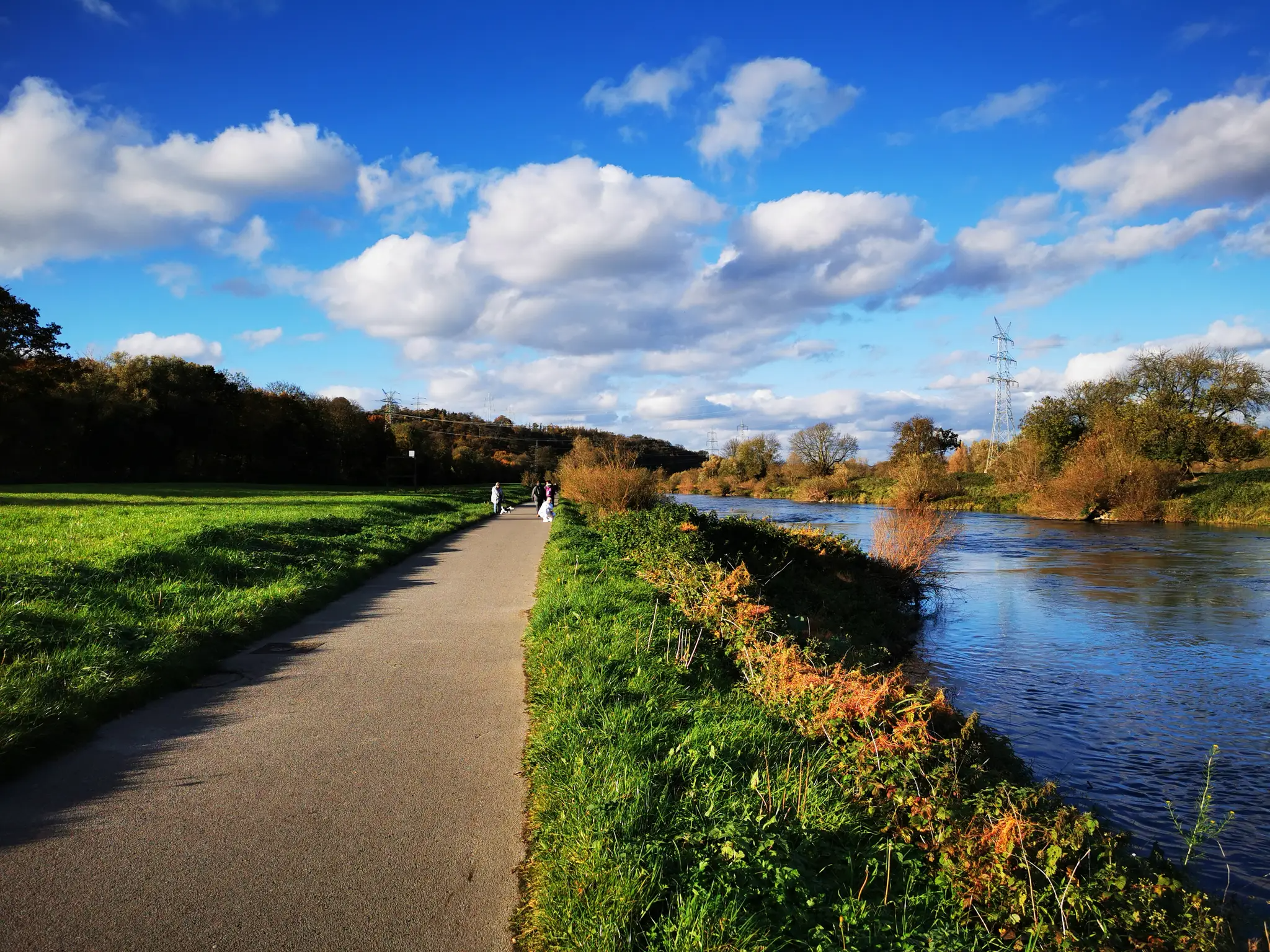
Ruhr Valley cycle path — 6 stages from Winterberg to the Rhine
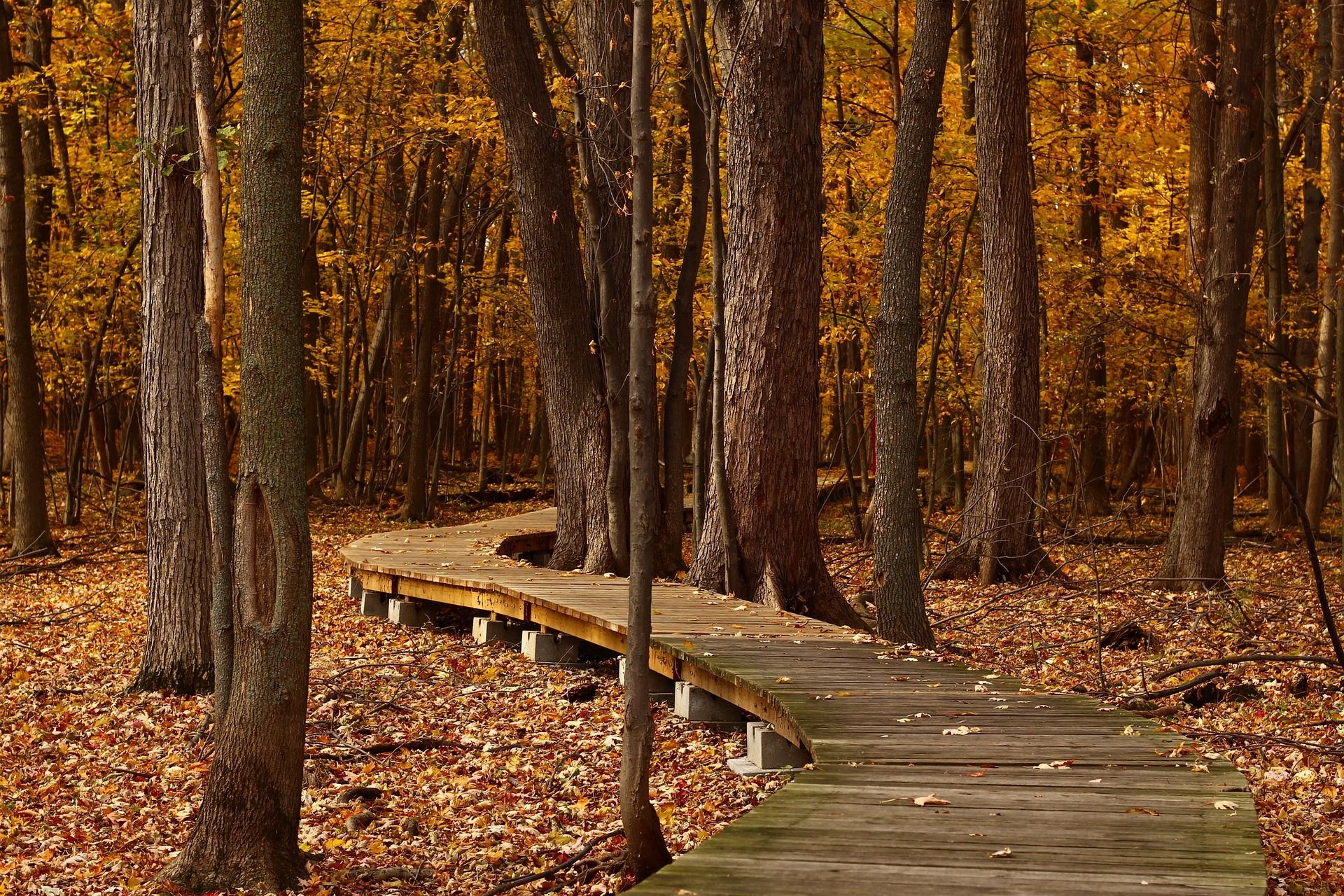
Top Hikes in Autumn - Ruhr Area and around Düsseldorf
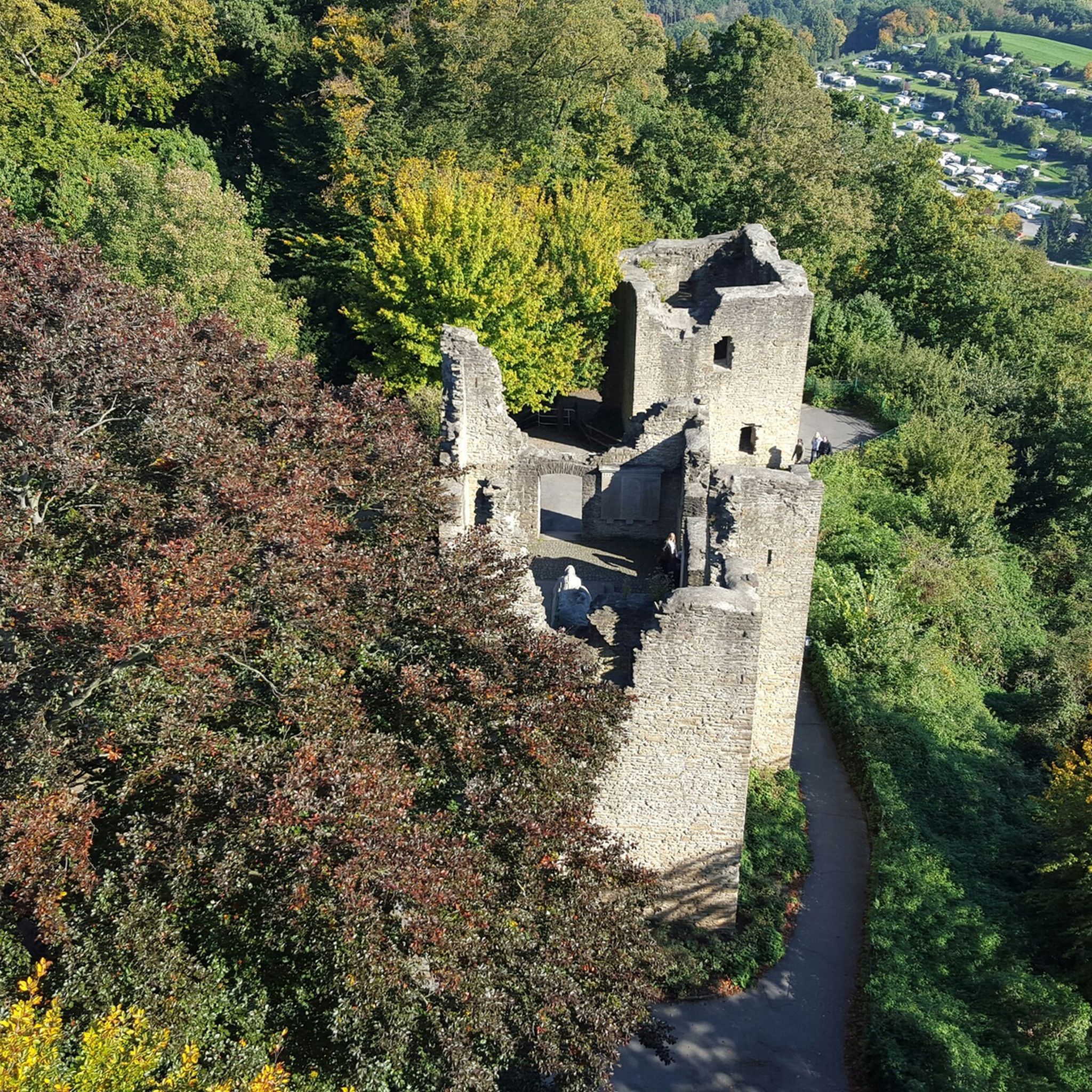
Hiking around Herdecke
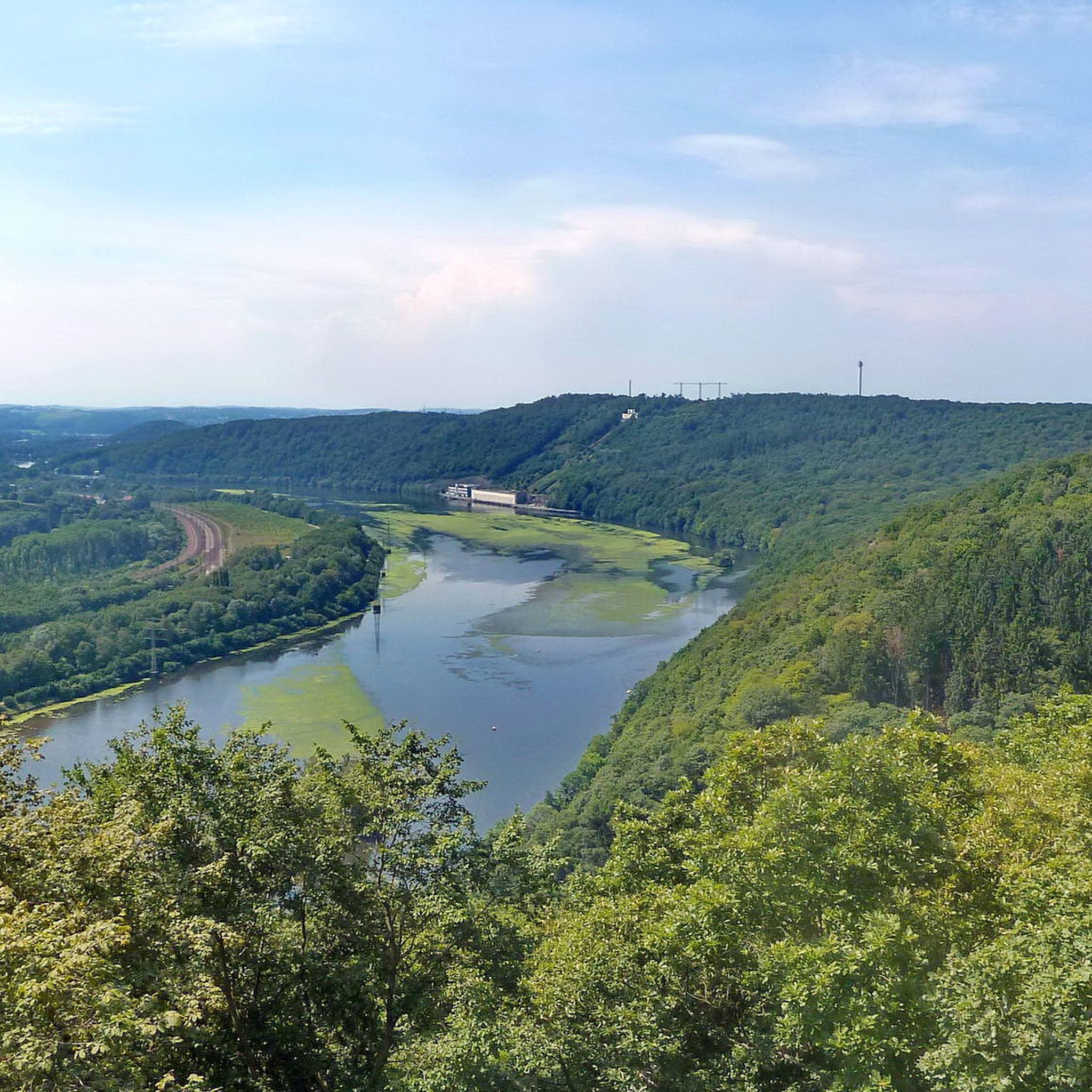
Cycling around Herdecke
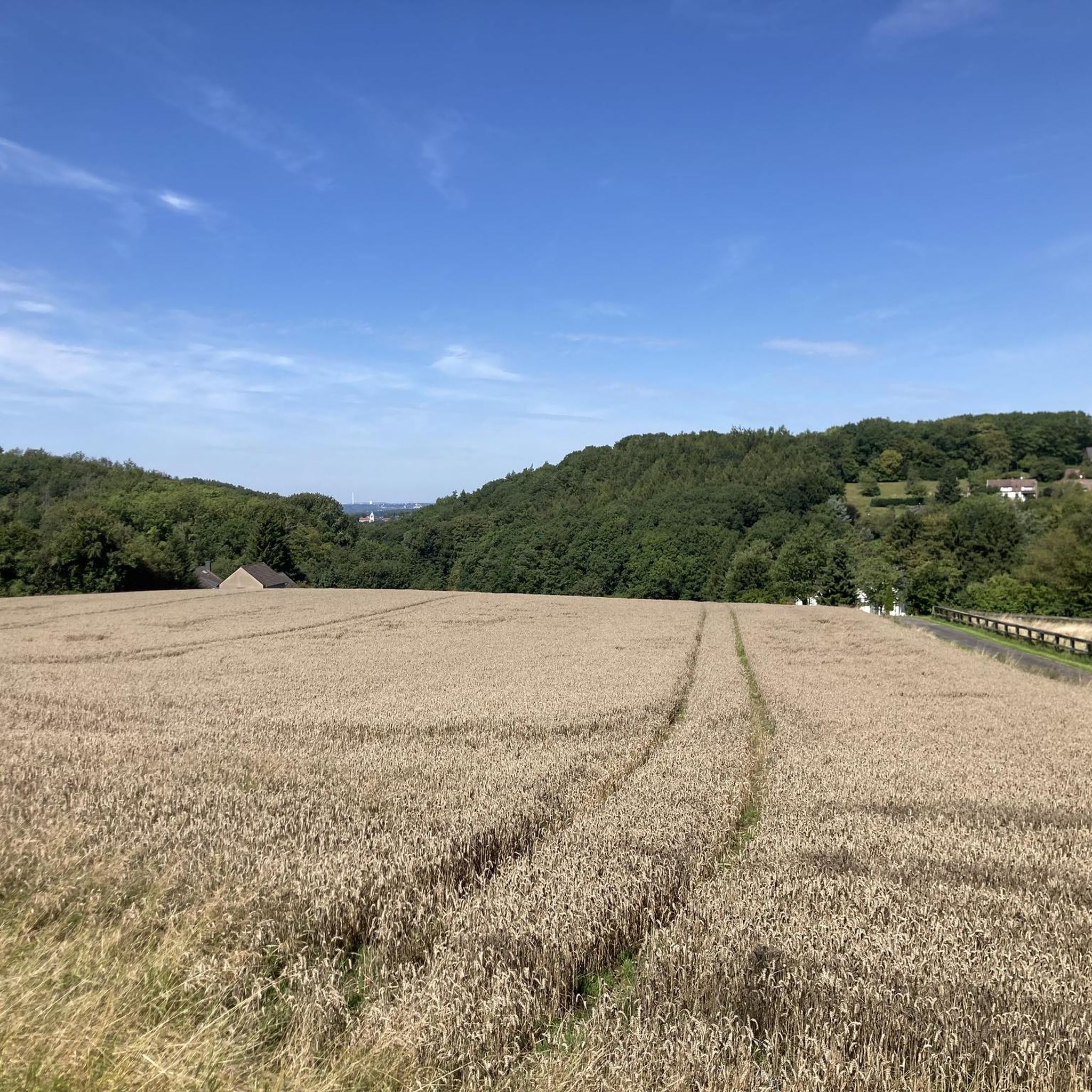
Running Trails around Herdecke
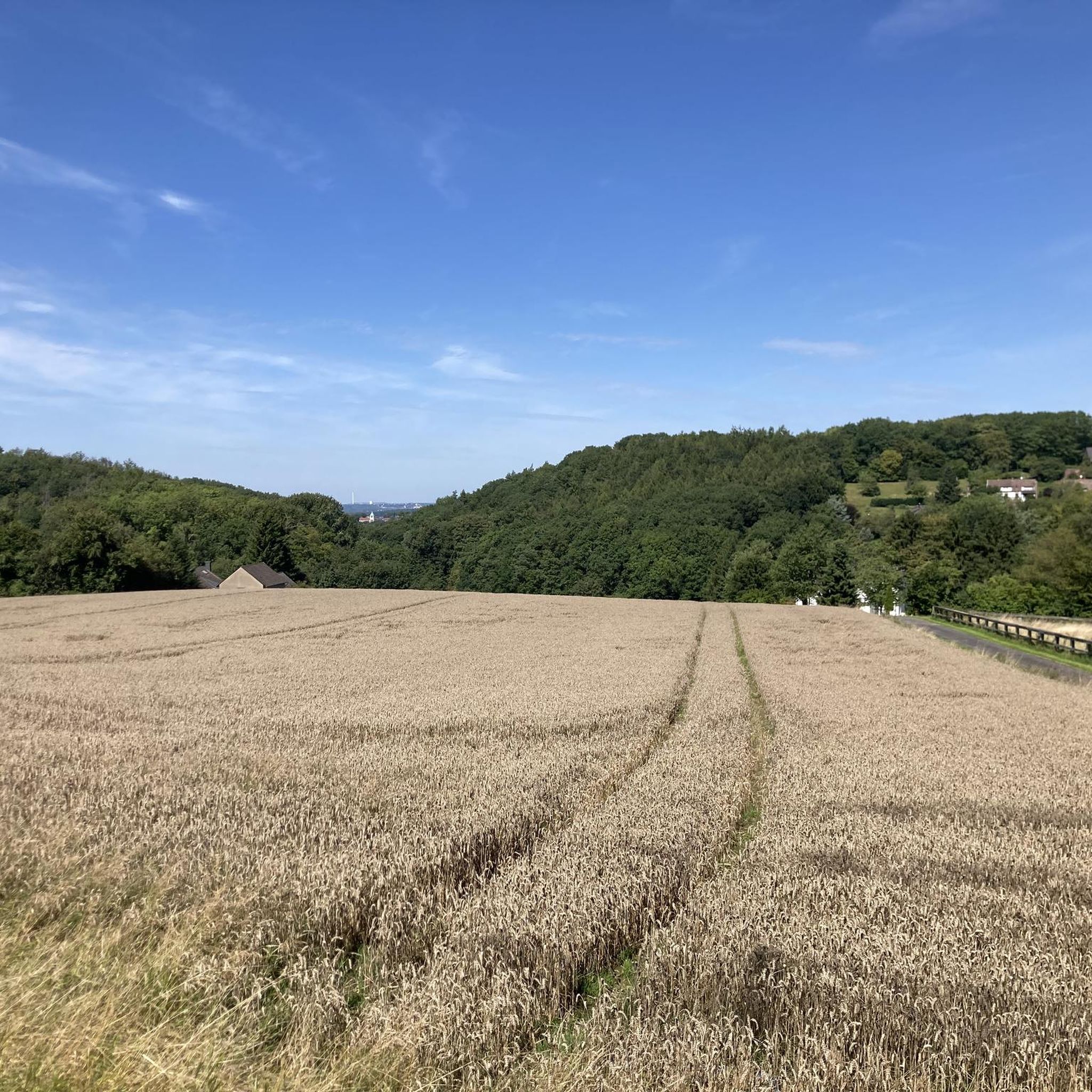
Road Cycling Routes around Herdecke
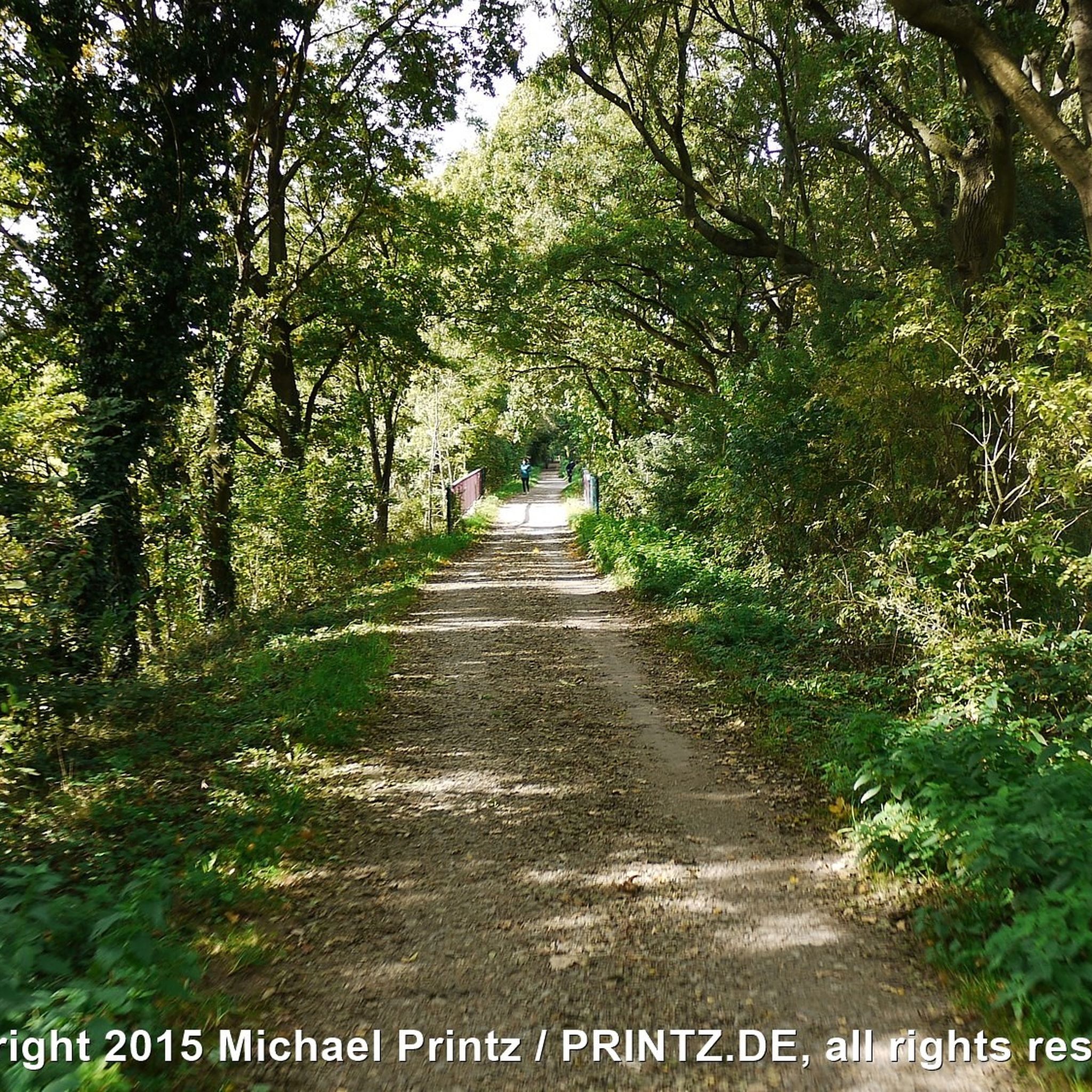
MTB Trails around Herdecke
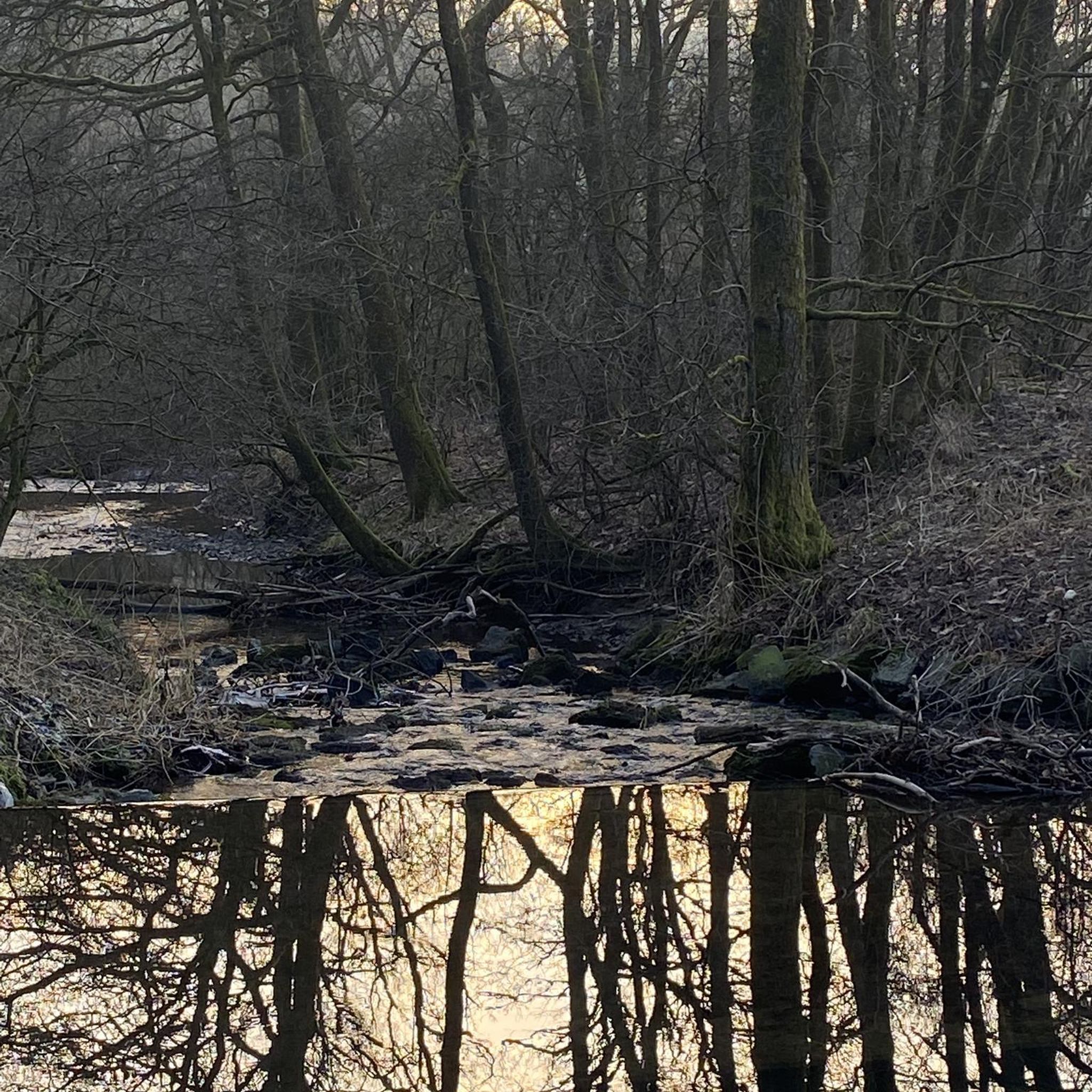
Gravel biking around Herdecke
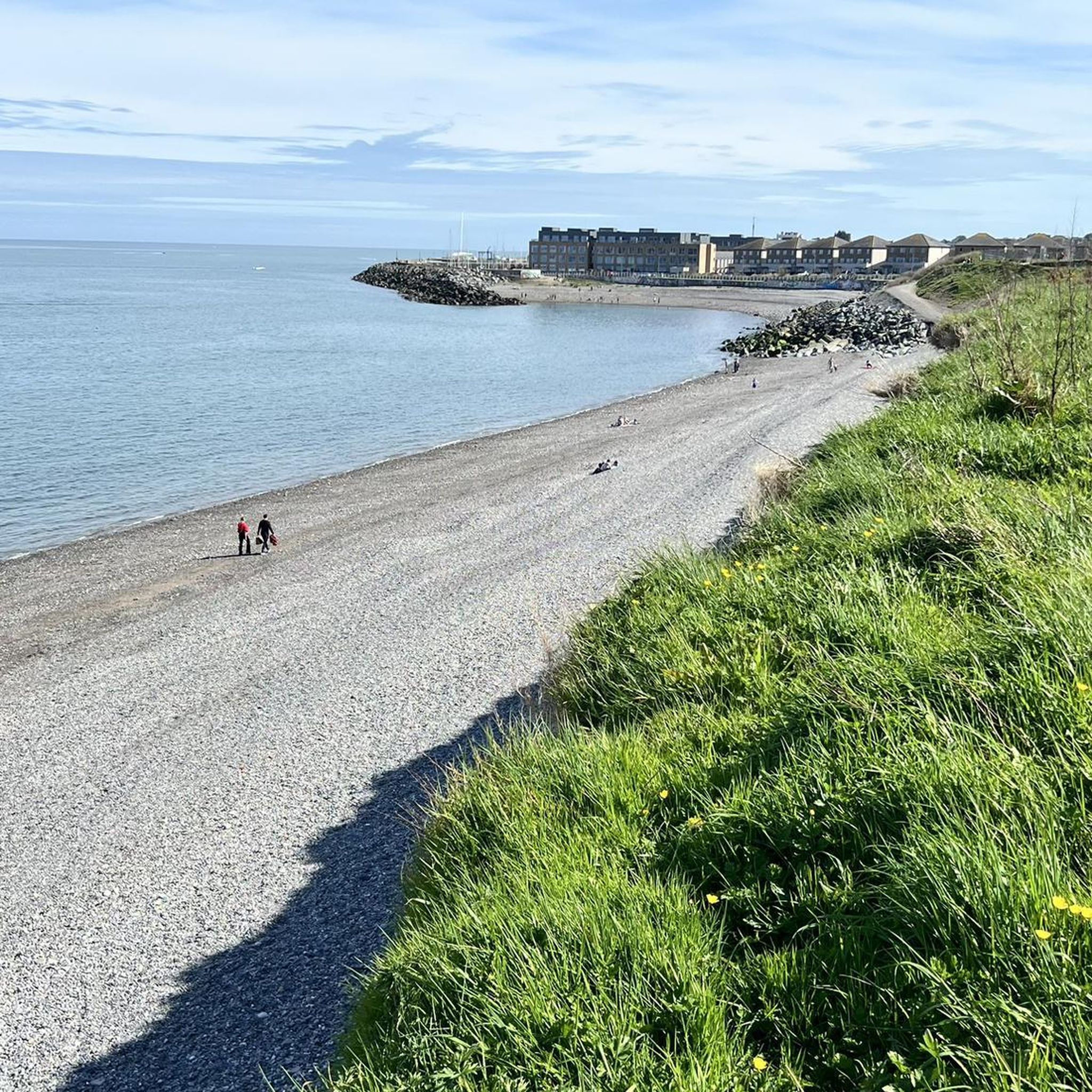
Mountain Hikes around Herdecke


Tips from the Community

The western Frielinghaus open-pit tunnel is a historic tunnel in the Muttental that was part of the Frielinghaus mine. This mine was a hard coal mine in the Vormholz-Hardenstein district of Witten and was put into operation in 1771. The western open-pit tunnel was driven from the Hardenstein valley to connect the Erbstollenboden with the Muttental1. The Frielinghaus mine is now part of the Muttental mining hiking trail, which includes numerous historic mining sites and artifacts. Source: KI
1
0
The post-war tunnel in Muttental is a historic mining tunnel that is part of the Muttental mining hiking trail in Witten. This hiking trail leads through a region that is considered the cradle of Ruhr mining and shows numerous relics from the early mining era2. The post-war tunnel is one of the last tunnel entrances that can be visited on the mining circular trail. It is a testament to the mining activities that were briefly revived after the world wars due to the lack of fuel. Source: KI
2
0
The Braunschweig South Wing tunnel is a historic mining tunnel in Witten, North Rhine-Westphalia. It belongs to the former Braunschweig mine, which was in operation between 1748 and 1886. The tunnel is located near the German Mining and Field Railway Museum and the former forced labor camp Nachtigallstrasse2. The Braunschweig mine consisted of two wings, the north wing and the south wing. Mining in the south wing began in 1750 and was operated by the tradesmen Johann Peter Hundeiker and Gerhard Peter Merklinghaus. Today the tunnel is part of the Route of Industrial Heritage and a popular destination for hikes and circular walks. Source: KI
1
0

West of the branch that leads from Nachtigallstraße to Steinhausen, the Mausegatt coal seam appeared on the steep mountain slope. The coal layer was awarded on February 6, 1751 under the name Braunschweig. It sank to the south to the Borbecker Mulde and to the north to the Nachtigaller Mulde. Source: "When coal was still the future"; Gerhard Koetter, Klartext publishing house
1
0
The Frielinghaus mine in the Witten district of Vormholz-Hardenstein is a former hard coal mine. The mine was also known as the Frielinghaus Gerichts Herbede mine. From 1832 onwards, the mine was also known as the Frielinghaus Tiefbau mine, Frielinghausen mine or Frilinghausen mine. Parts of the mine are now part of the Muttental mining hiking trail. Source and link to the full article: https://de.wikipedia.org/wiki/Zeche_Frielinghaus
1
0
During the period of coal shortage after World War II, the remains of existing coal deposits were extracted from this tunnel. The mining operation was probably not registered, so the name of the tunnel cannot be determined exactly. The Aufgottgewagt mine, which was last granted mining rights here in 1774, had left the coal remains standing in earlier times. In front of the tunnel entrance there was a loading ramp from which the coal was loaded for further transport. Source: Panel 30 at the tunnel entrance (route•industriekultur•)
6
0

Coal was once made there
0
1
Good luck Money was made there
4
1
Frequently Asked Questions
What types of caves can I explore around Herdecke?
While Herdecke itself features historical mining tunnels and a small natural grotto, the wider Sauerland region offers impressive show caves. You can explore sites like the Post-War Mine Tunnel, which is part of the Muttental mining trail, or the Dünkelberg Quarry and Nachtigallstollen, a natural monument with a rich history of clay stone extraction. Further afield, the Dechenhöhle and Atta-Höhle showcase magnificent stalactite and stalagmite formations.
Are there family-friendly cave experiences near Herdecke?
Yes, several options are suitable for families. The Grotto at the Source of the Schnodderbach offers a short, imaginative detour. The Dünkelberg Quarry and Nachtigallstollen is also considered family-friendly, combining natural beauty with historical insights. For a larger experience, the Dechenhöhle in Iserlohn and the Atta-Höhle in Attendorn are well-developed show caves that cater to visitors of all ages with guided tours.
What historical insights can I gain from visiting caves in this region?
The caves and underground sites around Herdecke offer a deep dive into the region's industrial past, particularly coal mining. Sites like the Post-War Mine Tunnel and the Western Day Drift Frielinghaus are remnants of old collieries and part of the Muttental mining trail, providing informative panels on historical background. The Heinrichshöhle in Hemer also offers archaeological insights with remains of cave bears.
What unique geological features can be found in the caves around Herdecke?
While Herdecke's immediate vicinity features historical mining tunnels and quarries, the broader Sauerland region is home to spectacular natural formations. The Dechenhöhle is known for its beautiful stalactites and stalagmites, including a 3-meter high 'palm tree' and the 'organ' formation. The Atta-Höhle boasts vast chambers filled with magnificent dripstone formations, and the Heinrichshöhle features impressive stalactite decorations and fissures up to 20 meters high.
What is the best time to visit the caves?
Caves generally maintain a stable temperature year-round, making them a good destination regardless of the season. For instance, the Atta-Höhle has a constant temperature of nine degrees Celsius. However, if you plan to combine your visit with outdoor activities or explore the surrounding natural areas, spring and autumn offer pleasant weather. Some show caves might have specific opening hours or special events during holidays, so it's advisable to check their schedules.
Are there any less-known or 'hidden gem' caves worth exploring?
The Grotto at the Source of the Schnodderbach is a small, unexpected cave located just off a normal path. It's an overgrown place that stimulates imagination and offers a minimal but worthwhile detour for those seeking something a bit different and less prominent than the larger show caves.
What outdoor activities can I combine with a cave visit near Herdecke?
The region around Herdecke offers various outdoor activities. You can find numerous cycling routes, including easy options like the 'View of the Hengsteysee – Ruhr Viaduct at Harkort Lake loop' or more challenging ones like the 'Hympendahl Viaduct Ruins – Emscherweg loop'. There are also easy hiking trails, such as the 'Hiking loop from Herdecke' or the 'Ruhr Viaduct at Harkort Lake – Herdecke Promenade on the Ruhr River loop'. For mountain biking enthusiasts, trails like the 'Dirtline MTB Downhill Trail' are available. You can find more details on these activities in the Cycling around Herdecke, Easy hikes around Herdecke, and MTB Trails around Herdecke guides.
What do visitors appreciate most about the caves and underground sites in the Herdecke area?
Visitors particularly enjoy the blend of natural beauty and historical significance. The Grotto at the Source of the Schnodderbach is praised for its unexpected charm and imaginative atmosphere. The historical mining sites, like the Post-War Mine Tunnel, are valued for providing insights into the region's industrial heritage, especially along the Muttental mining trail. The overall experience offers a unique journey through both geological formations and human history.
Are there any health benefits associated with visiting these caves?
The Atta-Höhle in Attendorn is noted for its naturally filtered air, which is free of dust, germs, pollen, or ozone. This unique environment is considered beneficial for individuals with bronchial problems and allergies, and the cave even offers a dedicated 'health grotto' for relaxation.
How far are the major show caves from Herdecke?
The Dechenhöhle in Iserlohn is approximately 19 kilometers (12 miles) from Herdecke. The Heinrichshöhle in Hemer is about 23 kilometers (14 miles) away. The Atta-Höhle in Attendorn is located further afield, roughly 45 kilometers (28 miles) from Herdecke.
Can I find information about the mining history at the cave sites?
Yes, many of the historical sites, such as the Post-War Mine Tunnel and the Western Day Drift Frielinghaus, are part of the Muttental mining trail. These locations often feature informative panels that explain the historical background of mining in the area, including details about specific collieries and their operations.
What should I wear when visiting the caves?
Given that caves maintain a cool, stable temperature (around 9 degrees Celsius in some show caves), it's advisable to wear layers, even in summer. Comfortable walking shoes with good grip are also recommended, as paths can sometimes be damp or uneven. For historical mining tunnels, a headlamp or flashlight might be useful, though show caves are typically well-lit.
Most popular routes around Herdecke
Most popular attractions around Herdecke

Get inspired with the komoot mobile app


Explore more
Extend your search for the best caves by checking out these guides of the top ones around Herdecke:
