Top 20 Caves around Gevelsberg
Best caves around Gevelsberg are found in a region characterized by karst geology, particularly around the Ennepetal area and the Schwelmer Tunnel. This landscape features ancient limestone formations, some dating back 380 million years, which have been shaped by water into various cave systems. The area offers insights into geological history and, in some cases, historical human use.
Best caves around Gevelsberg
- The most popular caves is Dünkelberg Quarry and Nachtigallstollen, a natural monument that features a quarry where…
Last updated: June 26, 2026
Grotto at the Source of the Schnodderbach
Highlight • Cave
Translated by Google •
Tip by

Braunschweig Tunnel South Wing
Highlight • Historical Site
de.wikipedia.org/wiki/Zeche_Braunschweig
Translated by Google •
Tip by

Sign up now to discover places like this
Get recommendations on the best single tracks, peaks, & plenty of other exciting outdoor places.
Sign up for free
Western Day Drift Frielinghaus
Highlight • Historical Site
The tunnel began at a depth of 13 m at the St. …
Translated by Google •
Tip by

Kluter Cave
Highlight • Cave
Translated by Google •
Tip by
Dünkelberg Quarry and Nachtigallstollen
Highlight • Natural Monument
Translated by Google •
Tip by

Sign up for free to discover even more caves around Gevelsberg.
Sign up for free
Already have an account?
Start today with a free account
Your next adventure awaits.
Login or Signup
Popular around Gevelsberg
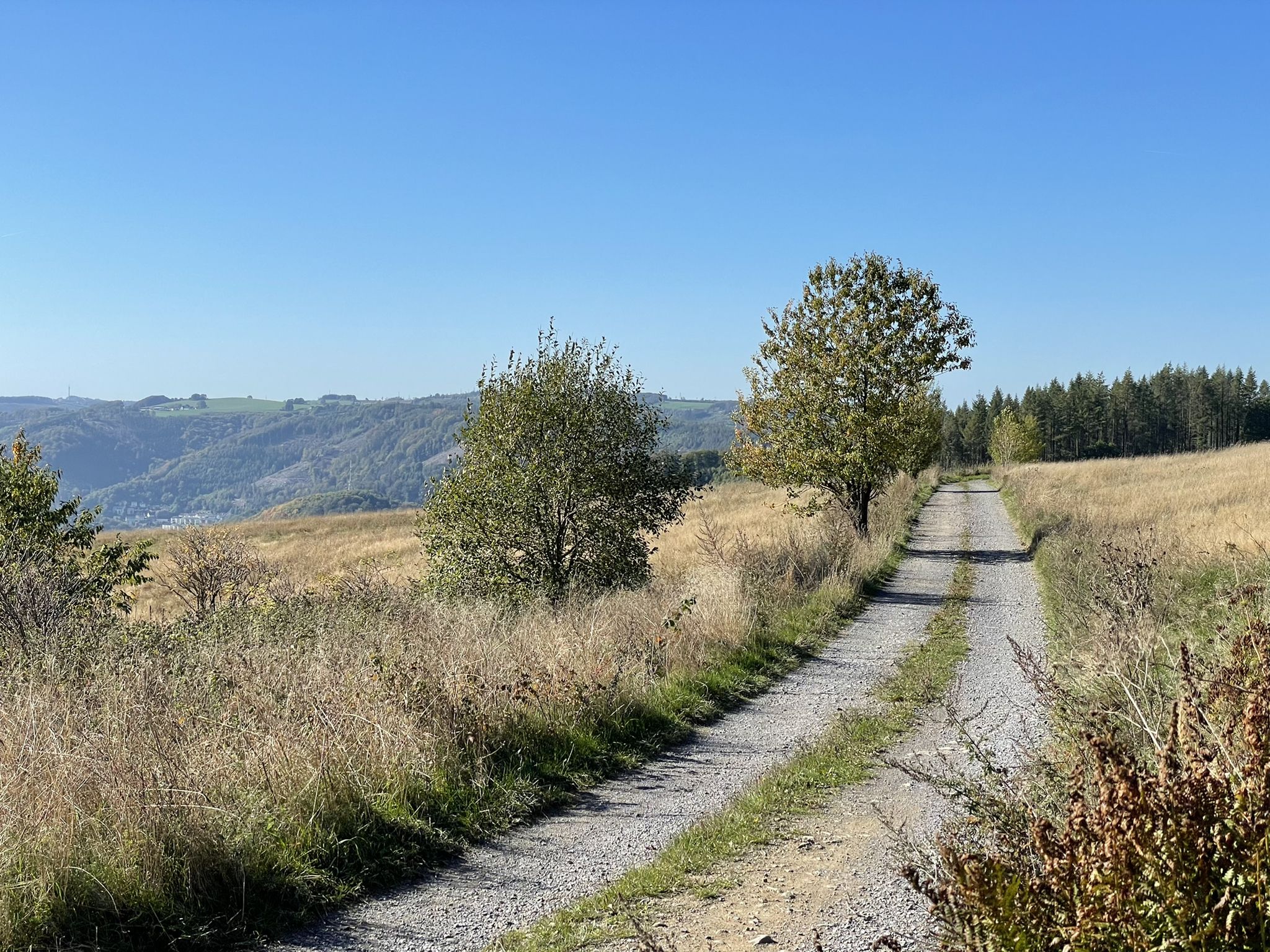
Harkortweg (X 17)
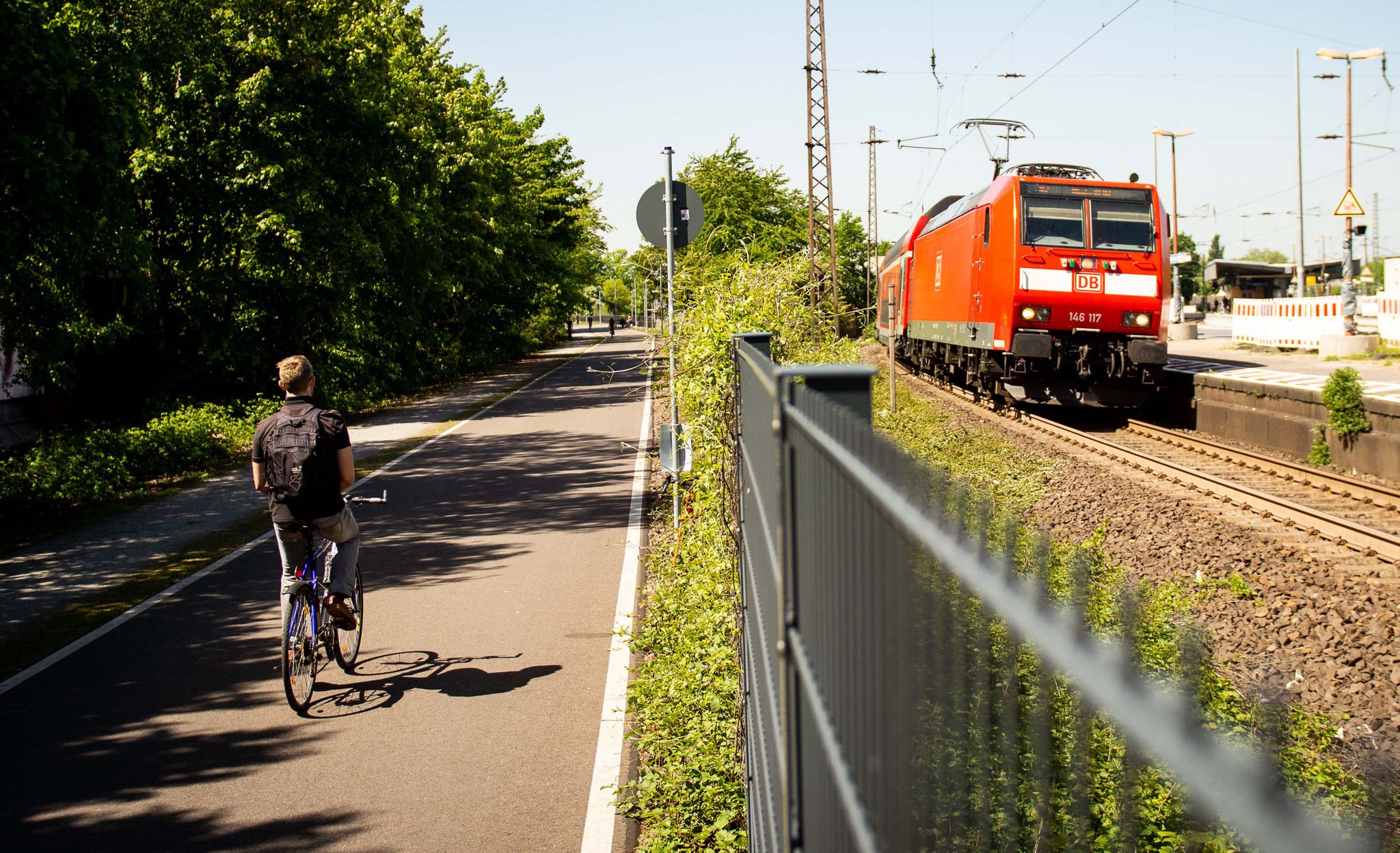
Cycle the most beautiful railway tracks – Germany’s Ruhr area (west and south)
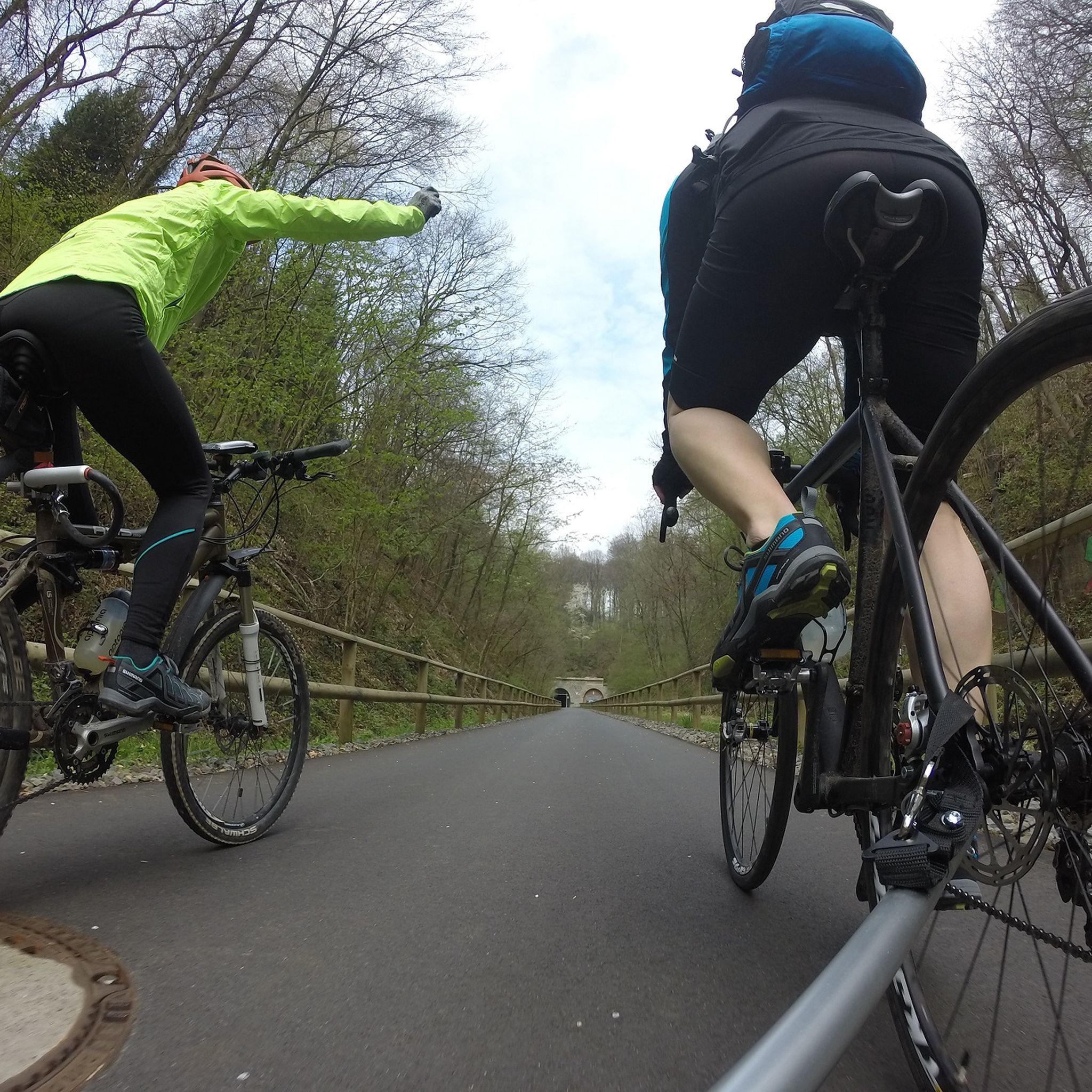
Cycling around Gevelsberg
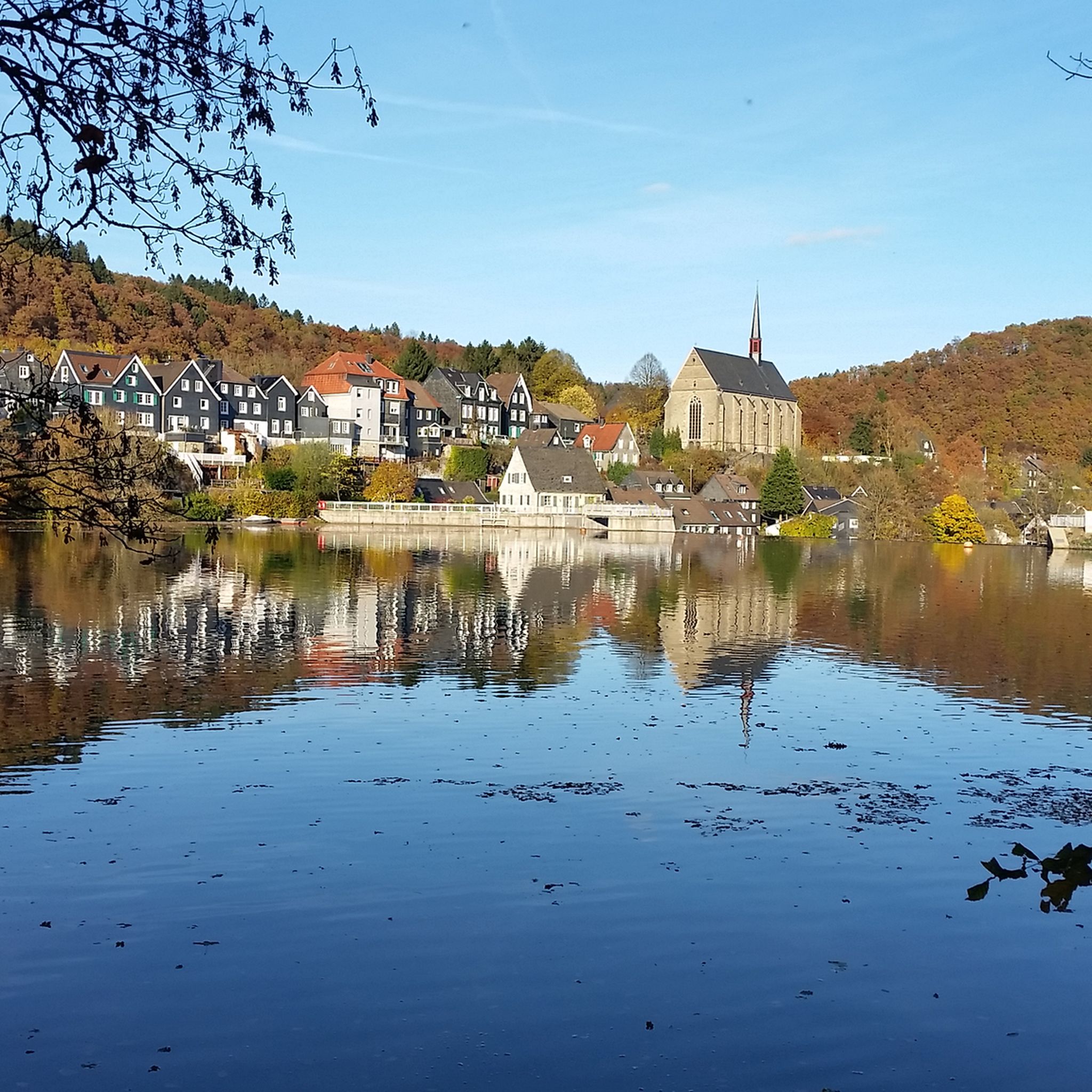
Hiking around Gevelsberg
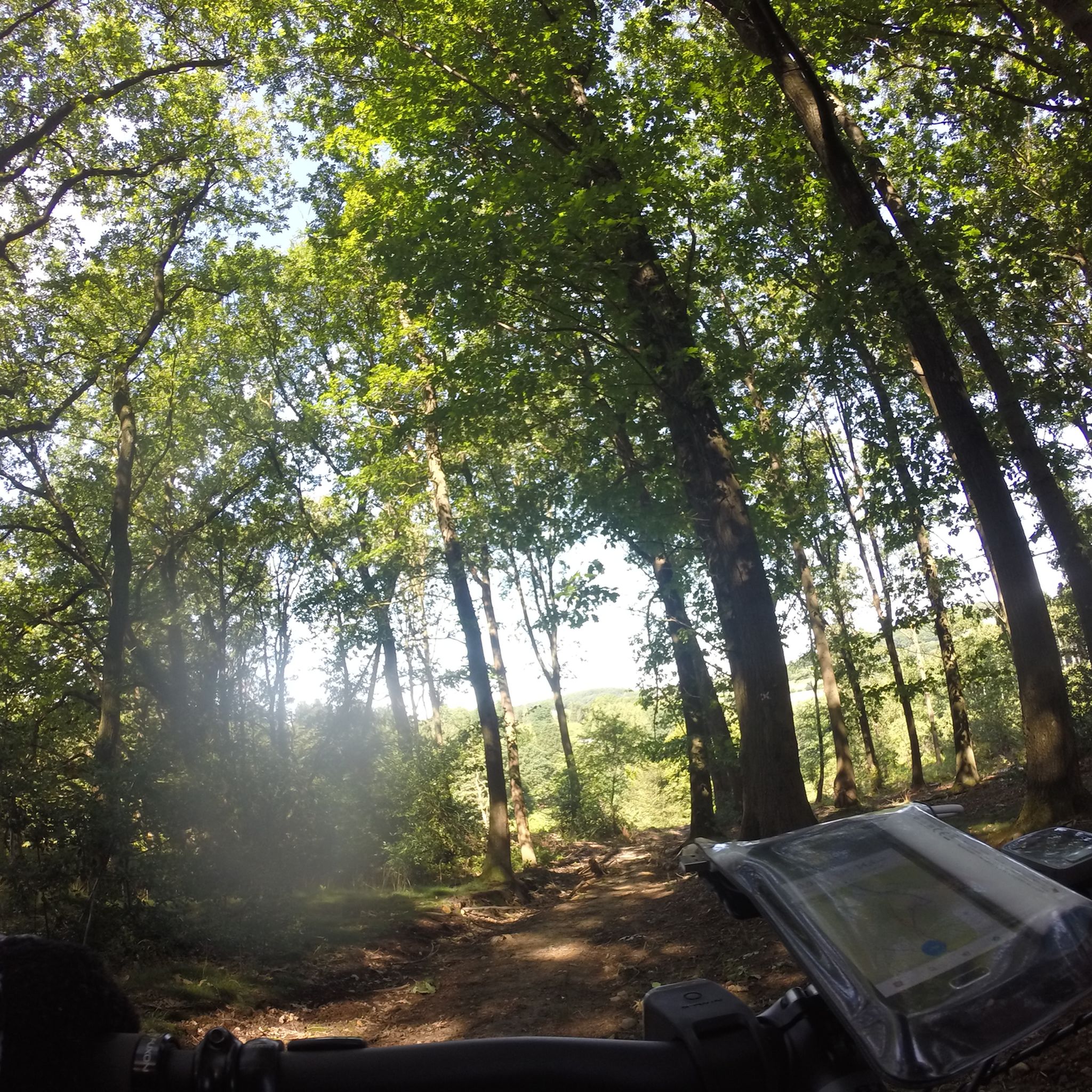
MTB Trails around Gevelsberg
Road Cycling Routes around Gevelsberg
Running Trails around Gevelsberg
Gravel biking around Gevelsberg
Mountain Hikes around Gevelsberg


Tips from the Community

The western Frielinghaus open-pit tunnel is a historic tunnel in the Muttental that was part of the Frielinghaus mine. This mine was a hard coal mine in the Vormholz-Hardenstein district of Witten and was put into operation in 1771. The western open-pit tunnel was driven from the Hardenstein valley to connect the Erbstollenboden with the Muttental1. The Frielinghaus mine is now part of the Muttental mining hiking trail, which includes numerous historic mining sites and artifacts. Source: KI
1
0
The Braunschweig South Wing tunnel is a historic mining tunnel in Witten, North Rhine-Westphalia. It belongs to the former Braunschweig mine, which was in operation between 1748 and 1886. The tunnel is located near the German Mining and Field Railway Museum and the former forced labor camp Nachtigallstrasse2. The Braunschweig mine consisted of two wings, the north wing and the south wing. Mining in the south wing began in 1750 and was operated by the tradesmen Johann Peter Hundeiker and Gerhard Peter Merklinghaus. Today the tunnel is part of the Route of Industrial Heritage and a popular destination for hikes and circular walks. Source: KI
1
0

West of the branch that leads from Nachtigallstraße to Steinhausen, the Mausegatt coal seam appeared on the steep mountain slope. The coal layer was awarded on February 6, 1751 under the name Braunschweig. It sank to the south to the Borbecker Mulde and to the north to the Nachtigaller Mulde. Source: "When coal was still the future"; Gerhard Koetter, Klartext publishing house
1
0
The Frielinghaus mine in the Witten district of Vormholz-Hardenstein is a former hard coal mine. The mine was also known as the Frielinghaus Gerichts Herbede mine. From 1832 onwards, the mine was also known as the Frielinghaus Tiefbau mine, Frielinghausen mine or Frilinghausen mine. Parts of the mine are now part of the Muttental mining hiking trail. Source and link to the full article: https://de.wikipedia.org/wiki/Zeche_Frielinghaus
1
0

Coal was once made there
0
1

Information about the grotto on the Harkortberg and the bunkers that were built in the mountain can be found in official archives. But what could be more beautiful than an overgrown place whose purpose cannot be explained at first glance and which stimulates the imagination?
2
0

This daily operation creates a connection to a tunnel that the mine owner Oberste-Frielinghaus had built in 1794. The tunnel began at a depth of 13 m at the St. Johann Erbstollen and ran about 1,100 m in an easterly direction.
4
0

Quarry Dünkelberg, in this quarry the company Dünkelberg extracted clay stone for the production of bricks between 1897 and 1963.
12
0
Frequently Asked Questions
What types of caves can I explore around Gevelsberg?
The region around Gevelsberg offers a variety of underground formations. You can find large accessible natural caves like the Kluter Cave, smaller karst features in areas like the Schwelmer Tunnel, and historical mining drifts such as the Dünkelberg Quarry and Nachtigallstollen or the Western Day Drift Frielinghaus.
What makes the Kluterthöhle in Ennepetal particularly significant?
The Kluterthöhle is one of Germany's largest accessible caves and a designated National Natural Monument. It's unique for its extensive system of over 380 passages and its geological importance as one of Europe's best-preserved fossilized coral reefs, formed approximately 380 million years ago. It also offers speleotherapy for respiratory ailments due to its pure, dust-free air.
Are there any caves with historical mining significance in the area?
Yes, the region has a rich mining history. You can explore sites like the Dünkelberg Quarry and Nachtigallstollen, which combines geological features with insights into historical mining. Another example is the Western Day Drift Frielinghaus, part of a former hard coal mine, and the Braunschweig Tunnel South Wing, which also has historical connections to local collieries.
Can I see fossils or unique geological formations in these caves?
Absolutely. The Kluterthöhle is renowned for its geological significance, allowing visitors to walk through a fossilized coral reef with petrified corals, sponges, and shells embedded in its walls. The Schwelmer Tunnel area also features karstified limestone and information boards explaining the 380-million-year-old rock layers and karst springs.
Are there family-friendly caves to visit near Gevelsberg?
The Kluterthöhle offers diverse tours, including adventure tours and treasure hunts, which can be engaging for families. The Dünkelberg Quarry and Nachtigallstollen is also listed as family-friendly, combining natural beauty with historical insights. The Grotto at the Source of the Schnodderbach is a small, accessible natural feature that can spark imagination.
What is the accessibility like for caves in the Gevelsberg area?
The Kluterthöhle is one of Germany's largest accessible caves, offering standard guided tours through its extensive passages. Smaller caves in the Schwelmer Tunnel area are generally less developed and may not be easily accessible for general tourism. For specific accessibility needs, it's best to check with the individual cave operators.
What is the best time of year to visit the caves?
The Kluterthöhle maintains a constant temperature of 10°C year-round, making it a suitable visit in any season. For other, less developed caves, outdoor conditions might influence the approach, but the caves themselves offer a consistent environment. Always check specific opening hours and tour availability, especially during off-peak seasons.
What should I wear when visiting caves around Gevelsberg?
Given the constant 10°C temperature inside the Kluterthöhle, it's advisable to wear warm clothing, even in summer. Comfortable, sturdy footwear with good grip is also recommended for walking through the cave passages. For adventure tours, specific gear might be required, which would be communicated by the tour provider.
Are there guided tours available for the caves?
Yes, the Kluterthöhle offers various guided tours, including standard tours, 'Fossil Journeys,' and adventure tours that involve crawling through narrow passages. They also host cultural events and meditation sessions. It's recommended to check their official website for booking and specific tour details.
What kind of wildlife can be found in or near the caves?
The caves and surrounding natural areas, particularly near the Schwelmer Tunnel, provide habitat for various wildlife. Bats are known to inhabit these caves, along with salamanders and rare plants in the rich natural environment of the karst landscape.
Are there outdoor activities or routes near the caves around Gevelsberg?
Yes, the region offers numerous outdoor activities. You can find easy hikes, mountain hikes, and cycling routes. For example, explore easy hikes around Gevelsberg or more challenging mountain hikes. Cyclists can enjoy routes like the 'Coal Railway Trail' found in cycling around Gevelsberg.
Can I find places to eat or stay near the caves?
The Kluterthöhle is located in Ennepetal, which offers various amenities including cafes, pubs, and accommodation options. While specific recommendations are not provided here, you can generally find dining and lodging in the towns and cities surrounding the cave areas, such as Ennepetal, Gevelsberg, and Schwelm.
What is speleotherapy, and is it offered in the region?
Speleotherapy is a natural therapy that utilizes the unique microclimate of caves, particularly beneficial for respiratory ailments like asthma and allergies. The Kluterthöhle has been recognized for its therapeutic effects since the 1950s, offering a pure, dust-free, and pollen-free air environment. It is a unique destination for those seeking natural relief from such conditions.
Most popular routes around Gevelsberg
Most popular attractions around Gevelsberg

Get inspired with the komoot mobile app


Explore more
Extend your search for the best caves by checking out these guides of the top ones around Gevelsberg:
