Top 12 Caves around Eschwege
Best caves around Eschwege are found within the surrounding Werra-Meißner-Kreis district and the Geo-Naturpark Frau-Holle-Land region. This area is characterized by its natural beauty, including the Werra River and geological formations like the "Blaue Kuppe." The region offers natural formations and smaller caves with geological and local significance. These sites provide natural, often rugged, experiences integrated with hiking and appreciating the local landscape.
Best caves around Eschwege
- The most popular caves is Kitzkammer Basalt Cave, a cave that is…
Last updated: June 26, 2026
Kitzkammer Basalt Cave
Highlight • Cave
Translated by Google •
Tip by

Wichtellöcher Caves (Abterode)
Highlight • Cave
Translated by Google •
Tip by

Sign up now to discover places like this
Get recommendations on the best single tracks, peaks, & plenty of other exciting outdoor places.
Sign up for free
Haus Halde and the Mining History of the Hoher Meißner
Highlight • Historical Site
Translated by Google •
Tip by

Knots-Keller Cave
Highlight • Cave
Here there is a Zechstein formation measuring approx. 4.50 m wide and an integrated hollow measuring approx. …
Translated by Google •
Tip by

Hohlstein Cave (Kammerbach Cave)
Highlight • Cave
Translated by Google •
Tip by

Sign up for free to discover even more caves around Eschwege.
Sign up for free
Already have an account?
Start today with a free account
Your next adventure awaits.
Login or Signup
Popular around Eschwege
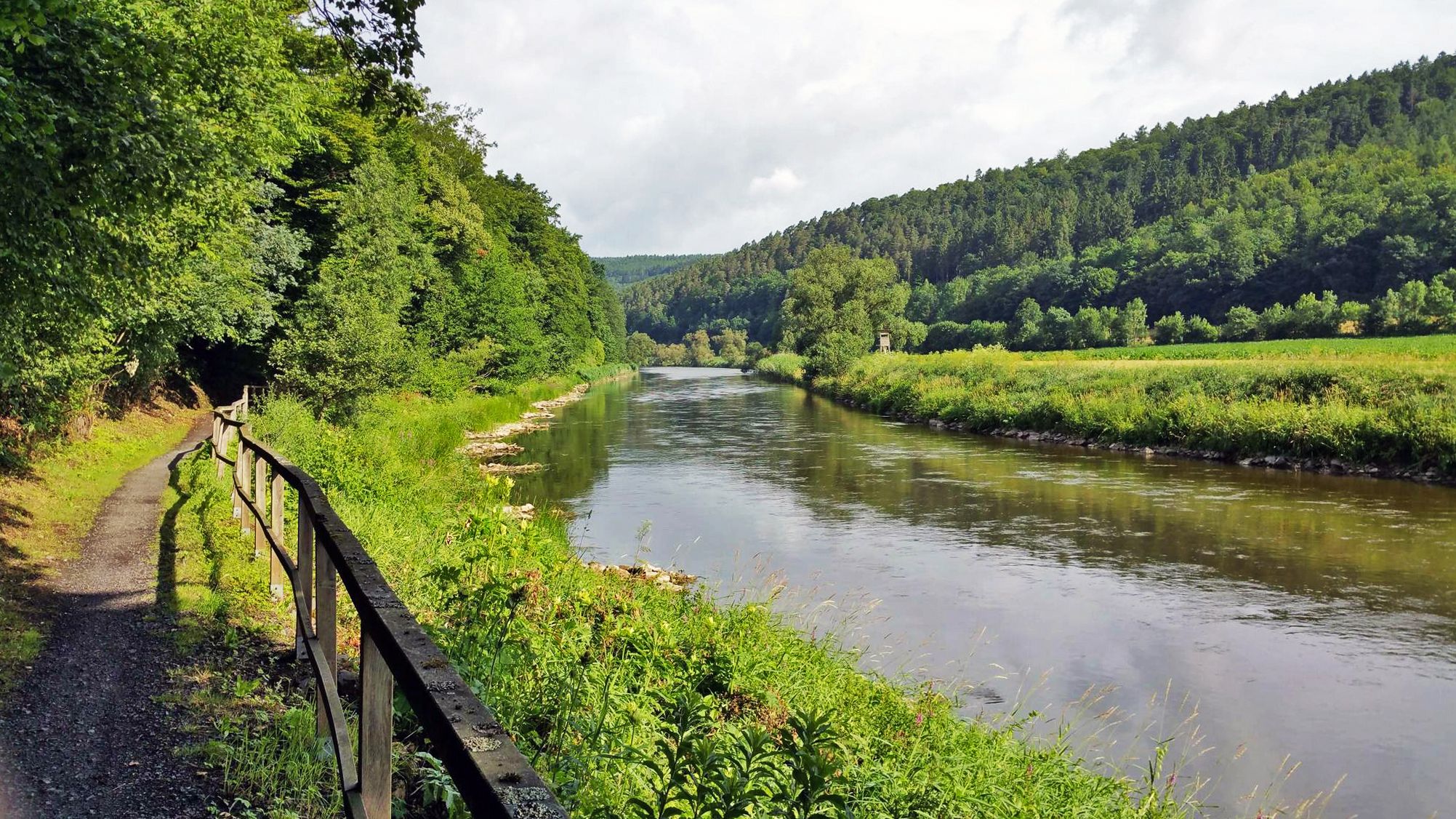
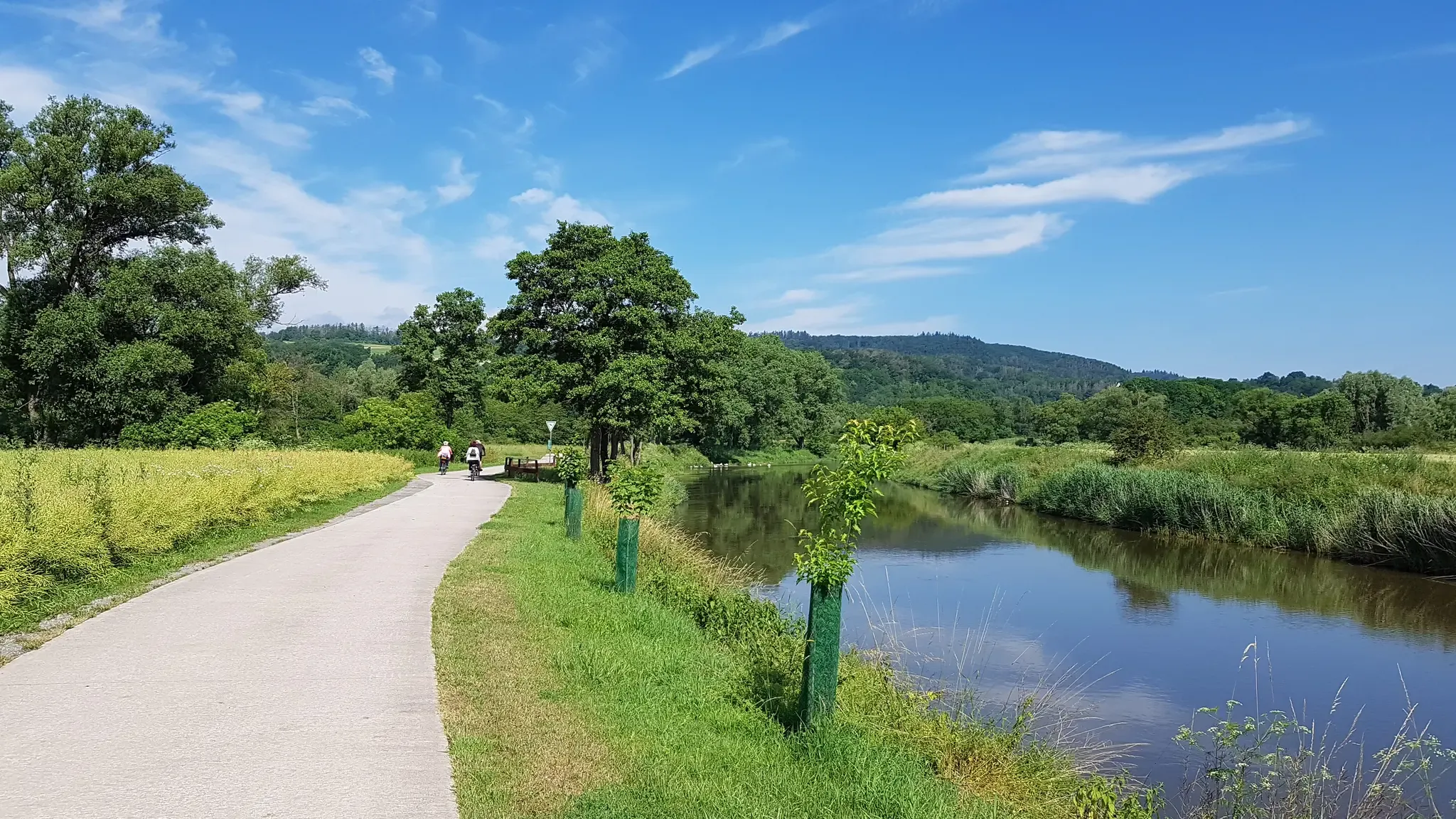
Werratal cycle path — 6 stages along the Werra to the Fulda
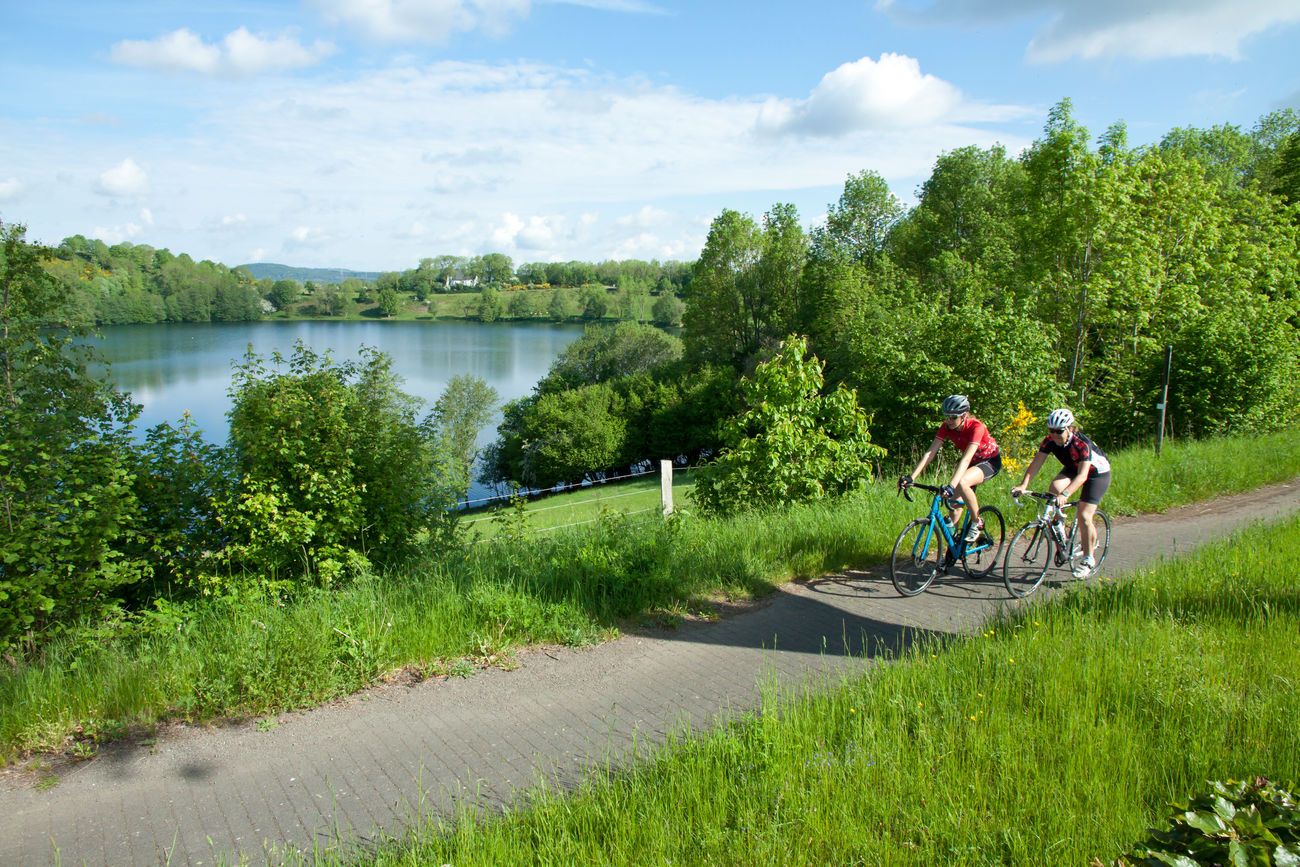
Discover Germany with the Tour in a motorhome and racing bike
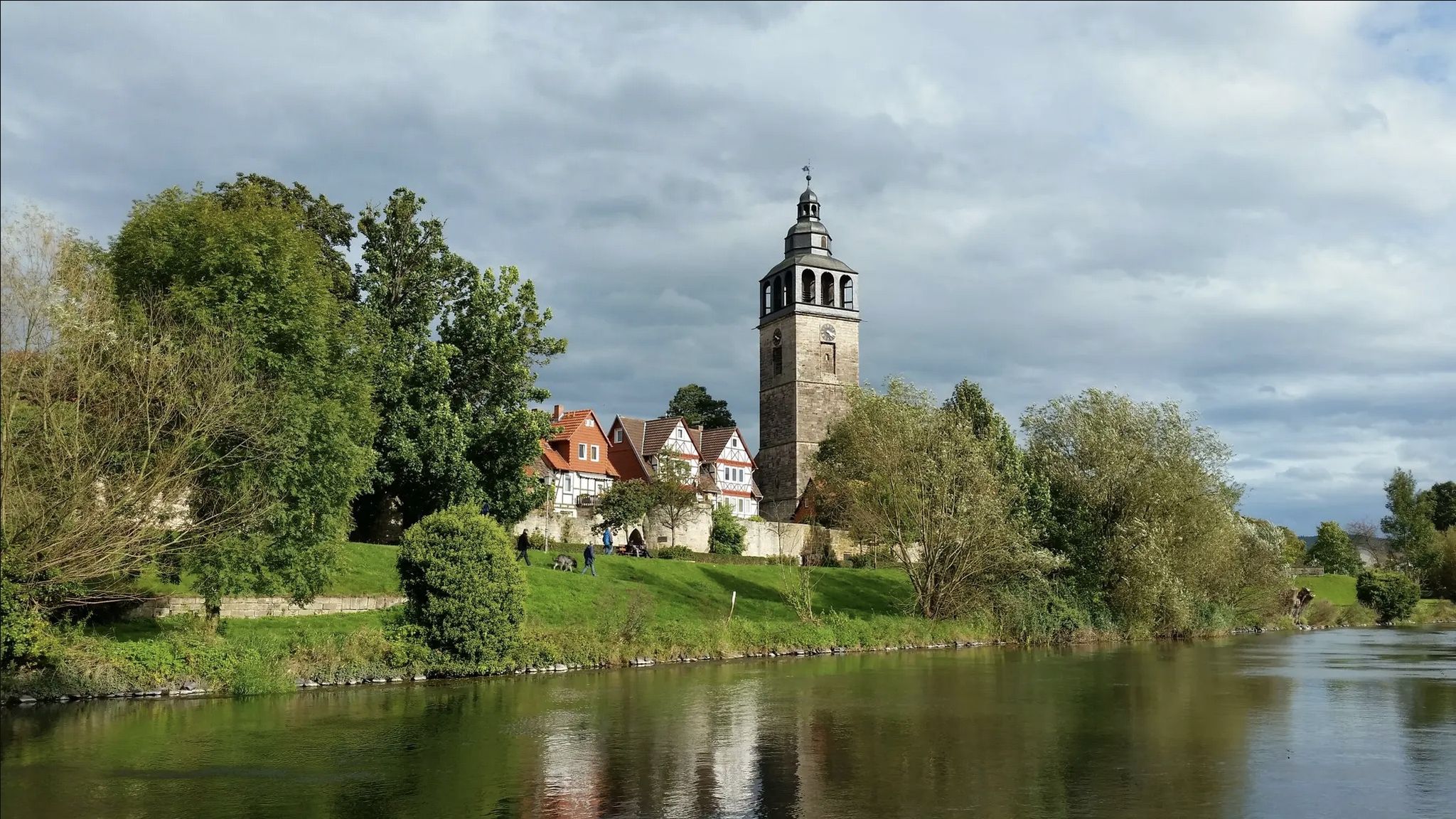
Werra-Burgen-Steig trail – castles and forests in 3 states
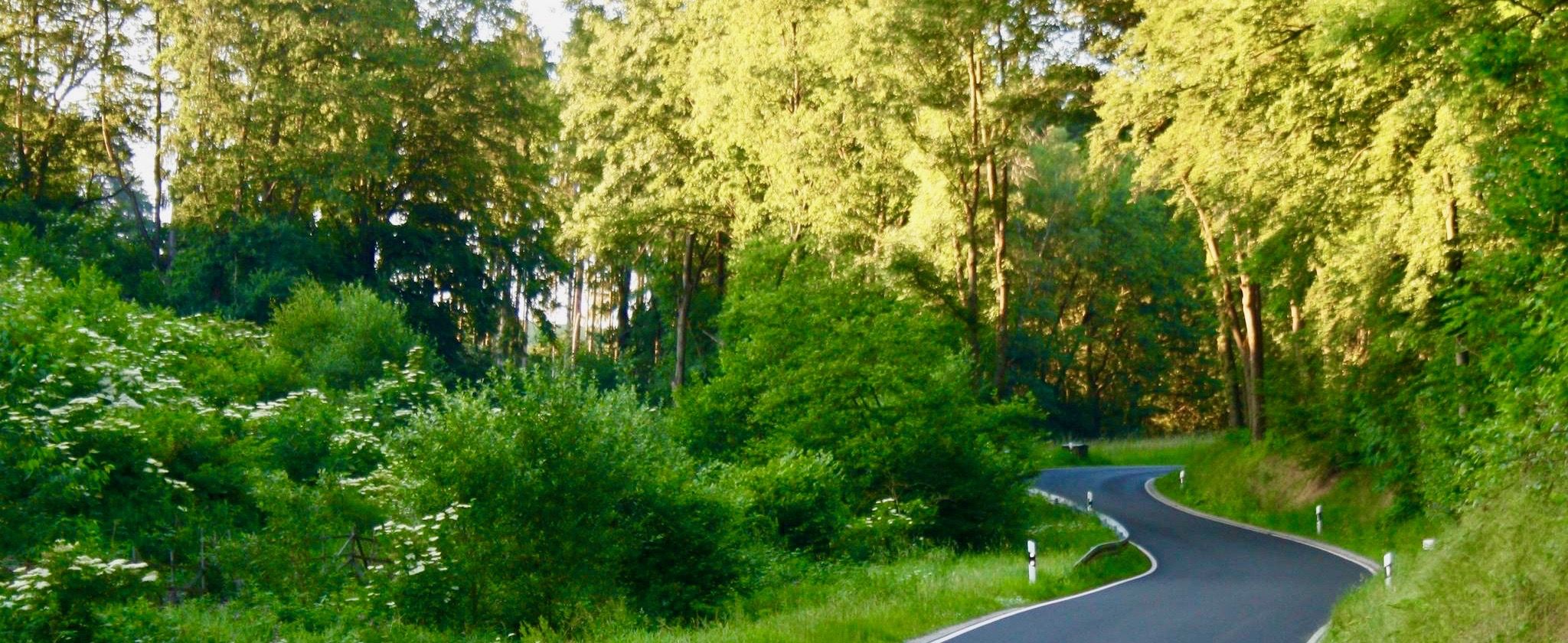
Werratal — on the streets of Hessian Switzerland
Mit Rosbacher auf Tour in Nordhessen
Entschleunigen in der GrimmHeimat NordHessen
Cycling around Eschwege
Hiking around Eschwege
Road Cycling Routes around Eschwege
MTB Trails around Eschwege
Other adventures around Eschwege


Tips from the Community

The slag heap originally consisted of three houses: the still-existing, vacant "Haus Halde" from 1755 (base renewed in 1905, timber framing renewed in 1978, roof insulated in 2012), a second house that was demolished in the 1960s, and a horse stable, of which relatively little is known. The foremen lived in these houses, who oversaw mining in the Schwalbenthaler Erbstollen and the Carlsstollen and accounted for the extracted coal. The foundations of the wooden log cabin of the Eschwege Scouts (Silver Foxes) and the horse stable are still in place; the tunnels were secured in 2002. Source: https://wiki.genealogy.net/Hoher_Mei%C3%9Fner
3
0
The so-called Halde, a depression, lies 1,000 meters from the Schwalbenthal valley. The house is still preserved here. The entrance to the New Erbstollen (New Heritage Tunnel) is also located there. This drainage tunnel was excavated in 1628.
1
1

According to legend, Mother Holle imprisoned young girls here and turned them into kittens.
11
1

A little off the P23 hiking trail, but the short detour is worth it. An information board explains the formation and legends surrounding the limestone caves.
0
1
The Halde house is the last remaining property of the Schwalbenthal mining settlement. In front of the house there is an information board that provides information about the mining settlement and mining on the Hohen Meißner. Next to the building there is an entrance to a mining tunnel that is illuminated as a show tunnel. In front of the building there are several types of rock that were mined on the Hohen Meißner and are explained on information boards.
1
1

The name KNOTS-KELLER has been a mystery for a long time. Children used to be told that Santa Claus lived here. A closer look reveals the meaning of the name: Because the word “knots” means also means "growth". Growth in the form of a root in the limestone rock. It is difficult to guess how old this root is. Knots, together with cave (= cellar) gives the name KNOTS-KELLER
2
0
The legend of the small, helpful, friendly and sometimes cheeky elves is widespread throughout Hesse. There are little men with triangular hats who live in the forest and caves and sometimes help us or sometimes play tricks 😀 Here at Abterode you can find the gnome holes where some of the gnomes once lived (or maybe still live?!)
5
1

Nice little cave right on the trail.
0
0
Frequently Asked Questions
What types of caves can I explore around Eschwege?
The region around Eschwege, particularly within the Werra-Meißner-Kreis and Geo-Naturpark Frau-Holle-Land, offers a variety of geological formations. You can find basalt caves like the Kitzkammer Basalt Cave, limestone crevices such as the Wichtellöcher Caves (Abterode), and Zechstein formations like the Knots-Keller Cave, which showcases traces of a prehistoric sea.
Are there any family-friendly caves near Eschwege?
Yes, the Wichtellöcher Caves (Abterode) are considered family-friendly. These crevices and cavities are associated with local legends of friendly gnomes, adding a charming, mythical element to the visit that children often enjoy. The Haus Halde and the Mining History of the Hoher Meißner is also family-friendly, offering insights into the region's lignite mining past.
What is the Kitzkammer Basalt Cave known for?
The Kitzkammer Basalt Cave is a natural monument renowned for its striking geological formations. It features a rock niche formed between pentagonal and polygonal basalt columns, which crystallized from thin lava about five million years ago. The visible transverse columnar basalt makes it a significant site for geology enthusiasts.
Can I learn about local history through the caves?
Yes, the Knots-Keller Cave offers a glimpse into the region's ancient past, showcasing Zechstein formations that are marine deposits from the prehistoric Zechstein Sea. Additionally, the Haus Halde and the Mining History of the Hoher Meißner provides historical context about lignite mining in the area, with some cave-like structures related to this industrial heritage.
Are there any caves with local legends or folklore?
The Wichtellöcher Caves (Abterode) are steeped in local folklore. These crevices and cavities are associated with legends of 'Wichtel' (friendly gnomes) who are said to live in the forest and caves, adding a unique cultural charm to your visit.
What outdoor activities can I do near the caves around Eschwege?
The area around Eschwege is excellent for various outdoor activities. You can find numerous hiking trails that often lead to or pass by these natural formations. There are also great options for cycling and running, allowing you to combine cave exploration with other outdoor pursuits.
Is the Hohlstein Cave (Kammerbach Cave) accessible to visitors?
The Hohlstein Cave (Kammerbach Cave), one of the largest caves in Hesse, is unfortunately often restricted. Access has been blocked due to the risk of collapse and to protect a bat colony. It is generally closed with an iron gate, though sometimes accessible in summer months after prior notification to the Bad Sooden-Allendorf municipal marketing department.
What should I bring when exploring caves near Eschwege?
Given that many caves in the region are natural and often rugged, it's advisable to wear sturdy footwear suitable for hiking. A headlamp or flashlight is recommended for better visibility inside the caves. Depending on the weather, appropriate outdoor clothing is also important, as cave temperatures can be cooler.
Are there any challenging cave explorations in the area?
Some caves, like the Kitzkammer Basalt Cave and the Hohlstein Cave (Kammerbach Cave), are categorized as intermediate to challenging due to their natural, rugged terrain or steep access paths. These are generally not electrically lit show caves, offering a more adventurous experience integrated with hiking.
What is the best season to explore caves around Eschwege?
The caves around Eschwege can be explored throughout the year, but spring and autumn offer pleasant hiking conditions for reaching them. During winter, some areas might be slippery, especially around formations like the Kitzkammer. Always check local conditions before your visit.
Are there other geological features to see besides the main caves?
Beyond the specific caves, the Geo-Naturpark Frau-Holle-Land region is rich in geological interest. You can explore other natural formations like the 'Blaue Kuppe' (Blue Dome), an extinct volcano, and appreciate the overall natural beauty of the Werra River valley and its surrounding landscapes.
Most popular routes around Eschwege
Most popular attractions around Eschwege

Get inspired with the komoot mobile app


Explore more
Extend your search for the best caves by checking out these guides of the top ones around Eschwege:
