Top 17 Caves around Dossenheim
Best caves around Dossenheim are primarily associated with the region's historical quarrying activities and unique geological features. Dossenheim, known for its scenic location, features man-made subterranean structures stemming from its history as a stone mining village. These sites offer insights into the area's geological past, including volcanic activity, and its industrial heritage. The monumental quarry walls bear witness to the vast amount of stone extracted over centuries.
Best caves around Dossenheim
- The most popular caves is Wildeleutestein Rock Formation,…
Last updated: June 26, 2026
Entrance to the Hermannsgrund Silicate Mine
Highlight • Cave
Translated by Google •
Tip by

Wildeleutestein Rock Formation
Highlight • Natural Monument
Translated by Google •
Tip by

Sign up now to discover places like this
Get recommendations on the best single tracks, peaks, & plenty of other exciting outdoor places.
Sign up for free
Grube Marie in der Kohlbach — Visitor Mine
Highlight • Structure
Translated by Google •
Tip by

Hülfe Gottes Mine
Highlight • Historical Site
Translated by Google •
Tip by

Breathing Rock near Rothsnasenhütte
Highlight • Natural Monument
Translated by Google •
Tip by

Sign up for free to discover even more caves around Dossenheim.
Sign up for free
Already have an account?
Start today with a free account
Your next adventure awaits.
Login or Signup
Popular around Dossenheim
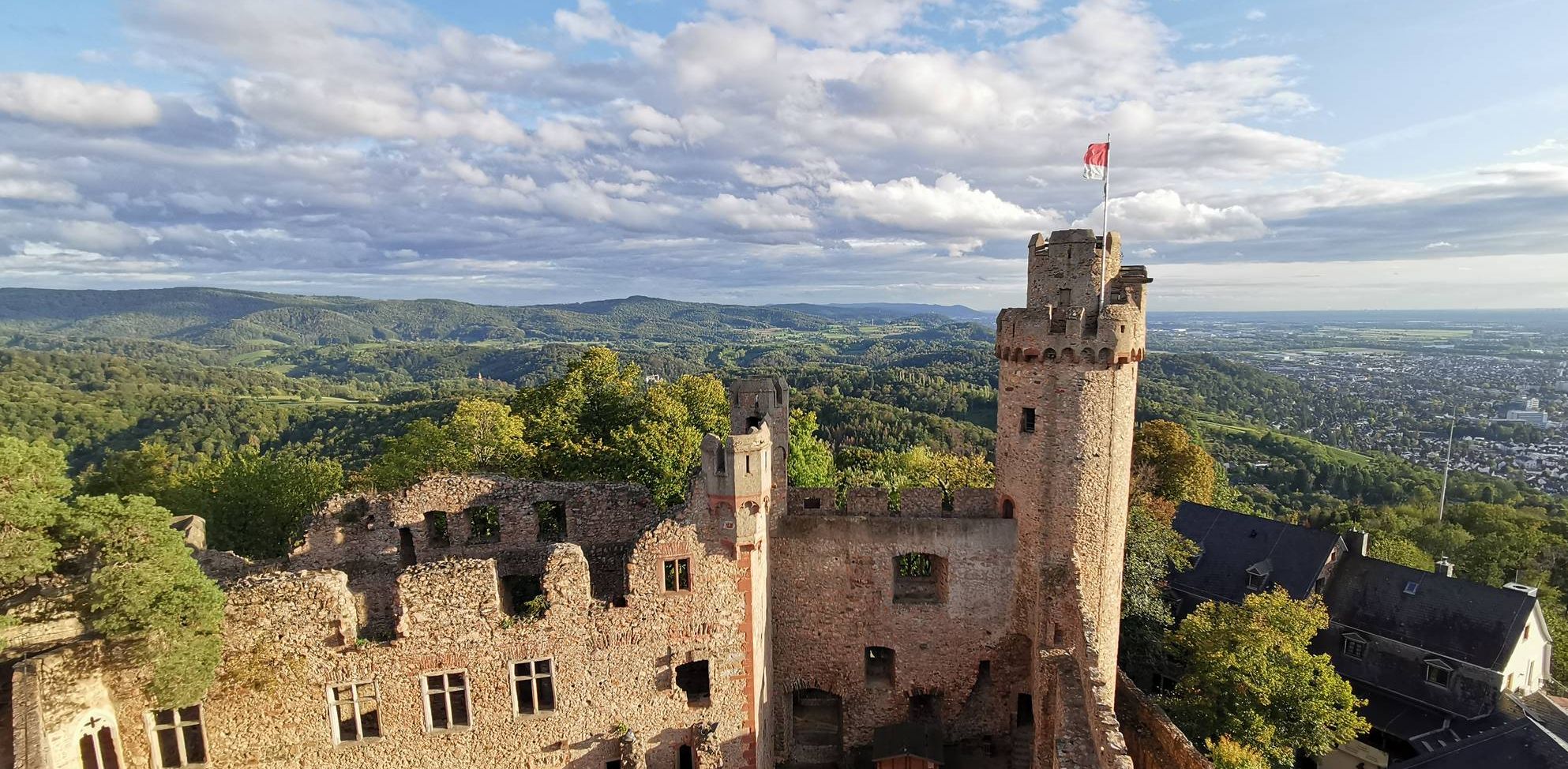
Burgensteig Bergstraße – In the footsteps of knights, hiking in 9 stages
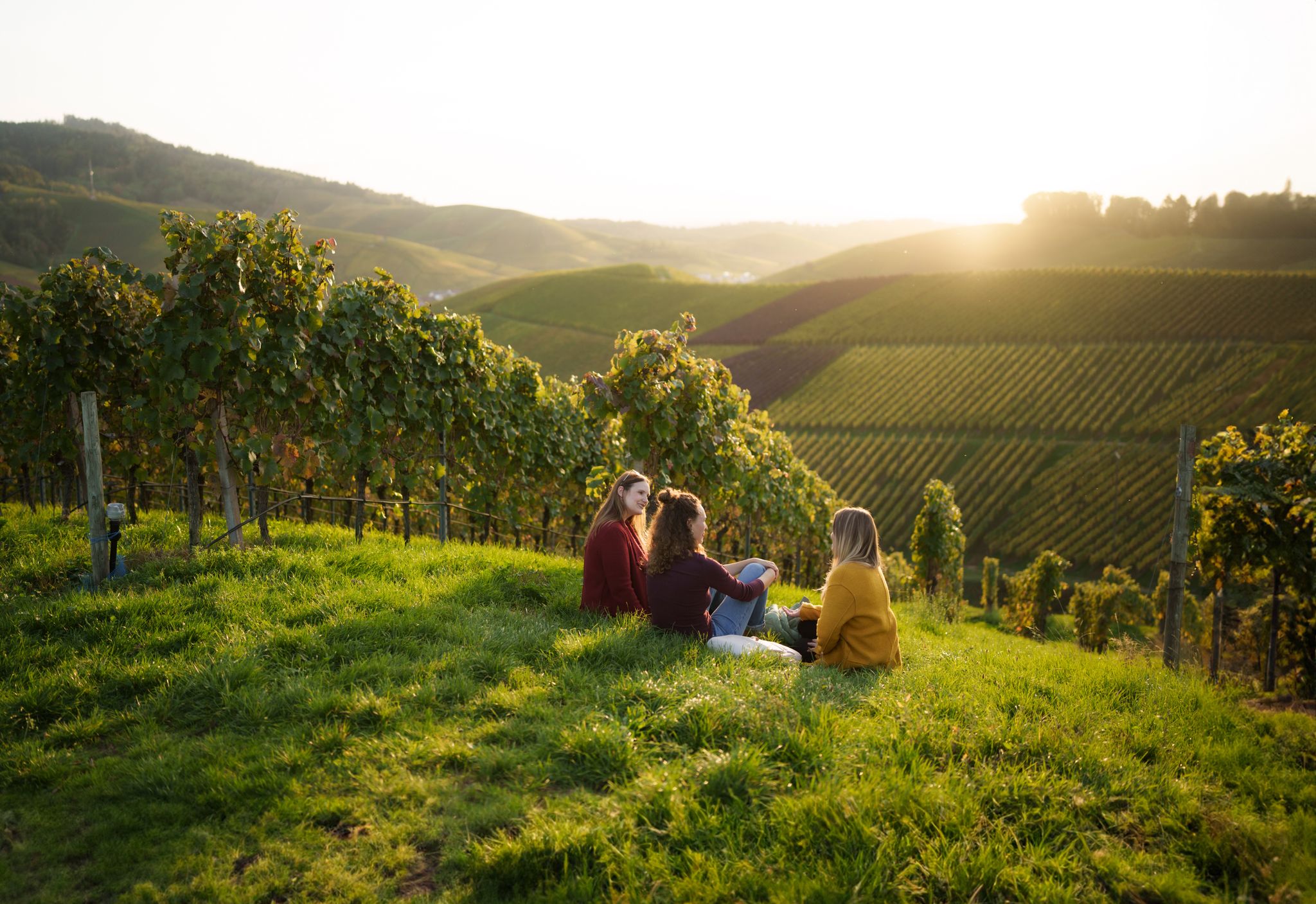
Picnics, wine and wide views – along the Baden Wine Route
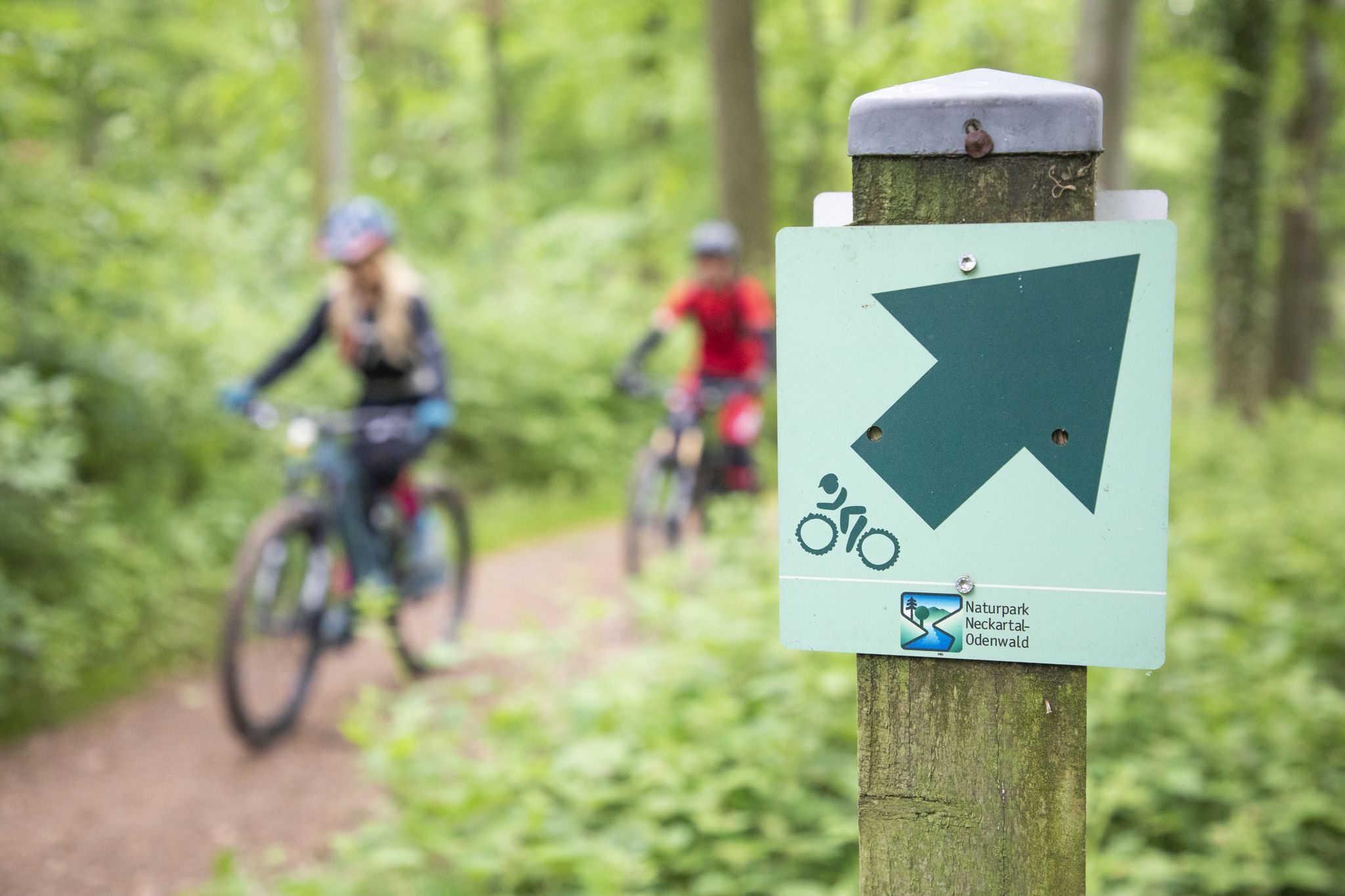
Mountainbike-Touren im Naturpark Neckartal-Odenwald
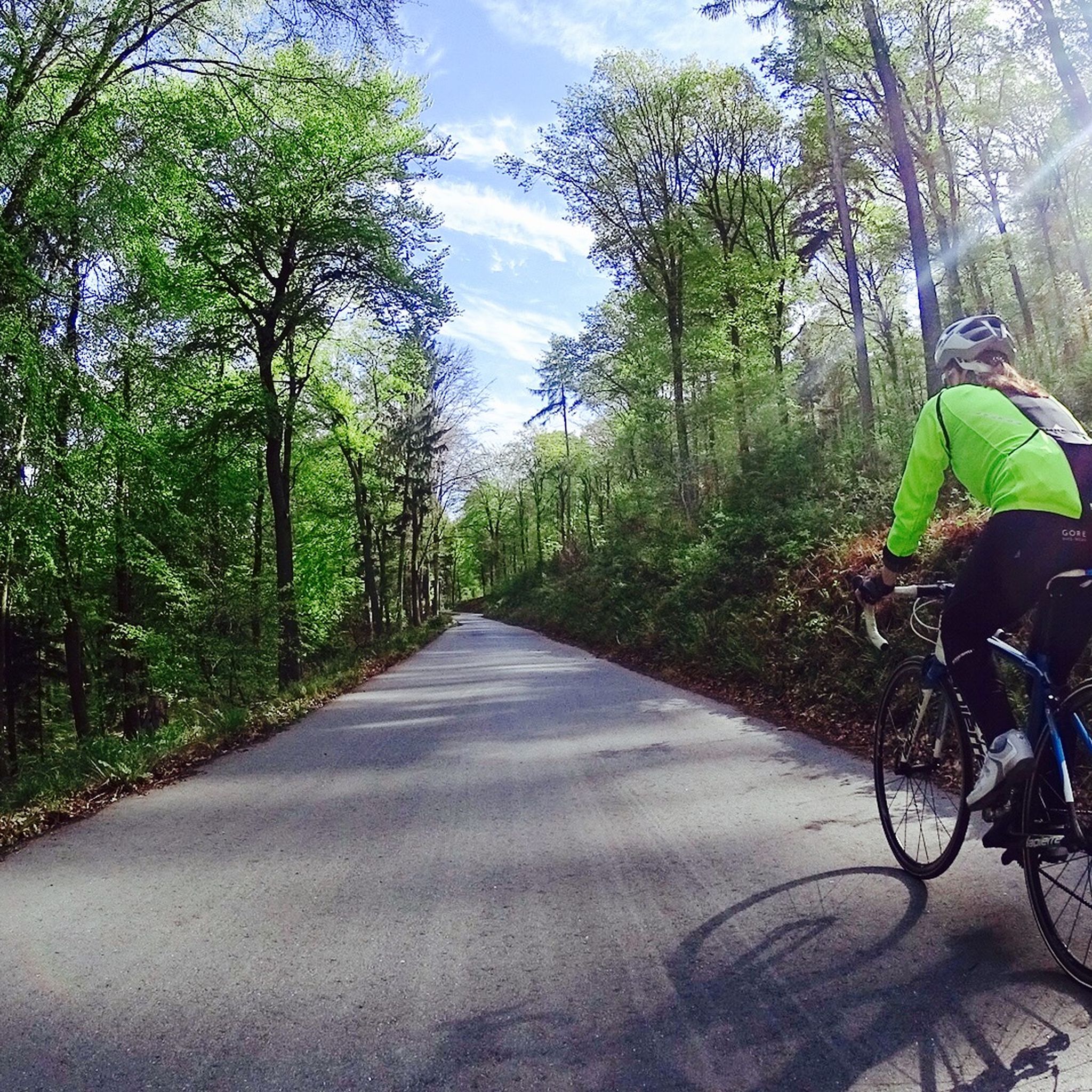
Road Cycling Routes around Dossenheim
Hiking around Dossenheim
Cycling around Dossenheim
Running Trails around Dossenheim
MTB Trails around Dossenheim

Gravel biking around Dossenheim

Mountain Hikes around Dossenheim
Other adventures around Dossenheim


Tips from the Community

Former tunnel for silicate mining... today you can't go very far inside... but the little detour is still worth it
2
0

Very interesting piece of history, and wonderfully explained on the signs :)
1
0

The Hülfe Gottes mine is located directly on the road. The entrance to the dark tunnel is closed off by a steel gate.
2
1

The mine is not open to the public. However, a look through the gate into the tunnel gives an interesting insight. It is best to take a headlamp or flashlight with you.
1
0

former mine with information board
4
0

Mining was carried out on the Odenwald slopes throughout the Middle Ages. Due to the special geological conditions, there were many mines between Weinheim and Schriesheim in which silver, lead and copper as well as heavy and feldspar were mined. There were 15 such mines in the Großsachsener Valley alone. In the 18th century, the Electorate of the Palatinate focused on promoting and reviving mining. In 1773, preliminary work began on the construction of the “Hülfe Gottes” mine. Further up the valley, a steelworks was built in 1778 to melt the metal - the later Klosa mill. However, the “Zur Hülfe Gottes” mine and steelworks had to be closed in 1783 and 1787 respectively due to lack of profitability. Source: https://www.hirschberg-bergstrasse.de/freizeit/historischer-ortsrundgang/grosssachsen/station-18-ausflug-zum-bergwerk-huelfe-gottes
6
0

Although it only goes in 3-4 meters deep, it is still interesting
2
2

A remarkable rock formation. The Wildeleutestein is a legendary secondary peak (522 m high) of the Eichelberg (525 m high). The cave located in the Wildeleutestein rock formation served as the basis for numerous sagas and legends.
1
0
Frequently Asked Questions
What kind of subterranean features can I explore around Dossenheim?
The subterranean features around Dossenheim are primarily man-made, stemming from the region's extensive history of stone mining and quarrying. You'll find historical mines, former quarries, and unique geological rock formations rather than natural cave systems. These sites offer insights into the area's industrial heritage and geological past.
What is the geological significance of the Dossenheim area's rock formations?
The Dossenheim area is geologically significant due to a volcanic catastrophe approximately 290 million years ago. This event led to molten rock rising to the Earth's surface and forming solid rhyolite (also known as porphyry) after cooling. The monumental quarry walls, such as those at the Former Quarry Leferenz, bear witness to this geological history and the vast amount of stone extracted.
Can I visit historical mines in the Dossenheim region?
Yes, you can visit historical mines. For example, the Grube Marie in der Kohlbach — Visitor Mine offers guided tours on specific days. Another historical site is the Entrance to the Hermannsgrund Silicate Mine, where you can observe old galleries, though the entrance is collapsed and inspection inside is not possible. The Hülfe Gottes Mine is also a historical site with an information board, but its interior is not accessible to visitors.
Are there any natural rock formations or viewpoints to explore?
Yes, the Wildeleutestein Rock Formation is a beautiful natural monument that offers views of the Odenwald and is a popular spot for relaxation. Another interesting natural monument is the Breathing Rock near Rothsnasenhütte, known for a mysterious phenomenon where air flows out of a crevice, warm in winter and cool in summer.
What is the best time to visit the mines and rock formations around Dossenheim?
The best time to visit depends on the specific site. For mines like Grube Marie in der Kohlbach — Visitor Mine and Hülfe Gottes Mine, the winter months are often reserved for bats, meaning interior access might be restricted or unavailable. For outdoor rock formations and quarries, spring to autumn generally offers pleasant weather for exploration and hiking.
Are there family-friendly activities related to the mines and quarries?
The historical quarries and mines, particularly the Former Quarry Leferenz, offer educational experiences that can be engaging for families. Information boards, historical photographs, and preserved mining equipment like a fracturing machine and an original light railway provide an authentic glimpse into the past. The local museum also offers guided tours by appointment, which can be a family-friendly activity.
What outdoor activities can I do near these sites?
The Dossenheim area offers various outdoor activities. You can find numerous cycling routes, such as those in the Cycling around Dossenheim guide, including easy loops like the 'Grosssachsen Town Center loop'. For runners, there are challenging trails like the 'Neckar Meadow, Ladenburg – Ladenburg Water Tower loop' found in the Running Trails around Dossenheim guide. Mountain hikes are also available, with options like the 'Heidelberg Castle – View from Königstuhl loop' in the Mountain Hikes around Dossenheim guide.
Is it possible to go caving or explore deep into the mines?
True caving is generally not possible or recommended in the Dossenheim area. Many historical mine entrances, like the Entrance to the Hermannsgrund Silicate Mine, are collapsed or sealed for safety and environmental reasons (e.g., bat habitats). Visitor mines like Grube Marie in der Kohlbach — Visitor Mine offer guided tours into accessible sections, but independent deep exploration is not permitted.
Are the trails around the quarries and rock formations dog-friendly?
Many of the outdoor trails and paths leading to the quarries and rock formations around Dossenheim are generally dog-friendly. However, it's always advisable to keep dogs on a leash, especially near historical sites, steep drops, or in areas where wildlife may be present. Specific rules might apply to visitor mines or protected natural monuments, so check local signage.
Where can I find parking when visiting these sites?
Parking availability varies by specific location. For popular sites like the Former Quarry Leferenz or trailheads leading to rock formations, designated parking areas are often available nearby. It's recommended to check local maps or specific site information for the most convenient parking options before your visit.
What do visitors enjoy most about the Dossenheim area's unique features?
Visitors appreciate the unique blend of natural beauty and historical significance. The Wildeleutestein Rock Formation is loved for its beautiful views and relaxing atmosphere. The historical mines offer a fascinating glimpse into the region's past, with many finding the old galleries and mining memorabilia quaint and educational. The geological insights into the area's volcanic history are also a significant draw.
Are there cafes or restaurants near the main attractions in Dossenheim?
Dossenheim, being a municipality with a scenic location, offers various cafes and restaurants. While specific establishments might not be directly adjacent to every mine entrance or rock formation, you will find dining options within the town center and surrounding areas, typically a short drive or walk away from the main attractions.
Most popular routes around Dossenheim
Most popular attractions around Dossenheim

Get inspired with the komoot mobile app


Explore more
Extend your search for the best caves by checking out these guides of the top ones around Dossenheim:
