Top 20 Caves around Goslar
Best caves around Goslar are found in a region rich in underground attractions, ranging from historic mines to natural dripstone caves. Goslar, a historic city on the northwestern slopes of the Harz mountain range, offers a glimpse into both geological wonders and extensive mining history. The area's landscape features sandstone formations and ancient cult sites, reflecting its long human and geological past. These sites provide diverse opportunities for exploration and understanding the region's heritage.
Best caves around Goslar
- The most…
Last updated: August 19, 2026
Bärenhöhle (Beckers Grube) near Goslar
Highlight • Cave
Translated by Google •
Tip by

Herb‑August Cave
Highlight • Cave
Translated by Google •
Tip by

Sign up now to discover places like this
Get recommendations on the best single tracks, peaks, & plenty of other exciting outdoor places.
Sign up for free
Mouth of the Zellfelder Kunstgraben
Highlight • Structure
Translated by Google •
Tip by

Bärenhöhle (Bear Cave) – Bat Winter Quarters
Highlight • Cave
Translated by Google •
Tip by

Translated by Google •
Tip by

Grube Louise
Highlight • Historical Site
Translated by Google •
Tip by

Kluskapelle on the Klusfelsen
Highlight • Natural Monument
Translated by Google •
Tip by

Grube Roter Bär Show Mine
Highlight • Historical Site
Translated by Google •
Tip by
Gipskühle Othfresen
Highlight • Natural Monument
Translated by Google •
Tip by

Zechenhaus — spring, shelter and sealed mine entrance
Highlight • Structure
A lovely rest area with a spring.
Translated by Google •
Tip by
Sign up for free to discover even more caves around Goslar.
Sign up for free
Already have an account?
Start today with a free account
Your next adventure awaits.
Login or Signup
Popular around Goslar
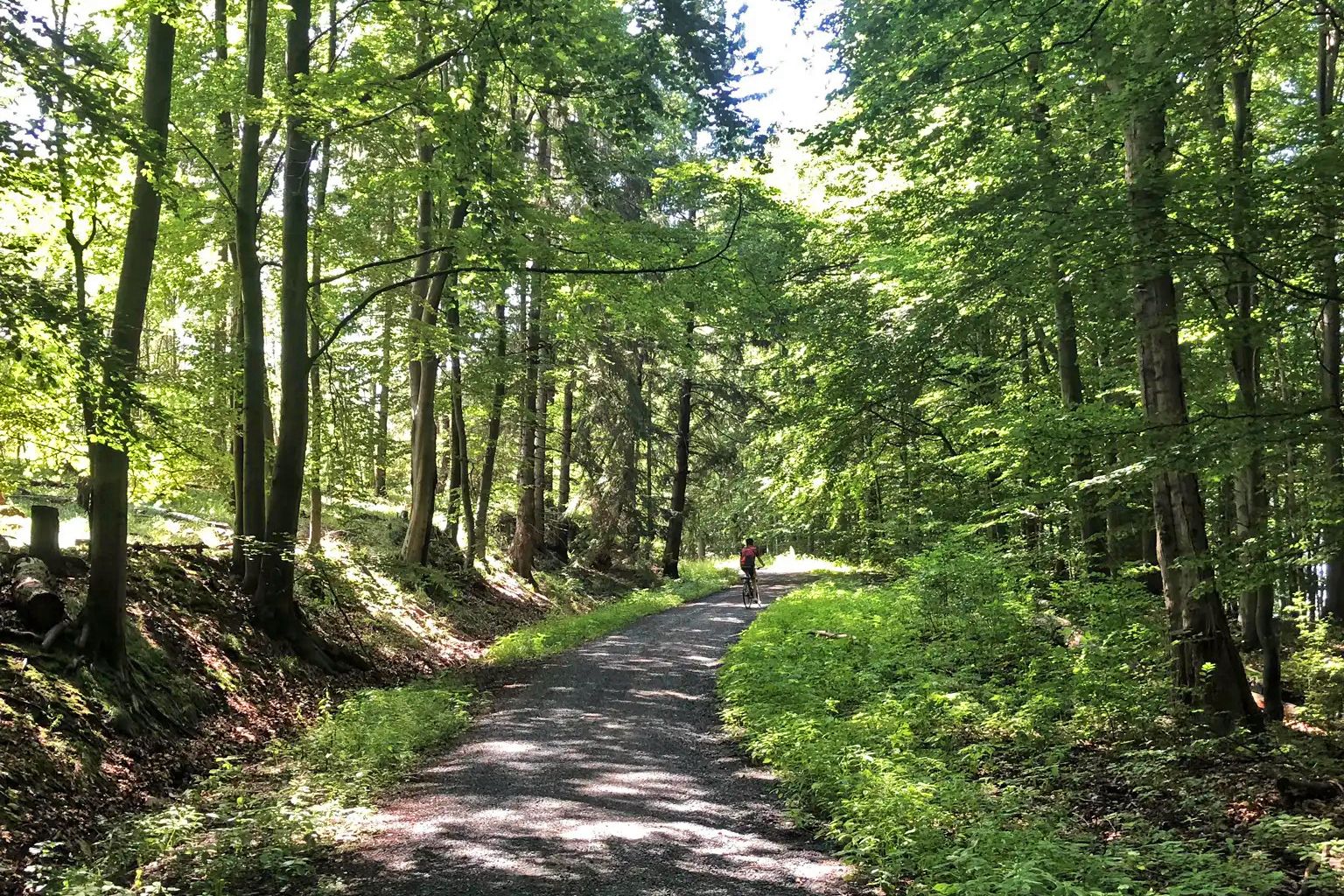
The Harz-Rundweg – once around the low mountain range in the Harz foreland
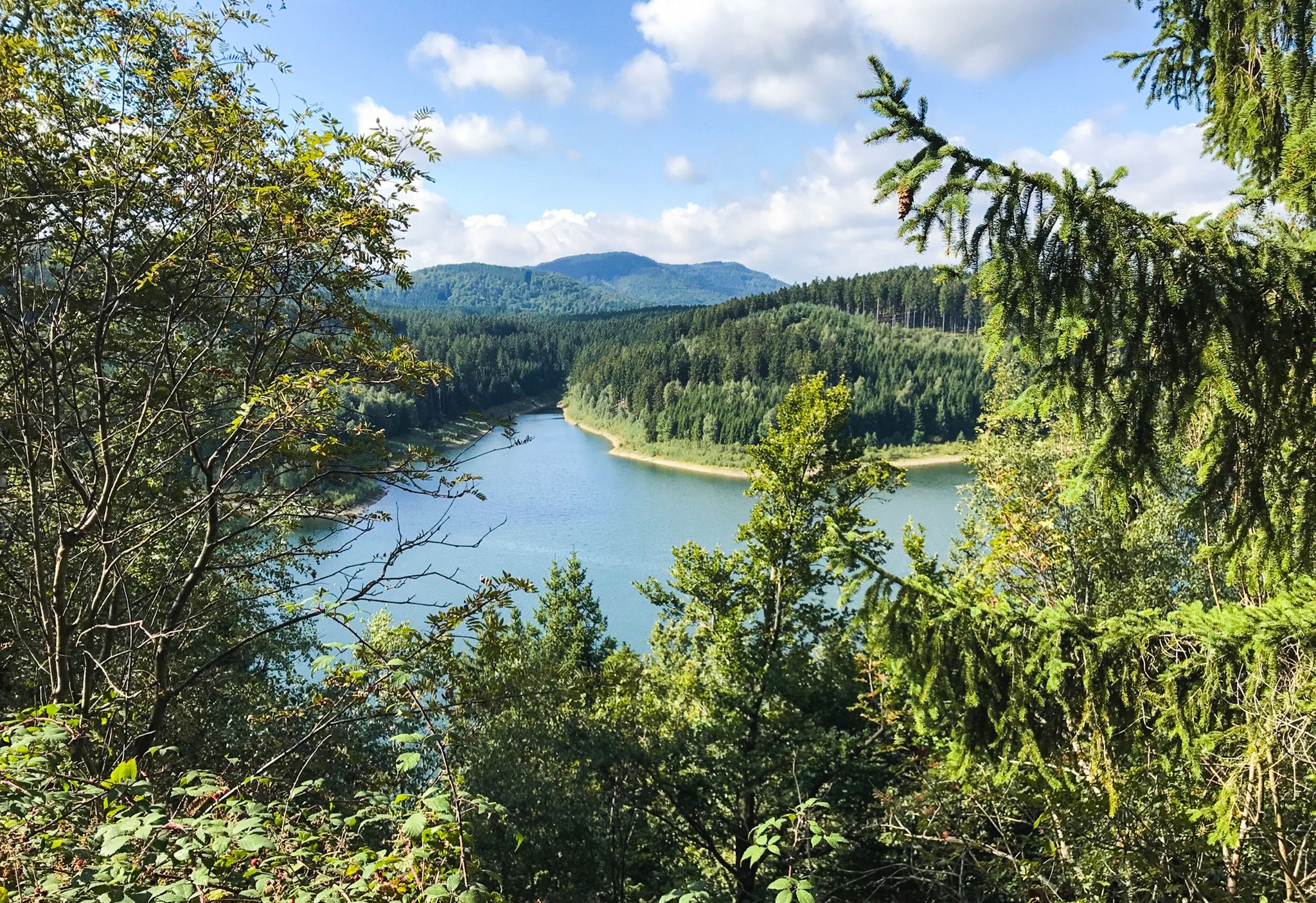
The Harzer Försterstieg trail – in 4 stages through the western Harz
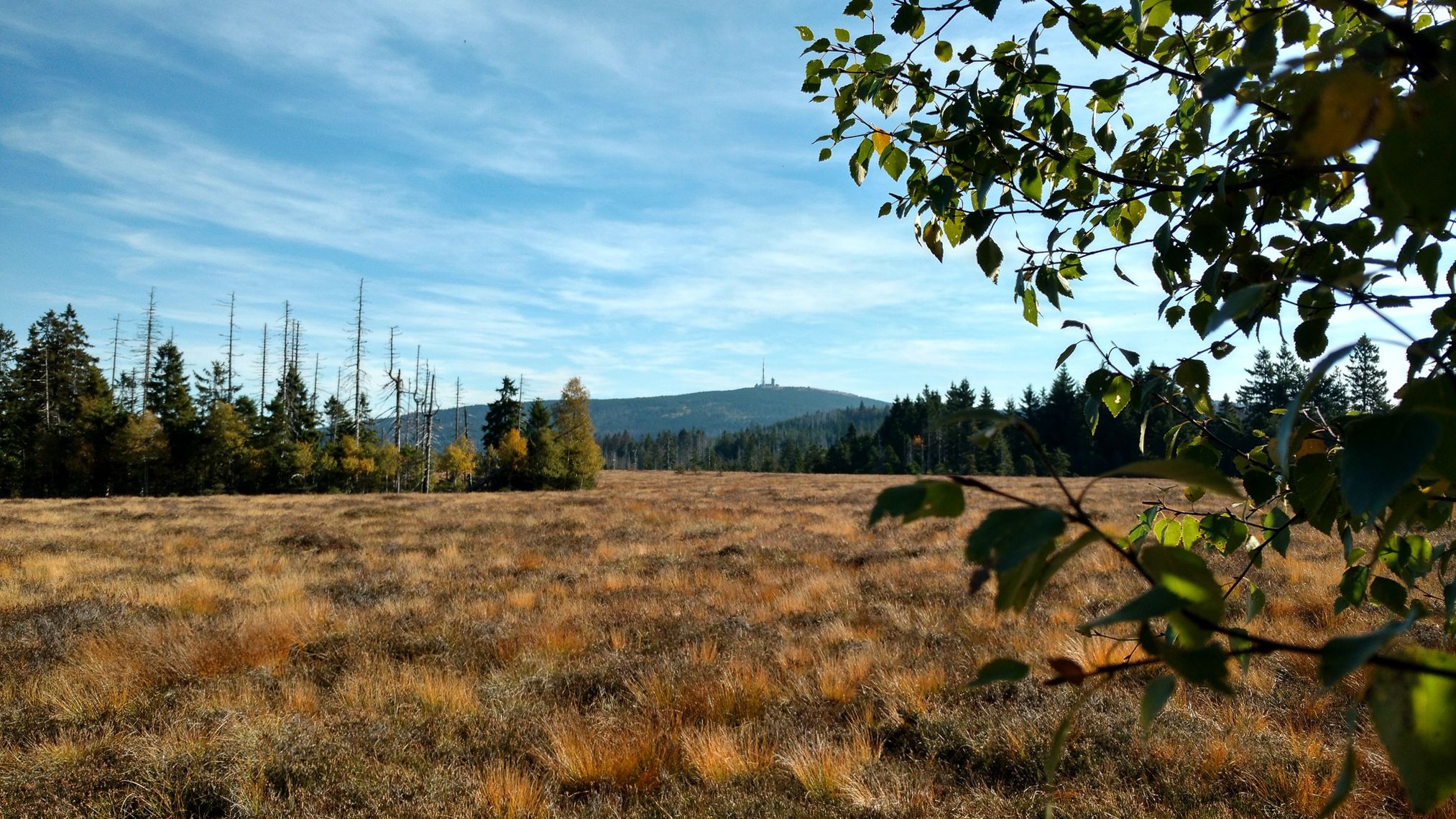
Harz Witches' Trail – A magical journey through Germany
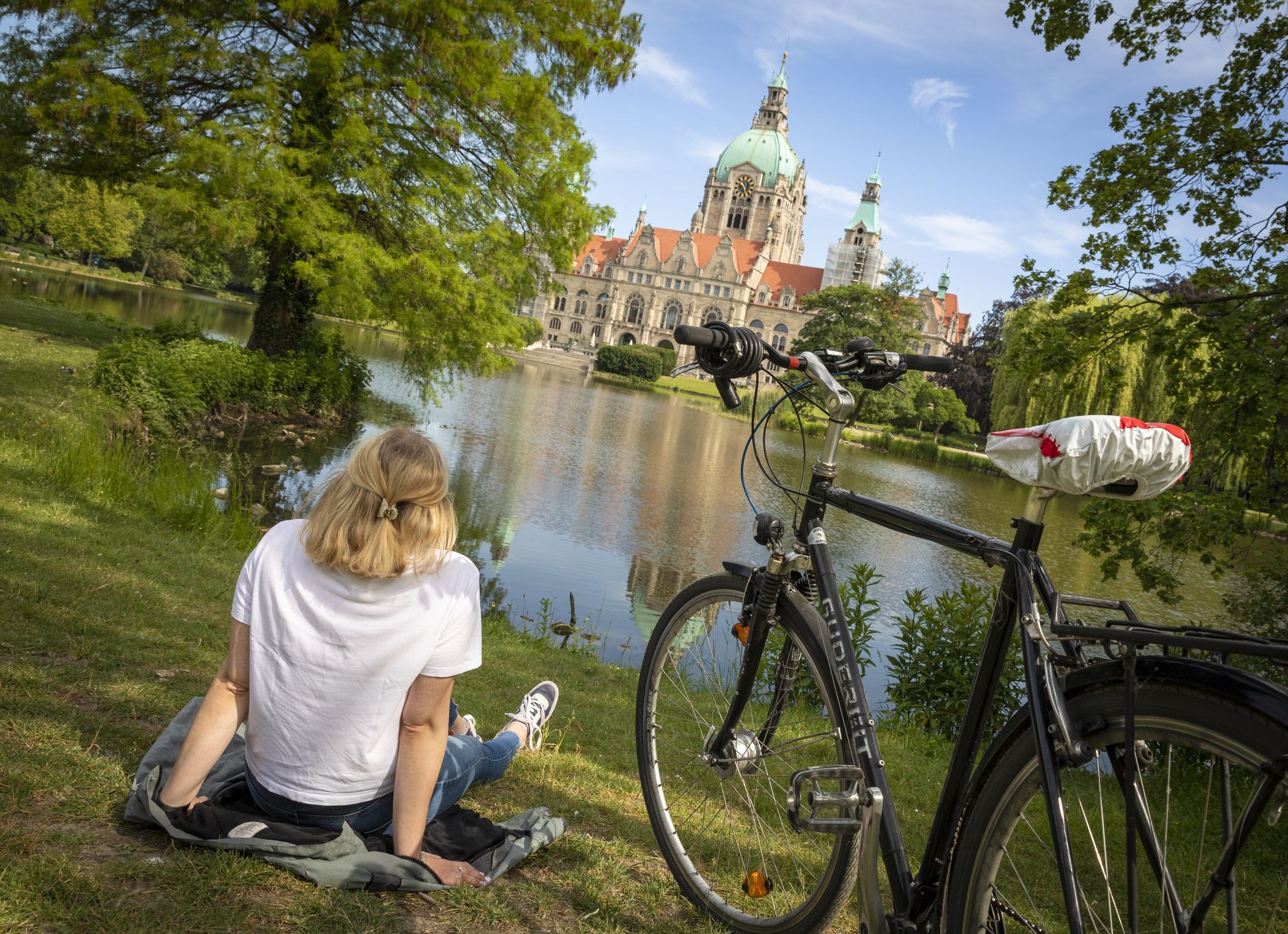
On two wheels - 9 cities + 2 in Lower Saxony
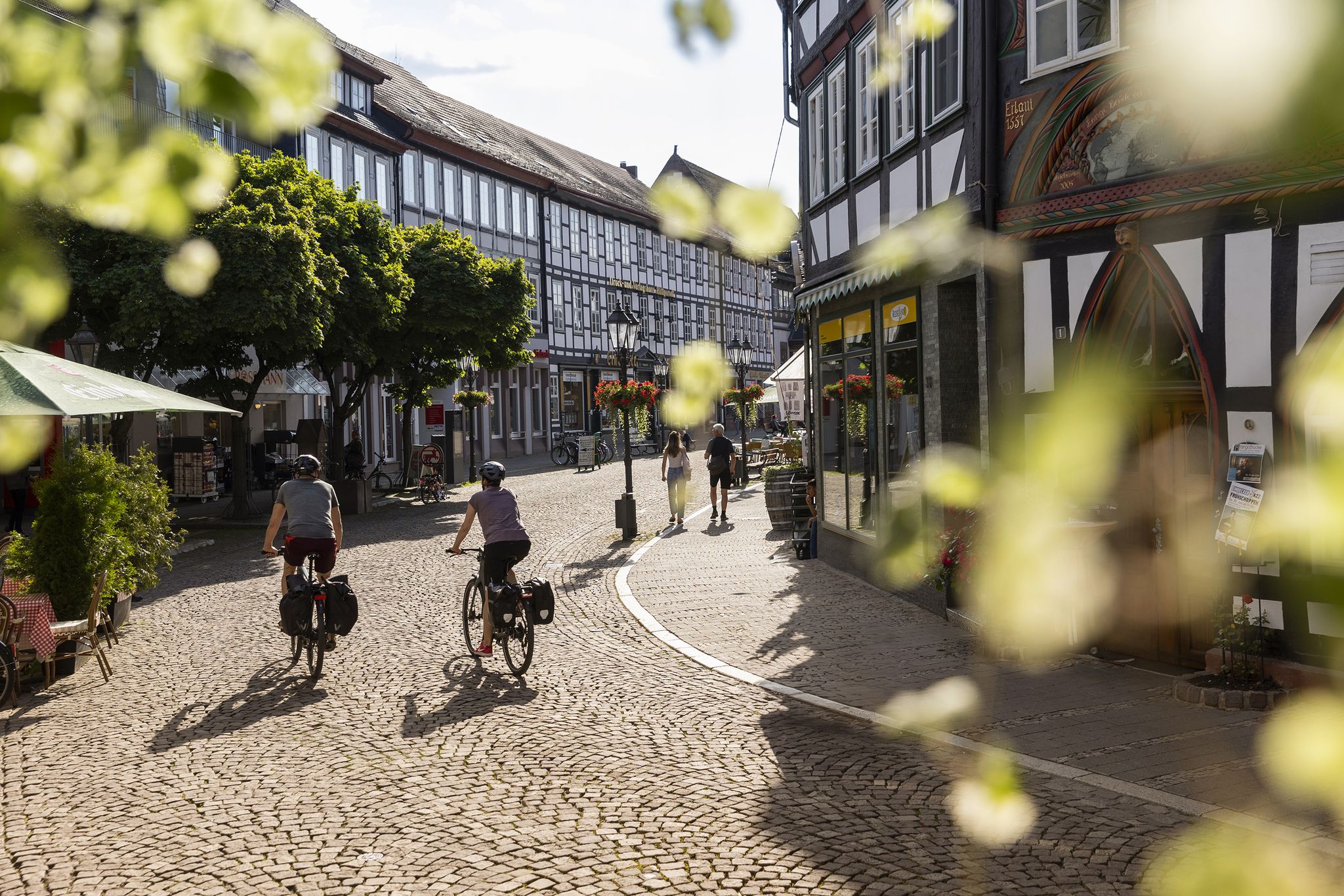
Experience cultural history on D-Route 3 – European Cycle Route R1
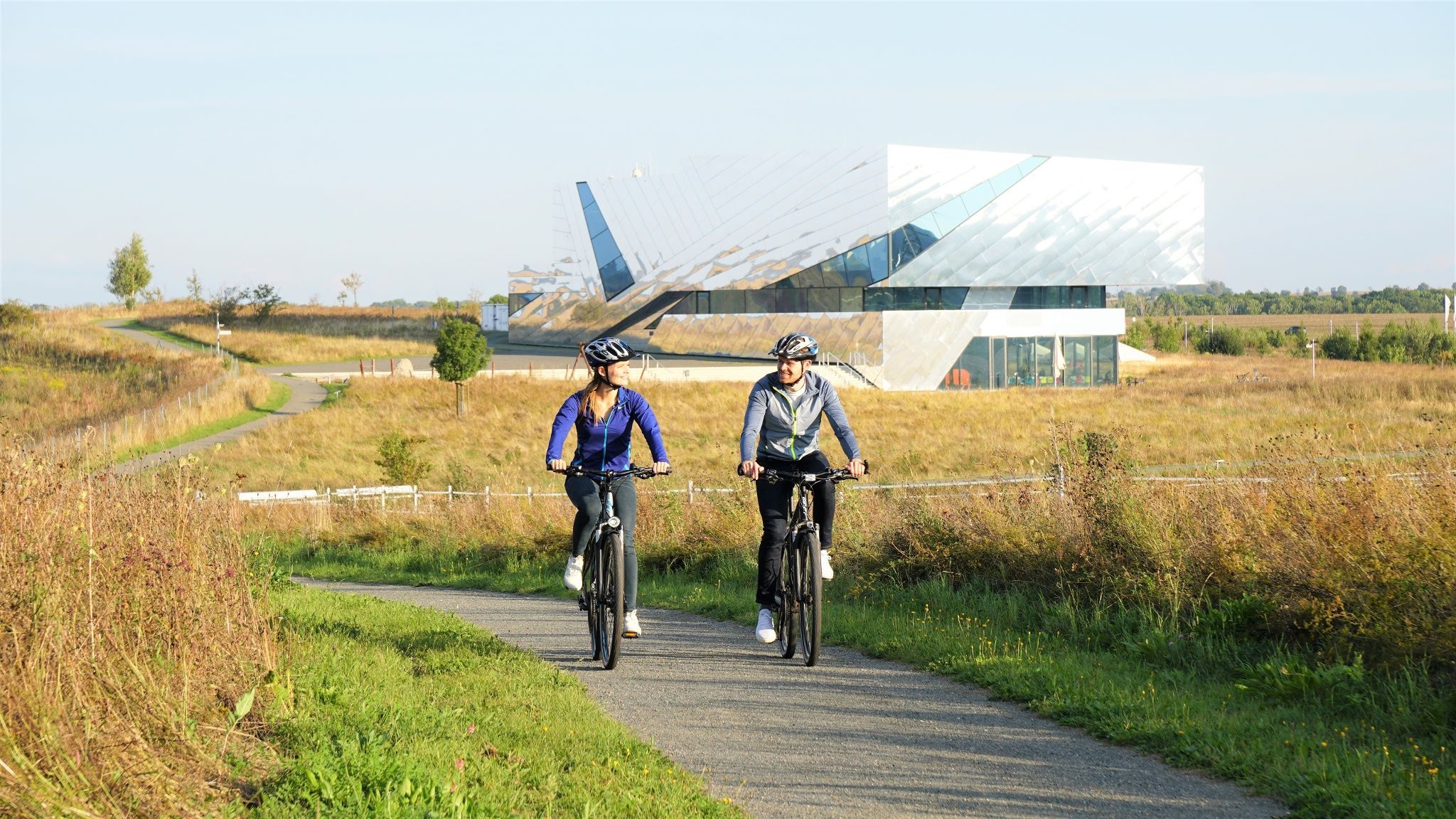
Nature and culture by bike – Brunswick Land loop
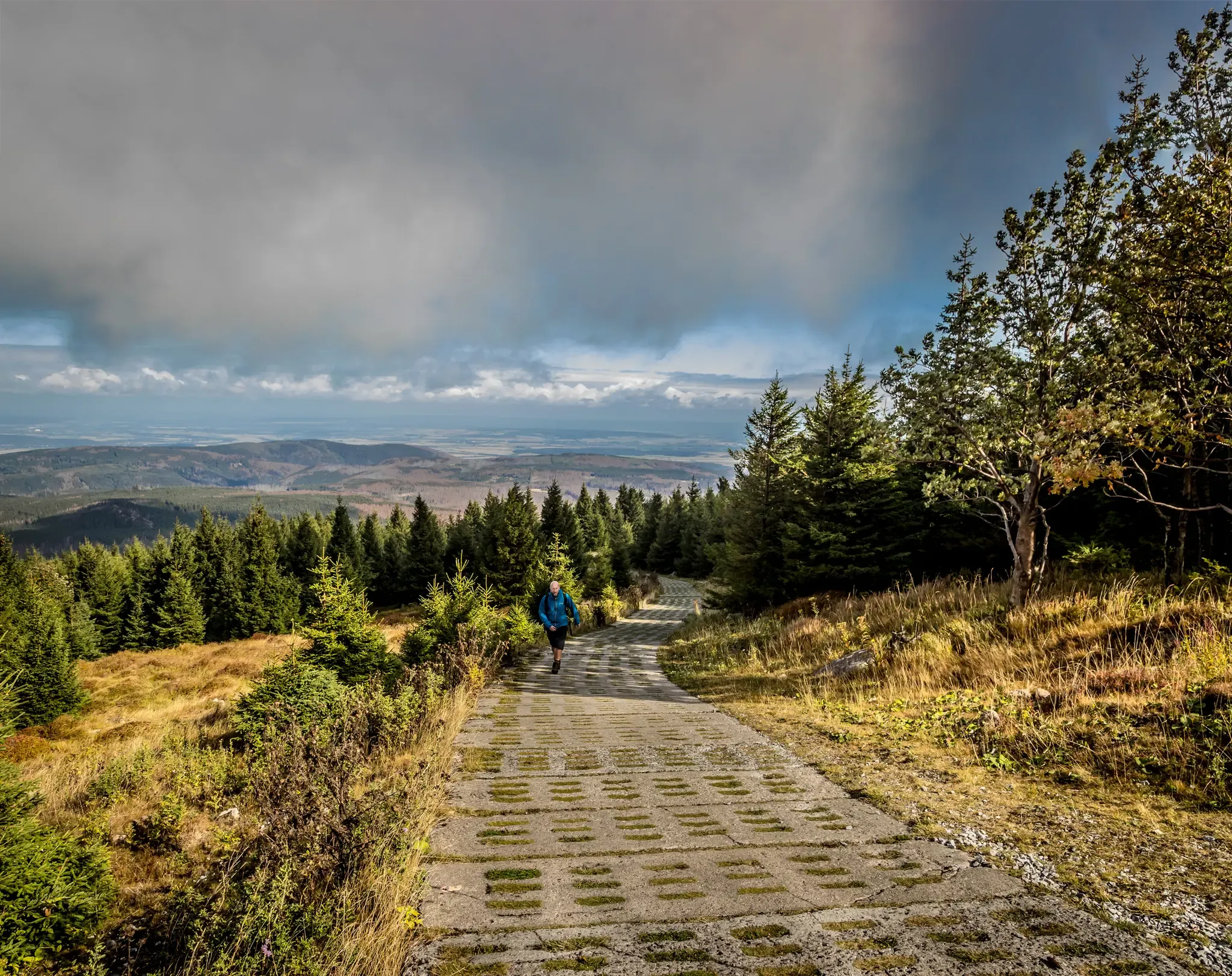
Reunited mountains – hiking along the Harz Border Trail
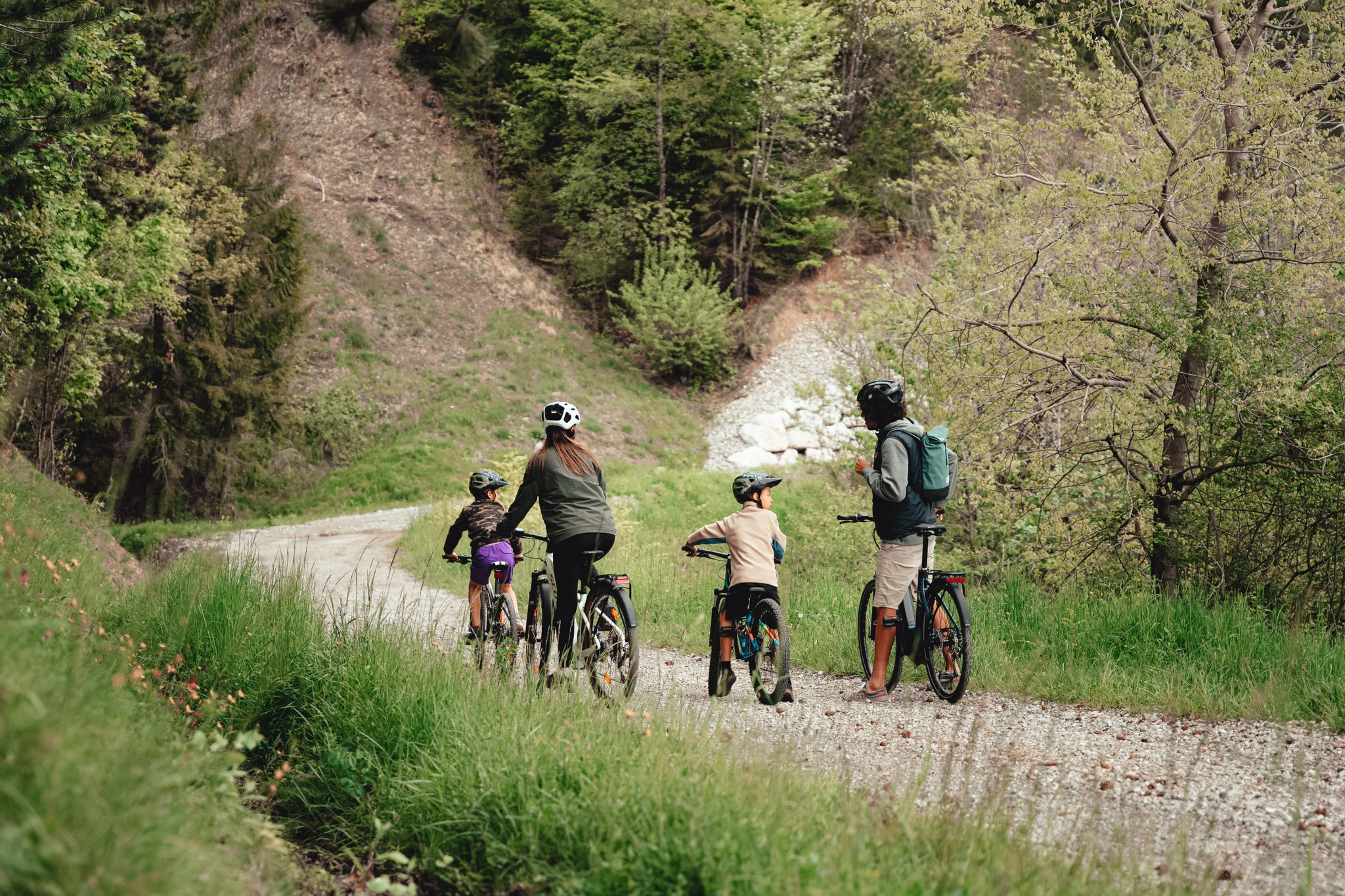
Family-friendly Mountainbiketouren in Nationalpark Harz
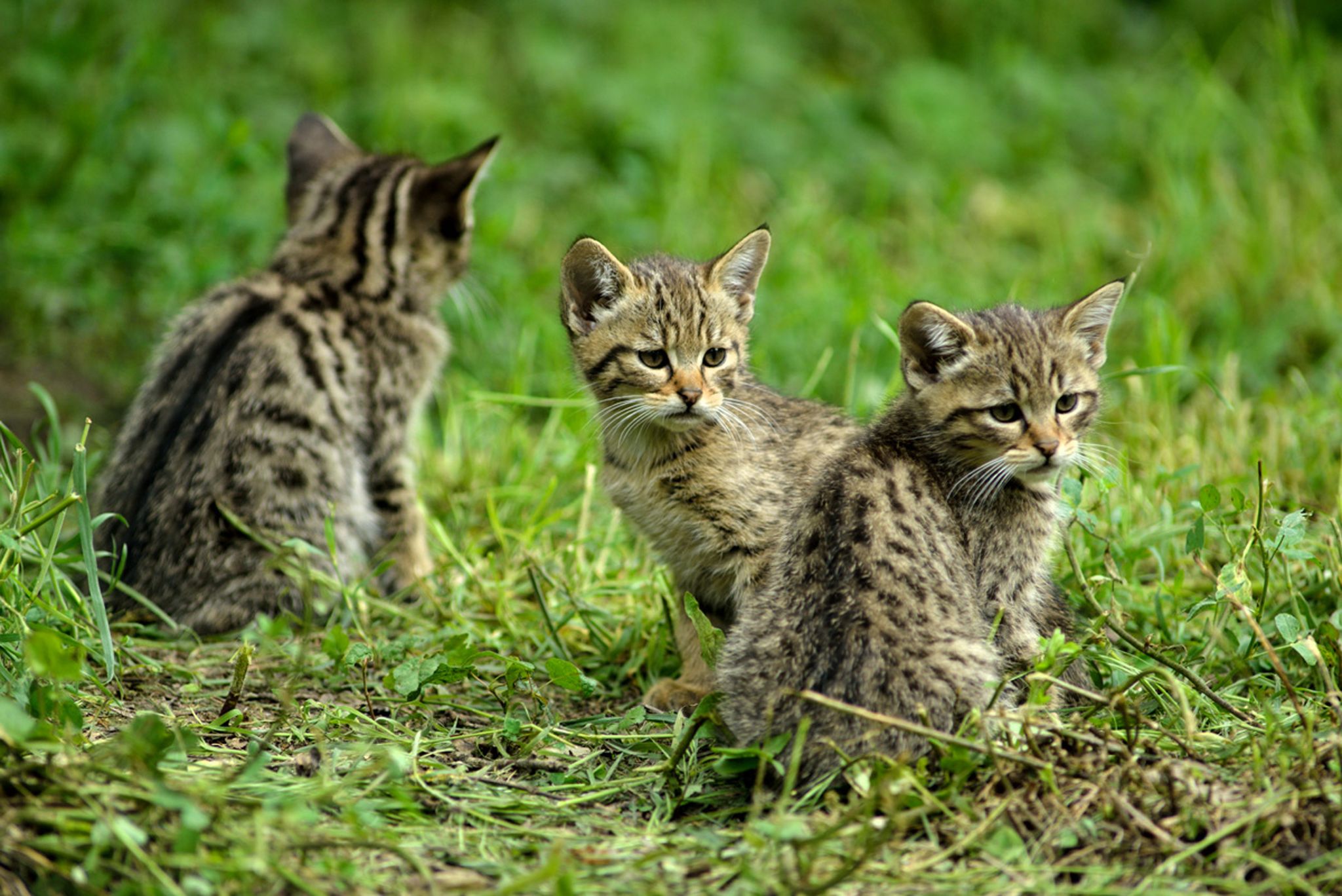
Hike with BUND on the trail of the European wildcat
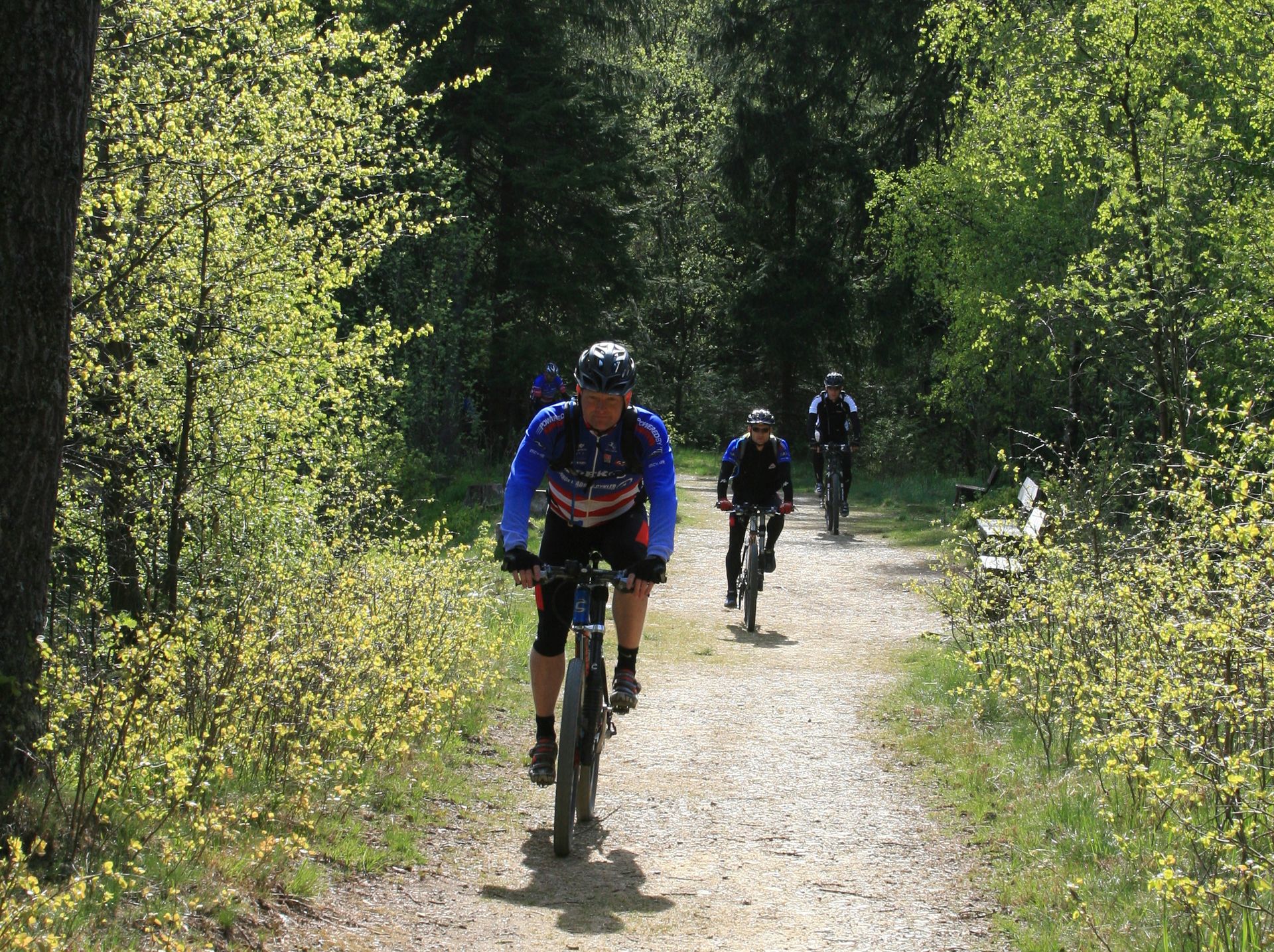
Mountainbike Routes in Nationalpark Harz
Other adventures around Goslar


Tips from the Community

The porous and coarse-grained yellow sandstones of the Klusfelsen form a 20 m high and 50 m long cliff and date from the Lower Cretaceous period.
5
1

Between rock and stream, a beautiful path.
1
0
Only the name of the former mine building remains, but the sealed mine entrance is a reminder of the former iron ore mining operations. A lovely rest area with a spring.
7
0

A worthwhile sight
4
0

Very nice club. A trip to the mines is definitely worth it!
0
0
Here, a voluntary association takes care of the maintenance of the mine facilities.
6
1

Information at https://de.m.wikipedia.org/wiki/Grube_Roter_B%C3%A4r
1
0

Since 1990, the Roter Bär mine has been offering group tours for groups of 10 or more on Saturdays at 2 p.m. from April to October. Special tours are also offered. We were there on November 16, 1924, and we saw hard-working workers. The sign says that you are welcome to get involved yourself: "Anyone who doesn't just want to watch but would like to get involved is very welcome." Work begins every Saturday at 9:30 a.m. in the training mine. A very good idea.
0
0
Frequently Asked Questions
What types of underground attractions can I explore around Goslar?
The region around Goslar offers a diverse range of underground experiences. You can visit natural dripstone caves like the Iberg Dripstone Cave and the Rübeland Caves (Baumanns and Hermanns Cave), historic mines such as the Rammelsberg Mine and the Grube Roter Bär Show Mine, and ancient cave dwellings like those at the Kluskapelle on the Klusfelsen.
Are there any caves around Goslar with significant historical importance?
Absolutely. The Kluskapelle on the Klusfelsen features cave dwellings and ancient steps, with evidence of use since the Stone Age. The Rammelsberg Mine, a UNESCO World Heritage Site, operated for over 1,000 years and offers insights into the region's extensive mining history. The Herb‑August Cave is a former sandstone quarry with local historical significance.
Which caves are particularly known for their unique geological formations?
The Iberg Dripstone Cave near Bad Grund is a geological rarity, formed in what was once a coral reef 385 million years ago, featuring impressive stalactites and stalagmites. The Rübeland Caves (Baumanns and Hermanns Cave) also boast a wealth of stalactites, stalagmites, and unique features like the Crystal Chamber in Hermanns Cave. The Kluskapelle on the Klusfelsen is set within a striking sandstone formation.
Are there family-friendly caves or underground experiences suitable for children?
Yes, several sites are great for families. The Iberg Dripstone Cave, with its tales of the benevolent dwarf king Hübich, is particularly enchanting for children. The Herb‑August Cave is also categorized as family-friendly. The Rammelsberg Mine offers diverse tours, including a mine train ride, which can be exciting for younger visitors.
What is the best time to visit the caves around Goslar?
Many show caves, like the Rübeland Caves, maintain a constant cool temperature of 8-9°C year-round, making them suitable for visits in any season. However, some natural caves, such as the Bärenhöhle (Bear Cave), serve as bat winter quarters, which may affect accessibility during colder months. It's always advisable to check specific opening times for each attraction.
What should I wear when exploring the caves in the Goslar area?
Due to the constant cool temperatures inside many caves (typically 8-9°C), it is recommended to wear warm clothing, even in summer. Non-slip shoes are also advisable, especially for guided tours in caves like the Rübeland Caves, where paths might be damp.
Are there any caves near Goslar that are home to unique wildlife?
Yes, the Bärenhöhle (Beckers Grube) near Goslar and the Bärenhöhle (Bear Cave) are identified as bat wintering sites. Hermanns Cave in Rübeland is notable as the only place in Germany where rare olms (aquatic salamanders) were settled, and it is also known for its bat population and cave bear bones.
Can I find hiking trails or other outdoor activities near the caves?
Yes, the region around Goslar offers numerous outdoor activities. You can find various hiking routes, such as those detailed in the Hiking around Goslar guide, or explore waterfall hikes in the Waterfall hikes around Goslar guide. There are also options for gravel biking, as highlighted in the Gravel biking around Goslar guide, allowing you to combine cave visits with active exploration of the Harz landscape.
Are there any lesser-known or 'hidden' caves worth discovering near Goslar?
The Bärenhöhle (Beckers Grube) near Goslar is described as a small, hidden cave, primarily known for its bat population. The Geological Nature Trail 'Spar die Müh' and Dwarf Cave (Zwergloch) near Lautenthal offers a combination of geological exploration and a small cave experience, often less frequented than the larger show caves.
What makes the Iberg Dripstone Cave unique compared to other caves?
The Iberg Dripstone Cave stands out due to its unusual formation process. It was formed in what was once a coral reef in the South Seas approximately 385 million years ago. Its connection to historic iron ore mining and the presence of the HöhlenErlebnisZentrum (Cave Experience Centre), which includes a 3000-year-old cave tomb, make it unique in Europe. You can learn more about its geological significance on Wikipedia.
What can I expect from a visit to the Rammelsberg Mine?
The Rammelsberg Mine offers a deep dive into over 1,000 years of mining history. Visitors can choose from various tours, including exploring the 200-year-old Roeder Gallery with its impressive wooden water wheels, experiencing a ride on a mine train through the Richt Shaft, or even an adventure tour through the 800-year-old Rathstiefste Gallery. An extensive museum above ground showcases artifacts and the lives of miners.
Are there any caves that offer cultural events or performances?
Yes, Baumanns Cave, one of the Rübeland Caves, is famous for its Goethe Hall. This 300-square-meter chamber serves as a unique natural stage for theatre and music performances, with illuminated stalactites providing an impressive backdrop.
Most popular routes around Goslar
Most popular attractions around Goslar

Get inspired with the komoot mobile app


Didn’t find what you were looking for?
Discover more caves around Goslar region by region:
Explore more
Extend your search for the best caves by checking out these guides of the top ones around Goslar:
