Top 20 Caves in Malta
Caves in Malta offer diverse experiences, from prehistoric sites to sea caverns. The archipelago's geological history has created a variety of natural formations, including ancient fossil locations and vibrant blue grottoes. These natural features are significant attractions, providing insights into Malta's past and unique landscapes. The islands feature both land-based caves and extensive sea cave systems.
Best caves in Malta
- The most popular caves is Mgarr ix-Xini Bay, a beach and historical site featuring caves in its rock walls. This bay is known for swimming, snorkeling, and diving, with caves and a nearby wreck attracting divers.
- Another must-see spot is Blue Grotto (Taħt il-Ħnejja), a cave system and natural monument. Visitors can experience a complex of six sea caves, with the largest arch reaching approximately 25 meters high, known for its clear, sky-blue waters.
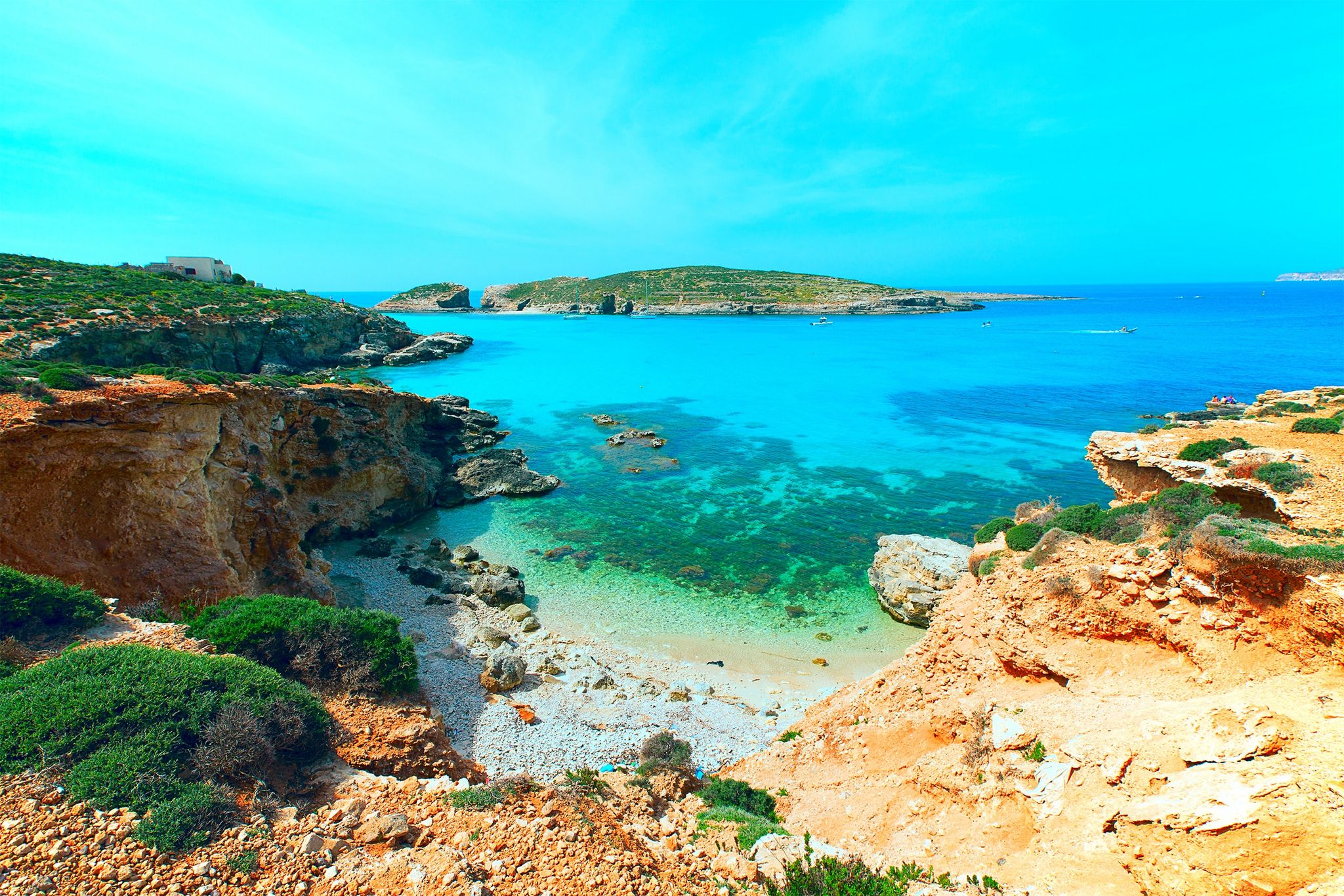
- Visitors also love Coral Lagoon, a cave and natural monument. This grotto was formed by the collapse of an underground cave's roof, creating a natural pool with turquoise blue water.
- Malta is known for sea caves, historical caves, and geological formations. The variety of caves includes those with ancient fossils, underwater grottoes, and impressive stalactite and stalagmite displays.
- The caves in Malta are appreciated by the komoot community, with 196 upvotes and 73 photos shared across 31 highlights.
Last updated: August 5, 2026
Mgarr ix-Xini Bay
Highlight • Beach
Translated by Google •
Tip by

Blue Grotto (Taħt il-Ħnejja)
Highlight • Cave
Translated by Google •
Tip by

Sign up now to discover places like this
Get recommendations on the best single tracks, peaks, & plenty of other exciting outdoor places.
Sign up for free
Għar Dalam Cave
Highlight • Cave
During World War II, during the Second Great Siege of Malta, the cave served as a refuge for the population from bombing raids. The British armed forces also used it to store aircraft fuel from October 1940. The cave and museum did not reopen until 1947. However, no major excavations were carried out after the end of the Second World War. A few smaller excavations were carried out by the German paleontologist Gerhard Storch in the 1970s, which affected all sedimentary layers. Today, the cave is largely empty, with only two sedimentary columns remaining as reference profiles for clarifying the stratigraphy. A new, significantly larger exhibition hall opened next to the old museum building in 2002.
Source: Wikipedia
Translated by Google •
Tip by

Wignacourt Museum, St. Paul's Grotto, and World War II Shelter
Highlight • Historical Site
Translated by Google •
Tip by

Cittadella Air-Raid Shelter
Highlight • Historical Site
As the war became more entrenched, particularly after the German blitz of early 1941, Gozitans realized that the thick walls of their houses were not going to withstand the aerial attacks and shelter them. Subsequently, those who could afford it, commissioned their own private shelters and, in fact, many of these private shelters were dug out before the Government started thinking about providing public shelters for all.
Government shelter digging started in March 1941 with activity increasing over May and June and continuing into 1942.
Rabat had several shelters being dug out at the same time and this one at the Cittadella was one of the largest and most popular with those seeking shelter. The total cost was £1071 to complete.
Tip by

Ghajn Abdul Cave
Highlight • Cave
The cave is not far away, but thistles accompany the hiker to the cave, where you can find more than 7000 years old potsherds, the oldest known evidence of civilization in Gozo. The place is quiet, except for the hum of insects you can hear almost nothing. A wonderful place of rest with a magnificent view.
Translated by Google •
Tip by

Billingshurst Cave
Highlight • Cave
Translated by Google •
Tip by
Il-Latnija Cave
Highlight • Cave
Translated by Google •
Tip by

Coral Lagoon
Highlight • Cave
Translated by Google •
Tip by

Our Lady of the Cave Chapel, Mellieħa
Highlight • Religious Site
Translated by Google •
Tip by
Sign up for free to discover even more caves in Malta.
Sign up for free
Already have an account?
Start today with a free account
Your next adventure awaits.
Login or Signup
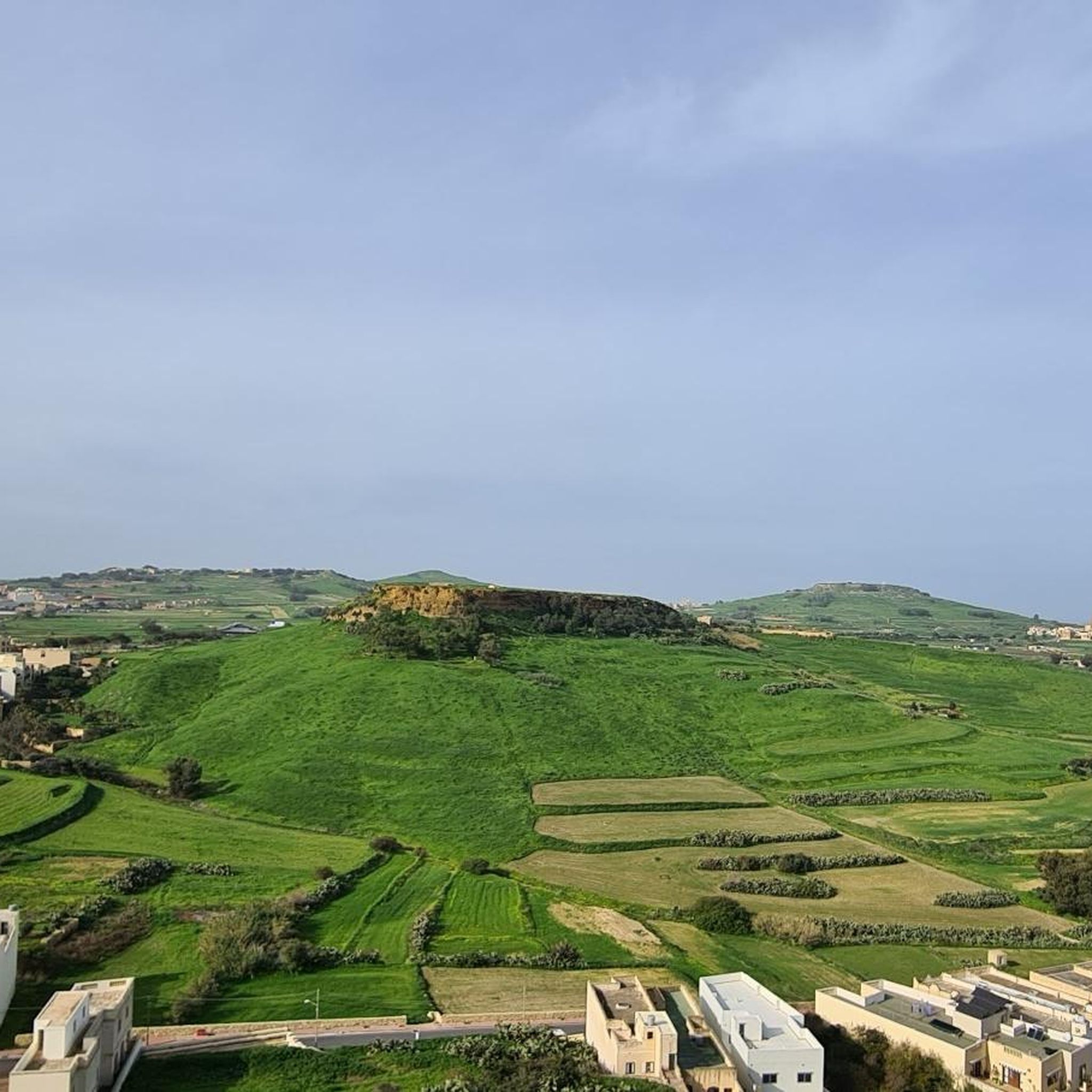
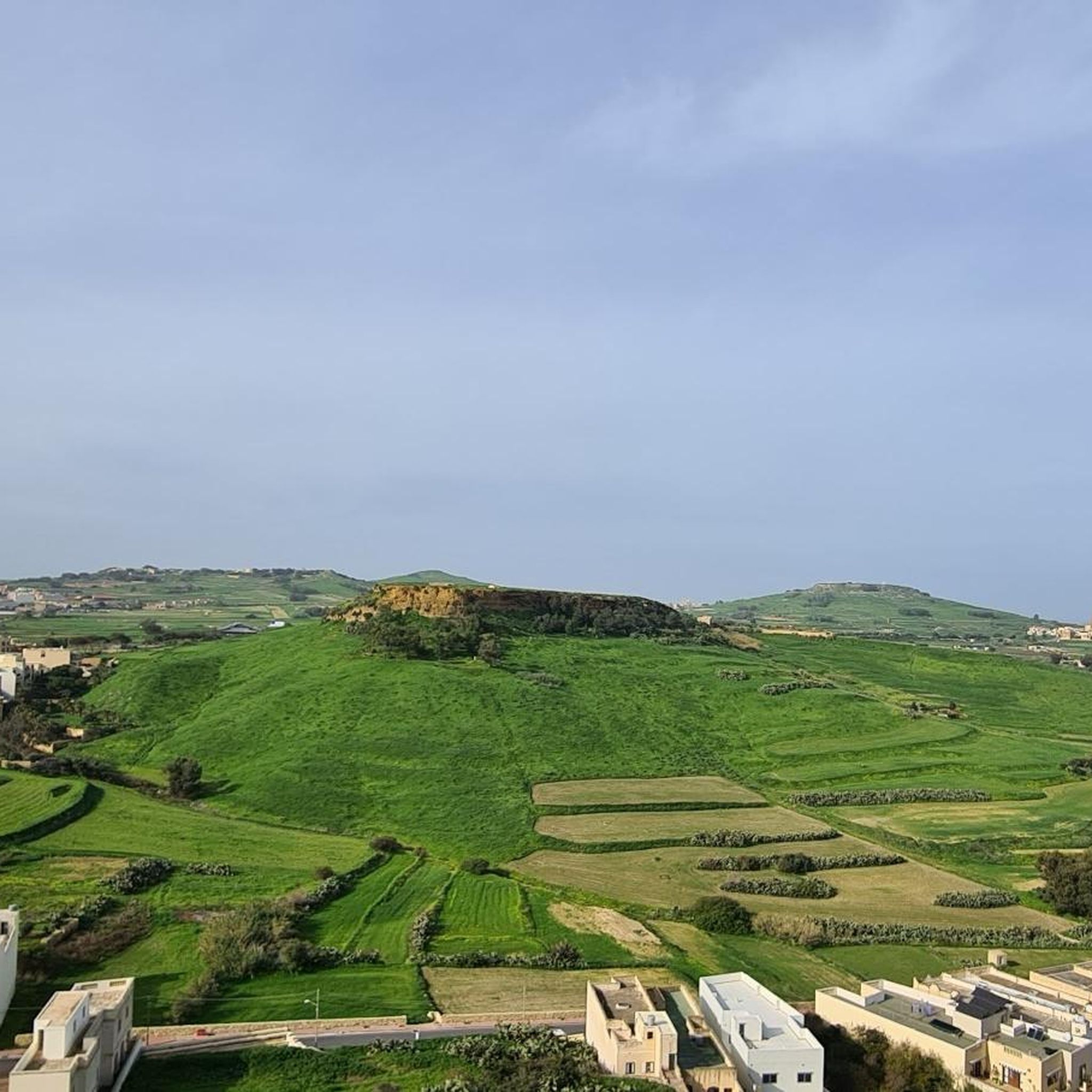
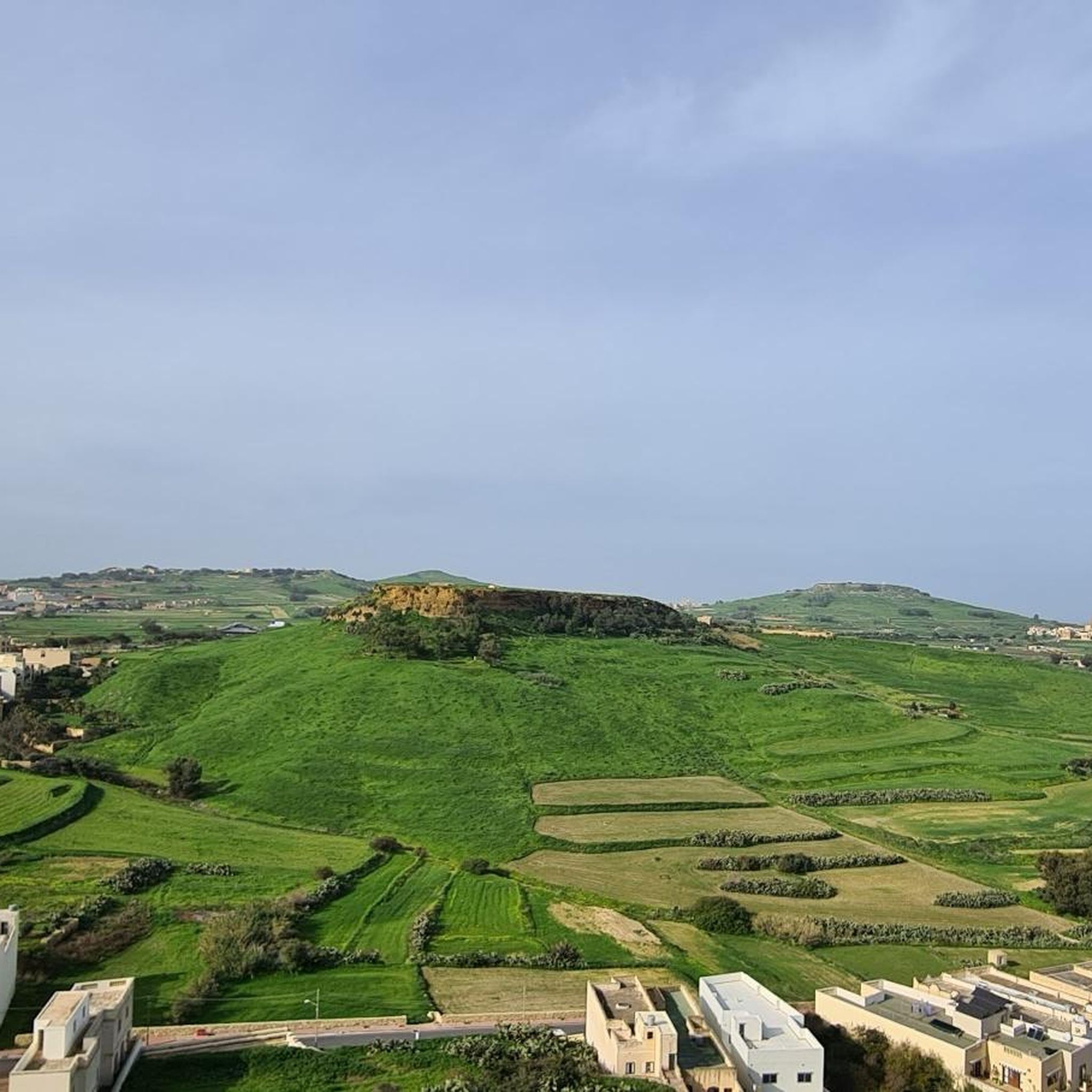

Tips from the Community

Completely fenced and not accessible, you can only look through the fence a bit...
1
0

Unfortunately, we only saw it from above as we arrived too late. The boat tour costs €10 for adults. When we arrived, the boats were already being pulled ashore.
0
0

The cave chapel of Mellieħa is one of the oldest and most important Marian shrines in Malta. It lies slightly below the center of Mellieħa and is partially built into a natural rock grotto, giving it a very special atmosphere.
0
0

You can no longer access this cave as it has been fenced off due to rock fall
1
0

Għar Dalam (Cave of Darkness) is a karst cave in Birżebbuġa, in southeastern Malta. It is considered the oldest prehistoric site in the archipelago and contains the earliest evidence of human habitation, dating back 7,400 years. Bone of Ice Age animals, including dwarf elephants and hippos, has been found in the cave. The museum next to the cave displays the finds and explains the island's history.
1
0

If you don't mind taking a boat trip, you have the opportunity to take a look at Felstor from above, directly from the access road.
7
1
The cave was first mentioned in 1647 by the Maltese historian Giovanni Francesco Abela (1582–1655). Għar Dalam became known as a fossil bone site in 1865, when the Genoese geologist Arturo Issel (1842–1922), searching for Neanderthal remains, discovered the first hippopotamus bones there. In 1892, the English teacher John Henry Cooke conducted several excavations, uncovering a large number of Pleistocene animal bones. The success of these investigations led to the cave being visited by numerous fossil collectors over the next 30 years. It wasn't until 1922 that new, larger-scale scientific investigations were conducted. These were initiated by Gertrude Caton-Thompson (1888–1985), a British archaeologist, and later continued by her Maltese colleague Joseph G. Baldacchino (1894–1974). The vast amount of finds soon led to a storage problem, which is why a house was built over the cave by 1930. The cave itself was opened to visitors in March 1933, while excavations ended in 1937. Just a year earlier, a museum had been established on site.[1][2] During World War II, during the Second Great Siege of Malta, the cave served as a refuge for the population from bombing raids. The British armed forces also used it to store aircraft fuel from October 1940. The cave and museum did not reopen until 1947. However, no major excavations were carried out after the end of the Second World War. A few smaller excavations were carried out by the German paleontologist Gerhard Storch in the 1970s, which affected all sedimentary layers. Today, the cave is largely empty, with only two sedimentary columns remaining as reference profiles for clarifying the stratigraphy. A new, significantly larger exhibition hall opened next to the old museum building in 2002. Source: Wikipedia
7
1

Beautiful bay for diving and swimming. People also jump off the rocks. Small pebble beach with a few sunbeds and a few nice restaurants. Pedal boat and kayak rentals are also available.
0
0
Frequently Asked Questions
What types of caves can I explore in Malta?
Malta offers a diverse range of caves, including prehistoric sites with ancient fossils, stunning sea caverns with vibrant blue waters, and geological formations featuring impressive stalactites and stalagmites. You can find both land-based caves and extensive sea cave systems across the islands.
Are there any historical or archaeological caves in Malta?
Yes, Malta is rich in historical caves. Għar Dalam Cave, for example, is a crucial prehistoric site containing fossilized remains of dwarf elephants and hippopotami, as well as evidence of Malta's first human settlers. Other historical sites like St Paul's Catacombs and the Wignacourt Museum, St. Paul's Grotto, and World War II Shelter also incorporate cave structures with significant historical importance.
Which caves are known for their natural beauty and unique geological features?
The Blue Grotto (Taħt il-Ħnejja) is famous for its brilliant blue reflections created by sunlight filtering through the water. Coral Lagoon is another natural monument formed by a collapsed underground cave, creating a pool with turquoise water. On Gozo, Tal-Mixta Cave offers panoramic views of Ramla Bay, while Ninu's Cave and Xerri's Grotto are known for their striking stalactite and stalagmite formations.
Are there family-friendly caves to visit in Malta?
Yes, Għar Dalam Cave is considered family-friendly, offering an educational experience with its prehistoric fossils and on-site museum. Many sea caves, like those accessible by boat tours at the Blue Grotto, can also be enjoyed by families, offering a unique perspective of Malta's coastline.
What is the best time of year to visit the caves in Malta?
The best time to visit Malta's caves, especially sea caves like the Blue Grotto, is generally in the morning when the sunlight creates the most vibrant blue hues in the water. For overall exploration, spring (April-May) and autumn (September-October) offer pleasant weather, avoiding the peak summer heat and winter rains.
Can I go swimming or snorkeling in or near any of Malta's caves?
Absolutely. Mgarr ix-Xini Bay is popular for swimming and snorkeling, with caves in its rock walls. Għar Lapsi is a charming sea cave leading to a natural rock pool, ideal for swimming. The Santa Maria Caves and Crystal Lagoon Cave on Comino are also highly regarded for snorkeling and diving due to their clear waters and marine life.
Are there any caves that offer impressive viewpoints?
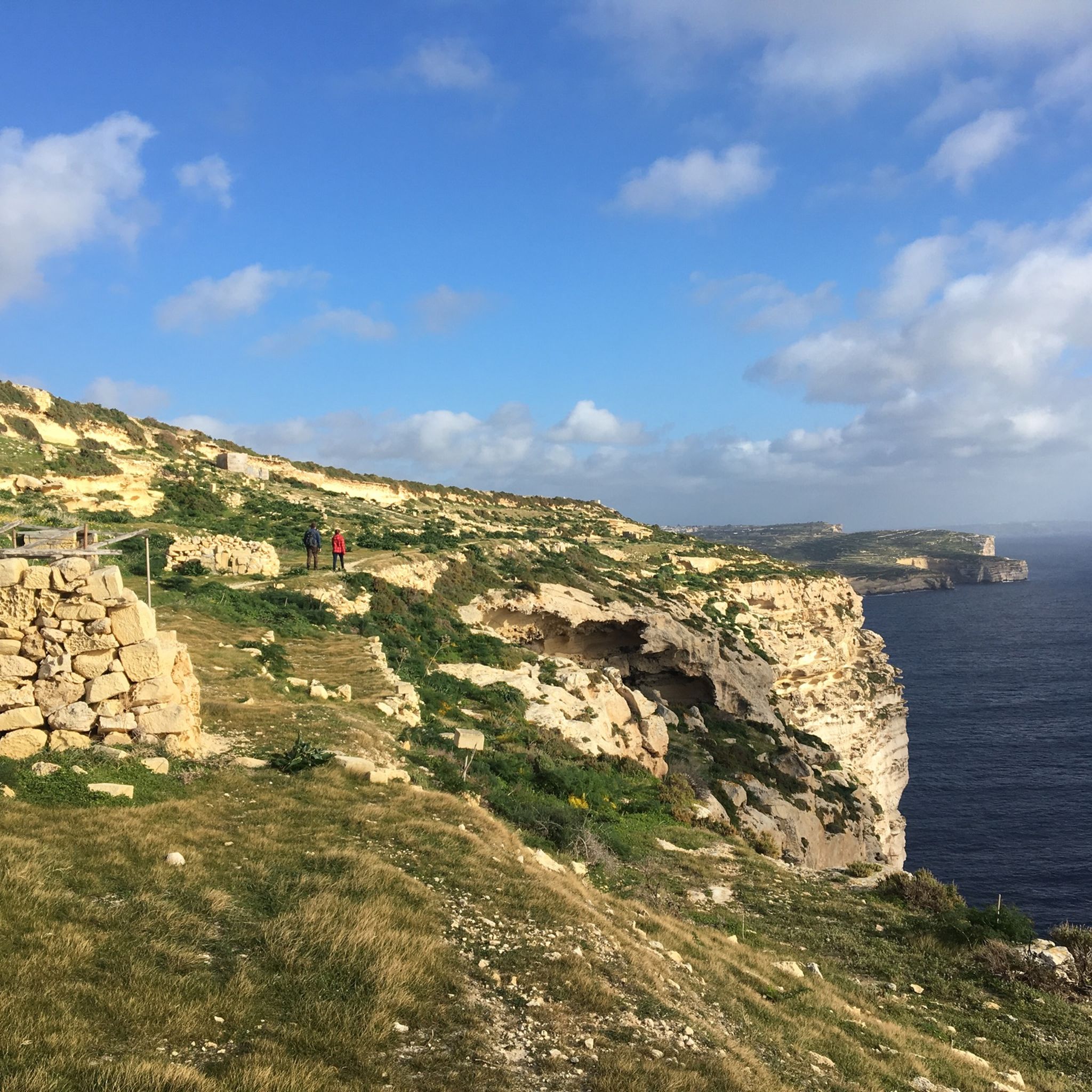
Yes, several caves provide excellent viewpoints. Tal-Mixta Cave on Gozo offers a breathtaking panoramic view of Ramla Bay. Calypso Cave, also on Gozo, is perched above Ramla Bay and provides spectacular coastal views. Billingshurst Cave also offers a very nice view of the coast.
What outdoor activities can I do near the caves in Malta?
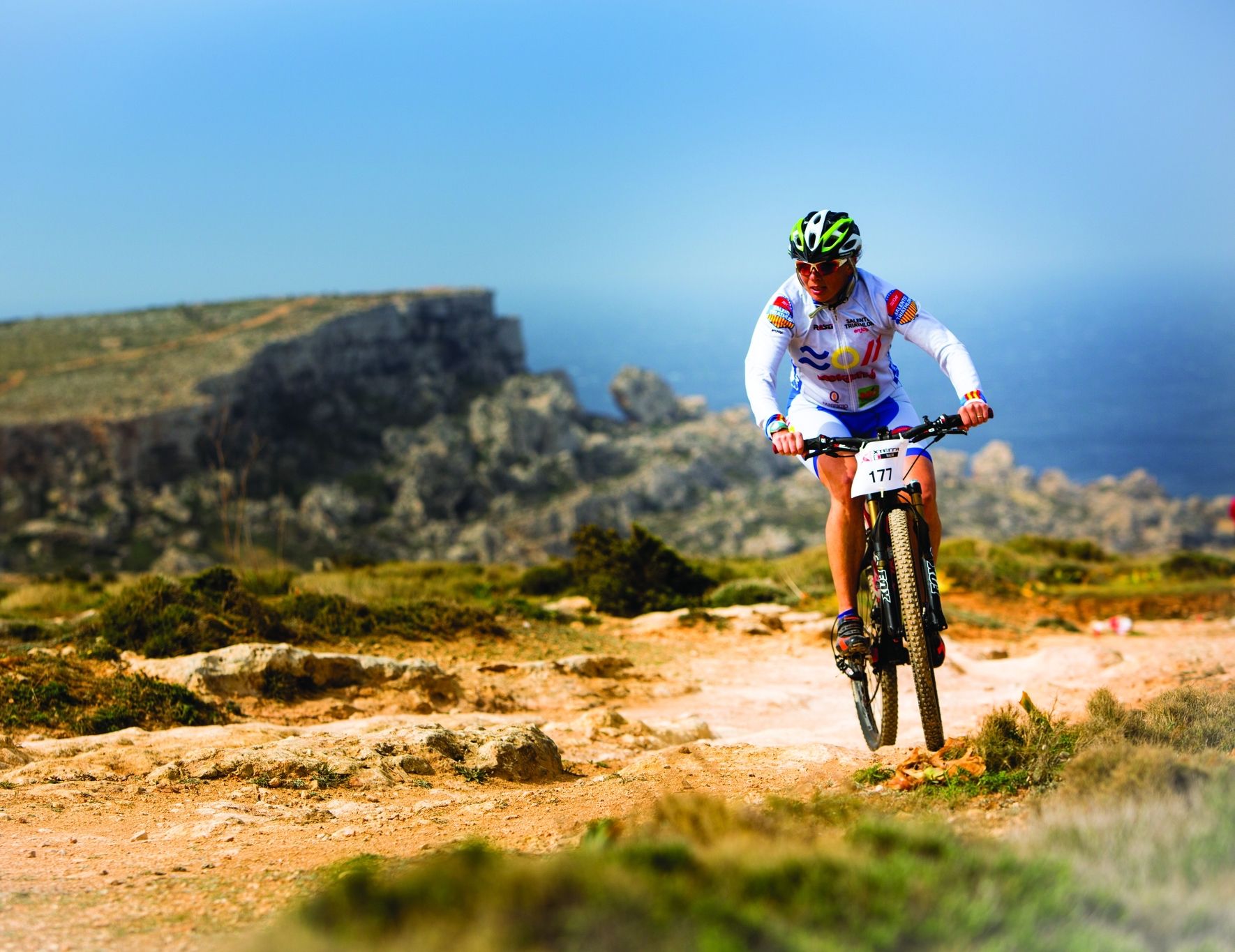
Near many of Malta's caves, you can find opportunities for hiking and cycling. For example, you can explore easy hikes like the Dingli Cliffs loop or the Xwejni Salt Pans loop. For more challenging cycling, routes like the Xwejni Salt Pans – Ta' Pinu Basilica loop are available. You can find more details on these activities in the Hiking in Malta and Cycling in Malta guides.
Are there any caves that are particularly challenging to access or explore?
Some caves present more challenging access. Il-Latnija Cave (also known as Mellieħa Cave) is a sinkhole known for offering some of the most difficult climbing routes on the island. Ghajn Abdul Cave is also listed as challenging.
What do visitors enjoy most about the caves in Malta?
Visitors frequently highlight the impressive natural scenery, especially the vibrant blue waters and rock formations of the sea caves. The historical significance of sites like Għar Dalam, with its ancient fossils, is also a major draw. Many appreciate the opportunities for swimming, snorkeling, and diving in the clear waters, as well as the stunning coastal viewpoints.
Is public transport available to reach some of the caves?
While specific public transport details for every cave vary, Malta has a comprehensive bus network. Many popular attractions, including areas near significant caves like the Blue Grotto, are accessible by bus. It's advisable to check local bus routes for specific destinations.
Do I need permits to visit caves in Malta?
Generally, you do not need special permits for casual visits to most accessible caves in Malta. However, some sites, particularly historical or archaeological ones like Għar Dalam, may have entrance fees or require tickets. Private caves, such as Ninu's Cave and Xerri's Grotto, are often accessed through guided tours provided by the property owners.
Most popular attractions in Malta

Get inspired with the komoot mobile app


Explore more
Extend your search for the best caves by checking out these guides of the top ones in Malta:
