Top 20 Caves in Lazio
Best caves in Lazio are found within a region characterized by diverse landscapes, from coastal areas to volcanic mountains and ancient historical sites. Lazio's terrain includes significant geological formations, such as tufa spurs and volcanic peaks, which contribute to its unique subterranean features. The region is rich in both natural caves and those with historical significance, including ancient Roman grottoes. These sites offer insights into natural history and past civilizations.
Best caves in Lazio
- The most popular caves is Devil’s Well Cave (Monte Venere), a cave located on Monte Venere, a mountain of volcanic origin. This cave is part of the Monti Cimini group and features a large entrance.
- Another must-see spot is Historic village of Civita di Bagnoregio, a historical site with Etruscan and Roman remains. Visitors can explore an underground cave dwelling within this ancient village.
- Visitors also love Tiberius' Grotto, a cave that is part of a spectacular late Roman Republican villa. This site includes a museum and offers historical context.
- Lazio is known for river caves, sea caves, and historical grottoes. The region offers a variety of subterranean experiences, from natural formations to sites with ancient Roman connections.
- The caves in Lazio are appreciated by the komoot community, with 84 upvotes and 125 photos shared by users.
Last updated: September 29, 2026
Historic village of Civita di Bagnoregio
Highlight • Historical Site
Translated by Google •
Tip by

Devil’s Well Cave (Monte Venere)
Highlight • Cave
It is a mountain of volcanic origin that reaches a height of 835 m asl.
Translated by Google •
Tip by

Sign up now to discover places like this
Get recommendations on the best single tracks, peaks, & plenty of other exciting outdoor places.
Capuchin Crypt and Museum (Santa Maria della Concezione dei Cappuccini)
Highlight • Religious Site
Translated by Google •
Tip by

Tiberius' Grotto
Highlight • Cave
Tip by

Fosso degli Olmetti Waterfall and Etruscan Aqueduct
Highlight • Waterfall
Translated by Google •
Tip by
Vicus Caprarius
Highlight • Historical Site
Translated by Google •
Tip by
Albano Caves
Highlight • Cave
The path is traveled by many people on mountain bikes and on foot. Taking the path of the Devil keeping the path to the right, then straight. Unfortunately, beyond the caves the collapse of a wall no longer allows, as years before, to take the route of the lakes, one is forced to go back.
Translated by Google •
Tip by

Poggio Conte Hermitage
Highlight • Religious Site
Tip by

Tiberius' Cave and Fishpond of Sperlonga
Highlight • Cave
Translated by Google •
Tip by

Monster Grotto at Villa Aldobrandini
Highlight • Cave
Translated by Google •
Tip by

Sign up for free to discover even more caves in Lazio.
Already have an account?
Start today with a free account
Your next adventure awaits.
Popular around Lazio
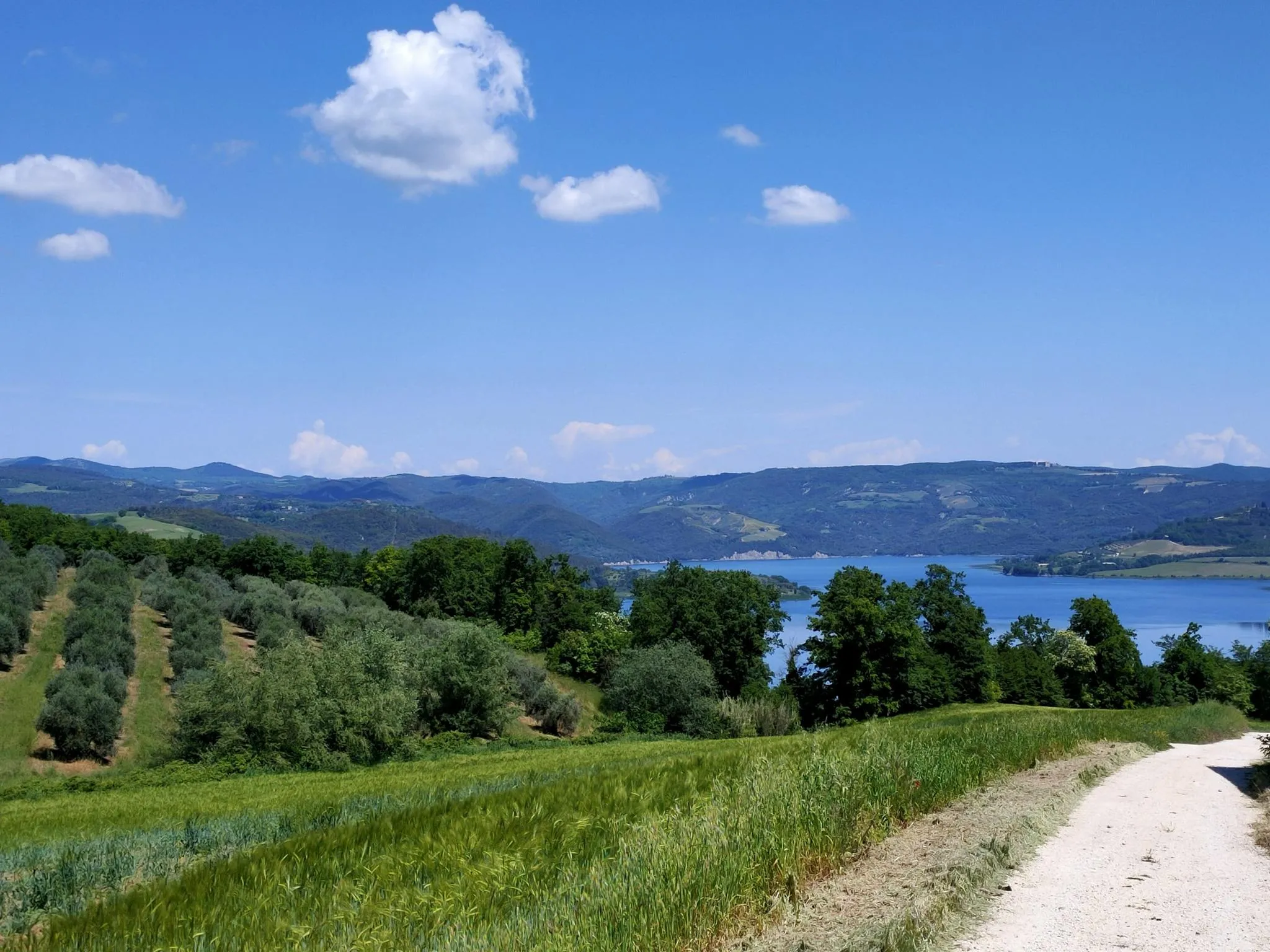
Italian Coast2Coast – From Portonovo to Orbetello

Naples to North Cape — Two friends, one purpose and many scoops of ice-cream
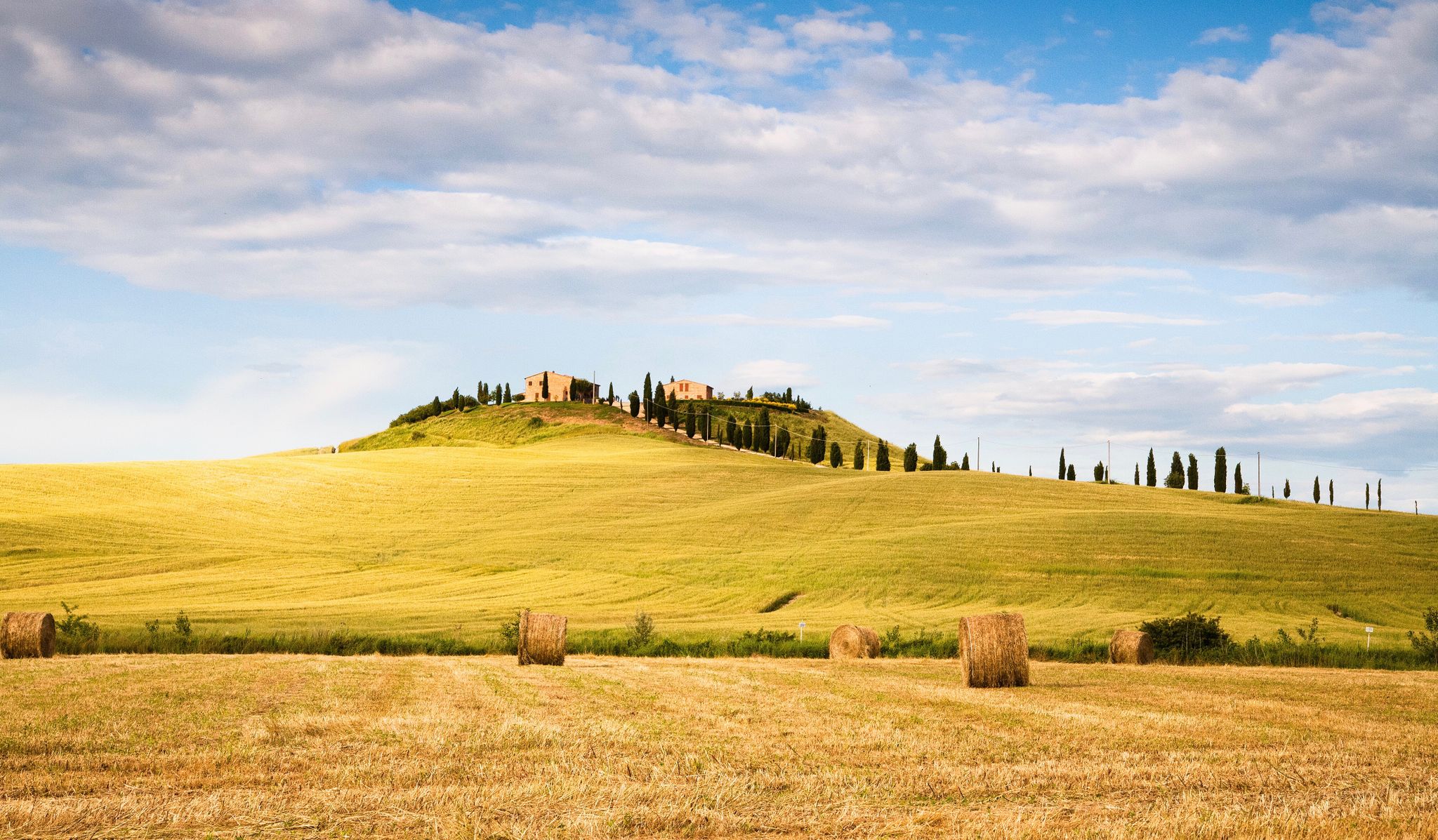
Via Francigena South — Siena to Rome
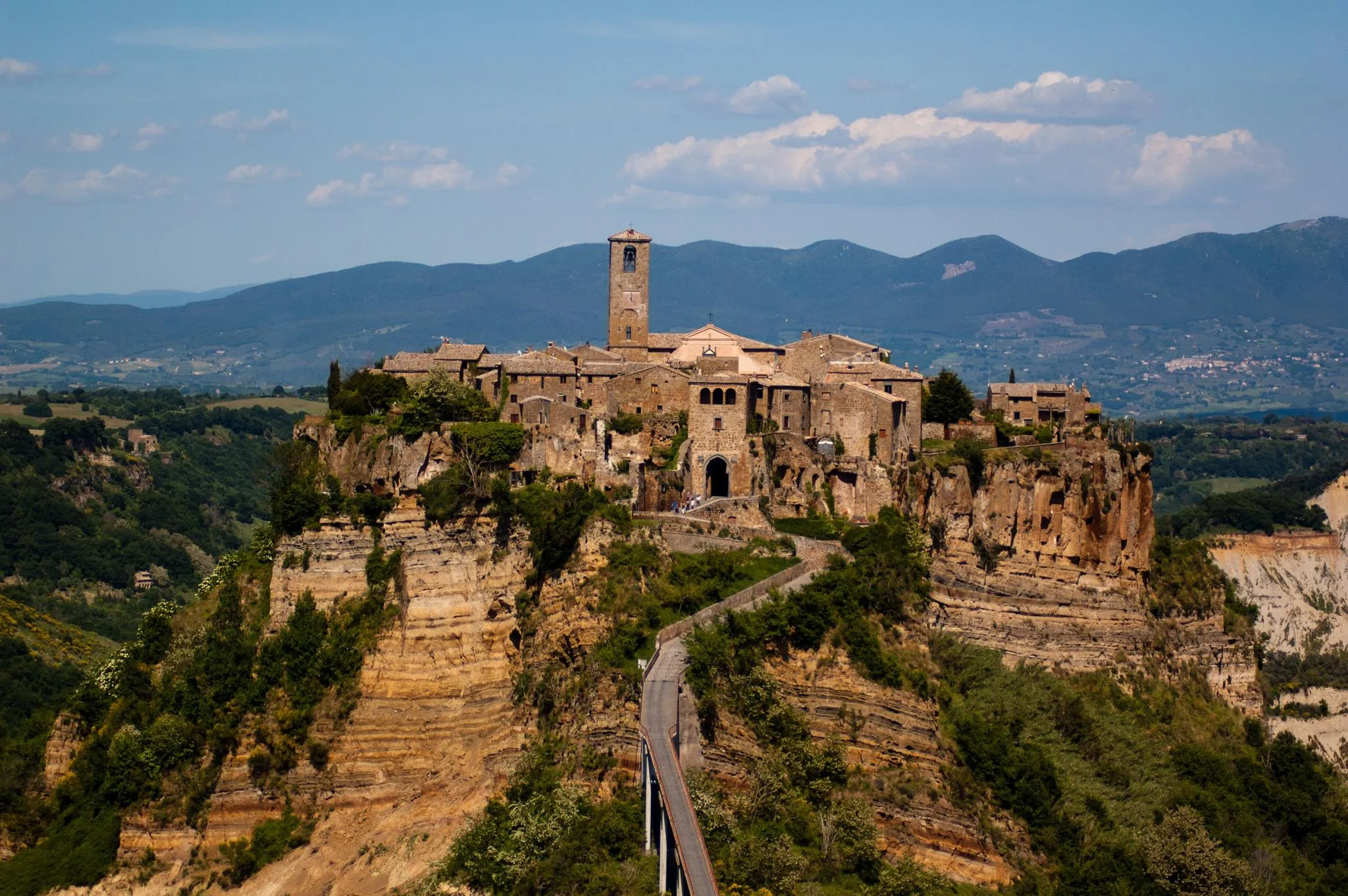
Lazio by bike – suspended villages, turquoise waters and natural parks
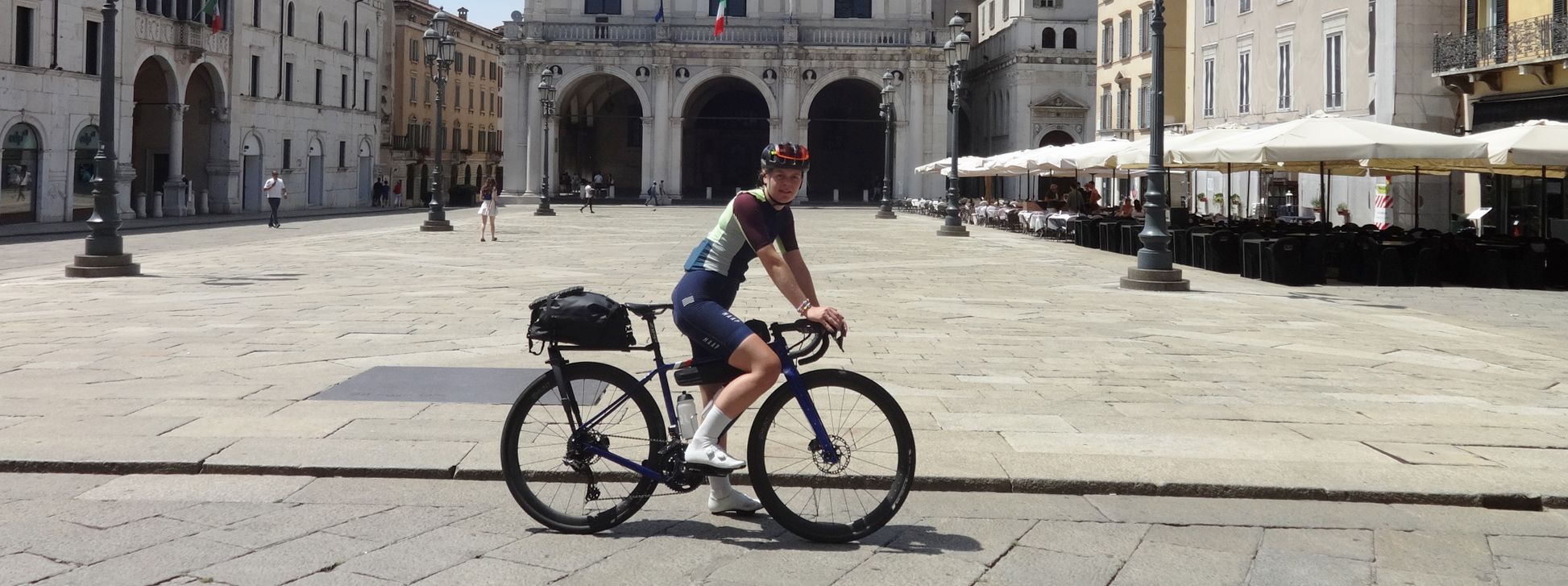
The Pizza Pilgrimage – Milan to Naples, fuelled by pizza
The Apennine Cycleway (Part 2) - From Umbria to Calabria
Explore Italy’s Aurunci Mountains by MTB
All roads lead to Rome – Romea Tiberina Cycleway
Hike from Rome to the Adriatic Sea – Way of St. Thomas
Ride St Francis Way in Italy – Via del Sud pilgrimage
Other adventures in Lazio


Tips from the Community

Following this path, just before reaching the devil's well, it is not clear where to go, the path disappears and also the white and red signs. We had to go a bit by intuition and take a very steep climb in the woods to get there. Once we reach the well, the path continues easily until the end.
0
1

it's OK
1
0

It can be reached after a walk (also accessible by bike) along a path that runs alongside the Fiora River; the last stretch is accessible only on foot. Impressive.
0
0

Very beautiful and worth seeing.
1
0

The crypt consists of five small chapels or chambers, in which the bones of an estimated 3,700 deceased Capuchin monks are displayed. What makes it unique is that these bones have not only been preserved, but have been used to create artistic patterns and decorations. Think chandeliers made of human bones, walls covered in skulls, and skeletons standing or lying upright in monks' robes.
2
0
The Crypt of the Capuchins, also known as the Capuchin Crypt or the Cripta dei Cappuccini, is a fascinating and somewhat macabre tourist attraction in Rome, Italy. It is located beneath the church of Santa Maria della Concezione dei Cappuccini, located on the Via Veneto.
2
0

Be careful not to lean out!
0
0

Civita di Bagnoregio is a magical, surreal, fantastic place, located on the top of a tuff hill and reachable only through a narrow pedestrian bridge from which you can enjoy one of the most spectacular views of all of Lazio. Nicknamed the dying city, due to the constant erosion of the tuff rocks on which it is located, this citadel halfway between Orvieto and Lake Bolsena has Etruscan and medieval origins.
2
0
Frequently Asked Questions
What unique natural features can I expect to see in Lazio's caves?
Lazio's caves offer a diverse range of natural formations. You can explore river caves like Grotta di Pastena, known for its huge passages and impressive stalactites and stalagmites, especially dramatic during rainy seasons. The region also features sea caves, such as Grotta del Turco near Gaeta/Sperlonga, offering majestic oceanfront experiences. Additionally, caves like Devil’s Well Cave (Monte Venere) are of volcanic origin, part of the Monti Cimini group.
Are there caves in Lazio with significant historical or archaeological importance?
Yes, Lazio is rich in historically significant caves. Tiberius' Grotto in Sperlonga is part of a sprawling Roman Villa, famously used by Emperor Tiberius for banquets and featuring a unique fishpond. The Historic village of Civita di Bagnoregio also contains an underground cave dwelling with Etruscan and Roman remains. Other sites like Vicus Caprarius and the Fosso degli Olmetti Waterfall and Etruscan Aqueduct also showcase ancient human interaction with subterranean spaces.
What are some family-friendly cave experiences in Lazio?
For families, Tiberius' Grotto is a great option, combining historical exploration with natural beauty. The site includes a museum that provides historical context, making it an engaging visit for all ages. The Historic village of Civita di Bagnoregio, with its accessible pedestrian bridge and underground cave dwelling, also offers a unique and memorable family outing.
What is the best time of year to visit caves in Lazio?
The best time to visit Lazio's caves generally depends on the type of cave. For river caves like Grotta di Pastena, visiting during rainy seasons is recommended to witness the river flowing through its most dramatic parts. For sea caves and historical grottoes, spring and autumn offer pleasant temperatures for exploration, avoiding the peak summer heat and crowds. Always check specific cave opening hours and conditions before your visit.
Are there any caves in Lazio that are suitable for beginners or offer easy access?
Many of Lazio's caves, particularly the historical grottoes and those with established tourist infrastructure, are suitable for beginners. Tiberius' Grotto, for example, is part of a museum complex and offers relatively easy access. The Historic village of Civita di Bagnoregio, while requiring a walk across a pedestrian bridge, is generally accessible for visitors looking to explore its underground dwelling.
What kind of outdoor activities can I do near the caves in Lazio?
Lazio offers a variety of outdoor activities near its cave sites. You can find numerous easy hikes, such as the Castel Giuliano Waterfall Loop or the Etruscan Pyramid and Santa Cecilia Necropolis Trail. For cyclists, there are road cycling routes like the Tour of Lake Bracciano. More adventurous visitors can explore mountain hikes, including challenging routes in the Terminillo area.
Can I find accommodation or dining options near Lazio's cave attractions?
Yes, many cave attractions in Lazio are located near towns or villages that offer accommodation and dining. For instance, Tiberius' Grotto is close to the ancient city of Sperlonga, which has many good restaurants and bars. The Historic village of Civita di Bagnoregio also has cafes, restaurants, and a small hotel within its renovated buildings.
Are there any caves in Lazio associated with local legends or folklore?
Yes, the San Michele Cave is steeped in local legend. Folklore tells of Archangel Michael having imprisoned a demon within its depths. Beyond its mythical allure, the cave and its nearby limestone cliff are also a popular destination for climbers.
What should I wear or bring when visiting caves in Lazio?
When visiting caves in Lazio, it's advisable to wear comfortable, sturdy shoes with good grip, as surfaces can be uneven or slippery. Even in summer, cave interiors can be cool, so a light jacket or sweater is recommended. For more adventurous cave explorations, a headlamp or flashlight can be useful. Always check specific requirements for each cave, especially if guided tours or special equipment are needed.
Are there any sea caves in Lazio worth visiting?
Yes, Lazio boasts beautiful sea caves. Grotta del Turco, located near Gaeta and Sperlonga, is considered one of Italy's most beautiful sea caves. Its stunning natural beauty and coastal location offer a unique perspective on the region's natural environment. For more information on Italy's sea caves, you can visit italia.it.
What are some lesser-known or unique cave-like historical sites in Lazio?
Beyond the more famous grottoes, Lazio has several unique cave-like historical sites. The Capuchin Crypt and Museum in Santa Maria della Concezione dei Cappuccini offers a distinctive, albeit macabre, historical experience. The Poggio Conte Hermitage, nestled amidst woodlands, is another historical site with cave elements, offering a blend of religious history and natural beauty.
Are there any caves in Lazio that are important for wildlife, such as bats?
Yes, some caves in Lazio serve as important habitats for wildlife. For example, the Devil’s Well Cave (Monte Venere) is known to be a shelter for bats. Visitors are advised not to enter the cavity to avoid disturbing bat colonies, as noise can be disruptive to them. It's important to respect these natural habitats.
Most popular routes in Lazio
Most popular attractions in Lazio

Get inspired with the komoot mobile app


Didn’t find what you were looking for?
Discover more caves in Lazio region by region:
Explore more
Extend your search for the best caves by checking out these guides of the top ones in Lazio:
