Top 20 Castles in Molise
Best castles in Molise offer a glimpse into centuries of Italian history, from medieval strongholds to elegant residences. Molise, a region characterized by its diverse landscape, features these historical structures often perched on hillsides or overlooking the Adriatic Sea. These castles served as defensive positions and later as noble homes, reflecting the region's strategic importance and cultural evolution. They provide insights into military architecture and aristocratic life across various historical periods.
Best castles in Molise
- The most popular castles is…
Last updated: October 12, 2026
Roccamandolfi Castle
Highlight • Castle
Translated by Google •
Tip by

Carpinone Historic Village
Highlight • Settlement
Translated by Google •
Tip by

Sign up now to discover places like this
Get recommendations on the best single tracks, peaks, & plenty of other exciting outdoor places.
Svevo Castle
Highlight • Castle
Translated by Google •
Tip by

Swabian Castle of Termoli
Highlight • Castle
Historic defensive fortifications in limestone and sandstone which today host exhibitions and cultural events
Borgo Vecchio di Termoli, Via Montecastello, 86039 Termoli CB
comune.termoli.cb.it/turismo/visita-la-nostra-citta/associazione-1-il-borgo.html
08757121
Translated by Google •
Tip by

Old Town of Termoli
Highlight • Historical Site
Translated by Google •
Tip by

Pesche
Highlight • Settlement
Translated by Google •
Tip by
Monforte Castle
Highlight • Castle
Translated by Google •
Tip by

Castello di Pandone
Highlight • Castle
Translated by Google •
Tip by

Sant'Angelo Limosano Historic Village
Highlight • Settlement
Translated by Google •
Tip by
Montebello Tower
Highlight • Monument
Translated by Google •
Tip by
Sign up for free to discover even more castles in Molise.
Already have an account?
Start today with a free account
Your next adventure awaits.
Popular around Molise
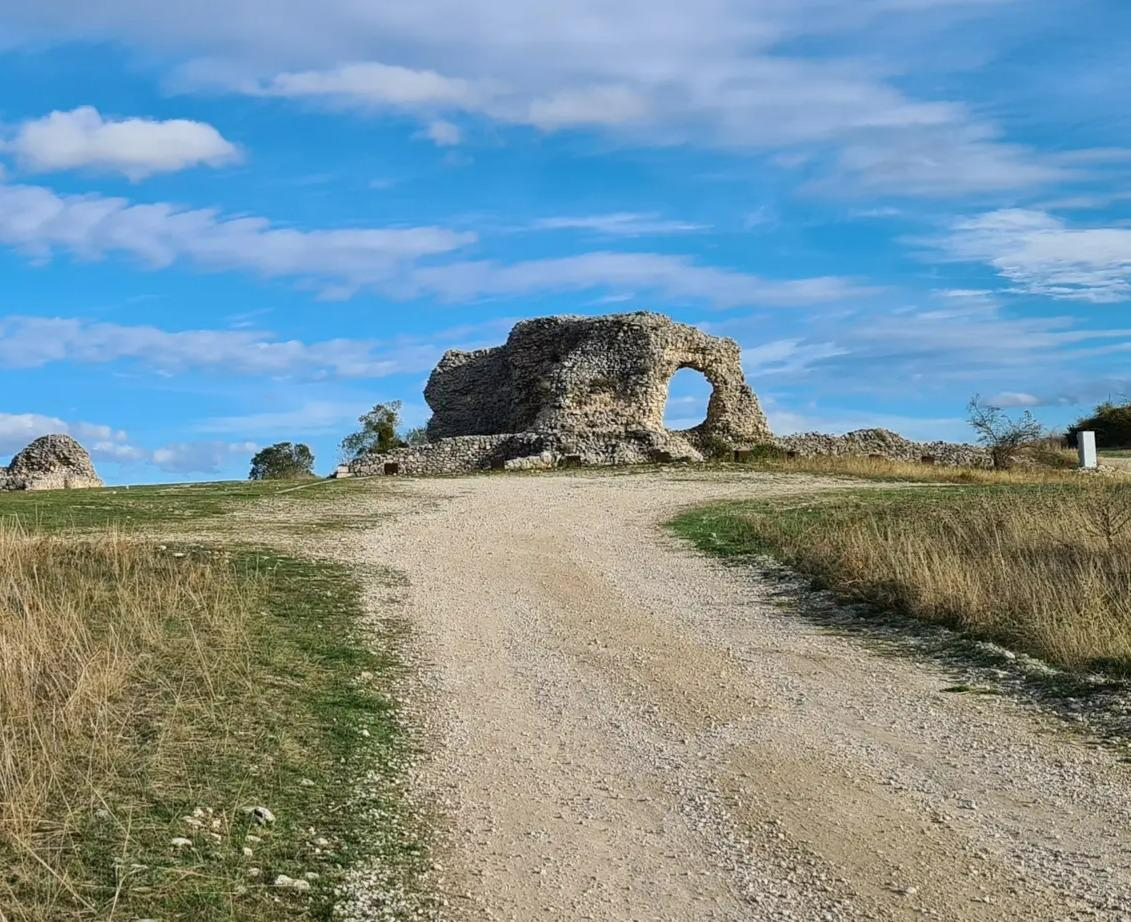
Tratturo Magno – On the roads of transhumance
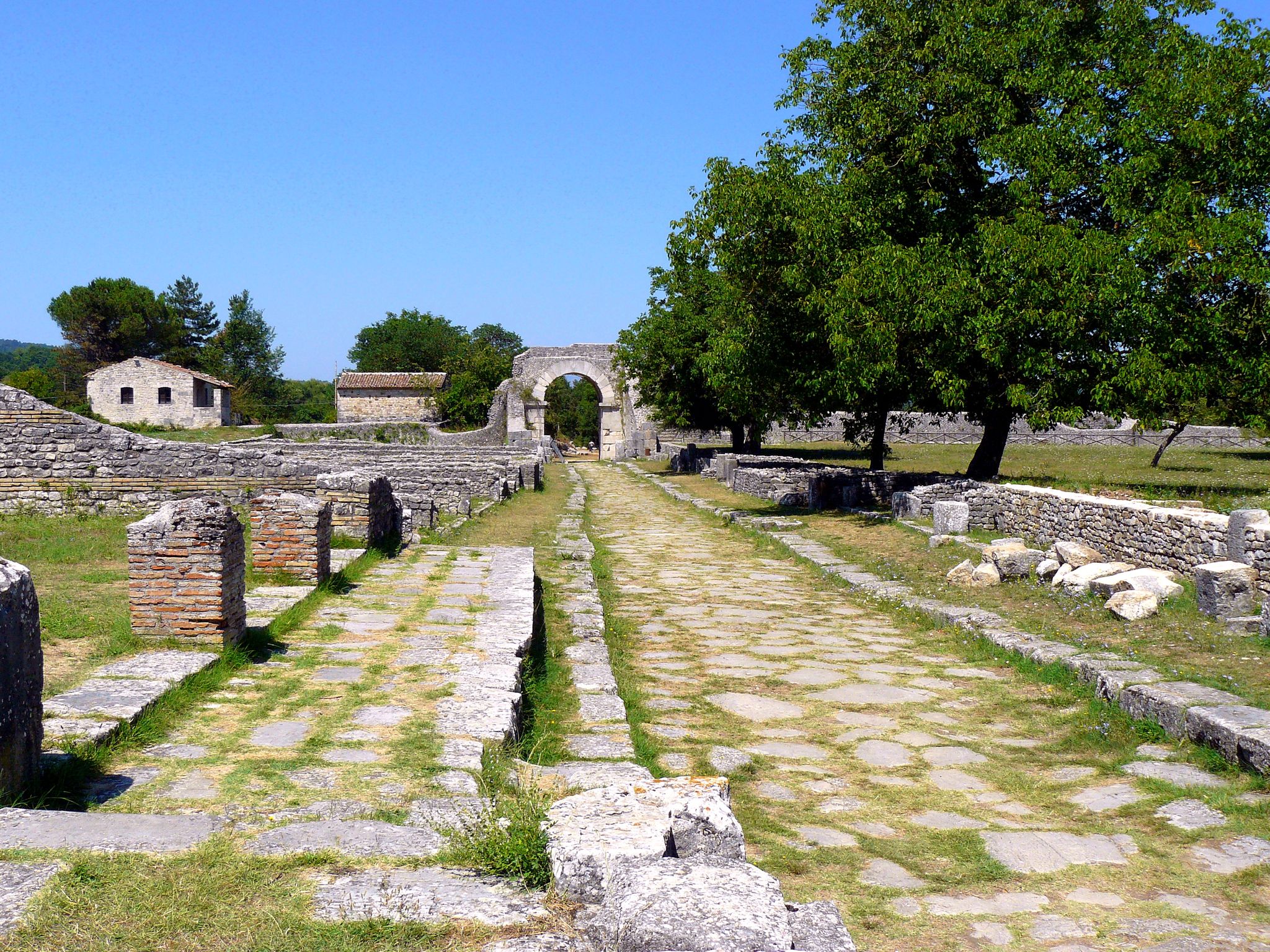
Sentiero Italia – On the tracks of the Samnites and Romans in Molise
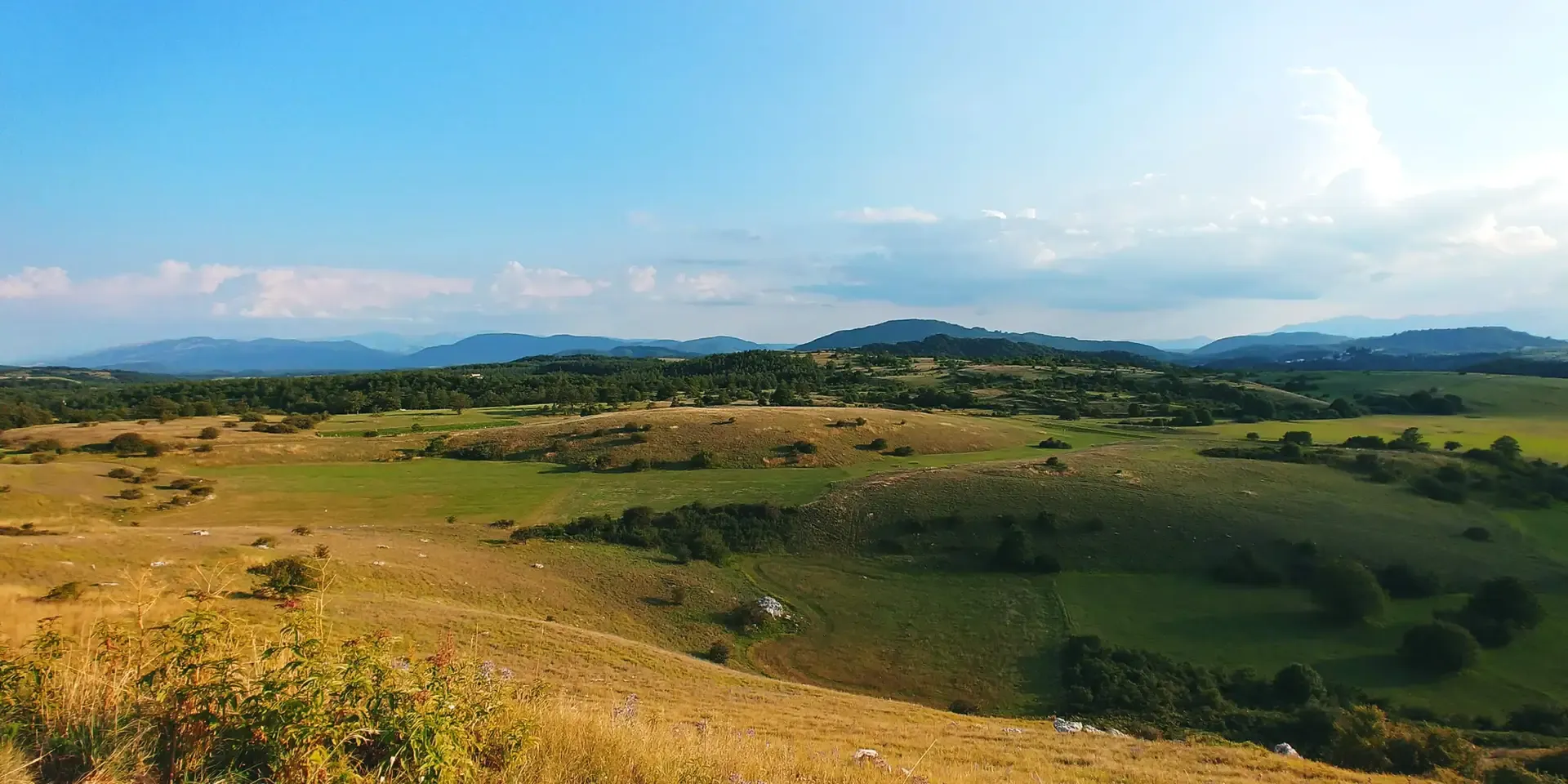
Molise by bike – unspoiled natural beauty and medieval villages
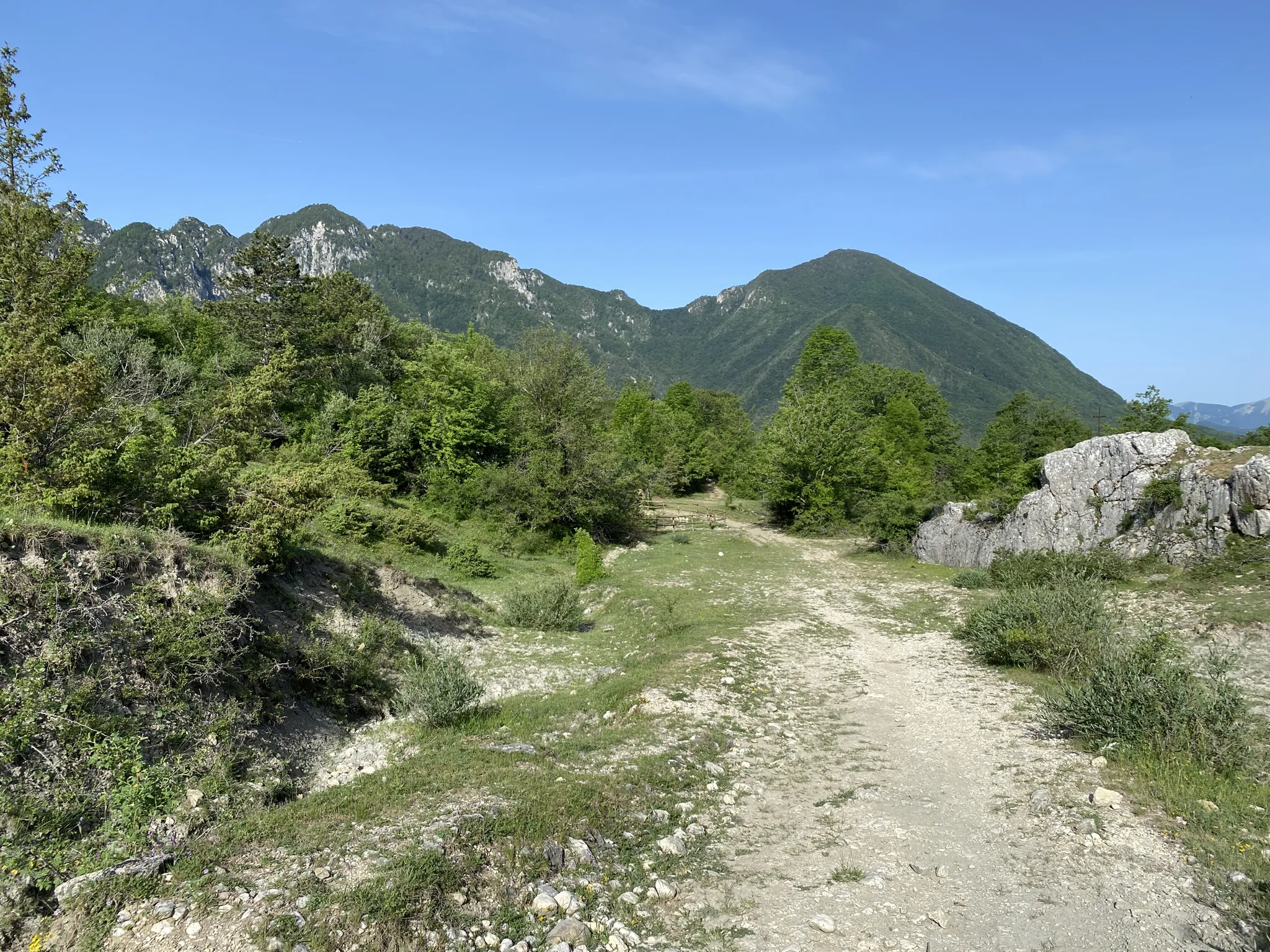
Hike along shepherds tracks in Italy – Via del Tratturo
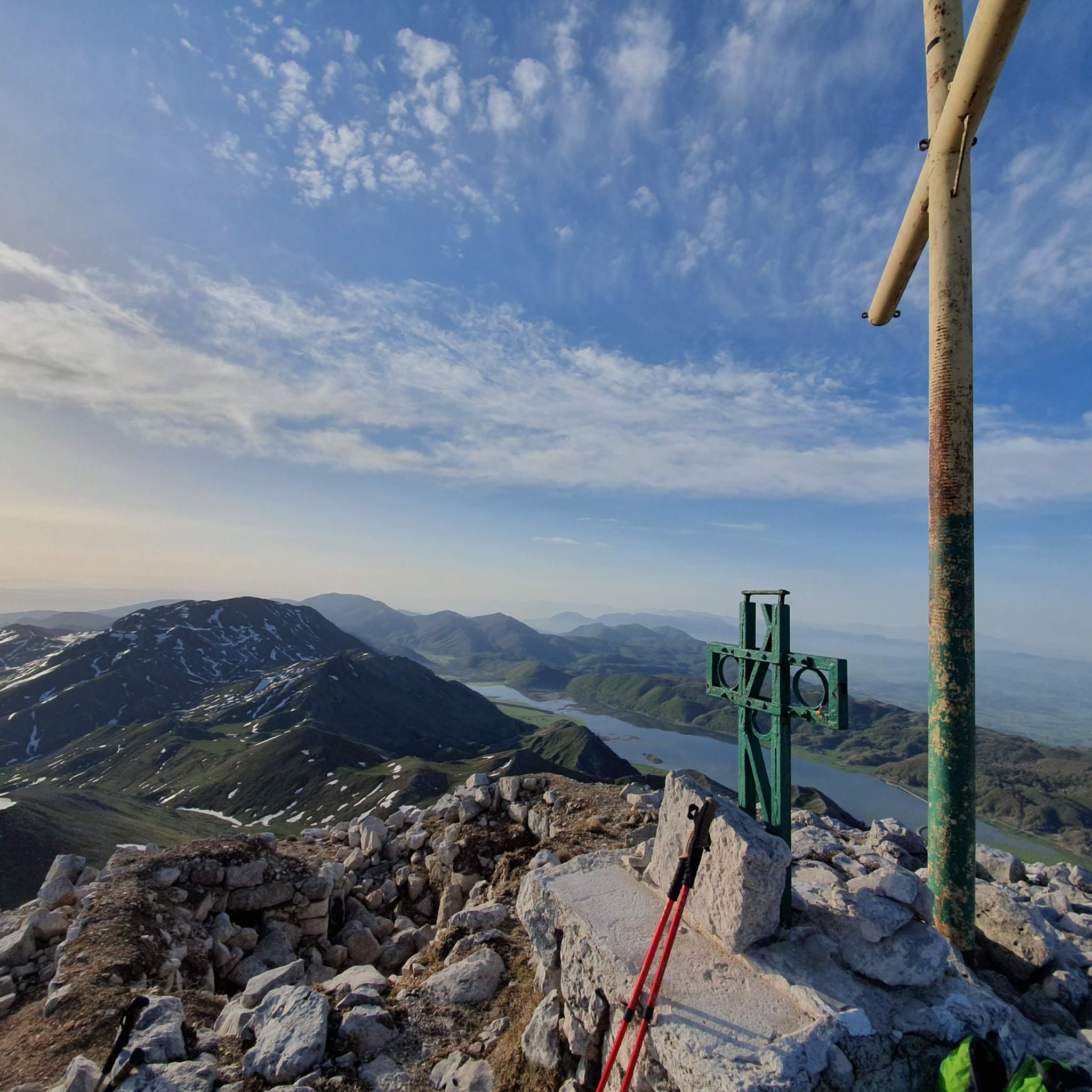
Hiking in Molise
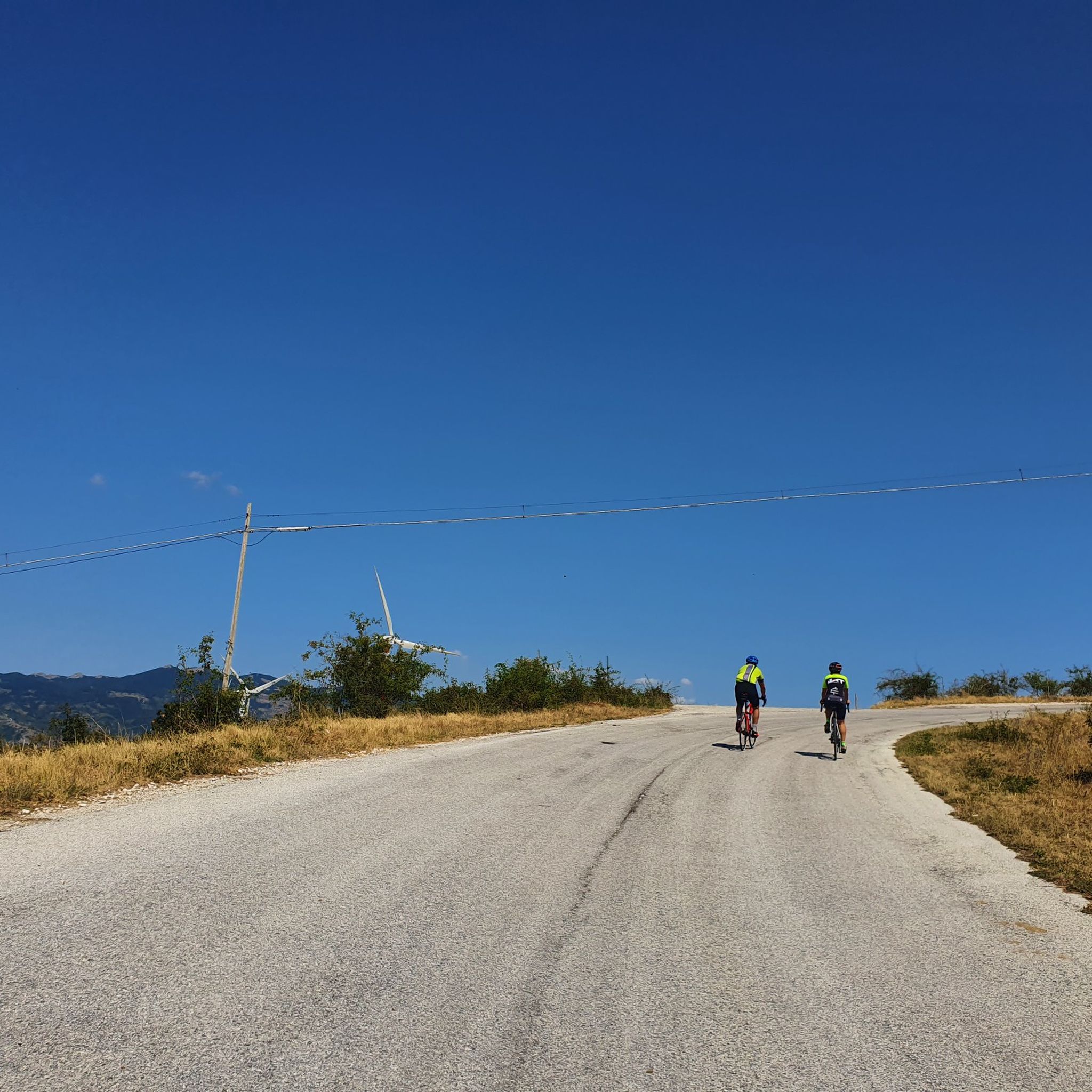
Road Cycling Routes in Molise
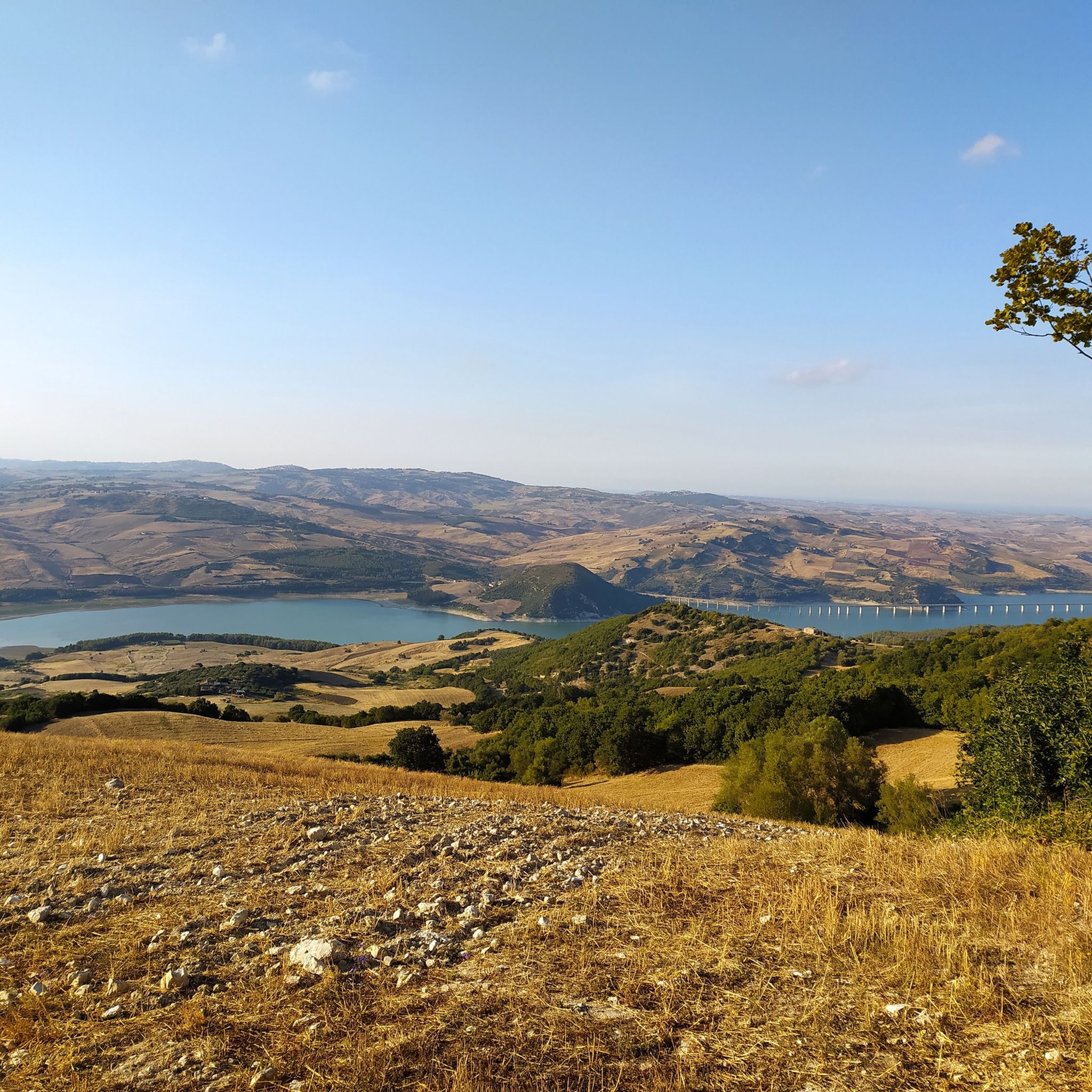
Cycling in Molise
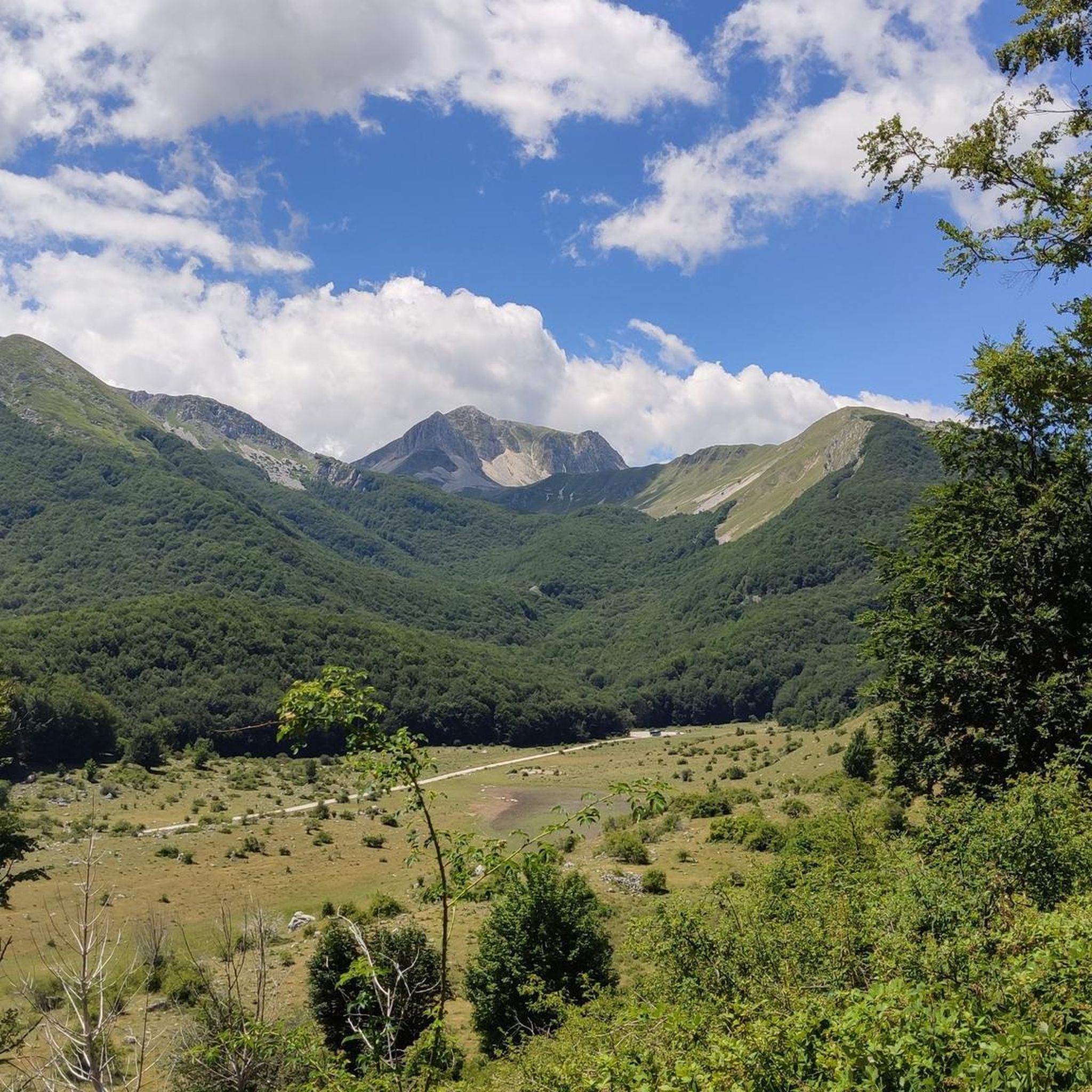
MTB Trails in Molise
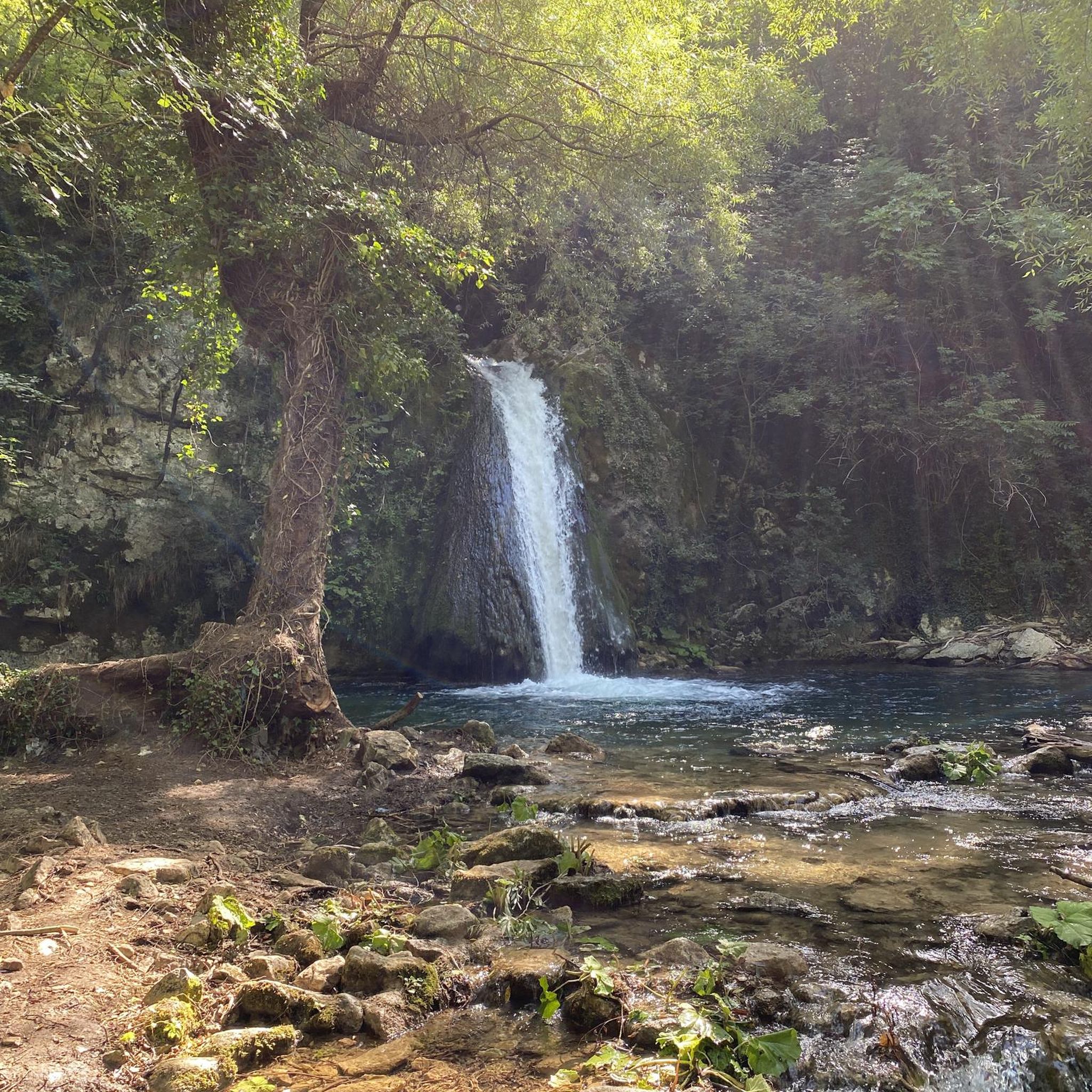
Running Trails in Molise
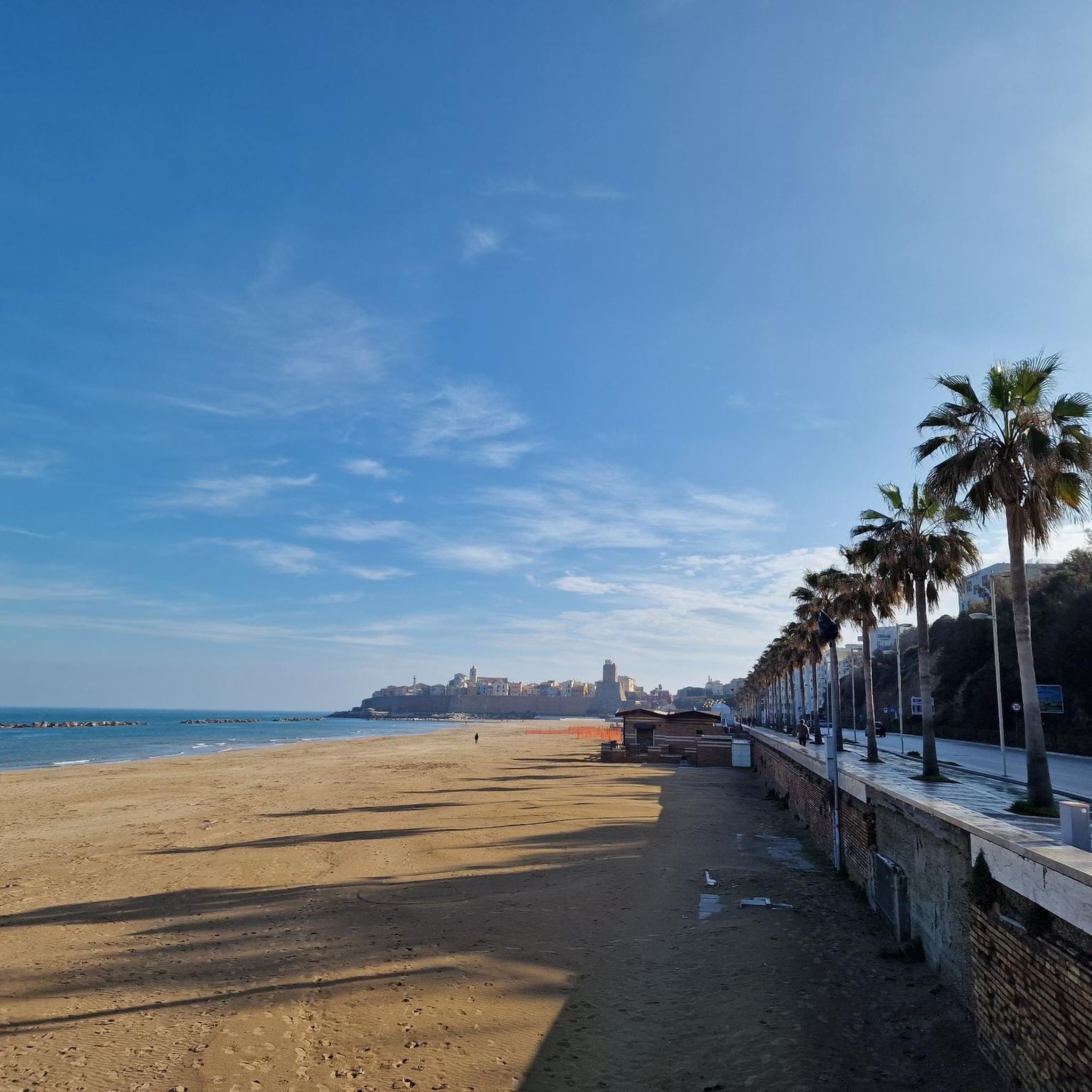
Gravel biking in Molise
Other adventures in Molise


Tips from the Community

The frescoes and the modern art museum are definitely worth a visit. Tickets cost €6, and the complex is also open on Sundays (closed on Mondays). The visit lasts about an hour, if accompanied by the excellent volunteer guide included in the ticket.
0
0

Short tour but with beautiful landscapes.
0
0

I knew the name for being the destination of the "Trans-Siberian of Italy" is a secondary railway line in Abruzzo and Molise. It is now crossed by tourist trains as part of the "Timeless Tracks" project
0
0
Venafro Castle takes its name from the Pandone family, ancient owners of this medieval manor which was later transformed into a noble palace in the sixteenth century.
0
0
An important part of the defense system, a sturdy wall that surrounded the old village.
0
0
Also known as Torre di Vialante
0
0

Pandone Castle is an ancient fortress transformed into a medieval palace. It recently became a national museum of Lombard origin, inside it houses sculptures and paintings by very famous painters such as Michelangelo, Raphael, Giotto, Leonardo da Vinci and Van Gogh.
0
0
A wedding favor you absolutely must visit! PS: "A Rejecelle" alley of the Borgo Antico I wasn't able to pass by bike... it's much narrower.
0
0
Frequently Asked Questions
Which castles in Molise offer the most significant historical insights?
Molise is rich in history, and several castles stand out. The Castello di Capua in Gambatesa, originally a medieval fortress, was transformed into a Renaissance residence with captivating 16th-century frescoes. The Castello Svevo in Termoli, with Norman origins and fortified by Frederick II, is a symbol of medieval military strategy. The Castello d'Evoli in Castropignano, built on a Samnite fortification, offers a journey through Lombard, Norman, and noble eras. For a unique art experience within a historical setting, Pandone Castle in Venafro now houses a national museum with renowned artworks.
Are there castles in Molise that offer panoramic views?
Yes, many castles in Molise are strategically located to provide stunning vistas. From the terrace of Castello di Capua, you can enjoy panoramic views of Gambatesa and Lake Occhito. The Castello Svevo in Termoli offers breathtaking views of the Adriatic Sea and the old town. The Castello d'Evoli in Castropignano boasts an excellent panoramic position overlooking the Biferno valley, and Castello Pignatelli in Monteroduni provides sweeping views of the Volturno valley. In Campobasso, Monforte Castle also offers magnificent views of the surrounding area from its terrace.
What kind of outdoor activities can I do near Molise's castles?
Molise's diverse landscape offers various outdoor activities near its historic castles. For mountain biking, you can explore routes like the SICAI Cycle Route or the challenging 'Da Bojano alla Riserva Naturale Regionale WWF Guardiaregia-Campochiaro' loop. Cyclists can enjoy the Adriatic Cycle Route from Termoli or the scenic 'La Riserva Regionale Guardiaregia-Campochiaro' loop. Runners have options like the 'Monte Miletto e Rifugio del Caprio' loop or a run to Castello Monforte in Campobasso. You can find more details on these activities in the MTB Trails in Molise, Cycling in Molise, and Running Trails in Molise guides.
Are there family-friendly castles to visit in Molise?
Yes, several castles in Molise are suitable for family visits. The Castello Svevo in Termoli is listed as family-friendly and often hosts cultural events. While not explicitly listed as family-friendly, the Castello di Capua with its vibrant frescoes and the panoramic terrace can be engaging for older children. Exploring the historic villages surrounding castles like Carpinone Historic Village can also be a fun family activity.
What is the best time of year to visit Molise castles?
The best time to visit Molise castles is generally during the spring (April-June) and early autumn (September-October). During these months, the weather is typically mild and pleasant, ideal for exploring both the castle interiors and their surrounding grounds. Summer (July-August) can be hot, especially inland, but coastal castles like Castello Svevo benefit from sea breezes. Winter can be cold and some sites might have reduced opening hours.
Can I find natural attractions near the castles in Molise?
Absolutely. Molise's castles are often nestled within beautiful natural settings. Near Roccamandolfi Castle, you'll find the stunning Torrente Callora nature reserve, known for its gorges, waterfalls, and opportunities for hiking and canyoning. The area around Castello d'Evoli overlooks the scenic Biferno valley, while Castello Pignatelli offers views of the Volturno valley. The coastal location of Castello Svevo provides easy access to the Adriatic Sea and its beaches.
Are there any unique cultural experiences or events associated with Molise castles?
Yes, Molise castles are often intertwined with local culture and events. The Castello Svevo in Termoli, recognized as a national monument, hosts exhibitions and cultural events, and on August 15th, an annual fireworks display commemorates a historic Turkish assault. The village surrounding Castello di Civitacampomarano is known for its Cvta Street Fest, adding a contemporary artistic layer to the historic setting. Additionally, Roccamandolfi Castle is near the site of the traditional Festa del Pastore, a rural festival celebrating local traditions.
What are some lesser-known or 'hidden gem' castles in Molise?
While many castles are well-known, Molise has several hidden gems. Castello di Civitacampomarano, perched on a sandstone hill, is described as a 'jewel nestled in the rock' with a unique blend of medieval and Renaissance elements. The Castello d'Evoli in Castropignano, despite its partial ruin, has been restored and offers a fascinating history and panoramic position, often explored through guided tours. These offer a deeper dive into the region's less-traveled historical sites.
How long does it typically take to visit a castle in Molise?
The duration of a castle visit in Molise can vary depending on the size of the castle and your level of interest. For smaller castles or those with limited accessible areas, an hour or two might suffice. Larger castles like Castello di Capua, with its extensive frescoes and multiple levels, or Castello Svevo, which often hosts exhibitions, could easily take 2-3 hours. If you plan to explore the surrounding village or natural areas, allocate a half-day or more.
Is parking available at Molise castles?
Parking availability varies by castle. Many castles, especially those in or near towns, will have designated parking areas nearby, though these might be paid or require a short walk. For example, castles like Monforte Castle in Campobasso or Castello Svevo in Termoli are typically accessible by car with parking options in the respective towns. For more remote castles, parking might be less formal. It's advisable to check specific castle websites or local tourist information for the most up-to-date parking details.
Are there any castles in Molise that are particularly well-preserved or restored?
Yes, several Molise castles have undergone significant preservation or restoration. The Castello di Capua in Gambatesa is notable for its well-preserved 16th-century frescoes. The Castello Svevo in Termoli was significantly restored and fortified in the 13th century and is kept in excellent condition today. The Castello d'Evoli in Castropignano, despite past abandonment, has been restored, allowing visitors to explore its secrets. These efforts ensure that visitors can experience the historical grandeur of these structures.
Most popular routes in Molise
Most popular attractions in Molise

Get inspired with the komoot mobile app


Didn’t find what you were looking for?
Explore Molise’s best castles region by region:
Explore more
Looking for the best castles somewhere else? Discover other guides in Molise:
